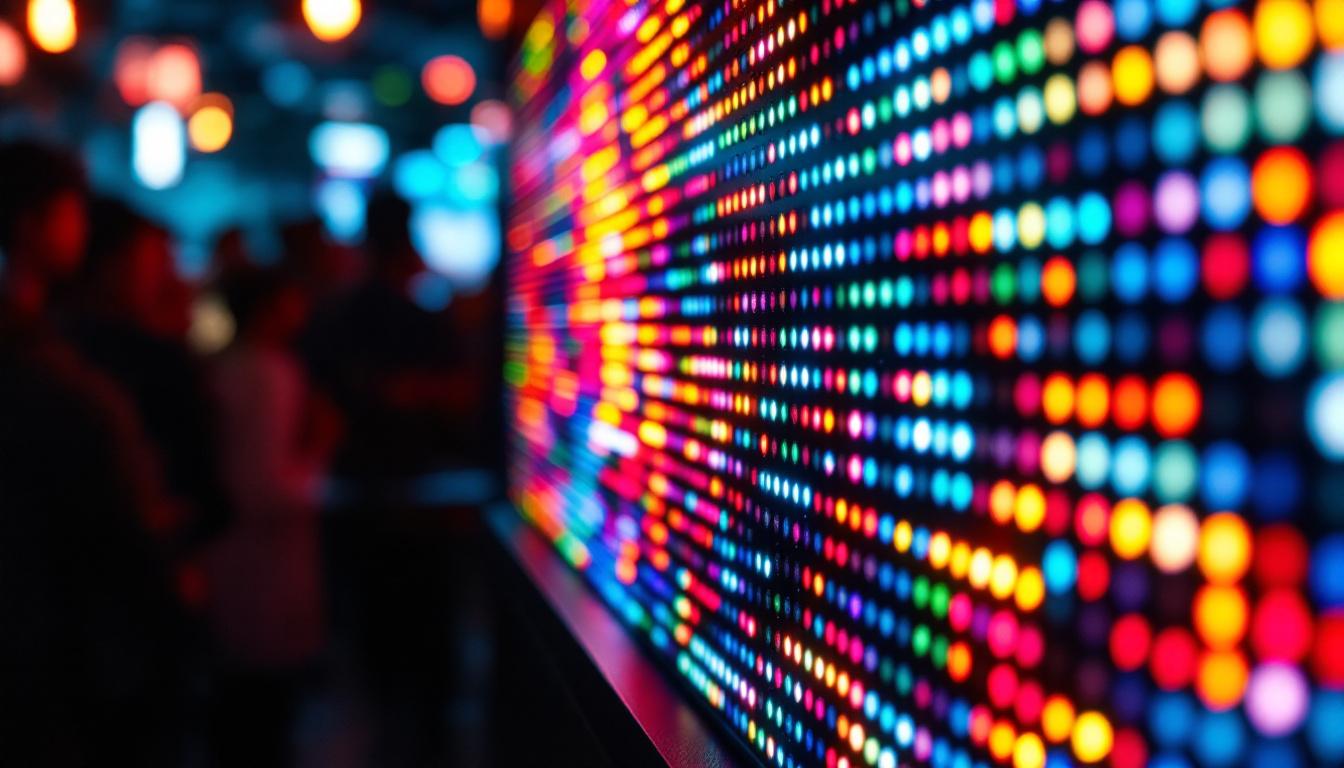
In the rapidly evolving world of digital signage and display technology, LED pixel panels have emerged as a dominant solution for delivering vibrant, high-resolution visuals. From massive outdoor billboards to indoor retail displays, LED pixel panels offer unparalleled brightness, flexibility, and durability. This article explores the fundamentals of LED pixel panels, their technology, applications, and what makes them a preferred choice for businesses and advertisers worldwide.
Understanding LED Pixel Panels: The Basics
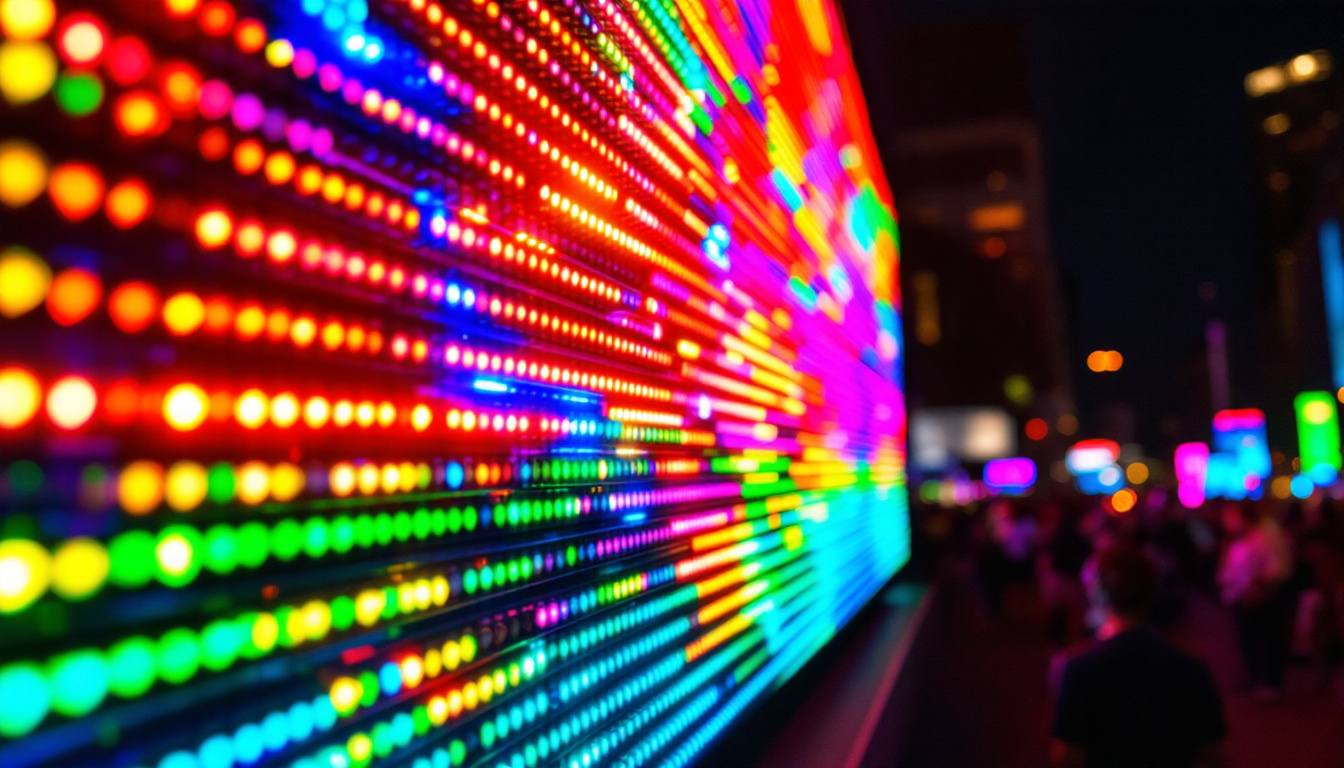
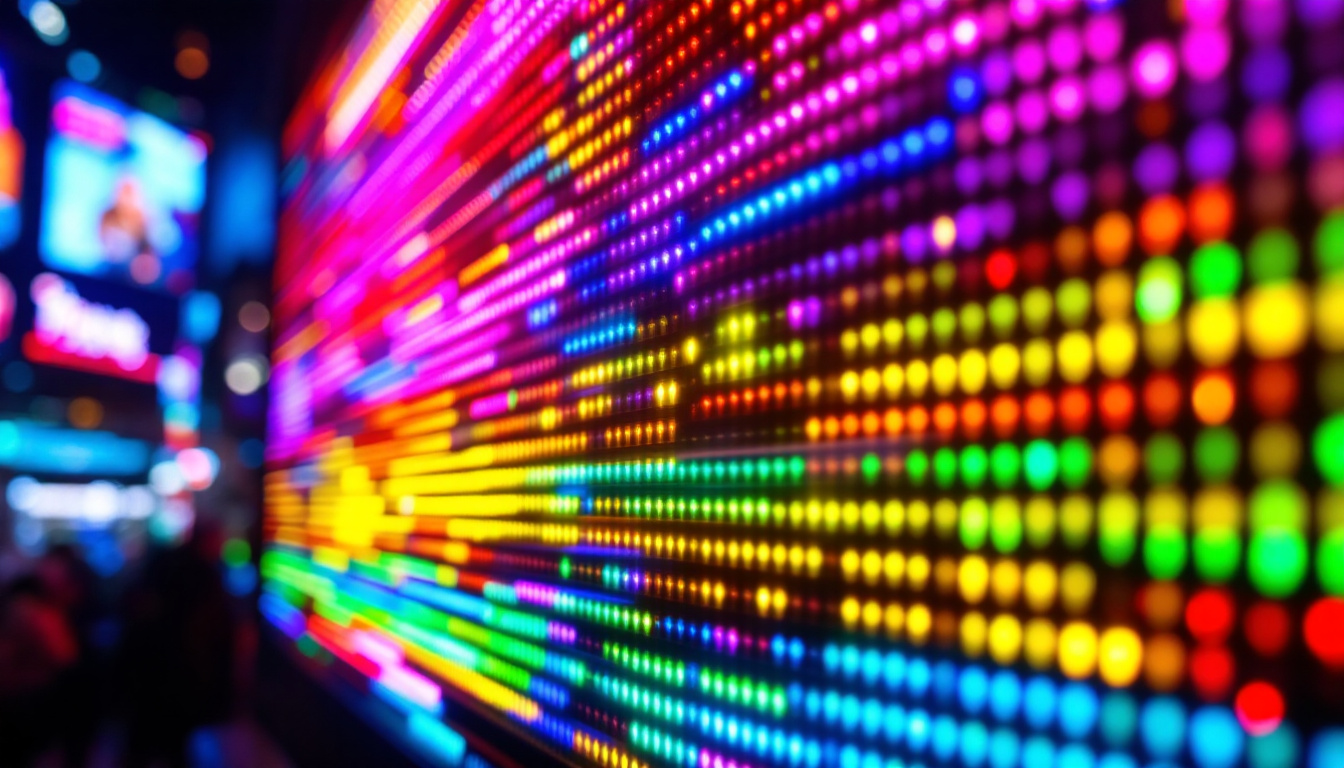
At its core, an LED pixel panel is a modular display unit composed of numerous light-emitting diodes (LEDs) arranged in a grid pattern. Each LED acts as a single pixel, capable of producing a specific color by combining red, green, and blue light at varying intensities. The collective operation of these pixels forms the images, videos, or text displayed on the screen. This technology has revolutionized the way visual content is presented, allowing for vibrant displays in various settings, from concerts to advertising billboards.
The term “pixel pitch” is crucial when discussing LED panels. Pixel pitch refers to the distance between the center of one LED pixel to the center of the adjacent pixel, usually measured in millimeters. This measurement directly influences the resolution and viewing distance of the panel. A smaller pixel pitch means higher resolution and closer optimal viewing distance, making it suitable for indoor applications where viewers are near the screen. Conversely, larger pixel pitches are more appropriate for outdoor displays, where viewers are typically farther away, ensuring that the images remain clear and impactful.
How LED Pixel Panels Work
LED pixel panels operate by controlling the brightness and color of each pixel individually. Each pixel typically consists of three sub-pixels—red, green, and blue LEDs—that blend to create a full spectrum of colors. By adjusting the intensity of these sub-pixels, the panel can reproduce millions of colors, enabling rich and dynamic visual content. This capability is particularly beneficial in environments such as art installations or advertising, where capturing attention is paramount.
These panels are driven by sophisticated control systems that receive video signals and translate them into commands for each pixel. Modern LED controllers support high refresh rates, ensuring smooth motion and reducing flicker, which is especially important for video playback and live broadcasts. Additionally, many systems now incorporate advanced features such as real-time image processing and color calibration, allowing for precise adjustments that enhance the overall viewing experience.
Types of LED Pixel Panels
LED pixel panels come in various types, primarily categorized by their intended use and technology:
- Indoor LED Panels: Designed for environments with controlled lighting, these panels have a smaller pixel pitch (typically 1.2mm to 4mm), offering high resolution and detailed images suitable for close viewing. They are commonly used in retail spaces, conference rooms, and stages, where clarity and detail are essential.
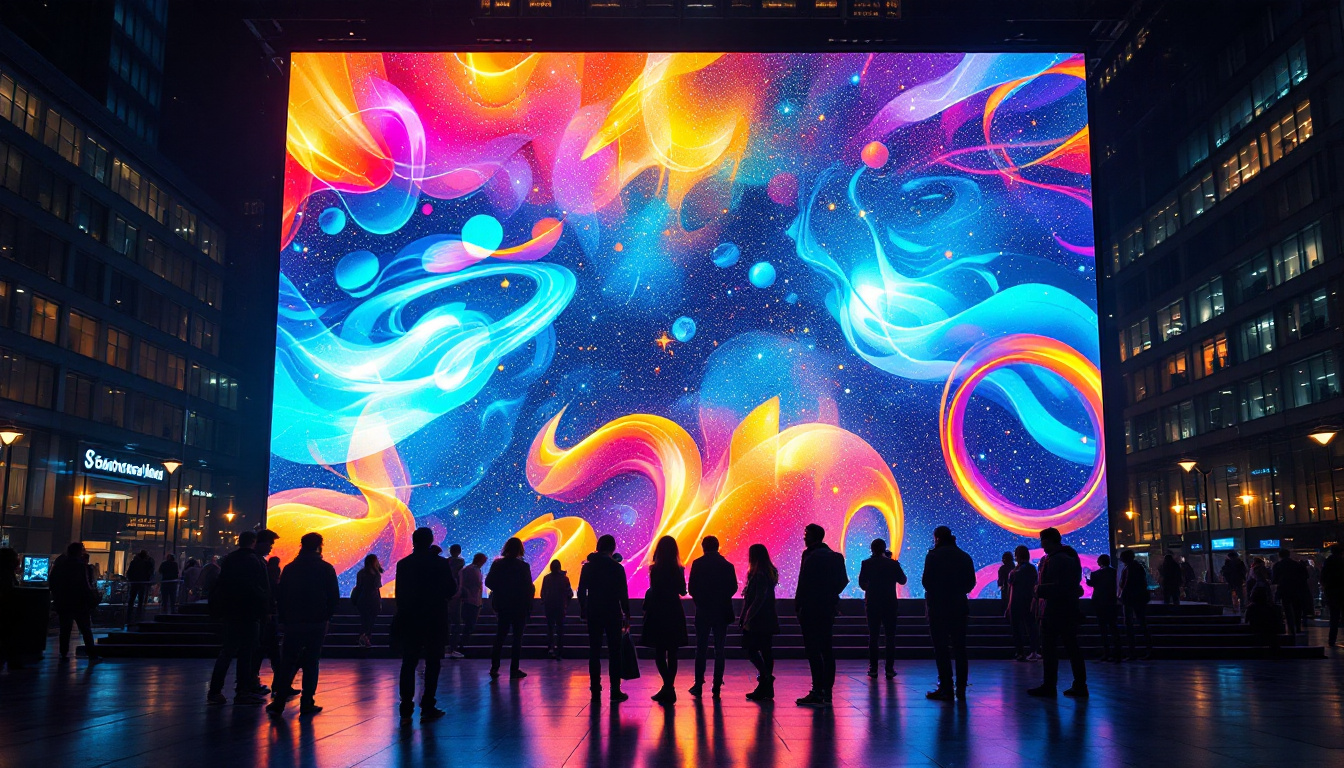
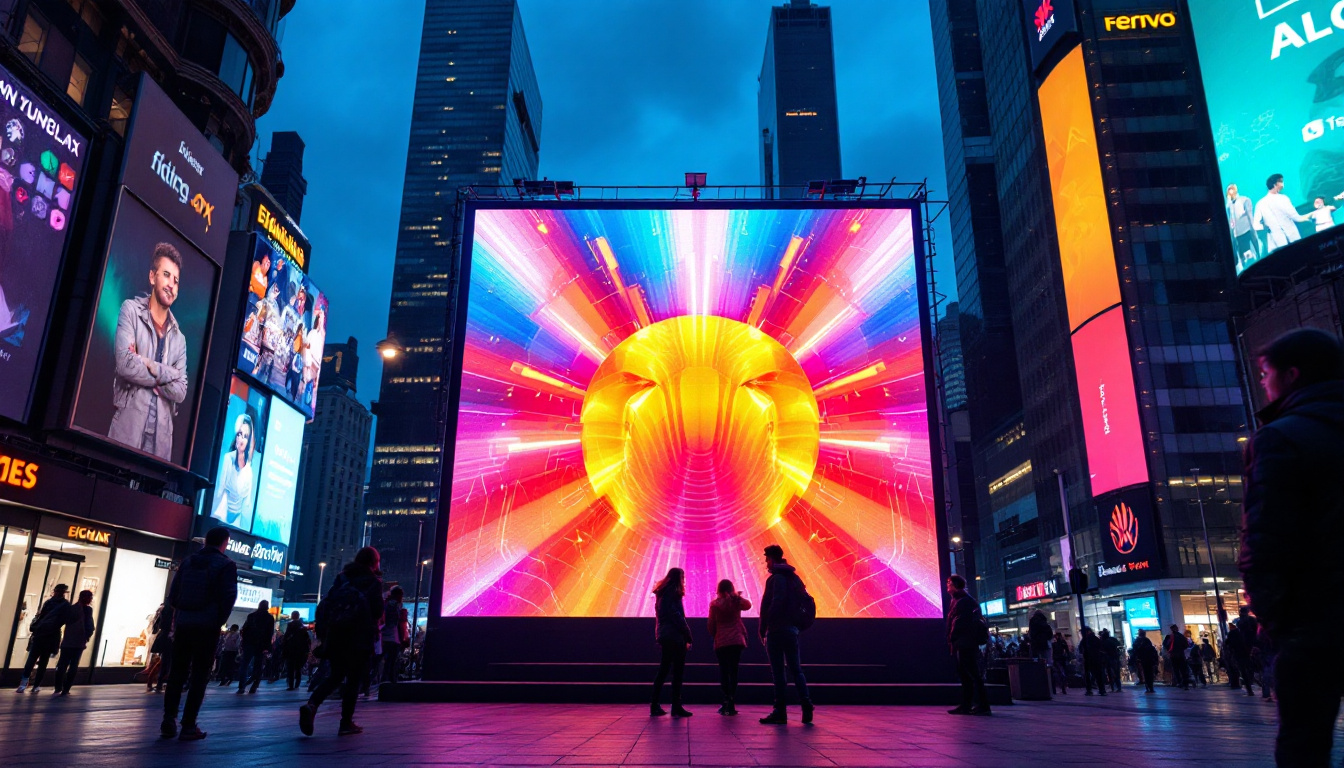
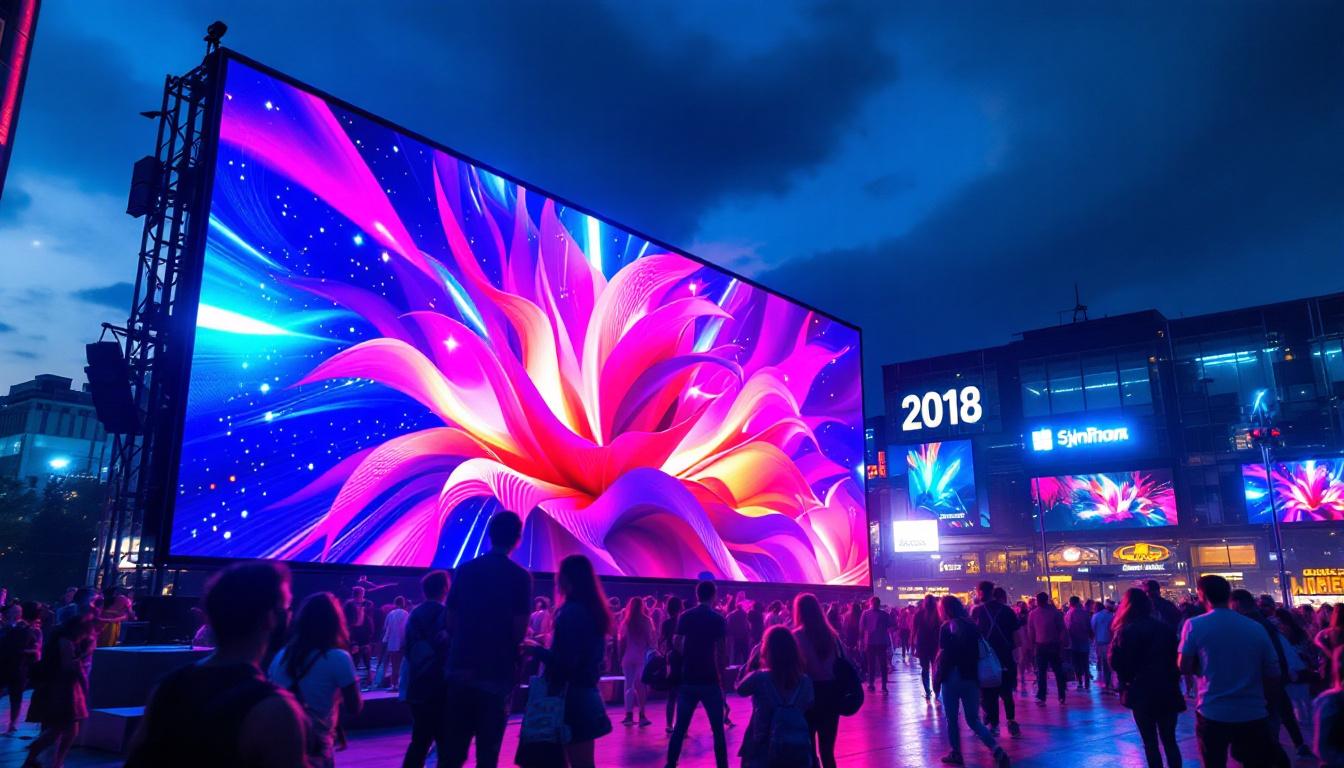
- Outdoor LED Panels: Built to withstand harsh weather conditions, these panels have larger pixel pitches (usually 6mm to 20mm) to maintain visibility from greater distances. They feature higher brightness levels, often exceeding 5,000 nits, to combat sunlight glare. These panels are frequently employed in public spaces, such as stadiums and city squares, where they can convey information and advertisements to large crowds.
- Transparent LED Panels: These innovative panels allow light to pass through, making them ideal for storefront windows and architectural applications where maintaining visibility through the glass is important. They create a stunning visual effect, enabling businesses to showcase products while still allowing natural light to enter the space.
- Flexible LED Panels: Utilizing bendable substrates, these panels can curve around surfaces, enabling creative and immersive display designs. This flexibility opens up new possibilities for artistic installations and unique advertising formats, allowing designers to think outside the traditional rectangular box.
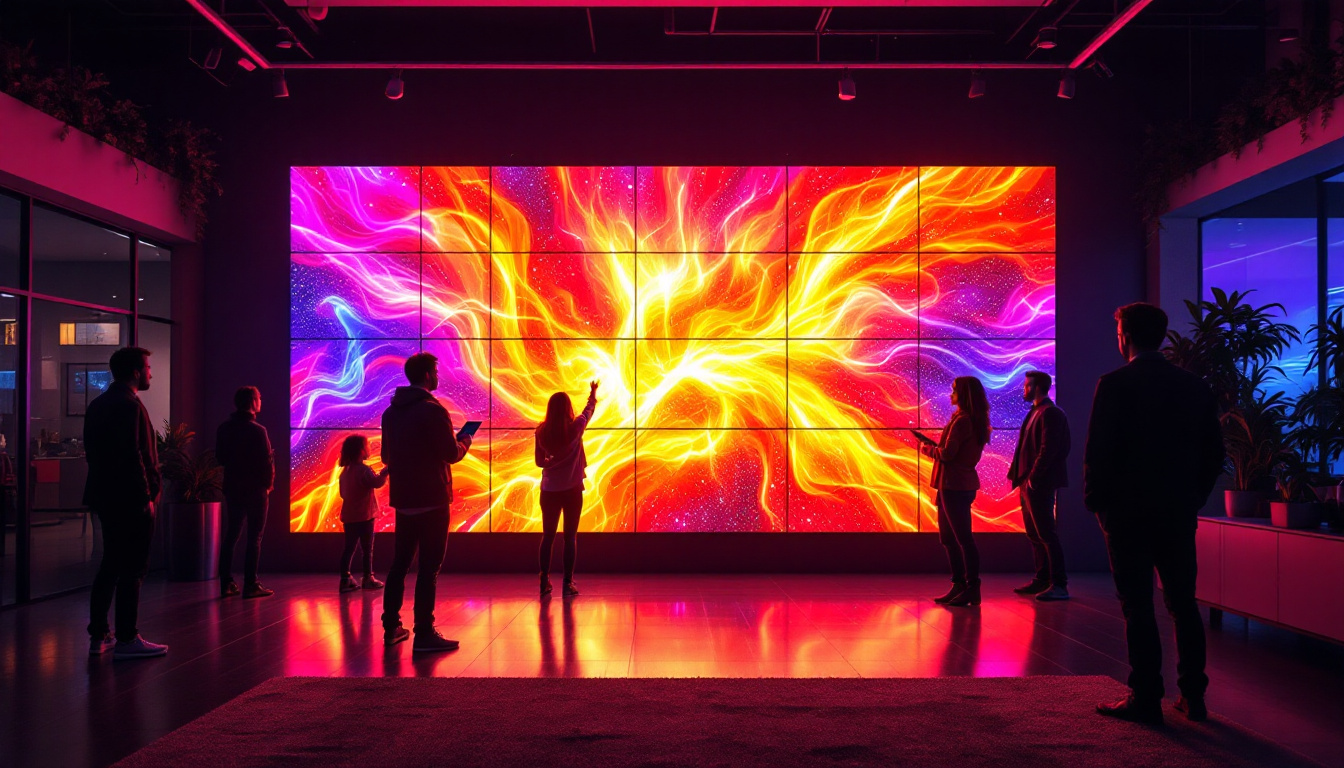
Furthermore, the integration of smart technology into LED pixel panels has led to the development of interactive displays. These panels can be equipped with sensors that respond to viewer movements or touch, creating engaging experiences that captivate audiences. This interactivity is particularly effective in museums and exhibitions, where it can enhance educational content and encourage participation.
As the technology continues to evolve, we can expect to see advancements in energy efficiency and sustainability in LED pixel panels. Manufacturers are increasingly focusing on reducing power consumption without compromising brightness or color quality, which not only lowers operational costs but also aligns with global efforts to minimize environmental impact. This commitment to sustainability is becoming a critical factor for businesses and organizations looking to invest in display technologies that are both effective and responsible.
Key Advantages of LED Pixel Panels
LED pixel panels offer several compelling benefits that have driven their widespread adoption across industries. Understanding these advantages helps businesses make informed decisions about digital display investments.
Exceptional Brightness and Visibility
One of the standout features of LED pixel panels is their brightness. Unlike LCD or projection displays, LED panels can achieve extremely high brightness levels, often ranging from 1,000 to over 10,000 nits. This makes them highly visible even in direct sunlight, a critical factor for outdoor advertising and public information displays.
High brightness also contributes to vivid colors and sharp contrast, enhancing the overall viewing experience. This capability ensures that content remains eye-catching and legible across various lighting conditions.
Energy Efficiency and Longevity
LED technology is inherently energy-efficient compared to traditional display technologies. LED pixel panels consume less power while delivering brighter images, which translates to lower operating costs. Advances in LED chip design and power management have further improved energy efficiency, making these panels a sustainable choice for long-term use.
Additionally, LED pixel panels boast impressive lifespans, often rated for 50,000 to 100,000 hours of operation. This durability reduces maintenance frequency and replacement costs, providing a strong return on investment.
Modularity and Scalability
LED pixel panels are modular by design, meaning individual panels can be combined seamlessly to create large-format displays of virtually any size or shape. This scalability is a major advantage for venues such as stadiums, concert halls, and retail environments where customized display dimensions are required.
Moreover, if a panel or pixel malfunctions, it can be replaced without dismantling the entire display, minimizing downtime and maintenance complexity.
Applications of LED Pixel Panels
The versatility of LED pixel panels has led to their integration across a diverse range of industries and use cases. Their ability to deliver impactful visual communication makes them invaluable tools for marketing, entertainment, and information dissemination.
Advertising and Digital Signage
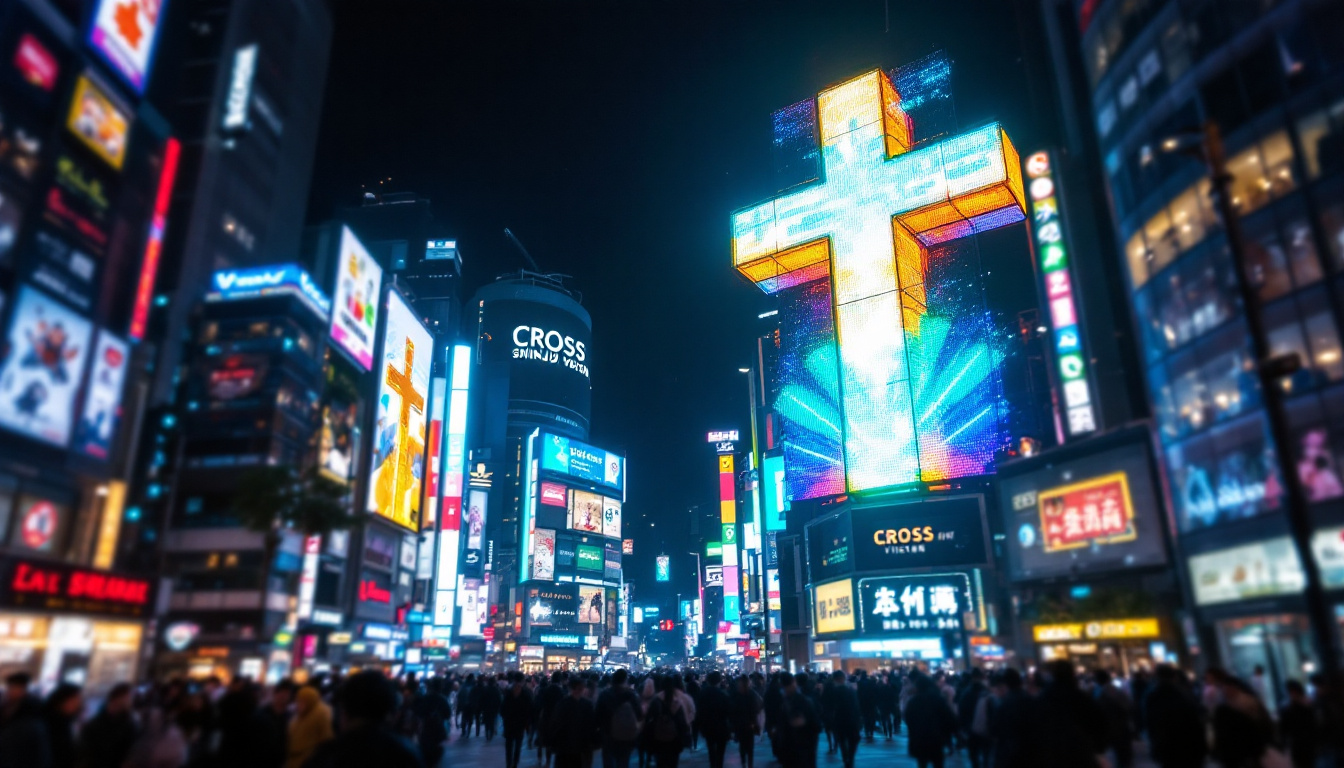
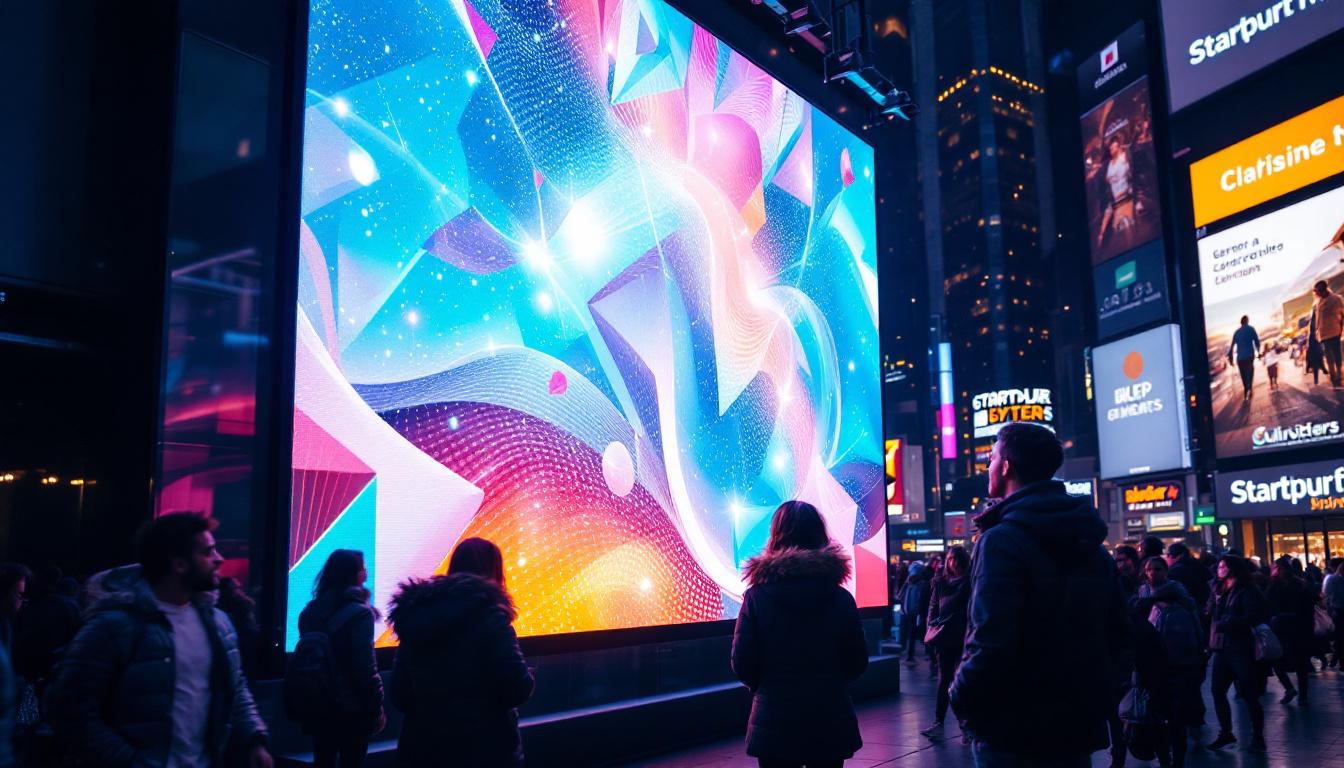
Outdoor LED billboards are among the most recognizable applications of LED pixel panels. These large-scale displays capture attention with dynamic advertisements that can be updated remotely and in real time. The flexibility to display multiple ads throughout the day maximizes revenue opportunities for advertisers.
Indoor digital signage in shopping malls, airports, and corporate lobbies also benefits from LED pixel panels’ high resolution and brightness. Retailers use these displays to showcase promotions, product information, and interactive content to engage customers effectively.
Entertainment and Events
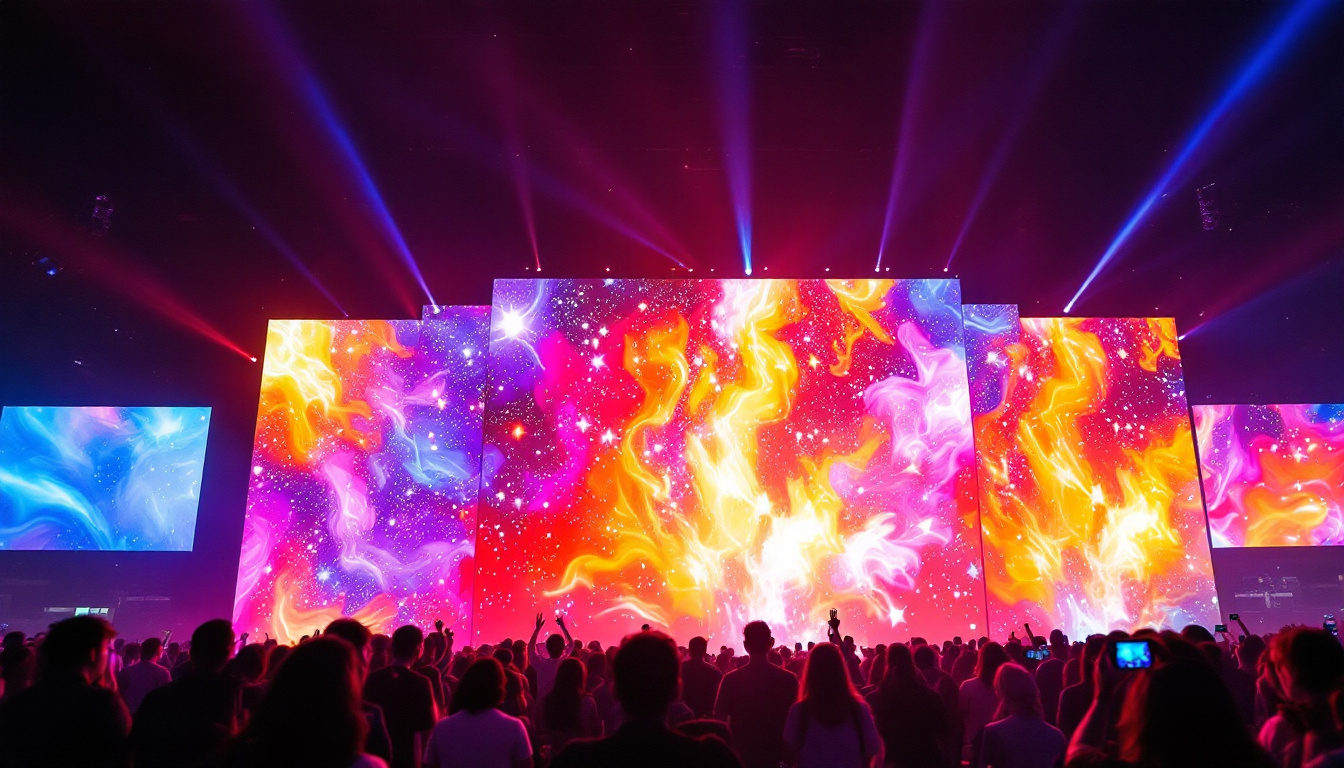
Concerts, sports events, and theatrical productions frequently utilize LED pixel panels to create immersive visual experiences. Massive LED screens serve as backdrops, scoreboards, or live video feeds, enhancing audience engagement. Their lightweight and modular nature allow for quick assembly and disassembly, which is essential for touring shows and temporary installations.
Transportation and Public Information
LED pixel panels are widely used in transportation hubs such as train stations, airports, and bus terminals to provide real-time information on schedules, delays, and safety announcements. Their high visibility and reliability ensure that critical messages reach large audiences effectively.
Additionally, smart city initiatives incorporate LED displays for public alerts, wayfinding, and advertising, contributing to urban modernization efforts.
Choosing the Right LED Pixel Panel: Factors to Consider
Selecting the appropriate LED pixel panel involves evaluating several technical and environmental factors to ensure optimal performance and cost-effectiveness.
Pixel Pitch and Resolution Requirements
The intended viewing distance is the primary determinant of pixel pitch. For example, a pixel pitch of 1.5mm is suitable for indoor displays viewed from a few feet away, while a 10mm pixel pitch works well for outdoor billboards viewed from hundreds of feet.
Higher resolution demands smaller pixel pitches, but this also increases cost and power consumption. Balancing resolution with budget and application needs is essential.
Brightness and Environmental Conditions
Outdoor installations require panels with high brightness and weatherproof ratings (IP65 or higher) to withstand rain, dust, and temperature fluctuations. Indoor panels can operate at lower brightness levels but should be chosen to complement ambient lighting conditions to avoid eye strain or washed-out images.
Refresh Rate and Color Accuracy
For applications involving video playback or live broadcasts, a high refresh rate (above 3,000 Hz) is critical to prevent flicker and ensure smooth motion. Color accuracy and uniformity are equally important for branding and visual consistency.
Installation and Maintenance
Consider the ease of installation and accessibility for maintenance. Front-service LED panels allow servicing from the front, which is advantageous in tight spaces. Additionally, modular designs that support hot-swappable components can reduce downtime.
Future Trends in LED Pixel Panel Technology
As LED technology continues to advance, several trends are shaping the future of LED pixel panels, promising even more innovative and efficient displays.
MicroLED and MiniLED Innovations
MicroLED technology, featuring even smaller LEDs than traditional panels, offers higher resolution, better contrast, and improved energy efficiency. Although still emerging, MicroLED displays are expected to revolutionize both consumer electronics and large-scale digital signage.
MiniLED backlighting is another advancement enhancing LCD displays by providing better local dimming and contrast, bridging the gap between LED and OLED technologies.
Integration with Artificial Intelligence and IoT
Smart LED displays integrated with AI and Internet of Things (IoT) capabilities enable dynamic content adaptation based on audience demographics, weather, or time of day. This level of personalization enhances engagement and advertising effectiveness.
Flexible and Transparent Displays
Continued development in flexible and transparent LED panels will unlock new creative possibilities for architects, designers, and advertisers. Imagine curved building facades or glass walls that double as digital canvases without obstructing views.
Conclusion
LED pixel panels represent a transformative technology in the realm of digital displays, combining brightness, versatility, and durability to meet diverse communication needs. As businesses and public spaces increasingly rely on dynamic visual content, understanding the technology behind LED pixel panels is essential for making informed decisions.
Whether for advertising, entertainment, or information dissemination, LED pixel panels offer a future-proof solution that continues to evolve with advancements in LED technology, AI integration, and innovative form factors. Investing in the right LED pixel panel can significantly enhance audience engagement and deliver impactful messaging in any environment.
Discover LumenMatrix’s Innovative LED Display Solutions
Ready to elevate your visual communication with cutting-edge technology? LumenMatrix is at the forefront of LED display innovation, offering a wide array of solutions tailored to your needs. From vibrant Indoor LED Wall Displays to robust Outdoor LED Wall Displays, and from dynamic Vehicle LED Displays to sleek LED Poster Displays, our products are designed to captivate and engage your audience. Experience the future of digital signage with our LED Sports Displays, interactive Floor LED Displays, and the versatility of Custom and All-in-One LED Display options. Embrace transparency without compromise with our LED Transparent Displays. Don’t just share your message—make it resonate with clarity and impact. Check out LumenMatrix LED Display Solutions and start your journey to revolutionized visual experiences.