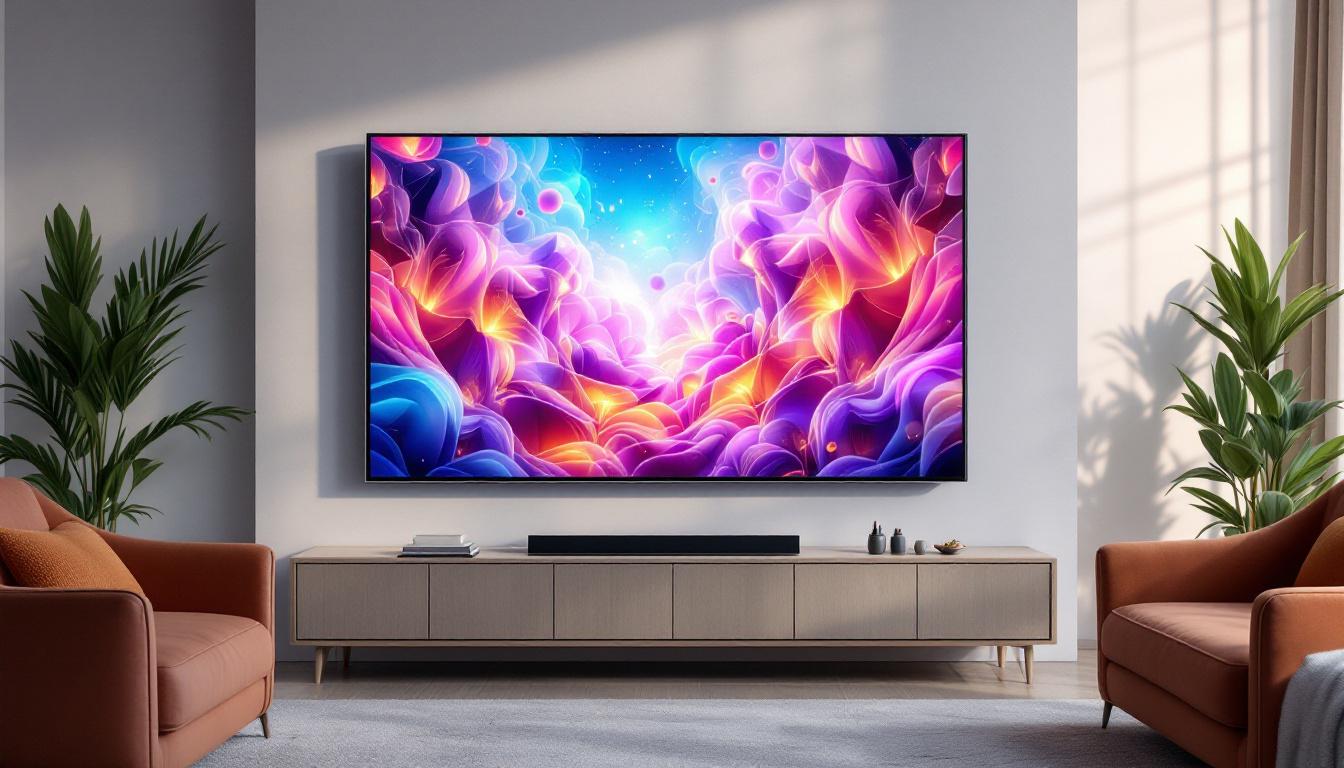
In recent years, LED wall panel TVs have revolutionized the way we experience visual content, from home entertainment to large-scale commercial displays. These vibrant, energy-efficient screens offer unparalleled brightness, color accuracy, and flexibility, making them a preferred choice for many applications. But what exactly is an LED wall panel TV, and how does LED display technology work? This comprehensive guide will explore the fundamentals of LED displays, their advantages, types, and practical uses, helping readers understand why LED wall panel TVs are increasingly dominating the display market.
Understanding LED Display Technology
What is an LED Display?
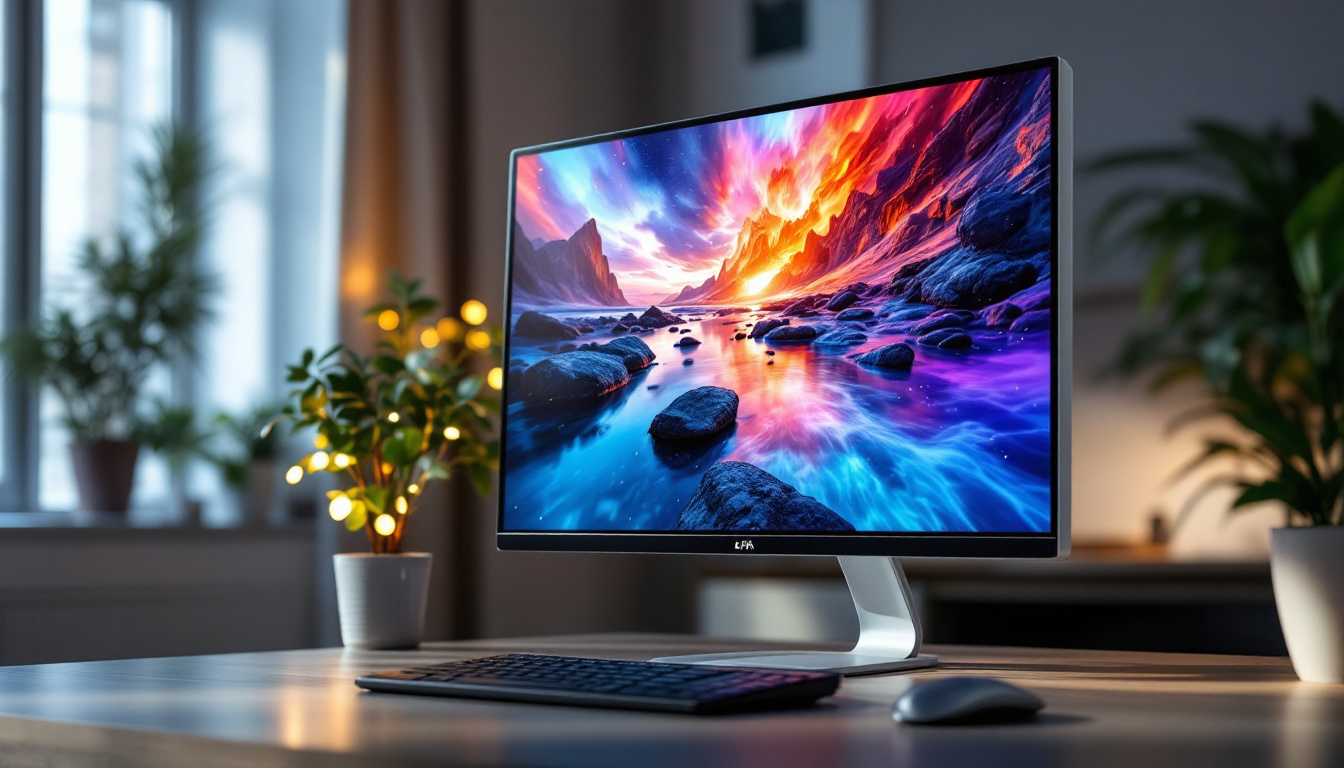
LED stands for Light Emitting Diode, a semiconductor device that emits light when an electric current passes through it. An LED display is a flat panel display that uses an array of light-emitting diodes as pixels to create images. Unlike traditional LCD screens that require a backlight, LED displays produce their own light, resulting in higher brightness and contrast. This inherent capability not only enhances visibility but also allows for a broader range of applications, from home entertainment systems to outdoor advertising.
LED displays can be found in various sizes and configurations, from small indicator lights to massive video walls used in stadiums and advertising billboards. The technology behind LED displays has evolved significantly, allowing for thinner, lighter, and more energy-efficient screens that deliver stunning visual quality. Additionally, advancements in LED technology have led to the development of organic LEDs (OLEDs) and quantum dot LEDs (QLEDs), which further improve color accuracy and energy efficiency, pushing the boundaries of what is possible in display technology. These innovations have made LED displays a popular choice for both personal and professional use, as they can easily adapt to different environments and requirements.
How Does an LED Wall Panel TV Work?
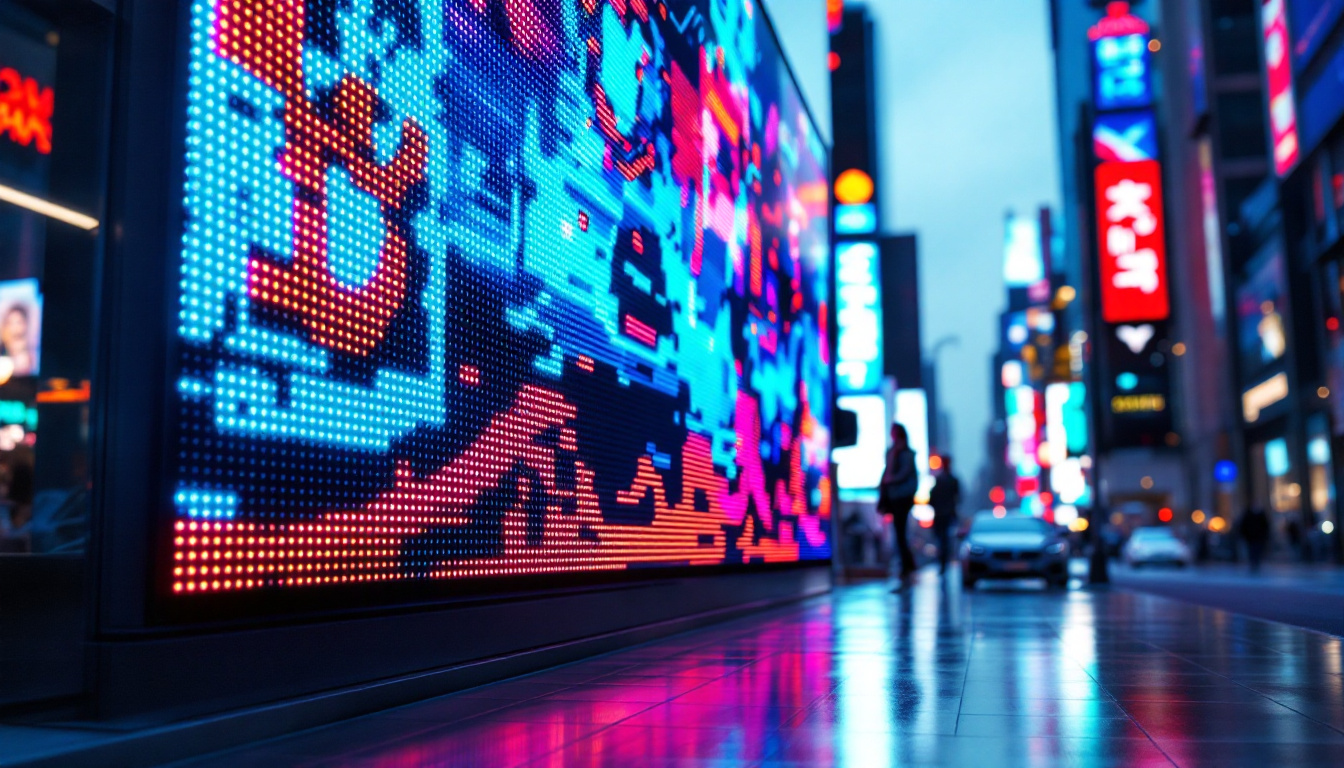
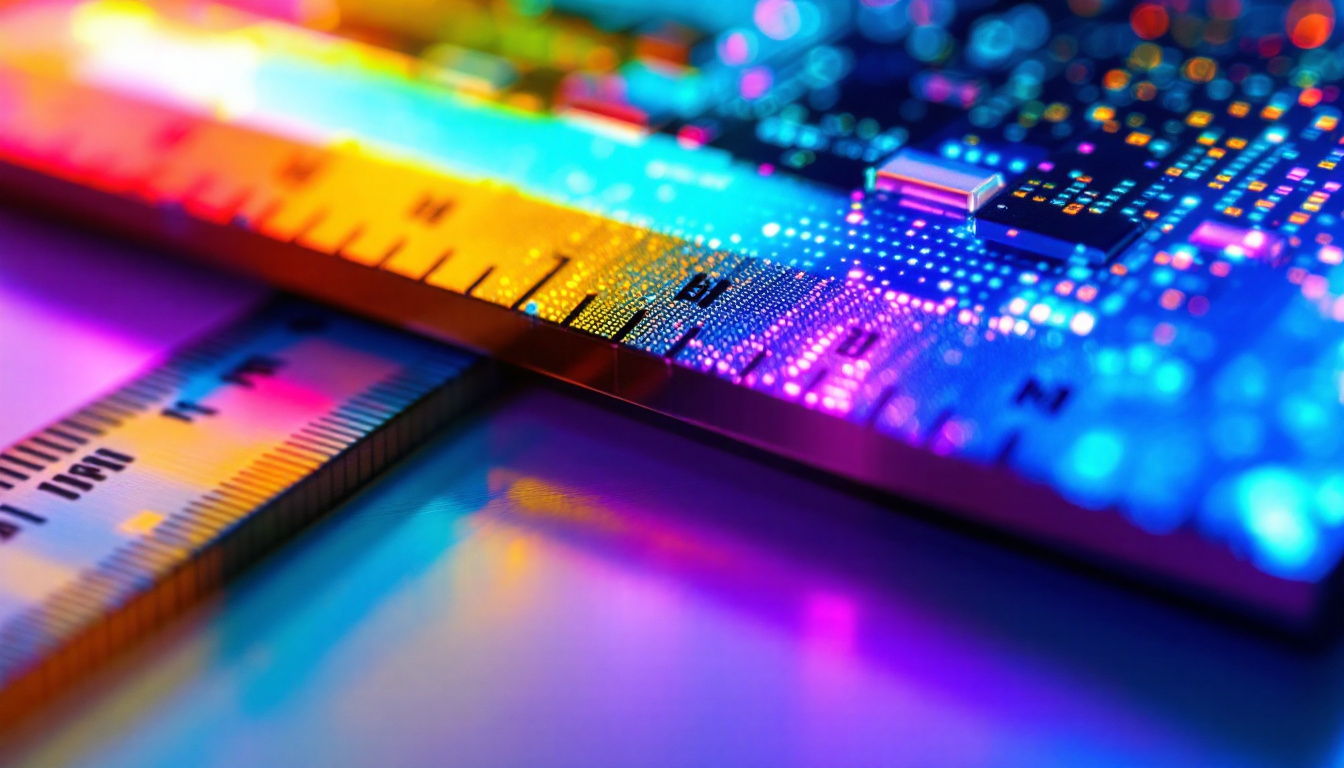
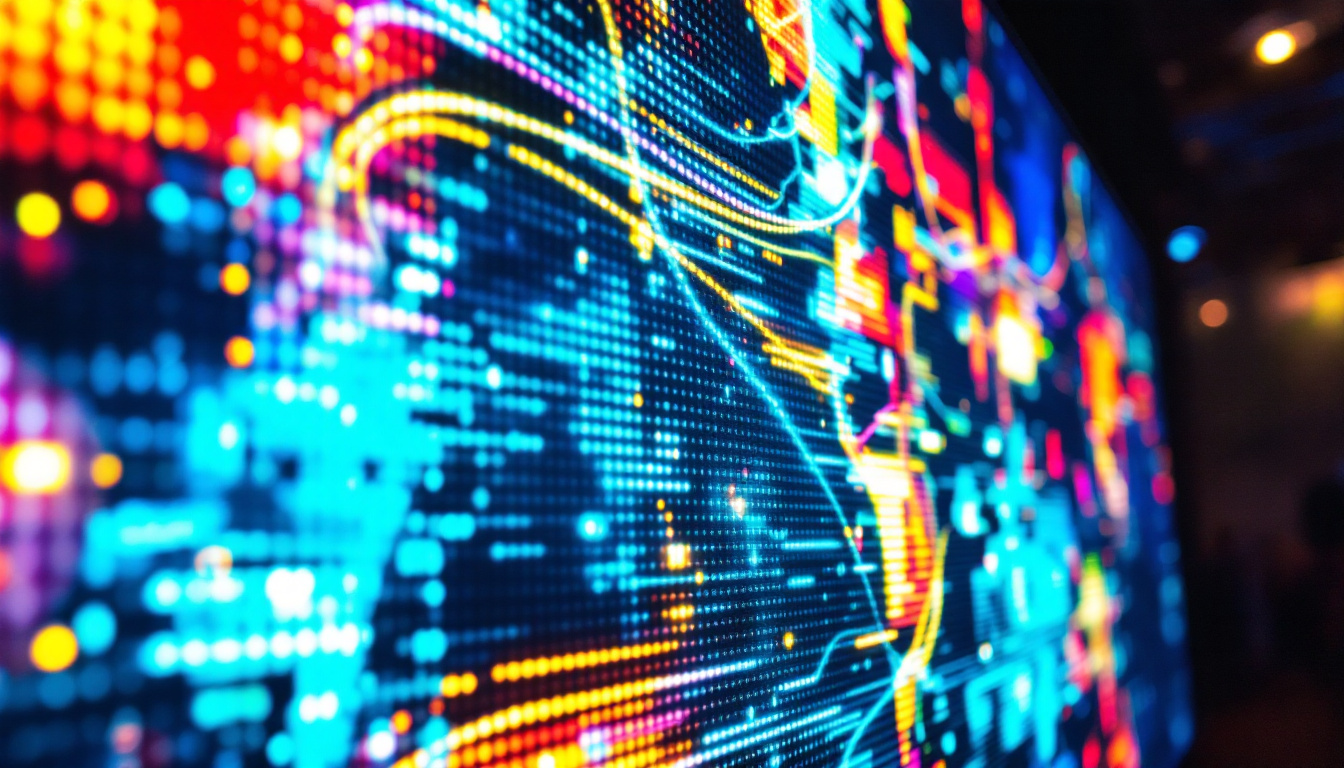
An LED wall panel TV is essentially a large screen composed of many smaller LED modules or panels tiled together seamlessly. Each panel contains thousands of tiny LEDs arranged in a grid, which can be individually controlled to emit different colors and brightness levels. By combining red, green, and blue LEDs in varying intensities, the display can produce a full spectrum of colors. This RGB color model is fundamental to how images are rendered on the screen, allowing for rich and dynamic visuals that can captivate audiences.
The control system processes the video input and sends signals to each LED pixel, instructing it on how brightly to shine and which color to display. This precise control enables LED wall panels to render sharp images, vibrant colors, and smooth motion, even in bright environments where traditional screens might struggle. Furthermore, many LED wall panels are equipped with advanced features such as high refresh rates and low latency, making them ideal for applications like live sports broadcasting, concerts, and interactive installations. The modular design of these panels also allows for easy maintenance and scalability, enabling users to create displays of virtually any size or shape, tailored to their specific needs.
Types of LED Displays Used in Wall Panel TVs
Direct View LED (DVLED) Displays
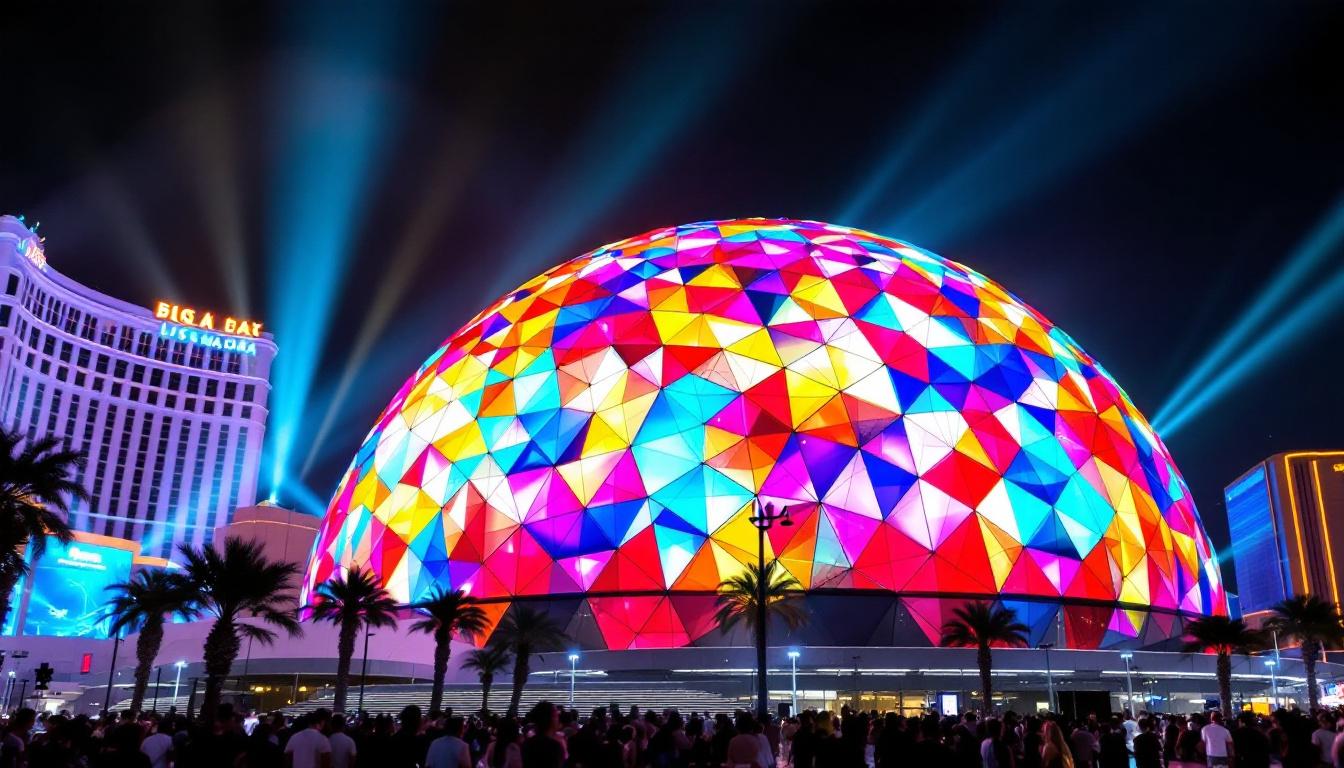
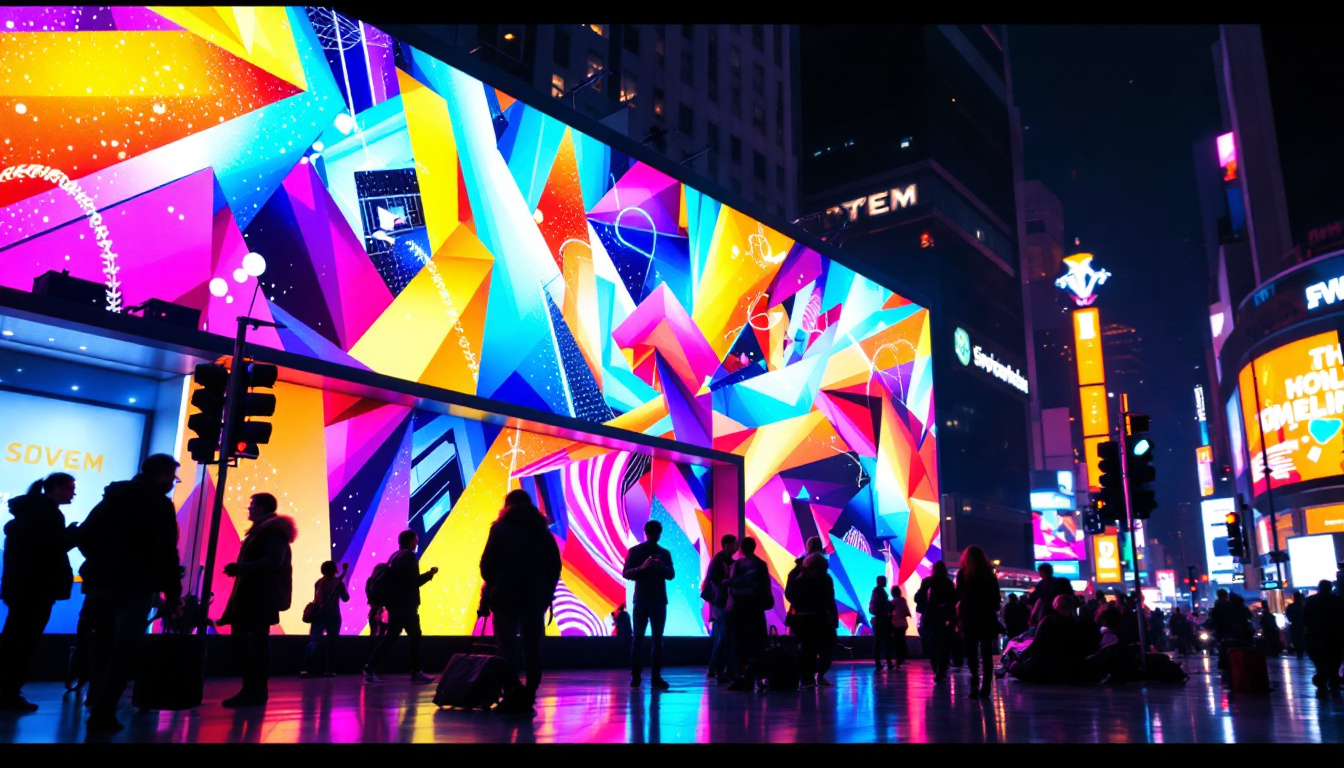
Direct View LED displays are the most common type used in LED wall panel TVs. In DVLED technology, the LEDs themselves form the pixels that make up the image. Because the light source is directly visible, these displays offer exceptional brightness and contrast ratios. They are ideal for large-scale installations such as concert stages, sports arenas, and outdoor advertising.
One of the key advantages of DVLED displays is their scalability. Panels can be combined to create virtually any size or aspect ratio, making them highly customizable for different spaces and applications. Additionally, DVLED screens typically have a longer lifespan and better energy efficiency compared to other display technologies.
Mini-LED and Micro-LED Displays
Mini-LED and Micro-LED are emerging technologies that represent the next generation of LED displays. Mini-LEDs are smaller than traditional LEDs, allowing for more precise local dimming zones and improved contrast on LCD screens. This technology enhances image quality by reducing halo effects and increasing black levels.
Micro-LED displays take this a step further by using microscopic LEDs as individual pixels. This results in displays with superior brightness, color accuracy, and response times, rivaling OLED screens but without the risk of burn-in. Although Micro-LED technology is still in development and currently expensive, it holds great promise for future LED wall panel TVs, especially in premium home theater and commercial applications.
Advantages of LED Wall Panel TVs
Superior Brightness and Contrast
One of the most significant benefits of LED wall panel TVs is their ability to deliver high brightness levels, often exceeding 1,000 nits. This makes them particularly suitable for environments with ambient light, such as conference rooms, retail stores, or outdoor venues. The high contrast ratio, achieved by the LEDs’ ability to completely turn off individual pixels, results in deep blacks and vivid colors, enhancing the overall viewing experience.
Energy Efficiency and Longevity
LED technology is renowned for its energy efficiency compared to traditional display technologies like plasma or CCFL-backlit LCDs. LED wall panels consume less power, which reduces operating costs and environmental impact. Furthermore, LEDs have a longer operational lifespan, often rated at 50,000 to 100,000 hours, meaning the display can last for many years with minimal maintenance.
Flexibility and Scalability
LED wall panel TVs offer unmatched flexibility in terms of size and shape. Since the display is composed of modular panels, it can be tailored to fit unique spaces, from ultra-wide video walls to curved or irregular surfaces. This scalability is a major advantage for commercial applications, allowing businesses to create eye-catching installations that attract attention and convey information effectively.
Wide Viewing Angles and Fast Response Times
LED displays provide wide viewing angles, ensuring consistent image quality regardless of the viewer’s position. This is essential for public displays where audiences are spread out over large areas. Additionally, LED technology boasts fast response times, reducing motion blur and making it ideal for dynamic content such as sports broadcasts or interactive presentations.
Applications of LED Wall Panel TVs
Home Entertainment and Home Theaters
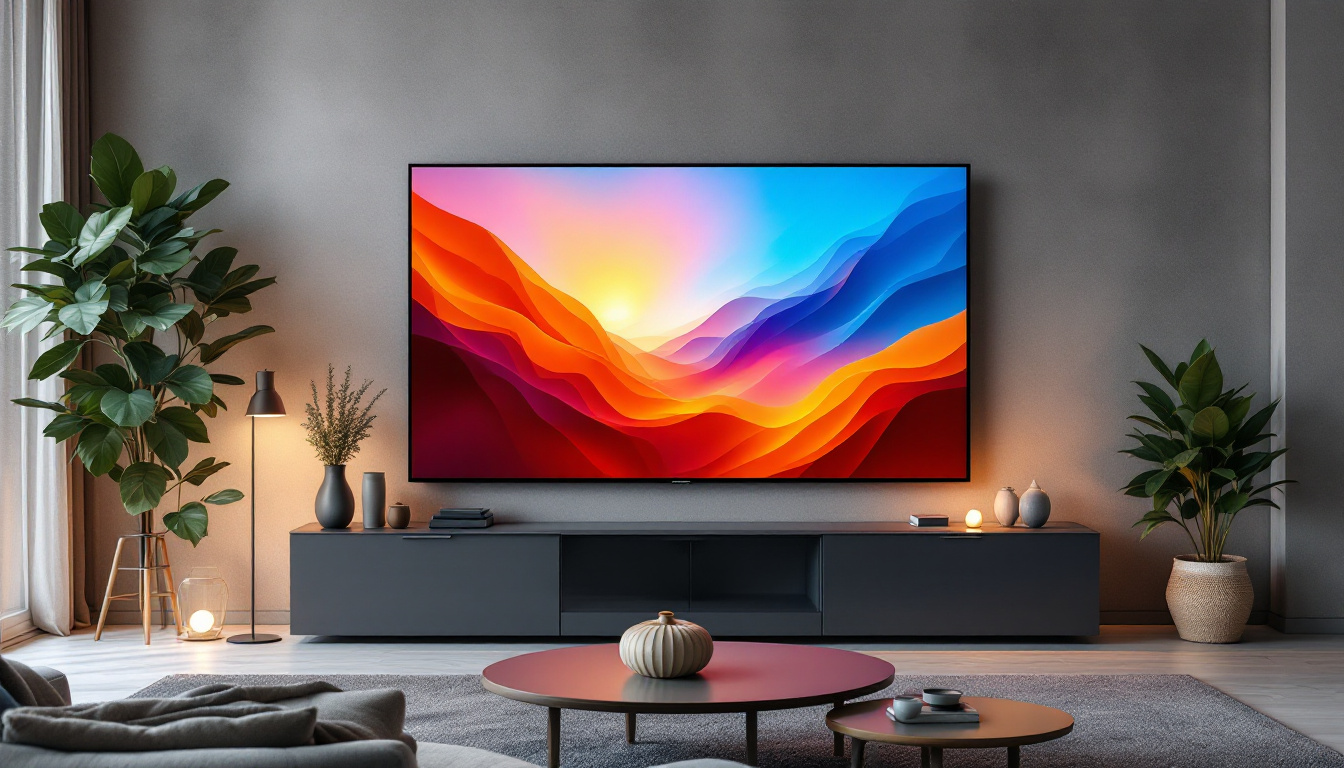
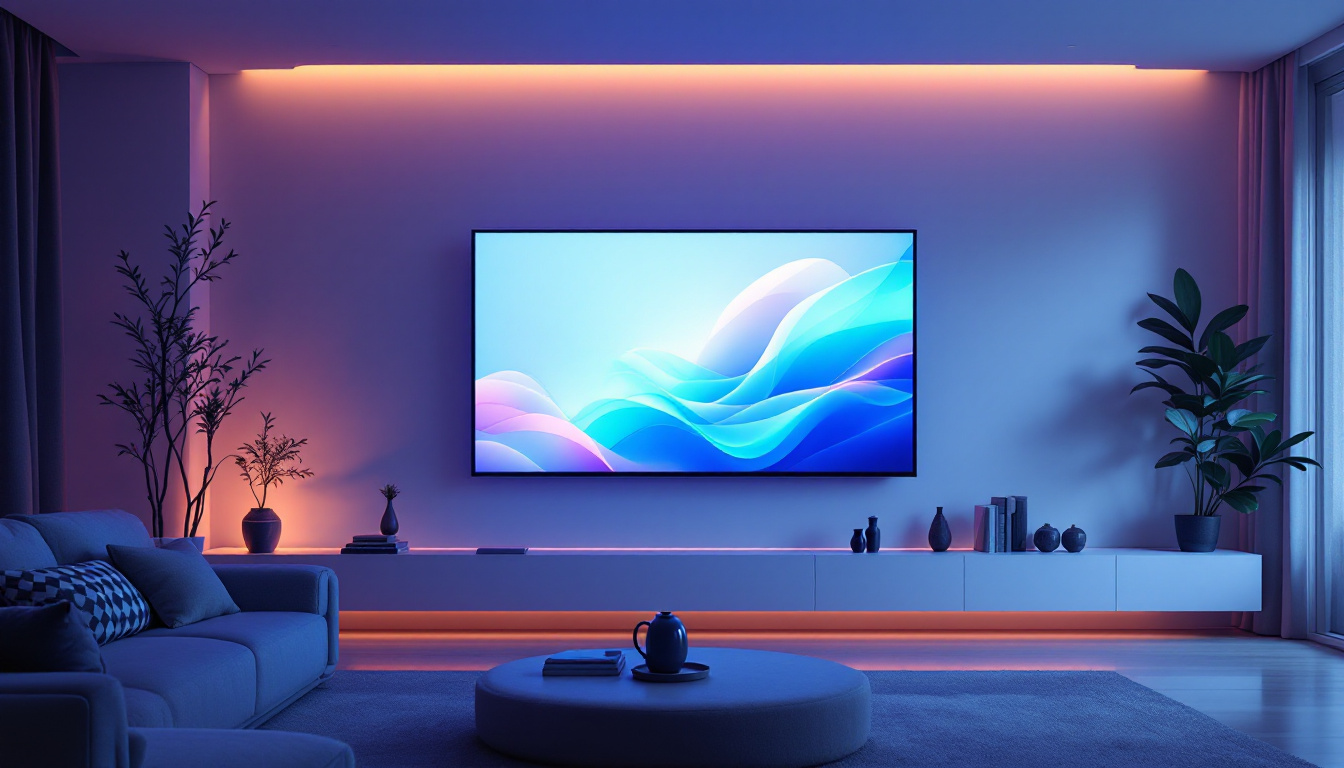
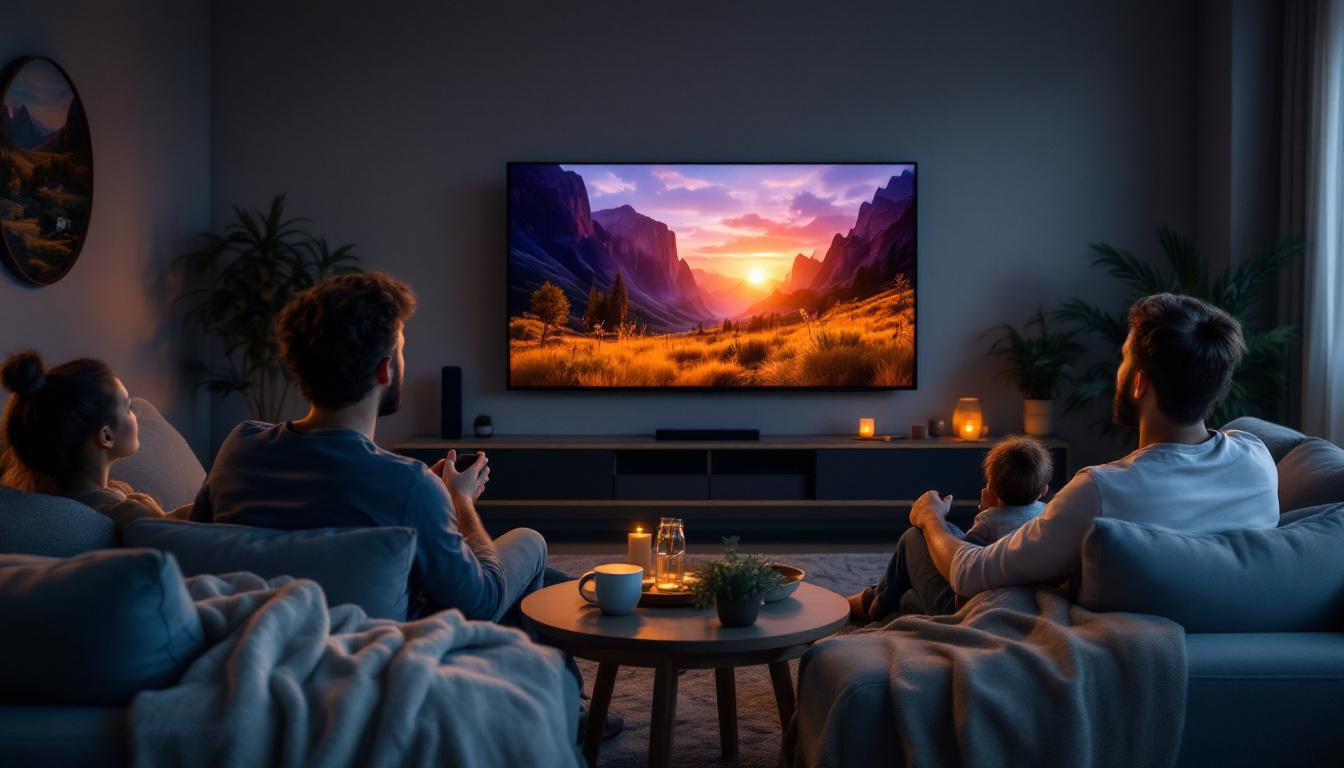
LED wall panel TVs are increasingly popular in high-end home entertainment setups. Their ability to produce bright, vibrant images with excellent contrast makes them ideal for immersive movie watching and gaming experiences. While traditional OLED and LCD TVs remain common, large-format LED video walls are becoming more accessible for residential use, offering a cinematic experience on a grand scale.
Commercial and Retail Displays
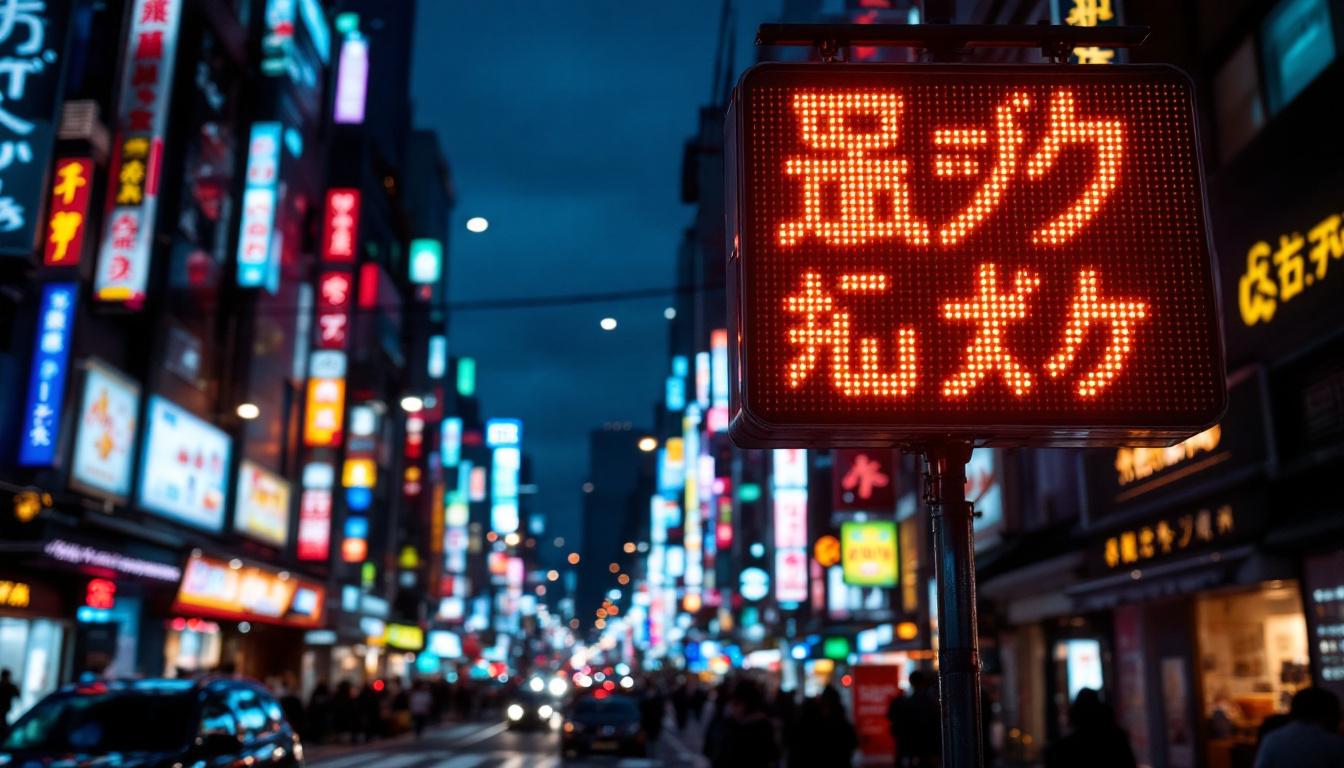
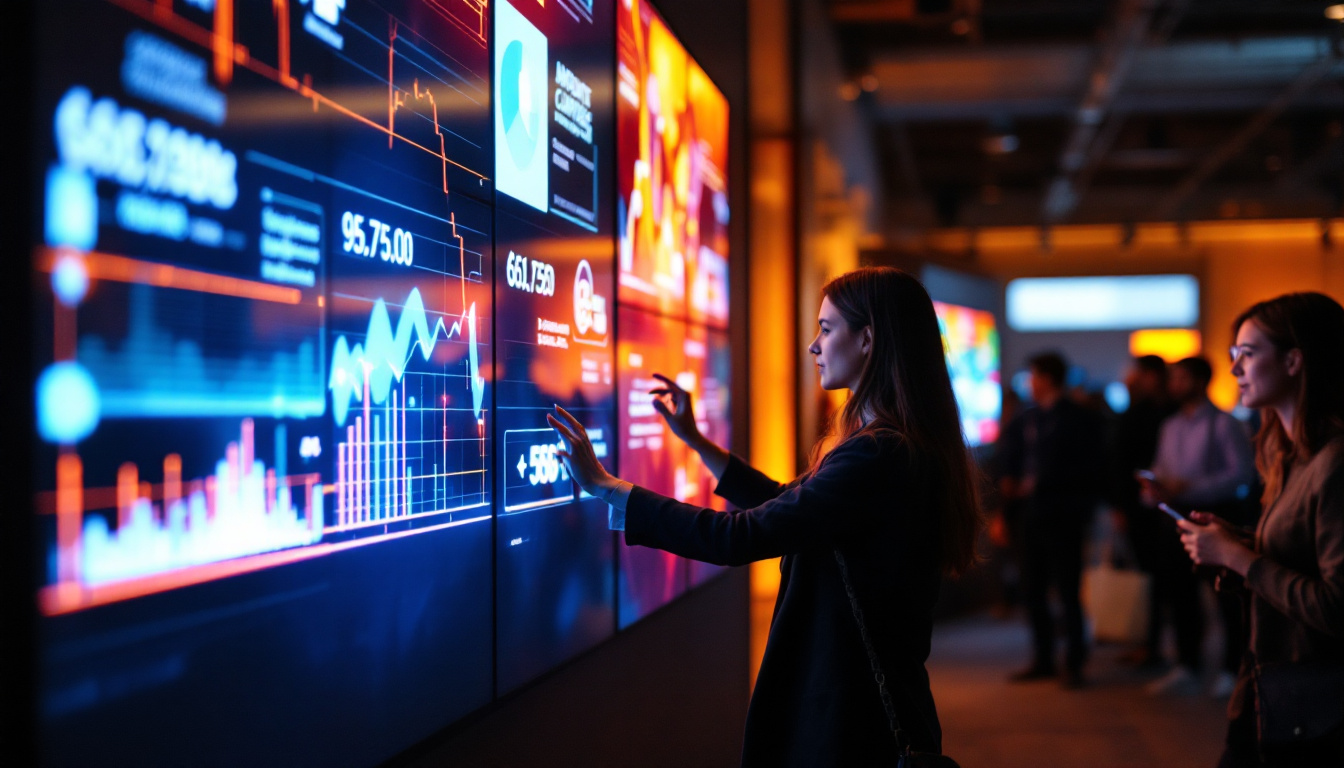
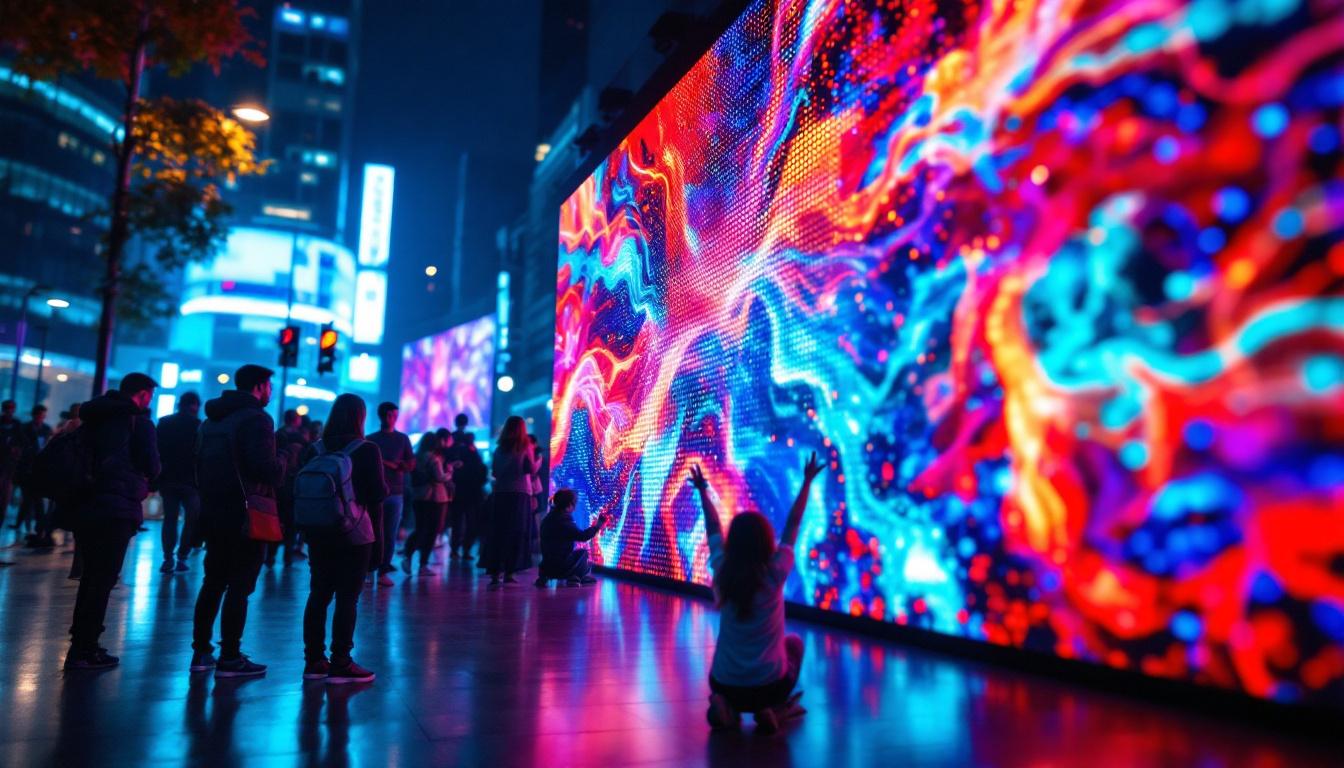
Retailers and businesses leverage LED wall panels to create dynamic digital signage that grabs customer attention and communicates promotional messages effectively. These displays can be updated in real-time, allowing for flexible marketing strategies. The durability and brightness of LED panels also make them suitable for outdoor storefronts and shopping malls.
Events, Concerts, and Sports Arenas
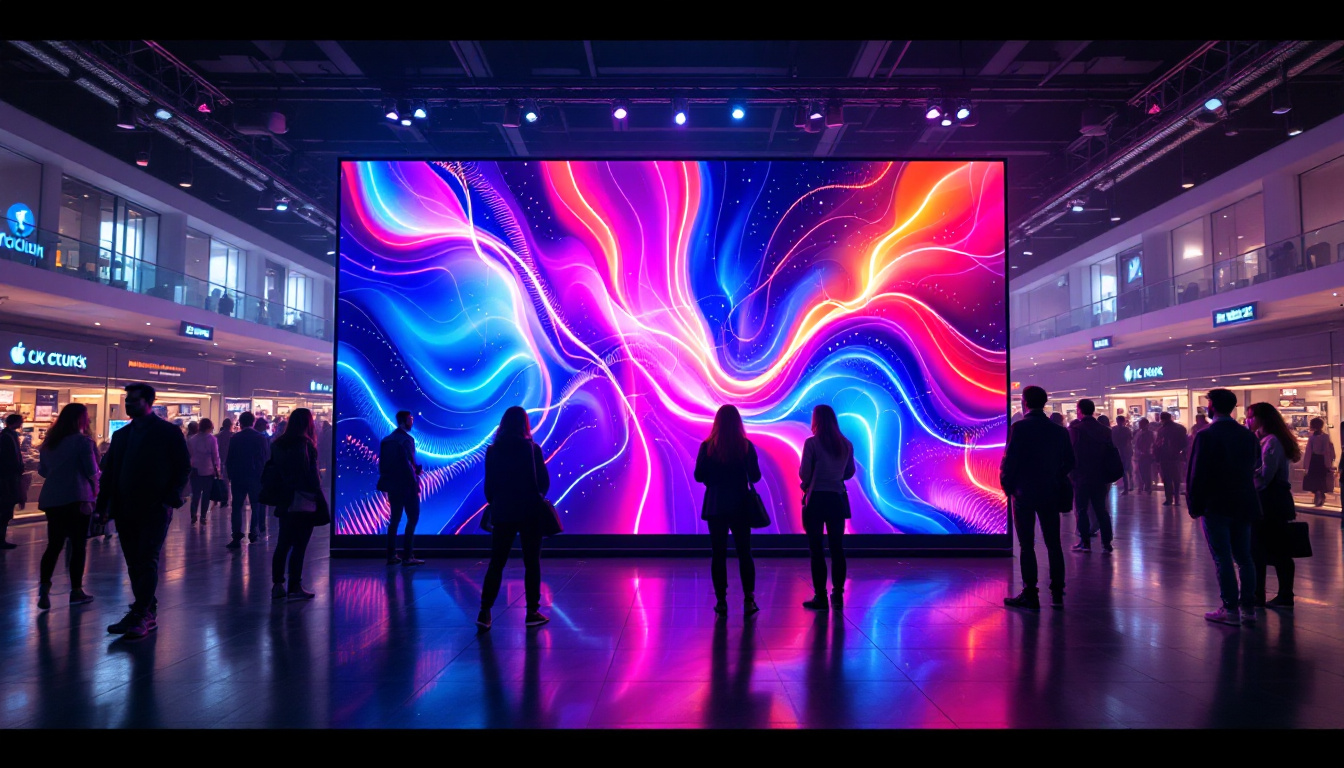
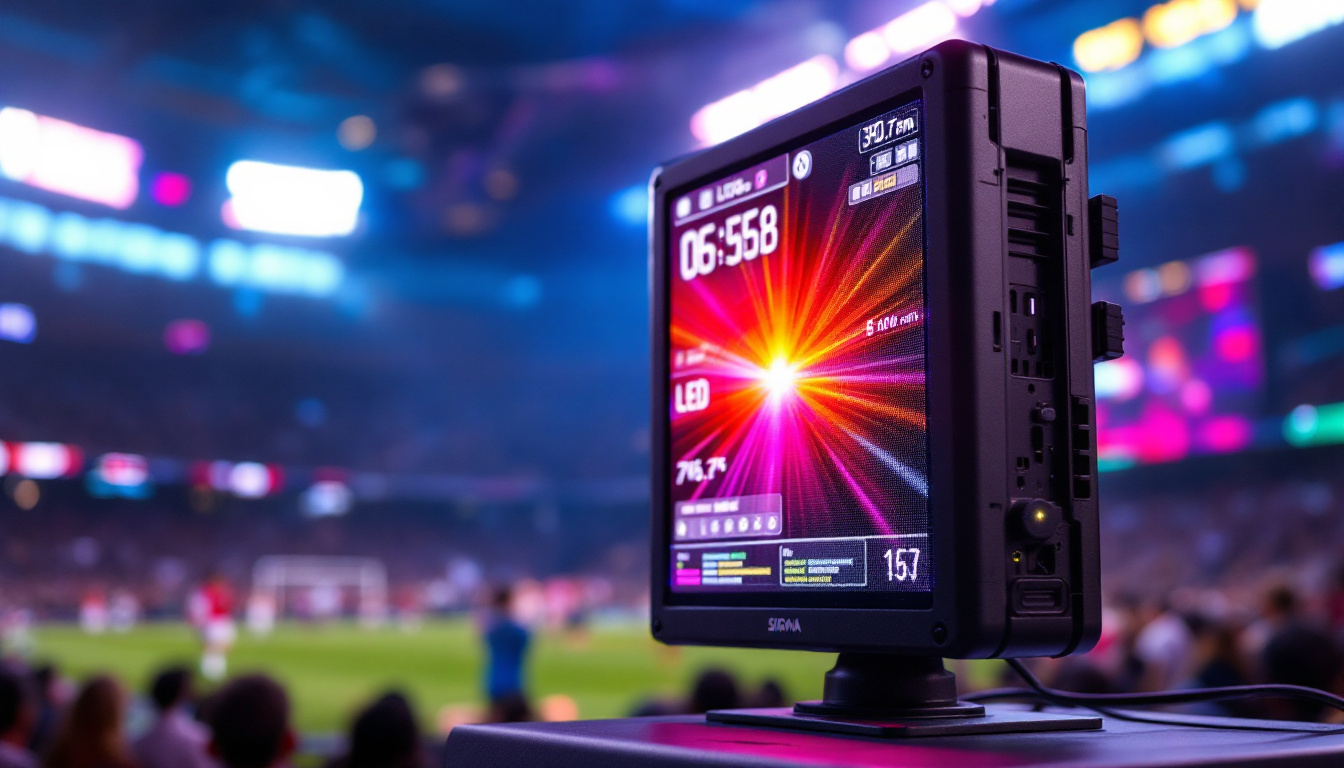
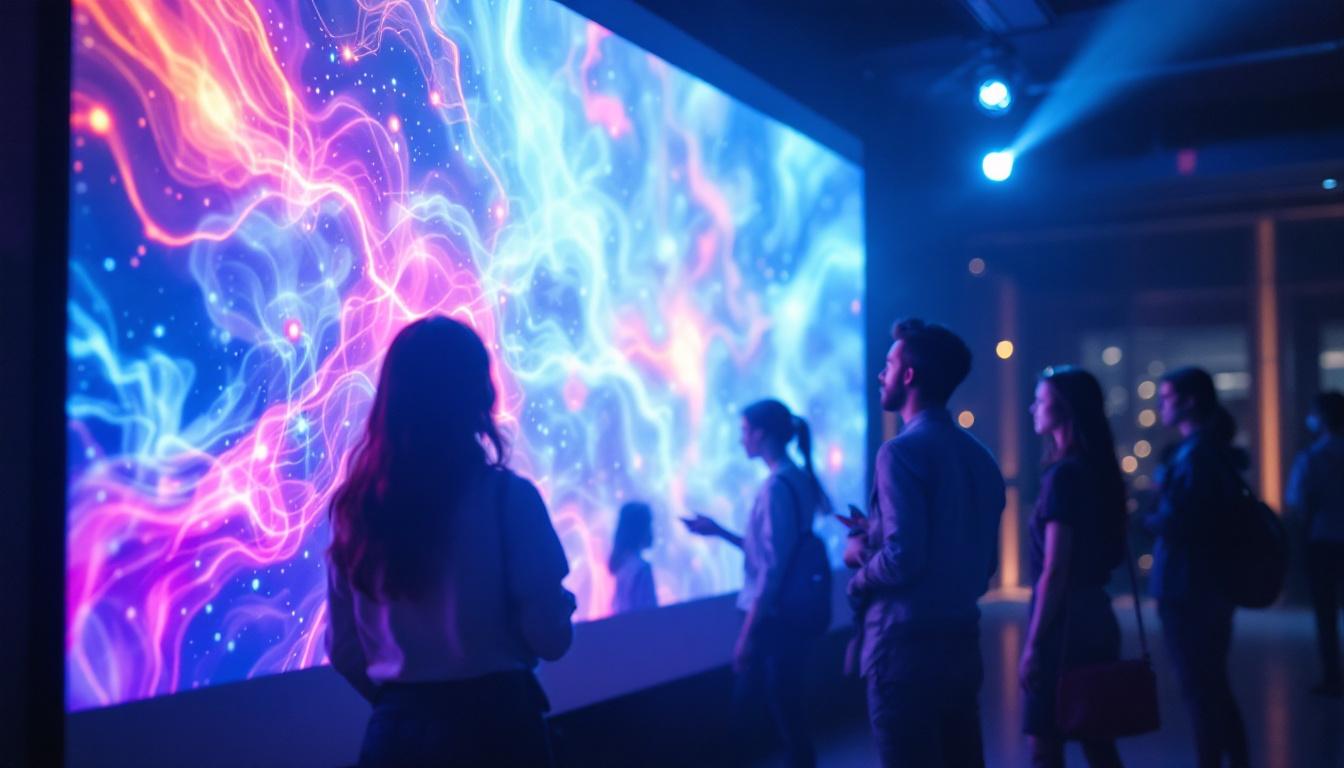
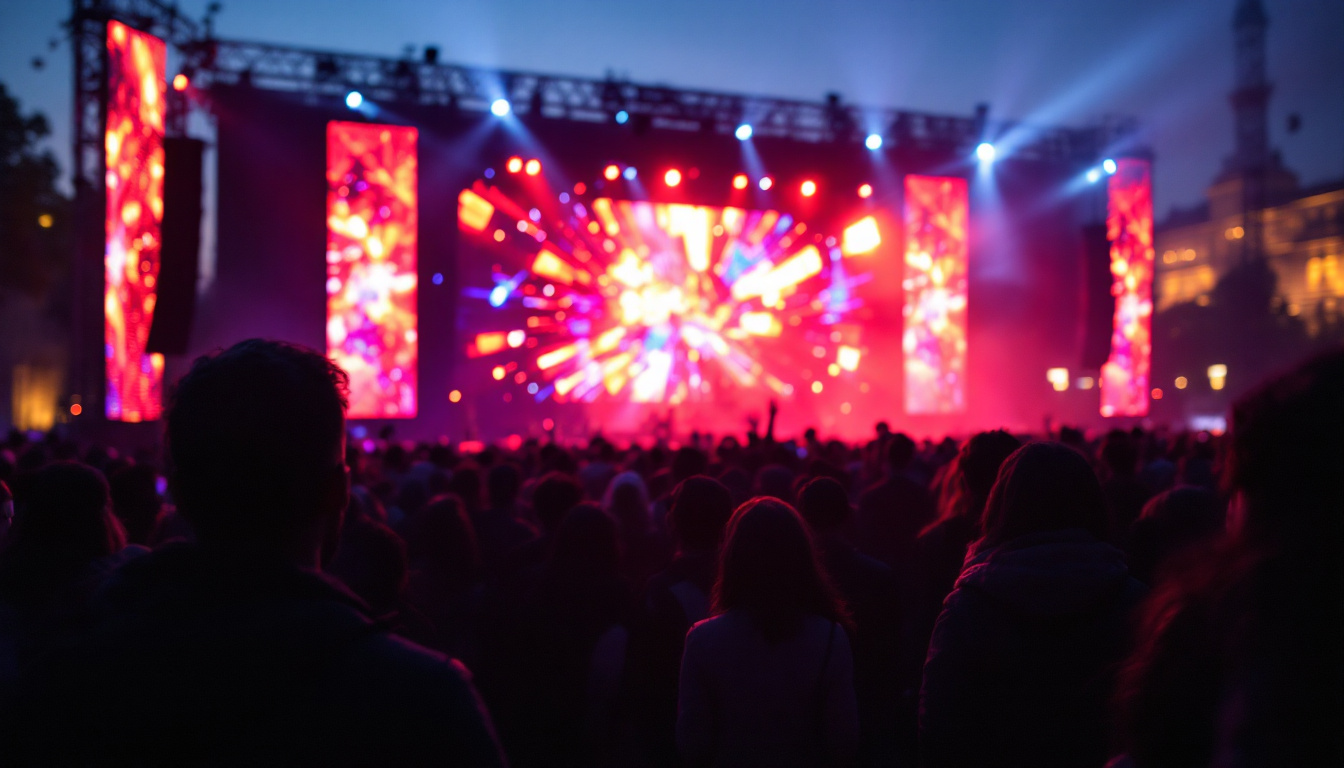
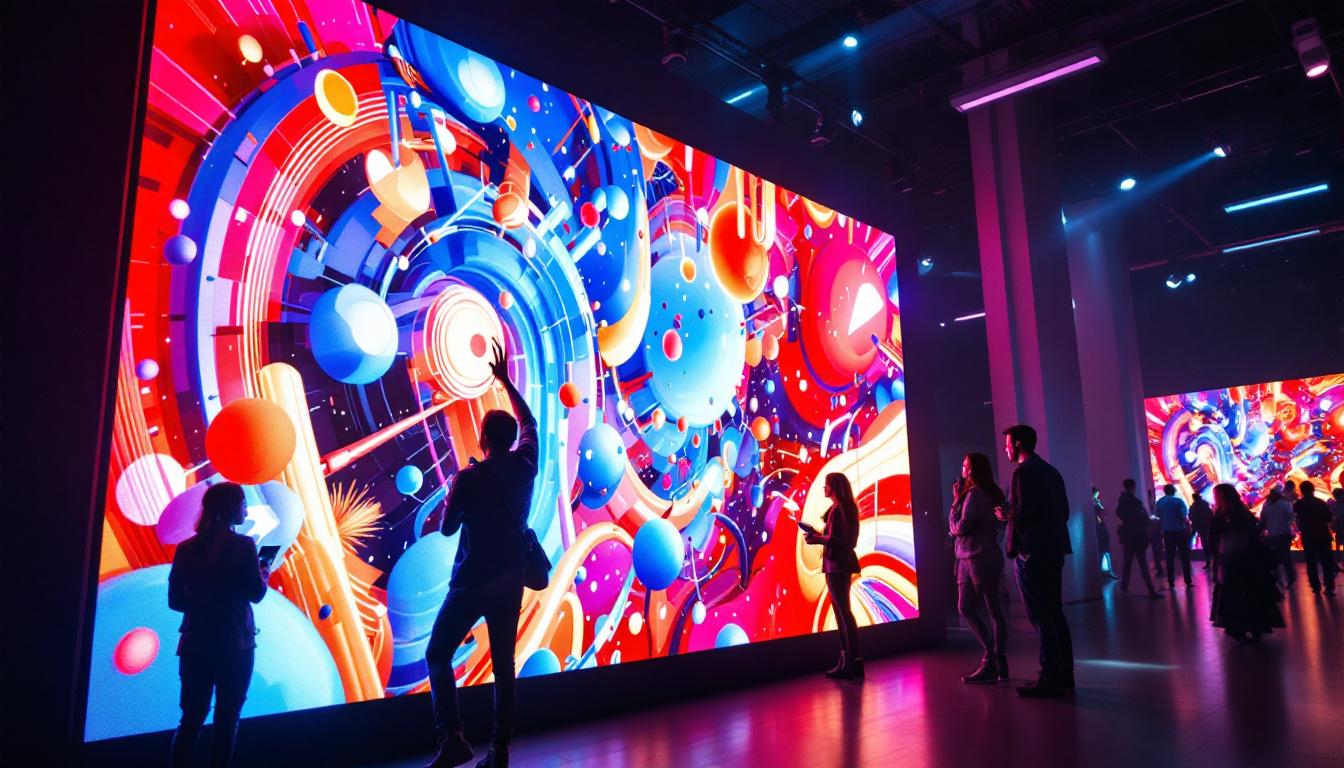
Large-scale LED video walls have become a staple at concerts, sporting events, and conferences. They provide clear visuals to large audiences, even in challenging lighting conditions. The modular nature of LED panels allows event organizers to customize screen sizes and shapes to fit stage designs and venue layouts, enhancing the overall production value.
Corporate and Educational Environments
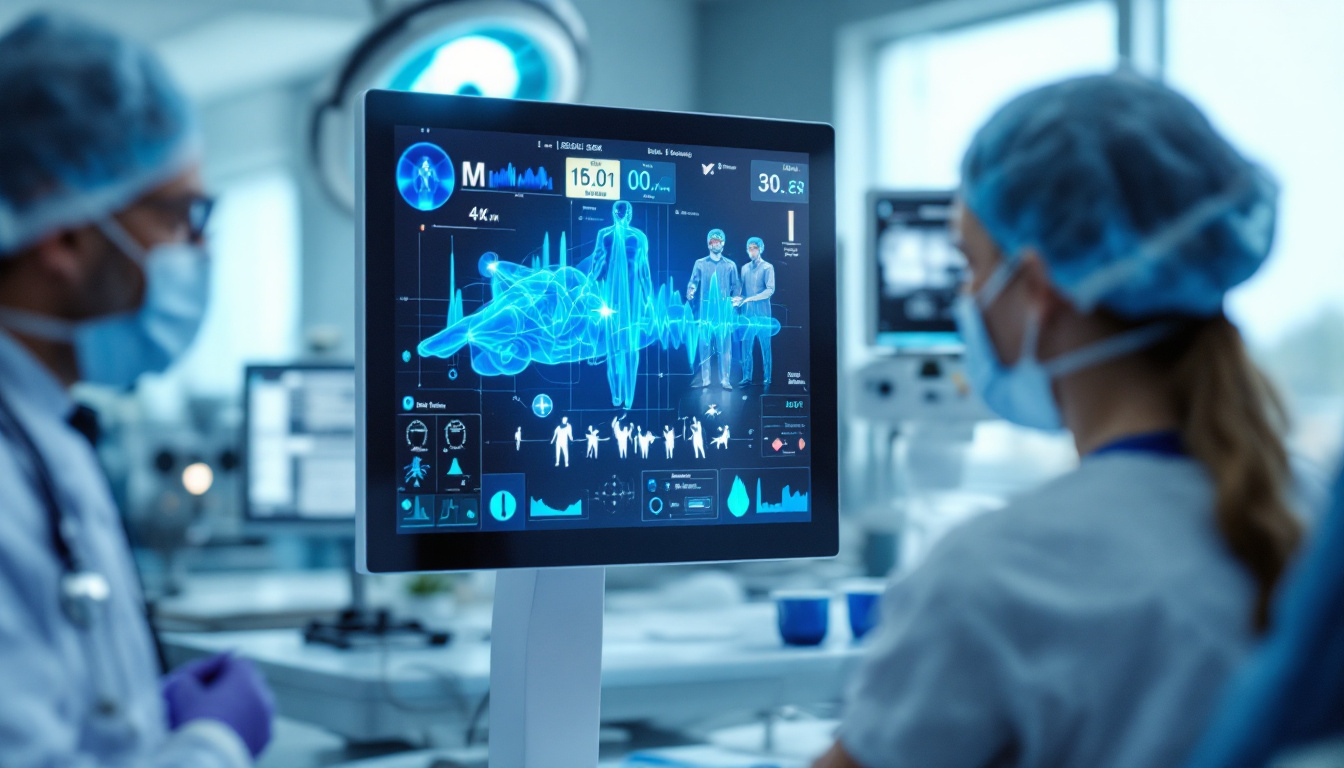
In corporate boardrooms and educational institutions, LED wall panel TVs facilitate engaging presentations and collaborative work. Their high resolution and brightness ensure that content is visible to all participants, improving communication and learning outcomes. Additionally, LED displays can integrate with video conferencing systems and interactive technologies for a seamless user experience.
Choosing the Right LED Wall Panel TV
Consider Pixel Pitch and Resolution
Pixel pitch refers to the distance between the centers of adjacent LEDs and directly impacts the display’s resolution and viewing distance. Smaller pixel pitches yield higher resolution and are better suited for close-up viewing, such as in conference rooms or home theaters. Larger pixel pitches are acceptable for displays viewed from a distance, like outdoor billboards or stadium screens.
Assess Brightness and Contrast Needs
Understanding the environment where the LED wall panel TV will be installed is crucial. For brightly lit areas or outdoor use, higher brightness levels are necessary to maintain image clarity. Conversely, indoor environments with controlled lighting may not require as much brightness but benefit from higher contrast ratios for richer image quality.
Evaluate Installation and Maintenance Requirements
LED wall panels vary in weight, thickness, and ease of installation. Some models offer front serviceability, allowing maintenance without disassembling the entire display. Considering these factors can reduce downtime and maintenance costs. Additionally, ensure that the display’s mounting system is compatible with the installation site.
Budget and Long-Term Costs
While LED wall panel TVs can represent a significant upfront investment, their durability and energy efficiency often result in lower total cost of ownership over time. It is important to balance initial costs with performance requirements and potential operational savings to make an informed purchase decision.
Future Trends in LED Display Technology
Advancements in Micro-LED and Quantum Dot Technologies
Micro-LED displays are poised to transform the market with their superior image quality and energy efficiency. As manufacturing processes improve and costs decrease, Micro-LED could become the standard for both consumer and commercial LED wall panel TVs. Quantum dot technology, which enhances color accuracy and brightness, is also being integrated into LED displays to push visual performance even further.
Integration with Smart and Interactive Features
LED wall panel TVs are increasingly incorporating smart capabilities, including touch interactivity, gesture control, and AI-driven content management. These features enable more engaging and personalized user experiences, particularly in retail, education, and corporate settings.
Environmental Sustainability
Manufacturers are focusing on making LED displays more environmentally friendly by using recyclable materials and improving energy efficiency. Innovations in power management and heat dissipation also contribute to greener operation, aligning with global sustainability goals.
Conclusion
LED wall panel TVs represent a significant advancement in display technology, offering exceptional brightness, color accuracy, and flexibility across a wide range of applications. From immersive home theaters to massive commercial video walls, LED displays provide vibrant visuals that captivate audiences and enhance communication. Understanding the different types of LED displays, their advantages, and how to choose the right panel can help consumers and businesses make informed decisions that maximize the benefits of this cutting-edge technology.
As LED technology continues to evolve with innovations like Micro-LED and smart integration, the future of LED wall panel TVs looks brighter than ever, promising even more immersive and energy-efficient viewing experiences.
Discover LumenMatrix’s Innovative LED Display Solutions
Ready to elevate your visual experience with the latest in LED technology? LumenMatrix is at the forefront of LED innovation, offering a diverse range of LED display modules tailored to your unique needs. Whether you’re looking for an Indoor LED Wall Display, a vibrant Outdoor LED Wall Display, or specialized solutions like Vehicle LED Displays and LED Sports Displays, LumenMatrix has you covered. Embrace the future of visual communication with our Custom LED Displays, All-in-One LED Displays, and LED Transparent Displays. Check out LumenMatrix LED Display Solutions today and transform your space with captivating and energy-efficient LED displays.