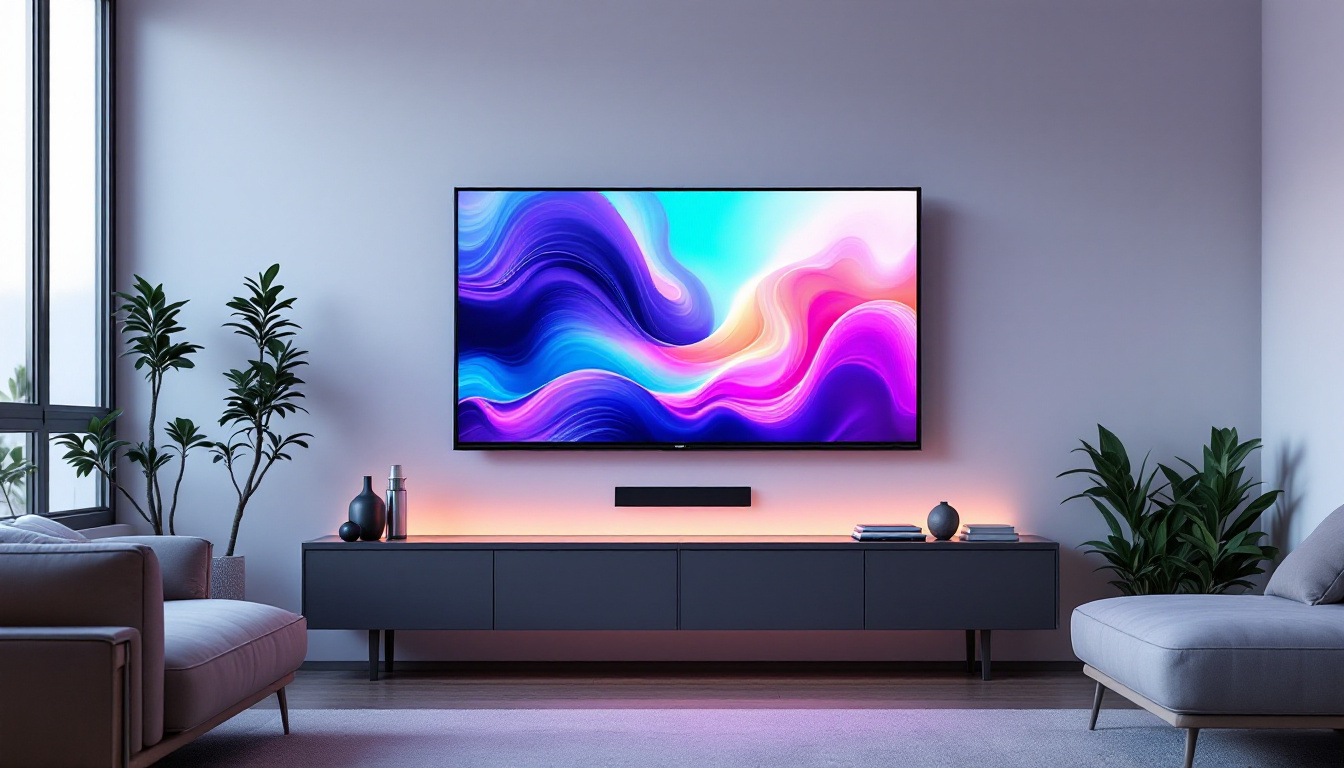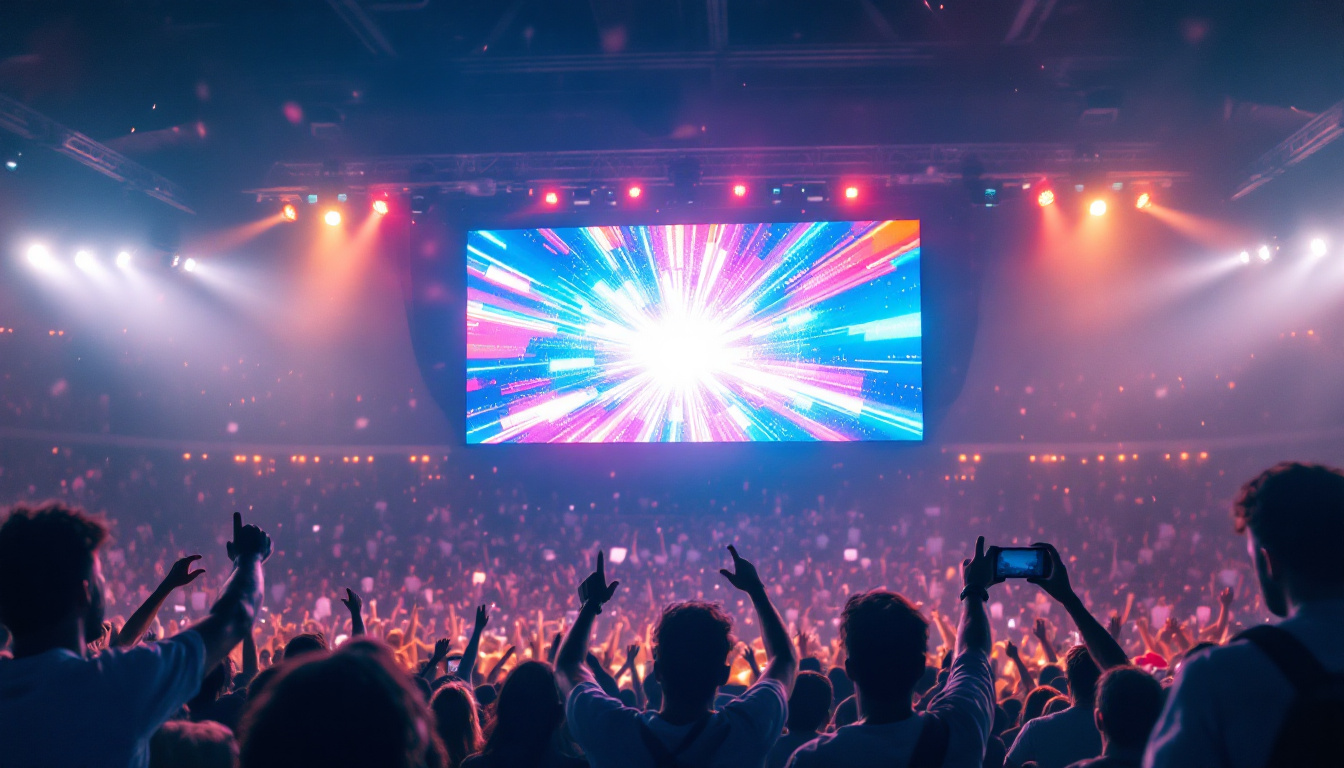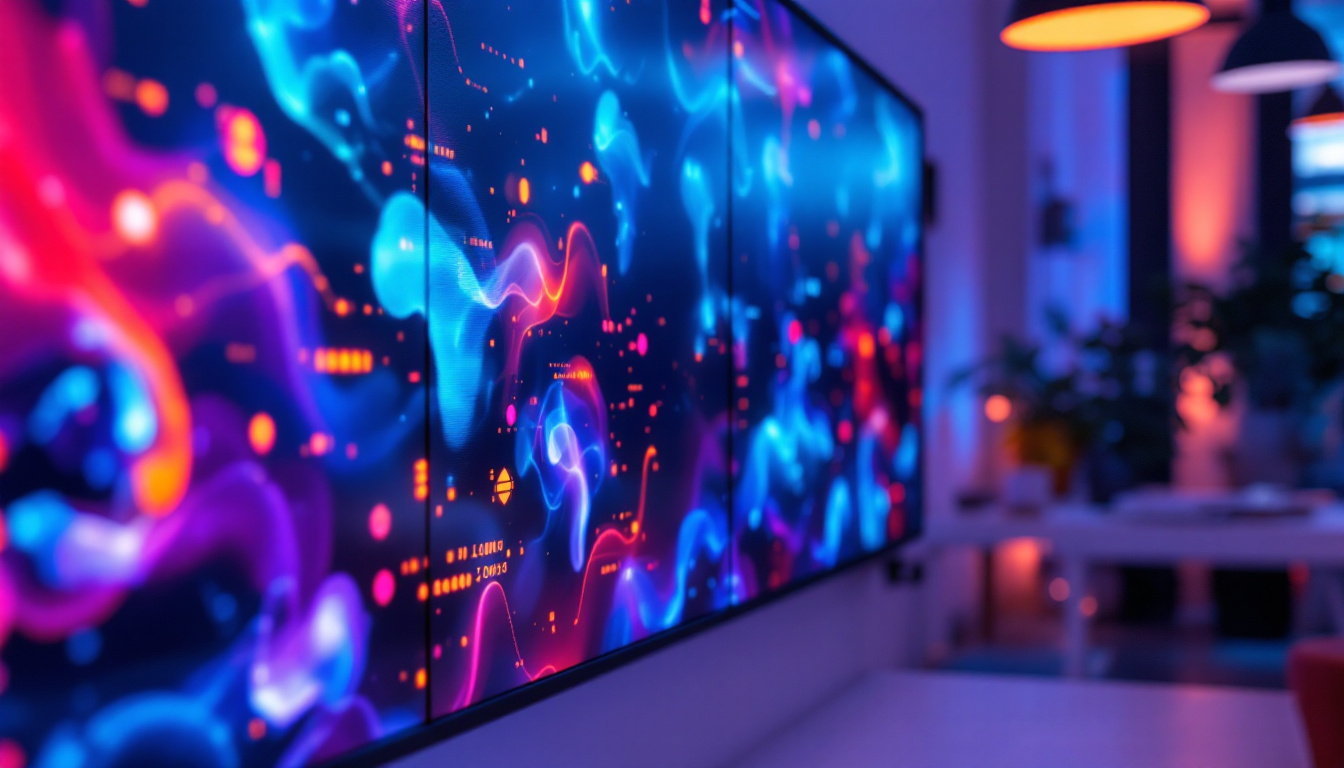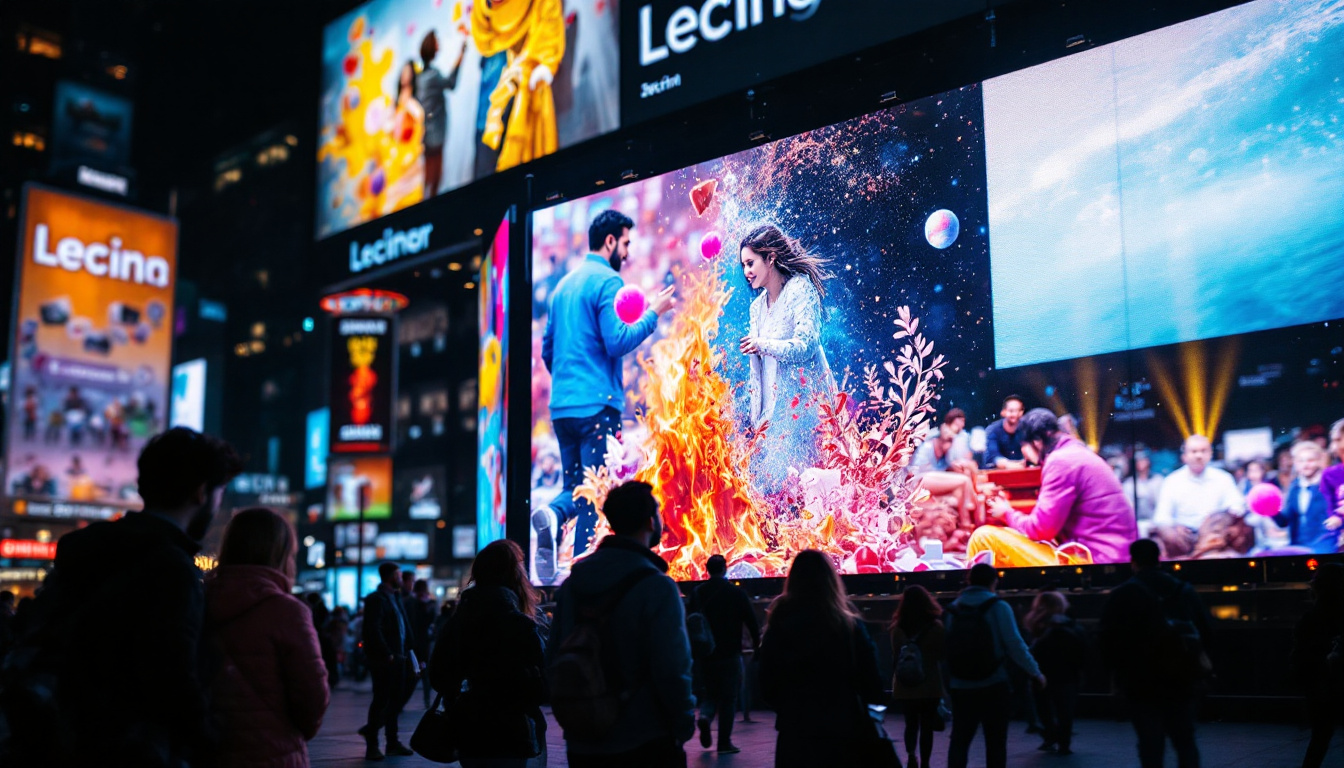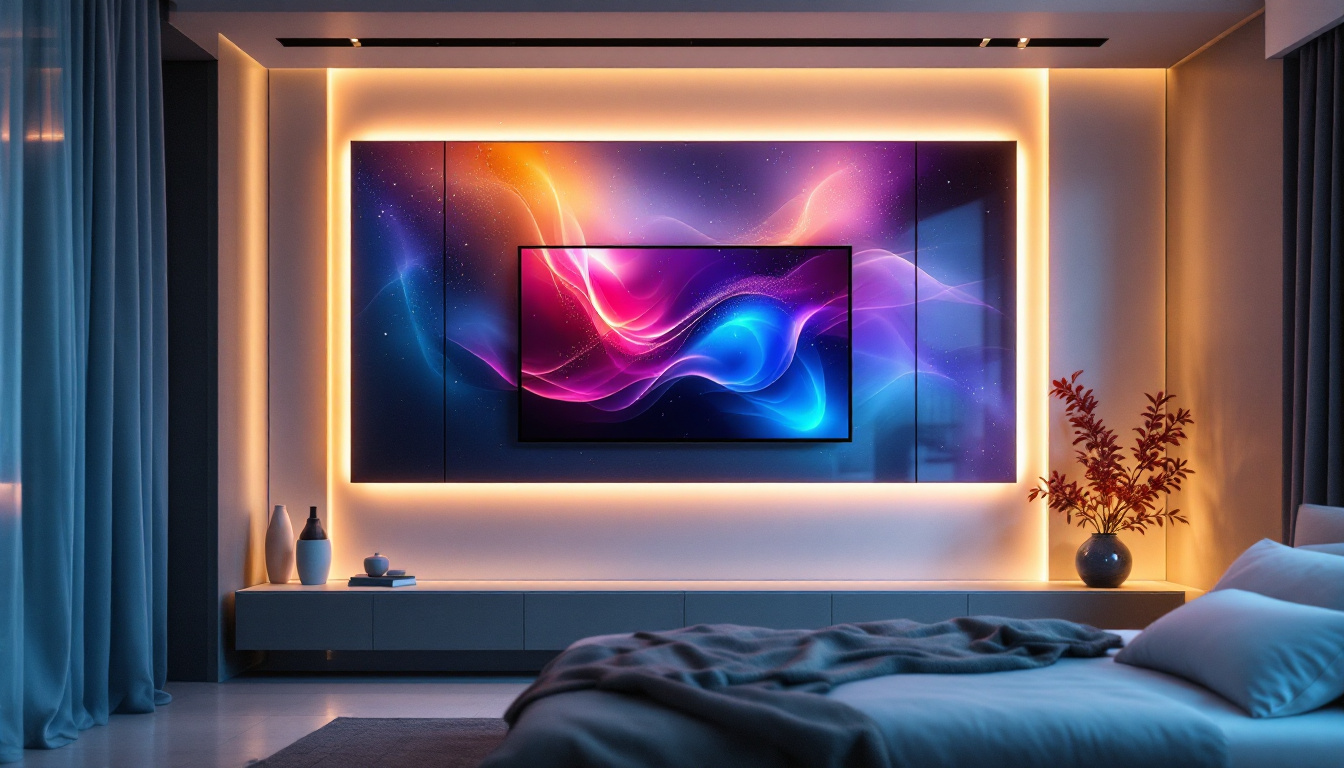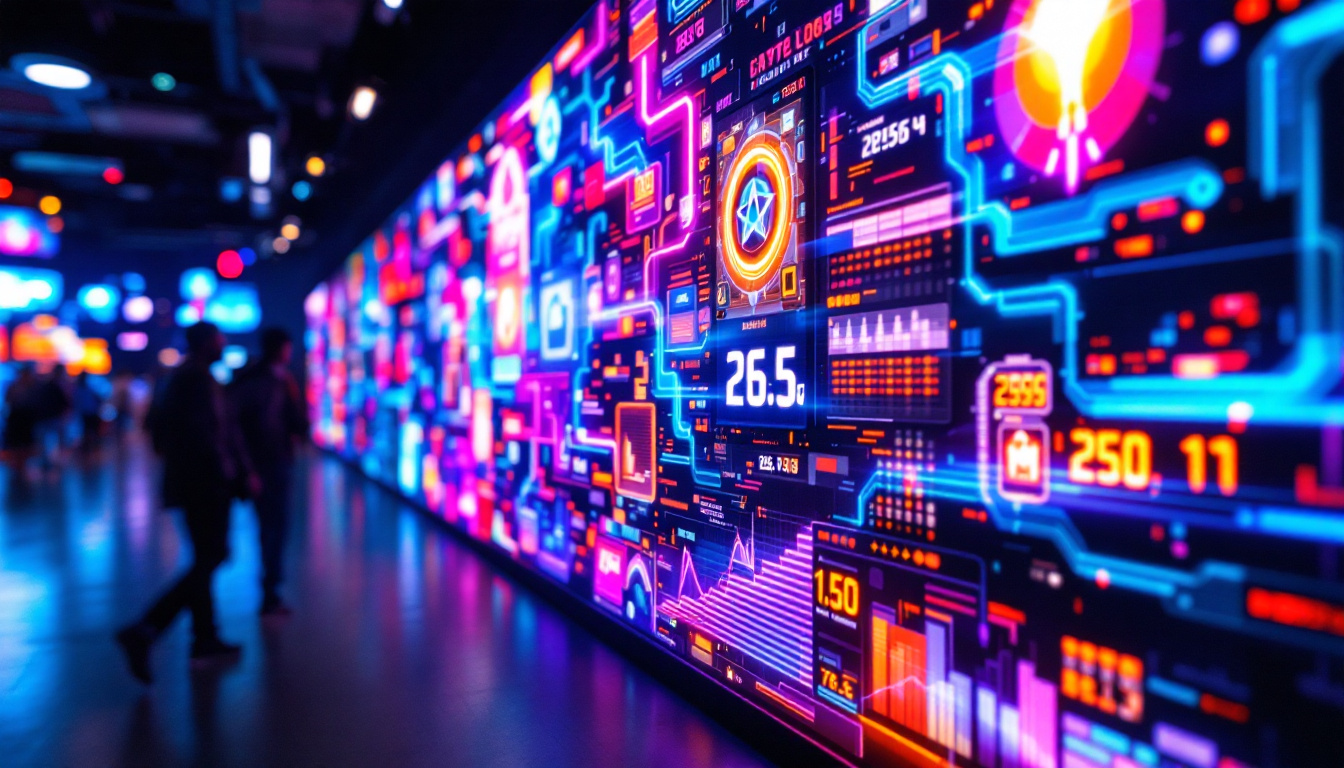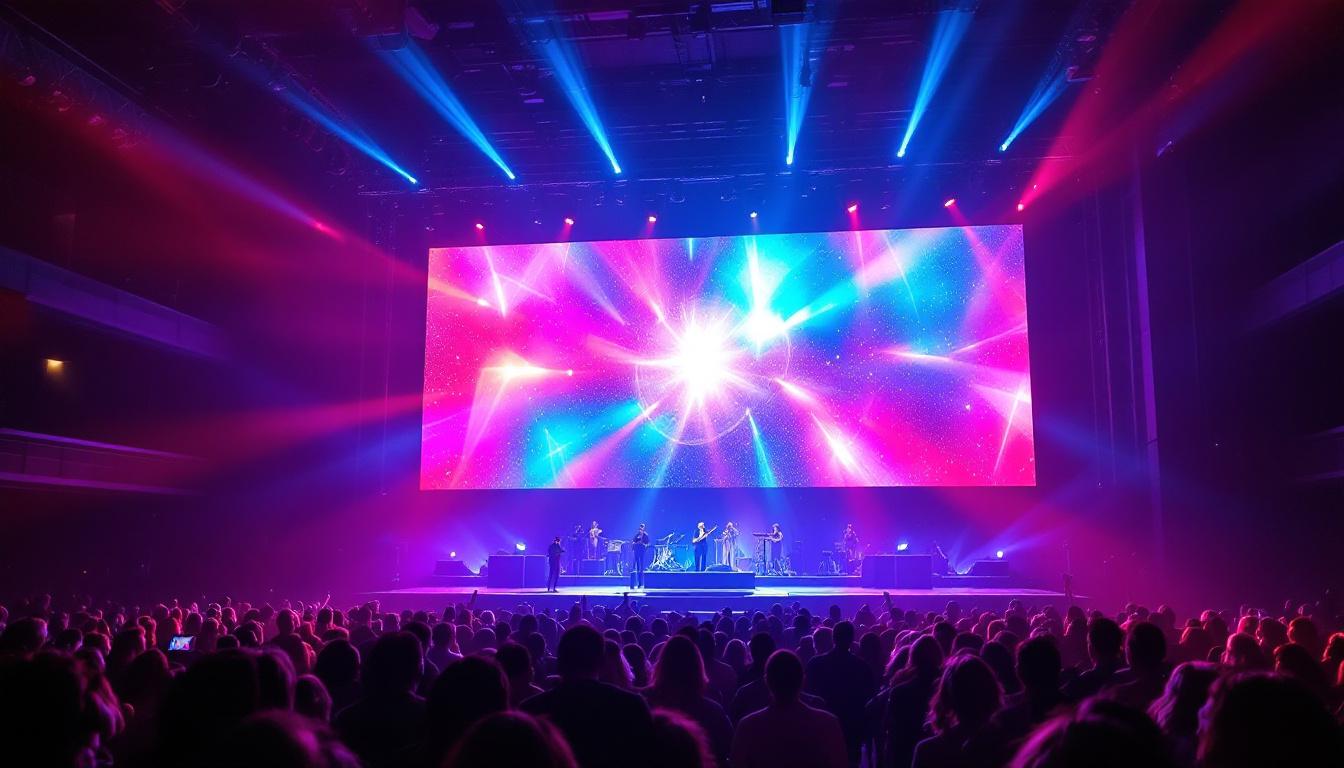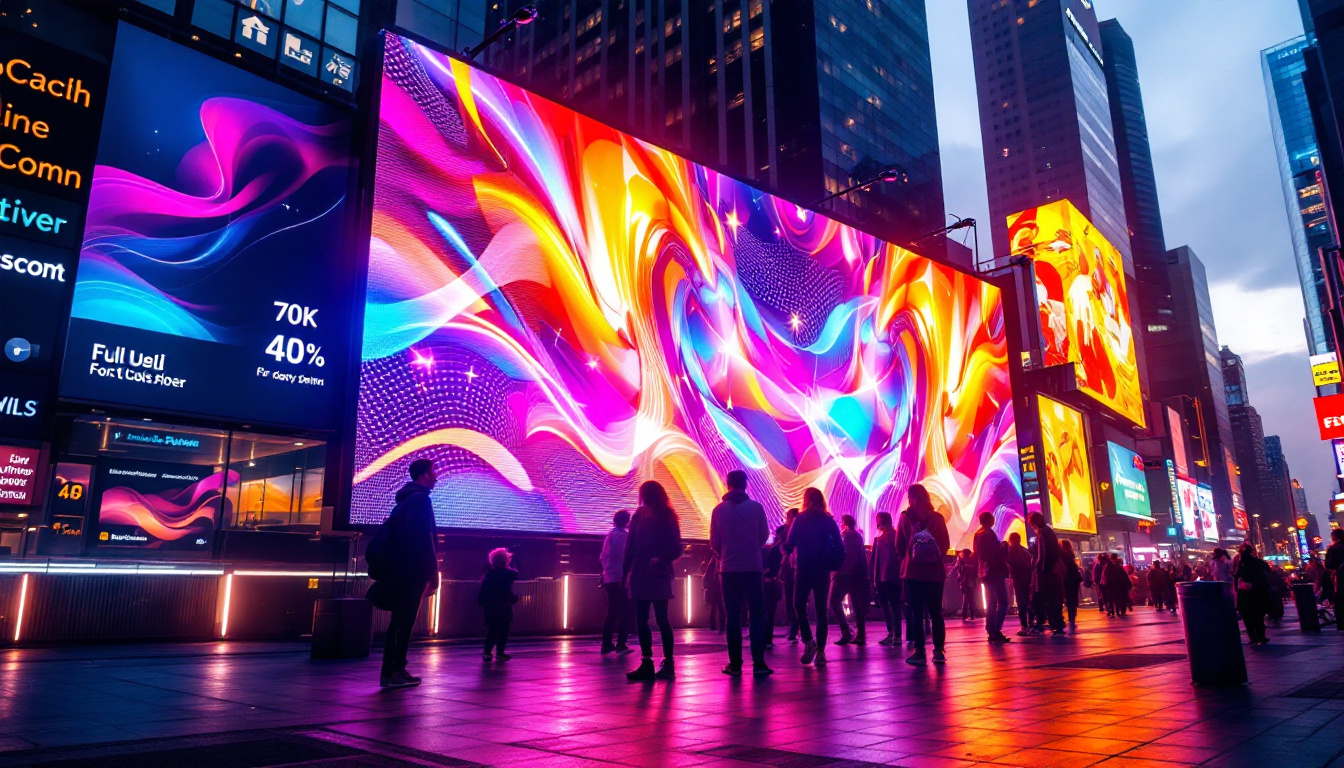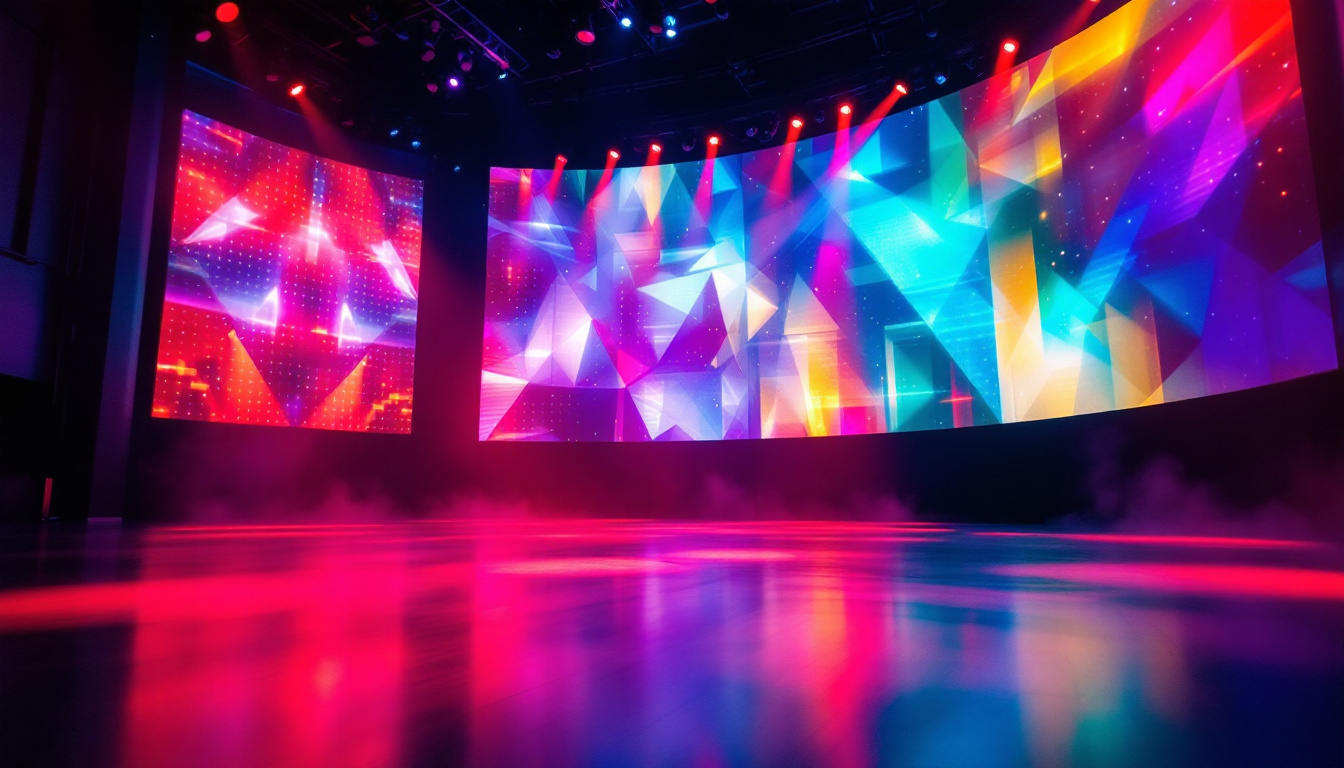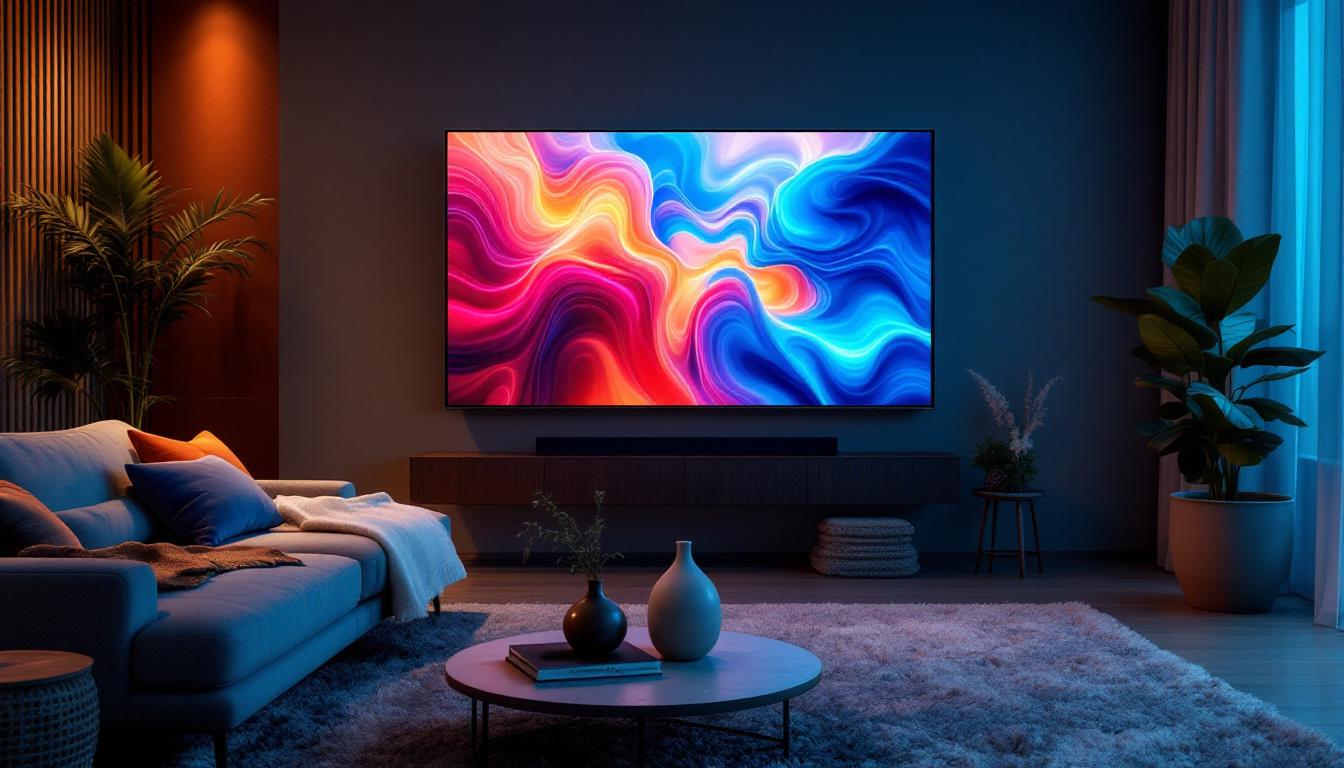
In recent years, LED wall TVs have transformed the way audiences experience visual content, from home theaters to corporate events and public displays. Their vibrant colors, remarkable brightness, and scalability make them an increasingly popular choice for both personal and professional use. However, understanding the pricing of LED wall TVs and the technology behind LED displays can be complex. This article aims to provide a comprehensive explanation of LED display technology, factors influencing LED wall TV prices, and practical considerations for buyers.
Understanding LED Display Technology
LED, or Light Emitting Diode, technology is at the heart of modern display solutions. Unlike traditional LCD or plasma screens, LED displays use an array of tiny diodes that emit light individually, enabling superior brightness and contrast.
What Makes LED Displays Unique?
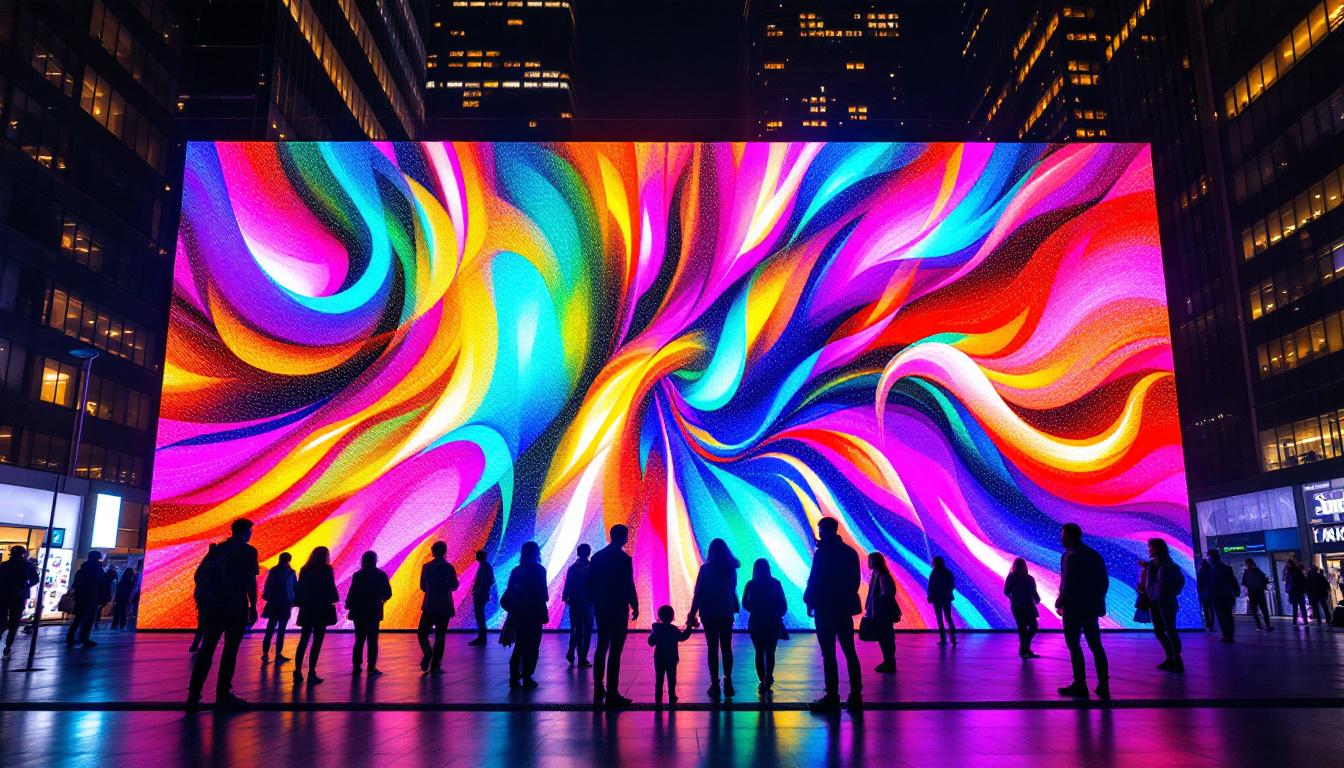
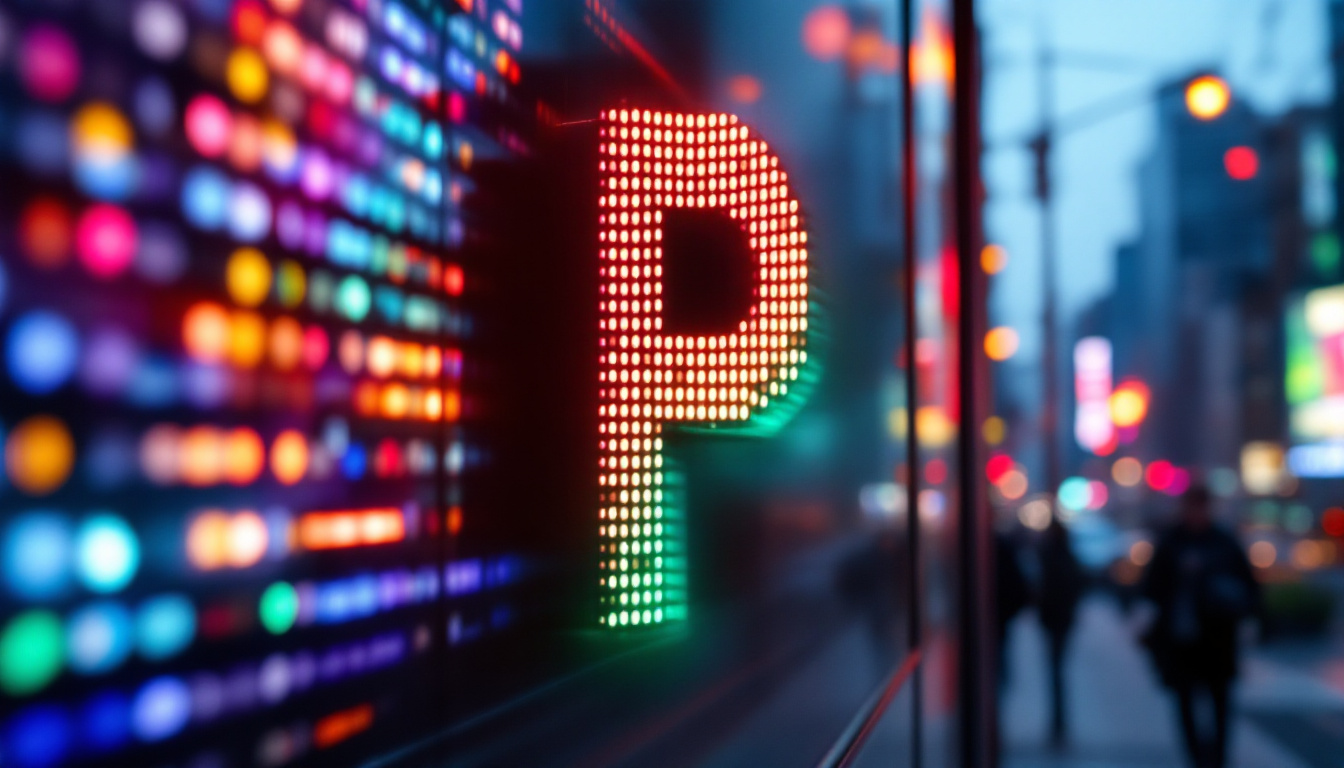
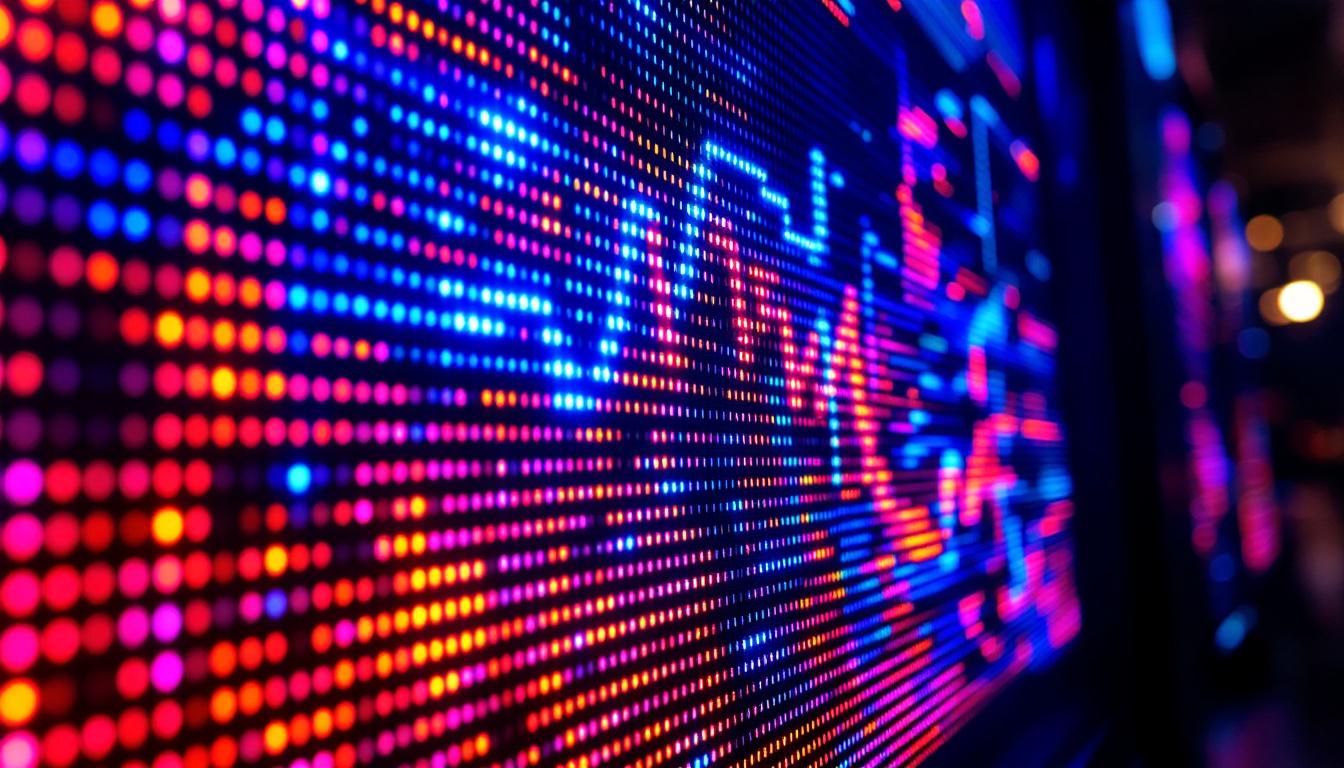
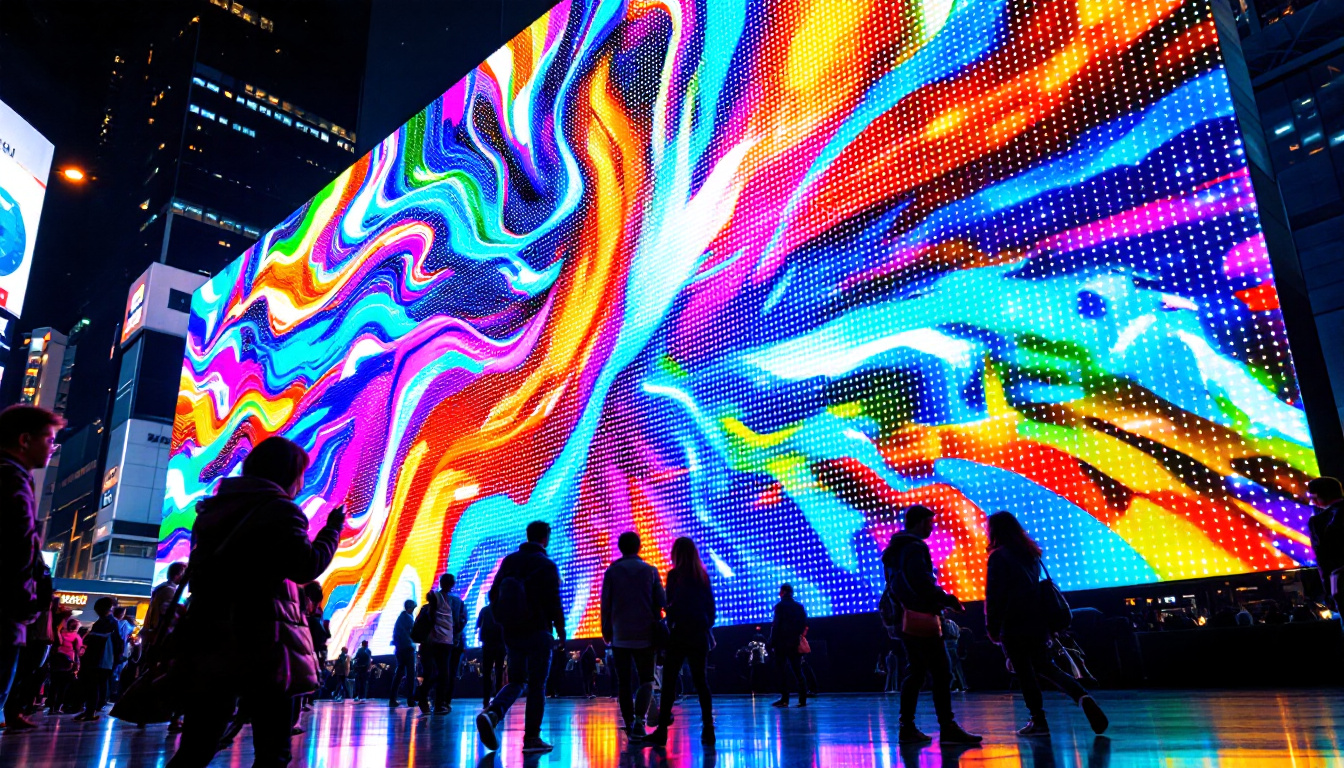
LED displays consist of numerous small modules, each containing multiple LEDs arranged in a grid. These modules combine to form a seamless large screen, often referred to as an LED wall. This modular design allows for flexible sizing and shapes, making LED walls ideal for large venues, outdoor advertising, and immersive environments.
One of the key advantages of LED technology is its ability to deliver high brightness levels, often exceeding 1,000 nits, which is significantly brighter than most LCD screens. This makes LED walls particularly effective in well-lit environments or outdoor settings where sunlight can wash out traditional displays. Furthermore, the energy efficiency of LED technology contributes to its growing popularity, as it consumes less power compared to other display technologies, leading to lower operational costs and a reduced carbon footprint.
Types of LED Displays
There are primarily two types of LED displays: direct view LED (DVLED) and LED-backlit LCD. The term “LED TV” often refers to an LCD TV with LED backlighting, but true LED walls use direct view LEDs.
Direct view LED displays are composed of individual LEDs that emit light directly to form the image. This results in better contrast ratios, deeper blacks, and wider viewing angles. LED-backlit LCD TVs, on the other hand, use LEDs only as a light source behind an LCD panel, which limits their performance compared to direct view LED walls. Additionally, advancements in pixel pitch technology have allowed for even finer resolutions in direct view LED displays, making them suitable for close-up viewing in venues such as theaters and conference halls. This enhanced resolution not only improves the visual experience but also opens up new possibilities for creative content, allowing for stunning visuals that captivate audiences in ways previously unattainable with older technologies.
Factors Influencing LED Wall TV Price
LED wall TVs come in a wide range of prices, influenced by several technical and market factors. Understanding these elements can help buyers make informed decisions aligned with their needs and budget.
1. Pixel Pitch
Pixel pitch is the distance between the centers of two adjacent pixels, measured in millimeters. It is a critical factor affecting image resolution and viewing distance. Smaller pixel pitches mean higher resolution and sharper images, especially at close viewing distances.
For example, an LED wall with a 1.2mm pixel pitch will offer near-retina quality images suitable for indoor use and close viewing, but it will be significantly more expensive than a 4mm or 6mm pixel pitch display designed for outdoor or large venue use where viewers are farther away. The choice of pixel pitch also influences the overall viewing experience; a smaller pitch can provide a more immersive feel, making it ideal for environments like museums or high-end retail spaces where detail is paramount.
2. Screen Size and Configuration
The overall size of the LED wall directly impacts the price. Larger screens require more LED modules and more complex installation, driving up costs. Additionally, custom shapes or curved configurations can increase manufacturing and installation expenses. The versatility of LED walls allows for various configurations, such as video walls made up of multiple smaller panels, which can be tailored to fit unique spaces or artistic visions. This adaptability can lead to increased costs but also offers a unique aesthetic appeal that standard screens cannot match.
3. Brightness and Weather Resistance
Outdoor LED walls need to be brighter and weatherproof, which adds to the cost. High brightness levels (up to 5,000 nits or more) ensure visibility under direct sunlight, while IP-rated enclosures protect the electronics from dust, moisture, and temperature extremes. The durability of outdoor displays is crucial, as they must withstand not only varying weather conditions but also potential vandalism or accidental damage. This resilience often requires additional materials and engineering, further influencing the price point.
4. Refresh Rate and Color Accuracy
Higher refresh rates reduce flicker, which is essential for broadcast-quality video and live events. Professional LED walls often feature refresh rates above 3,000 Hz, which can increase the price. Similarly, enhanced color calibration and HDR support improve image quality but add to manufacturing complexity. The importance of color accuracy cannot be overstated, especially in applications like broadcasting or live performances, where true-to-life colors can significantly impact the audience’s experience. Advanced technologies, such as 10-bit color depth and wide color gamut capabilities, can also contribute to a higher price tag while elevating the visual output.
5. Brand and Warranty
Reputable brands with proven track records in LED technology typically command higher prices due to quality assurance, customer support, and longer warranties. Buyers should weigh the benefits of brand reliability against budget constraints. Investing in a well-known brand can often result in better long-term value, as these companies tend to offer superior customer service, easier access to replacement parts, and more comprehensive warranties. Additionally, the support network provided by established brands can be invaluable for businesses relying on LED walls for critical presentations or events, ensuring minimal downtime and maximum performance.
Current Market Prices and Examples
LED wall TV prices vary widely based on the factors outlined above. To provide a clearer picture, here are some indicative price ranges based on recent market data as of 2024.
Indoor LED Walls
Indoor LED walls with pixel pitches between 1.2mm and 2.5mm generally range from $2,500 to $5,000 per square meter. For example, a 3m x 2m (6 square meters) indoor LED wall with a 1.5mm pixel pitch might cost around $15,000 to $30,000, including installation and control systems.
These displays are popular for conference rooms, retail environments, and control centers where high resolution and close viewing distances are critical. The ability to display vibrant colors and sharp images makes them ideal for presentations and advertising, enhancing the overall experience for viewers. Furthermore, many indoor LED walls come equipped with advanced features such as touch interactivity and seamless video playback, which can significantly elevate engagement levels in educational and corporate settings.
Outdoor LED Walls
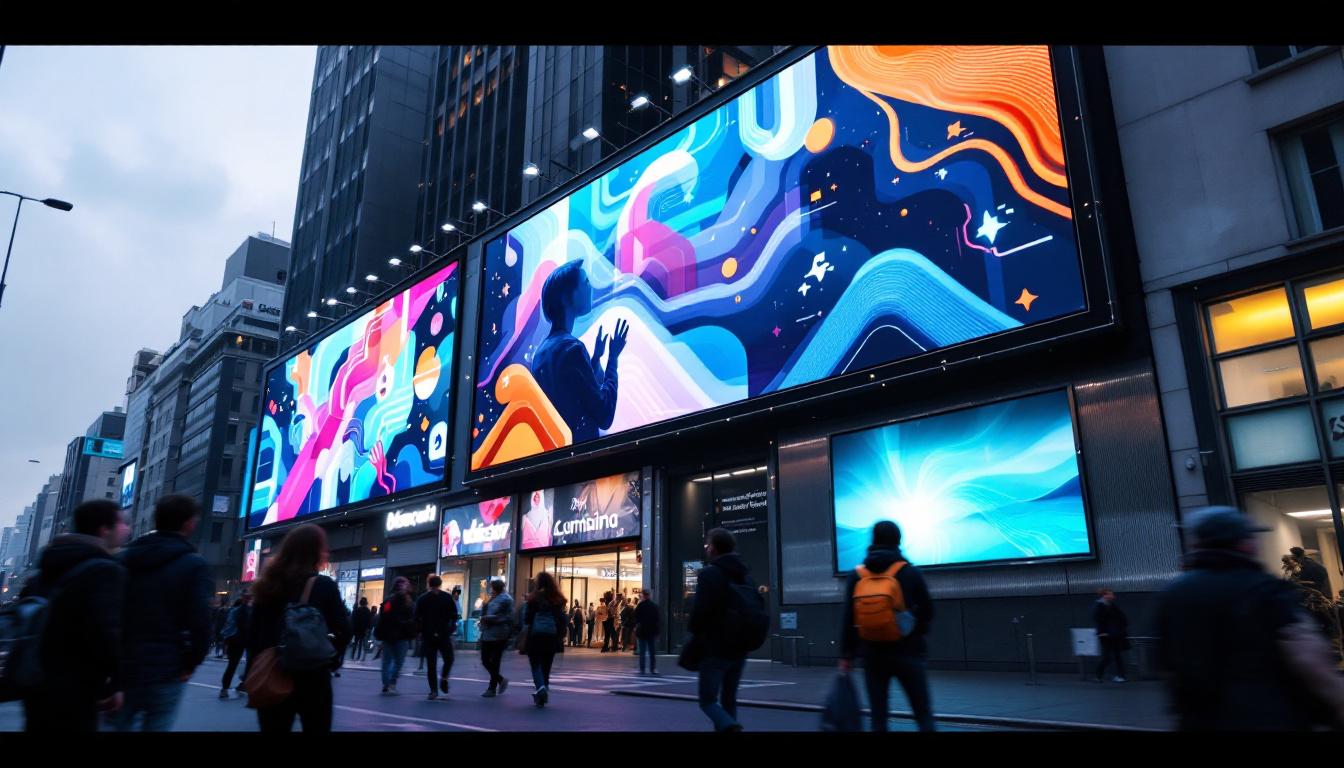
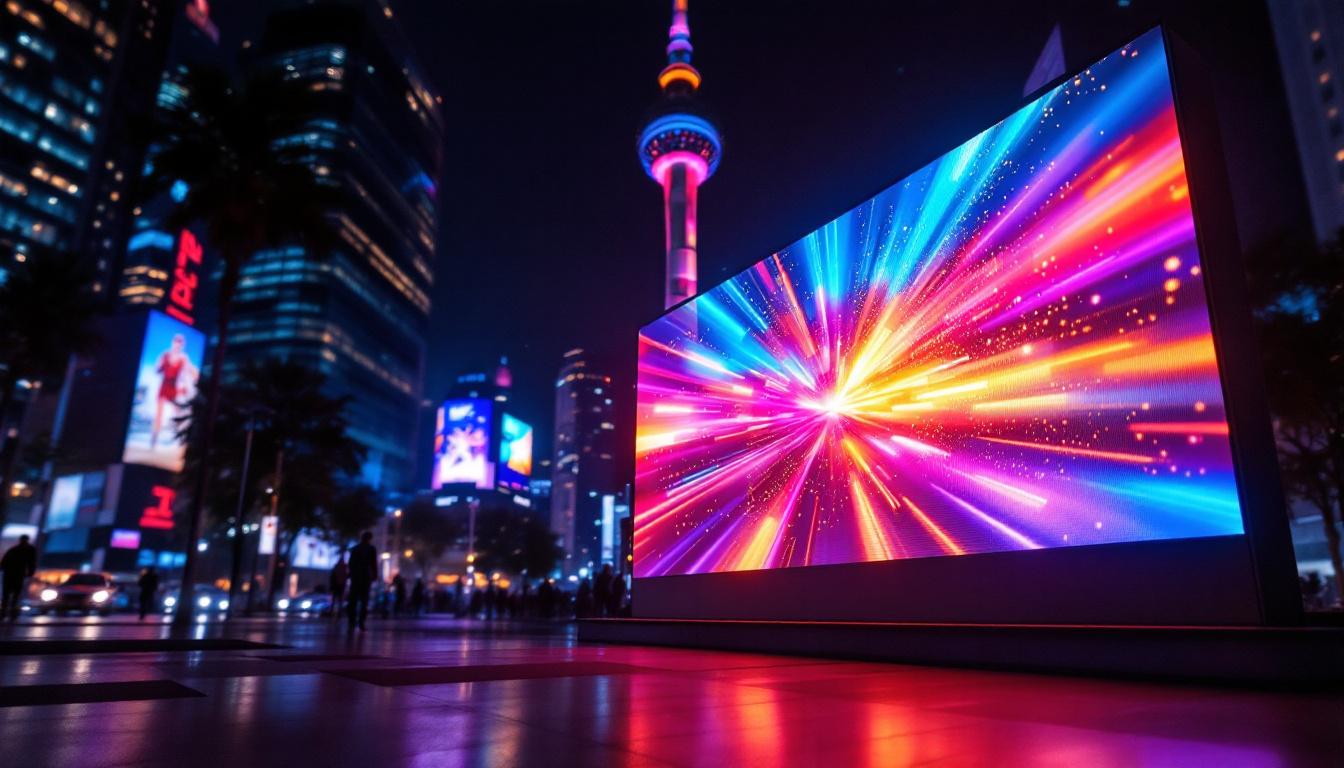
Outdoor LED walls with pixel pitches between 4mm and 10mm typically range from $1,000 to $3,000 per square meter. A 10m x 5m (50 square meters) outdoor LED wall with a 6mm pixel pitch could cost between $50,000 and $150,000, depending on brightness and weatherproofing features.
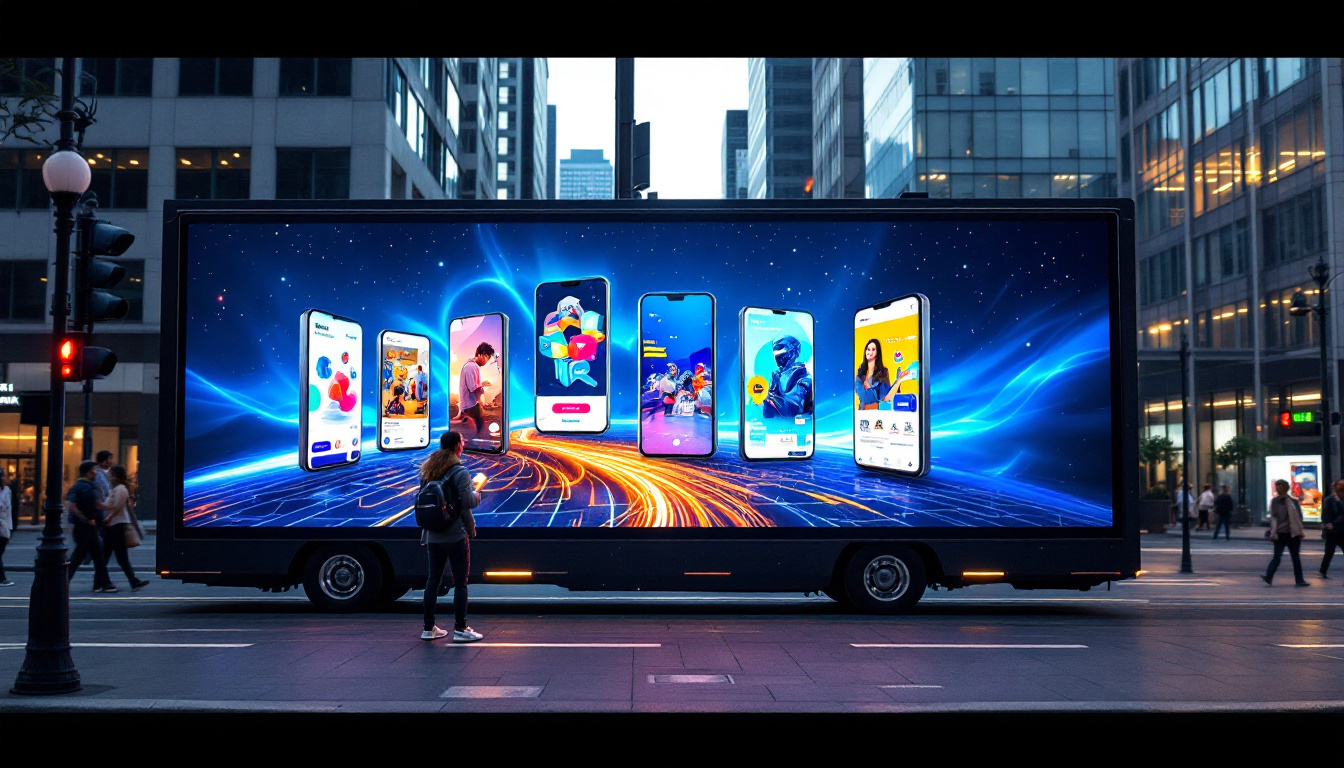
Such displays are commonly used for billboards, sports arenas, and public information screens, where durability and high brightness are essential. Outdoor LED walls are designed to withstand harsh weather conditions, including rain, snow, and extreme temperatures, ensuring consistent performance year-round. Additionally, advancements in technology have led to the development of energy-efficient models that reduce power consumption while maintaining high luminosity, making them a more sustainable choice for advertisers and event organizers alike.
Mini-LED and Micro-LED Technologies
Emerging technologies like Mini-LED and Micro-LED promise even better performance with smaller pixel sizes and improved energy efficiency. However, these displays are currently premium-priced, often exceeding $10,000 per square meter, and are mostly found in high-end commercial or luxury home theater applications.
These cutting-edge technologies offer unprecedented contrast ratios and color accuracy, making them particularly appealing for applications that demand the highest visual fidelity, such as art galleries and high-end retail displays. With the ability to achieve deeper blacks and brighter highlights, Mini-LED and Micro-LED screens are setting new standards in the display industry. As production costs decrease and technology matures, it is anticipated that these advanced displays will become more accessible to a broader range of consumers, potentially revolutionizing both commercial and residential viewing experiences.
Practical Considerations When Buying an LED Wall TV
Beyond price and technical specifications, several practical factors should guide the purchase of an LED wall TV.
Installation and Maintenance
LED walls require professional installation to ensure proper alignment, power supply, and data connectivity. Maintenance access should also be considered, especially for large or outdoor installations, as LED modules may need periodic servicing or replacement.
Content Management and Control Systems
The quality of the control system impacts the ease of content management, image processing, and synchronization. Buyers should evaluate software compatibility, user interface, and remote management capabilities.
Energy Consumption
LED walls can consume significant power, especially large or high-brightness models. Energy efficiency should be factored into long-term operational costs, particularly for continuous use applications.
Viewing Distance and Environment
Choosing the right pixel pitch and brightness depends heavily on the intended viewing distance and ambient lighting conditions. For instance, a small pixel pitch is unnecessary for a billboard viewed from hundreds of meters away, while indoor displays require finer resolution for close-up viewing.
Conclusion
LED wall TVs represent a versatile and powerful display technology suitable for a wide range of applications. Their pricing reflects a complex interplay of technical specifications, size, environment, and brand factors. By understanding the fundamentals of LED display technology and the elements influencing cost, buyers can make well-informed decisions that balance performance, durability, and budget.
Whether investing in an indoor LED wall for a corporate lobby or an outdoor LED billboard, careful consideration of pixel pitch, brightness, installation requirements, and content management will ensure the best return on investment and an outstanding visual experience.
Discover LumenMatrix LED Display Solutions
Ready to elevate your visual experience with the latest in LED display technology? Look no further than LumenMatrix, a pioneer in crafting dynamic and innovative LED solutions tailored to your needs. From the immersive Indoor LED Wall Display to the robust Outdoor LED Wall Display, and from the versatile Vehicle LED Display to the sleek LED Poster Display, LumenMatrix offers a comprehensive range of products designed to transform your space and captivate your audience. Embrace the future of visual communication with our LED Sports Display, Floor LED Display, Custom LED Display, All-in-One LED Display, and LED Transparent Display. Check out LumenMatrix LED Display Solutions today and join the revolution in delivering impactful messages with unparalleled clarity and engagement.