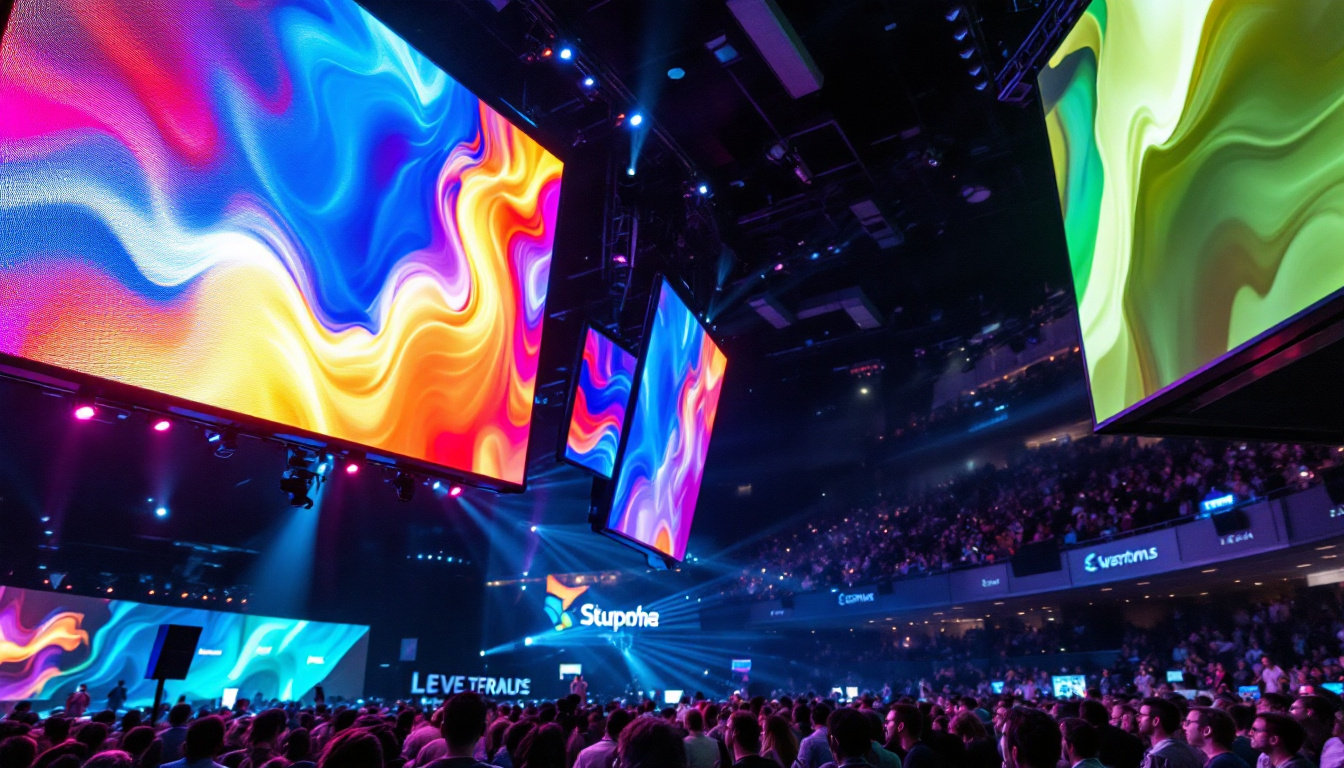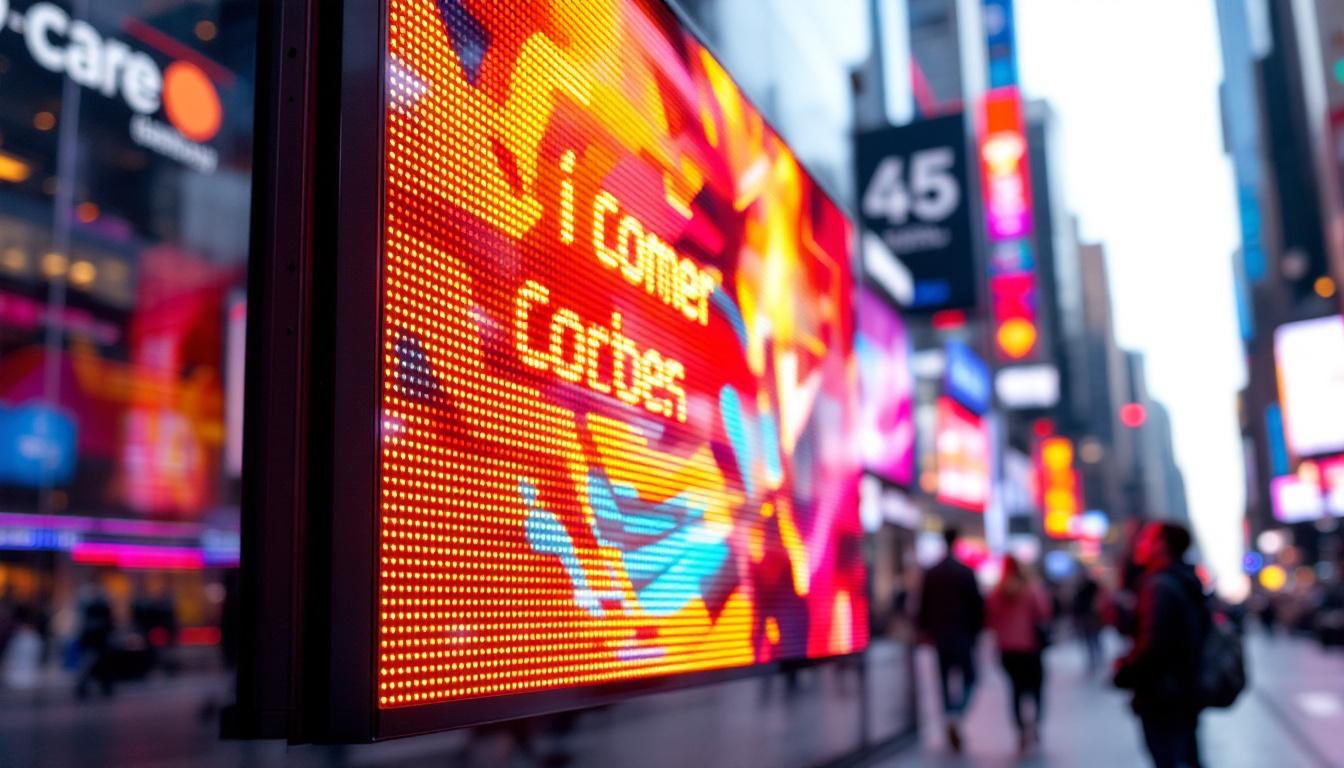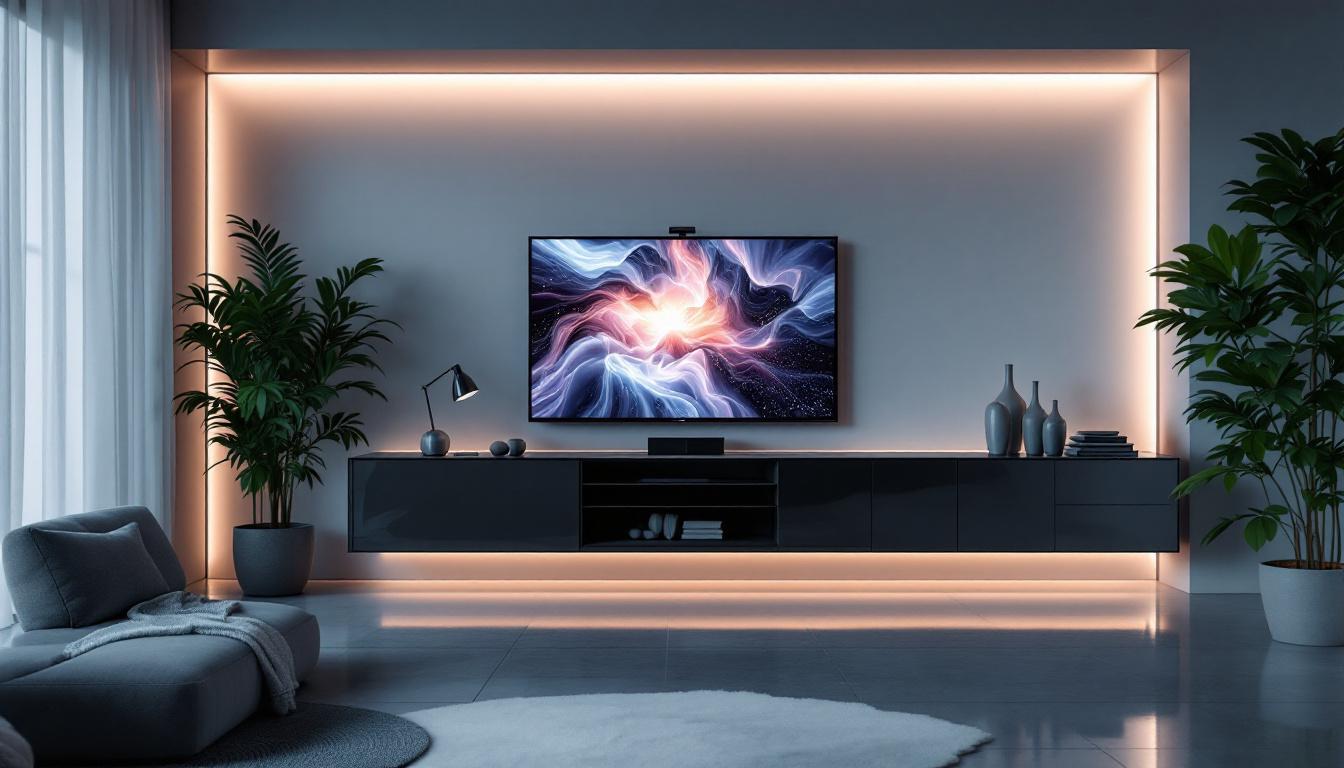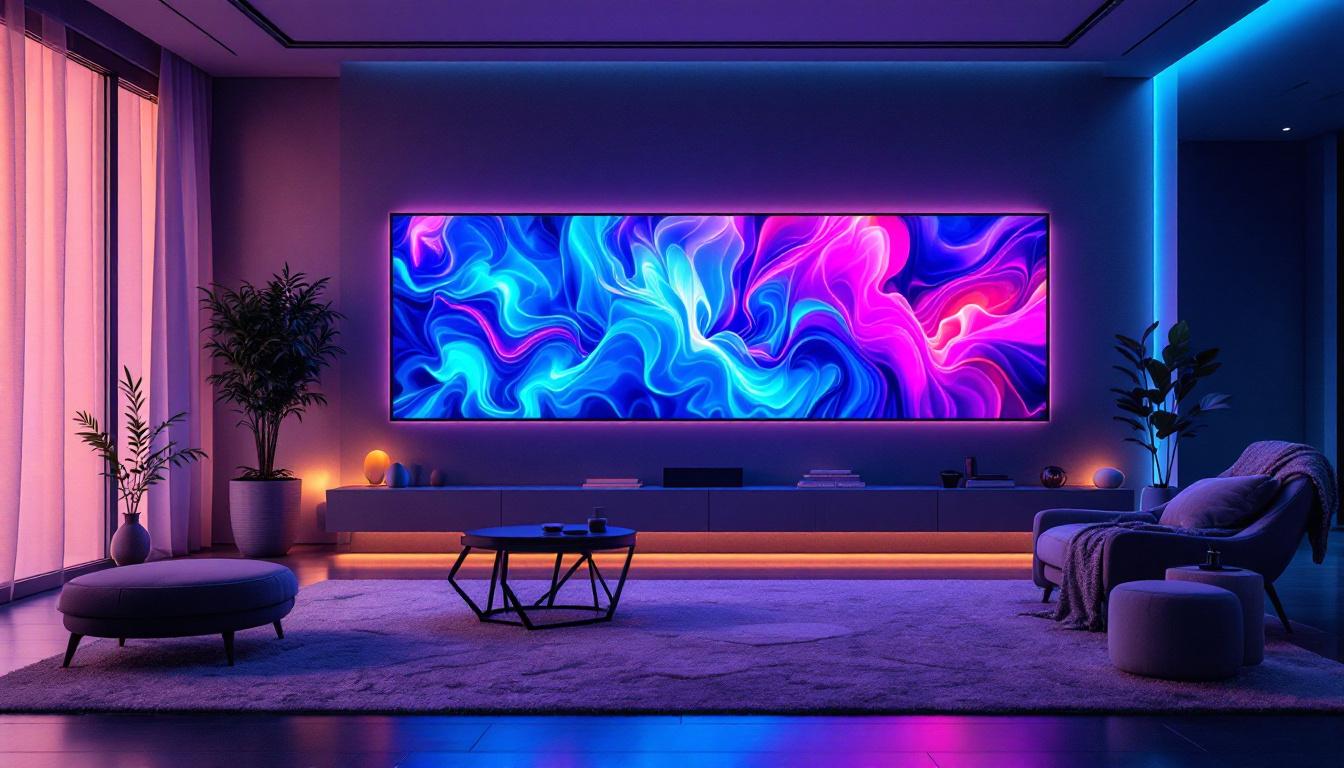
In the evolving world of interior design and digital art, long pictures for walls have gained remarkable popularity. Among the various display technologies available, LED displays stand out for their versatility, brightness, and ability to transform spaces with dynamic visuals. This article explores the concept of long pictures for walls, focusing on LED display technology, its applications, benefits, and considerations for choosing the right setup for your space.
Understanding Long Pictures for Walls
Long pictures, often referred to as panoramic or elongated wall art, are images or graphics designed to span a considerable horizontal or vertical length. These artworks create a striking visual impact by filling large wall spaces, making them ideal for offices, galleries, commercial spaces, and modern homes.
Traditionally, long pictures were printed on canvas, vinyl, or other physical media. However, with the advent of digital display technologies, LED displays have become a preferred medium for showcasing long images and dynamic content. Unlike static prints, LED displays can change images, incorporate motion, and adjust brightness according to ambient lighting.
Why Choose Long Pictures?
Long pictures offer several advantages over standard-sized artworks. Their extended format allows for storytelling through visuals, panoramic landscapes, or detailed architectural designs that wouldn’t fit into traditional frames. This format enhances the perception of space and draws viewers’ attention, making it a powerful tool for branding and ambiance creation.
Moreover, long pictures can be customized to fit specific wall dimensions, ensuring a perfect fit without the need for awkward cropping or resizing. This adaptability is especially valuable in commercial environments where branding consistency and visual appeal are paramount.
In addition to their aesthetic benefits, long pictures can also serve functional purposes. For instance, they can be used to delineate different areas within a large space, guiding foot traffic and enhancing the overall flow of the environment. In offices, long pictures featuring inspirational quotes or vibrant imagery can foster creativity and motivation among employees. Furthermore, the choice of imagery can reflect a company’s values or mission, reinforcing its identity to clients and visitors alike.
Another fascinating aspect of long pictures is their ability to evoke emotions and memories. A panoramic photograph of a serene landscape can transport viewers to a tranquil place, while an abstract piece can stimulate thought and discussion. This emotional connection is particularly potent in spaces like hospitals or wellness centers, where art can play a role in healing and comfort. By carefully selecting images that resonate with the intended audience, long pictures can transform a simple wall into a powerful narrative canvas that speaks to the heart and mind of those who encounter it.
What is an LED Display?
LED stands for Light Emitting Diode, a semiconductor device that emits light when an electric current passes through it. LED displays use an array of these tiny diodes to create images and videos. They are widely used in advertising billboards, stadium screens, and increasingly in interior design for wall-mounted displays.
Types of LED Displays
LED displays come in various forms, but the two primary categories relevant to long pictures for walls are:
- Direct View LED (DVLED): These displays consist of thousands of tiny LEDs arranged in a matrix, providing high brightness and vibrant colors. They are ideal for large indoor or outdoor installations where visibility is critical.
- LED Backlit LCD: While technically an LCD screen illuminated by LEDs, these displays are common in consumer electronics and smaller digital frames. They offer good image quality but lack the brightness and scalability of DVLED.
For long pictures on walls, DVLED technology is often preferred due to its scalability, brightness, and ability to create seamless large-format displays.
How LED Displays Work
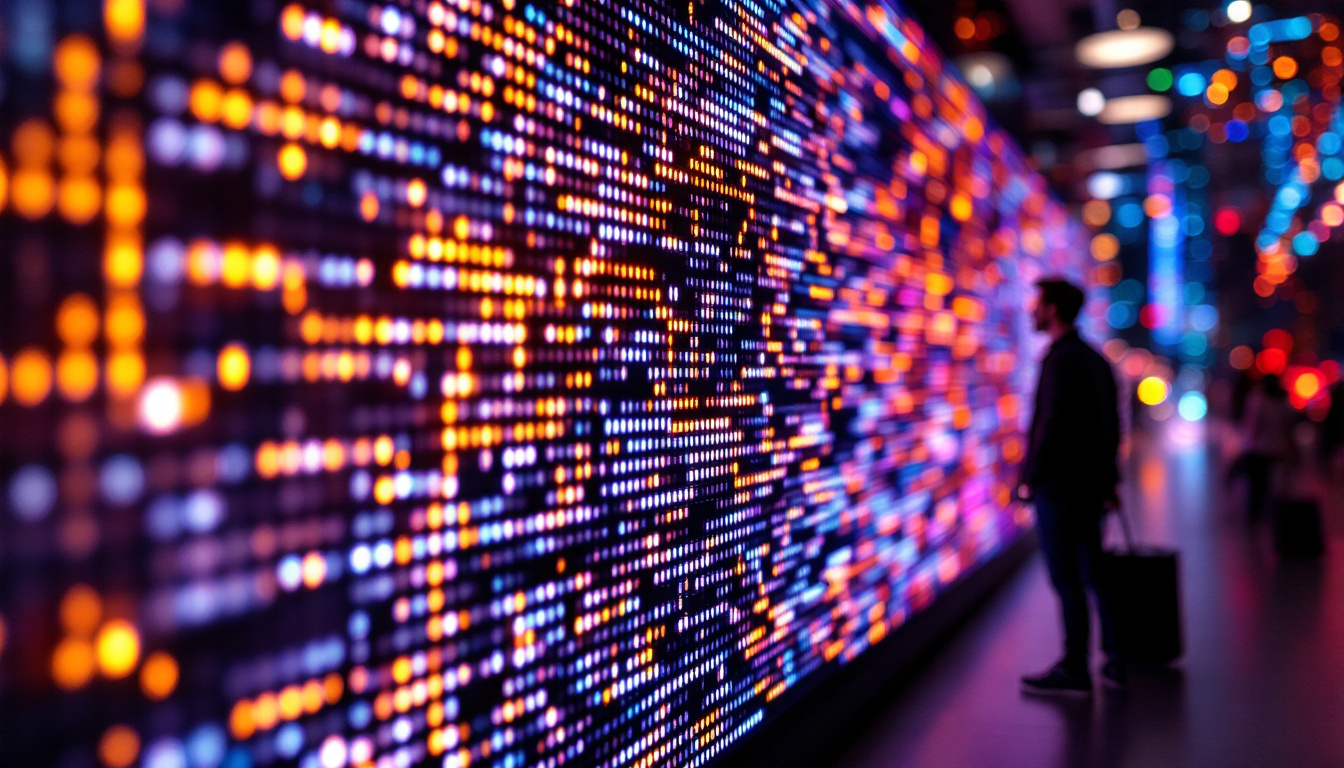
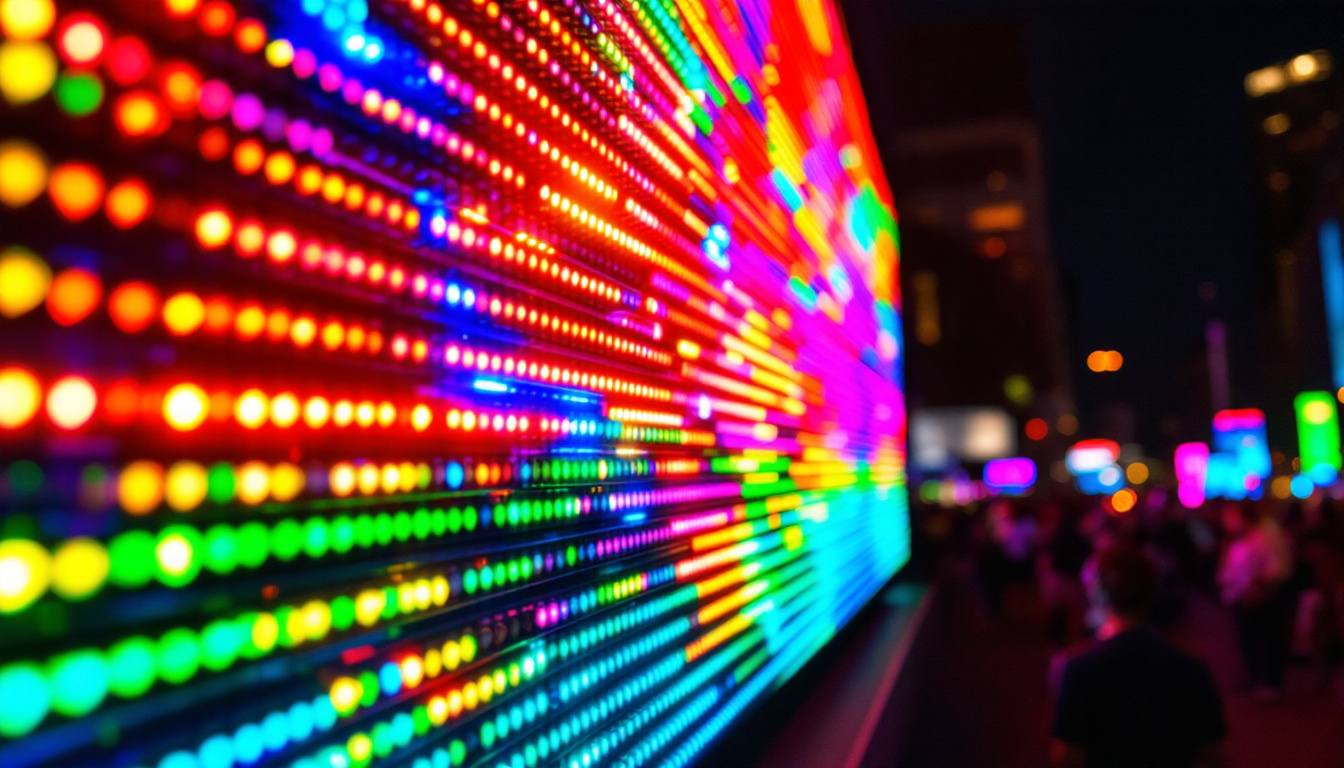
Each pixel in an LED display is made up of red, green, and blue LEDs that combine to create a full spectrum of colors. By adjusting the intensity of each LED, the display can produce millions of colors and shades, rendering detailed and vibrant images.
Advanced LED displays use sophisticated control systems to manage color calibration, brightness, and refresh rates, ensuring smooth and accurate visuals. This technology allows for dynamic content, including animations, videos, and interactive elements, making LED displays highly versatile.
Benefits of Using LED Displays for Long Pictures
When considering long pictures for walls, LED displays offer several significant benefits that traditional printed media cannot match.
1. Superior Brightness and Visibility
LED displays are known for their exceptional brightness, often exceeding 1,000 nits indoors and going much higher for outdoor screens. This brightness ensures that images remain vivid and clear even in well-lit environments, unlike printed pictures that can appear dull under strong lighting.
2. Dynamic and Changeable Content
One of the most compelling advantages of LED displays is the ability to change the displayed content instantly. This feature allows users to rotate through multiple long pictures or incorporate animations and videos, providing a fresh and engaging experience without additional printing costs.
3. Customizable Size and Shape
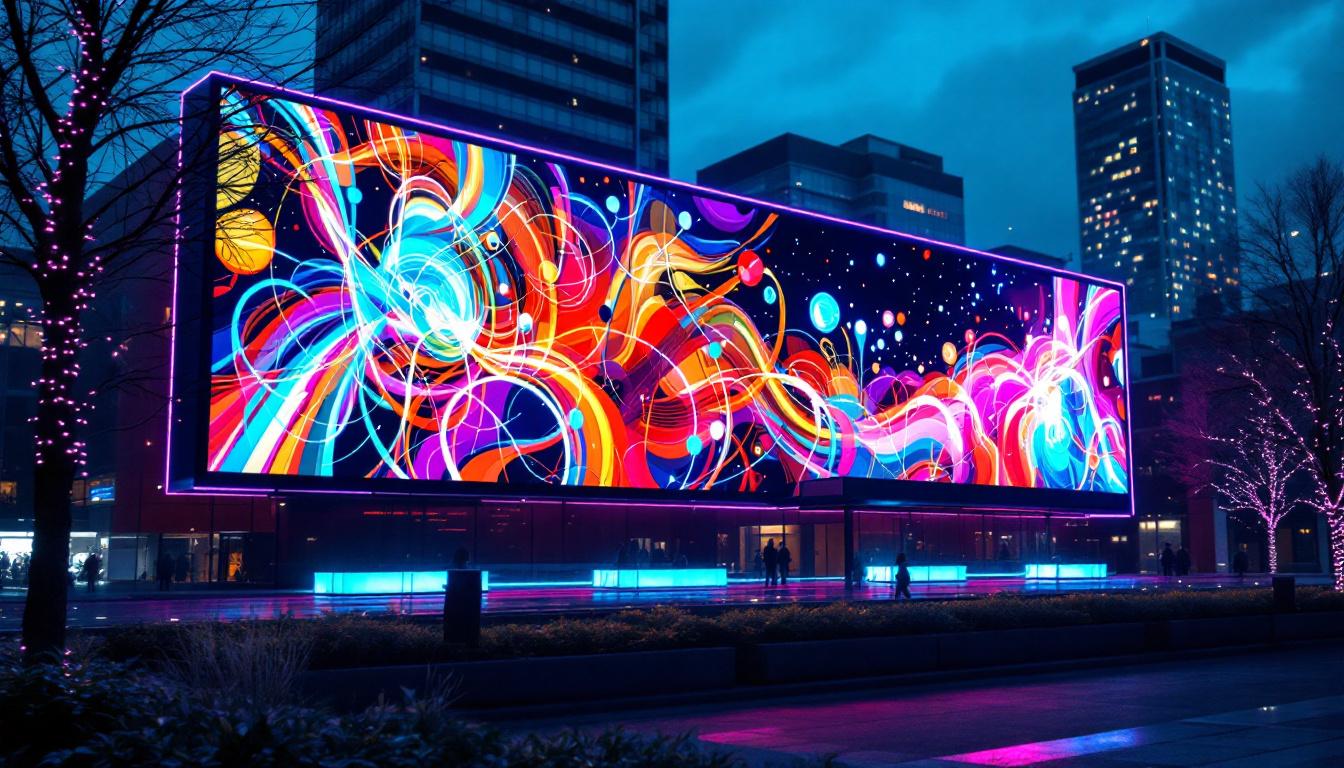
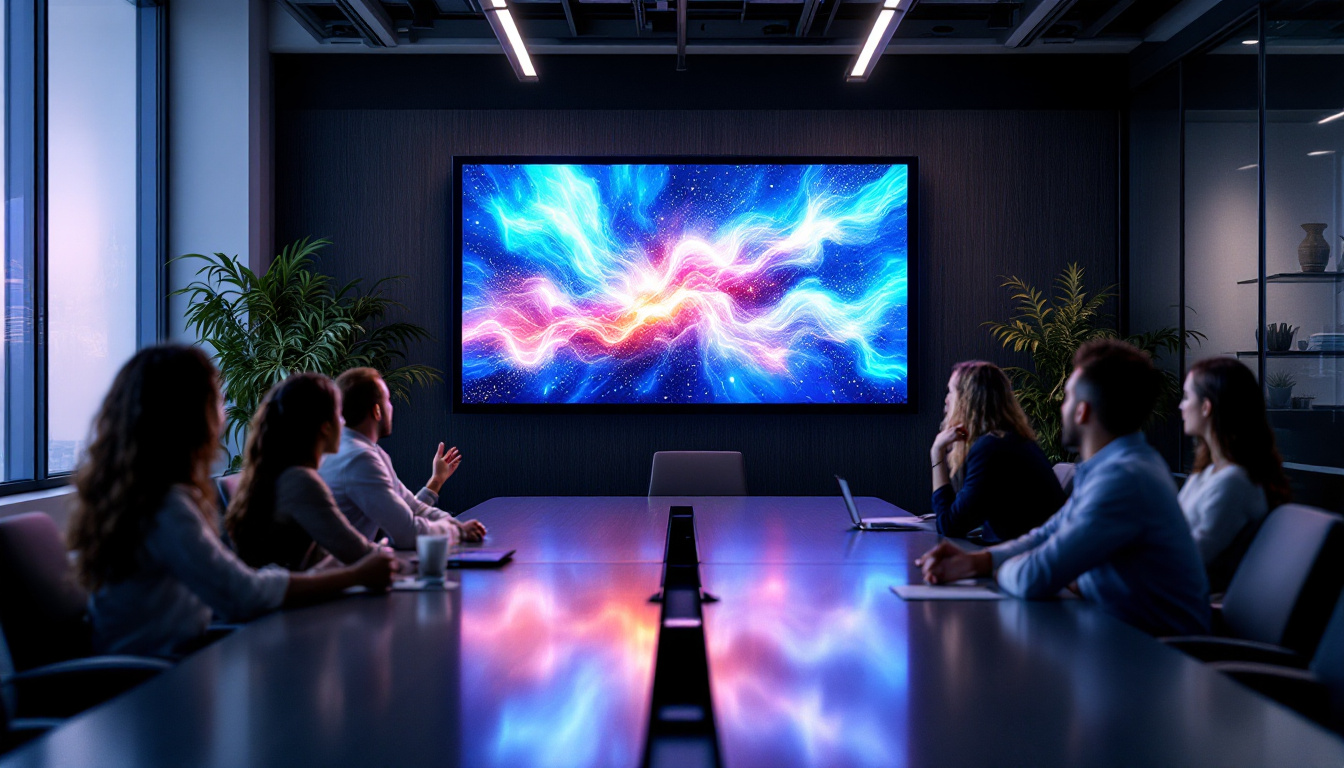
LED panels can be combined modularly to create virtually any size or shape, making them perfect for long, narrow wall spaces or unconventional layouts. This flexibility is invaluable for architects and designers aiming to integrate digital art seamlessly into their projects.
4. Energy Efficiency
Modern LED technology is highly energy-efficient compared to older display types like plasma or fluorescent backlit screens. This efficiency translates to lower operating costs, especially important for large installations that run for many hours daily.
5. Longevity and Durability
LED displays are built to last, with typical lifespans ranging from 50,000 to 100,000 hours. They are also resistant to shock and vibration, making them suitable for high-traffic areas and public spaces where durability is essential.
Applications of Long LED Pictures on Walls
LED displays for long pictures are being adopted across various sectors, each leveraging the technology’s unique capabilities.
Corporate and Commercial Spaces
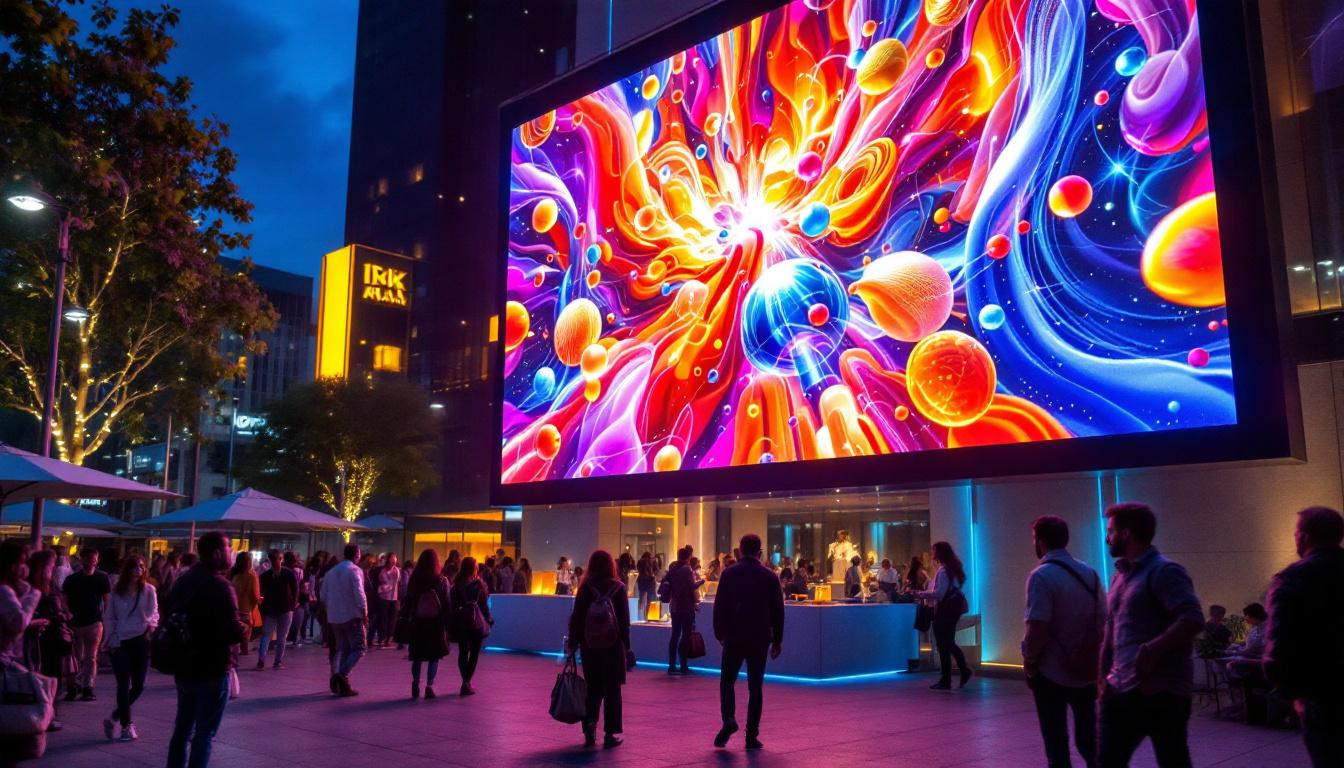
Businesses use long LED displays to showcase branding, product imagery, and promotional content. Retail stores, hotels, and restaurants benefit from the ability to update visuals frequently, tailoring marketing messages to different times of day or special events.
Art Galleries and Museums
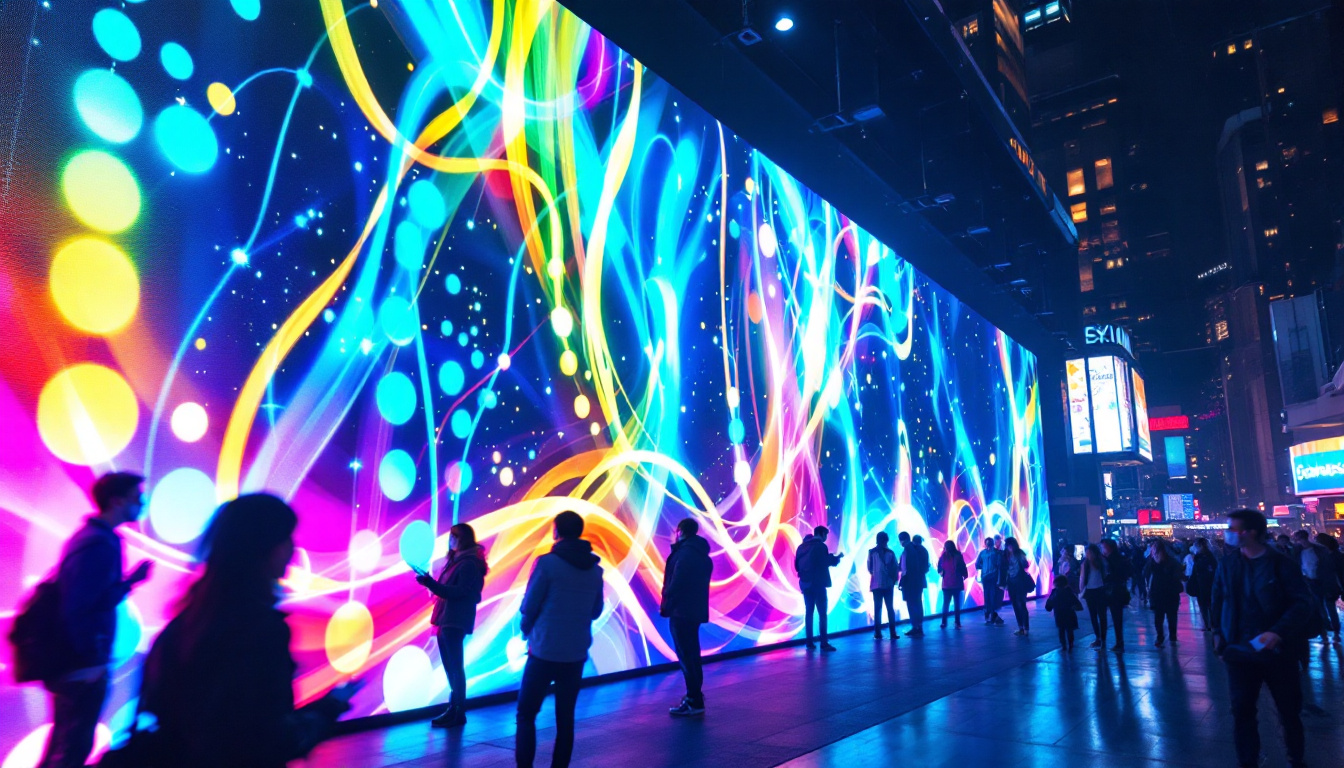
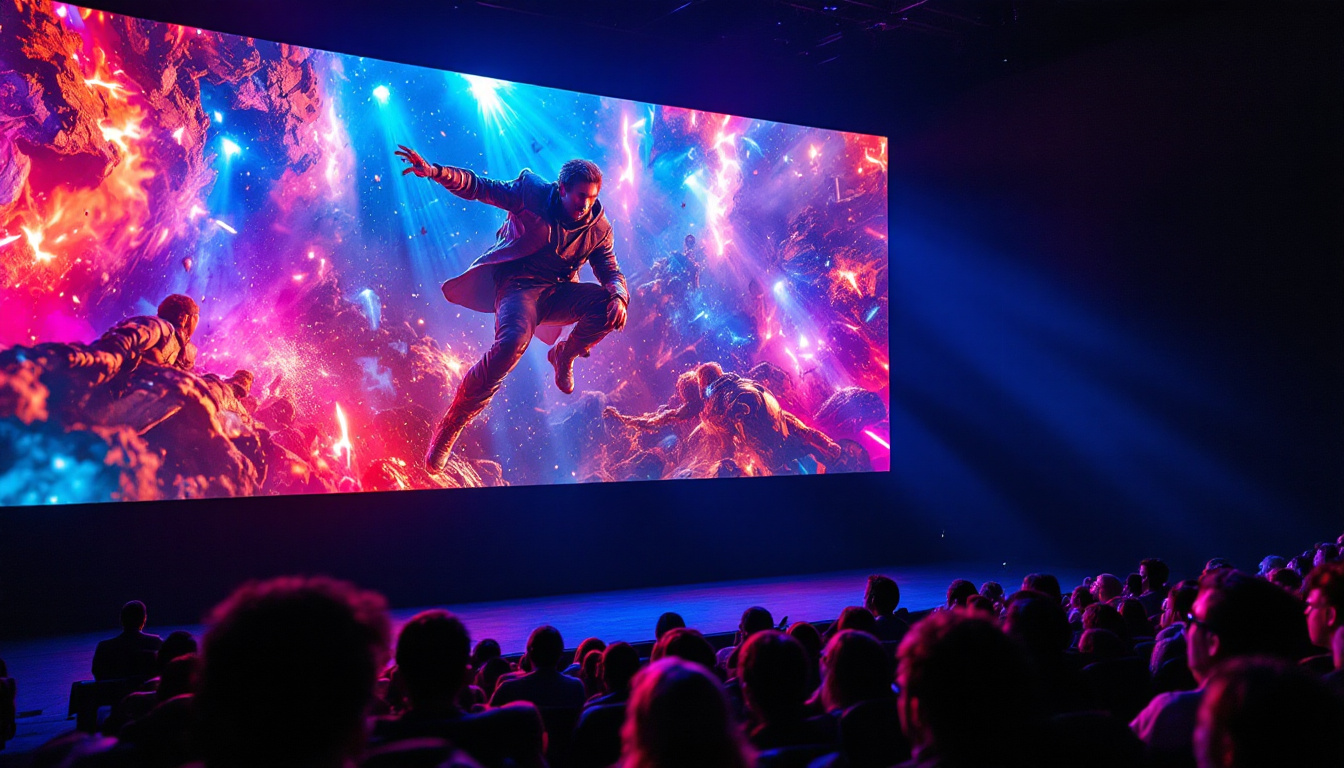
Digital art exhibitions increasingly incorporate LED walls to display panoramic artworks or interactive installations. This approach allows artists to experiment with motion and light, creating immersive experiences that engage visitors more deeply than static prints.
Residential Interiors
High-end residential projects are also embracing LED displays for long pictures, particularly in media rooms, living areas, and feature walls. The technology enables homeowners to personalize their spaces with digital art that can be changed seasonally or to suit moods and occasions.
Public and Urban Spaces
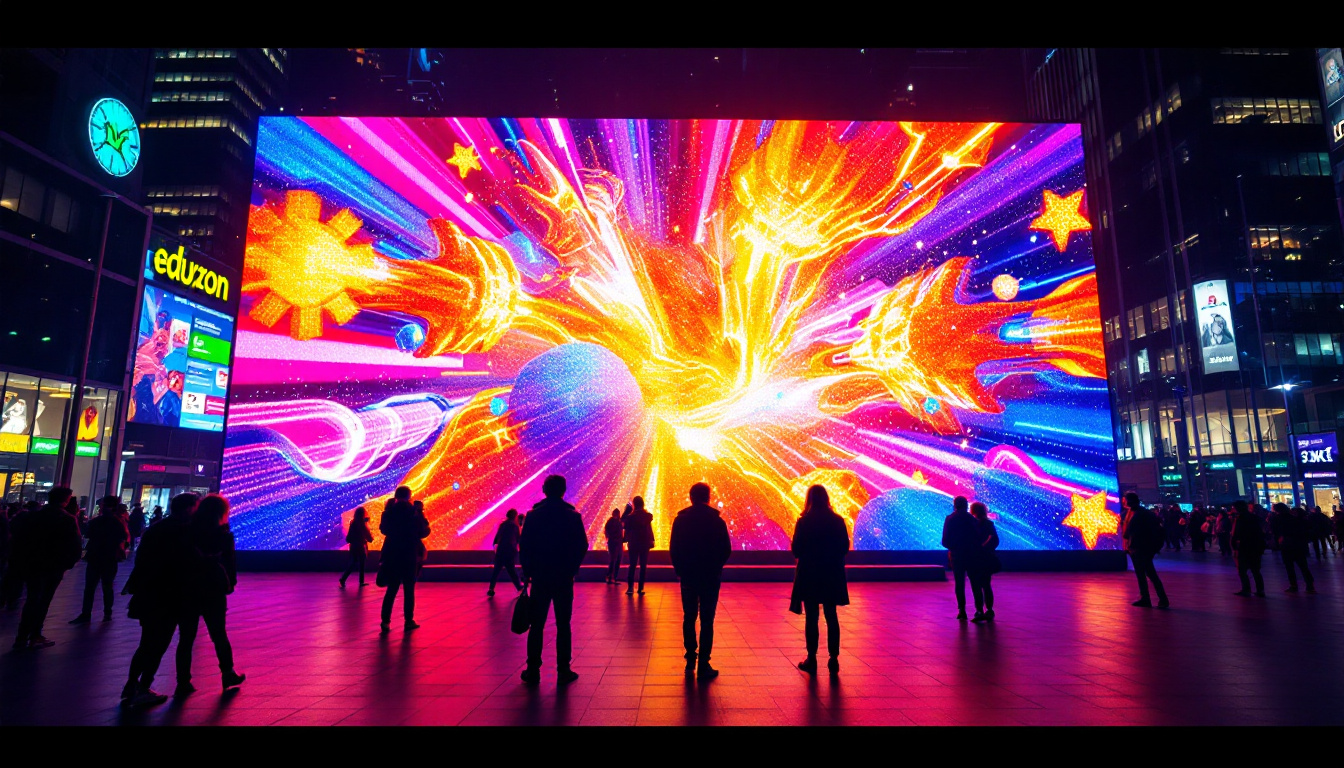
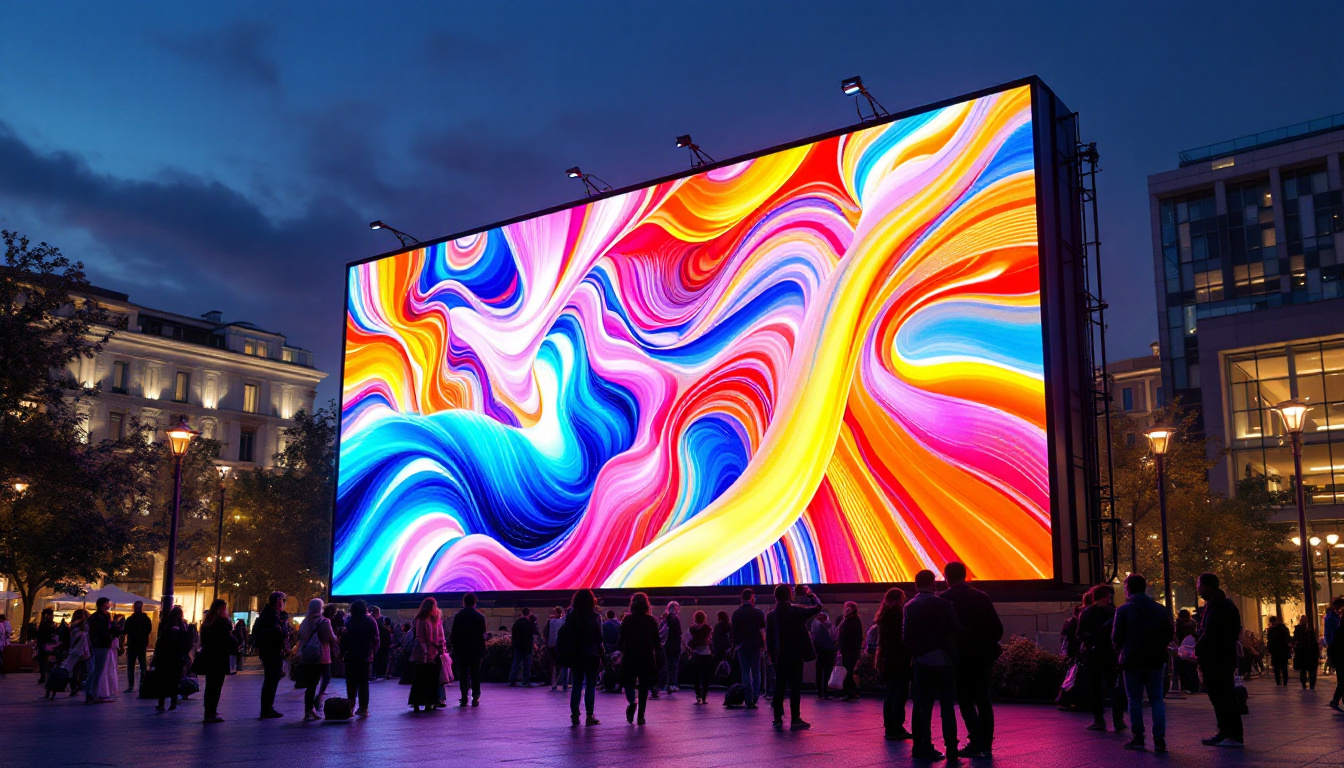
City planners and architects use large LED walls to display long-format images that enhance urban environments. These installations can provide cultural storytelling, real-time information, or simply beautify otherwise dull spaces.
Key Considerations When Choosing an LED Display for Long Pictures
While LED displays offer many advantages, selecting the right system requires careful thought to ensure the best results.
Resolution and Pixel Pitch
Resolution refers to the number of pixels in the display, while pixel pitch is the distance between individual LEDs. For long pictures, higher resolution and smaller pixel pitch mean sharper images, especially when viewed up close. However, higher resolution displays are more expensive, so balancing quality and budget is crucial.
Viewing Distance
The optimal pixel pitch depends on how far viewers will be from the display. Larger pixel pitches are acceptable for displays viewed from several meters away, while close-up viewing demands fine pixel pitch for clarity.
Brightness and Contrast
Consider the ambient lighting of the installation environment. Bright indoor spaces or areas with natural sunlight require displays with higher brightness levels to maintain visibility and contrast.
Installation and Maintenance
LED displays can be heavy and require professional installation, especially for large, long-format setups. Maintenance access should also be planned to allow for repairs or upgrades without disrupting the entire installation.
Content Management
Effective use of LED displays depends on robust content management systems (CMS) that allow easy uploading, scheduling, and customization of visuals. Many modern systems support remote control and automation, which is essential for commercial applications.
Future Trends in LED Displays for Wall Art
The LED display industry is rapidly evolving, with innovations that will further enhance the appeal of long pictures for walls.
MicroLED Technology
MicroLEDs are an emerging technology that promises even higher resolution, better color accuracy, and improved energy efficiency compared to traditional LEDs. MicroLED displays could revolutionize wall art by delivering near-perfect image quality in large formats.
Flexible and Transparent LED Panels
Flexible LED panels allow for curved or irregularly shaped displays, opening new creative possibilities for designers. Transparent LED displays can be integrated into glass walls or windows, blending digital art with architectural elements seamlessly.
Integration with Smart Home Systems
As smart home technology advances, LED displays will increasingly integrate with voice assistants, lighting controls, and environmental sensors. This integration will enable dynamic art that responds to time of day, weather, or user preferences automatically.
Conclusion
Long pictures for walls have evolved beyond static prints into dynamic, engaging digital displays thanks to LED technology. LED displays offer unmatched brightness, flexibility, and the ability to showcase changing content, making them ideal for a wide range of applications from corporate branding to personalized home decor.
When selecting an LED display for long pictures, understanding the technical aspects such as resolution, pixel pitch, and brightness is essential to achieve the desired visual impact. As technology advances, innovations like MicroLED and flexible panels will further expand creative possibilities, making LED displays an exciting choice for anyone looking to transform their walls with stunning digital art.
Illuminate Your Space with LumenMatrix
Ready to elevate your environment with the vibrant, dynamic appeal of long LED pictures? LumenMatrix is at the forefront of LED display innovation, offering a diverse range of solutions to transform any space. Whether you’re looking to enhance your corporate branding with an Indoor LED Wall Display, captivate passersby with an Outdoor LED Wall Display, or create a unique visual experience with Custom LED Displays, LumenMatrix has the technology to bring your vision to life. Experience the future of visual storytelling and Check out LumenMatrix LED Display Solutions today to make a lasting impression with every view.