In the evolving world of digital cinematography, the integration of micro cinema cameras with LED display technology has revolutionized the way filmmakers approach production. This article delves into the intricacies of micro cinema cameras, their synergy with LED displays, and how this combination is reshaping modern filmmaking. Whether you are a professional cinematographer, a content creator, or an enthusiast keen on understanding the latest in film technology, this comprehensive guide will provide valuable insights.
Understanding Micro Cinema Cameras
What Defines a Micro Cinema Camera?
Micro cinema cameras are compact, lightweight digital cameras designed specifically for high-quality cinematic production. Unlike traditional cinema cameras, which tend to be bulky and require extensive rigging, micro cinema cameras prioritize portability without compromising on image quality. These cameras are often used in tight spaces, on drones, gimbals, or handheld rigs, making them ideal for dynamic shooting scenarios. Their small size allows filmmakers to explore creative angles and movements that would be challenging or impossible with larger equipment.
Despite their small form factor, micro cinema cameras typically feature advanced sensors capable of capturing high-resolution footage with excellent dynamic range and color fidelity. Many models support professional codecs like ProRes and RAW, enabling filmmakers to maintain maximum control over post-production workflows. This flexibility is particularly beneficial for independent filmmakers and content creators who may not have access to extensive post-production facilities but still want to achieve a polished, cinematic look in their projects.
Key Features and Specifications
Modern micro cinema cameras often boast features such as:
- High-resolution sensors: Ranging from 4K to 8K resolution, allowing for detailed and crisp imagery.
- Wide dynamic range: Typically 12+ stops, which helps capture both shadows and highlights with clarity.
- Compact and lightweight design: Facilitates use in unconventional shooting environments.
- High frame rate capabilities: Supporting slow-motion capture up to 120fps or higher.
- Professional connectivity: Including SDI, HDMI, and timecode synchronization for seamless integration into production pipelines.
These features make micro cinema cameras versatile tools for filmmakers who demand cinematic quality in a portable package. Additionally, many models come equipped with customizable settings and user-friendly interfaces, allowing filmmakers to quickly adapt to changing shooting conditions. The ability to mount various lenses, from wide-angle to telephoto, further enhances creative possibilities, enabling filmmakers to achieve diverse visual styles without the need for multiple camera systems.
Moreover, the rise of micro cinema cameras has sparked a new wave of creativity in the filmmaking community, inspiring a generation of content creators to experiment with storytelling techniques. With the accessibility of these cameras, filmmakers can shoot high-quality content on a budget, democratizing the filmmaking process and encouraging innovative narratives that might not have been possible with traditional equipment. As technology continues to advance, we can expect even more exciting developments in the micro cinema camera space, pushing the boundaries of what is achievable in independent and professional filmmaking alike.
The Rise of LED Displays in Cinematography
What Are LED Displays and Why Are They Important?
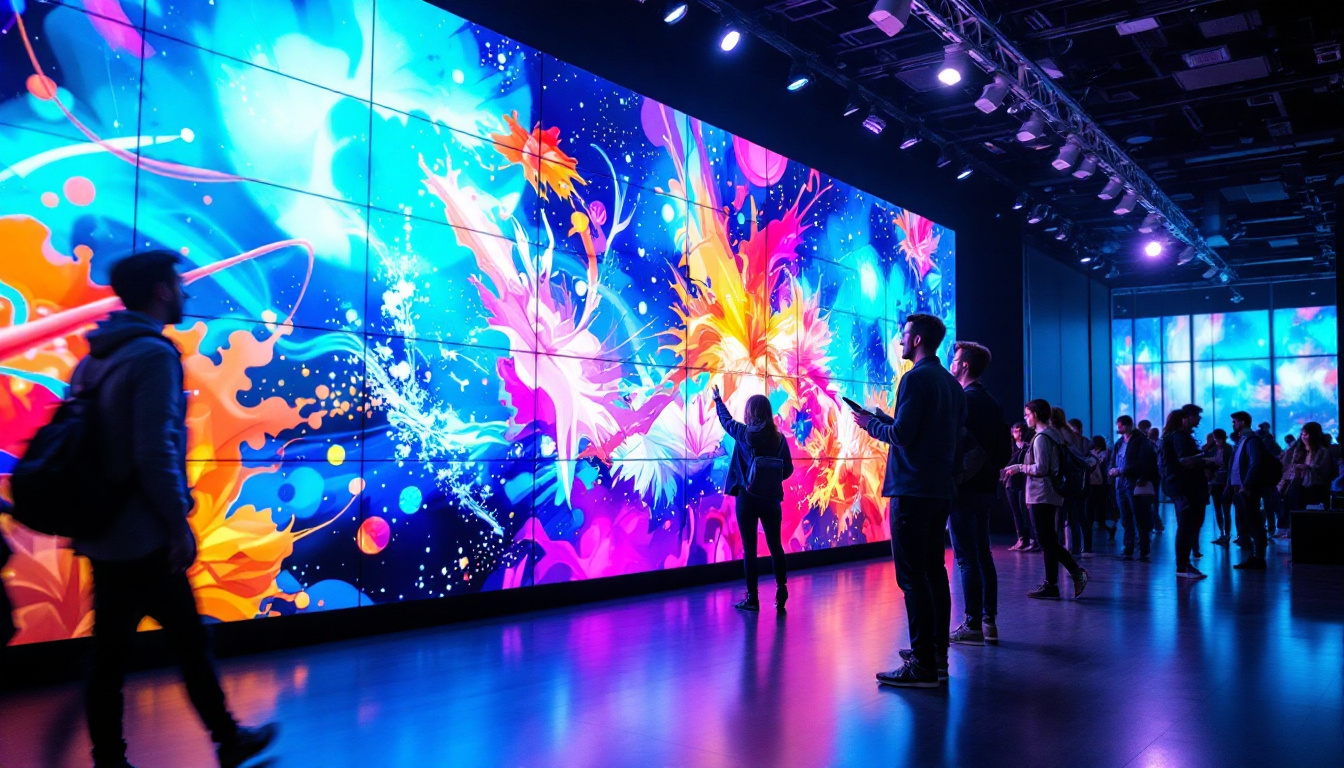
LED displays, or light-emitting diode panels, have become a groundbreaking technology in film production, especially with the advent of virtual production techniques. These large, high-resolution screens can display dynamic backgrounds and environments in real-time, allowing actors to perform in front of realistic settings without the need for green screens or location shoots.
The benefits of LED displays include:
- Realistic lighting: The LED panels emit light that naturally interacts with subjects, enhancing realism.
- Immediate visual feedback: Directors and cinematographers can see the final composite live on set.
- Cost and time efficiency: Reduces the need for extensive post-production compositing and location logistics.
Moreover, the use of LED displays significantly enhances the creative possibilities for filmmakers. By integrating these screens into their workflows, directors can experiment with various lighting conditions and environments on the fly, allowing for a more dynamic storytelling process. The ability to adjust backgrounds in real-time means that filmmakers can pivot creatively without the constraints of traditional filming methods, fostering an environment where innovation thrives.
Technical Specifications of LED Displays for Film
High-quality LED displays used in cinema typically feature:
- High pixel density: Often exceeding 2.5K resolution per panel to ensure sharp imagery at close distances.
- Wide color gamut and brightness: Capable of displaying HDR content with brightness levels up to 1,000 nits or more.
- Low latency: Ensuring that background motion syncs perfectly with camera movement.
- Modular construction: Panels can be arranged in various configurations to suit different set sizes and shapes.
Such specifications are crucial to maintain the illusion of reality in virtual production environments. In addition, the flexibility of modular construction allows for seamless integration into various filming scenarios, whether it be a small indie project or a large-scale blockbuster. Filmmakers can create immersive environments that transport audiences to fantastical worlds, all while maintaining a level of control over the visual elements that was previously unattainable. This adaptability not only enhances the visual storytelling but also opens up new avenues for artistic expression, enabling creators to push the boundaries of traditional cinematography.
How Micro Cinema Cameras and LED Displays Work Together
Virtual Production and Real-Time Compositing
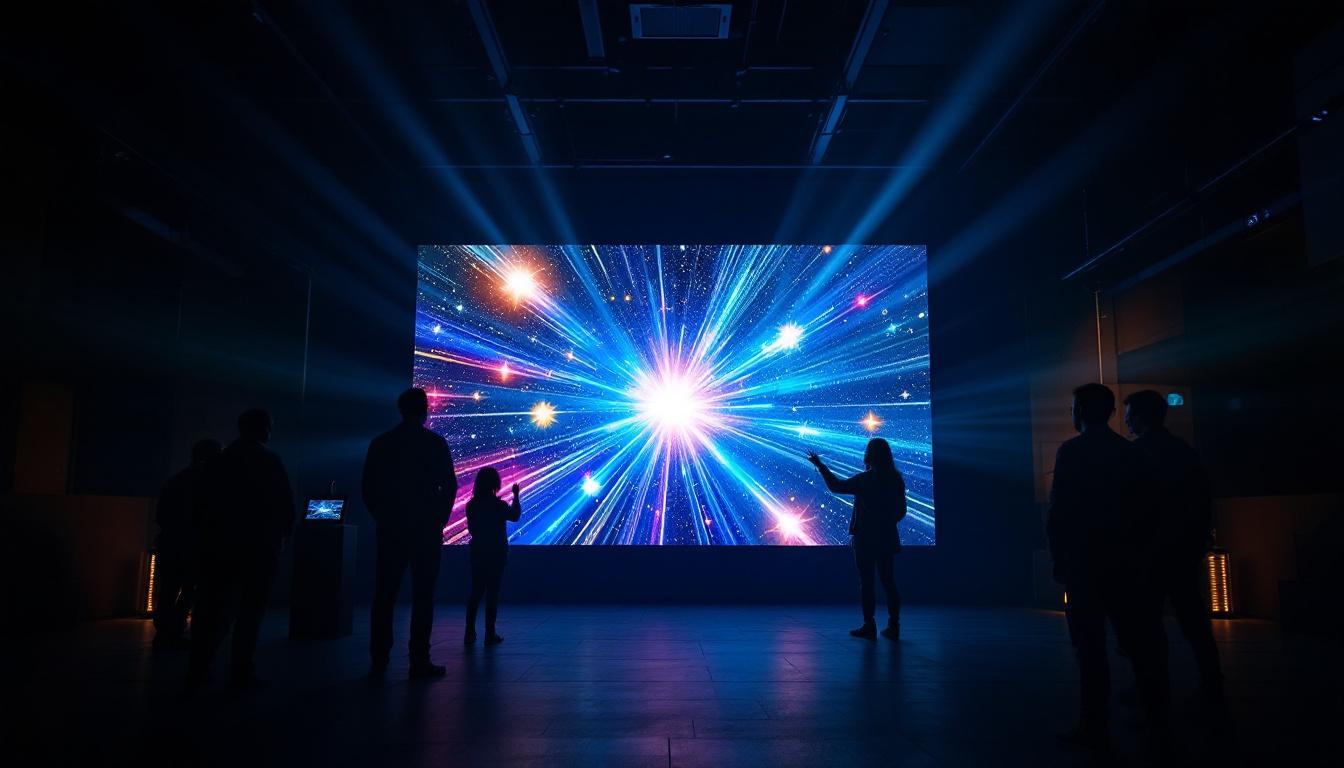
The fusion of micro cinema cameras with LED displays is at the heart of virtual production—a technique that combines live-action footage with computer-generated imagery in real-time. Micro cinema cameras, with their compact size and high-quality sensors, are ideally suited to capture actors and practical elements in front of LED walls displaying dynamic backgrounds.
Through sophisticated camera tracking systems, the LED display content adjusts perspective and lighting based on camera movement, creating an immersive environment. This real-time compositing allows filmmakers to visualize the final shot during production, significantly reducing guesswork and post-production time.
Advantages of Using Micro Cinema Cameras with LED Displays
Several advantages arise from this integration:
- Enhanced mobility: The small size of micro cinema cameras allows for flexible camera angles and movements within confined LED stages.
- Improved image quality: High dynamic range sensors capture the nuanced lighting emitted by LED displays, preserving color accuracy and detail.
- Reduced green screen dependency: Eliminates the need for chroma keying, resulting in more natural interactions between actors and environments.
- Efficient workflows: Directors and cinematographers can make creative decisions on set, streamlining the entire production process.
Challenges and Considerations
Managing Flicker and Refresh Rates
One of the technical challenges when shooting micro cinema cameras in front of LED displays is managing flicker caused by mismatched refresh rates between the camera sensor and the LED panels. If not properly synchronized, this can result in visible banding or flickering in the captured footage.
To mitigate this, filmmakers must carefully calibrate the camera’s shutter angle and frame rate to align with the LED display’s refresh frequency. Advances in camera sensor technology and LED panel design have made this synchronization more achievable, but it remains a critical consideration during setup.
Color Calibration and Matching
Ensuring accurate color reproduction is essential when filming with LED displays. The colors emitted by the LEDs must be calibrated to match the camera’s color science to avoid discrepancies in post-production. This requires collaboration between the production’s colorists, cinematographers, and LED technicians to achieve consistent and true-to-life colors.
Environmental and Lighting Factors
While LED displays provide dynamic lighting, balancing their output with additional practical lights is necessary to maintain depth and dimension in scenes. Micro cinema cameras, with their sensitive sensors, can capture subtle lighting nuances, but proper lighting design remains crucial to avoid flat or unnatural visuals.
Case Studies: Micro Cinema Cameras and LED Displays in Action
Blockbuster Film Productions
Major studios have embraced the combination of micro cinema cameras and LED displays to create visually stunning scenes that would otherwise be costly or impossible to shoot on location. For example, productions like “The Mandalorian” have utilized LED volume stages equipped with high-resolution LED walls and compact cinema cameras to seamlessly blend live-action with digital environments.
This approach not only enhanced visual realism but also allowed actors to engage more naturally with their surroundings, improving performances and overall production quality.
Independent and Commercial Filmmaking
Smaller productions and commercial shoots have also benefited from this technology. The affordability and portability of micro cinema cameras enable creative teams to experiment with LED displays for product videos, music videos, and short films, achieving high production values without the need for large crews or extensive post-production.
Future Trends and Innovations
Advancements in Sensor Technology
As sensor technology continues to evolve, micro cinema cameras are expected to deliver even greater dynamic range, higher resolutions, and improved low-light performance. These enhancements will further complement LED display technology, enabling filmmakers to push the boundaries of virtual production.
Improved LED Panel Technology
Emerging LED panels with finer pixel pitches and enhanced color accuracy will allow for even more immersive and realistic backgrounds. Innovations such as flexible and transparent LED displays may open new creative possibilities in set design and interactive environments.
Integration with Artificial Intelligence
Artificial intelligence (AI) is poised to play a significant role in optimizing virtual production workflows. AI-driven tools can assist in real-time color grading, camera tracking, and lighting adjustments, making the collaboration between micro cinema cameras and LED displays more seamless and efficient.
Conclusion
The marriage of micro cinema cameras and LED display technology represents a significant leap forward in filmmaking. This combination offers unprecedented creative freedom, technical precision, and efficiency, empowering filmmakers to realize their visions with greater control and realism. As technology advances, the potential for innovation in virtual production will only grow, making it an exciting time for the cinematic arts.
For professionals and enthusiasts alike, understanding the capabilities and challenges of micro cinema cameras paired with LED displays is essential to harnessing their full potential. By embracing these tools, the future of filmmaking promises to be more immersive, dynamic, and visually captivating than ever before.
Explore Cutting-Edge LED Display Solutions
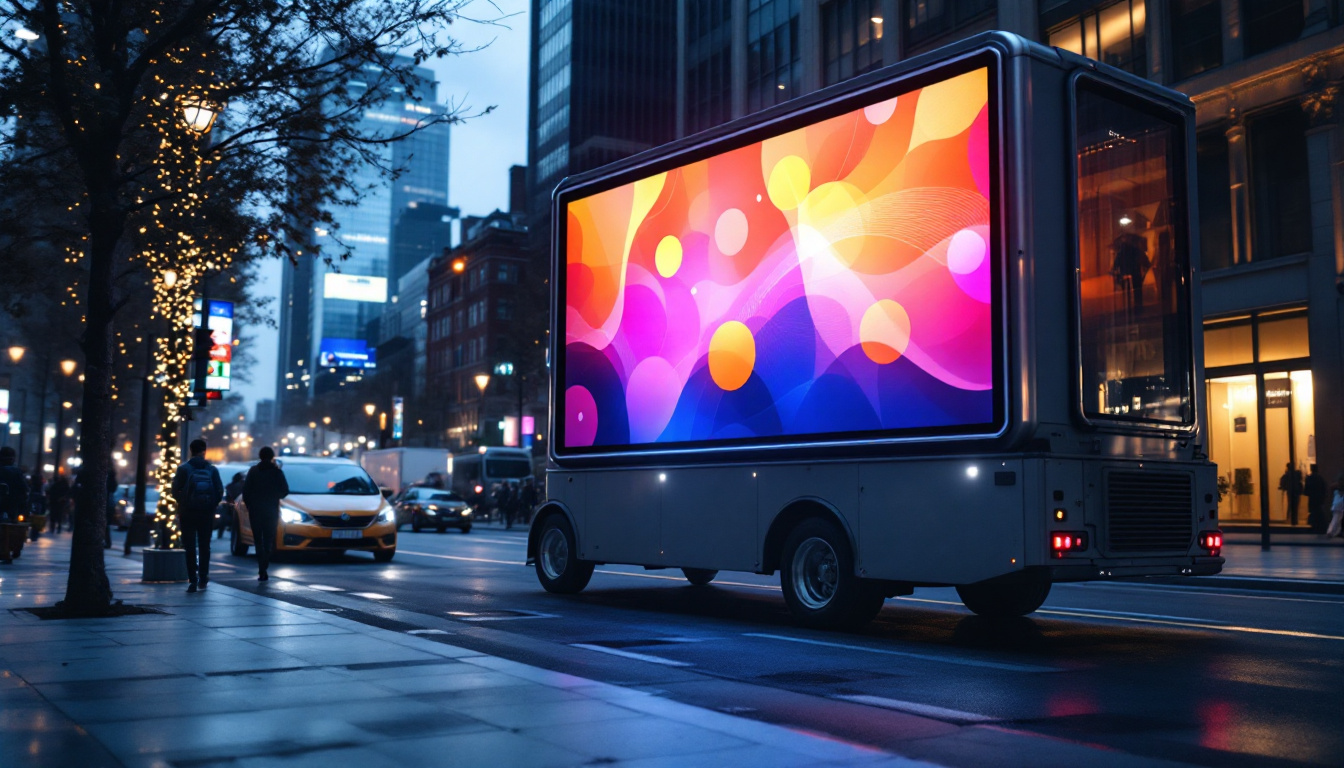
As you venture into the future of filmmaking with micro cinema cameras and LED displays, consider the advanced solutions offered by LumenMatrix. With a commitment to innovation and quality, LumenMatrix provides an array of LED display modules designed to bring your creative visions to life. From Indoor and Outdoor LED Walls to specialized displays for vehicles, sports, and custom installations, LumenMatrix is at the forefront of enhancing visual storytelling. Elevate your production with LED displays that offer unparalleled brightness, clarity, and flexibility. Check out LumenMatrix LED Display Solutions and join the revolution in cinematic expression.