In the rapidly evolving world of visual technology, LED displays have become a cornerstone for delivering high-impact, dynamic content in a variety of settings. From corporate events and trade shows to concerts and public information systems, modular LED displays offer unmatched flexibility and visual clarity. This article explores the concept of modular hall LED displays in depth, explaining their design, advantages, and practical applications. Whether you are an event organizer, venue manager, or technology enthusiast, understanding the nuances of modular LED displays can help you make informed decisions for your visual communication needs.
What is a Modular Hall LED Display?
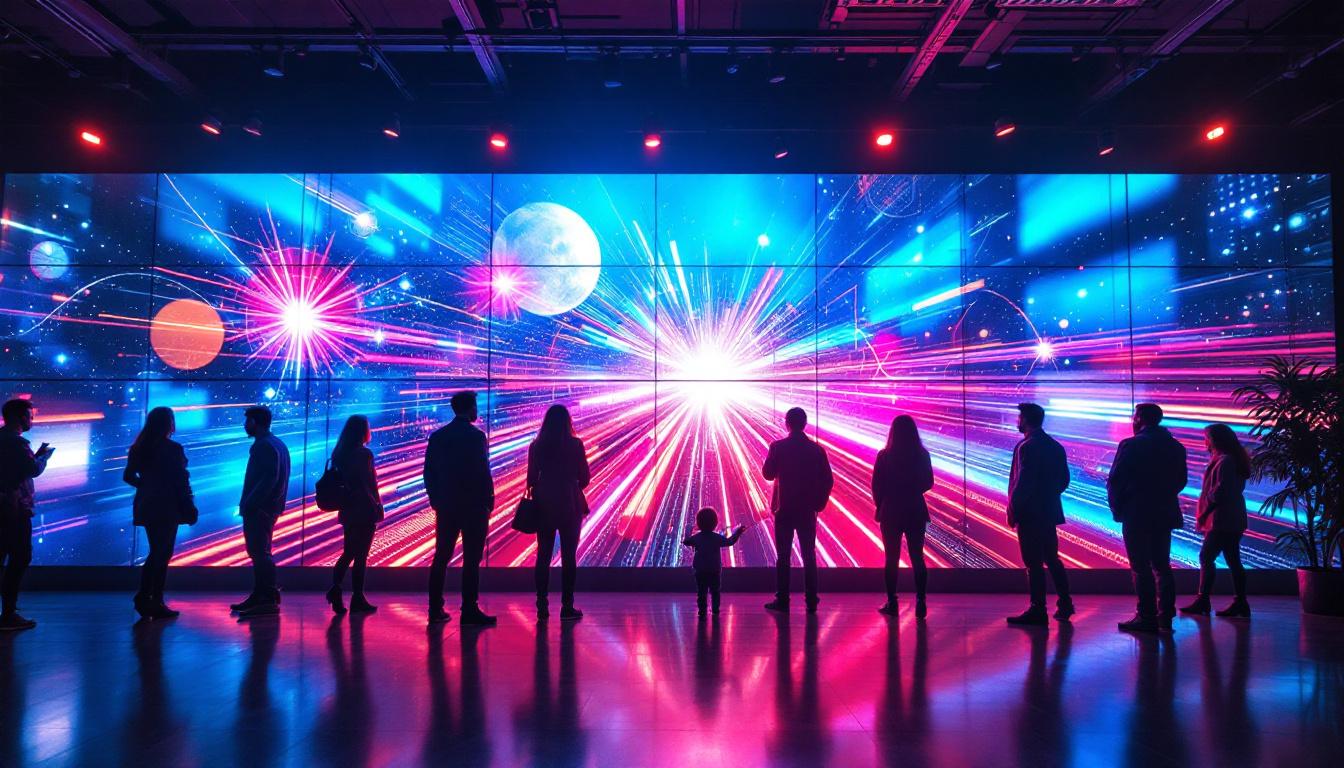
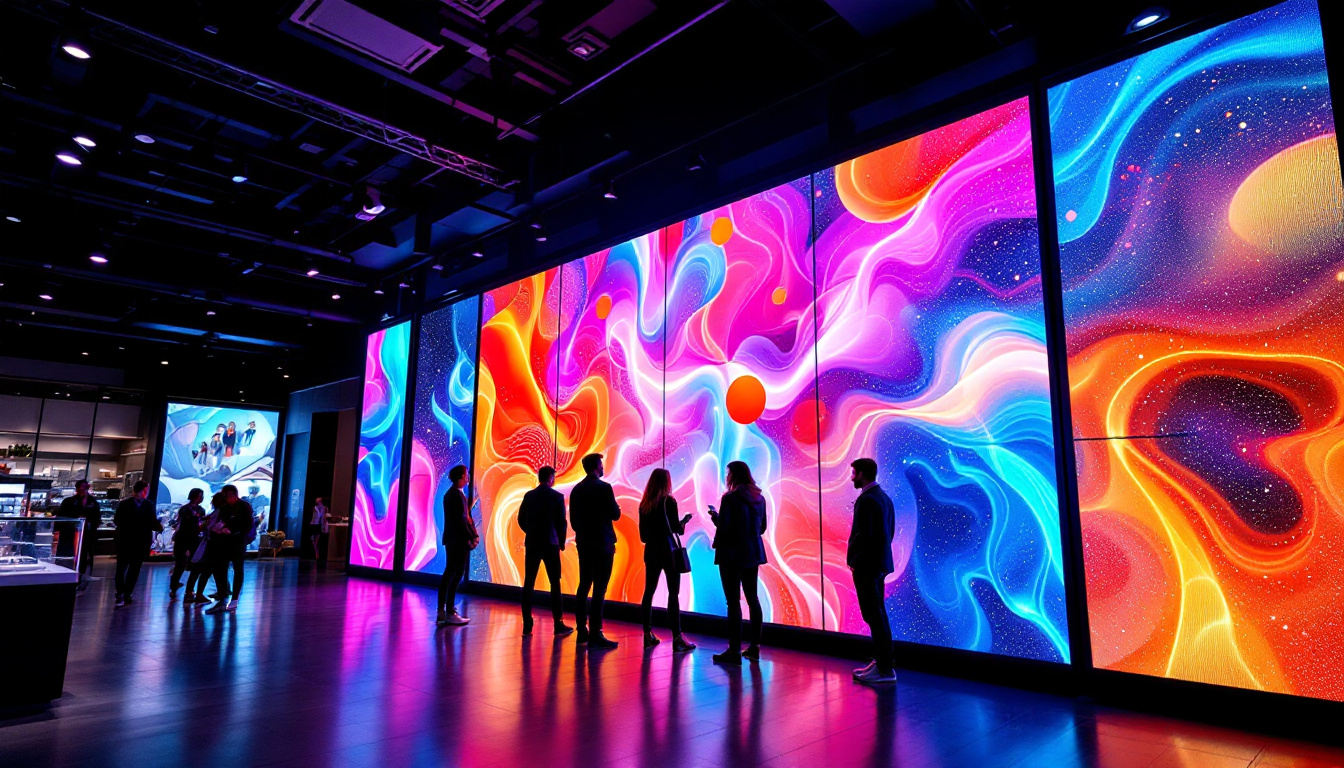
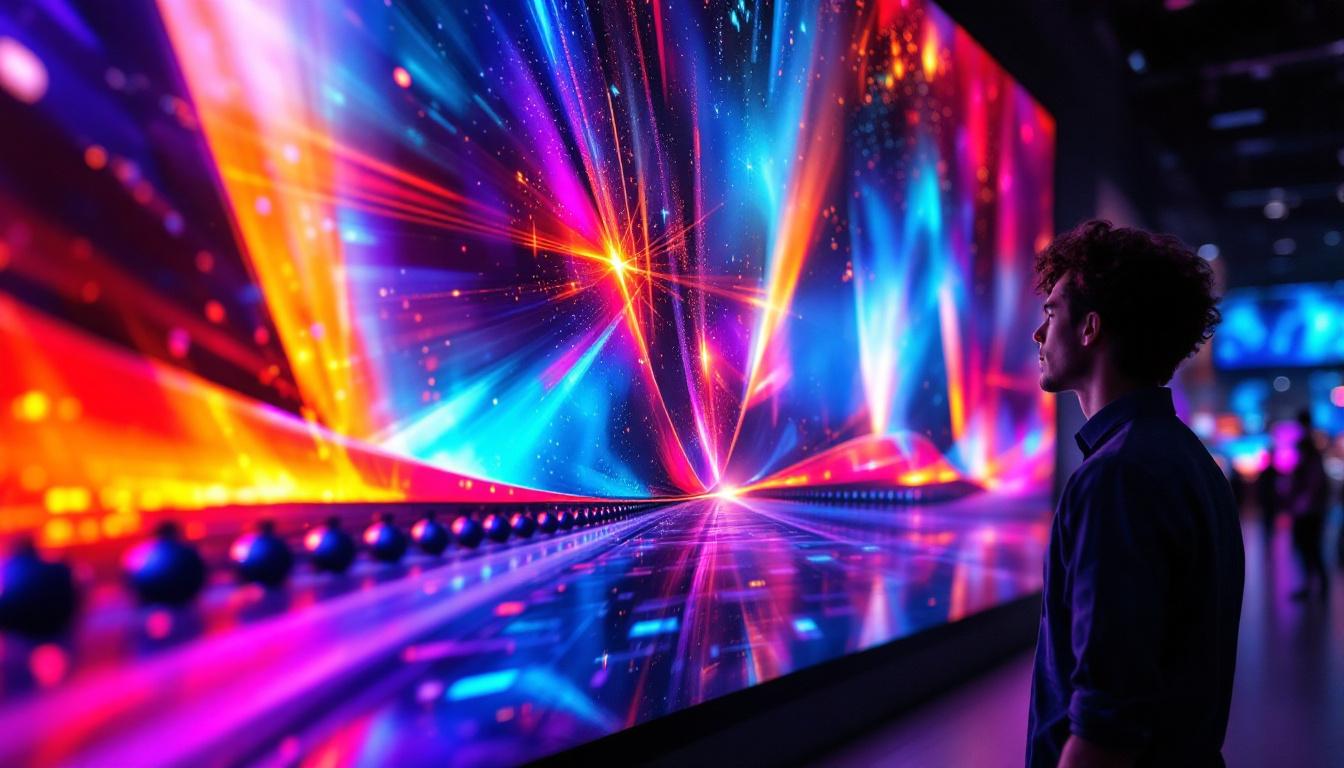
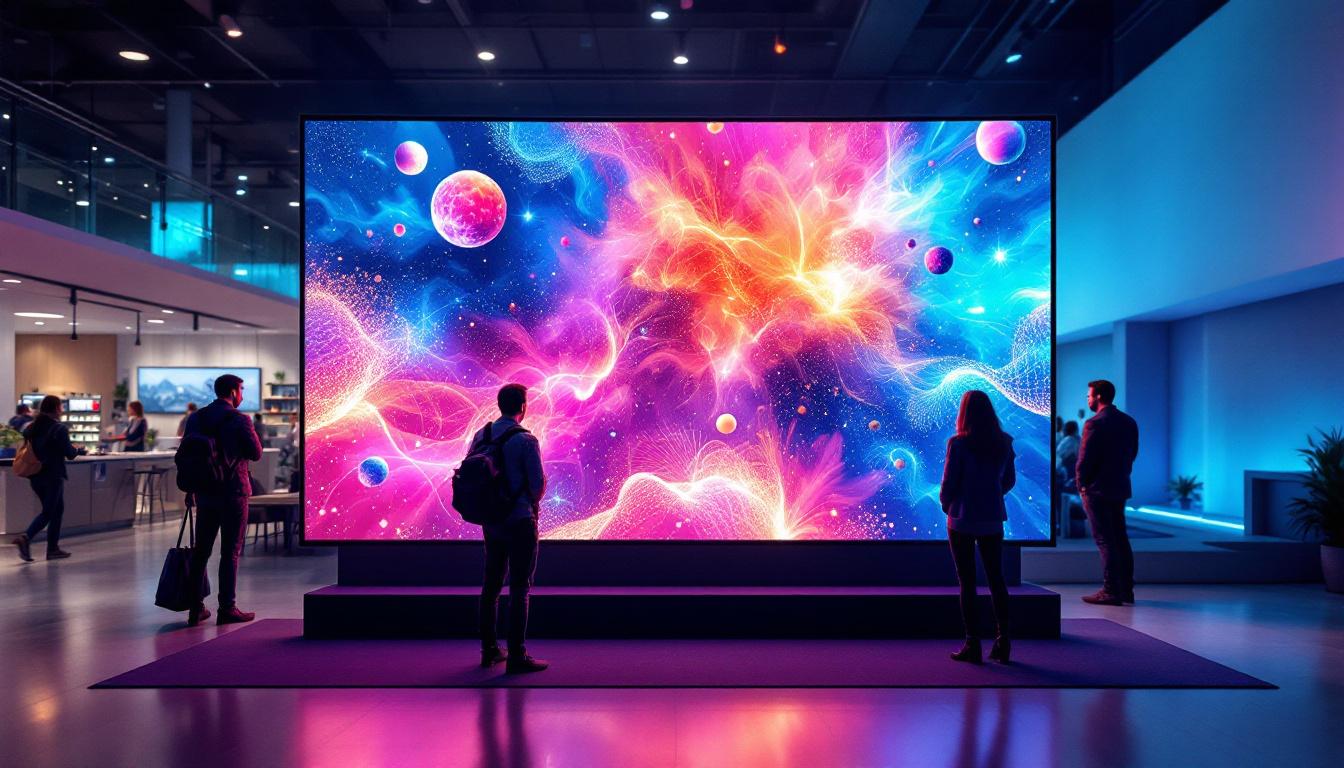
Modular hall LED displays are large-scale video walls composed of smaller, individual LED panels or modules that can be assembled in various configurations. Unlike traditional fixed displays, these modular systems provide a versatile solution that can be customized to fit the specific dimensions and requirements of a venue or event space. This flexibility is particularly beneficial for venues that host a variety of events, from concerts to corporate presentations, allowing them to adapt their visual displays to suit different themes and audiences.
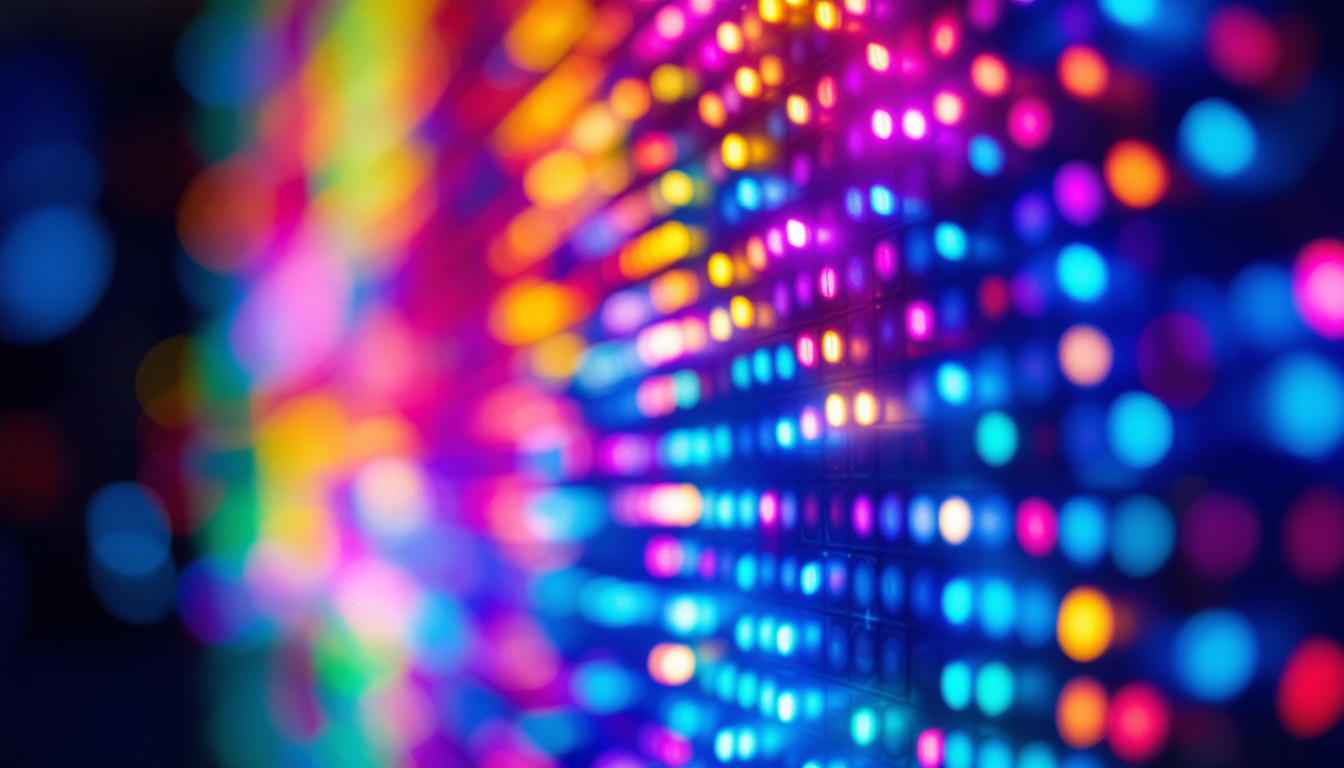
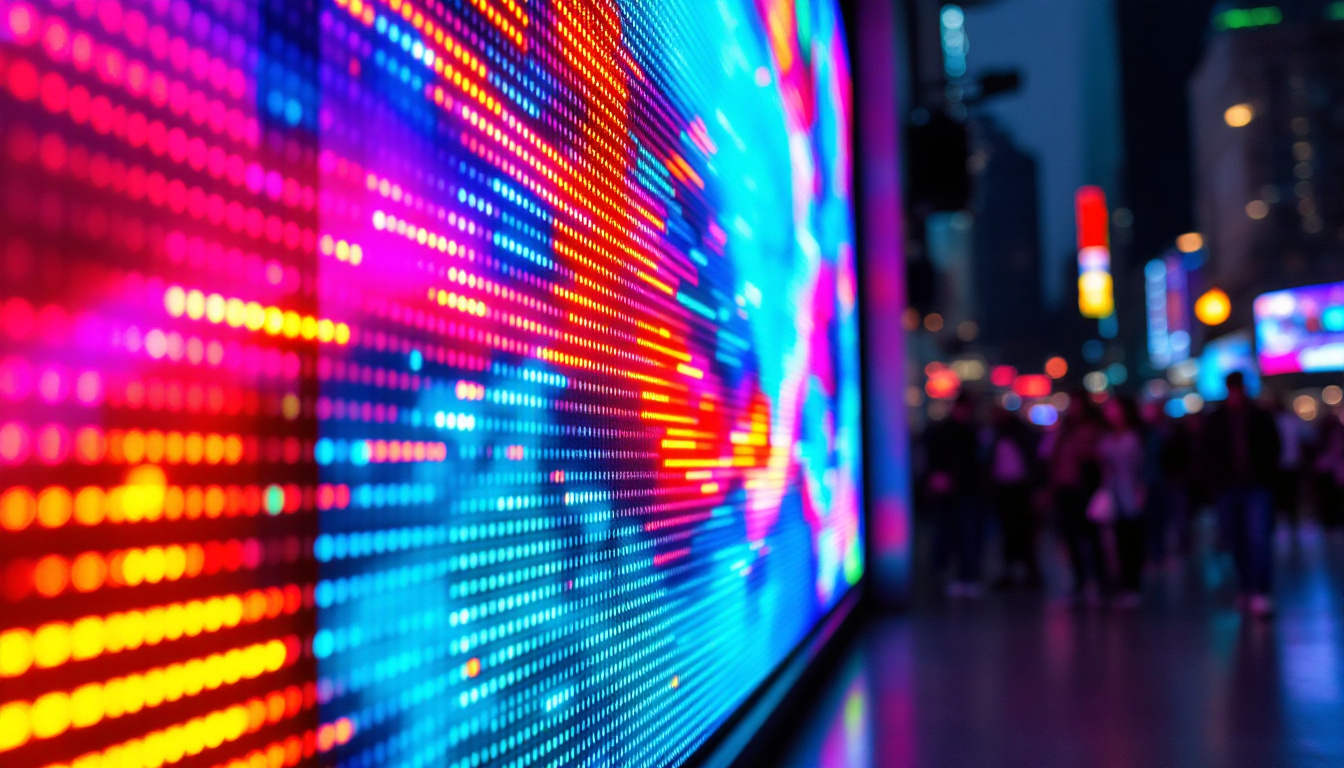
Each module contains an array of tiny light-emitting diodes (LEDs) that work together to produce vivid images and videos. The modules connect seamlessly, creating a continuous display surface that can be scaled up or down depending on the intended use. This modular approach allows for easy installation, maintenance, and upgrades, making it a preferred choice for venues that require adaptable visual solutions. Furthermore, the ability to reconfigure the display means that organizers can experiment with different layouts and designs, enhancing the overall aesthetic and impact of their events.
Key Components of Modular LED Displays
The foundation of a modular LED display lies in its components. Typically, these include:
- LED Modules: Individual panels that contain the LED pixels. They vary in size and pixel pitch, which determines the resolution and viewing distance.
- Cabinets: Frames that house multiple LED modules, providing structural support and protection.
- Control Systems: Hardware and software responsible for managing the content displayed, synchronizing modules, and ensuring smooth operation.
- Power Supplies: Units that deliver consistent power to the modules, critical for stable performance.
- Mounting Structures: Frameworks that allow the display to be securely installed in various configurations, whether wall-mounted, free-standing, or suspended.
In addition to these core components, advanced modular LED displays often incorporate features such as built-in cooling systems to prevent overheating during prolonged use, and smart technology that enables remote monitoring and diagnostics. This ensures that any potential issues can be addressed promptly, minimizing downtime and maintaining the quality of the display. Moreover, some systems are designed to be weather-resistant, making them suitable for outdoor events where environmental factors could otherwise compromise performance. This adaptability not only enhances the longevity of the display but also expands its usability across different settings and conditions.
Another significant aspect of modular LED displays is their ability to deliver high-quality visuals in various lighting conditions. With advancements in LED technology, these displays can achieve impressive brightness levels and contrast ratios, ensuring that content remains vibrant and clear even in bright ambient light. This capability is particularly advantageous for outdoor festivals, sports events, and trade shows where visibility is paramount. As a result, modular hall LED displays have become an essential tool for event planners and marketers looking to create immersive experiences that captivate audiences and convey messages effectively.
Advantages of Using Modular LED Displays in Halls
Modular LED displays have revolutionized the way venues approach visual communication. Their benefits extend beyond mere image quality, impacting operational efficiency, audience engagement, and overall event experience.
Flexibility and Customization
One of the most significant advantages of modular LED displays is their adaptability. Because the display is made up of individual modules, it can be configured to fit virtually any space, from small conference rooms to expansive exhibition halls. This flexibility allows venue operators to tailor the display size and shape to suit specific events, optimizing visibility and impact.
For example, a modular LED display can be arranged as a traditional rectangular video wall for presentations or reconfigured into a curved or irregular shape to create immersive environments. This level of customization is difficult to achieve with fixed or projection-based systems.
High Resolution and Brightness
Modern LED modules offer exceptional brightness levels, often exceeding 1,000 nits, which ensures clear visibility even in brightly lit environments. This is particularly important in halls where ambient lighting can vary significantly. Additionally, the pixel pitch of LED modules can be selected based on viewing distance, allowing for ultra-high-resolution displays that deliver crisp, detailed images.
According to recent market research, the global LED display market is expected to grow at a compound annual growth rate (CAGR) of around 15% from 2023 to 2030, driven by increasing demand for high-quality visual solutions in public spaces and events.
Easy Maintenance and Scalability
Because each module is a self-contained unit, maintenance becomes more manageable. If a module malfunctions, it can be replaced individually without dismantling the entire display. This modularity also facilitates scalability; as needs evolve, additional modules can be added to expand the display size without significant infrastructure changes.
Energy Efficiency and Longevity
LED technology is known for its energy efficiency compared to traditional lighting and projection systems. Modular LED displays consume less power while delivering brighter images, which translates into lower operational costs over time. Additionally, high-quality LED modules have a lifespan of 50,000 to 100,000 hours, ensuring long-term reliability for venues with frequent usage.
Applications of Modular LED Displays in Halls
Modular LED displays have found widespread use across various types of halls and venues, each benefiting from the technology’s unique strengths.
Corporate Events and Conferences
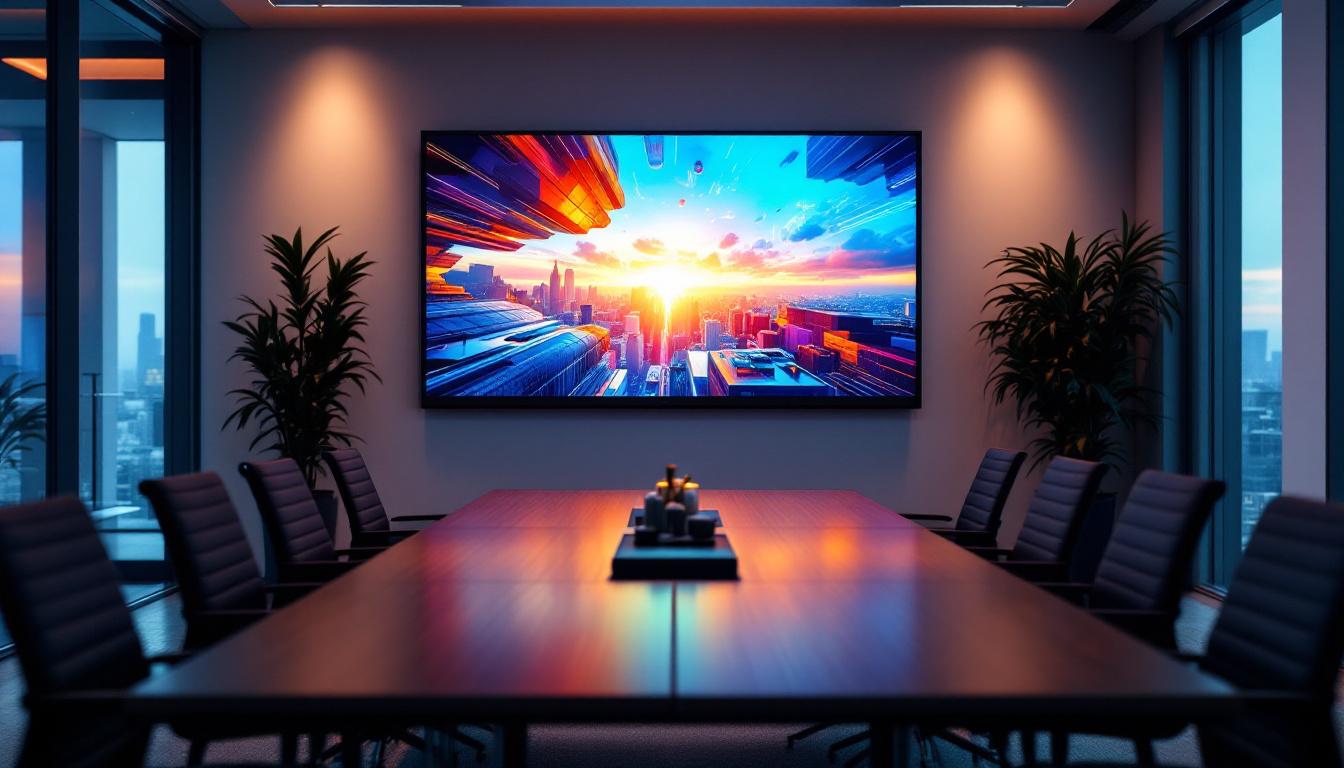
In corporate settings, modular LED displays serve as dynamic backdrops for presentations, keynote speeches, and product launches. Their ability to display high-resolution graphics, videos, and live feeds enhances audience engagement and communication effectiveness. Moreover, the flexibility to adjust the display size makes them ideal for different room sizes and event formats.
Concerts and Entertainment Venues
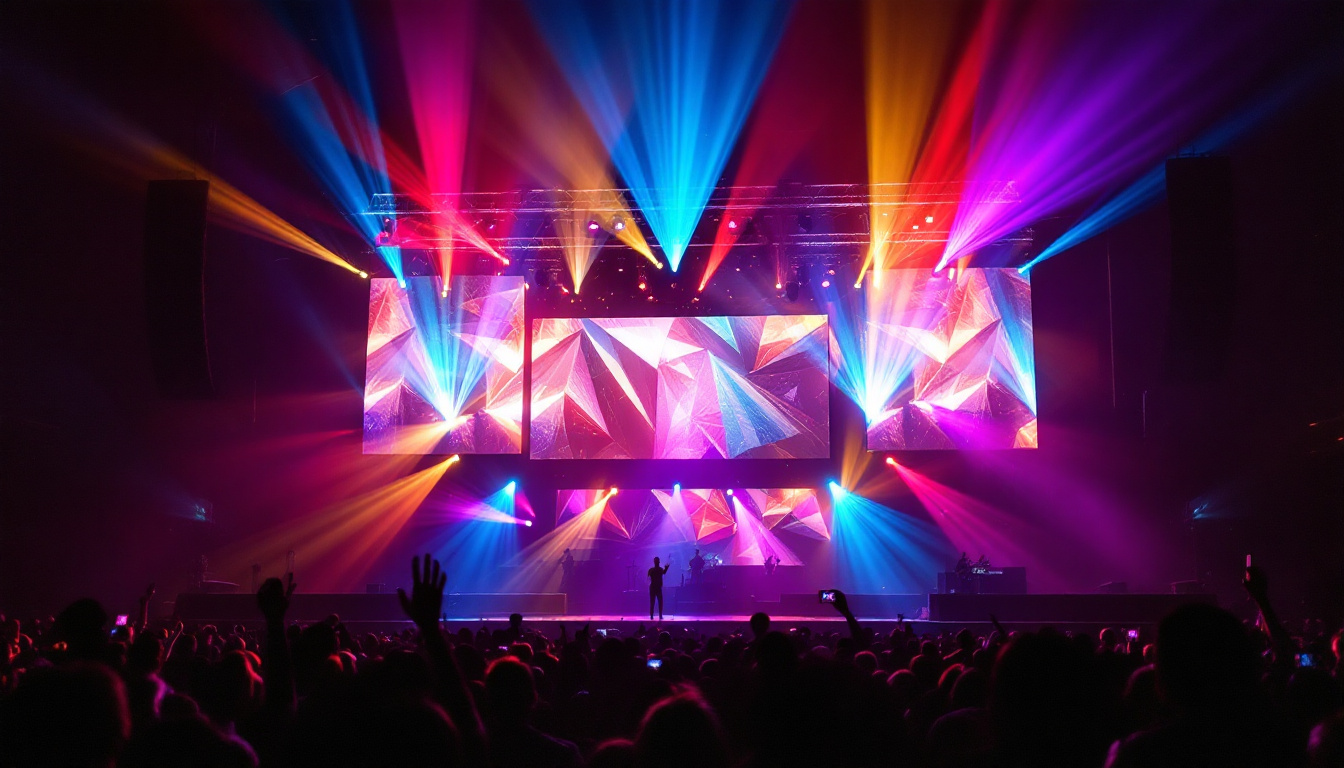
Concert halls and entertainment venues leverage modular LED displays to create immersive visual experiences. Large-scale video walls can synchronize with lighting and sound systems to deliver spectacular shows. The durability and brightness of LED modules ensure that visuals remain vibrant even under intense stage lighting.
Trade Shows and Exhibitions
Exhibitors use modular LED displays to attract visitors and showcase products with eye-catching visuals. The portability and ease of assembly allow exhibitors to transport and set up displays quickly, maximizing their presence at trade shows. Interactive LED walls can also be integrated to provide engaging user experiences.
Public Information and Advertising
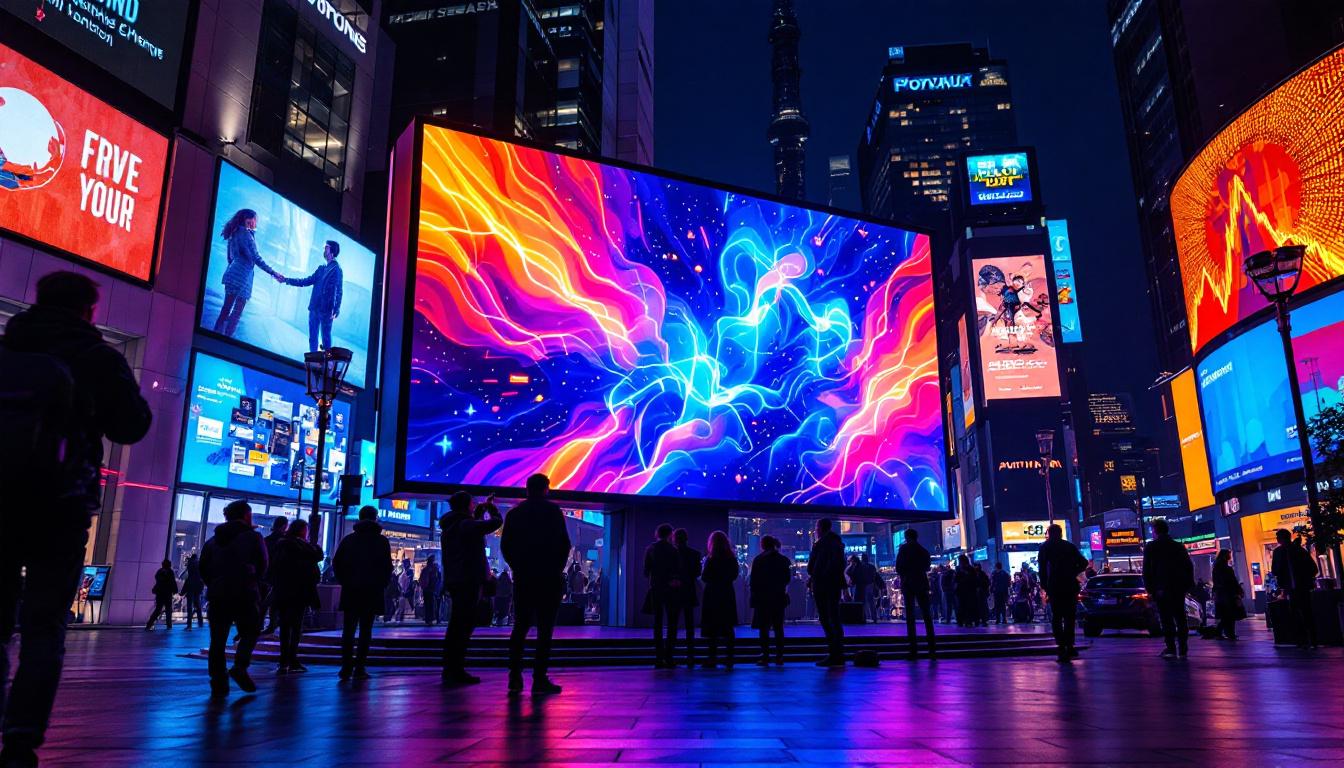
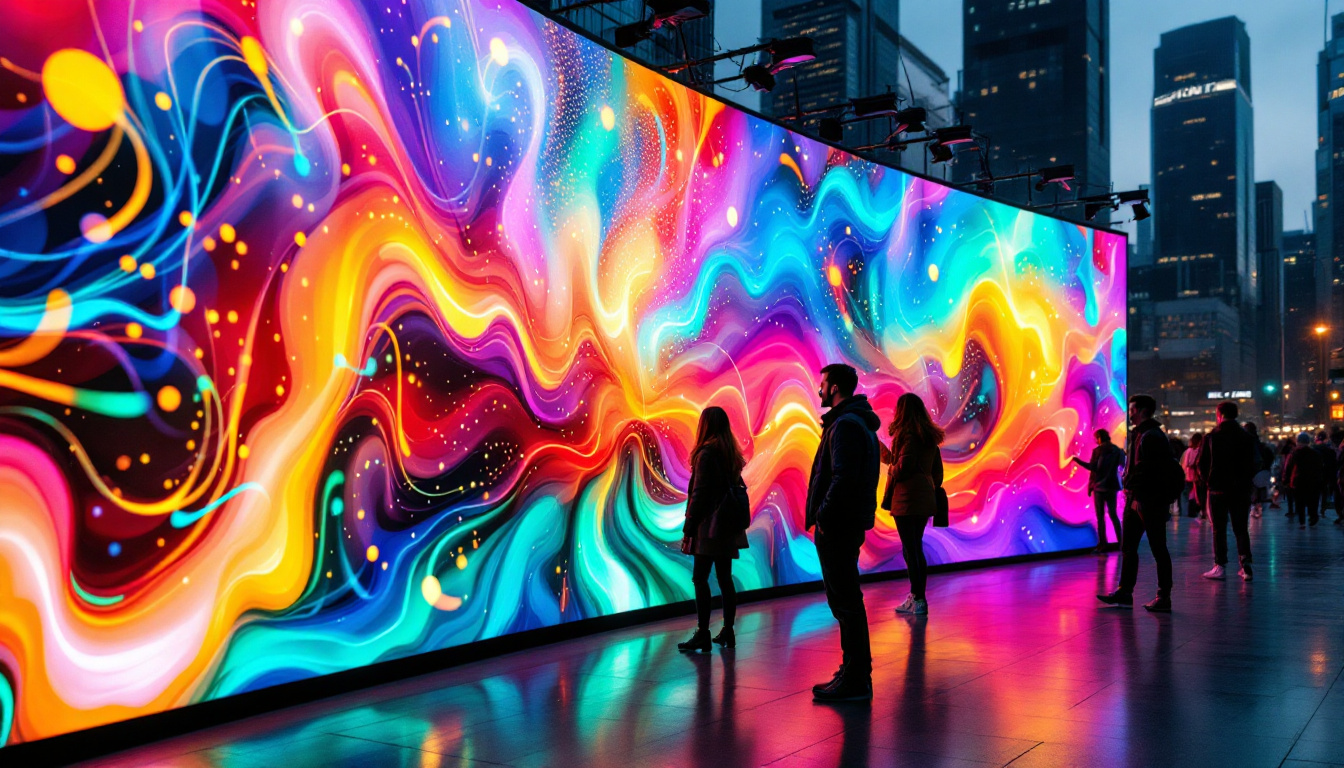
In public halls such as airports, train stations, and convention centers, modular LED displays provide critical information like schedules, announcements, and wayfinding. Their high visibility and adaptability make them effective tools for communication in busy environments. Additionally, advertising content can be rotated dynamically, generating revenue opportunities for venue operators.
Technical Considerations When Choosing Modular LED Displays
Selecting the right modular LED display for a hall involves evaluating several technical factors to ensure optimal performance and user satisfaction.
Pixel Pitch and Resolution
Pixel pitch refers to the distance between individual LED pixels, usually measured in millimeters. A smaller pixel pitch means higher pixel density and better resolution, which is crucial for close-up viewing. For large halls where viewers are typically farther away, a pixel pitch between 3mm and 6mm is common. For venues requiring ultra-high-definition displays, pixel pitches as low as 1.2mm are available, though these come at a higher cost.
Brightness and Contrast Ratio
Brightness is essential for visibility in well-lit environments. A minimum brightness of 1,000 nits is recommended for indoor halls with ambient lighting, while outdoor or semi-outdoor venues may require 5,000 nits or more. Contrast ratio affects image depth and color accuracy, contributing to a more immersive viewing experience.
Refresh Rate and Color Accuracy
A higher refresh rate reduces flicker and motion blur, which is particularly important for video content and live broadcasts. Modern LED displays typically offer refresh rates of 3,000 Hz or higher. Color accuracy ensures that images and videos appear natural and vibrant, which is critical for branding and advertising purposes.
Installation and Structural Support
Modular LED displays can be heavy and require robust mounting structures. It is vital to assess the hall’s infrastructure and ensure that the mounting system can safely support the display’s weight and dimensions. Additionally, considerations such as ventilation and cable management impact long-term reliability and aesthetics.
Future Trends in Modular LED Display Technology
The LED display industry is continuously innovating, with emerging trends poised to enhance modular hall displays further.
MicroLED and MiniLED Technology
MicroLED and MiniLED technologies offer even smaller pixel pitches and improved brightness and contrast compared to traditional LEDs. These advancements will enable ultra-high-definition displays with greater energy efficiency, expanding the possibilities for immersive visual experiences in halls.
Flexible and Transparent LED Displays
Flexible LED modules allow for curved and irregular display shapes without compromising image quality, opening new creative avenues for venue design. Transparent LED displays, which can be integrated into glass surfaces, provide unique opportunities for advertising and information display without obstructing views.
Integration with Augmented Reality (AR) and Interactive Technologies
Combining modular LED displays with AR and interactive technologies will create more engaging and personalized experiences for audiences. Gesture recognition, touch interaction, and real-time data integration can transform halls into smart environments that respond dynamically to user input.
Conclusion
Modular hall LED displays represent a powerful solution for venues seeking flexible, high-quality visual communication tools. Their modular nature allows for customization, scalability, and easy maintenance, while advanced LED technology ensures bright, vibrant images suitable for a wide range of applications. As the technology continues to evolve, venues that invest in modular LED displays will be well-positioned to deliver memorable experiences and stay ahead in the competitive landscape of event and public space management.
For anyone involved in planning or managing halls, understanding the capabilities and considerations of modular LED displays is essential. By selecting the right system and leveraging its full potential, venues can enhance their visual impact, improve operational efficiency, and create engaging environments that captivate audiences.
Discover LumenMatrix’s Innovative LED Solutions
Ready to elevate your venue’s visual experience with the latest in LED technology? Look no further than LumenMatrix, a pioneer in crafting LED displays that transform spaces and captivate audiences. Whether you’re in need of an Indoor LED Wall Display, a vibrant Outdoor LED Wall Display, or specialized solutions like Vehicle LED Displays, LED Sports Displays, or even Custom LED Displays, LumenMatrix has the expertise to bring your vision to life. Embrace the future of visual communication with our All-in-One LED Displays and LED Transparent Displays, designed to engage and inspire. Don’t miss the opportunity to make a lasting impression. Check out LumenMatrix LED Display Solutions today and see how we can help you share your message with unparalleled clarity and impact.