In today’s fast-paced digital environment, large format computer monitors have become indispensable tools across various industries—from graphic design and video production to data analysis and corporate presentations. Among the many display technologies available, LED (Light Emitting Diode) displays stand out for their superior image quality, energy efficiency, and versatility. This article delves into the world of large format LED monitors, explaining their technology, benefits, applications, and what to consider when choosing one.
Understanding Large Format LED Displays
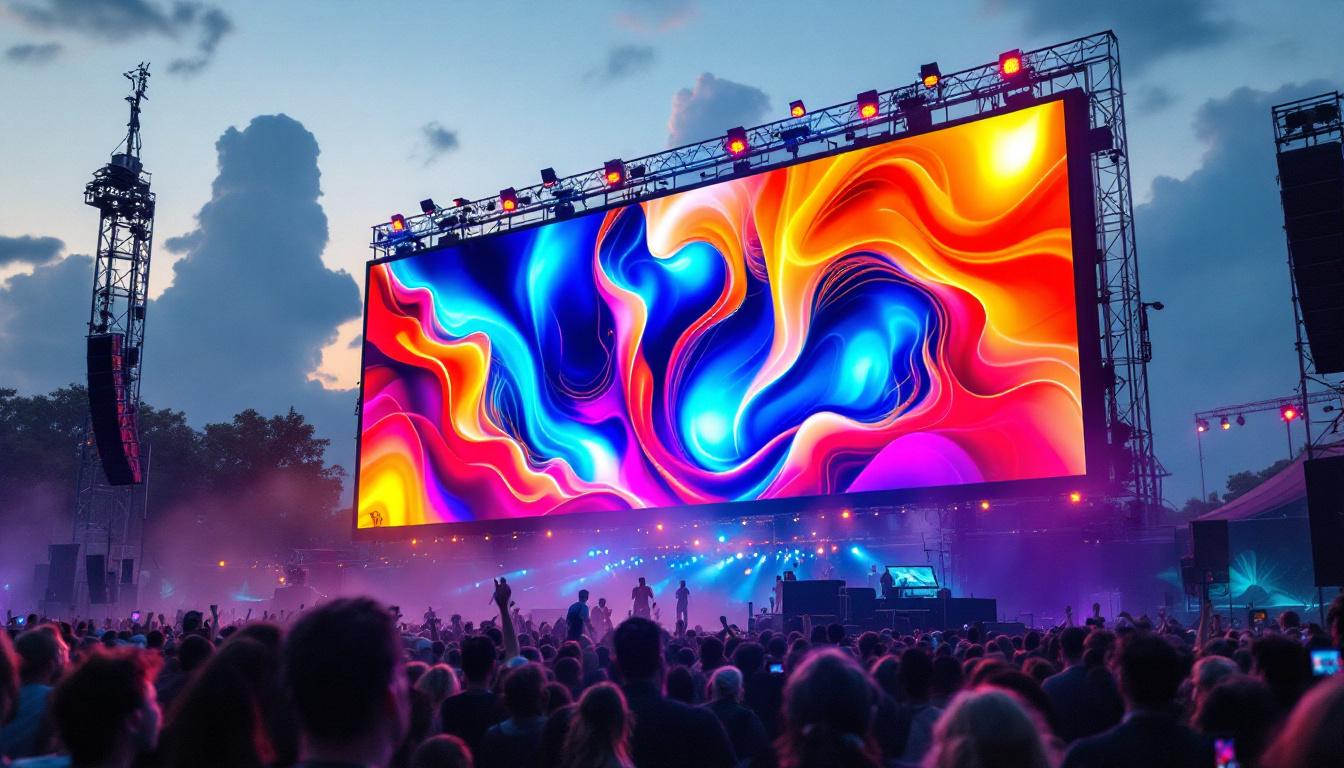
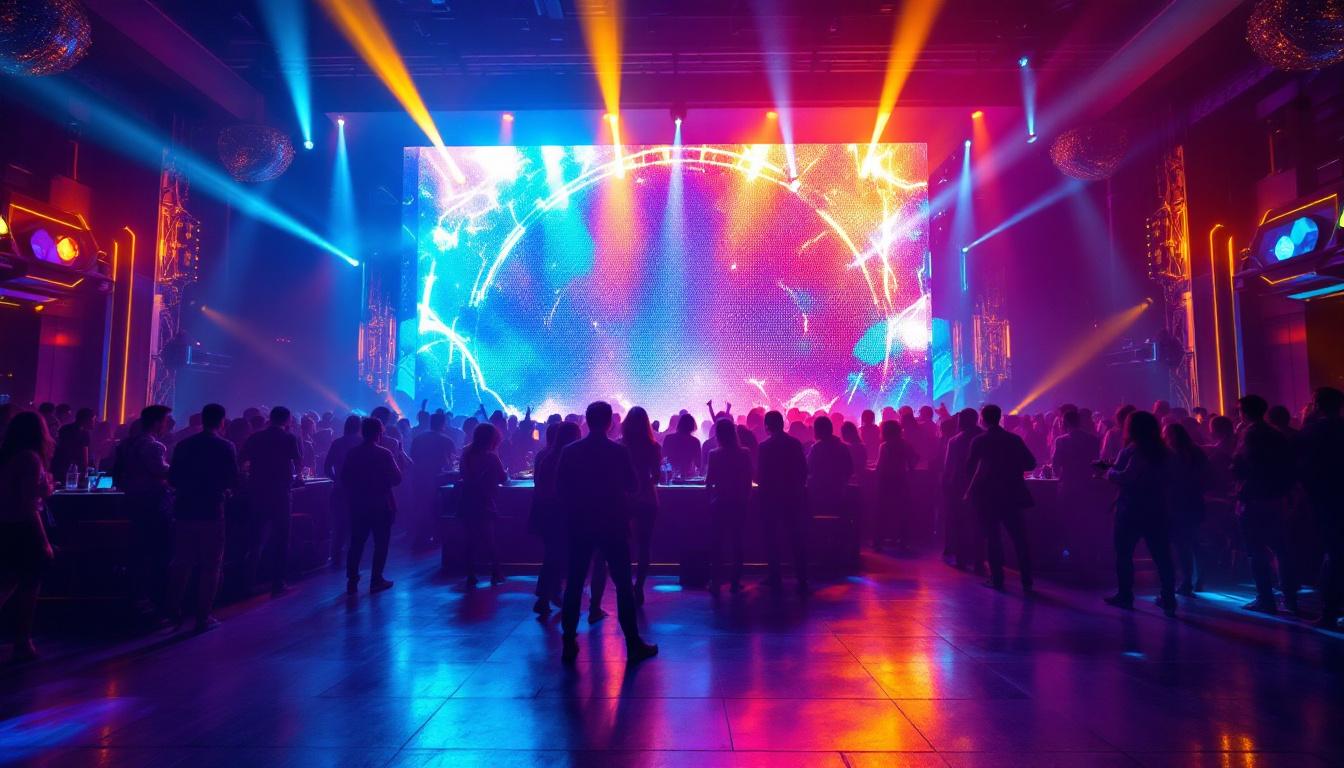
Large format monitors typically refer to screens that exceed the standard desktop size, often ranging from 32 inches to over 100 inches diagonally. These displays are designed to provide expansive viewing areas, making them ideal for detailed work, collaborative environments, and immersive experiences. Whether used in corporate settings for presentations, in retail environments for advertising, or in entertainment venues for showcasing content, large format displays have become an essential tool for effective communication and engagement.
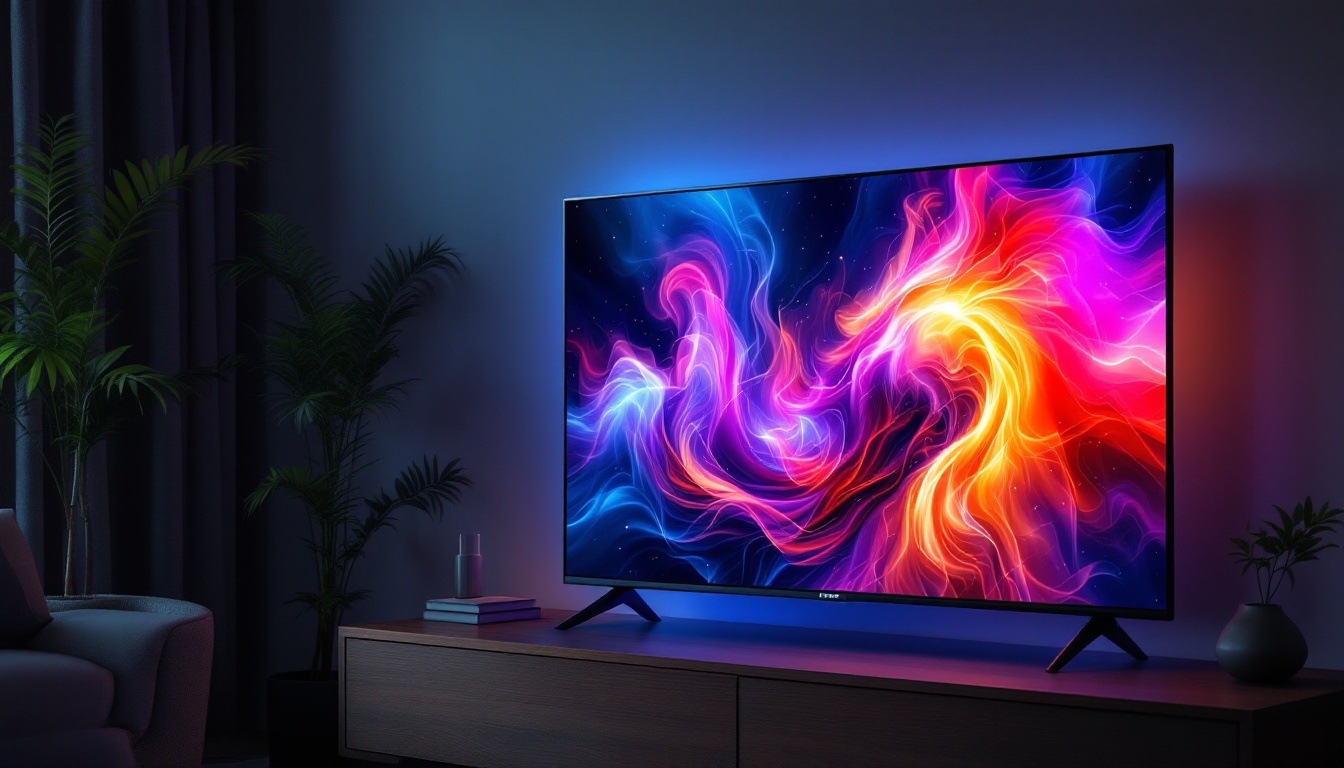
LED technology, at its core, uses light-emitting diodes to illuminate the display. Unlike older LCD screens that rely on cold cathode fluorescent lamps (CCFLs) for backlighting, LED monitors utilize an array of LEDs either behind the screen or along its edges. This fundamental difference leads to several advantages in brightness, contrast, and color accuracy. Furthermore, the energy efficiency of LED technology contributes to lower operational costs and a reduced environmental impact, making it a sustainable choice for businesses and organizations.
How LED Technology Works in Large Monitors
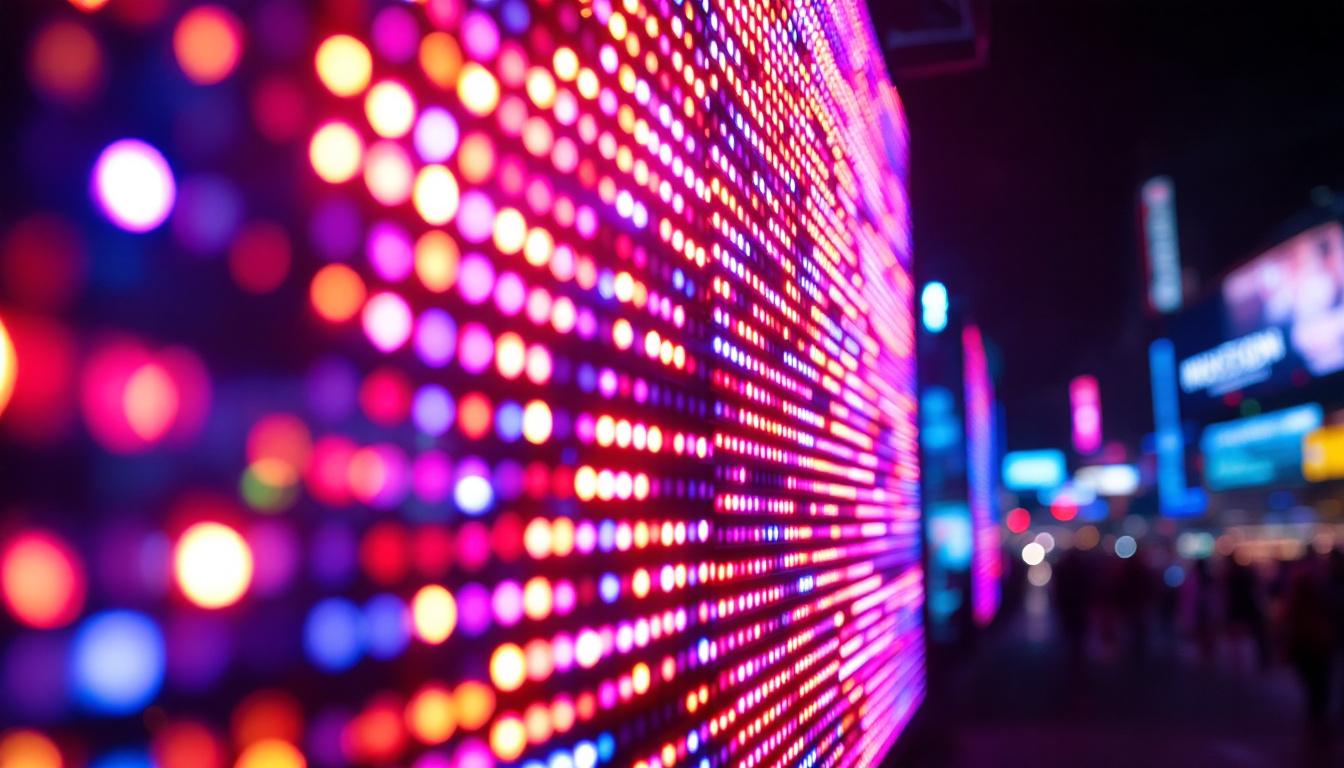
LED displays are essentially LCD panels with LED backlighting. The LEDs can be arranged in two primary ways: edge-lit or direct-lit (also known as full-array). Edge-lit LED monitors place LEDs around the perimeter of the screen, using light guides to distribute illumination evenly. Direct-lit monitors feature LEDs spread uniformly behind the entire screen, allowing for better local dimming and contrast control. This means that in scenes with both bright and dark elements, direct-lit displays can achieve deeper blacks and more vibrant colors, enhancing the overall viewing experience.
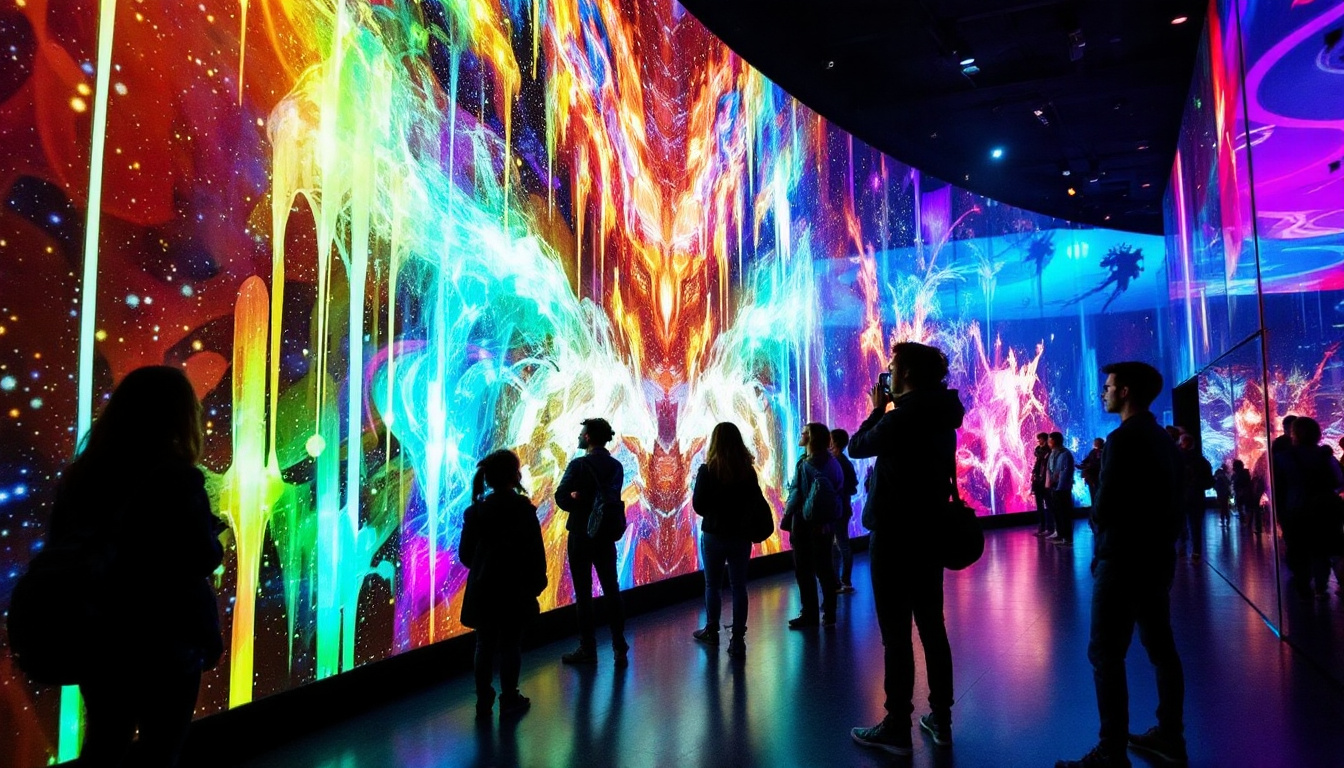
More advanced large format monitors may use Mini-LED or Micro-LED technology. Mini-LEDs are smaller LEDs that enable more precise backlight control, resulting in better contrast ratios and HDR performance. Micro-LED technology, still emerging in the market, integrates microscopic LEDs directly into the display, offering superior brightness and color fidelity without the need for a separate backlight. This innovation not only enhances picture quality but also allows for thinner and lighter display designs, making them easier to install and integrate into various environments. Additionally, the modular nature of Micro-LED technology opens up possibilities for customizable screen sizes and shapes, catering to unique spatial requirements and creative applications in both commercial and artistic settings.
Key Advantages of Large Format LED Monitors
Choosing a large format LED monitor brings several benefits, especially when compared to older display technologies such as CCFL-backlit LCDs or plasma screens. Understanding these advantages helps professionals and businesses make informed decisions.
Superior Brightness and Contrast
LED backlighting provides higher brightness levels, which is crucial for large displays used in brightly lit environments like offices, control rooms, or public spaces. Many large format LED monitors can reach brightness levels of 500 nits or more, ensuring clear visibility even under direct ambient light.
Additionally, LED technology supports local dimming, particularly in direct-lit and Mini-LED displays. This capability enhances contrast by dimming specific screen areas independently, resulting in deeper blacks and more vibrant colors. For professionals working with high dynamic range (HDR) content, this feature significantly improves image quality.
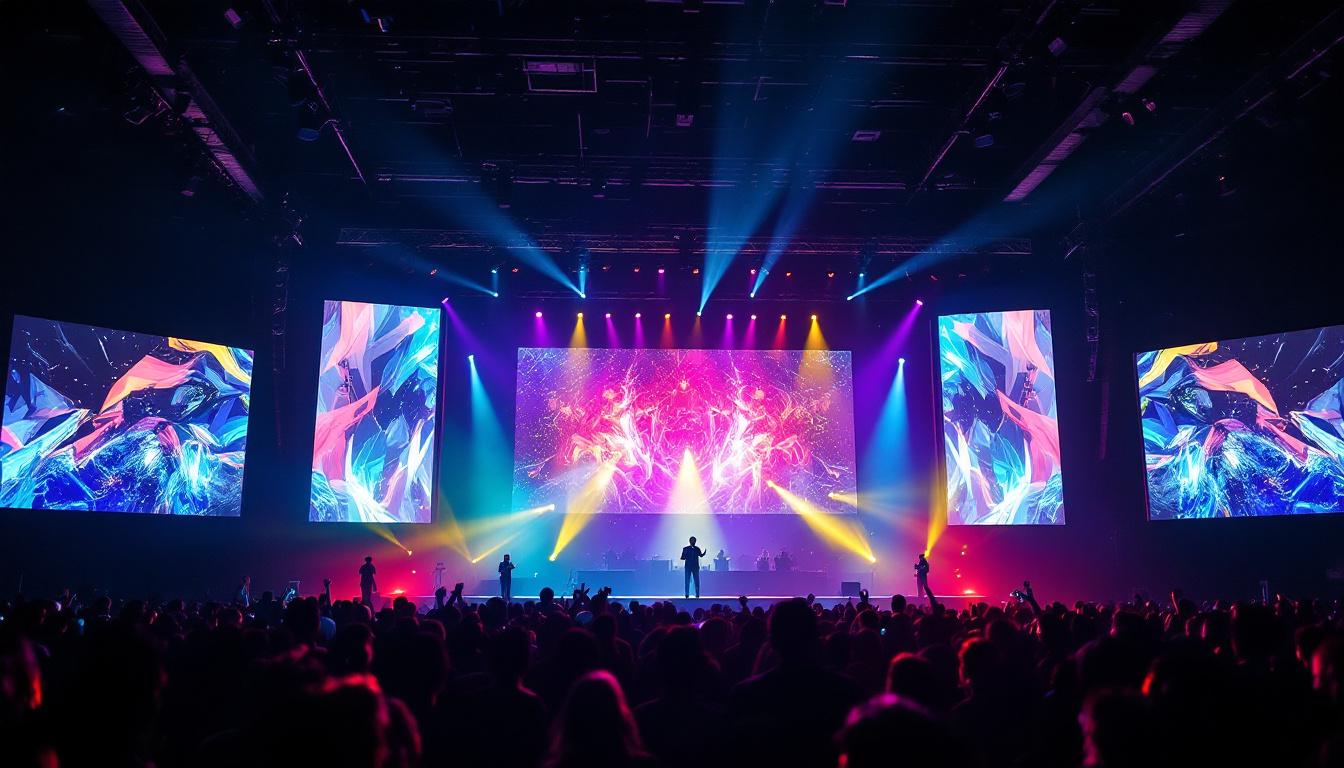
Moreover, the ability to produce high brightness levels not only enhances the viewing experience but also allows for larger screens to be viewed from greater distances without losing clarity. This is particularly beneficial in environments such as trade shows or auditoriums, where the audience may be seated far from the screen. The combination of brightness and contrast ensures that every detail is visible, making presentations more impactful and engaging.
Energy Efficiency and Longevity
Compared to CCFL backlighting, LEDs consume less power, which is especially important for large monitors that operate for extended periods. This energy efficiency translates into lower operating costs and a reduced environmental footprint.
LEDs also have a longer lifespan, often exceeding 50,000 hours of use. This durability means less frequent replacement and maintenance, making them a cost-effective option for businesses and institutions.
Furthermore, the reduced energy consumption of LED monitors can lead to significant savings over time, particularly for organizations that rely on multiple displays. This not only helps in budgeting for technology upgrades but also aligns with sustainability goals, as companies increasingly seek to reduce their carbon emissions and energy usage. The longevity of LED monitors also means that businesses can invest in high-quality displays without the worry of frequent replacements, allowing them to focus resources on other critical areas.
Enhanced Color Accuracy and Wide Color Gamut
Large format LED monitors typically support a wider color gamut, including standards like Adobe RGB and DCI-P3. This capability is essential for creative professionals who require precise color reproduction for photography, video editing, and digital art.
Many high-end LED monitors also offer factory calibration and hardware calibration support, ensuring consistent and accurate colors over time. This is a critical feature for industries where color fidelity impacts the final product quality.
In addition to color accuracy, large format LED monitors often feature advanced technologies like quantum dot enhancement, which further expands the color range and improves overall image quality. This is particularly advantageous for industries such as film and television, where the visual impact is paramount. The ability to display a broader spectrum of colors not only enhances the viewing experience but also allows for more creative freedom in content creation, enabling artists and designers to express their vision more vividly. As a result, large format LED monitors are becoming indispensable tools in creative workflows, providing the visual precision needed to meet the demands of modern media production.
Applications of Large Format LED Monitors
The versatility of large format LED monitors makes them suitable for a broad range of applications. Their size, image quality, and reliability enable enhanced productivity and engagement across many fields.
Creative and Media Production
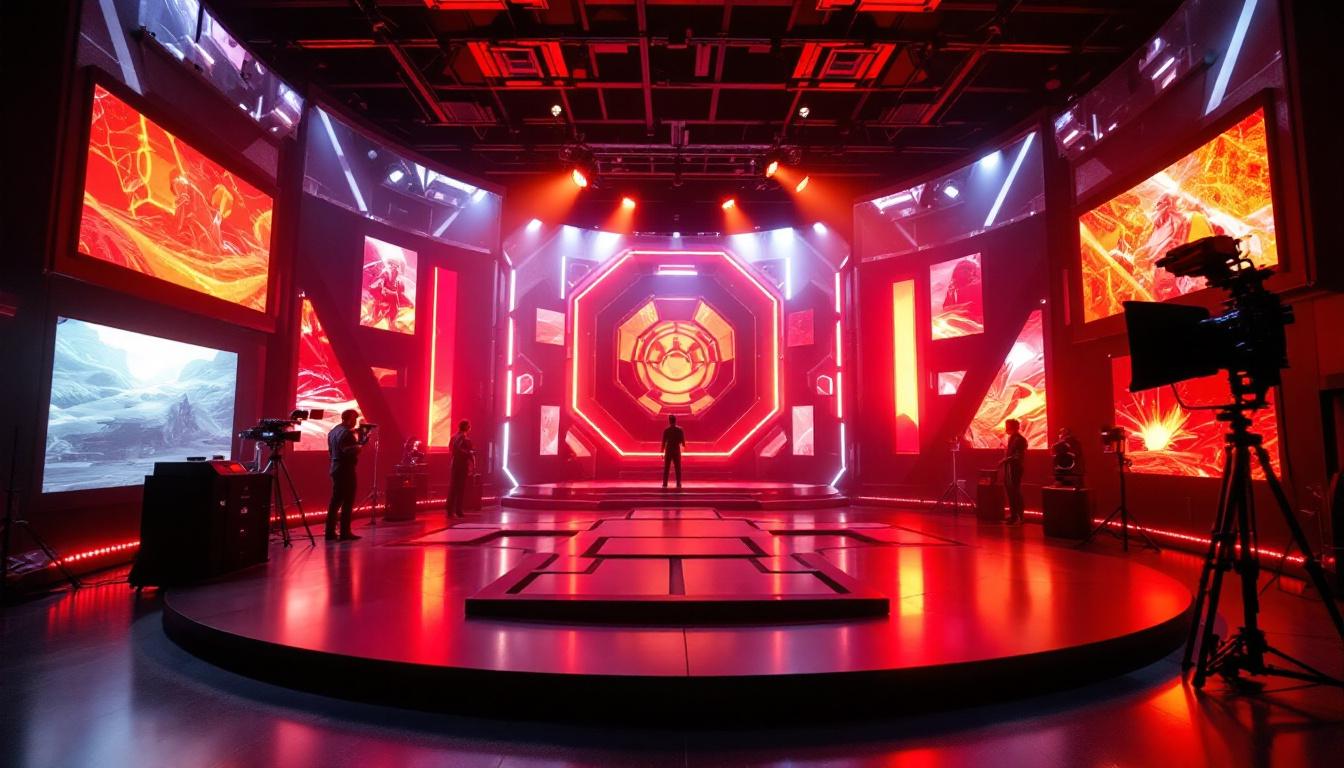
Graphic designers, video editors, and photographers benefit immensely from large format LED monitors. The expansive screen real estate allows for detailed work, multi-window setups, and precise color grading. HDR support and wide color gamuts ensure that visual content is represented accurately, reducing the need for multiple revisions.
Corporate and Educational Environments
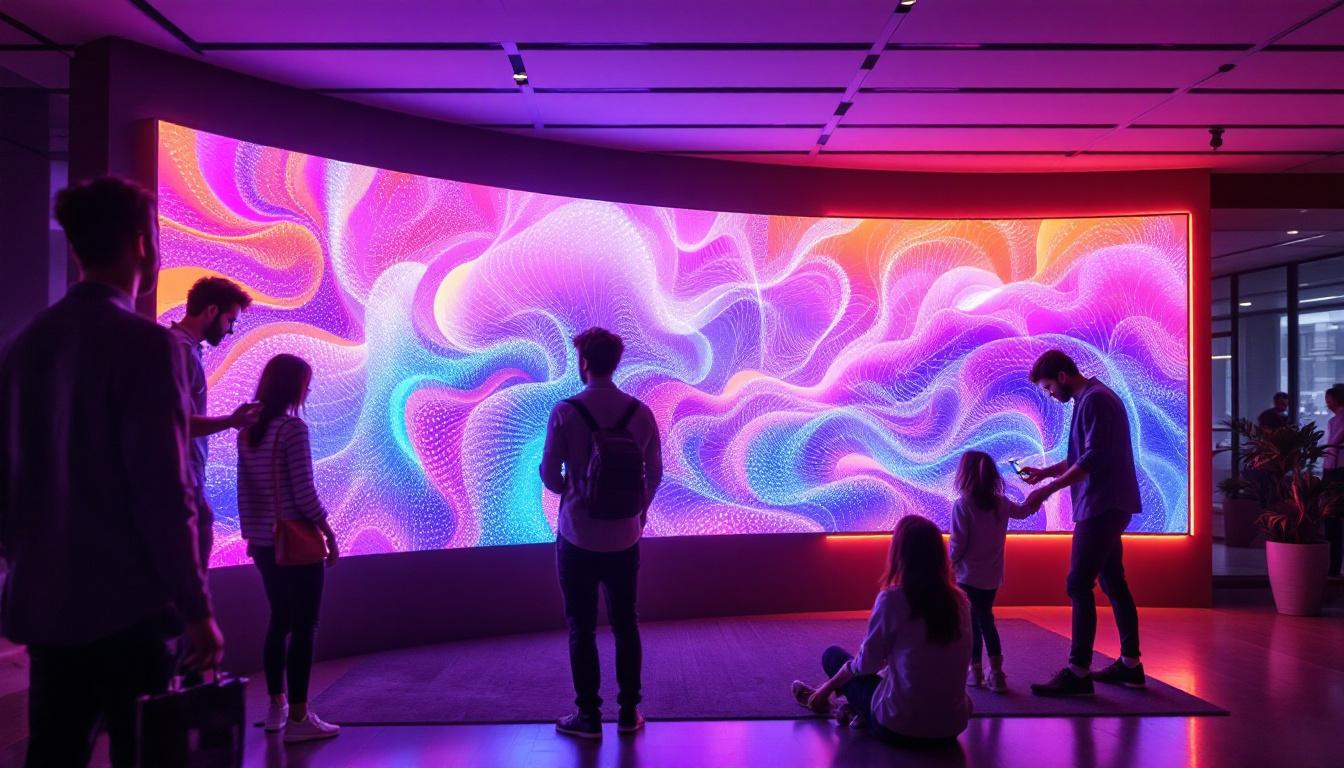
In conference rooms and classrooms, large LED monitors serve as dynamic presentation tools. Their brightness and clarity make them visible to large audiences, while their size accommodates detailed charts, graphs, and multimedia content. Interactive large format LED displays with touch capabilities further enhance collaboration and engagement.
Control Rooms and Command Centers
Industries such as transportation, utilities, and security rely on large format LED monitors for monitoring complex systems in real-time. The high resolution and brightness of these displays ensure that critical information is visible at a glance, improving decision-making and response times.
Public Displays and Digital Signage
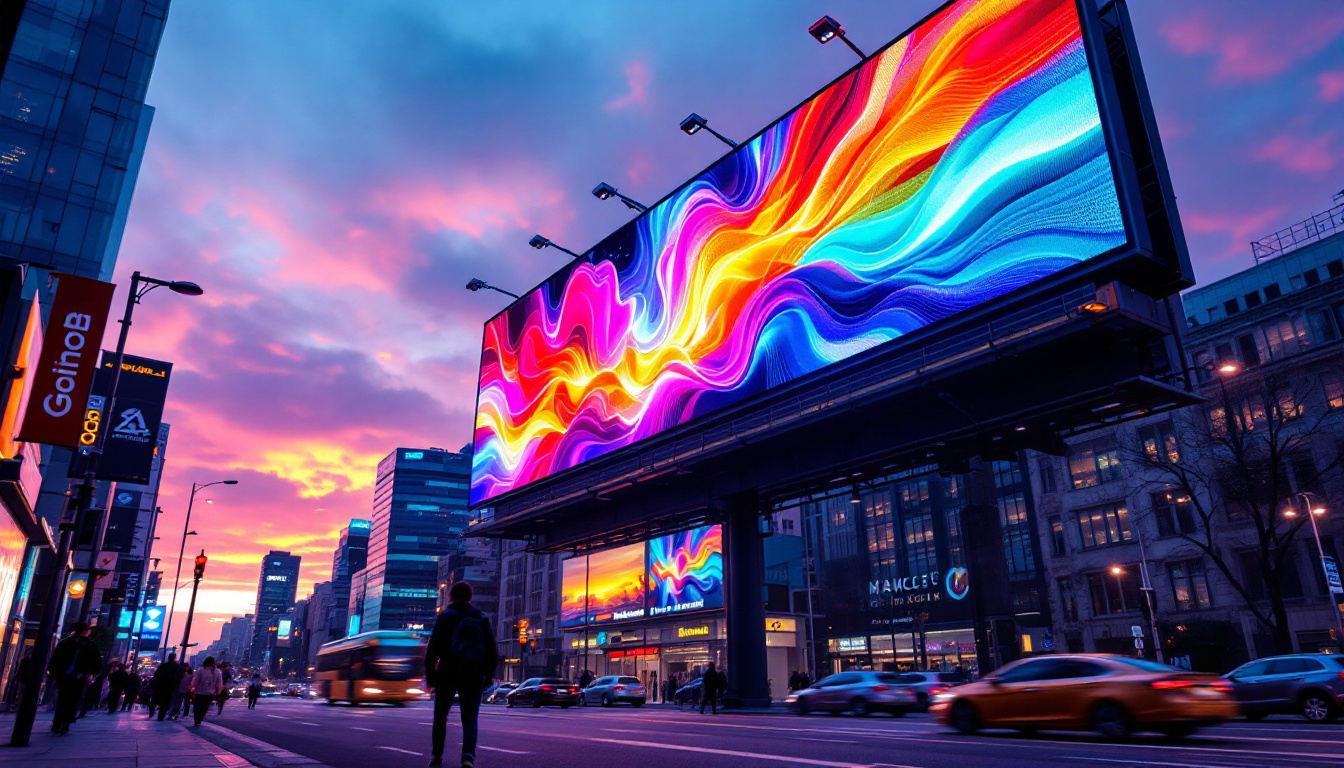
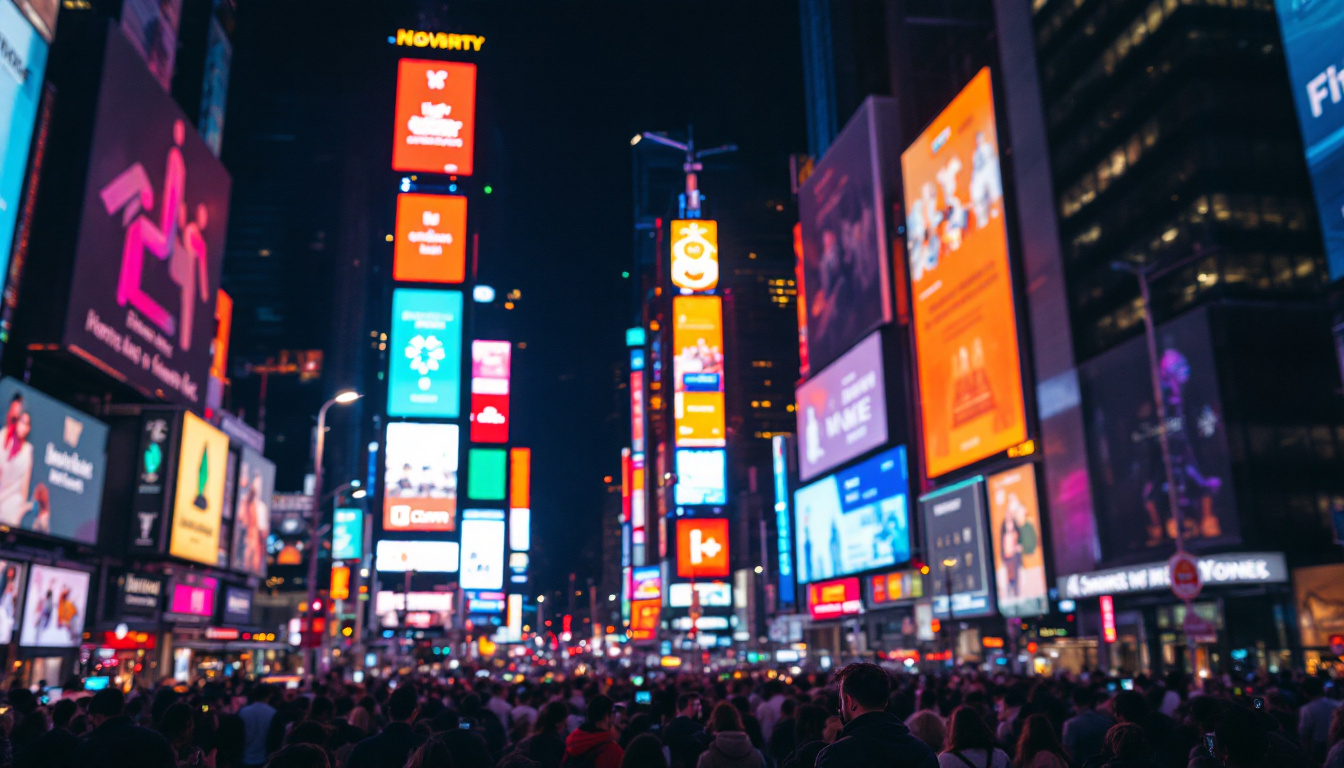
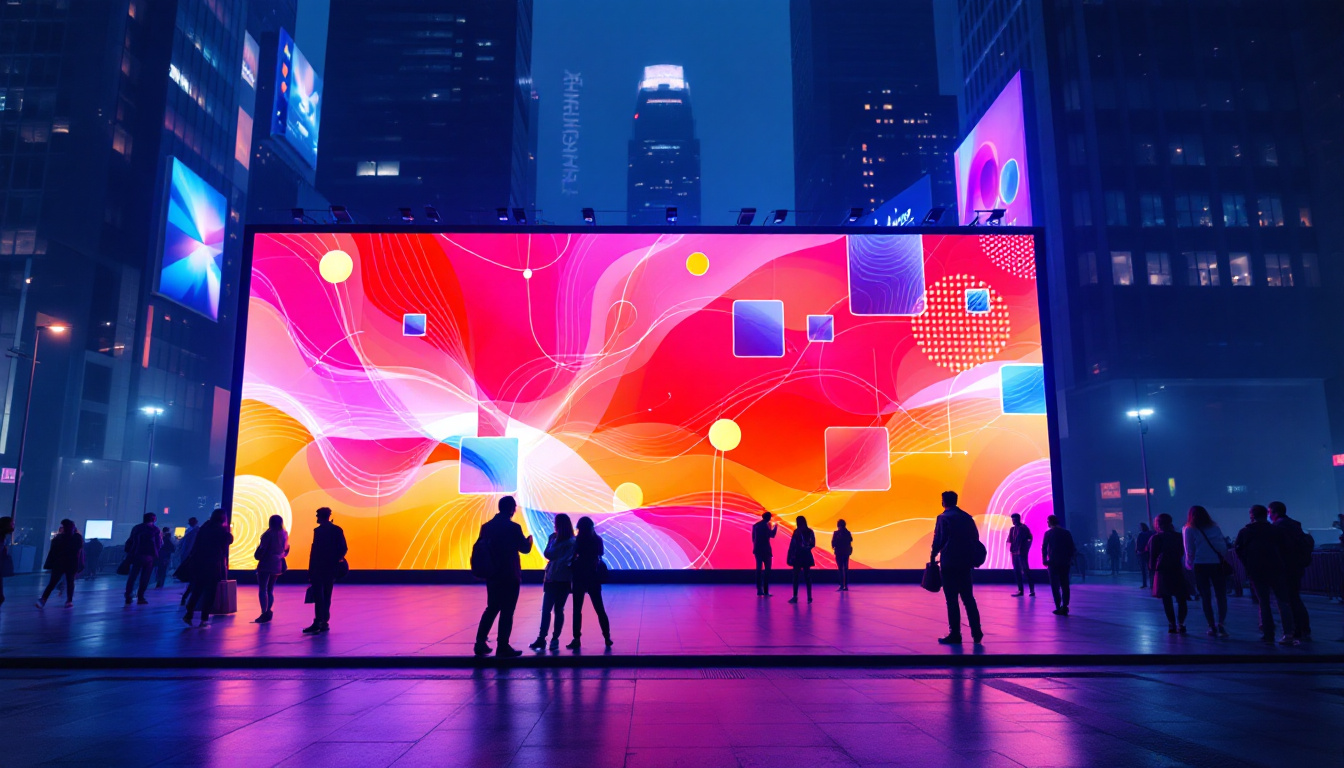
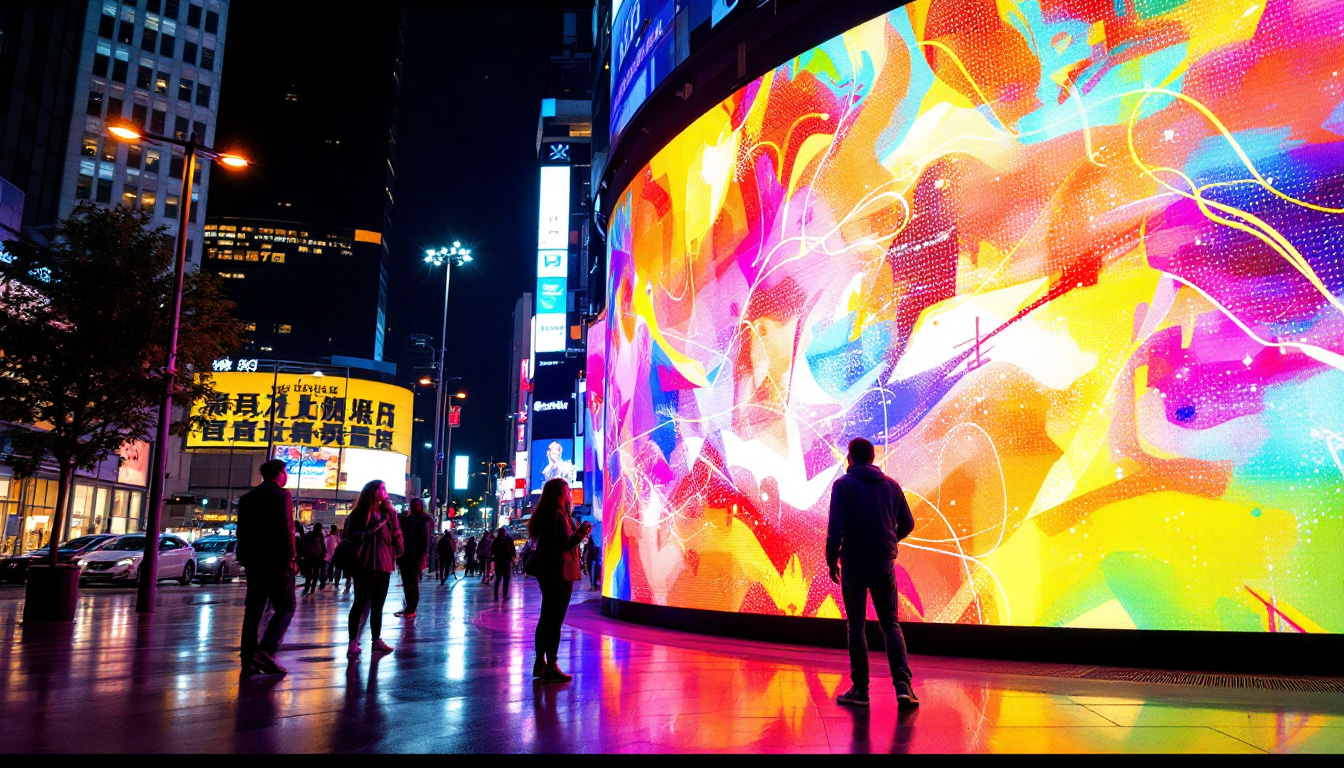
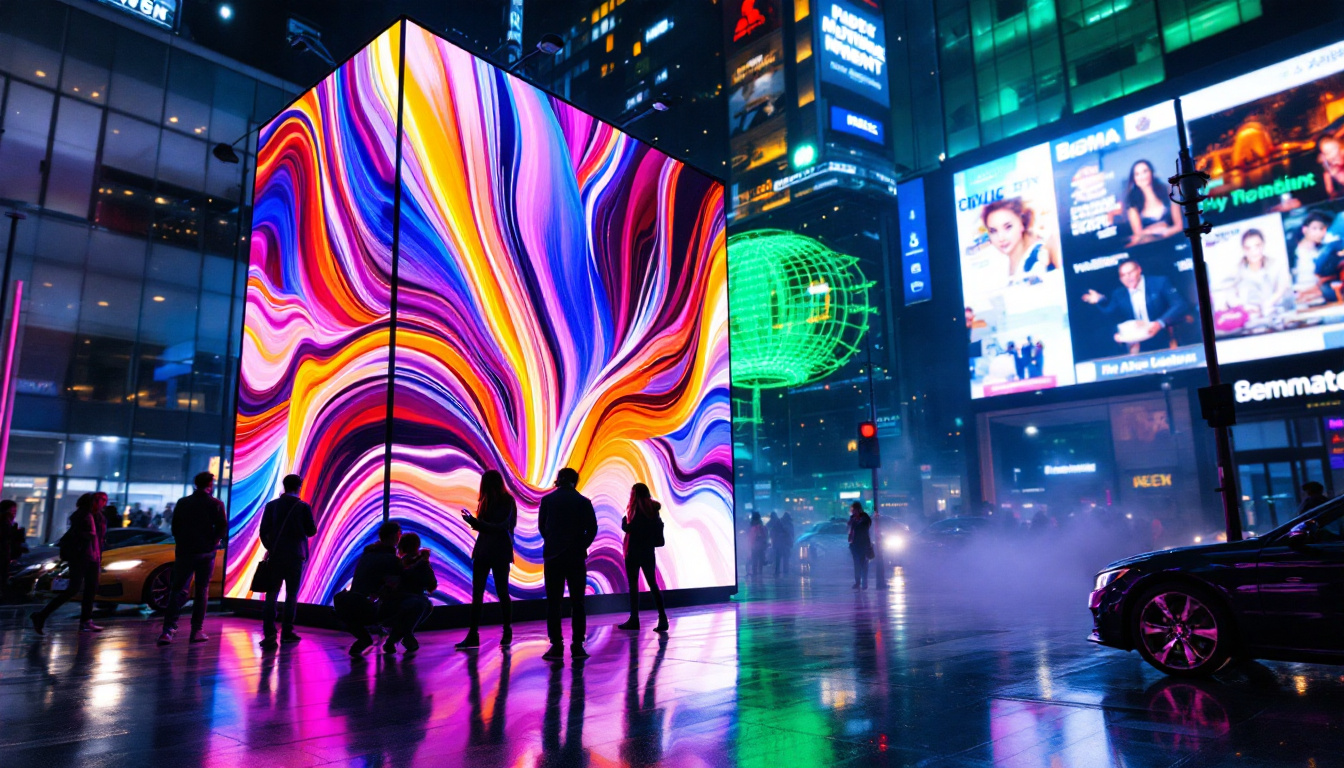
Large LED monitors are increasingly used in retail, hospitality, and outdoor advertising. Their vivid colors and brightness attract attention, while their robustness ensures reliable operation in various environments. The scalability of LED technology also allows for custom-sized video walls that create immersive visual experiences.
Choosing the Right Large Format LED Monitor
Selecting the ideal large format LED monitor involves evaluating several factors based on specific use cases and budget constraints. Here are key considerations to guide the decision-making process.
Screen Size and Resolution
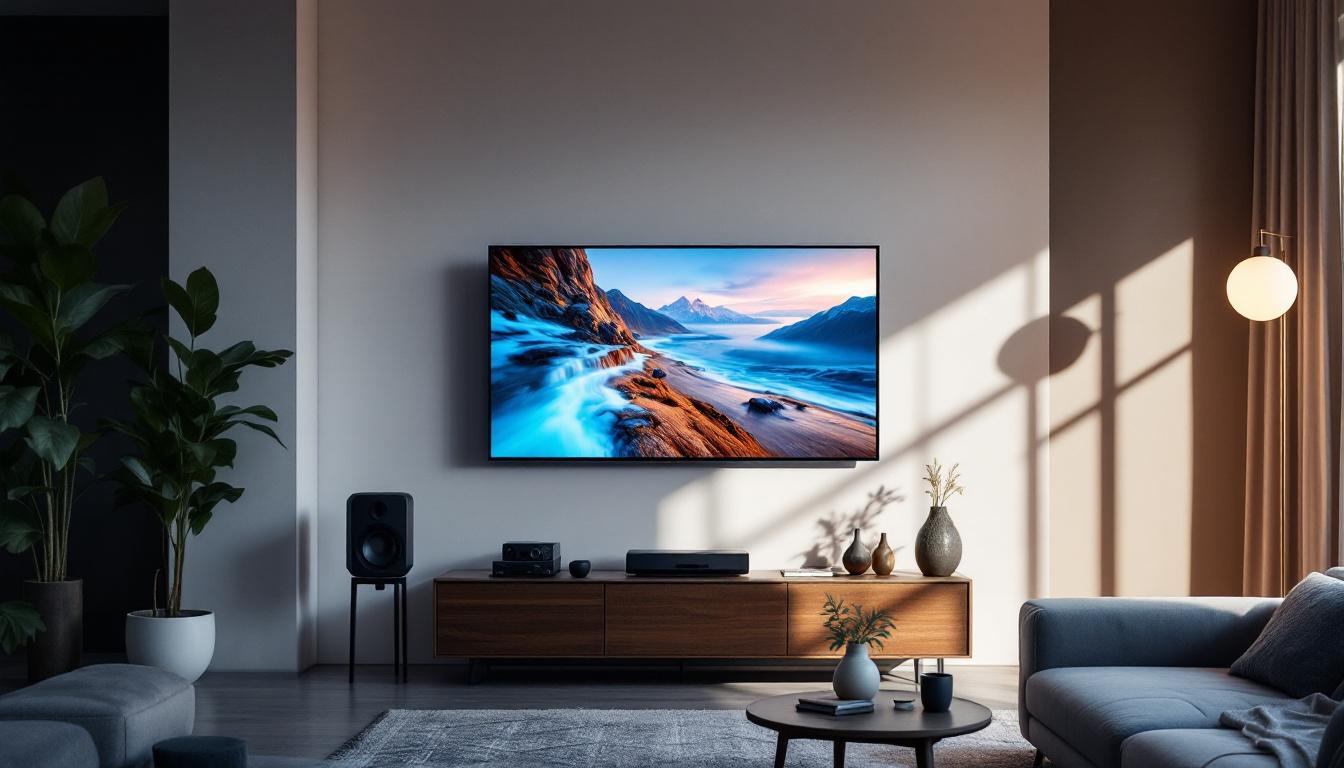
The size of the monitor should align with the intended viewing distance and workspace. For individual workstations, sizes between 32 and 49 inches are common, while collaborative spaces may require 55 inches or larger.
Resolution is equally important. Larger screens benefit from higher resolutions such as 4K (3840 x 2160 pixels) or even 8K to maintain image sharpness and detail. For example, a 65-inch 4K monitor offers a pixel density that supports detailed work without noticeable pixelation.
Panel Type and Refresh Rate
Most large format LED monitors use IPS (In-Plane Switching) panels, which provide wide viewing angles and accurate color reproduction—ideal for professional applications. VA (Vertical Alignment) panels offer higher contrast but narrower viewing angles, which might be suitable for specific environments.
Refresh rate is generally less critical for professional monitors than for gaming displays. However, a 60Hz refresh rate is standard and sufficient for most applications. Some models offer higher refresh rates for smoother motion, beneficial in video editing or live broadcasting.
Connectivity and Compatibility
Ensure the monitor supports the necessary input ports such as HDMI 2.1, DisplayPort 1.4, and USB-C with Power Delivery. These connections facilitate compatibility with modern computers, laptops, and peripherals.
Additional features like daisy-chaining support, built-in USB hubs, and audio output enhance usability and reduce cable clutter.
Calibration and Color Management
For users requiring precise color accuracy, look for monitors that come factory-calibrated and support hardware calibration tools. Some models offer built-in calibration sensors and software integration to maintain color consistency over time.
Price and Warranty
Large format LED monitors range widely in price, from a few hundred dollars for basic models to several thousand for professional-grade displays with advanced features. Investing in a reputable brand with a solid warranty and customer support is advisable to protect the investment.
Future Trends in Large Format LED Displays
The landscape of large format LED monitors continues to evolve rapidly, driven by advancements in display technology and changing user demands.
Mini-LED and Micro-LED Adoption
Mini-LED technology is becoming more mainstream, offering improved contrast and HDR performance at a more accessible price point. Micro-LED, while still emerging, promises even greater brightness, color accuracy, and energy efficiency, potentially revolutionizing large format displays in the coming years.
Higher Resolutions and HDR Standards
As 4K becomes standard, 8K resolution is gaining traction, especially in industries requiring ultra-high detail. HDR standards such as HDR10+ and Dolby Vision are also becoming more prevalent, enhancing the visual experience with richer colors and dynamic brightness.
Integration of Smart Features
Large format monitors are increasingly incorporating smart capabilities, including built-in operating systems, voice control, and seamless integration with collaboration platforms. These features streamline workflows and enhance interactivity in professional and educational settings.
Conclusion
Large format LED monitors represent a significant advancement in display technology, combining size, brightness, color accuracy, and energy efficiency to meet the demands of modern professionals and businesses. Whether for creative work, corporate presentations, control rooms, or public displays, understanding the underlying LED technology and its benefits is essential for selecting the right monitor.
As technology continues to advance, large format LED displays will become even more capable and versatile, offering immersive visual experiences and improved productivity across diverse applications. Investing in a high-quality LED monitor today can provide long-term value and a competitive edge in an increasingly visual world.
Discover the Future of Visual Displays with LumenMatrix
Ready to elevate your visual experience with the latest in LED display technology? LumenMatrix is at the forefront of innovation, offering a wide array of LED display solutions tailored to your needs. From captivating Indoor LED Walls to dynamic Outdoor LED Displays, and from versatile Vehicle LED Displays to sleek LED Poster Displays, our products are designed to enhance engagement and bring your content to life. Embrace the future of visual communication with LumenMatrix’s cutting-edge digital signage and LED display solutions. Check out LumenMatrix LED Display Solutions today and transform the way you share your message.