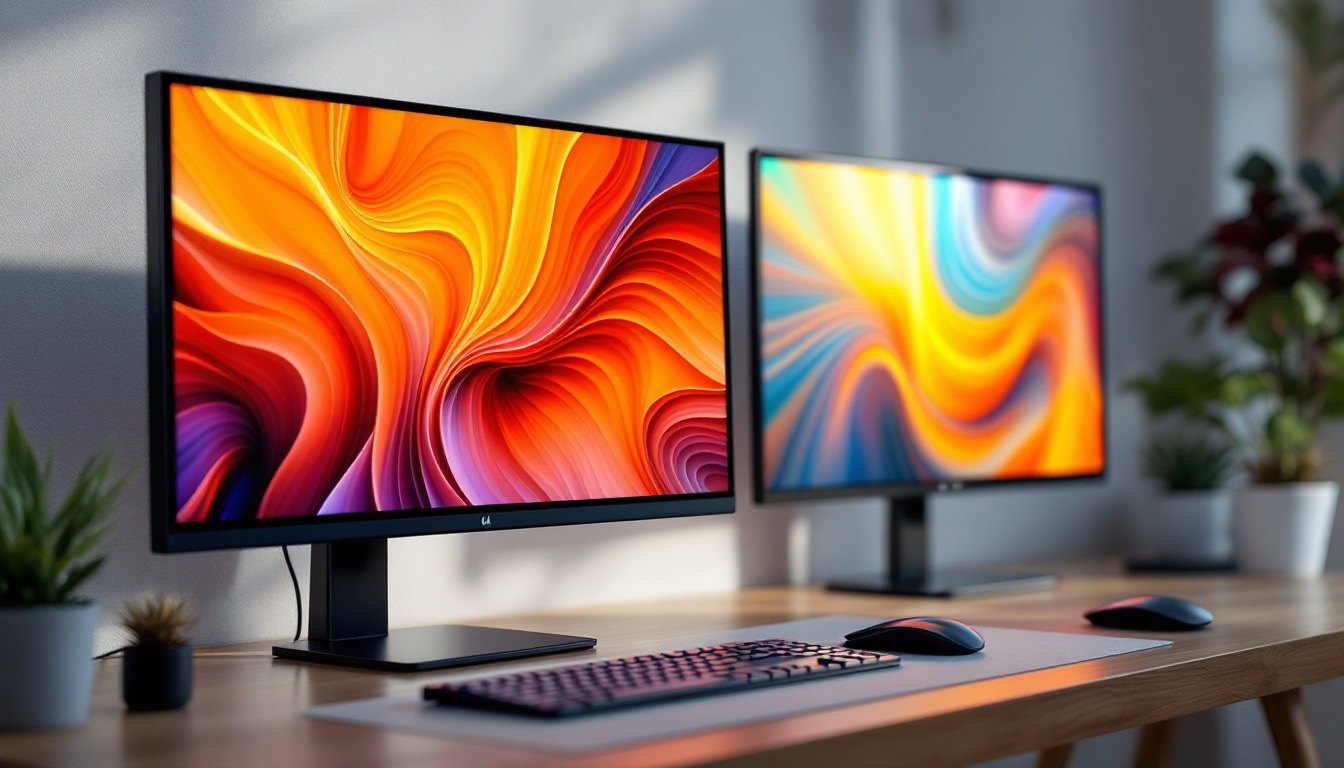
In today’s digital age, protecting sensitive information on your computer screen has become more important than ever. Whether you’re working in a bustling office, a coffee shop, or even at home, the risk of visual hacking—where unauthorized individuals view your screen without permission—is a real concern. One of the most effective solutions to this problem is the use of monitor privacy screens, especially those designed for LED displays.
This article delves into the technology behind monitor privacy screens tailored for LED displays, exploring how they work, their benefits, and considerations when choosing the right privacy filter for your needs.
Understanding Monitor Privacy Screens
What is a Monitor Privacy Screen?
A monitor privacy screen is a physical filter placed over a computer monitor to restrict the viewing angle of the display. This means that only the person directly in front of the screen can see the content clearly, while anyone looking from the side sees a darkened or blurred image. This simple yet effective technology helps safeguard confidential data from prying eyes.
Privacy screens are widely used in industries where data security is paramount, such as finance, healthcare, legal services, and government sectors. Additionally, they are popular among remote workers and travelers who often work in public spaces. The increasing trend of open office layouts and the rise of mobile workforces have further amplified the need for such protective measures, as employees frequently find themselves in environments where sensitive information could be exposed.
How Does a Privacy Screen Work?
Privacy screens function by using micro-louver technology, which is similar to the slats in window blinds. These microscopic vertical or horizontal louvers limit the light emitted from the screen to a narrow viewing angle. When viewed straight on, the screen appears clear and bright. However, viewing from an angle causes the louvers to block the light, resulting in a darkened or blacked-out screen.
Modern privacy screens are designed to maintain image clarity and color accuracy for the user while effectively reducing visibility from side angles. This balance is crucial because a poor-quality filter can degrade the display’s brightness and sharpness, impacting productivity. Moreover, many privacy screens are now available with additional features such as anti-glare coatings and blue light filtering, which not only enhance visual comfort but also protect users’ eyes during prolonged screen time. As technology continues to evolve, some privacy screens even incorporate touch sensitivity, allowing users to interact with their devices without compromising privacy.
LED Displays and Privacy Screens: What You Need to Know
The Rise of LED Displays
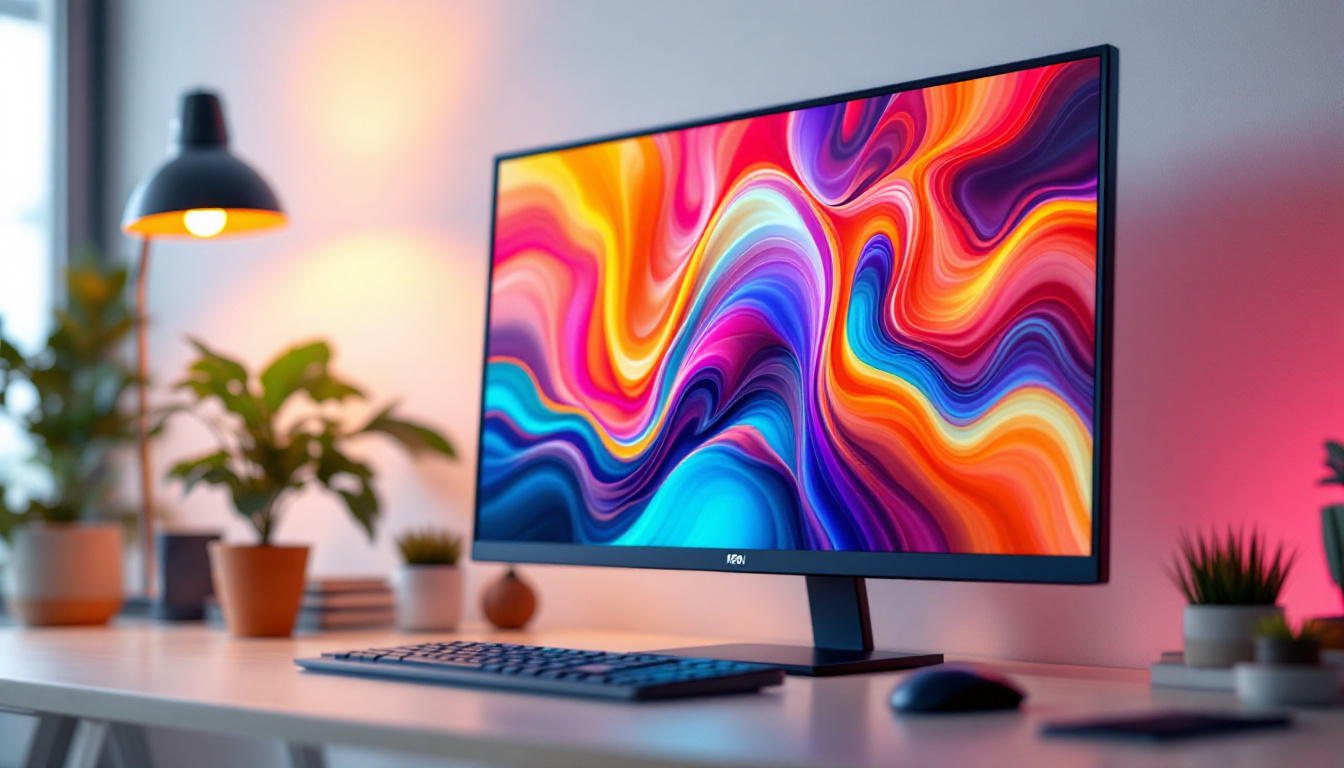
LED (Light Emitting Diode) displays have become the standard technology for computer monitors, laptops, and televisions due to their energy efficiency, slim profiles, and superior image quality compared to older LCD or CRT screens. According to a 2023 report by the Display Industry Association, over 90% of new monitors sold worldwide are LED-based.
LED displays use an array of light-emitting diodes to illuminate the screen, which allows for precise control over brightness and contrast. This technology enhances the viewing experience but also presents unique challenges and opportunities when integrating privacy screens. The ability to produce deeper blacks and brighter whites not only improves the visual appeal of content but also raises concerns about unauthorized viewing in public or shared spaces, making privacy screens increasingly relevant in today’s digital landscape.
Moreover, the versatility of LED displays has led to their adoption in various applications beyond traditional computing, including digital signage, automotive displays, and even wearable technology. As these screens become ubiquitous, the need for effective privacy solutions that can seamlessly integrate with this technology is more important than ever. The rapid evolution of LED technology continues to push the boundaries of what is possible in display design, prompting manufacturers to innovate privacy solutions that cater to these advancements.
Compatibility of Privacy Screens with LED Displays
Not all privacy screens are created equal, and compatibility with LED displays is a key consideration. Privacy filters designed for older LCD or CRT monitors may not perform optimally with LED screens due to differences in brightness, reflectivity, and screen coatings.
High-quality privacy screens for LED displays are engineered to maintain the vibrant colors and brightness levels that LED technology offers while still providing effective privacy protection. They often feature anti-glare coatings and blue light filtering to reduce eye strain, which is an added benefit for users spending long hours in front of their screens. Additionally, many modern privacy screens are designed to be easily removable and reusable, allowing users to switch between a private viewing experience and a standard display as needed. This flexibility is particularly valuable for professionals who work in open office environments or for students who use their laptops in public spaces.
It’s also worth noting that the effectiveness of a privacy screen can vary based on its installation and the angle of viewing. Some privacy filters are designed to restrict visibility from side angles, ensuring that only the person directly in front of the screen can see the content. This feature is crucial in crowded settings like cafes or libraries, where prying eyes can easily glance at sensitive information. As technology continues to advance, we can expect to see even more sophisticated privacy solutions that not only protect personal data but also enhance the overall user experience with LED displays.
Benefits of Using a Privacy Screen on an LED Monitor
Enhanced Data Security
One of the most obvious benefits of a monitor privacy screen is the enhanced security it provides. In environments where sensitive information is displayed—such as financial data, personal health records, or confidential business documents—privacy screens help prevent shoulder surfing and accidental data leaks.
According to a 2022 survey by Cybersecurity Ventures, over 60% of data breaches involved some form of visual hacking, underscoring the importance of physical security measures like privacy filters.
Reduced Eye Strain and Improved Comfort
Many privacy screens come with additional features such as anti-glare coatings and blue light filters. These features reduce reflections and harmful blue light emissions, which can cause eye fatigue and disrupt sleep patterns. For professionals who spend extended periods working on LED monitors, these benefits contribute to better eye health and overall comfort.
Maintaining Screen Clarity and Color Accuracy
Modern privacy screens are designed to preserve the high resolution and color fidelity of LED displays. This is especially important for graphic designers, video editors, and other professionals who rely on accurate color representation. Investing in a quality privacy filter ensures that privacy does not come at the expense of visual performance.
Choosing the Right Privacy Screen for Your LED Monitor
Consider Screen Size and Aspect Ratio
Privacy screens are typically designed to fit specific monitor sizes and aspect ratios. It is essential to select a privacy filter that matches your LED display’s dimensions to ensure full coverage and effective privacy. Many manufacturers offer custom-sized filters or a range of sizes compatible with popular monitor models.
Viewing Angle and Privacy Level
Privacy screens come with varying degrees of viewing angle restrictions, commonly ranging from 30 to 60 degrees. A narrower viewing angle offers stronger privacy but may also reduce screen brightness more noticeably. Users should consider their environment and privacy needs when selecting the appropriate level of protection.
Installation Type: Magnetic, Adhesive, or Frameless
Installation methods vary among privacy screens. Magnetic filters attach easily to metal-framed monitors and allow quick removal, making them ideal for users who switch between private and shared environments. Adhesive filters stick directly to the screen for a more permanent solution, while frameless designs offer a sleek look but may require precise installation.
Additional Features to Look For
Some privacy screens come with added functionalities such as blue light filtering, anti-glare coatings, fingerprint resistance, and easy-clean surfaces. These features enhance usability and comfort, making them worthwhile considerations depending on your work habits and environment.
Practical Applications and Use Cases
Corporate and Government Environments
In offices where confidential information is handled daily, privacy screens are often mandated to comply with data protection regulations such as GDPR or HIPAA. They help organizations mitigate the risk of data breaches caused by unauthorized screen viewing.
Remote Work and Public Spaces
With the rise of remote work, many professionals find themselves working in cafes, airports, or co-working spaces. Privacy screens provide peace of mind by shielding sensitive work from curious onlookers, enabling productivity without compromising security.
Healthcare and Financial Services
Healthcare providers and financial institutions handle highly sensitive personal data. Privacy screens are an essential tool in these sectors to ensure compliance with privacy laws and protect patient or client information from inadvertent exposure.
Maintaining and Caring for Your Privacy Screen
Cleaning Tips
Privacy screens require gentle cleaning to maintain their effectiveness and longevity. Use a microfiber cloth and a mild cleaning solution designed for electronics. Avoid abrasive materials or harsh chemicals that can damage the micro-louvers or coatings.
Storage and Handling
When not in use, store privacy screens in a protective sleeve or case to prevent scratches. Handle them carefully during installation and removal to avoid bending or damaging the filter.
Conclusion
Monitor privacy screens designed for LED displays offer a practical and effective way to protect sensitive information from unauthorized viewing. By understanding how these screens work and selecting the right filter for your LED monitor, you can enhance data security without sacrificing display quality or comfort.
As digital privacy concerns continue to grow, integrating a privacy screen into your workstation setup is a proactive step toward safeguarding your information in any environment. Whether you work in a corporate office, remotely, or in public spaces, a quality privacy screen tailored for LED displays is an investment in both security and productivity.
Discover LumenMatrix’s Advanced LED Display Solutions
As you consider the importance of data security and the role of monitor privacy screens in protecting your sensitive information, remember that the quality of your LED display also matters. LumenMatrix, a leader in LED display technology, offers a wide range of innovative solutions designed to elevate your visual experience. From Indoor and Outdoor LED Wall Displays to Custom and All-in-One LED Displays, LumenMatrix is committed to enhancing your brand’s visibility and creating immersive visual experiences. Embrace the future of visual communication with LumenMatrix’s LED display solutions that promise to captivate your audience and deliver your message with unparalleled impact. Check out LumenMatrix LED Display Solutions today and see the difference for yourself.