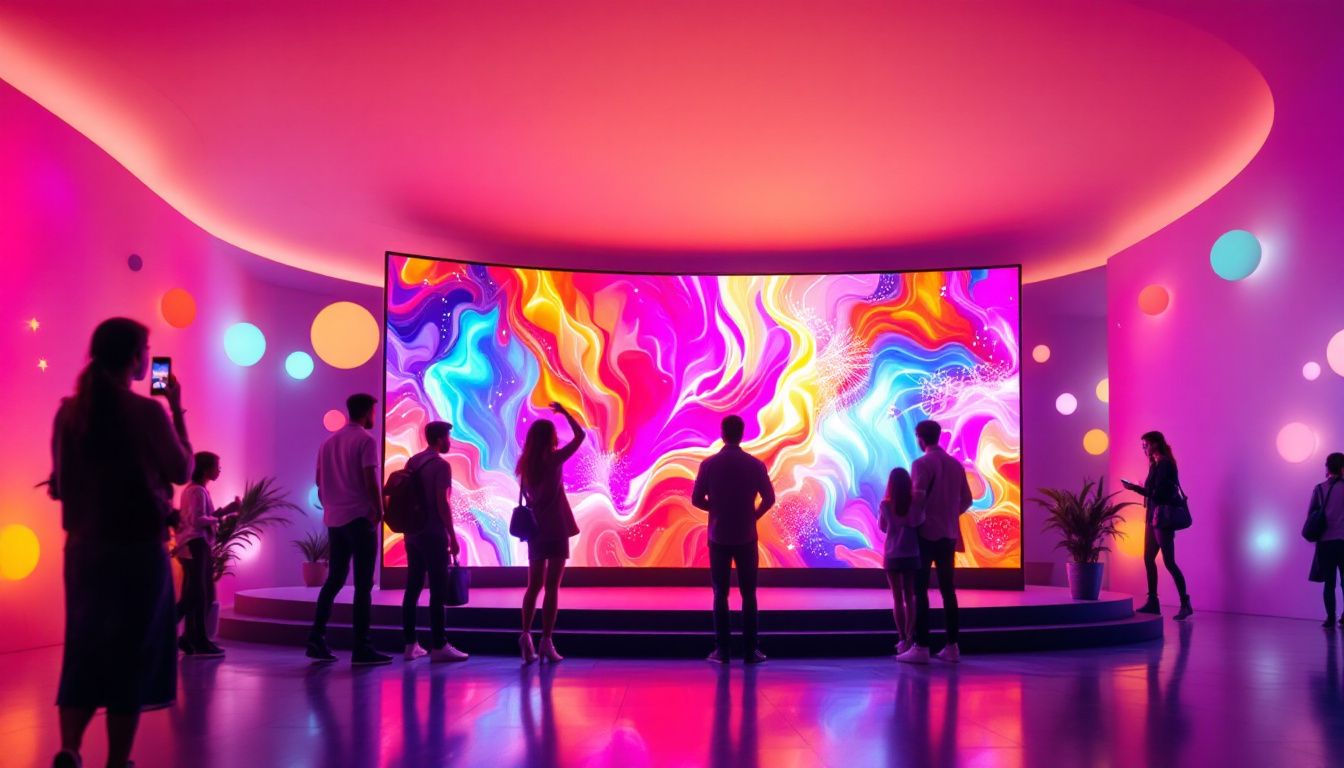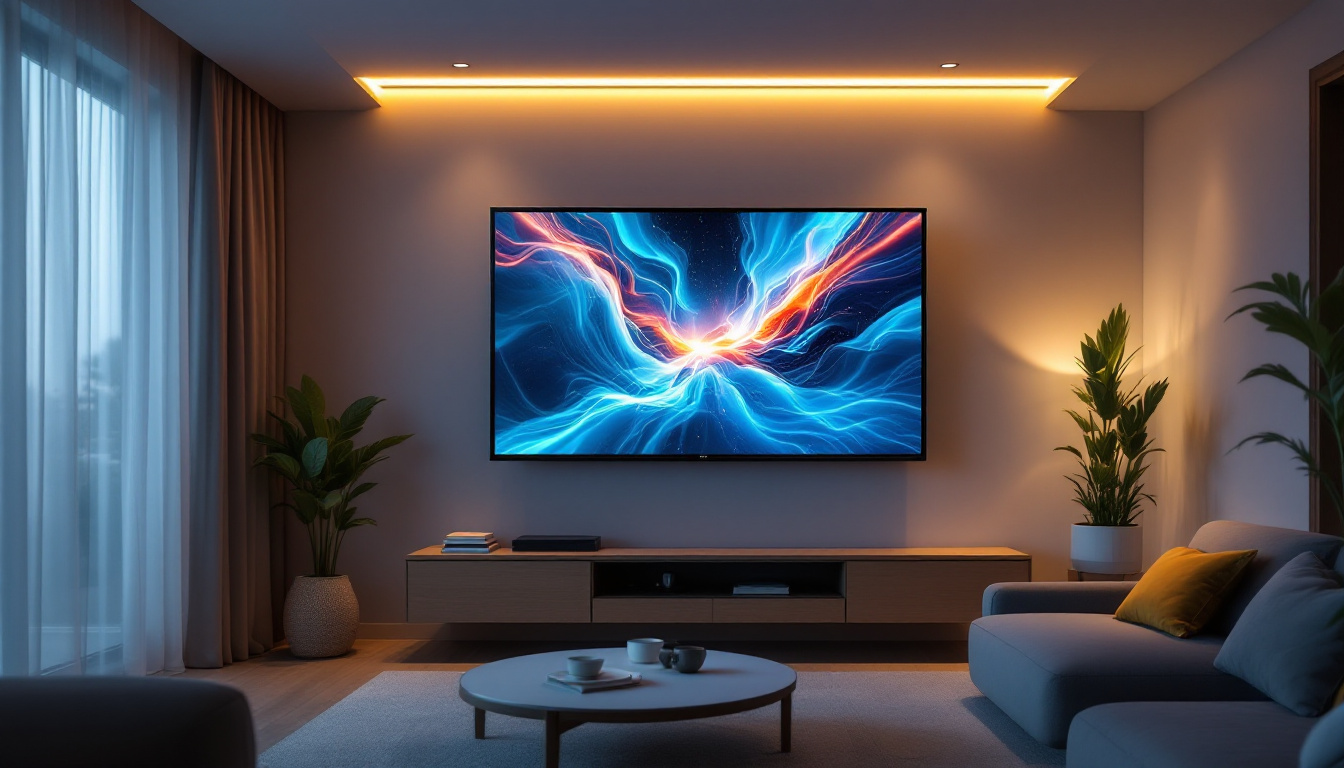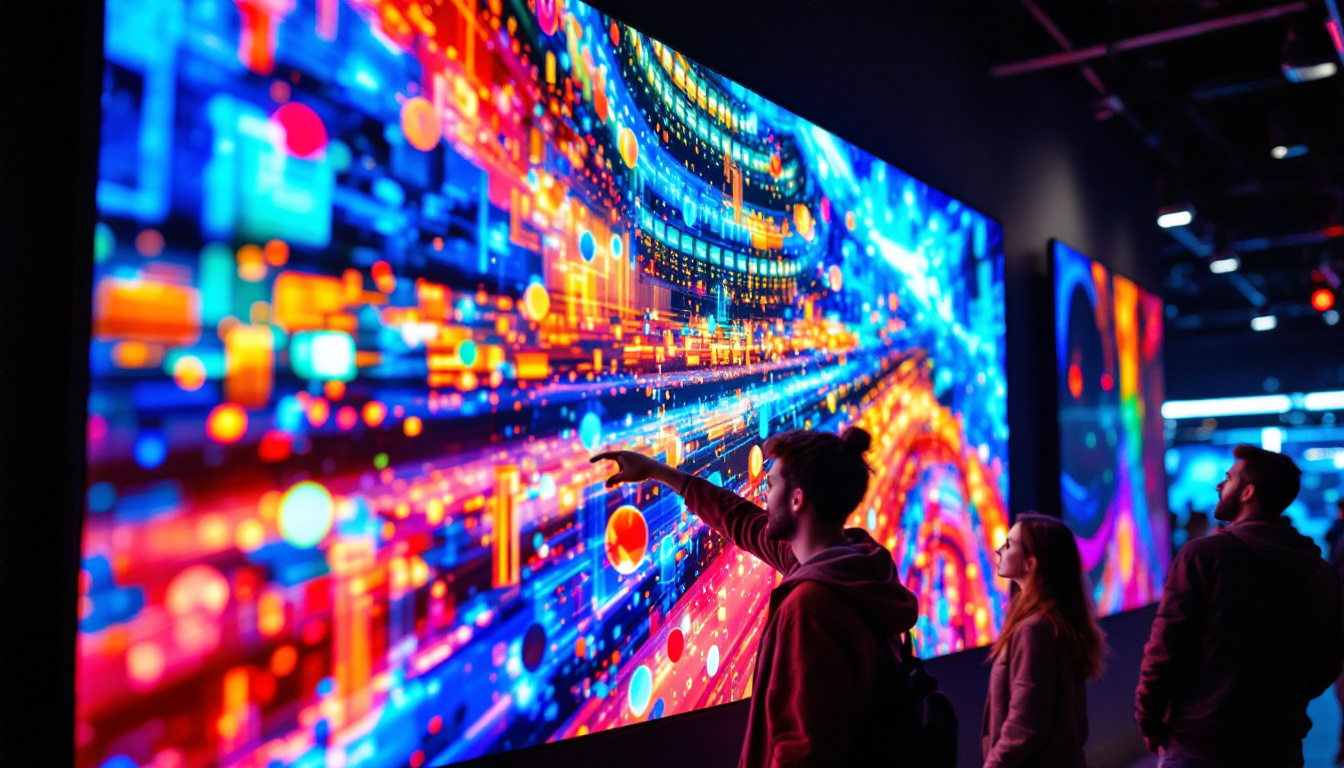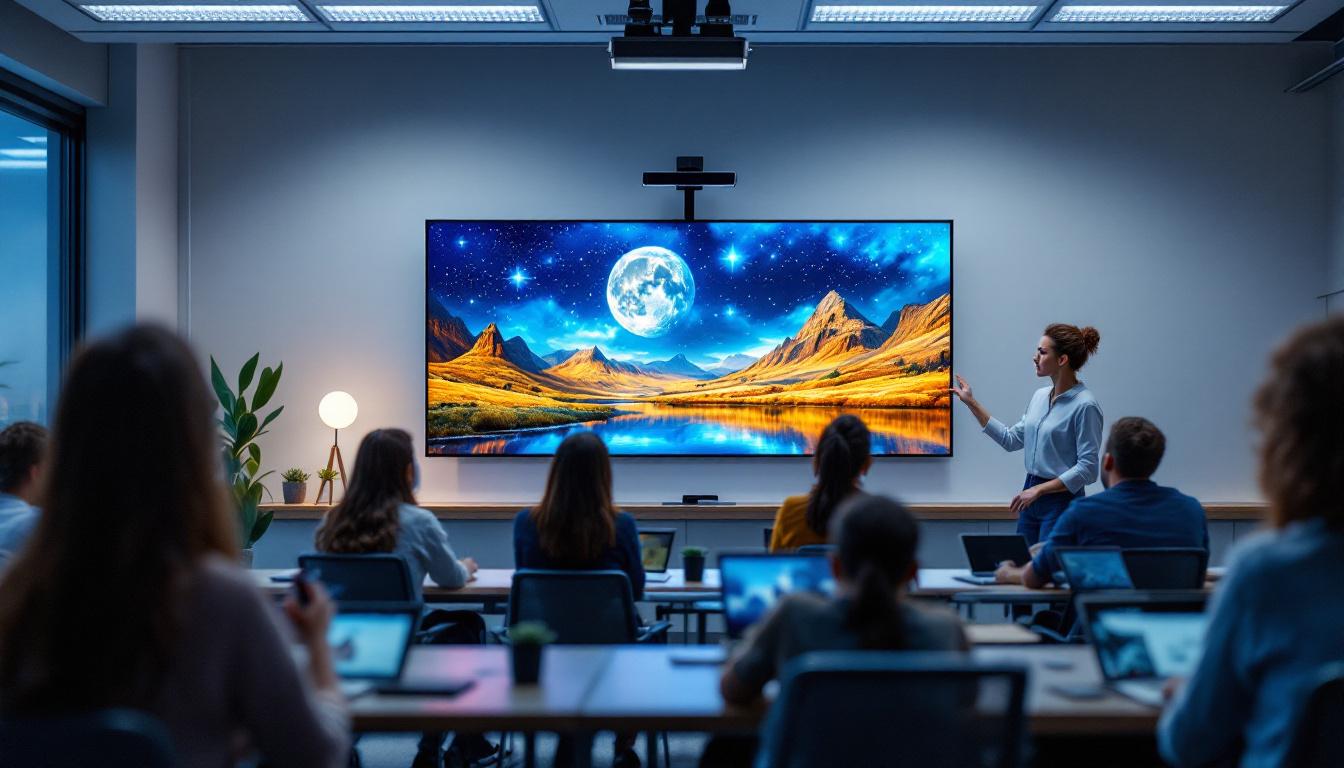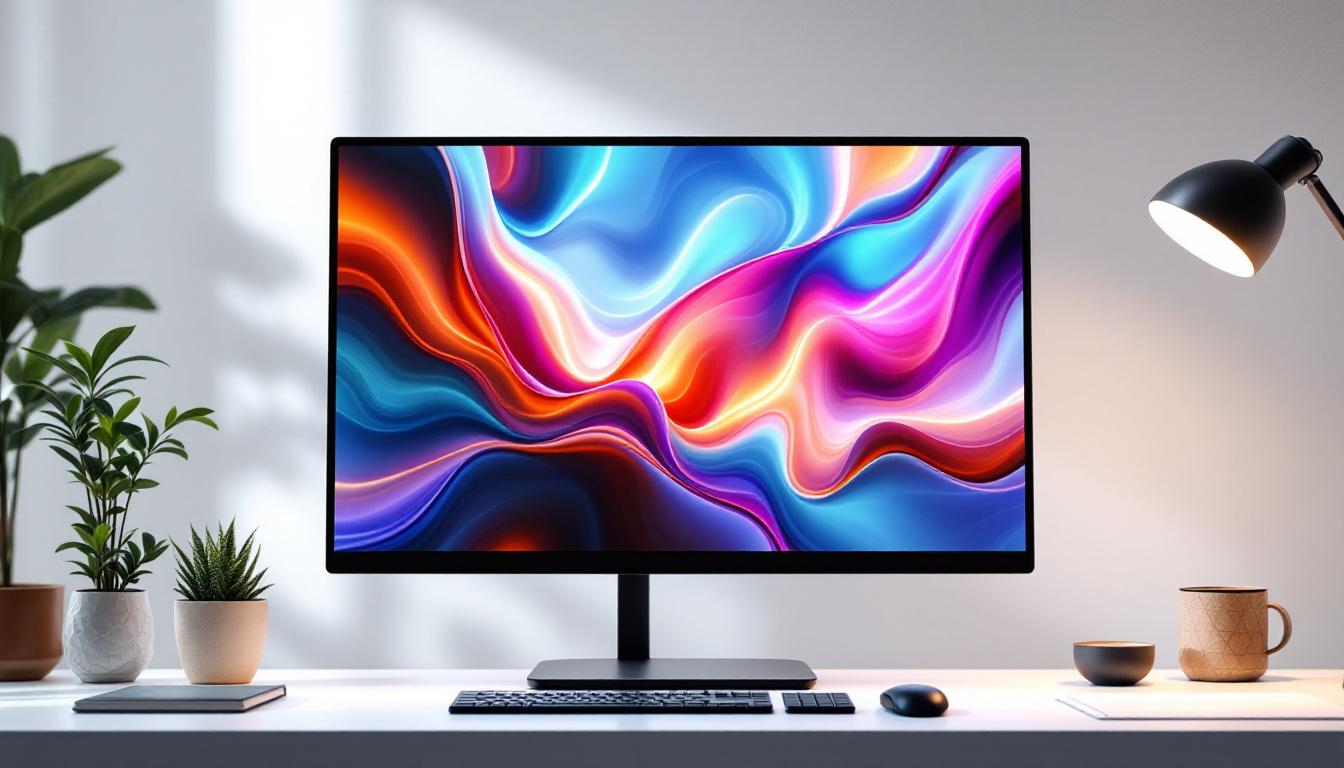
In today’s fast-evolving digital landscape, the convergence of display technology and wireless connectivity has transformed how we interact with monitors. Touch screen wireless LED displays are no longer a futuristic concept but an integral part of modern workspaces, entertainment setups, and public information systems. This article delves into the technology behind these innovative devices, exploring their features, benefits, and practical applications.
Understanding LED Displays: The Foundation of Modern Screens
What Is an LED Display?
LED stands for Light Emitting Diode, a semiconductor device that emits light when an electric current passes through it. LED displays use arrays of these tiny diodes to create images by controlling the brightness and color of each diode. Unlike traditional LCDs that rely on backlighting, LED displays often provide better contrast, energy efficiency, and color accuracy.
There are several types of LED displays, including direct-view LED panels and LED-backlit LCDs. Direct-view LED displays are commonly used in large-scale applications such as stadium screens and digital billboards, while LED-backlit LCDs are prevalent in consumer monitors and televisions. The latter uses LEDs as a backlight source behind an LCD panel, improving brightness and color performance. Furthermore, advancements in technology have led to the development of organic LED (OLED) displays, which utilize organic compounds to emit light. OLEDs offer even greater contrast ratios and faster response times, making them a popular choice for high-end televisions and smartphones.
Advantages of LED Technology in Monitors
LED technology offers several advantages over older display technologies. First, LED displays provide superior brightness and contrast ratios, making images appear more vivid and lifelike. This is particularly important for professional environments where color accuracy is crucial, such as graphic design and video editing.
Additionally, LED displays are more energy-efficient, consuming less power than traditional CCFL-backlit LCDs. This efficiency translates into longer device lifespans and reduced environmental impact. Their slim profiles and lightweight construction also enable sleek, modern monitor designs that save desk space. The rapid response times of LED technology further enhance the viewing experience, reducing motion blur in fast-paced video content. As a result, gamers and movie enthusiasts alike benefit from the fluidity and clarity that LED monitors provide, making them a preferred choice for high-performance applications.
Moreover, LED displays are highly versatile and can be found in a wide range of applications beyond just monitors and televisions. From large-scale outdoor advertising to intricate digital signage in retail environments, the adaptability of LED technology allows for innovative uses that engage audiences in dynamic ways. The ability to create flexible and curved displays also opens up new possibilities for architectural design and immersive experiences, pushing the boundaries of how we interact with visual content in our daily lives.
The Rise of Touch Screen Monitors
How Touch Screen Technology Works
Touch screen monitors allow users to interact directly with the display surface using fingers or a stylus. The most common touch technologies include capacitive, resistive, infrared, and optical sensing. Capacitive touch screens, which detect changes in the electrical field caused by a finger, are widely used in consumer devices due to their responsiveness and multi-touch capabilities.
Resistive touch screens, on the other hand, rely on pressure applied to two conductive layers, making them more durable and suitable for industrial environments. Infrared and optical touch technologies use light sensors to detect touch points, offering high accuracy and the ability to detect multiple touches simultaneously. Each of these technologies has its own unique advantages, catering to different applications and user needs. For instance, capacitive screens are often found in smartphones and tablets, while resistive screens are commonly used in medical devices and industrial equipment, where durability and precision in harsh conditions are paramount.
Benefits of Touch Screen Monitors
Touch screen monitors enhance user experience by enabling intuitive navigation and interaction. This direct manipulation of on-screen elements reduces reliance on peripheral devices like mice and keyboards, streamlining workflows and increasing productivity. In educational settings, touch screens foster engagement by allowing interactive learning activities. Teachers can easily illustrate concepts through dynamic presentations, and students can participate actively, making the learning process more interactive and enjoyable.
Moreover, touch screen monitors are vital in retail and hospitality sectors for point-of-sale systems, self-service kiosks, and digital signage. Their ease of use and accessibility make them ideal for users of all ages and abilities, promoting inclusivity. In addition, the integration of touch screens into smart home technology has revolutionized how we interact with our living spaces. From controlling lighting and temperature to managing security systems, touch screens provide a centralized hub for managing various aspects of modern life, enhancing convenience and efficiency. As technology continues to evolve, the applications for touch screen monitors are expanding, paving the way for even more innovative uses in everyday environments.
Wireless Connectivity in Monitors: Breaking the Cables
Types of Wireless Technologies Used
Wireless monitors eliminate the clutter and limitations imposed by cables, offering greater flexibility in device placement and usage. Several wireless technologies enable this connectivity, including Wi-Fi, Bluetooth, and proprietary wireless display standards like Miracast and WirelessHD.
Wi-Fi-based wireless monitors connect to a network, allowing high-resolution video streaming and multi-device support. Bluetooth is typically used for peripheral connections rather than video transmission due to bandwidth constraints. Miracast, supported by many modern devices, facilitates peer-to-peer wireless display mirroring without the need for a router.
Advantages of Wireless Monitors
Wireless monitors provide significant advantages in terms of mobility and convenience. Users can easily reposition screens without worrying about cable lengths or tripping hazards, which is especially beneficial in collaborative workspaces and conference rooms. Wireless setups also simplify multi-monitor configurations, enabling seamless switching between devices.
For home entertainment, wireless monitors can connect to laptops, gaming consoles, or smartphones without physical connections, enhancing the viewing experience. Additionally, wireless technology supports cleaner, more organized work environments, contributing to better ergonomics and aesthetics.
Integrating Touch Screen, Wireless, and LED Technologies
How These Technologies Work Together
The integration of touch screen capability with wireless connectivity and LED display technology results in highly versatile monitors. These devices combine the visual excellence of LED screens with the interactive benefits of touch input and the freedom of wireless communication.
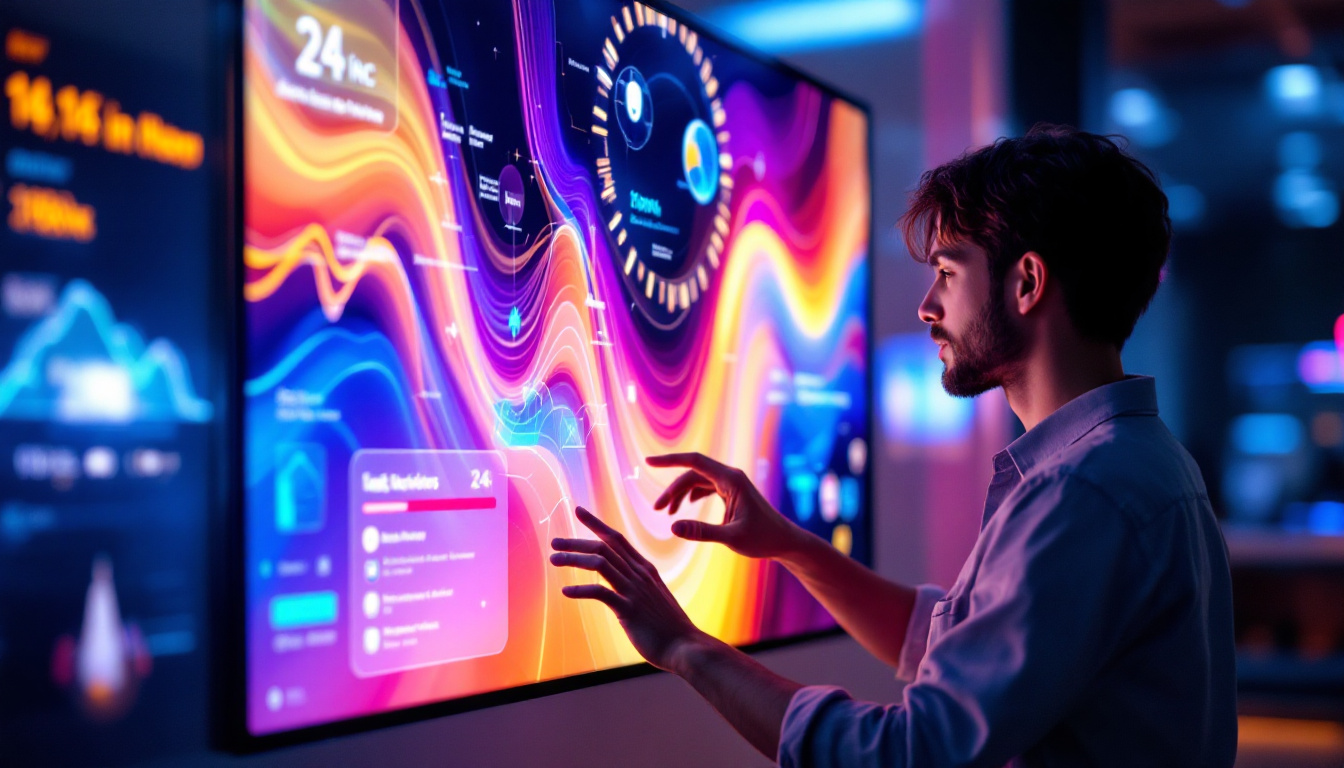
For example, a wireless touch screen LED monitor can receive high-definition video signals over Wi-Fi while simultaneously registering touch inputs for real-time interaction. This synergy enables applications ranging from interactive presentations to digital whiteboards and remote collaboration tools.
Challenges and Considerations
Despite their advantages, integrating these technologies presents challenges. Wireless transmission of high-resolution video requires robust network infrastructure to prevent latency and signal degradation. Interference from other wireless devices can also affect performance.
Touch screen sensitivity and accuracy must be calibrated carefully to ensure a seamless user experience, particularly in wireless setups where signal delays could impact responsiveness. Additionally, power management is critical since wireless touch screen monitors often rely on battery power or external power sources, affecting portability and usage duration.
Applications and Use Cases
Business and Professional Environments
Wireless touch screen LED monitors are transforming office environments by enabling flexible meeting spaces and interactive collaboration. Digital whiteboards with wireless connectivity allow teams to brainstorm and share ideas in real time, even when participants are remote. This technology supports hybrid work models, which have seen a 44% increase in adoption globally since 2020.
In retail, these monitors serve as dynamic point-of-sale terminals and customer engagement tools. Touch-enabled digital signage can display personalized promotions, product information, and wayfinding assistance without the constraints of wired installations.
Education and Training
Interactive wireless LED touch monitors are becoming staples in classrooms and training centers. They facilitate immersive learning experiences through multimedia content, interactive quizzes, and collaborative projects. Studies indicate that classrooms equipped with interactive displays see a 20% improvement in student engagement and retention.
Wireless connectivity allows educators to control displays from anywhere in the room and share content from multiple devices seamlessly, fostering a more inclusive and dynamic learning environment.
Healthcare and Public Services
Healthcare facilities leverage wireless touch screen LED monitors for patient check-ins, information kiosks, and telemedicine consultations. The hygienic benefits of touch screens with antimicrobial coatings, combined with wireless flexibility, improve patient experience and operational efficiency.
Public service sectors use these monitors for interactive information points in transportation hubs, museums, and government offices, offering accessible and up-to-date information without the limitations of wired setups.
Future Trends in Monitor Technology
Advancements in Wireless Display Standards
Emerging wireless display standards aim to enhance bandwidth, reduce latency, and improve security. Technologies such as WiGig (Wireless Gigabit) promise multi-gigabit speeds, enabling ultra-high-definition video streaming with minimal delay. These advancements will further blur the lines between wired and wireless monitors, making wireless the default choice for many users.
Enhanced Touch and Gesture Recognition
Future touch screen monitors are expected to incorporate advanced gesture recognition and haptic feedback, creating more immersive and natural interactions. Integration with artificial intelligence will allow devices to adapt to user behavior, improving accessibility and personalization.
Energy Efficiency and Sustainability
As environmental concerns grow, manufacturers are focusing on reducing the energy consumption of wireless touch screen LED monitors. Innovations in low-power wireless protocols and more efficient LED backlighting will contribute to greener devices, aligning with global sustainability goals.
Conclusion
The fusion of LED display technology with touch screen interactivity and wireless connectivity represents a significant leap forward in monitor design and functionality. These monitors offer enhanced visual quality, intuitive user experiences, and the freedom to operate without cables, making them ideal for a wide range of applications from professional environments to public spaces.
As wireless technologies and touch interfaces continue to evolve, the adoption of wireless touch screen LED monitors is set to increase, driving productivity, engagement, and convenience across industries. Understanding the underlying technologies and their benefits empowers consumers and businesses to make informed decisions when selecting the right display solutions for their needs.
Discover the Future of Visual Display with LumenMatrix
Ready to elevate your visual experience and embrace the future of display technology? LumenMatrix is at the forefront of LED innovation, offering a wide array of cutting-edge solutions that cater to your unique needs. From captivating Indoor and Outdoor LED Wall Displays to dynamic Vehicle and Sports LED Displays, our products are designed to make your brand stand out. Explore our versatile LED Poster Displays, interactive Floor LED Displays, and the sleek All-in-One LED Display options. For a truly unique touch, our Custom LED and Transparent LED Displays are tailored to create unforgettable visual experiences. Join the revolution in visual communication with LumenMatrix and transform how you engage and captivate your audience. Check out LumenMatrix LED Display Solutions today and share your message with unparalleled impact and clarity.