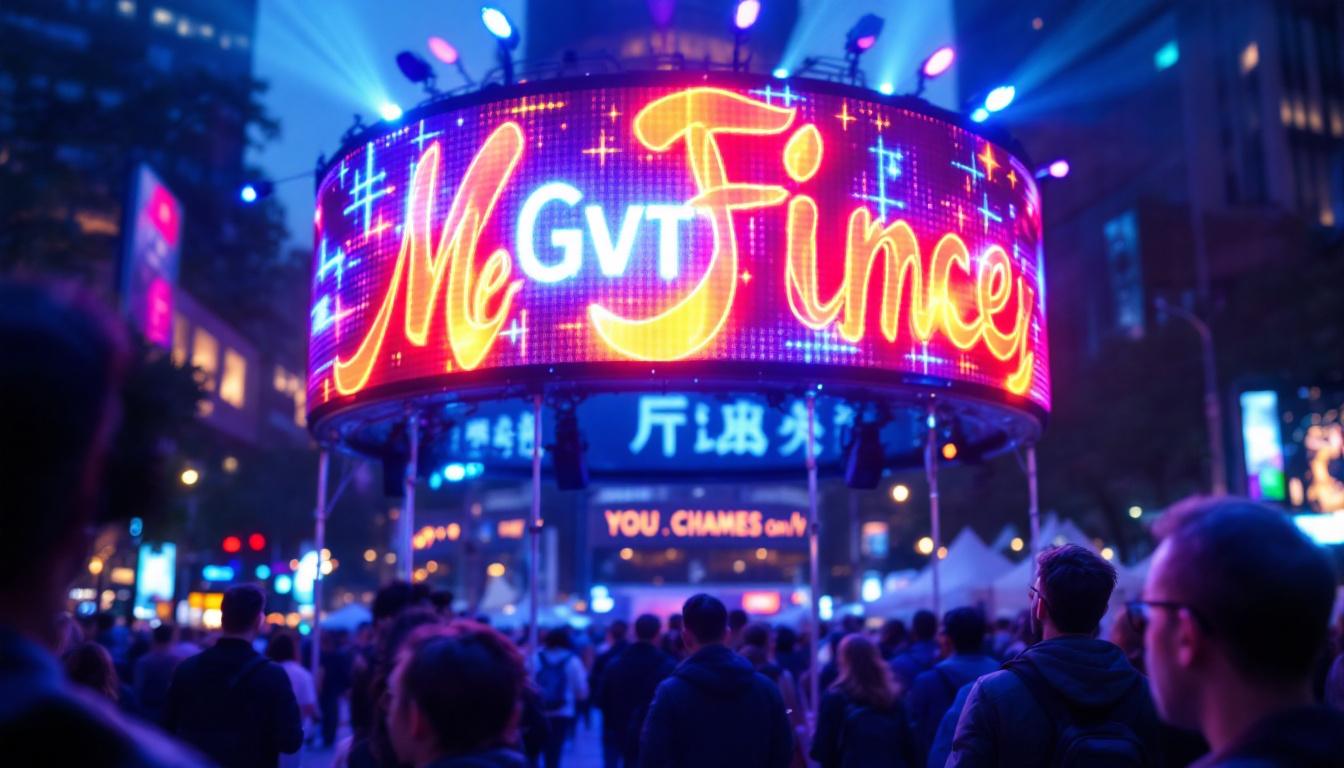
In today’s fast-evolving digital landscape, display technology plays a crucial role in how information is presented and consumed. Among the various display types, LED displays have gained remarkable traction due to their brightness, energy efficiency, and versatility. This article delves into the concept of viewpoint monitors with a focus on LED display technology, explaining their significance, how they work, and why they are becoming the preferred choice across industries.
Understanding Viewpoint Monitors
What Is a Viewpoint Monitor?
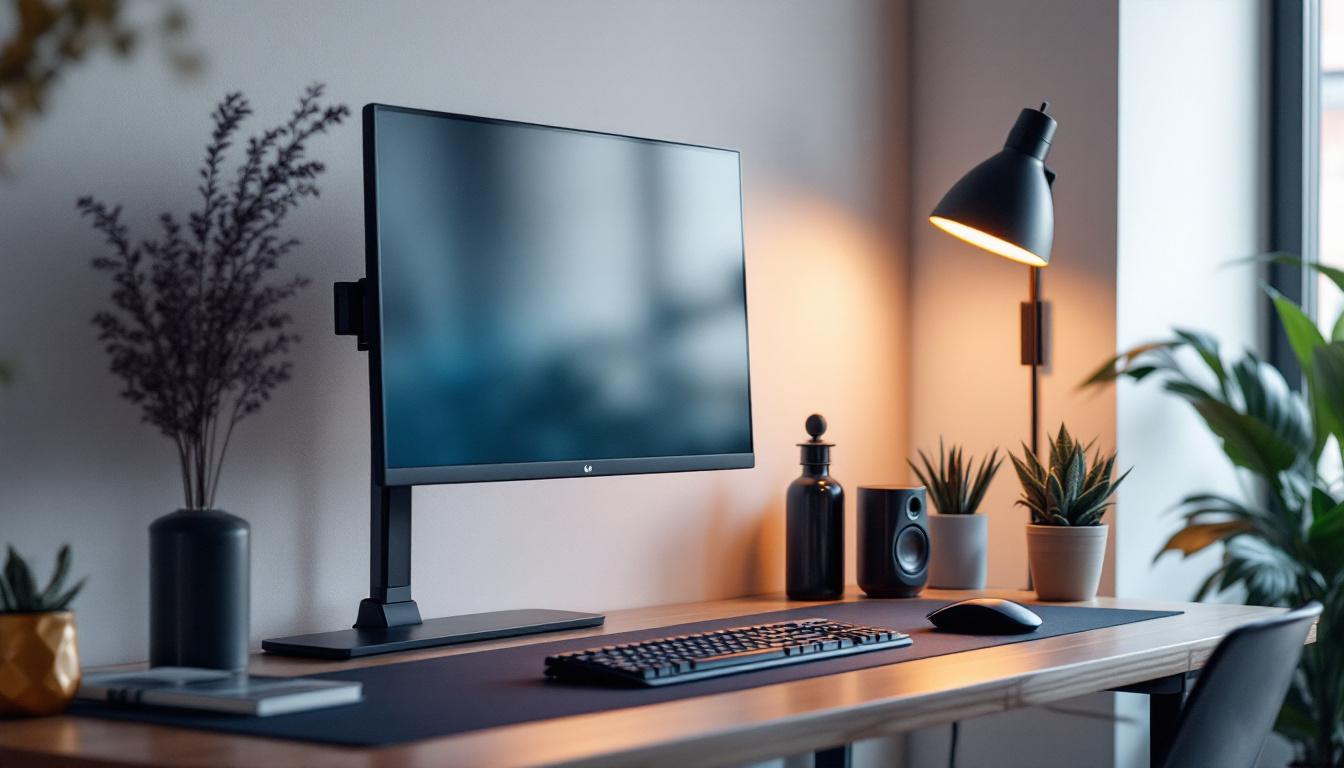
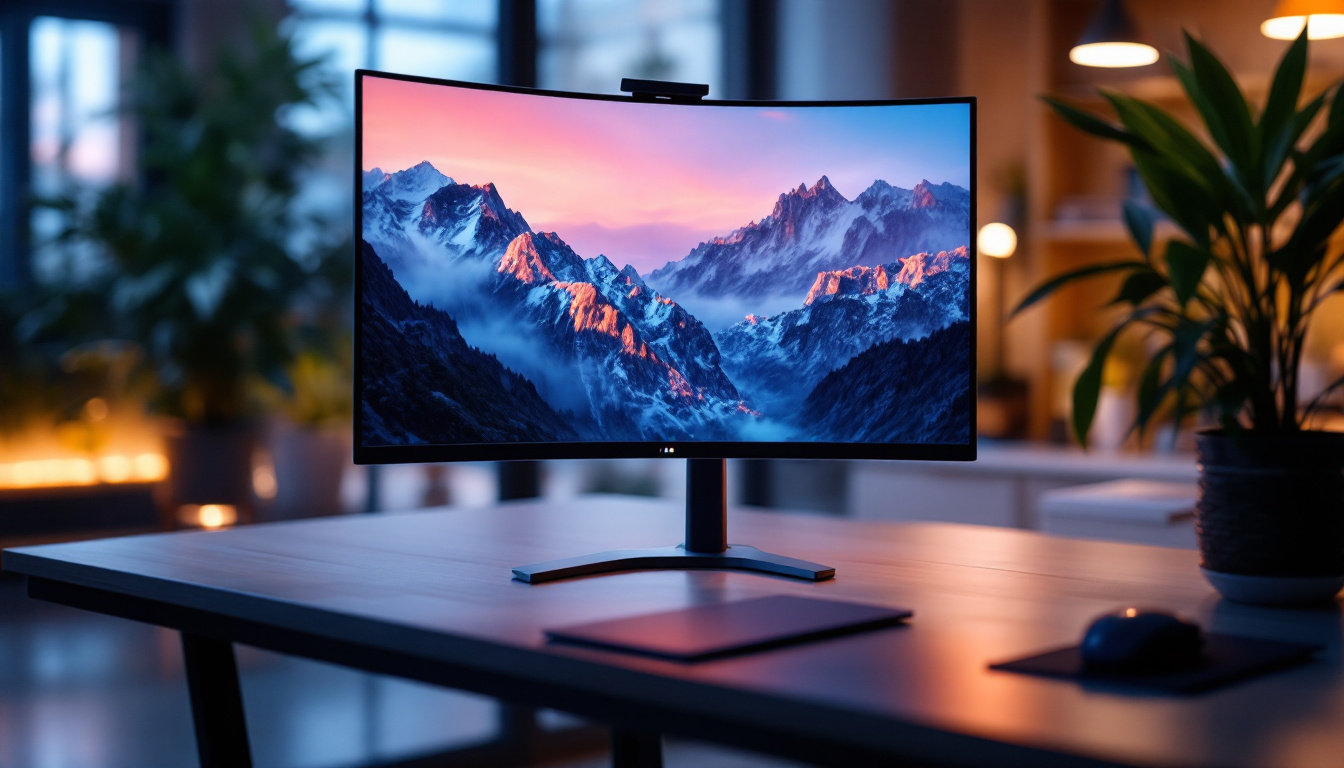
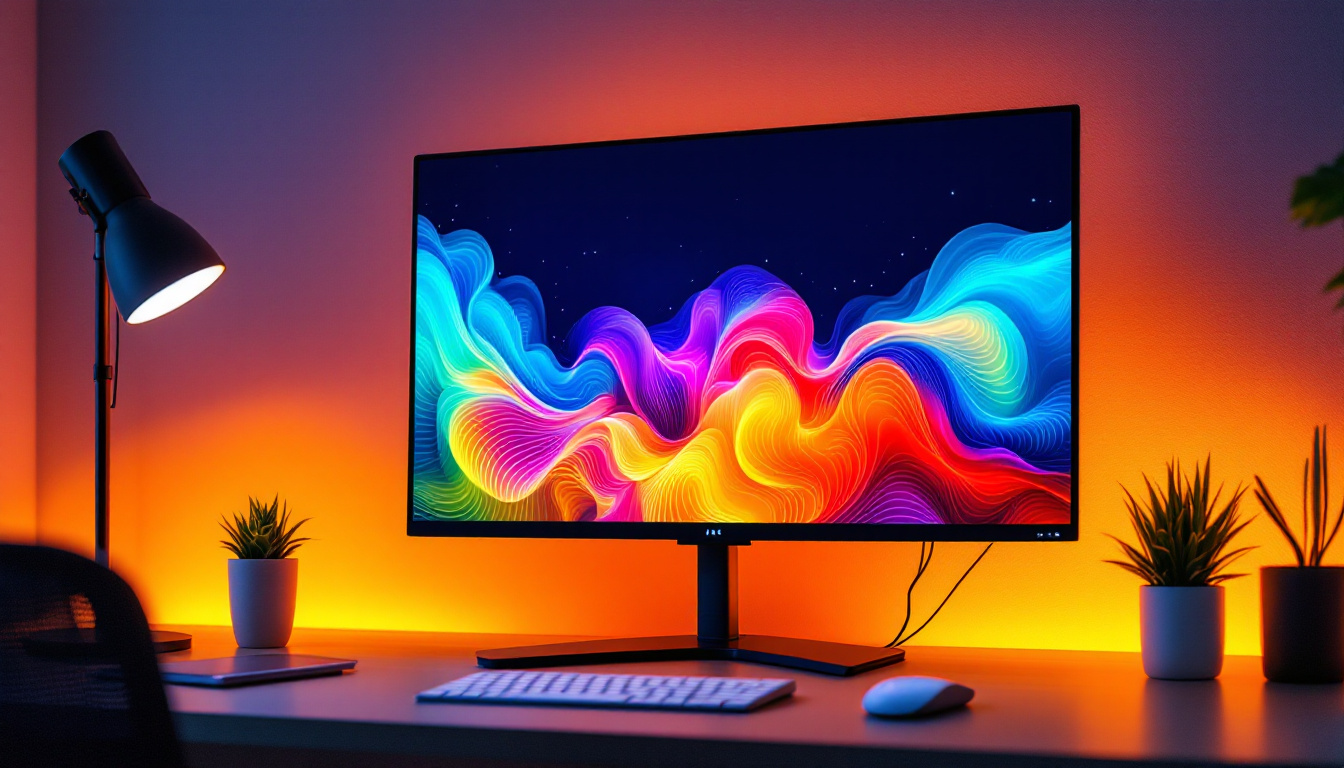
A viewpoint monitor is a display device designed to deliver optimal visibility and clarity from a specific viewing angle or multiple angles. Unlike traditional monitors that prioritize a single frontal viewing position, viewpoint monitors are engineered to maintain image quality and color accuracy even when viewed from different perspectives. This feature is essential in environments where multiple users or audiences need to see the same screen clearly, such as control rooms, collaborative workspaces, or public information displays.
Viewpoint monitors often incorporate advanced technologies to enhance viewing angles, reduce glare, and improve contrast. This ensures that the displayed content remains legible and vibrant regardless of the viewer’s position relative to the screen. Some models utilize IPS (In-Plane Switching) technology, which allows for wider viewing angles and better color reproduction, making them ideal for professional applications where precision is key. Additionally, many viewpoint monitors come equipped with anti-reflective coatings that minimize glare from overhead lighting, further improving visibility in brightly lit environments.
Why Viewpoint Matters
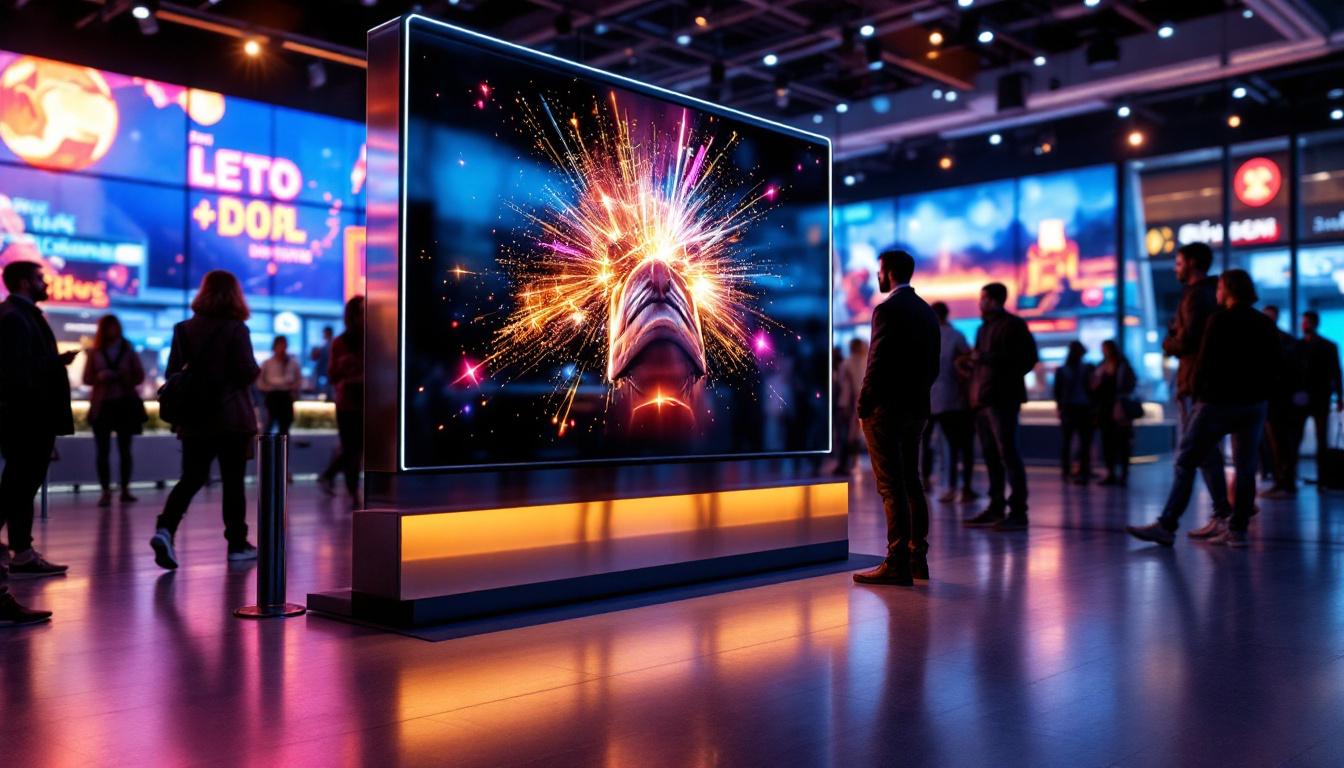
In many professional and public settings, displays are not viewed head-on. For instance, in a conference room, participants may be seated around a table, each with a different angle to the screen. Similarly, digital signage in retail stores or transportation hubs must be visible and readable from various vantage points. Poor viewing angles can lead to color distortion, reduced brightness, and overall diminished user experience. This issue is particularly pronounced in large venues, where the distance from the screen can exacerbate visibility problems, making viewpoint monitors an essential consideration for effective communication.
Therefore, viewpoint monitors are critical in maintaining consistent image quality and ensuring that information is communicated effectively to all viewers. This is particularly important for applications where accuracy and clarity are paramount, such as medical imaging, air traffic control, and live event broadcasting. In these high-stakes environments, even minor discrepancies in display quality can have significant consequences. Furthermore, the integration of viewpoint monitors can enhance collaboration and engagement, allowing teams to work together more effectively by ensuring that everyone has access to the same high-quality visual information, regardless of their position in the room. As technology continues to evolve, the importance of viewpoint monitors will only grow, paving the way for more immersive and interactive viewing experiences across various industries.
LED Display Technology: The Basics
What Is an LED Display?
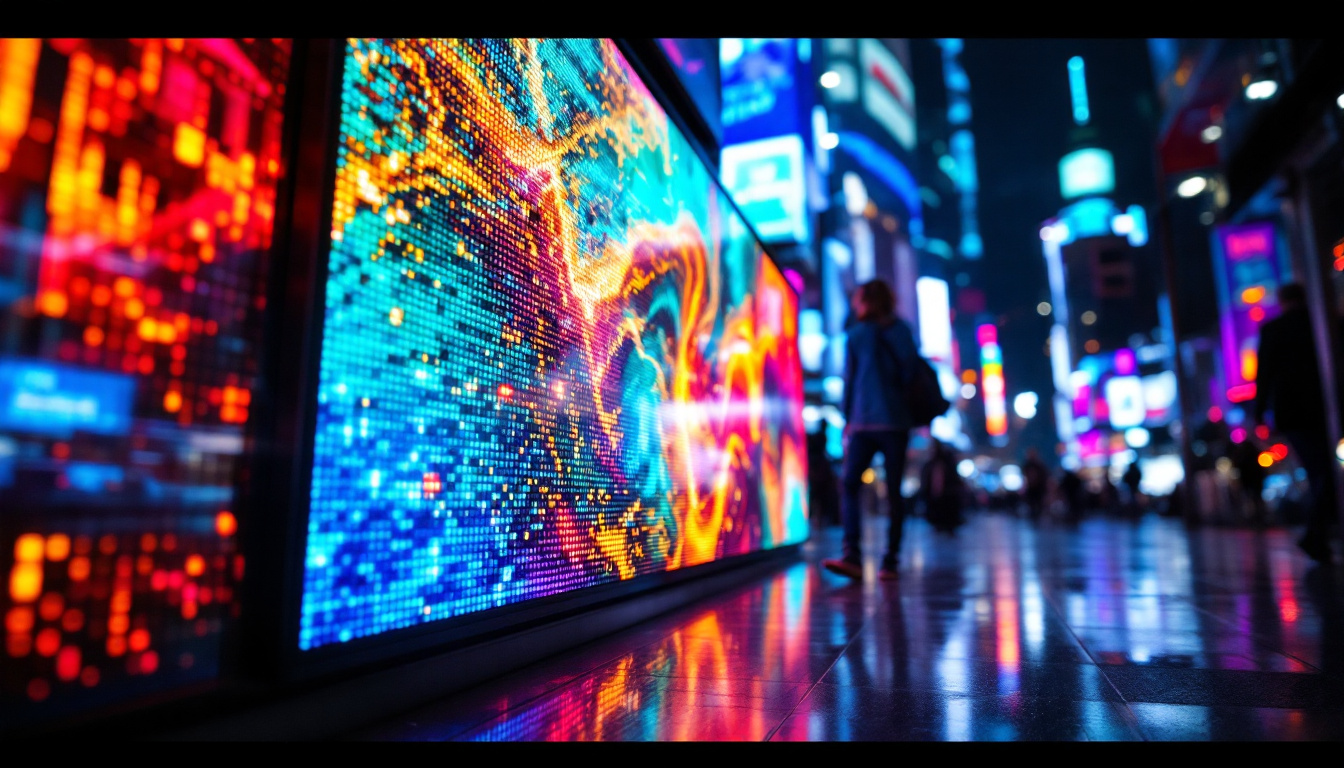
LED, or Light Emitting Diode, displays use an array of tiny light-emitting diodes to produce images. Unlike traditional LCD screens that rely on backlighting, LED displays generate their own light. This fundamental difference allows LED screens to achieve higher brightness levels, better contrast ratios, and more vibrant colors.
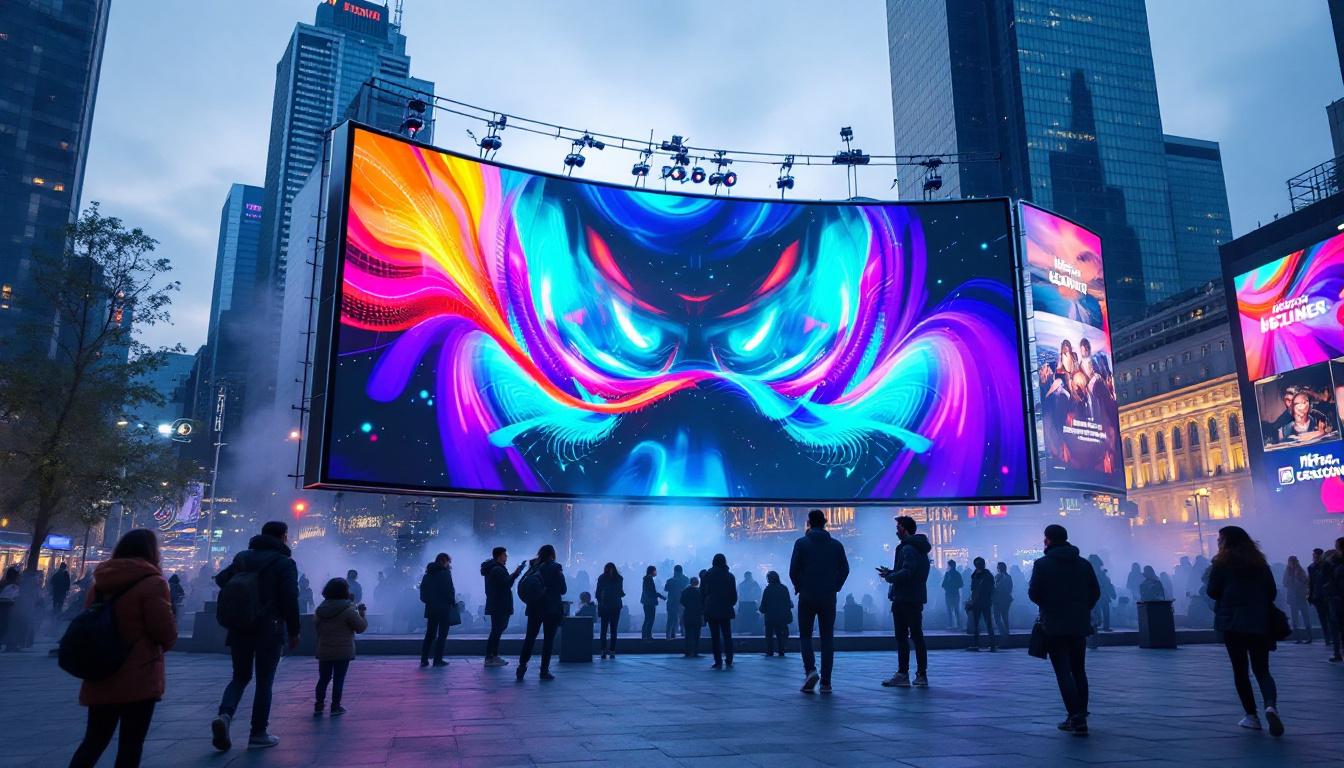
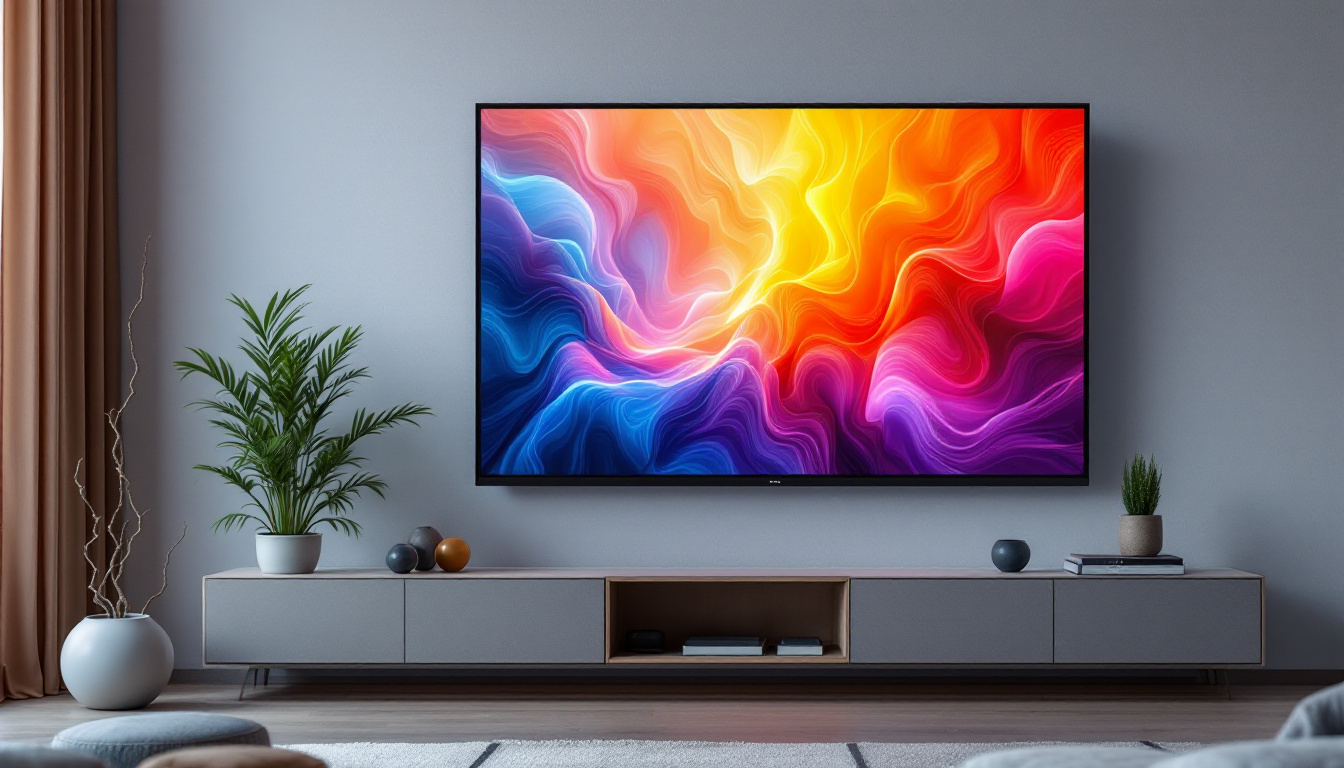
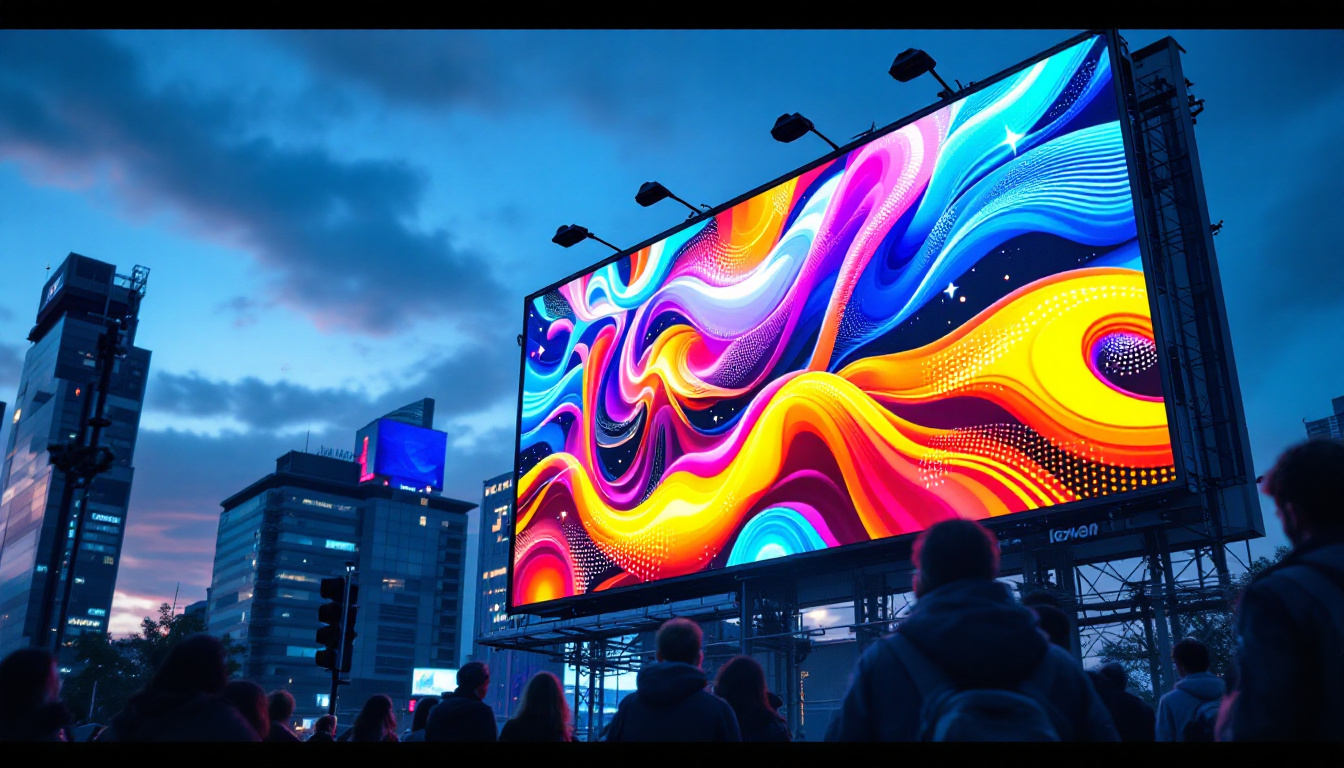
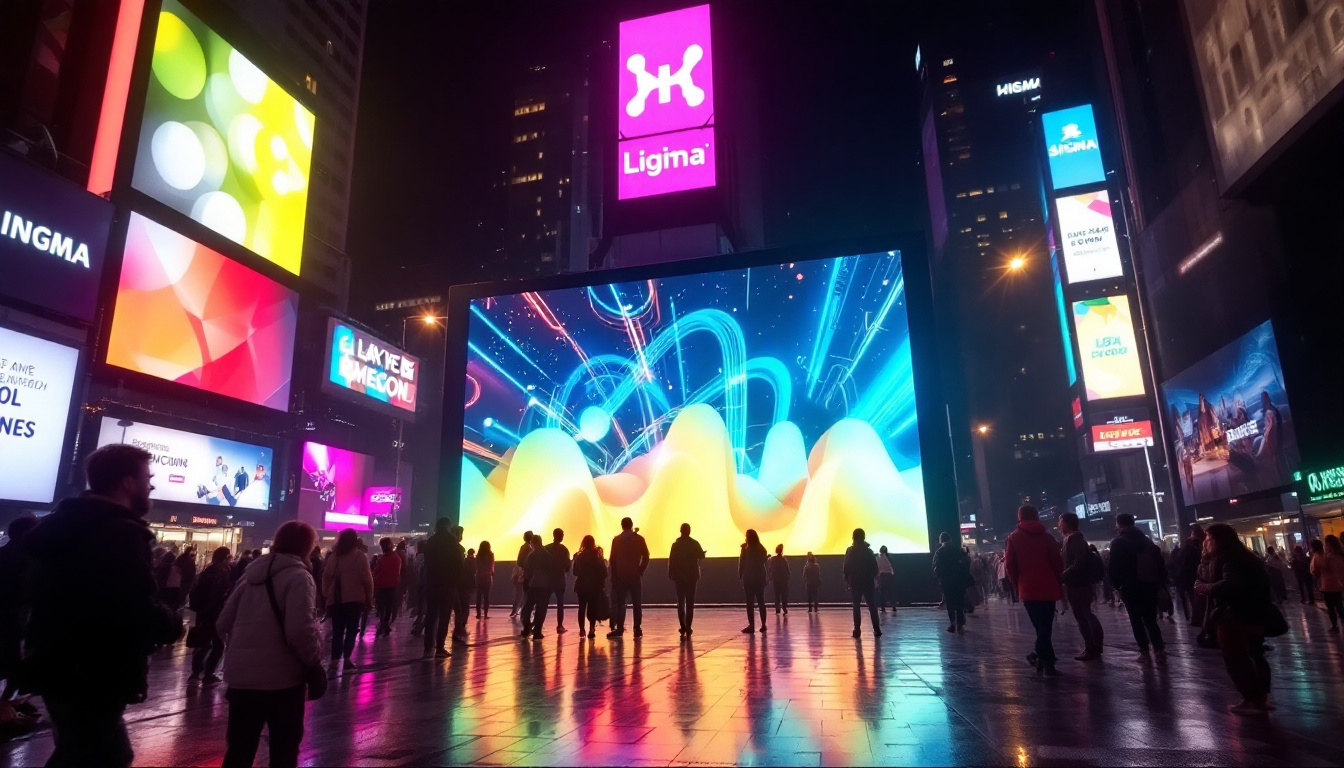
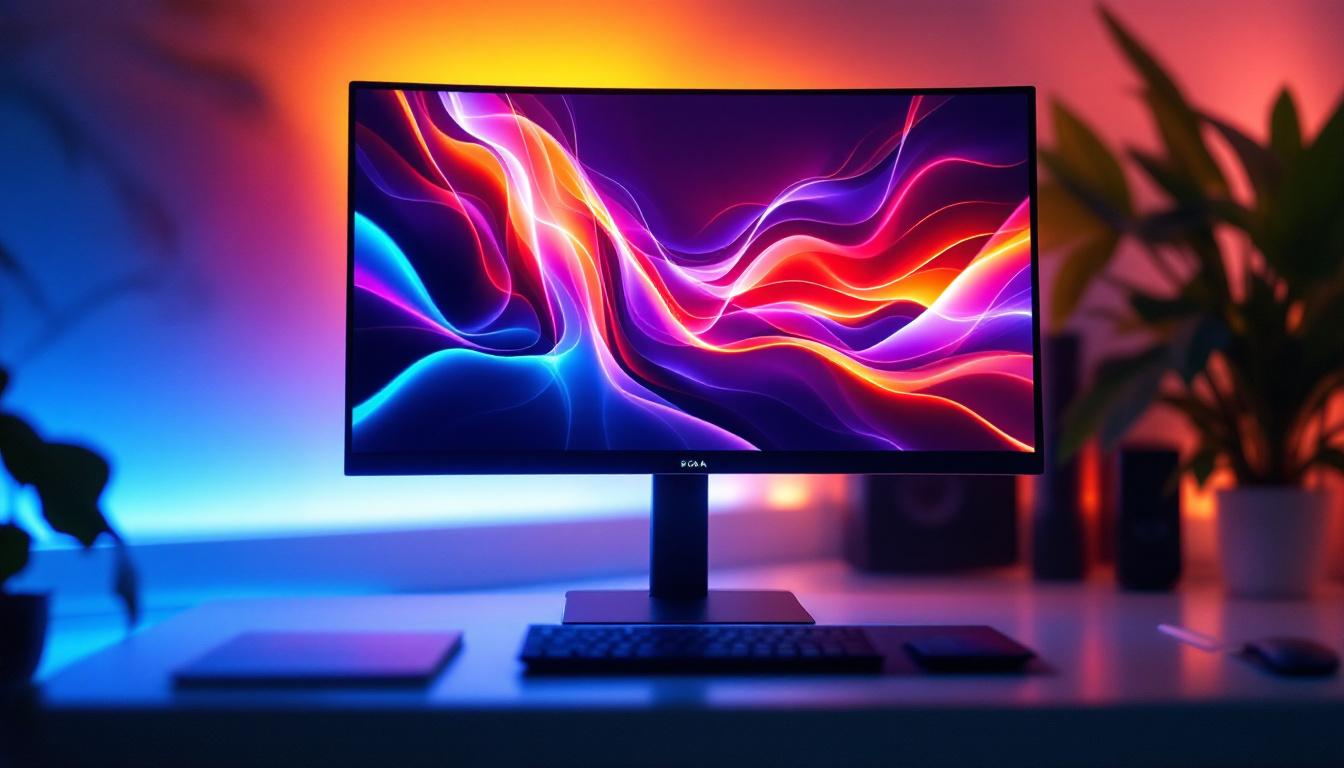
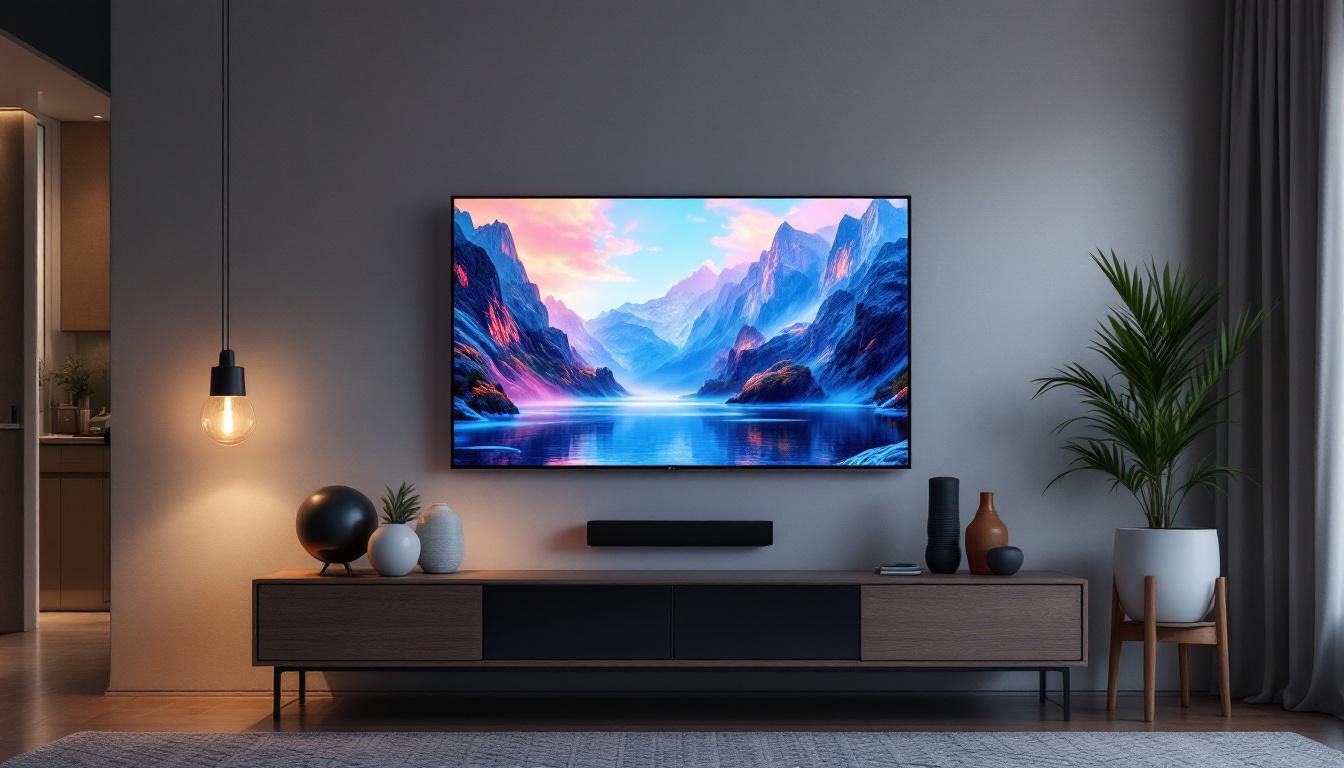
LED displays come in two primary forms: direct-view LED and LED-backlit LCD. Direct-view LED displays consist entirely of LEDs that form the pixels, making them ideal for large-scale applications like stadium screens and outdoor billboards. LED-backlit LCDs, on the other hand, use LEDs as a backlight source for an LCD panel, common in consumer televisions and computer monitors.
Advantages of LED Displays
LED displays offer several advantages that make them suitable for viewpoint monitors:
- High Brightness: LEDs can produce intense light, making displays easily visible even in bright ambient conditions.
- Wide Color Gamut: LED technology supports a broad range of colors, enhancing image richness and realism.
- Energy Efficiency: LEDs consume less power compared to other display technologies, reducing operational costs.
- Long Lifespan: LEDs have a longer operational life, often exceeding 50,000 hours, which translates to lower maintenance.
- Thin and Lightweight: LED displays can be manufactured to be slim and lightweight, facilitating installation and integration.
Integrating LED Technology into Viewpoint Monitors
Enhancing Viewing Angles with LED
One of the challenges in display technology is maintaining consistent image quality across wide viewing angles. LED displays inherently support wider viewing angles compared to traditional LCDs due to their self-emissive nature. Each LED pixel emits light directly, which reduces the need for complex backlight diffusion systems that can degrade image quality at oblique angles.
Manufacturers enhance this capability by optimizing the LED pixel arrangement and employing advanced optical films that direct light more uniformly. This results in viewpoint monitors that retain brightness, color accuracy, and contrast even when viewed from angles exceeding 160 degrees horizontally and vertically.
Addressing Glare and Ambient Light
Ambient light and glare can significantly impact the readability of displays, especially in environments such as airports, shopping malls, or outdoor venues. LED viewpoint monitors often incorporate anti-reflective coatings and high-contrast panels to mitigate these issues.
Additionally, the high brightness levels achievable with LED displays help overcome the effects of ambient light, ensuring that content remains visible and clear. This is a critical advantage over other display technologies that may wash out under strong lighting conditions.
Customization and Scalability
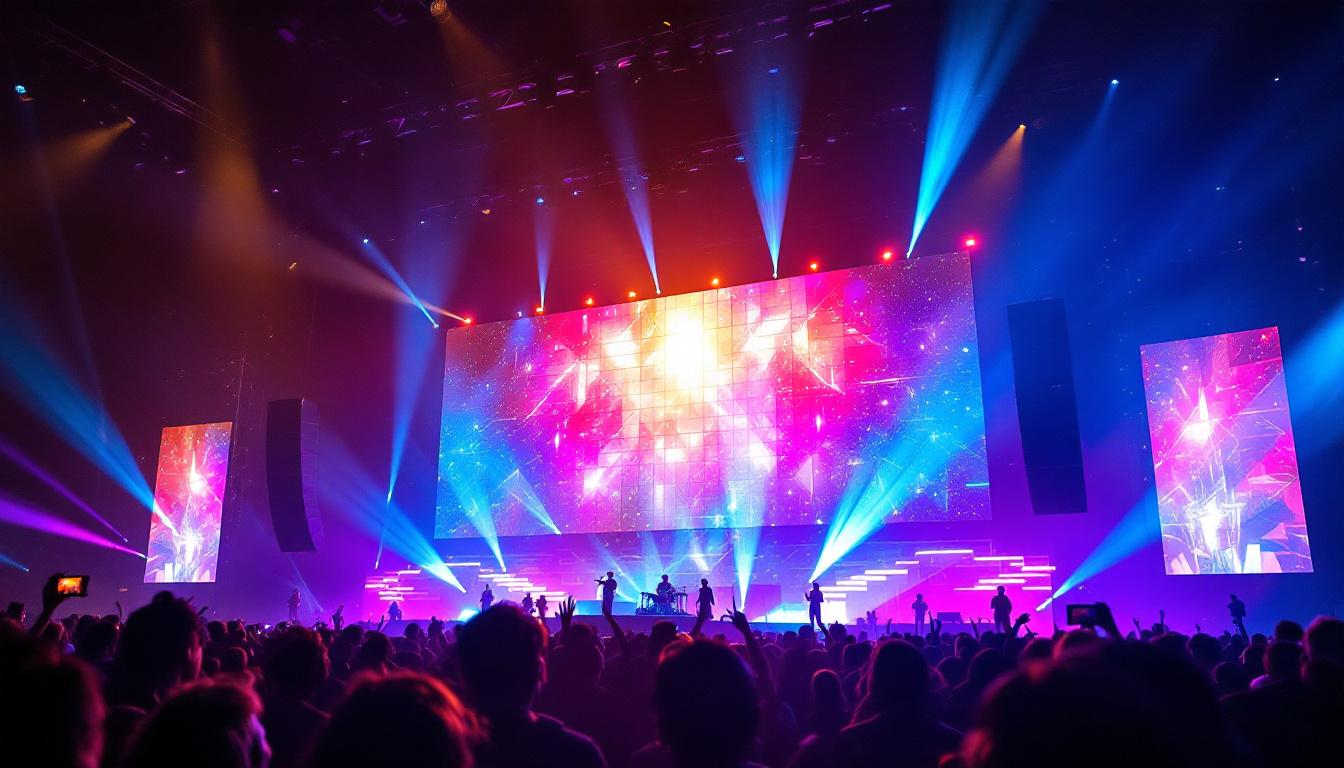
LED viewpoint monitors are highly customizable in terms of size, resolution, and pixel pitch (the distance between individual LEDs). This flexibility allows them to be tailored to specific applications, whether it’s a compact monitor for a control desk or a massive video wall for a concert stage.
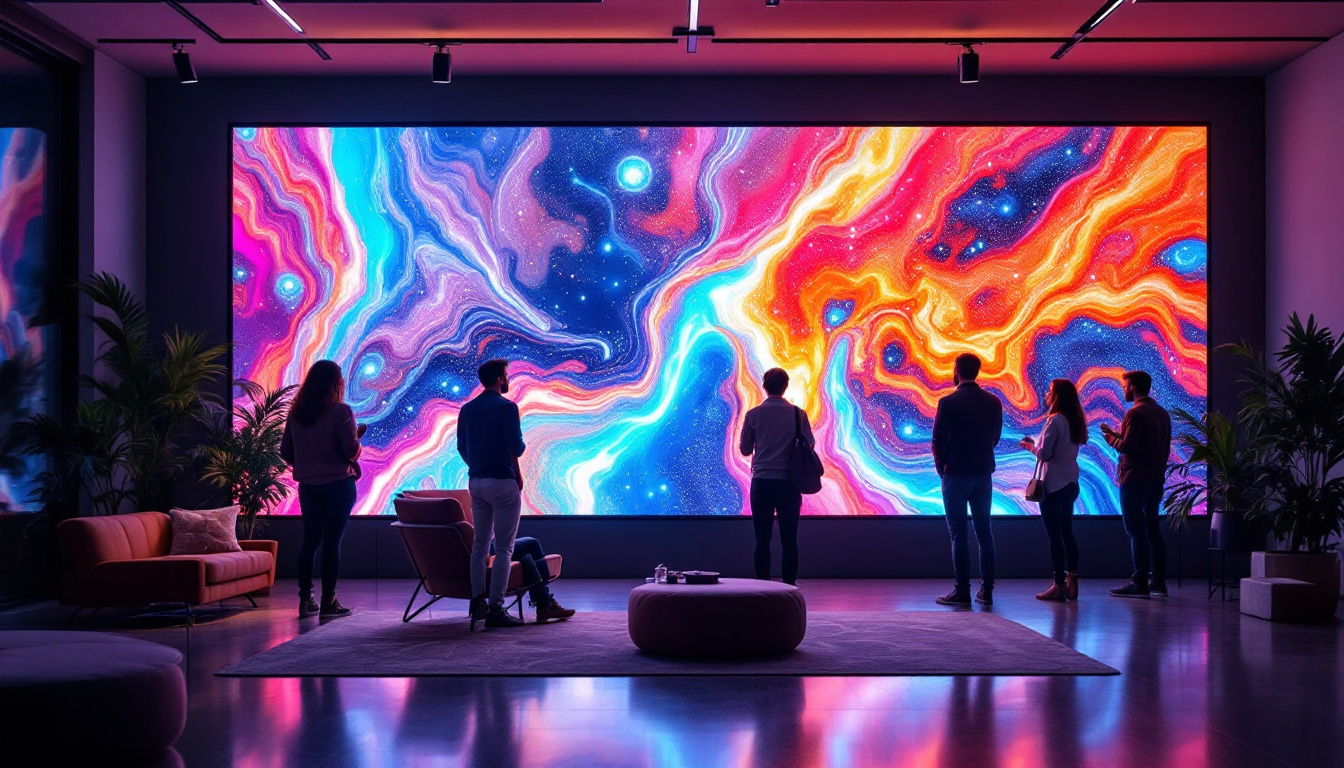
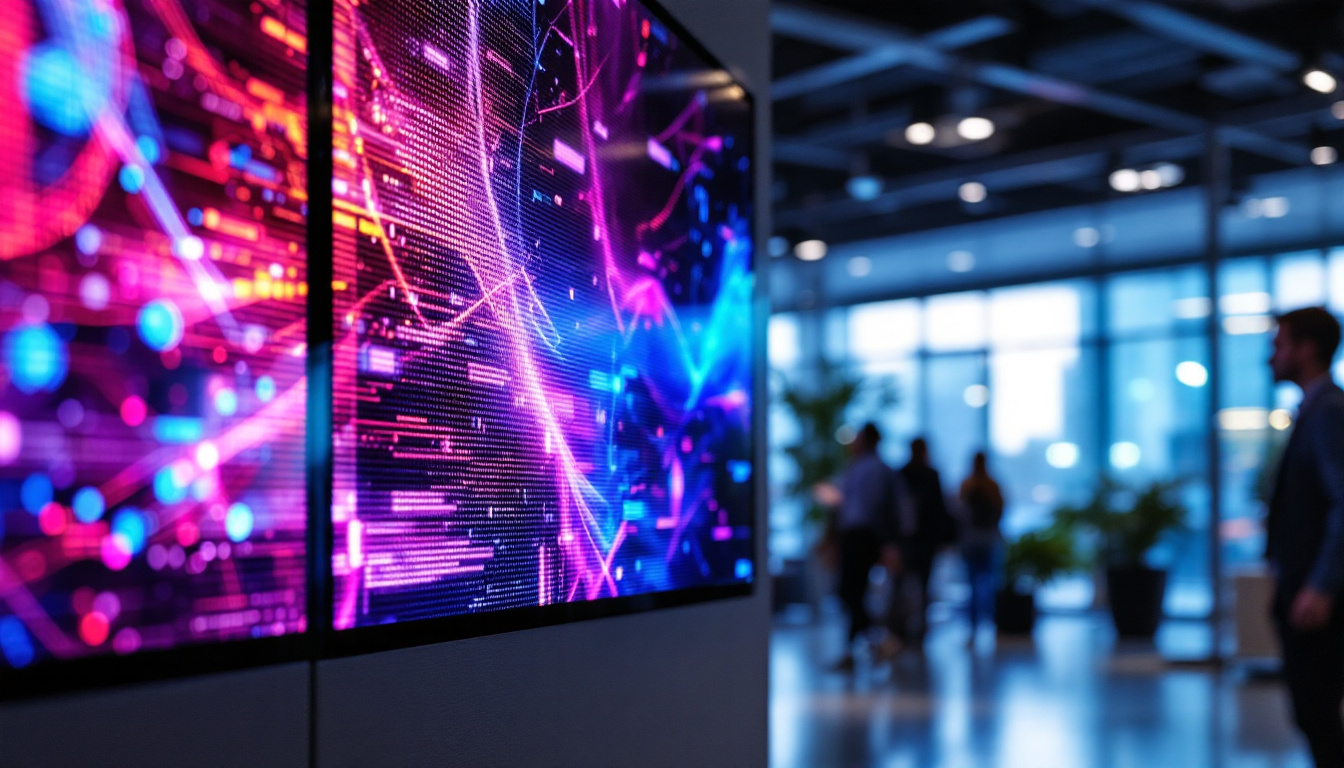
Scalability is another key benefit. Multiple LED panels can be seamlessly tiled to create larger displays without compromising image continuity. This makes LED viewpoint monitors ideal for environments that require expansive visual real estate with consistent quality across the entire surface.
Applications of LED Viewpoint Monitors
Control Rooms and Command Centers
In control rooms for utilities, transportation, and emergency services, operators must monitor multiple data streams simultaneously. LED viewpoint monitors provide the clarity and wide viewing angles necessary for teams to collaborate effectively, ensuring that critical information is accessible from various positions within the room.
Retail and Advertising
Retail environments use LED viewpoint monitors to attract customers and convey promotional messages. The ability to maintain vibrant images and readable text from different angles increases engagement and enhances the overall shopping experience. Digital signage powered by LED displays has been shown to boost sales by up to 30% in some retail studies.
Broadcast and Live Events
Broadcast studios and live event venues rely on LED viewpoint monitors for real-time monitoring and audience displays. The superior brightness and color fidelity ensure that both production teams and audiences receive accurate visual information, regardless of their location relative to the screen.
Healthcare and Medical Imaging
Accurate visualization is vital in medical diagnostics. LED viewpoint monitors enable multiple healthcare professionals to view high-resolution images simultaneously without color distortion or loss of detail, facilitating better diagnosis and collaborative decision-making.
Future Trends in LED Viewpoint Monitor Technology
MicroLED and MiniLED Innovations
Emerging technologies like MicroLED and MiniLED are set to revolutionize viewpoint monitors. MicroLED displays use microscopic LEDs to create pixels, offering even higher brightness, contrast, and energy efficiency. MiniLED technology enhances traditional LED-backlit LCDs by using thousands of tiny LEDs for more precise local dimming, improving contrast and black levels.
These advancements promise to deliver viewpoint monitors with unprecedented image quality, thinner profiles, and greater durability, expanding their applicability across more demanding environments.
Integration with Smart Technologies
Integration with AI and IoT is another trend shaping the future of LED viewpoint monitors. Smart displays can adjust brightness and color settings dynamically based on ambient conditions and viewer positions, optimizing visibility and reducing eye strain.
Additionally, networked viewpoint monitors enable centralized control and content management, streamlining operations in multi-display setups such as digital signage networks and control centers.
Choosing the Right LED Viewpoint Monitor
Key Considerations
Selecting an LED viewpoint monitor requires careful consideration of several factors:
- Viewing Angle Requirements: Determine the range of angles from which the display must be visible without quality loss.
- Resolution and Pixel Pitch: Higher resolution and smaller pixel pitch are essential for close-up viewing and detailed content.
- Brightness and Contrast: Assess ambient lighting conditions to select a display with adequate brightness and contrast ratios.
- Size and Scalability: Consider the physical space and whether multiple panels will be needed to achieve the desired display size.
- Durability and Lifespan: Evaluate the expected usage environment and choose a monitor with appropriate durability and maintenance support.
Working with Manufacturers and Integrators
Partnering with experienced manufacturers and system integrators can ensure that the selected LED viewpoint monitor meets specific application needs. Custom solutions often involve tailored pixel arrangements, specialized coatings, and integration with existing infrastructure, all of which require expert guidance.
Moreover, ongoing support and warranty services are critical for maintaining display performance over time, especially in mission-critical environments.
Conclusion
LED viewpoint monitors represent a significant advancement in display technology, combining the inherent benefits of LED lighting with design optimizations that enhance viewing angles and image quality. Their versatility makes them indispensable across a wide range of industries, from control rooms and healthcare to retail and live events.
As LED technology continues to evolve with innovations like MicroLED and smart integration, viewpoint monitors will become even more capable, delivering immersive and reliable visual experiences. Understanding the principles behind these displays and their practical applications is essential for professionals seeking to leverage the full potential of modern digital visualization.
Choosing the right LED viewpoint monitor involves balancing technical specifications with environmental and user requirements, ensuring that the display performs optimally in its intended context. With the right selection and implementation, LED viewpoint monitors can transform how information is shared and perceived, enhancing communication and engagement in any setting.
Discover the Future of LED Displays with LumenMatrix
Ready to elevate your visual communication with cutting-edge LED technology? LumenMatrix is at the forefront of innovation, offering a wide array of LED display solutions that cater to every need. From captivating Indoor and Outdoor LED Wall Displays to dynamic Vehicle and Sports LED Displays, our products are designed to enhance engagement and transform your space. Experience the difference with our specialized LED Poster Displays, Floor LED Displays, and the versatility of Custom and All-in-One LED solutions, including the groundbreaking LED Transparent Display. Embrace the future of digital signage with LumenMatrix and share your message with unparalleled impact and clarity. Check out LumenMatrix LED Display Solutions today and see how we can help you create unforgettable visual experiences.