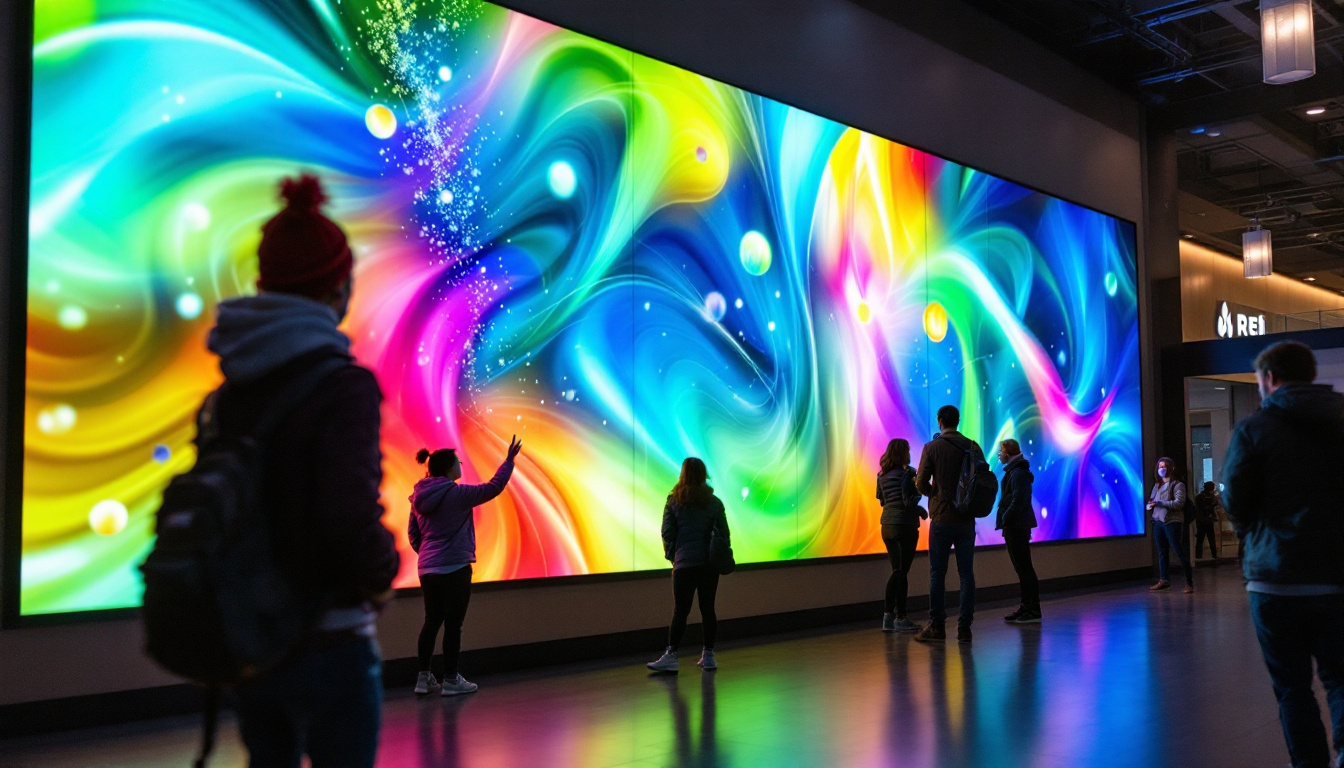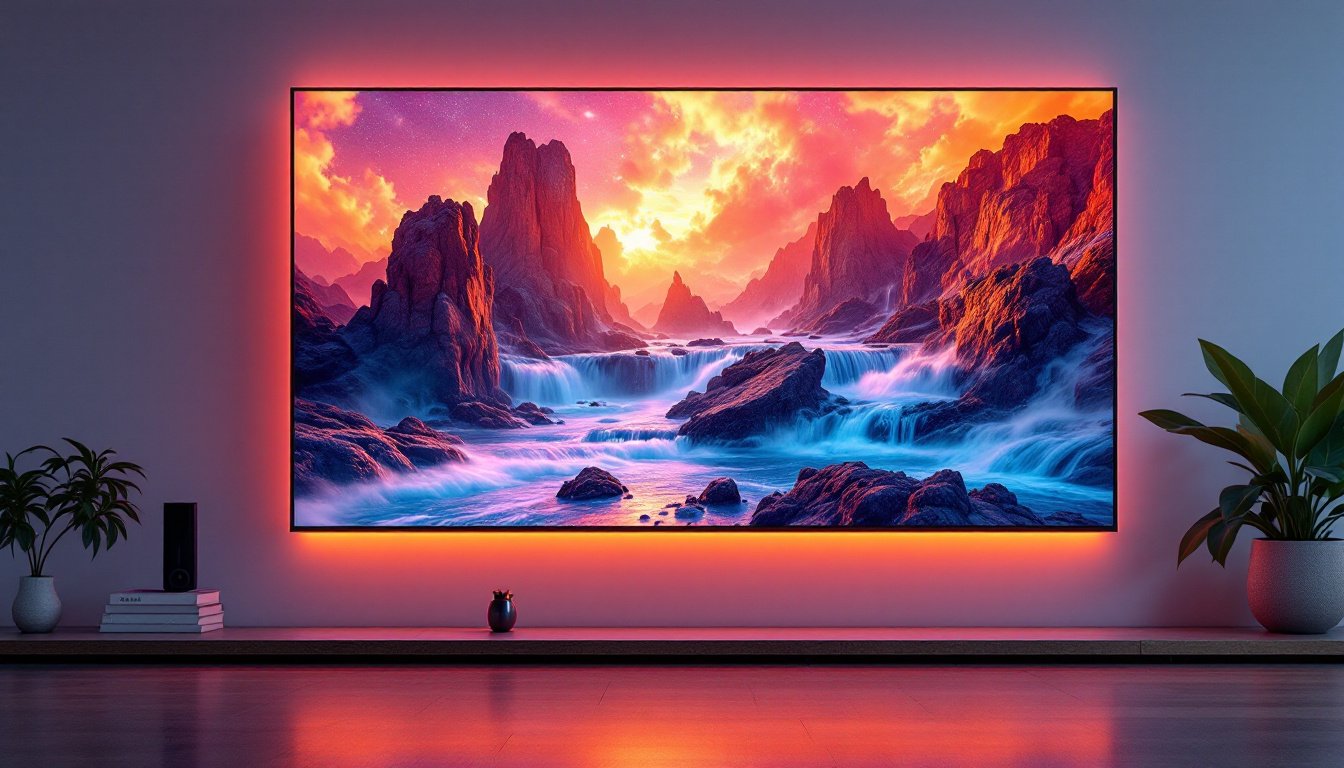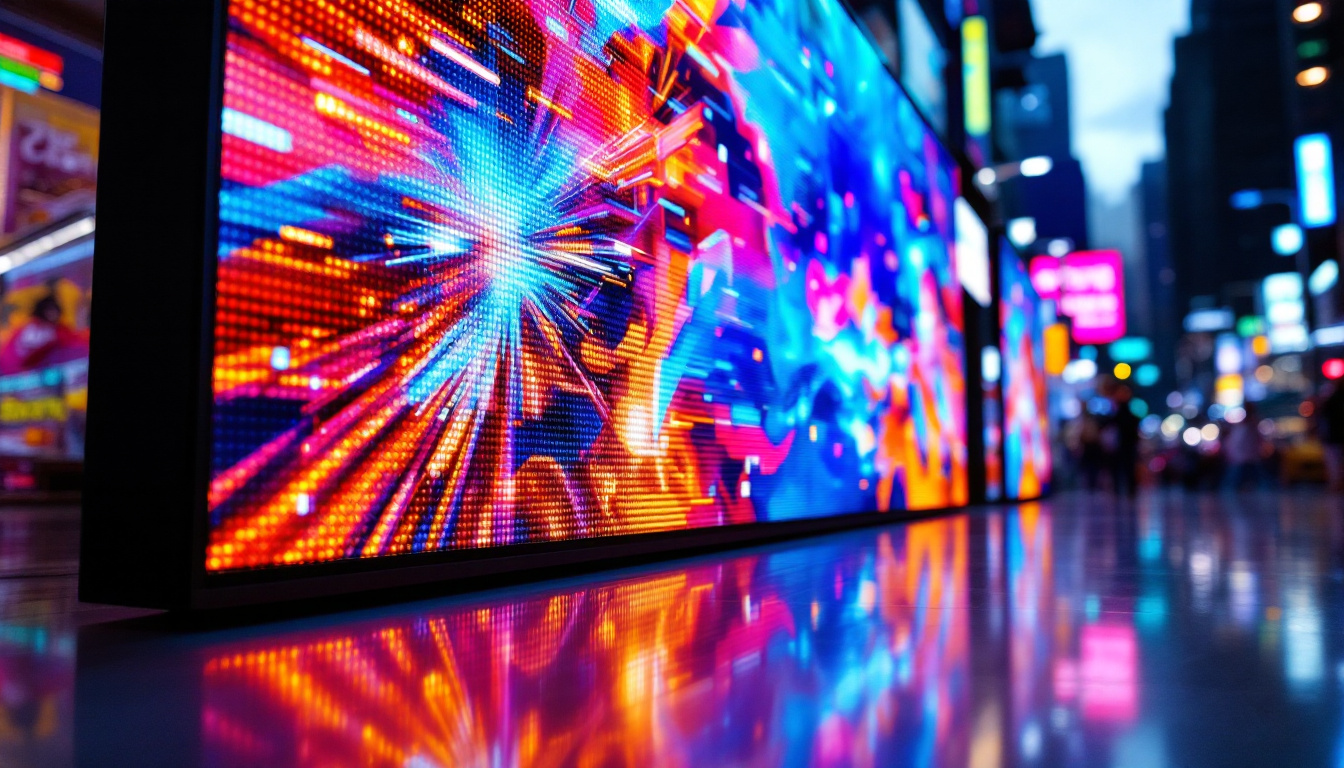
In the rapidly evolving world of broadcast technology, visual display systems play a pivotal role in delivering content with clarity and impact. Among these, LED displays have emerged as a dominant force, revolutionizing how broadcasters present information and engage audiences. This article delves into the intricacies of LED display technology within the broadcast industry, exploring its components, advantages, applications, and future trends.
Understanding LED Display Technology
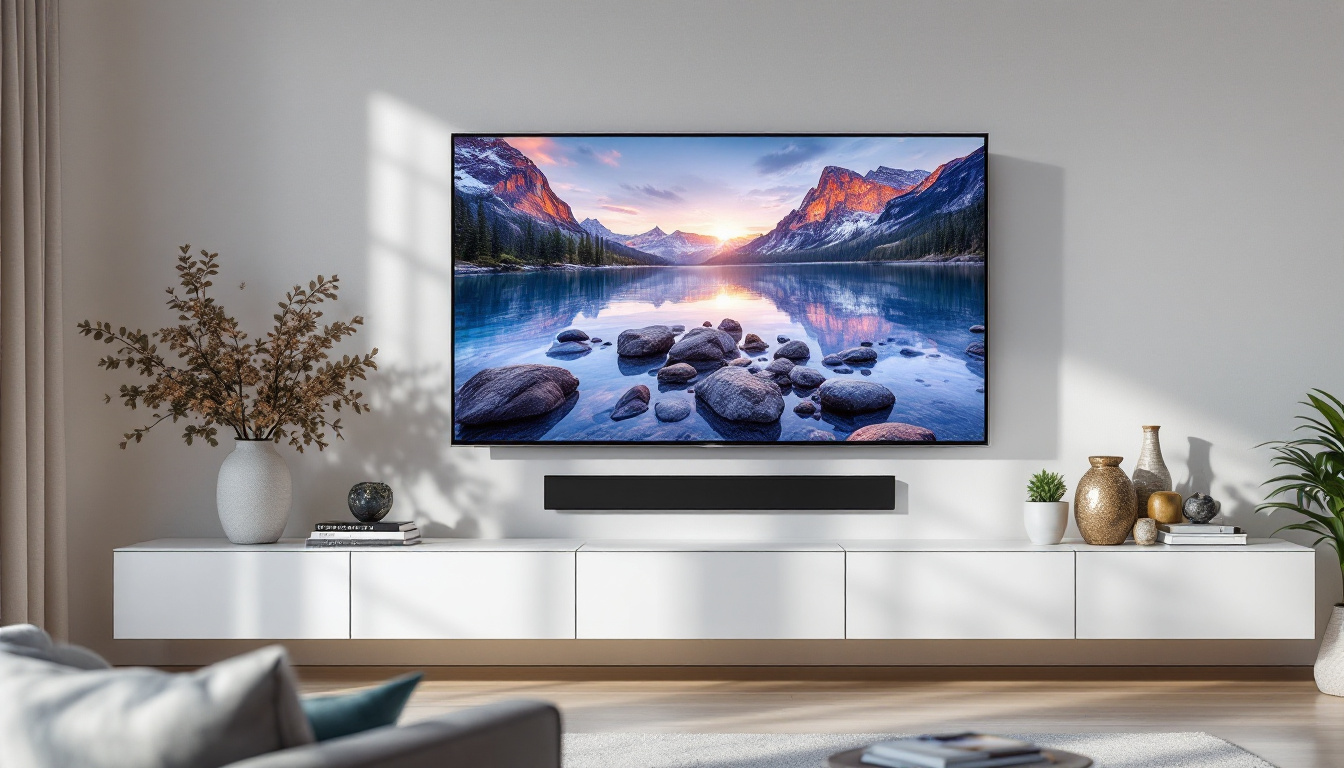
At its core, an LED (Light Emitting Diode) display is a flat panel that uses an array of tiny LEDs to create images and videos. Unlike traditional LCD or plasma screens, LED displays are self-illuminating, meaning each diode emits its own light, resulting in superior brightness and contrast. This self-illumination not only enhances the viewing experience but also allows for thinner and lighter designs, making LED displays more versatile for various applications.
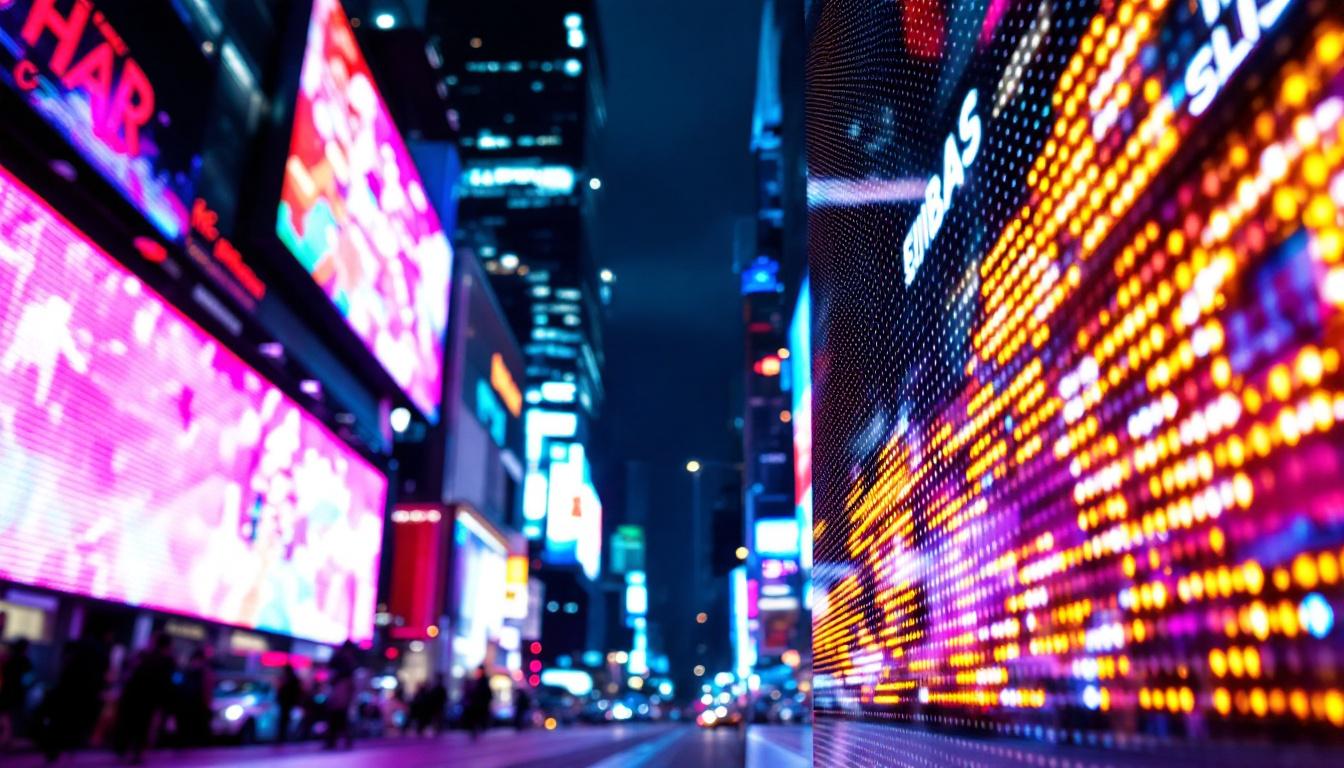
LED displays are composed of numerous pixels, each containing red, green, and blue diodes. By varying the intensity of these diodes, the display can render a full spectrum of colors. This capability is especially crucial in broadcast environments where accurate color representation and high resolution are essential. Furthermore, advancements in technology have led to the development of high dynamic range (HDR) capabilities in LED displays, which provide deeper blacks and brighter whites, further enriching the visual experience for audiences.
Types of LED Displays in Broadcasting
Broadcasting utilizes several types of LED displays, each suited to specific applications:
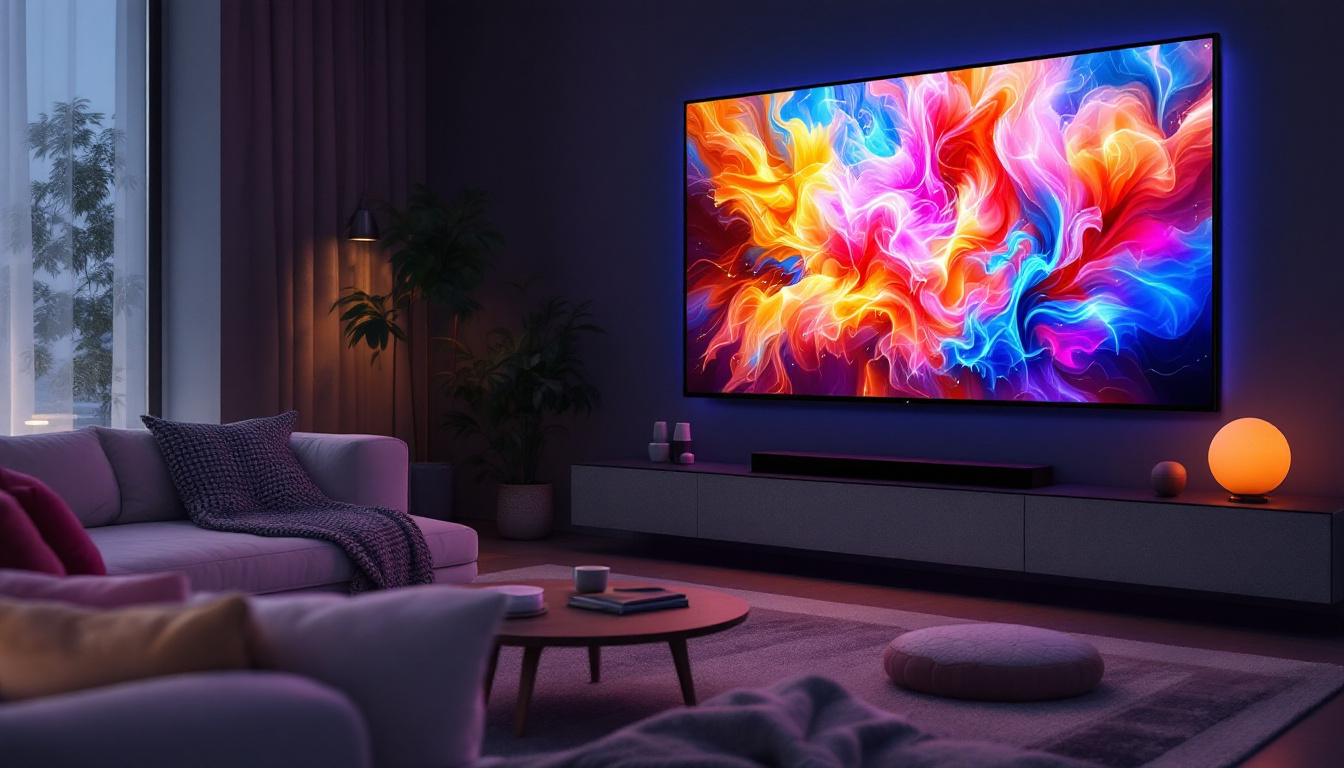
- Indoor LED Displays: Designed for studio environments, these displays offer high resolution and impeccable color accuracy, ideal for newsrooms and control rooms. Their ability to deliver sharp images even under bright studio lights makes them a preferred choice for live broadcasts and presentations.
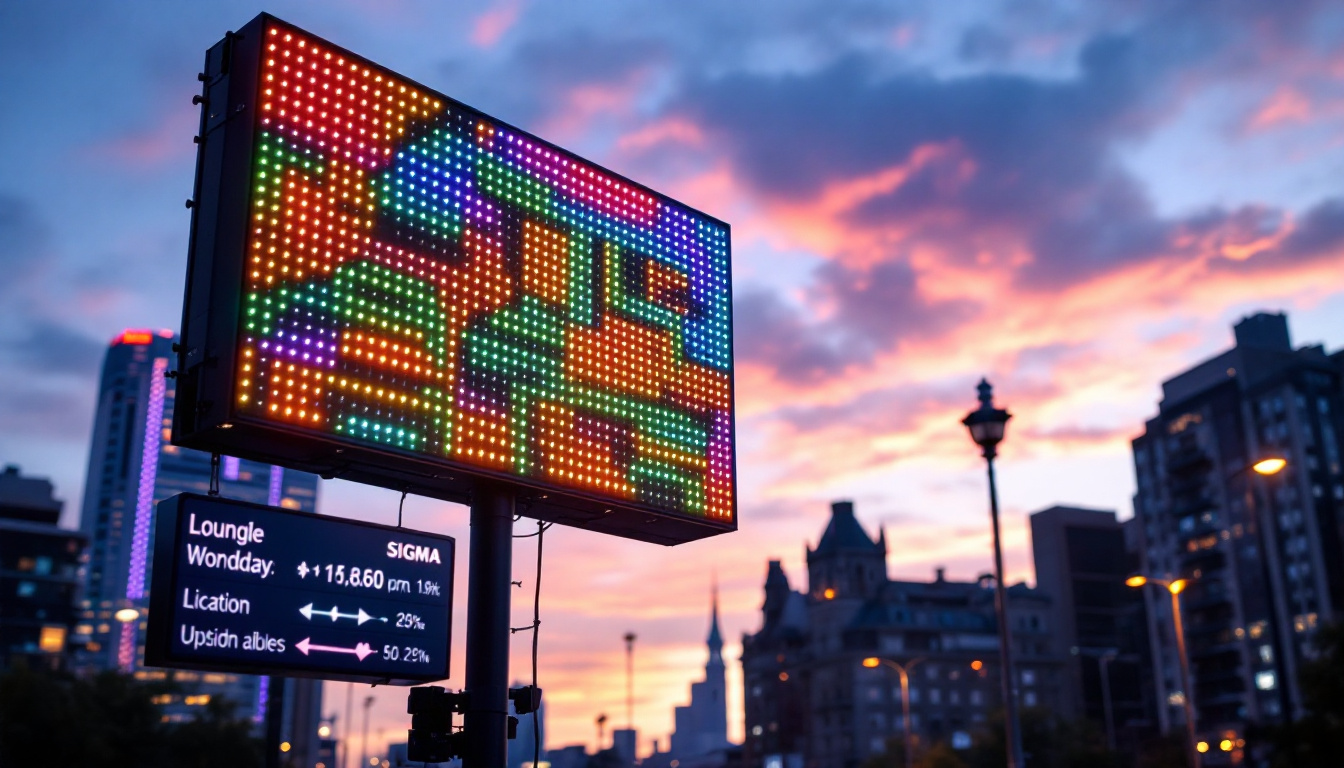
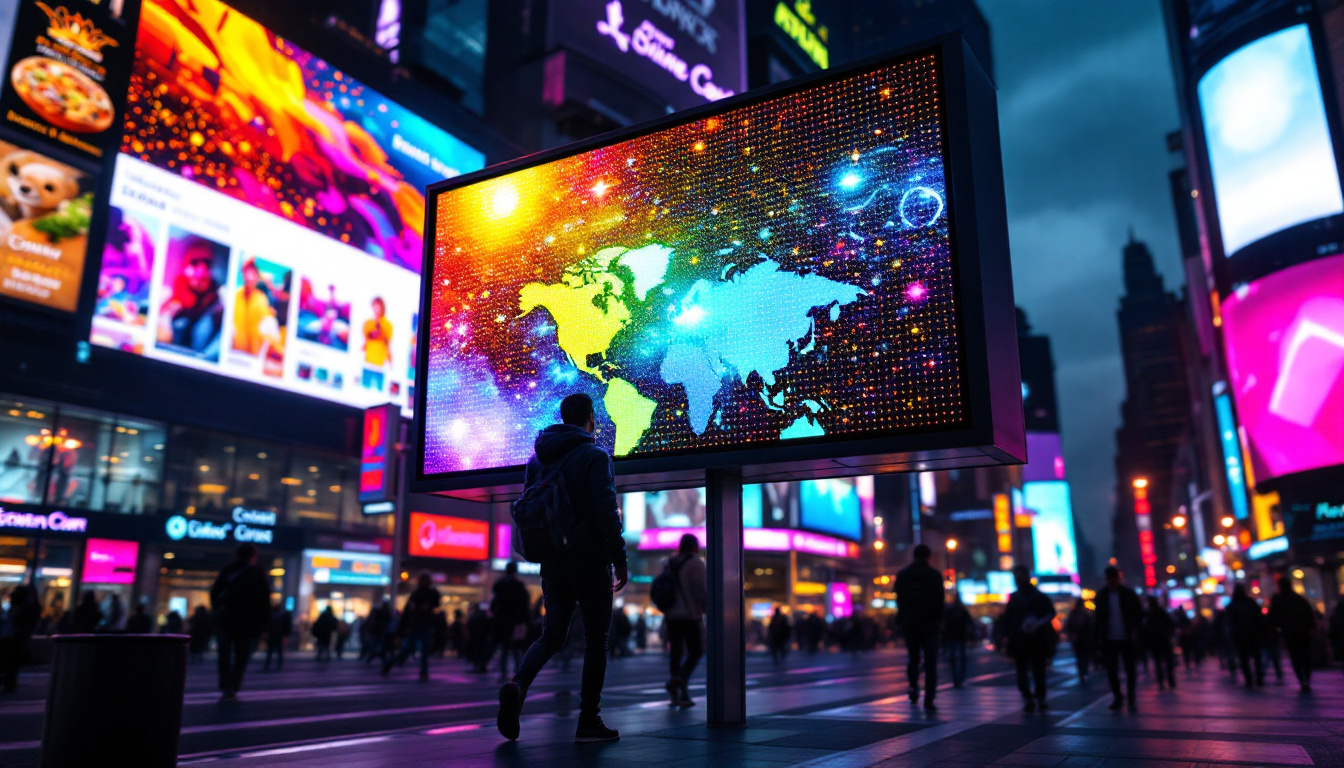
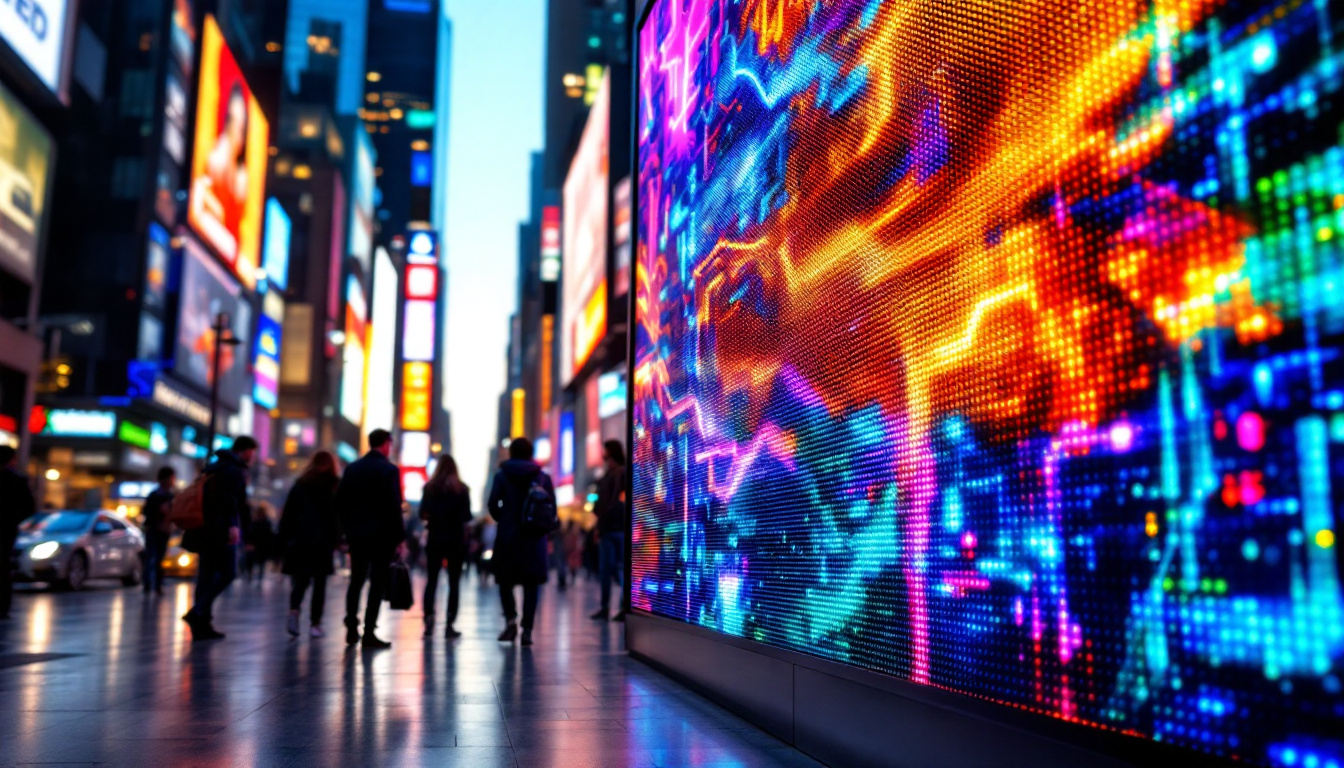
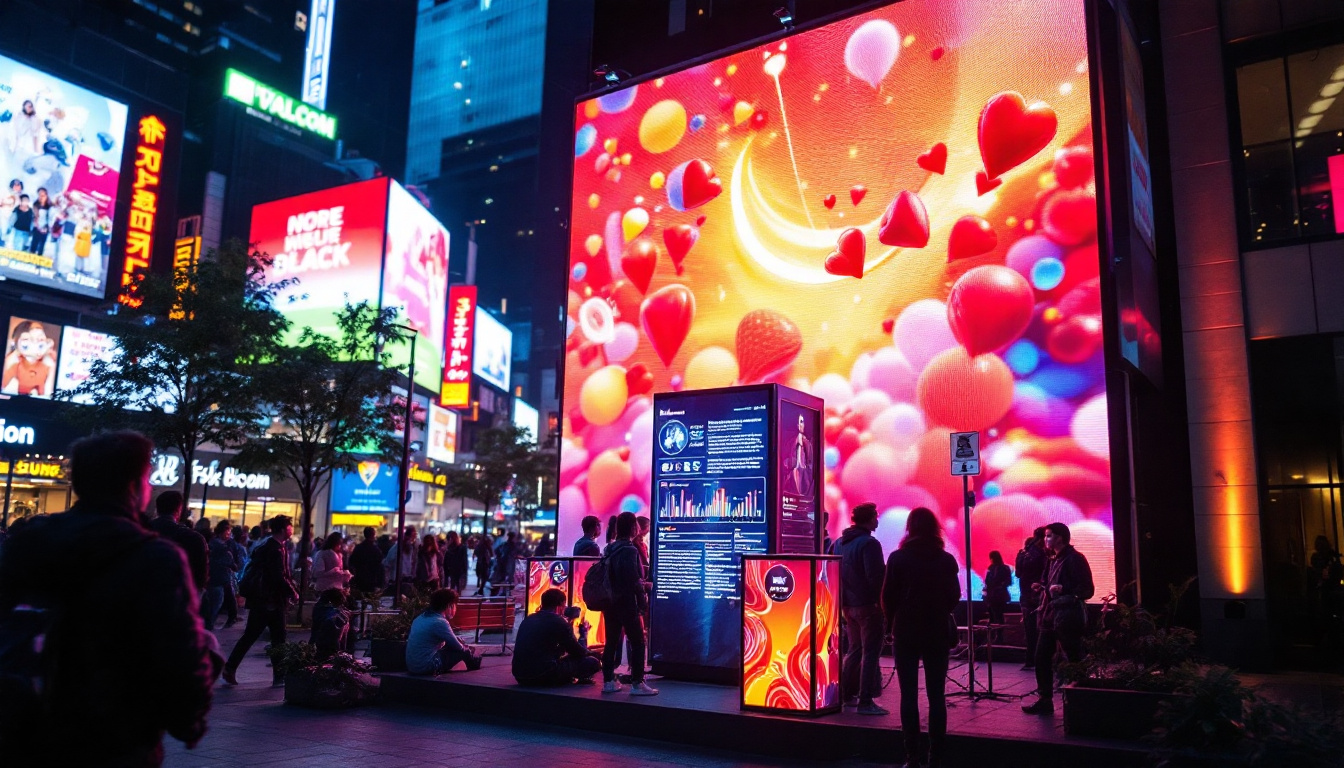
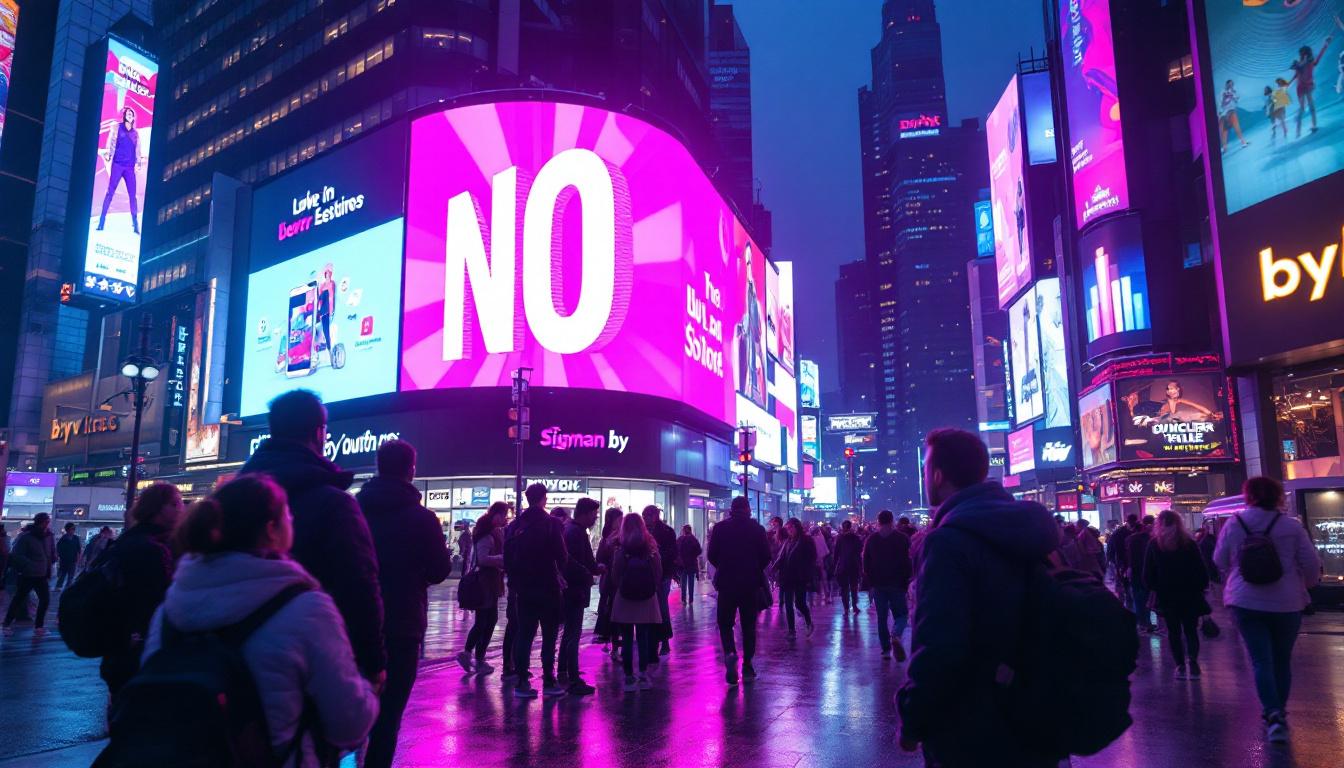
- Outdoor LED Displays: Built to withstand environmental factors such as sunlight, rain, and dust, these displays are commonly used for live event broadcasting and large-scale outdoor advertising. With advancements in technology, outdoor LED displays now feature enhanced brightness levels, ensuring visibility even in direct sunlight, which is crucial for capturing the attention of passersby.
- Transparent LED Displays: A newer innovation, these displays allow light to pass through, enabling broadcasters to integrate digital content seamlessly into physical sets or glass surfaces. This technology opens up new creative possibilities for storytelling, allowing for dynamic backgrounds that can change in real-time while maintaining the integrity of the physical environment.
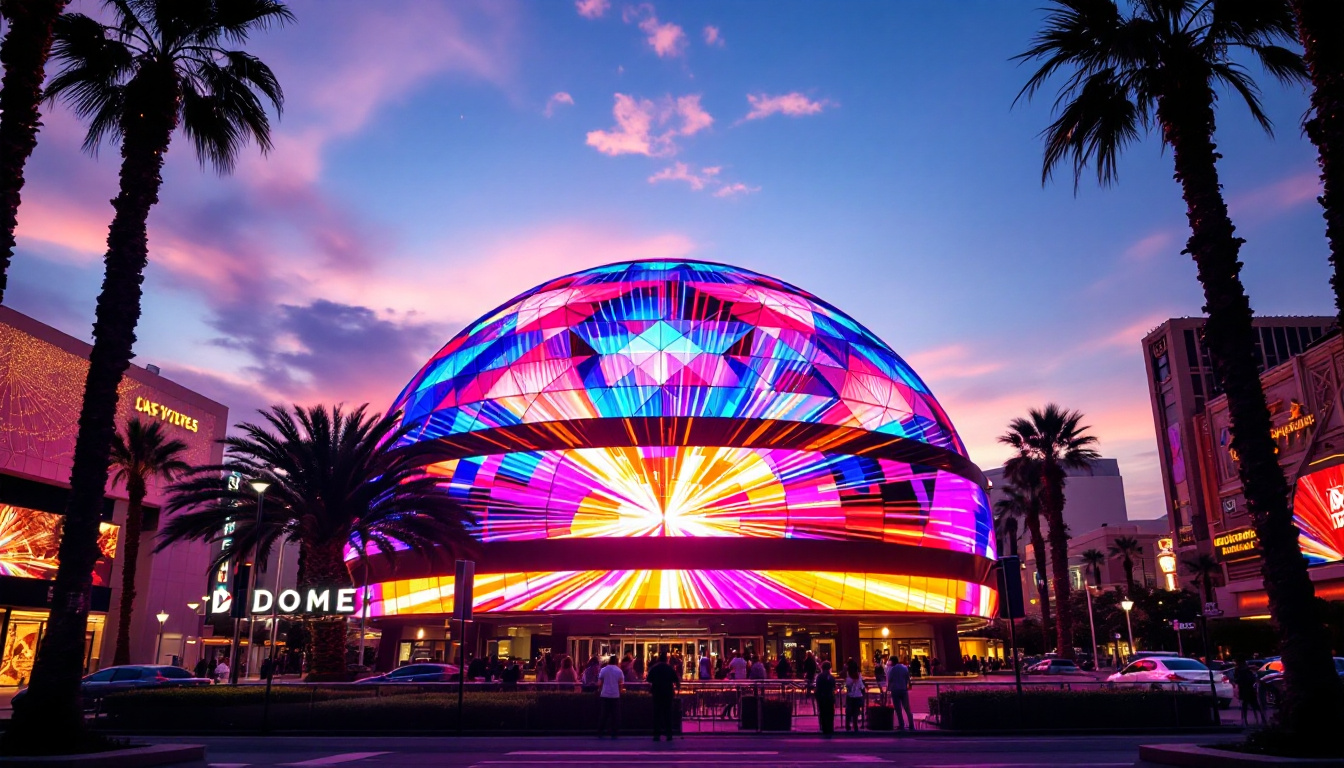
Additionally, the rise of flexible LED displays has introduced even more versatility into the broadcasting realm. These displays can be bent or shaped to fit unique spaces, making them ideal for creative installations and immersive environments. With their lightweight design and adaptability, flexible LED displays are becoming increasingly popular for event staging and interactive exhibits, allowing broadcasters to push the boundaries of traditional set design.
Moreover, the integration of smart technology into LED displays is transforming how content is managed and delivered. With features such as remote monitoring, real-time content updates, and interactive capabilities, broadcasters can engage their audiences more effectively. This evolution not only enhances the viewer experience but also streamlines operations, making it easier for production teams to adapt to changing circumstances and deliver high-quality content consistently.
Key Advantages of LED Displays in Broadcast
LED technology offers several benefits that have made it a preferred choice in the broadcast sector. Understanding these advantages helps explain its widespread adoption.
Superior Image Quality and Brightness
One of the most significant benefits of LED displays is their exceptional brightness levels. Modern LED panels can reach brightness levels exceeding 1,500 nits, which is critical for visibility in brightly lit studio environments or outdoor settings. This high luminance ensures that images remain vivid and clear regardless of ambient lighting conditions.
Additionally, LED displays provide excellent contrast ratios, enabling deep blacks and vibrant colors. This feature enhances the visual storytelling capabilities of broadcasters, allowing for more engaging and dynamic content presentation. The ability to render high-definition content with precise color accuracy is particularly beneficial for sports broadcasts, where fast-moving action demands clarity and detail. This not only captivates the audience but also elevates the overall production value, making broadcasts more appealing to viewers.
Energy Efficiency and Longevity
Compared to traditional display technologies, LEDs consume significantly less power. This energy efficiency translates into lower operational costs for broadcast facilities, which often operate displays for extended periods.
Moreover, LED displays boast a longer lifespan, often exceeding 100,000 hours of operation. This durability reduces maintenance requirements and downtime, ensuring continuous broadcast quality without frequent replacements. The reduced heat output of LED technology also contributes to a more comfortable working environment for studio personnel, as it minimizes the need for extensive cooling systems. This combination of energy savings and longevity not only benefits broadcasters financially but also aligns with growing sustainability goals in the media industry.
Flexibility and Scalability
LED displays offer remarkable flexibility in terms of size and shape. They can be configured into massive video walls or compact screens, tailored to the specific needs of a broadcast studio or event venue.
Scalability is particularly important for broadcasters who need to adapt to different production scales, from intimate news desks to large concert broadcasts. The modular nature of LED panels allows for seamless expansion or reconfiguration. This adaptability is crucial during live events where the broadcast setup may need to change rapidly in response to audience engagement or production requirements. Furthermore, the lightweight design of LED panels facilitates easier installation and transport, making them ideal for both permanent setups and temporary installations at various venues, such as sports arenas or concert halls. This versatility ensures that broadcasters can maintain high-quality visuals no matter the setting or audience size.
Applications of LED Displays in Broadcasting
LED displays have transformed various facets of the broadcast industry, enhancing both production quality and viewer experience.
Studio Sets and Virtual Backgrounds
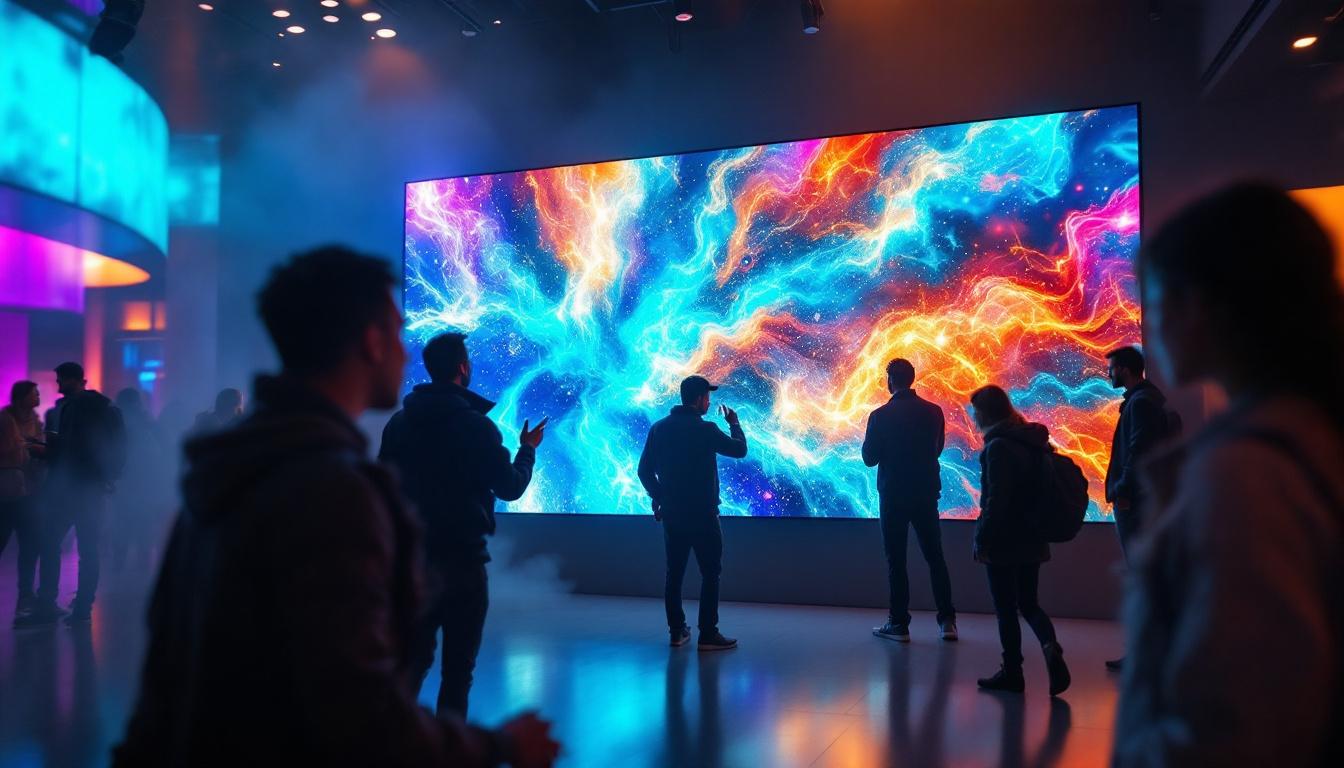
Modern broadcast studios increasingly rely on LED walls as dynamic backdrops. Unlike static green screens, LED displays can render real-time graphics, videos, and virtual environments, offering presenters a visually rich context.
This technology enables seamless integration of augmented reality (AR) elements, enhancing storytelling and viewer engagement. For example, during weather forecasts, LED walls can display interactive maps and animations that respond to the presenter’s gestures.
Live Event Broadcasting
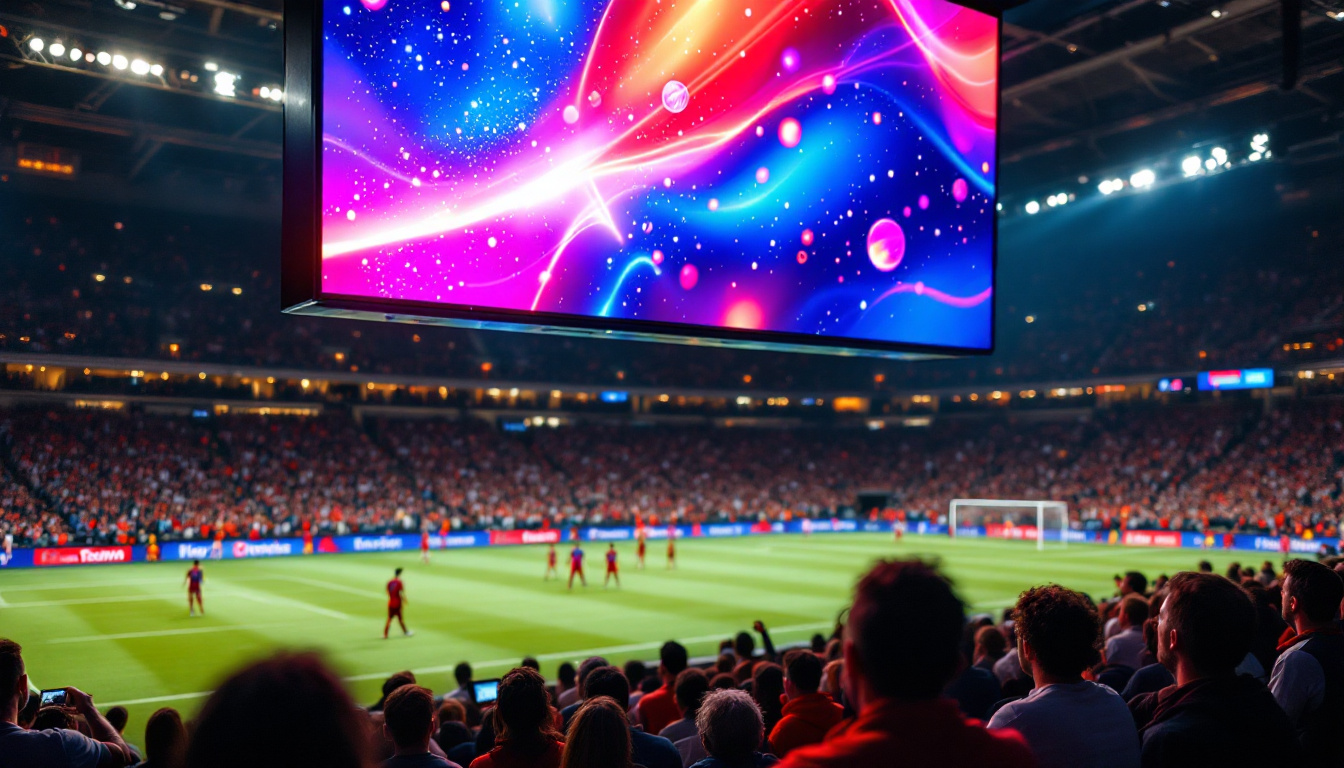
In live sports, concerts, and large-scale events, outdoor LED displays serve dual purposes: they provide on-site audiences with clear visuals and simultaneously enhance broadcast feeds. High-resolution LED screens capture and relay real-time action, ensuring that viewers at home experience the event as vividly as those in attendance.
Additionally, LED displays are often used for scoreboards, advertisements, and crowd engagement, making them integral to the overall event production ecosystem.
Control Rooms and Monitoring
Broadcast control rooms rely on LED video walls to monitor multiple feeds simultaneously. The high resolution and brightness of LED displays allow operators to detect even minor details across various channels, ensuring smooth transmission and quick response to any issues.
These video walls can be customized to display different content layouts, facilitating efficient workflow and decision-making in high-pressure broadcast environments.
Technical Considerations When Choosing LED Displays
Selecting the right LED display for broadcast applications involves evaluating several technical factors to ensure optimal performance.
Pixel Pitch and Resolution
Pixel pitch, measured in millimeters, refers to the distance between the centers of adjacent pixels. A smaller pixel pitch means higher pixel density and sharper images, which is essential for close viewing distances typical in studio settings.
For indoor broadcast environments, pixel pitches range from 0.9mm to 2.5mm, delivering ultra-high-definition visuals. Outdoor displays, where viewers are farther away, often use larger pixel pitches (3mm to 10mm) to balance cost and image clarity.
Refresh Rate and Color Accuracy
High refresh rates (above 3,000 Hz) are crucial to prevent flickering on camera, which can degrade broadcast quality. LED displays designed for broadcast typically support refresh rates exceeding 6,000 Hz, ensuring smooth video capture.
Color accuracy is equally important, especially in news and entertainment programming where faithful reproduction of skin tones and graphics is critical. Calibration tools and color management systems are often integrated to maintain consistent color output.
Viewing Angle and Brightness Uniformity
Wide viewing angles ensure that the display looks consistent from different camera positions and audience perspectives. LED panels with viewing angles of 140 degrees or more are preferred in broadcast studios to accommodate dynamic camera movements.
Brightness uniformity across the display surface prevents hotspots or dim areas, which can distract viewers and complicate post-production editing.
Emerging Trends and Future Outlook
The broadcast industry continues to innovate with LED display technology, driven by the demand for immersive and interactive content.
MicroLED and MiniLED Technologies
MicroLED and MiniLED represent the next generation of LED displays, featuring even smaller diodes and improved control over brightness and contrast. These technologies promise enhanced image quality with lower power consumption and thinner form factors.
As production costs decrease, MicroLED and MiniLED are expected to become more prevalent in broadcast studios, offering unprecedented visual fidelity.
Integration with Augmented and Virtual Reality
The convergence of LED displays with AR and VR technologies is creating new possibilities for immersive storytelling. Virtual sets powered by LED walls enable broadcasters to transport viewers to any location or scenario without physical travel.
This integration also facilitates interactive content, where viewers can engage with broadcasts in real time, opening new avenues for audience participation and advertising.
AI-Driven Content Optimization
Artificial intelligence is increasingly being used to optimize LED display content dynamically. AI algorithms can adjust brightness, contrast, and color balance based on ambient conditions and content type, ensuring the best possible viewing experience.
Furthermore, AI can assist in automating content scheduling and layout management on multi-display setups, streamlining broadcast operations.
Conclusion
LED display technology has become indispensable in the broadcast industry, offering unmatched image quality, flexibility, and reliability. From studio backdrops to live event screens and control room video walls, LEDs enhance every aspect of broadcast production.
As technological advancements continue, broadcasters are poised to leverage innovations like MicroLED, AR integration, and AI-driven optimization to deliver even more captivating and immersive content. Understanding the fundamentals and capabilities of LED displays is essential for professionals seeking to stay at the forefront of broadcast technology.
Explore Cutting-Edge LED Display Solutions with LumenMatrix
As you consider the future of broadcast technology and the role LED displays play in creating immersive experiences, LumenMatrix stands at the forefront of innovation. Our extensive range of LED display modules, from Indoor and Outdoor LED Wall Displays to specialized solutions like Vehicle LED Displays and LED Sports Displays, is designed to meet the diverse needs of the broadcasting industry. With LumenMatrix, you can expect nothing less than vibrant visuals, dynamic storytelling, and unparalleled audience engagement. We invite you to check out LumenMatrix LED Display Solutions and see how our commitment to revolutionizing visual communication can elevate your broadcasts to new heights.