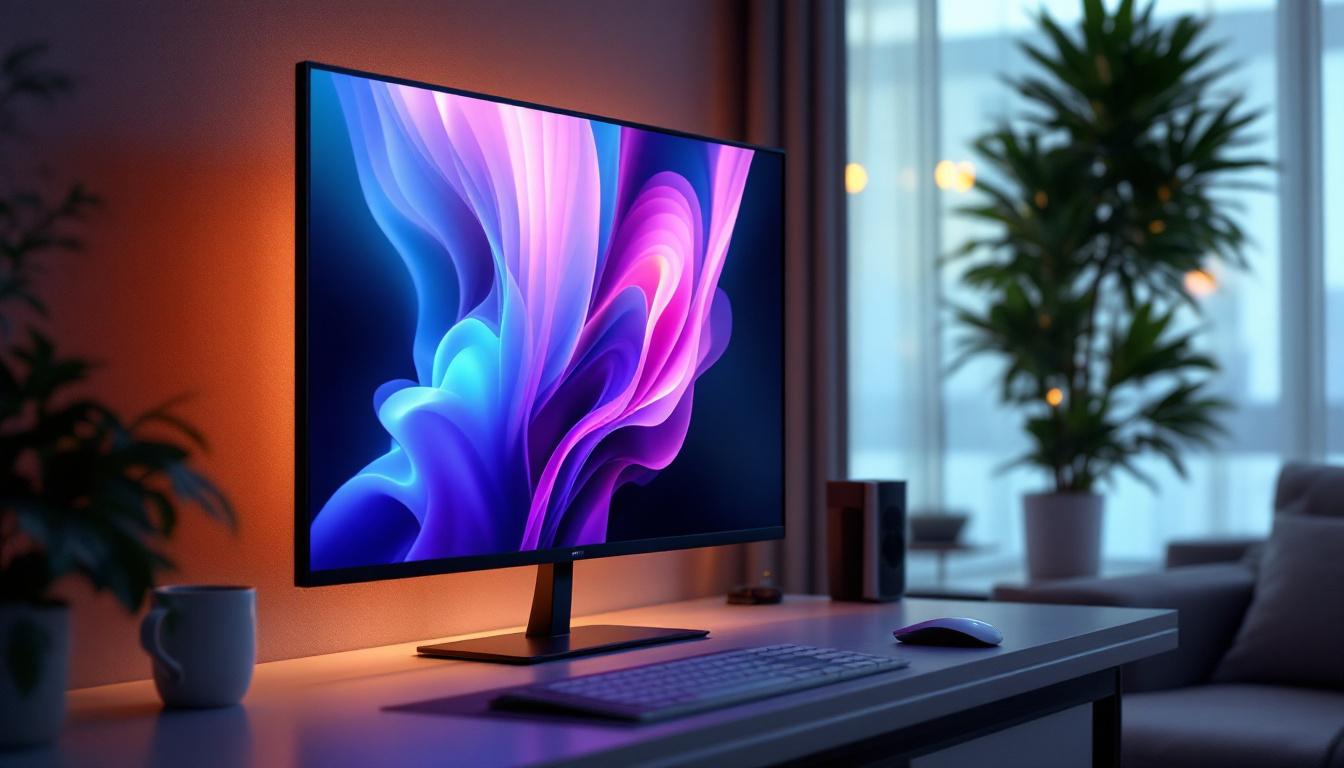
No Bezel LCD: LED Display Explained
In the evolving world of display technology, the term “no bezel LCD” has become increasingly prominent, especially in sectors demanding seamless visual experiences such as digital signage, video walls, and high-end consumer electronics. This article dives deep into what no bezel LCDs are, how LED technology enhances these displays, and why this combination is shaping the future of visual media.
Understanding No Bezel LCDs
What Does “No Bezel” Mean?
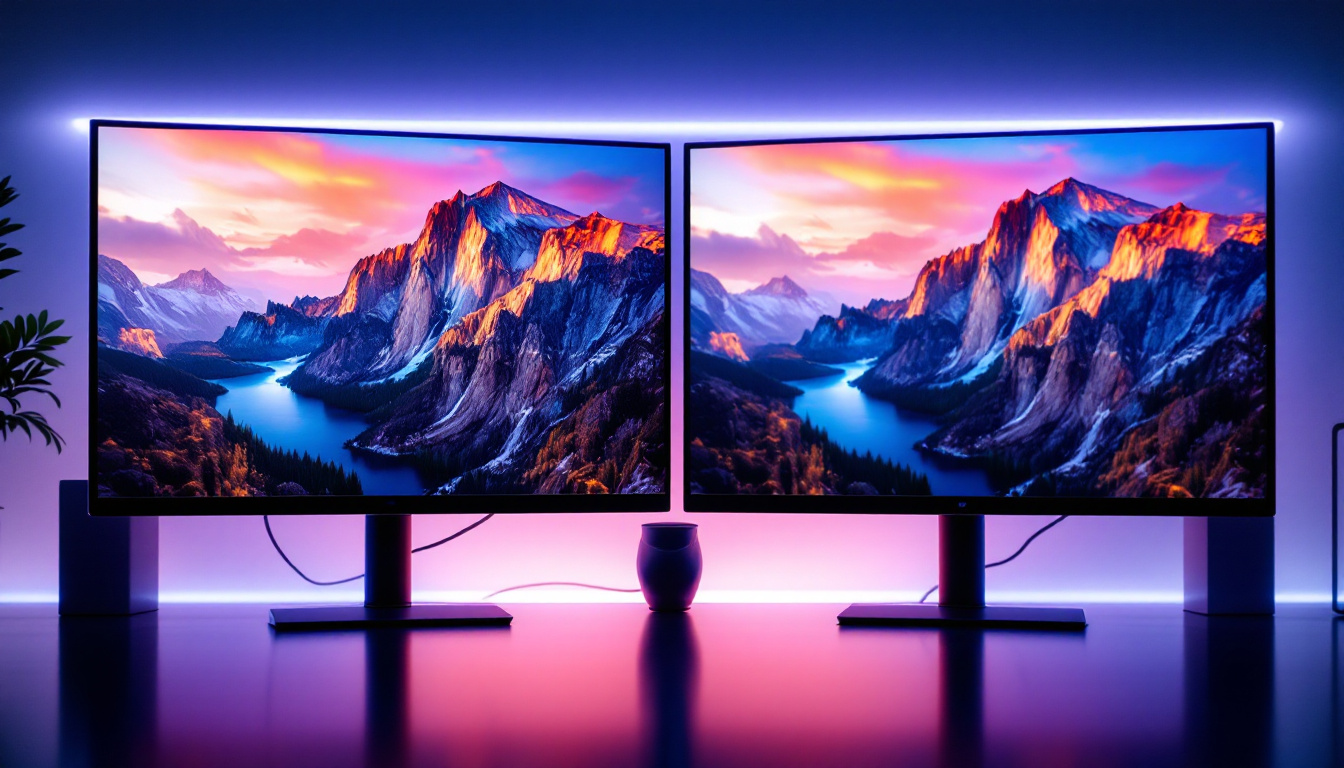
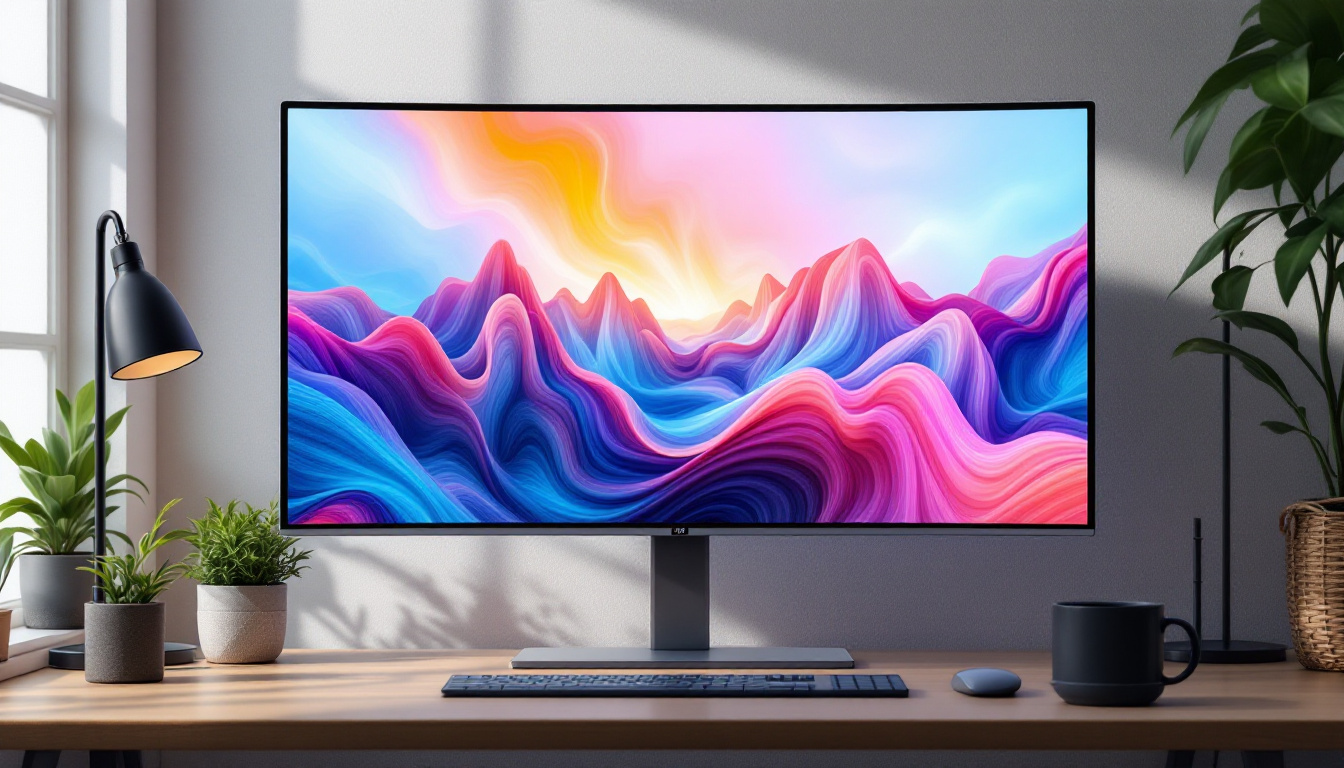
The bezel is the frame or border surrounding a display screen. Traditional LCD screens have noticeable bezels that can interrupt the visual continuity when multiple screens are placed side by side. A “no bezel” LCD refers to displays designed with ultra-thin or virtually invisible borders, allowing screens to be tiled together with minimal gaps.
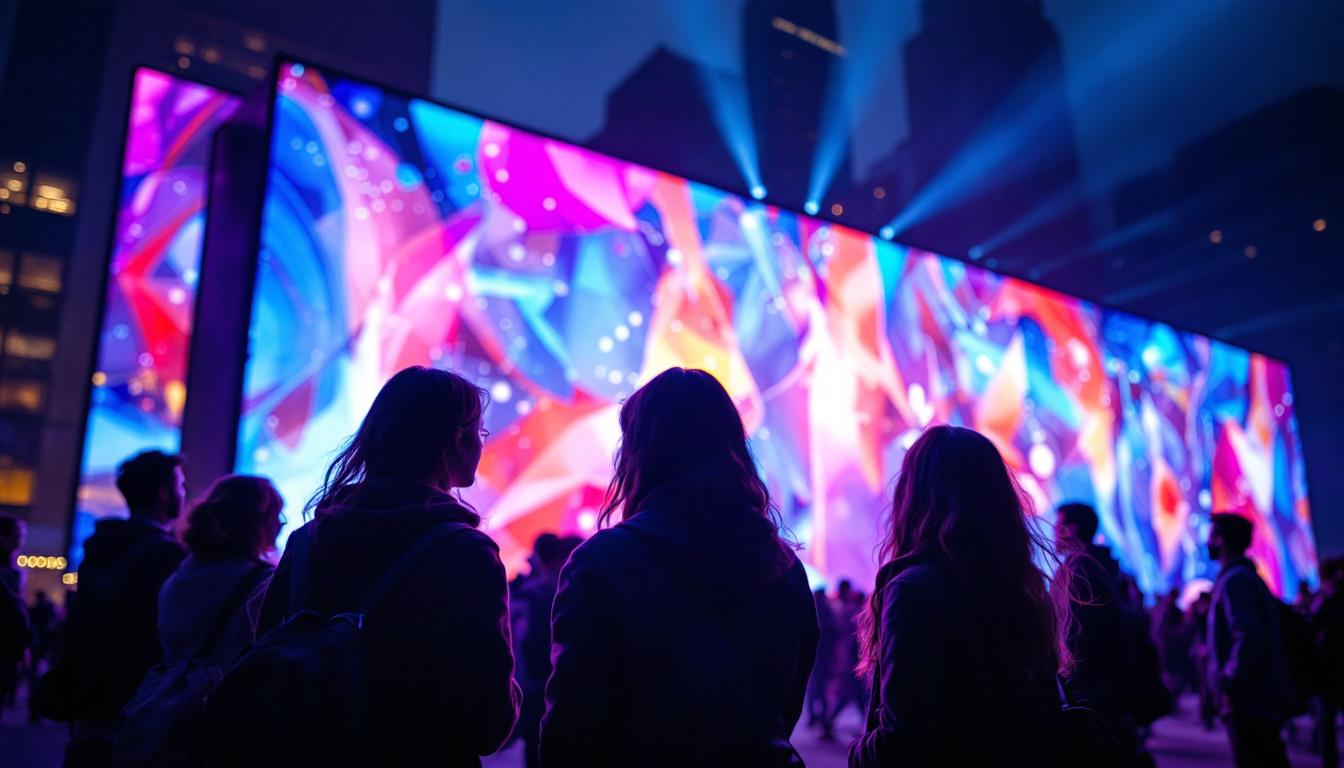
In practical terms, this means that when multiple no bezel LCD panels are combined, the viewer experiences a nearly uninterrupted image, creating a larger, cohesive display. This feature is particularly valuable for video walls used in control rooms, retail environments, and public spaces where visual impact is paramount. The seamless integration of these displays not only enhances the aesthetic appeal but also improves the overall user experience, making it easier to convey messages, showcase products, or display critical information without distraction.
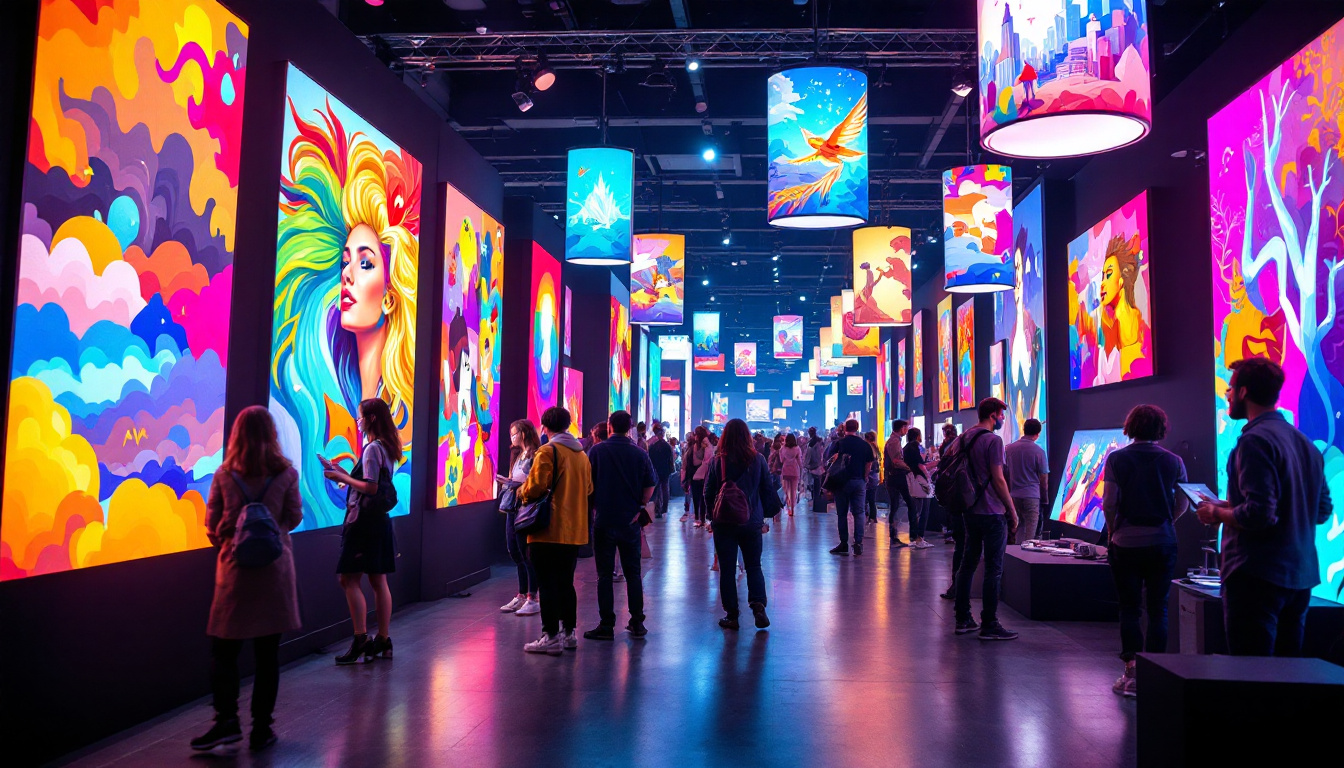
Moreover, the applications of no bezel LCDs extend beyond mere aesthetics. In environments such as museums or galleries, these displays can be used to create immersive experiences that captivate audiences, allowing for storytelling that flows smoothly across multiple screens. The ability to present a single, large image or video across several panels opens up new avenues for creativity in digital signage and interactive installations, making them a popular choice for modern architectural designs.
Technical Challenges in Achieving No Bezel Design
Manufacturing LCD panels with no or minimal bezels involves overcoming several technical hurdles. The bezel houses essential components such as wiring, circuit boards, and protective elements. Reducing bezel size requires innovative engineering to relocate or miniaturize these components without compromising display integrity or durability.
Advancements in flexible circuit technology and edge-lit backlighting have been instrumental in this evolution. Manufacturers have developed methods to embed circuitry beneath the display surface or along the panel edges, enabling bezel widths as narrow as a few millimeters. However, achieving a truly “no bezel” display remains a challenge, and the industry often refers to “near bezel-less” or “zero bezel” as marketing terms for ultra-thin borders. This ongoing quest for innovation has led to the exploration of new materials and manufacturing techniques, such as the use of advanced adhesives that allow for stronger bonds while minimizing the need for bulky frames.
Additionally, the durability of no bezel designs is a significant consideration. With thinner borders, the risk of damage to the display edges increases, prompting manufacturers to invest in robust protective technologies. Innovations like reinforced glass and anti-glare coatings are being integrated to ensure that these sleek displays can withstand the rigors of high-traffic environments while maintaining their visual appeal. As the demand for larger, more immersive displays continues to grow, the engineering challenges associated with no bezel designs will likely drive further advancements in display technology.
The Role of LED Technology in No Bezel Displays
LED vs. Traditional LCD Backlighting
Most LCD screens rely on backlighting to illuminate the pixels. Traditionally, cold cathode fluorescent lamps (CCFLs) were used, but LED backlighting has become the industry standard due to its superior brightness, energy efficiency, and color accuracy.
LED backlit LCDs use arrays of light-emitting diodes placed either along the edges (edge-lit) or directly behind the screen (direct-lit or full-array). This technology allows for thinner panels, which is critical when designing no bezel or ultra-thin displays. The reduced thickness helps minimize bezel size and enables more seamless tiling of multiple screens. Additionally, the flexibility of LED placement means that manufacturers can create displays with varying levels of brightness and contrast, catering to different environments and user preferences.
Advantages of LED in No Bezel LCDs
LED backlighting offers several benefits that complement no bezel LCD designs:
- Improved Brightness and Contrast: LEDs provide higher luminance levels, enhancing visibility in bright environments and improving contrast ratios for richer images.
- Energy Efficiency: LED backlights consume less power than CCFLs, reducing operational costs and environmental impact.
- Longer Lifespan: LEDs generally last longer, which is crucial for commercial installations where maintenance downtime is costly.
- Thinner Panel Profiles: The compact size of LEDs allows manufacturers to reduce the thickness of LCD panels, facilitating bezel minimization.
Moreover, the advancements in LED technology have led to the development of local dimming features in full-array backlit displays. This allows specific zones of the screen to be dimmed or brightened independently, resulting in deeper blacks and more vibrant colors. Such capabilities are particularly beneficial in applications like video walls or immersive gaming setups, where visual fidelity is paramount. Furthermore, the integration of smart technologies with LED displays has paved the way for adaptive brightness adjustments, which can automatically optimize the screen’s luminance based on ambient light conditions, enhancing user experience while conserving energy.
As the demand for sleek, modern aesthetics continues to rise, no bezel displays are becoming increasingly popular in both consumer electronics and professional environments. The seamless design not only offers a more immersive viewing experience but also allows for innovative applications in digital signage and advertising. By eliminating the bezel, designers can create larger visual canvases that capture attention and engage viewers more effectively. This trend is further supported by the continuous evolution of LED technology, which promises even greater performance and versatility in future display solutions.
Applications of No Bezel LCD with LED Displays
Video Walls and Large-Scale Displays
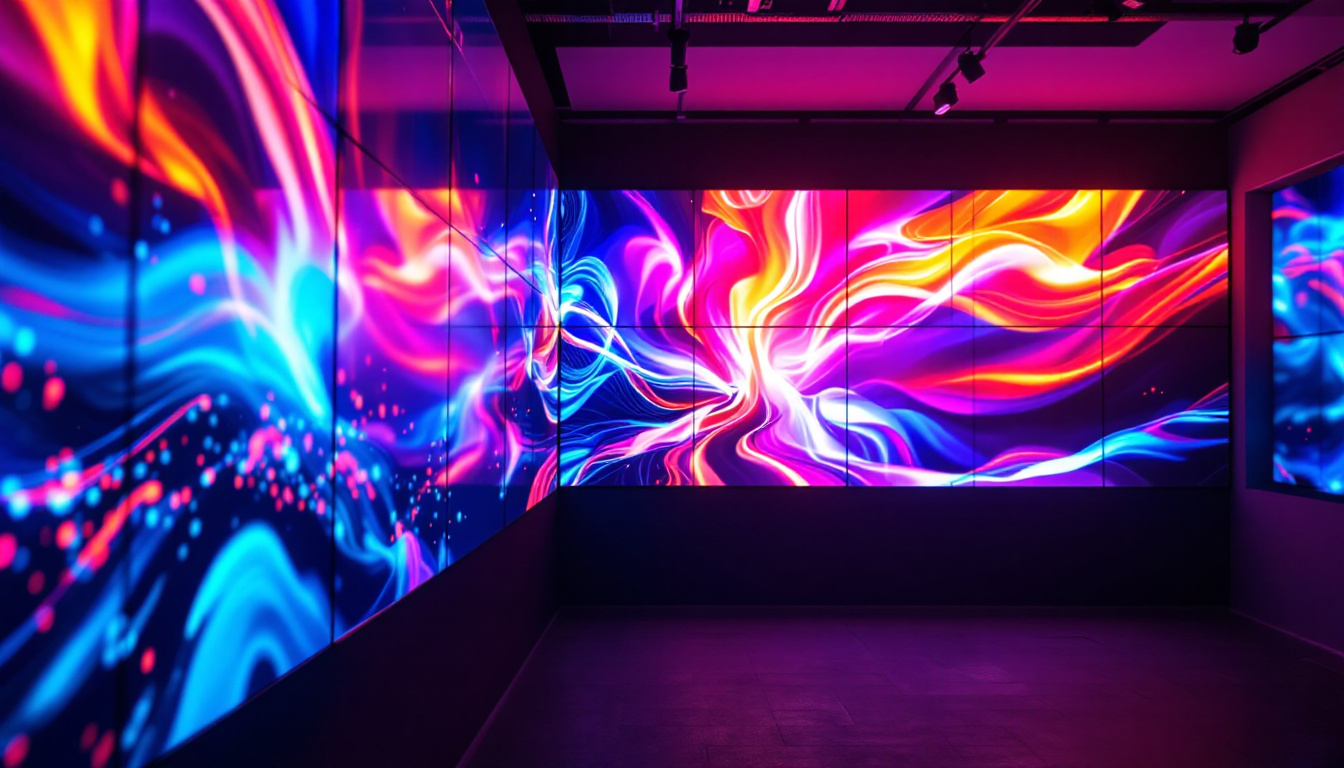
One of the most significant applications of no bezel LCDs combined with LED backlighting is in video walls. These are large displays made by arranging multiple LCD panels in a grid to create a single, expansive screen. The ultra-thin bezels ensure minimal visual disruption between panels, delivering a near-seamless viewing experience.
Video walls are widely used in:
- Control Rooms: For monitoring security, traffic, or industrial processes, where clarity and uninterrupted visuals are critical.
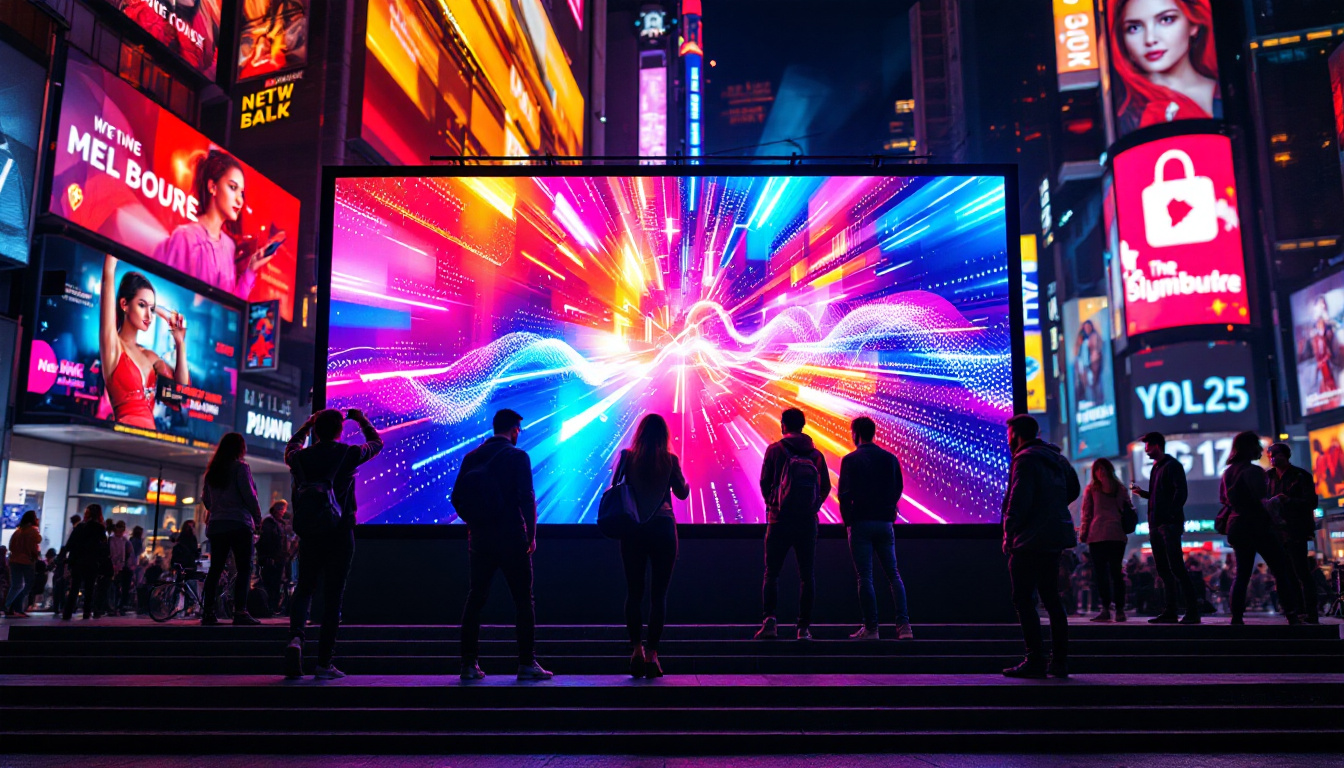
- Retail and Advertising: To create eye-catching digital signage that can be scaled to large sizes without losing image quality.
- Broadcast Studios: For dynamic backdrops and interactive displays that enhance production value.
Consumer Electronics and Gaming
While no bezel LCDs are more common in commercial settings, consumer electronics have also embraced bezel reduction. Smartphones, tablets, and laptops now frequently feature edge-to-edge displays that maximize screen real estate and improve aesthetics.
In gaming, ultra-thin bezel monitors enable multi-monitor setups that immerse players by expanding their field of view without distracting borders. This trend has driven manufacturers to innovate bezel-less designs that enhance user experience.
Medical and Professional Displays
In medical imaging and professional graphics work, display accuracy and continuity are paramount. No bezel LCDs with LED backlighting provide the uniform brightness and color fidelity necessary for diagnostic imaging, CAD applications, and video editing suites.
Seamless multi-monitor configurations allow professionals to view large datasets or complex visuals without interruption, improving workflow efficiency and reducing eye strain.
Future Trends and Innovations
MicroLED and OLED Technologies
Although LED-backlit LCDs currently dominate no bezel display markets, emerging technologies such as MicroLED and OLED promise even greater advancements. MicroLED displays consist of microscopic LEDs that emit light individually, enabling true self-emissive panels without the need for backlighting.
These technologies allow for ultra-thin, flexible, and truly bezel-less designs with superior contrast ratios, faster response times, and wider viewing angles. While still costly and complex to manufacture at scale, MicroLED and OLED are expected to gradually replace traditional LCDs in premium applications.
Improved Manufacturing Techniques
Manufacturers continue to refine bezel reduction through innovations like chip-on-glass (COG) technology, where driver ICs are mounted directly on the glass substrate. This approach reduces the need for bulky connectors and circuit boards along the edges, further shrinking bezel size.
Additionally, advances in bonding and sealing techniques improve panel durability despite thinner borders, addressing concerns about fragility and lifespan in bezel-less designs.
Considerations When Choosing No Bezel LCD Displays
Evaluating Bezel Width and Display Quality
When selecting no bezel LCD displays, it is essential to consider the actual bezel width, as “no bezel” is often a relative term. Some panels may have bezels as thin as 1-3 millimeters, while others might be slightly thicker. Understanding the bezel size helps in planning multi-screen installations to achieve the desired visual effect.
Beyond bezel size, display quality factors such as resolution, brightness, color accuracy, and refresh rate should be carefully evaluated to ensure the display meets the application’s requirements.
Installation and Maintenance
Seamless video walls require precise installation and calibration. Professional mounting systems that allow fine adjustments are crucial to align panels perfectly. Additionally, software tools for color calibration and image processing enhance the uniformity of the combined display.
Maintenance considerations include accessibility for repairs and cleaning, as tightly packed no bezel displays can be challenging to service. Choosing displays with modular designs or front serviceability can mitigate downtime and maintenance complexity.
Cost Implications
No bezel LCD displays with LED backlighting tend to be more expensive than standard LCD panels due to advanced manufacturing processes and materials. However, the investment often pays off through enhanced visual impact, reduced energy consumption, and longer operational life.
For large-scale deployments, the total cost of ownership should factor in installation, maintenance, and potential downtime costs alongside the initial purchase price.
Conclusion
No bezel LCDs combined with LED backlighting represent a significant leap forward in display technology, enabling visually stunning, seamless multi-screen configurations across a variety of industries. From immersive video walls in control rooms to edge-to-edge consumer devices, these displays enhance user experience through improved aesthetics and performance.
As display technology continues to advance with innovations like MicroLED and OLED, the boundaries of bezel reduction will be pushed further, offering even more immersive and flexible visual solutions. For businesses and professionals seeking cutting-edge display options, understanding the nuances of no bezel LCD and LED technology is essential to making informed decisions that maximize impact and efficiency.
Discover the Future of Display Technology with LumenMatrix
Ready to elevate your visual experience with the latest in no bezel LCD and LED display technology? LumenMatrix is at the forefront of innovation, offering a wide array of LED display solutions that bring your content to life. From immersive Indoor and Outdoor LED Wall Displays to dynamic Vehicle and Sports LED Displays, our products are designed to capture attention and deliver your message with unparalleled clarity. Experience the revolution in visual communication and check out LumenMatrix LED Display Solutions today to see how we can transform your space into a captivating visual journey.