In the rapidly evolving world of digital displays, LED technology stands out as a dominant force, revolutionizing how images and videos are presented across various industries. Among the many technical terms associated with LED displays, “One Inch Image” often emerges as a critical concept, especially in the context of pixel pitch and image clarity. This article delves deep into what a One Inch Image means in LED displays, its significance, and how it impacts the viewer’s experience.
Understanding LED Display Basics
LED, or Light Emitting Diode, displays consist of numerous tiny light sources arranged in a grid. Each diode emits light in specific colors, combining to form images and videos. Unlike traditional LCDs, which rely on backlighting, LEDs produce their own light, resulting in brighter and more vivid displays. This self-illuminating property allows LED displays to achieve higher contrast ratios, making them ideal for various applications, from outdoor advertising to indoor presentations.
The quality and clarity of an LED display depend on several factors, including pixel pitch, resolution, brightness, and color accuracy. Pixel pitch, in particular, is directly related to the concept of the One Inch Image. Understanding these elements is essential for selecting the right display for specific environments, whether it be a bustling retail space or a serene conference room.
What is Pixel Pitch?
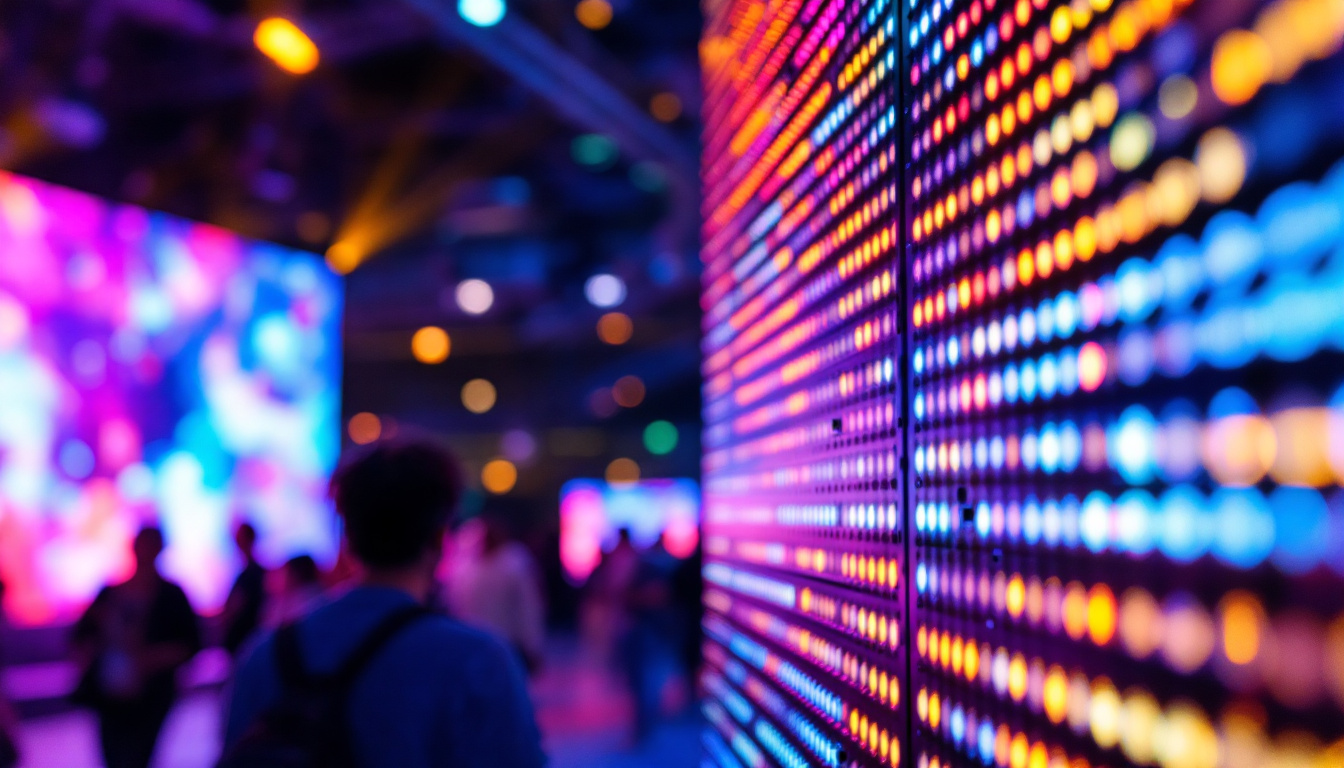
Pixel pitch refers to the distance between the centers of two adjacent pixels on an LED display, usually measured in millimeters. For example, a pixel pitch of 1.0 mm means the pixels are spaced one millimeter apart. The smaller the pixel pitch, the higher the pixel density, which typically translates to sharper images and finer detail, especially when viewed up close. This characteristic is particularly beneficial in applications such as digital signage and video walls, where clarity and detail are paramount.
Pixel pitch is crucial in determining the optimal viewing distance for an LED display. A display with a large pixel pitch may look great from afar but appear pixelated when viewed up close. Conversely, a small pixel pitch display can maintain image clarity even at short distances. This makes it essential for designers and engineers to carefully consider the intended use and viewing environment when selecting an LED display. For instance, in a stadium setting, a larger pixel pitch might suffice due to the distance from which spectators view the screen, while a small pixel pitch would be necessary for a control room where operators are positioned just a few feet away.
Moreover, advancements in LED technology have led to the development of flexible and transparent displays, which can adapt to various architectural designs and applications. These innovations not only enhance aesthetic appeal but also provide new opportunities for creative advertising and immersive experiences. As the demand for high-quality visual displays continues to grow, understanding the nuances of pixel pitch and other display characteristics becomes increasingly important for professionals in the field.
Defining the One Inch Image in LED Displays
The term “One Inch Image” in LED displays generally refers to the number of pixels contained within a one-inch square area of the screen. This metric offers a tangible way to understand pixel density and image resolution beyond just pixel pitch measurements.
To calculate the number of pixels in a one-inch image, the pixel pitch is converted from millimeters to inches, and then the number of pixels per inch (PPI) is determined. For example, if the pixel pitch is 1.0 mm (0.03937 inches), then the number of pixels per inch is approximately 25.4 (1 inch / 0.03937 inch). The one-inch image would then contain roughly 25 x 25 = 625 pixels.
Why One Inch Image Matters
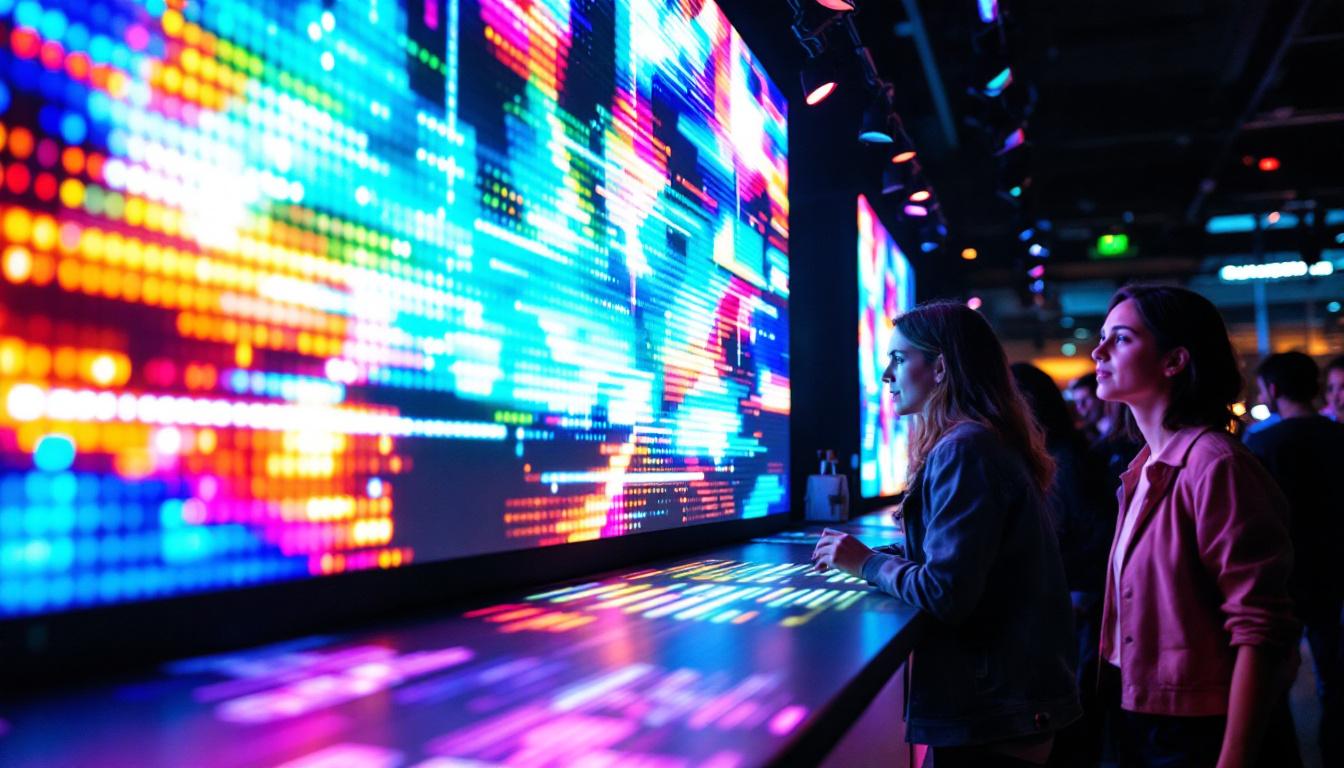
Understanding how many pixels fit into a one-inch area helps designers, engineers, and marketers gauge the sharpness and clarity of an LED display. This is especially important in applications where viewers are close to the screen, such as control rooms, retail displays, or interactive kiosks.
Moreover, the One Inch Image metric aids in comparing different LED panels and technologies, helping buyers make informed decisions based on image quality requirements and budget constraints.
In addition to its practical applications, the One Inch Image concept also plays a crucial role in the evolution of display technology. As manufacturers strive to create higher resolution screens, the pixel density becomes a key selling point. With advancements in micro-LED and OLED technologies, displays can achieve incredibly high pixel counts within a small area, allowing for vibrant colors and exceptional detail. This is particularly significant in industries such as broadcasting, where high-definition visuals are essential for viewer engagement.
Furthermore, the One Inch Image metric has implications for content creation and digital advertising. As screens become sharper, the quality of the content displayed must also rise to meet audience expectations. This means that graphic designers and content creators must adapt their work to leverage the capabilities of high-PPI displays, ensuring that images and videos are optimized for clarity and impact. The interplay between display technology and content quality continues to shape the landscape of visual communication, making the One Inch Image a vital consideration in both fields.
Applications of One Inch Image in Various Industries
LED displays have become ubiquitous across many sectors, and the One Inch Image concept plays a vital role in tailoring display solutions to specific needs.
Broadcast and Media Production
In broadcast studios and media production, image clarity is paramount. LED walls are often used as dynamic backdrops or virtual sets, where high pixel density ensures realistic and immersive visuals. A One Inch Image with a high pixel count allows for seamless integration of live footage and graphics without visible pixelation. This level of detail not only enhances the viewer’s experience but also allows for greater creative freedom in production design. For instance, producers can incorporate intricate animations and detailed graphics that maintain their integrity even during close-up shots, making the overall production more engaging and visually appealing.
Advertising and Digital Signage
Outdoor and indoor advertising rely heavily on LED displays to capture attention. Billboards with large pixel pitches can be viewed from hundreds of feet away, but for indoor digital signage, a higher pixel density is necessary to maintain sharpness at closer distances. Understanding the One Inch Image helps advertisers choose the right display to maximize impact and readability. Moreover, the flexibility of LED technology allows for dynamic content that can be updated in real-time, enabling businesses to tailor their messages based on audience demographics or current trends. This adaptability not only enhances the effectiveness of marketing campaigns but also allows brands to maintain a fresh and relevant presence in a fast-paced digital landscape.
Corporate and Educational Environments
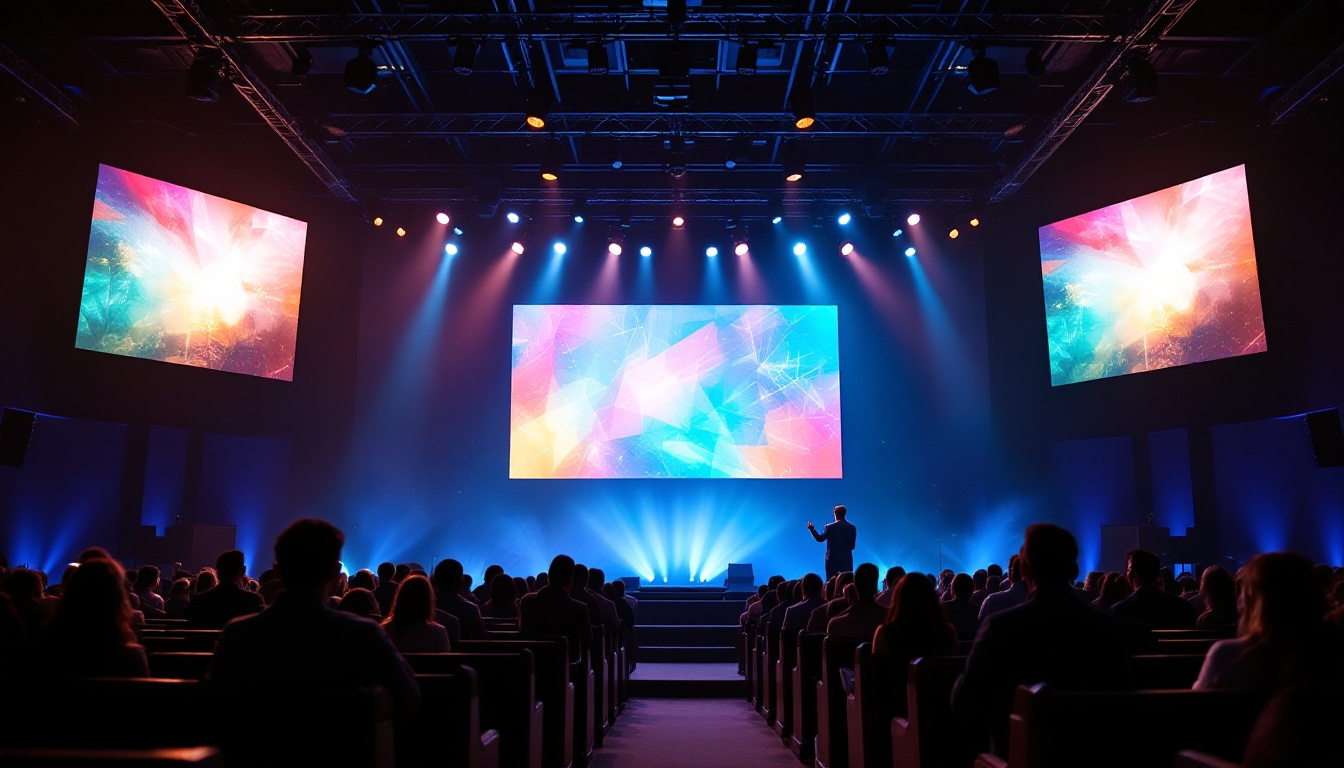
Conference rooms, lecture halls, and auditoriums increasingly use LED displays for presentations and video conferencing. Displays with a high One Inch Image pixel density ensure that text, charts, and videos are crisp and legible, enhancing communication and engagement. In corporate settings, this clarity can significantly improve collaboration, as team members can easily share and discuss complex data visualizations without straining to see details. Similarly, in educational environments, the use of high-resolution displays fosters an interactive learning experience, allowing educators to incorporate multimedia resources that captivate students’ attention and enhance retention of information. As technology continues to evolve, the integration of augmented reality (AR) and virtual reality (VR) elements into these displays promises to further revolutionize how information is presented and consumed in both corporate and academic settings.
Technical Considerations When Evaluating One Inch Image
While the One Inch Image metric is useful, it is important to consider it alongside other technical factors to get a comprehensive understanding of LED display performance.
Resolution vs. Pixel Density
Resolution refers to the total number of pixels in the display (e.g., 1920×1080), whereas pixel density (and thus One Inch Image) relates to how tightly those pixels are packed. Two displays can have the same resolution but different physical sizes, resulting in different pixel densities and image sharpness.
Viewing Distance
The optimal viewing distance is crucial when selecting pixel pitch and One Inch Image specifications. For example, a display with a 1.5 mm pixel pitch may look perfect at 10 feet but appear blurry at 3 feet. Industry guidelines often recommend a minimum viewing distance of approximately 1.5 to 2 times the pixel pitch in millimeters, converted to meters.
Brightness and Contrast
Brightness, measured in nits, and contrast ratio also influence perceived image quality. A high pixel density (One Inch Image) display with poor brightness or contrast may still fail to deliver a satisfying visual experience, especially in brightly lit environments.
Future Trends in LED Display Technology and One Inch Image
LED display technology continues to advance rapidly, with innovations aimed at increasing pixel density, improving color accuracy, and reducing power consumption.
MicroLED and MiniLED Technologies
MicroLED and MiniLED are emerging technologies that push pixel pitch boundaries even further. MicroLEDs can achieve pixel pitches below 0.5 mm, drastically increasing the One Inch Image pixel count and enabling ultra-high-definition displays suitable for smartphones, VR headsets, and premium TVs.
Flexible and Transparent LED Displays
Flexible and transparent LED panels are opening new possibilities for creative installations and architectural integration. While these displays may have different pixel pitch requirements, the principles of One Inch Image remain relevant for ensuring image clarity.
AI and Image Processing Enhancements
Artificial intelligence and advanced image processing algorithms are increasingly used to enhance perceived image quality, compensating for lower pixel densities by optimizing contrast, sharpness, and color reproduction in real-time.
Conclusion: Why One Inch Image Should Not Be Overlooked
The One Inch Image concept offers a practical and intuitive way to understand and compare LED display resolutions and pixel densities. For professionals involved in selecting, designing, or using LED displays, this metric helps ensure that the final product meets the visual expectations of the intended audience.
As LED technology evolves, maintaining a focus on pixel density and image clarity through metrics like One Inch Image will remain essential. Whether for advertising, entertainment, corporate communication, or public information, the clarity and vibrancy of LED displays hinge on how well these factors are balanced.
Investing time in understanding One Inch Image and its implications can lead to better display choices, improved viewer experiences, and ultimately, more effective digital communication.
Discover the Clarity of LumenMatrix LED Displays
Ready to experience the pinnacle of image precision and vibrant displays? LumenMatrix is at the forefront of LED display technology, offering a comprehensive range of solutions tailored to meet your unique needs. From Indoor and Outdoor LED Wall Displays to innovative LED Sports and Transparent Displays, our products are designed to captivate and engage your audience. Elevate your visual communication with our cutting-edge displays and see the difference that high pixel density and impeccable image clarity can make. Check out LumenMatrix LED Display Solutions today and transform your space into a dynamic visual experience.