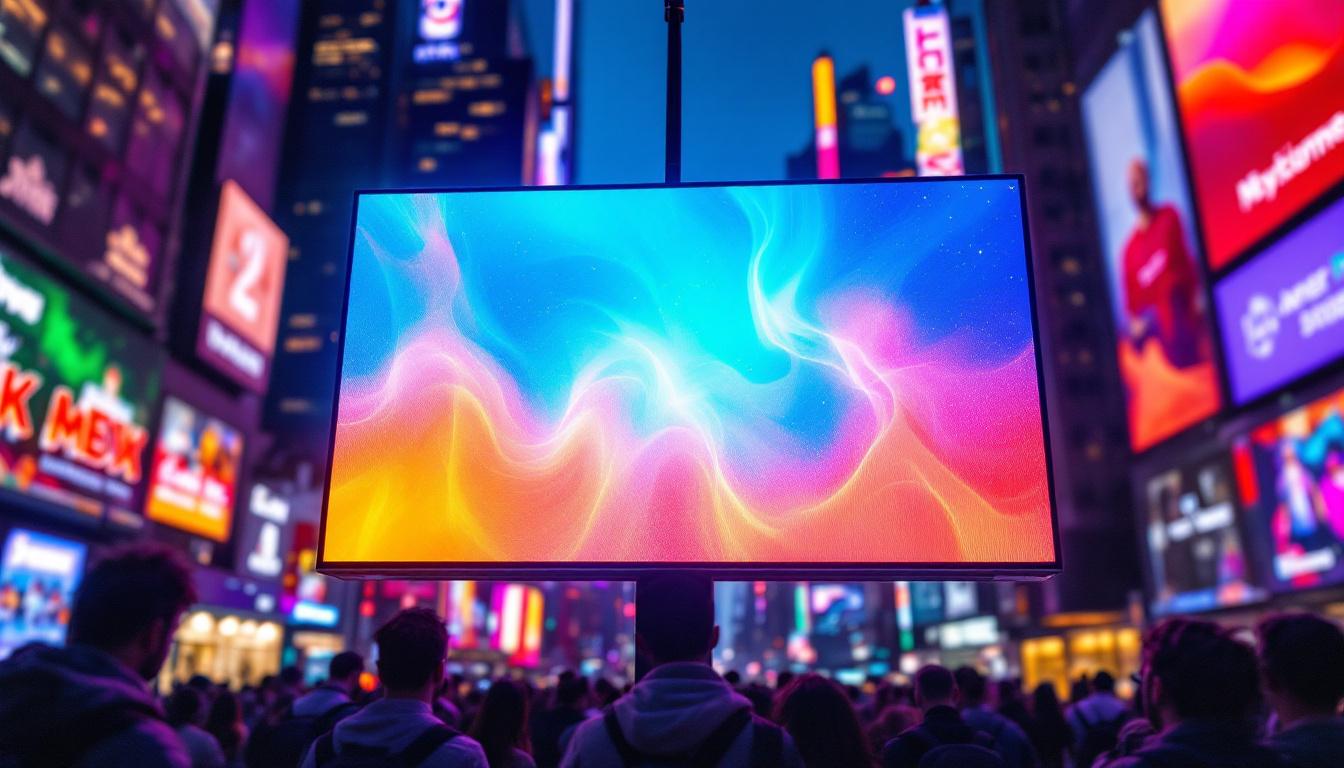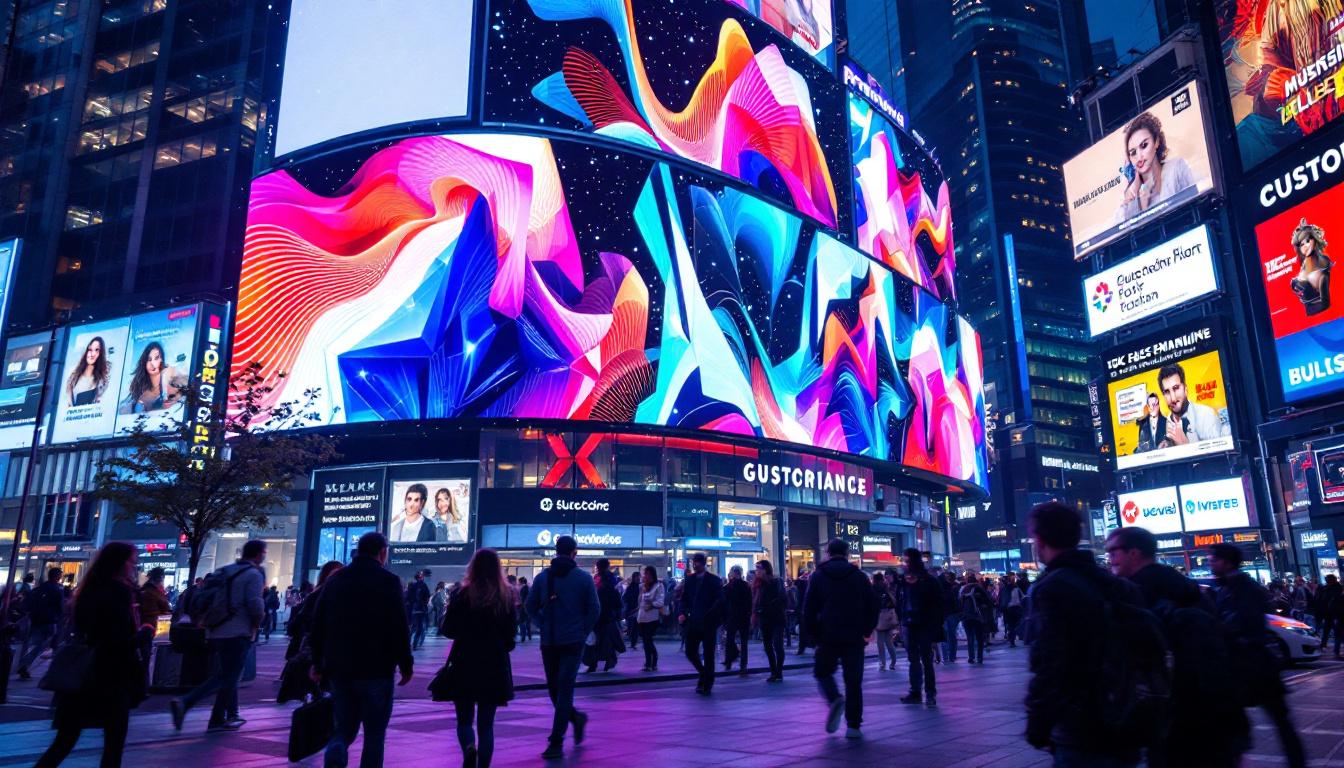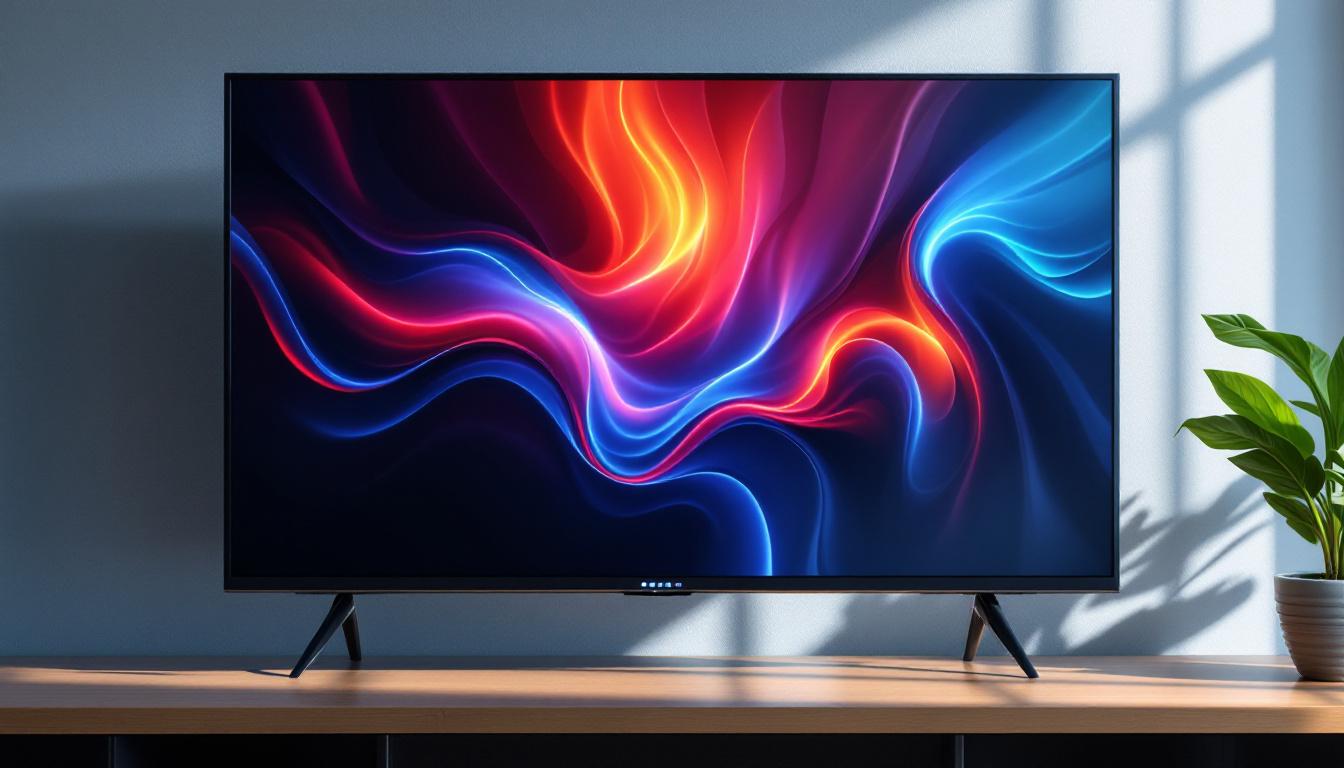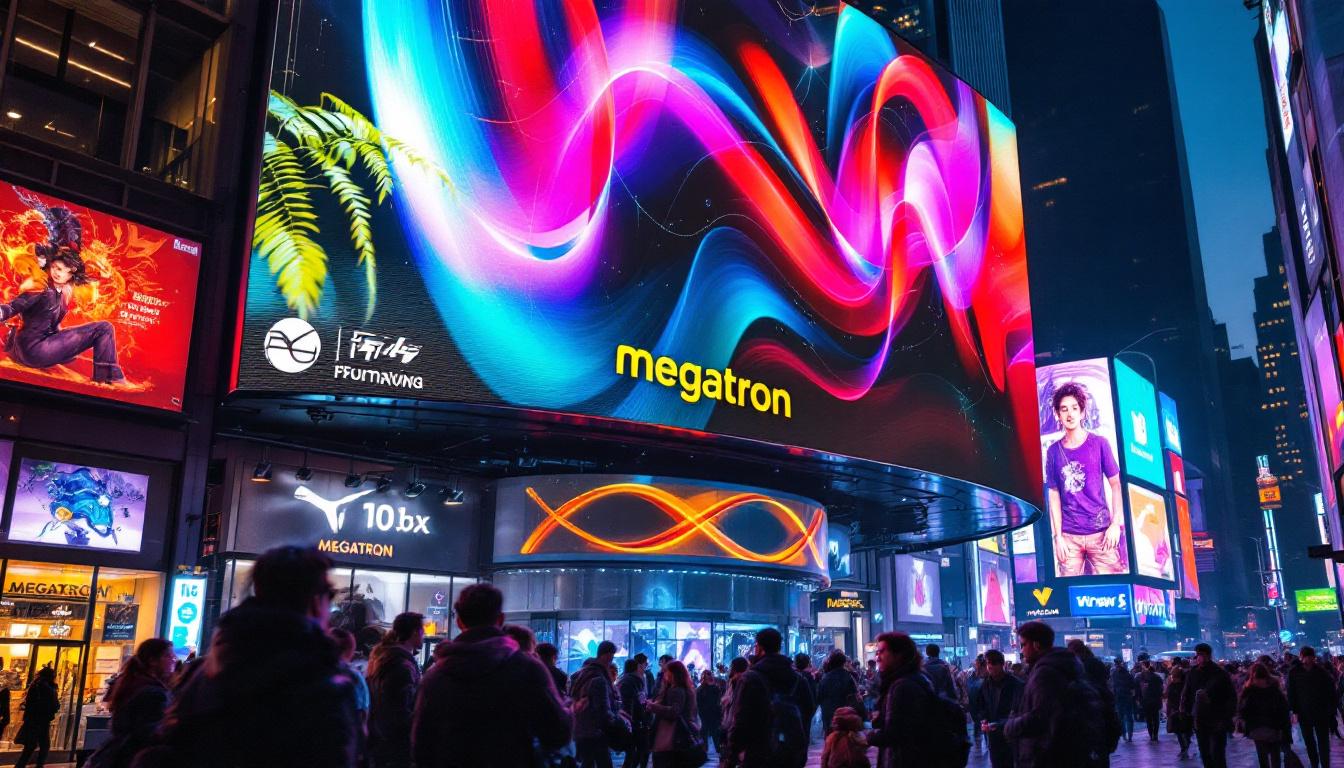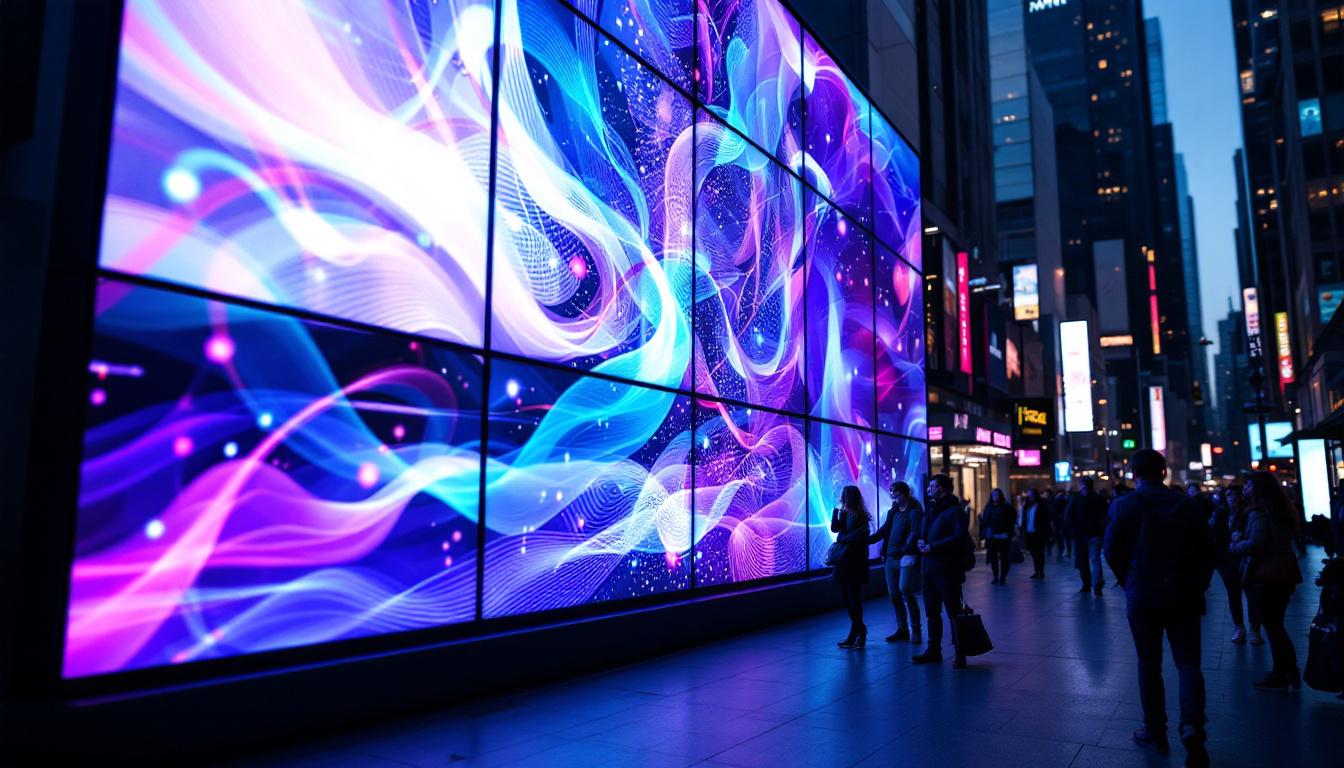
In the rapidly evolving world of digital technology, LED displays have become a cornerstone in visual communication. From vibrant billboards in Times Square to the high-definition screens in smartphones and televisions, LED displays are everywhere. But what exactly makes these displays so popular, and how do they work? This article dives deep into the world of LED displays, explaining their technology, types, applications, and why they continue to dominate the display market.
Understanding the Basics: What Is an LED Display?
An LED display is a flat panel display that uses light-emitting diodes (LEDs) as pixels to create images. Unlike traditional LCD screens that rely on backlighting, LED displays generate their own light, which results in brighter and more vibrant images. This self-illumination capability is a key factor behind their superior contrast ratios and energy efficiency. The ability to produce deeper blacks and brighter whites enhances the overall viewing experience, making LED displays particularly popular for high-definition content.
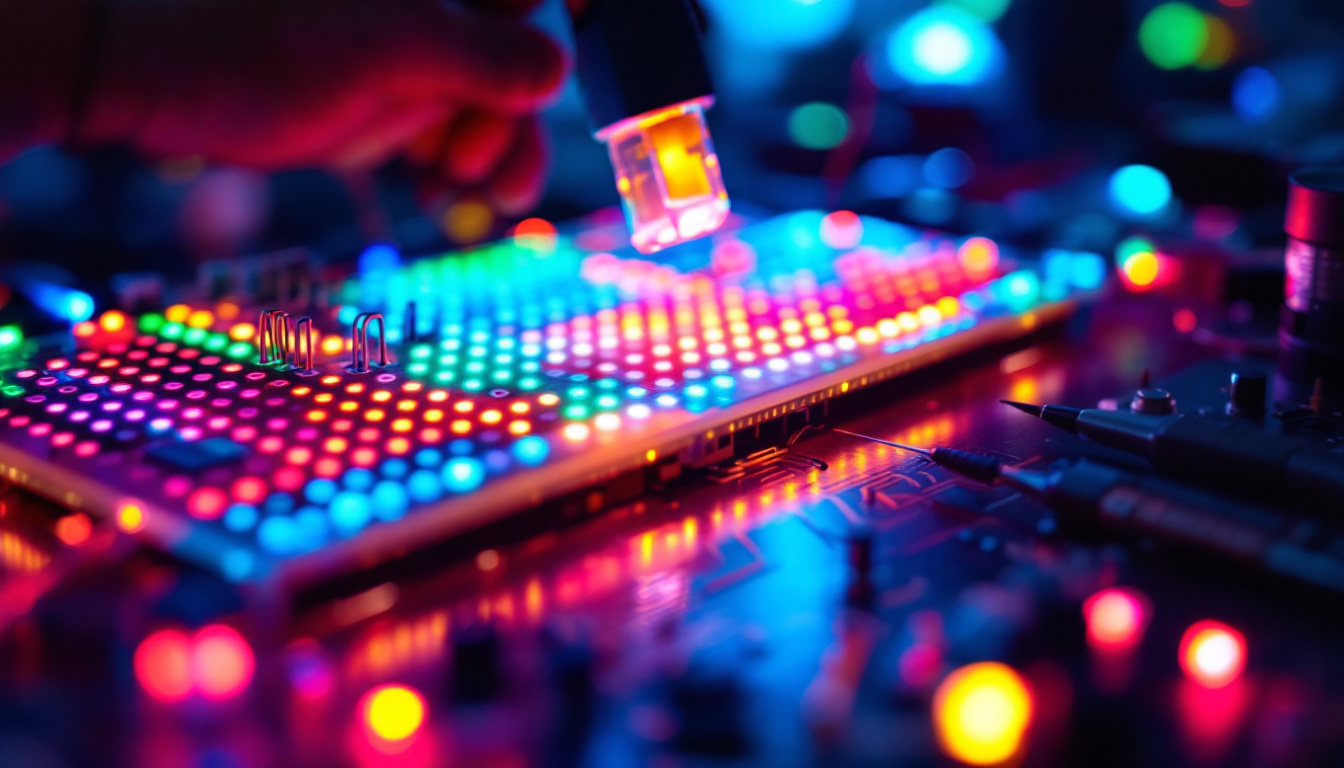
The technology behind LED displays involves tiny semiconductor devices that emit light when an electric current passes through them. These diodes can emit different colors, primarily red, green, and blue, which combine to produce a full spectrum of colors. By adjusting the intensity of each diode, the display can render detailed images and videos with remarkable clarity. This precision not only benefits entertainment applications but also plays a crucial role in professional fields such as medical imaging and graphic design, where color accuracy and detail are paramount.
The Evolution of LED Technology
LED technology has come a long way since its inception in the early 1960s. Initially, LEDs were limited to simple indicator lights with low brightness and limited color options. However, advances in semiconductor materials and manufacturing processes have enabled the creation of high-brightness, full-color LEDs suitable for large-scale displays. These developments have made it possible to create screens that can be viewed in direct sunlight, further expanding their usability in outdoor environments.
Today’s LED displays can be found in a variety of forms, from tiny indicator lights on electronic devices to massive outdoor screens used for advertising and entertainment. The evolution has also introduced innovations such as microLED and miniLED, pushing the boundaries of resolution, brightness, and energy efficiency. MicroLED technology, for instance, utilizes microscopic LEDs that allow for even greater pixel density, resulting in stunningly sharp images that are ideal for immersive experiences like virtual reality. Furthermore, as the demand for sustainable technology grows, LED displays are increasingly being designed with eco-friendly materials and energy-saving features, aligning with global efforts to reduce carbon footprints and promote greener electronics.
Types of LED Displays: Exploring the Variants
LED displays come in several types, each tailored to specific applications and environments. Understanding these variants helps in selecting the right display technology for a particular use case.
1. Direct View LED Displays
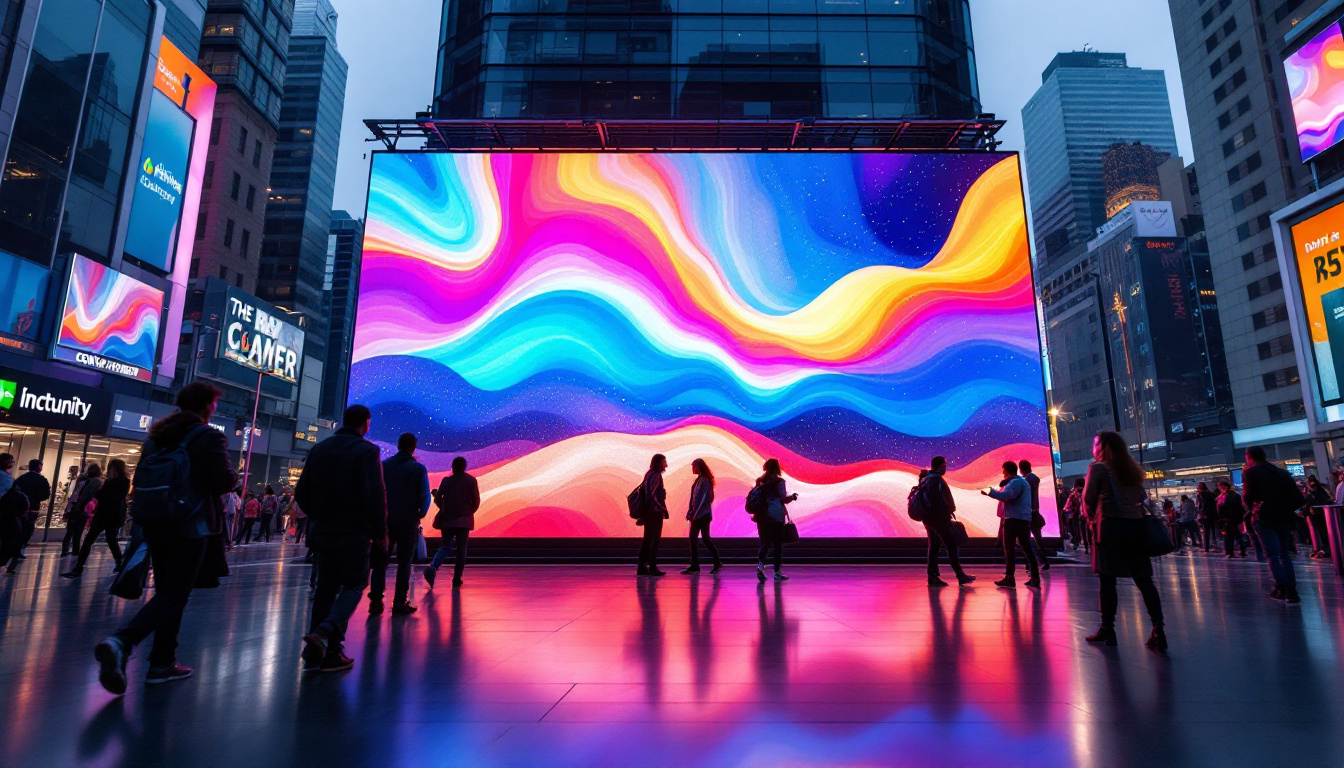
Direct view LED displays are composed of individual LEDs arranged in a matrix, each acting as a pixel. These displays are known for their exceptional brightness and visibility, making them ideal for outdoor applications like stadium screens, digital billboards, and large public displays.
The key advantage of direct view LEDs is their ability to produce vivid images even under direct sunlight, which is a challenge for many other display technologies. They are also scalable to enormous sizes, allowing for immersive viewing experiences in large venues.
2. LED-backlit LCD Displays
Many modern LCD screens use LED backlighting to illuminate the liquid crystal panel. While the display itself is not made of LEDs, the backlighting provides better brightness and energy efficiency compared to older cold cathode fluorescent lamp (CCFL) backlights.
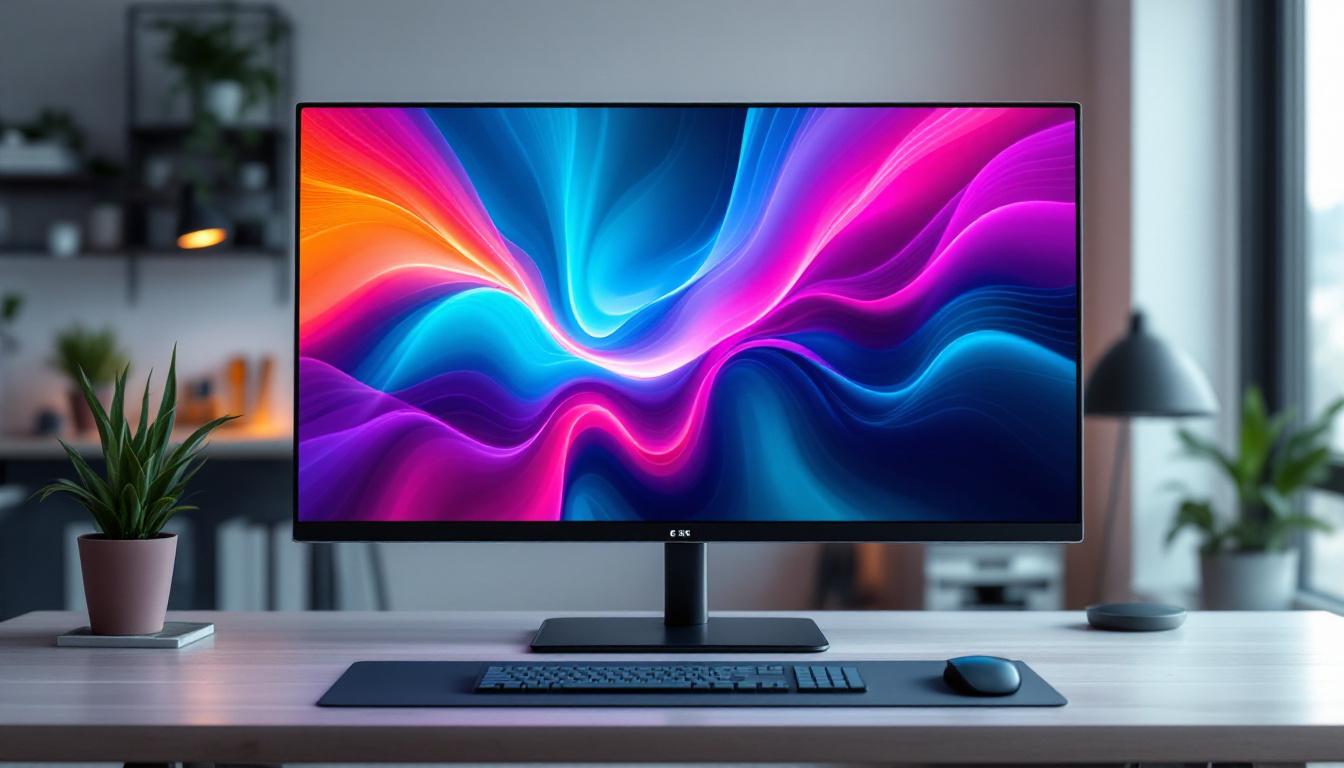
This hybrid approach is common in televisions, computer monitors, and smartphone screens. It offers a balance between cost, image quality, and energy consumption, making it a popular choice for consumer electronics.
3. OLED and MicroLED Displays
Organic Light Emitting Diode (OLED) and MicroLED displays represent the next generation of LED technology. OLEDs use organic compounds that emit light when electrically stimulated, allowing for thinner, flexible displays with excellent color accuracy and contrast.
MicroLED displays, on the other hand, use microscopic LEDs to create each pixel, combining the benefits of OLED’s self-emissive properties with higher brightness and longer lifespan. Although still emerging, MicroLED technology promises to revolutionize display quality in the coming years.
Key Advantages of LED Displays
LED displays offer numerous benefits that explain their widespread adoption across industries. These advantages make them a preferred choice for both indoor and outdoor applications.
Brightness and Visibility
One of the most significant advantages of LED displays is their superior brightness. LEDs can produce intense light levels, making the content visible even in bright daylight conditions. This is particularly important for outdoor advertising, traffic signs, and public information displays.
Energy Efficiency
Compared to traditional display technologies, LEDs consume less power. Their ability to emit light directly without the need for backlighting reduces energy consumption significantly. This efficiency translates into lower operating costs and a smaller environmental footprint.
Durability and Longevity
LEDs are solid-state devices, which makes them more durable and resistant to shock and vibration than other lighting technologies. They also have a long operational lifespan, often exceeding 50,000 hours, reducing maintenance and replacement costs.
Color Accuracy and Contrast
Because LEDs emit light directly, they can achieve deeper blacks and higher contrast ratios than LCDs with backlighting. This results in more vibrant and true-to-life images, enhancing the viewer’s experience.
Flexibility and Scalability
LED displays can be manufactured in various sizes and shapes, including curved and flexible panels. This adaptability allows designers to create unique installations tailored to specific environments and creative visions.
Applications of LED Displays Across Industries
The versatility of LED displays has led to their adoption in a wide range of sectors. Their ability to deliver high-quality visuals in diverse conditions makes them invaluable tools for communication, entertainment, and information dissemination.
Advertising and Marketing
Digital billboards and signage are among the most visible applications of LED displays. Their brightness and dynamic content capabilities allow advertisers to capture attention effectively, even in busy urban environments. According to recent industry reports, the global digital signage market is expected to reach over $32 billion by 2028, driven largely by LED technology advancements.
Sports and Entertainment Venues
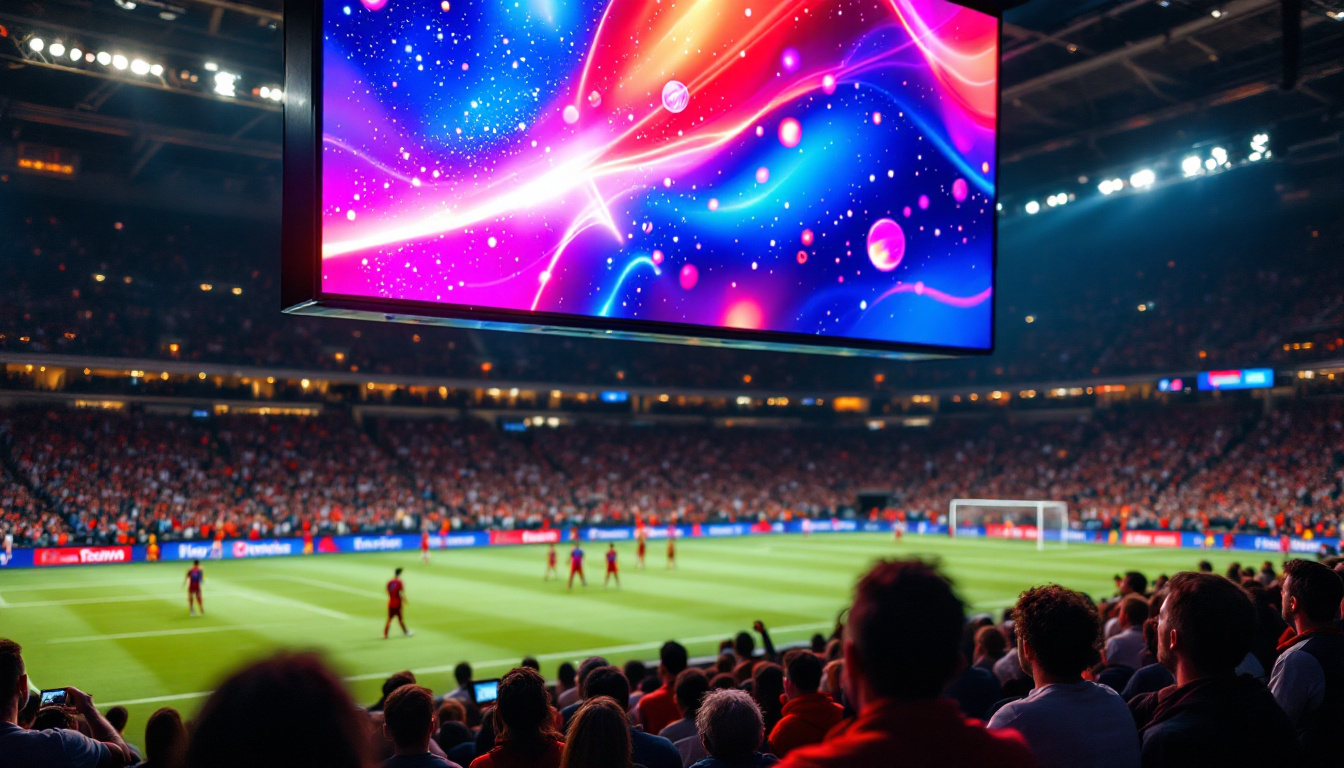
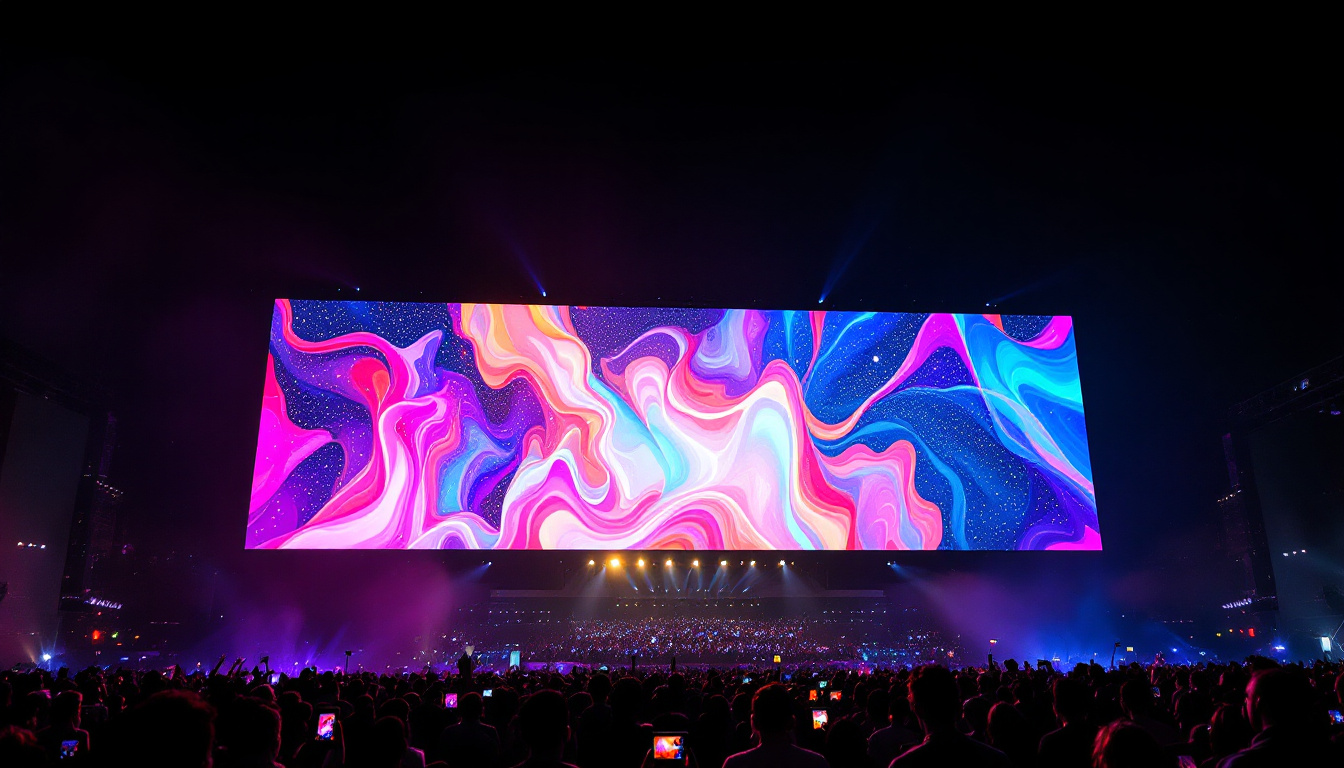
Stadiums and arenas use large-scale LED displays to enhance the spectator experience. From live game footage to interactive content and advertisements, these displays provide immersive engagement. The ability to produce seamless, high-resolution images on massive screens is a game-changer for event organizers.
Transportation and Public Information
LED displays are widely used in airports, train stations, and bus terminals to convey schedules, alerts, and directions. Their clarity and reliability ensure that travelers receive timely information, improving overall transit efficiency.
Retail and Hospitality
In retail environments, LED displays serve as dynamic product showcases and promotional tools. Hotels and restaurants use them for menus, event announcements, and ambiance enhancement. The flexibility of LED technology allows for creative and engaging customer interactions.
Healthcare and Education
Hospitals utilize LED displays for patient information and wayfinding, while educational institutions employ them for digital notice boards and interactive learning tools. The clarity and adaptability of LED screens support effective communication in these critical settings.
Challenges and Considerations When Choosing LED Displays
Despite their many benefits, LED displays also present certain challenges that must be considered to ensure optimal performance and return on investment.
Initial Cost
High-quality LED displays, especially large or specialized ones, can require significant upfront investment. While prices have decreased over time, the initial cost remains a barrier for some organizations. However, the long-term savings in energy and maintenance often justify the expense.
Installation and Maintenance
Proper installation is crucial for maximizing display performance and lifespan. Depending on the size and complexity, installation can be labor-intensive and may require professional expertise. Additionally, while LEDs are durable, they still require periodic maintenance to address issues such as pixel failures or environmental damage.
Resolution and Pixel Pitch
The resolution of an LED display depends on its pixel pitch—the distance between individual LEDs. Smaller pixel pitches yield higher resolution but increase cost and complexity. Selecting the appropriate pixel pitch involves balancing viewing distance, budget, and image quality requirements.
Environmental Factors
Outdoor LED displays must withstand weather conditions such as rain, wind, and temperature fluctuations. Ensuring adequate protection and ventilation is essential to maintain performance and avoid premature failure.
The Future of LED Displays: Trends to Watch
As LED technology continues to evolve, several trends are shaping the future landscape of digital displays.
MicroLED and Beyond
MicroLED technology promises to deliver even higher brightness, better color accuracy, and longer lifespans than current LED and OLED displays. Its potential for ultra-thin, flexible, and transparent screens opens new possibilities for consumer electronics and digital signage.
Integration with Smart Technologies
LED displays are increasingly integrated with IoT (Internet of Things) and AI-driven content management systems. This integration allows for real-time data-driven content updates, personalized advertising, and interactive user experiences.
Sustainability and Energy Efficiency
Environmental concerns are driving innovations aimed at reducing the energy consumption and carbon footprint of LED displays. Advances in materials and design are making these displays greener and more cost-effective.
Augmented Reality (AR) and Immersive Experiences
Combining LED displays with AR and virtual reality technologies is creating immersive environments for entertainment, education, and retail. These experiences enhance engagement and open new avenues for content delivery.
Conclusion
LED displays have transformed the way information and entertainment are delivered across the globe. Their unique combination of brightness, energy efficiency, durability, and versatility makes them indispensable in today’s digital landscape. As technology advances, LED displays will continue to evolve, offering even more innovative and impactful ways to communicate visually.
Understanding the fundamentals of LED technology, the different types of displays available, and their applications can help businesses and consumers make informed decisions. Whether for advertising, entertainment, or information dissemination, LED displays remain a powerful medium for capturing attention and conveying messages effectively.
Illuminate Your Space with LumenMatrix
Ready to elevate your visual experience with the latest in LED display technology? LumenMatrix is at the forefront of innovation, offering a diverse range of LED display solutions tailored to your needs. From Indoor and Outdoor LED Walls to dynamic Vehicle and Sports Displays, our products are designed to captivate and engage your audience. Discover the transformative power of LED displays and how LumenMatrix can help your brand shine brighter. Check out LumenMatrix LED Display Solutions today and step into the future of visual communication.