In today’s digital age, LED displays have become an integral part of how we communicate visually. From massive outdoor billboards to the screens on our smartphones, LED technology powers vibrant, dynamic images that capture attention and convey information effectively. But what exactly is an LED display, and how does it work? This article dives deep into the world of LED displays, exploring their structure, types, applications, and the technology behind their stunning visuals.
Understanding the Basics of LED Displays
What Is an LED Display?
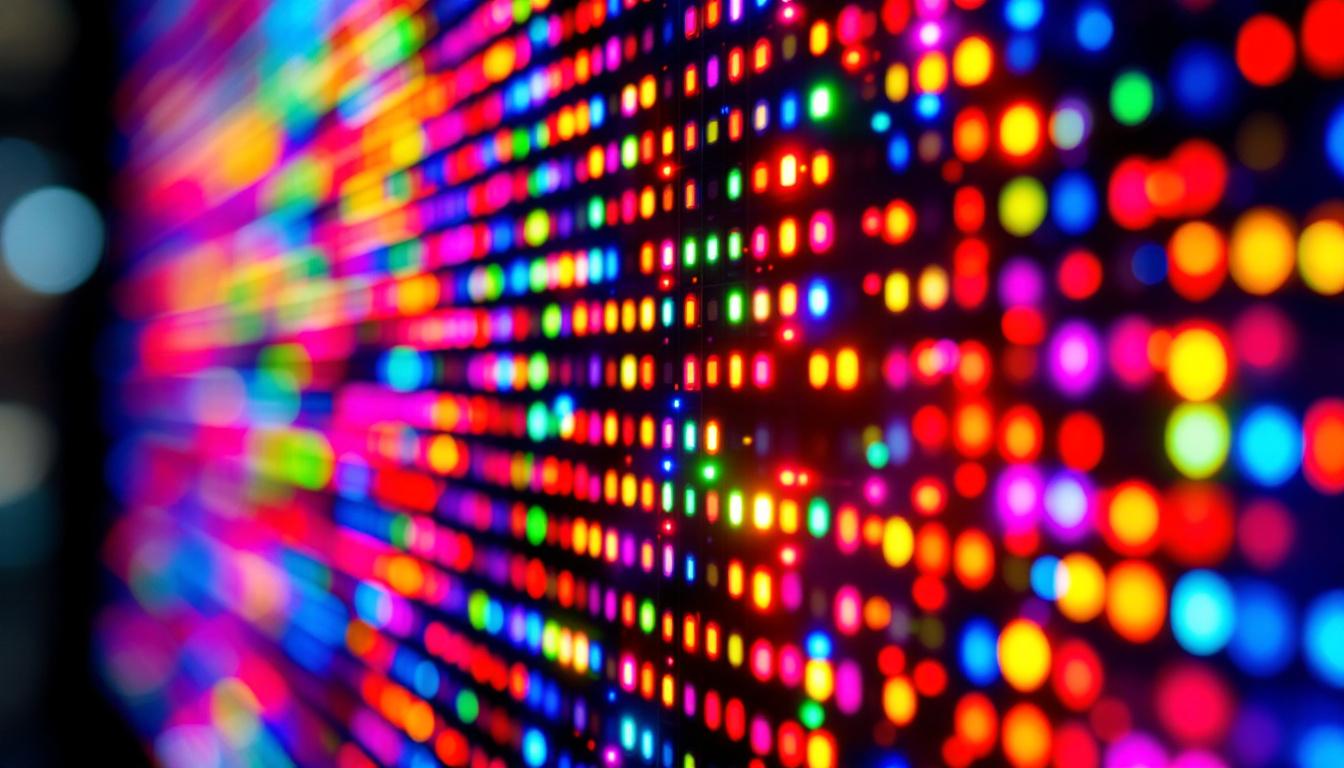
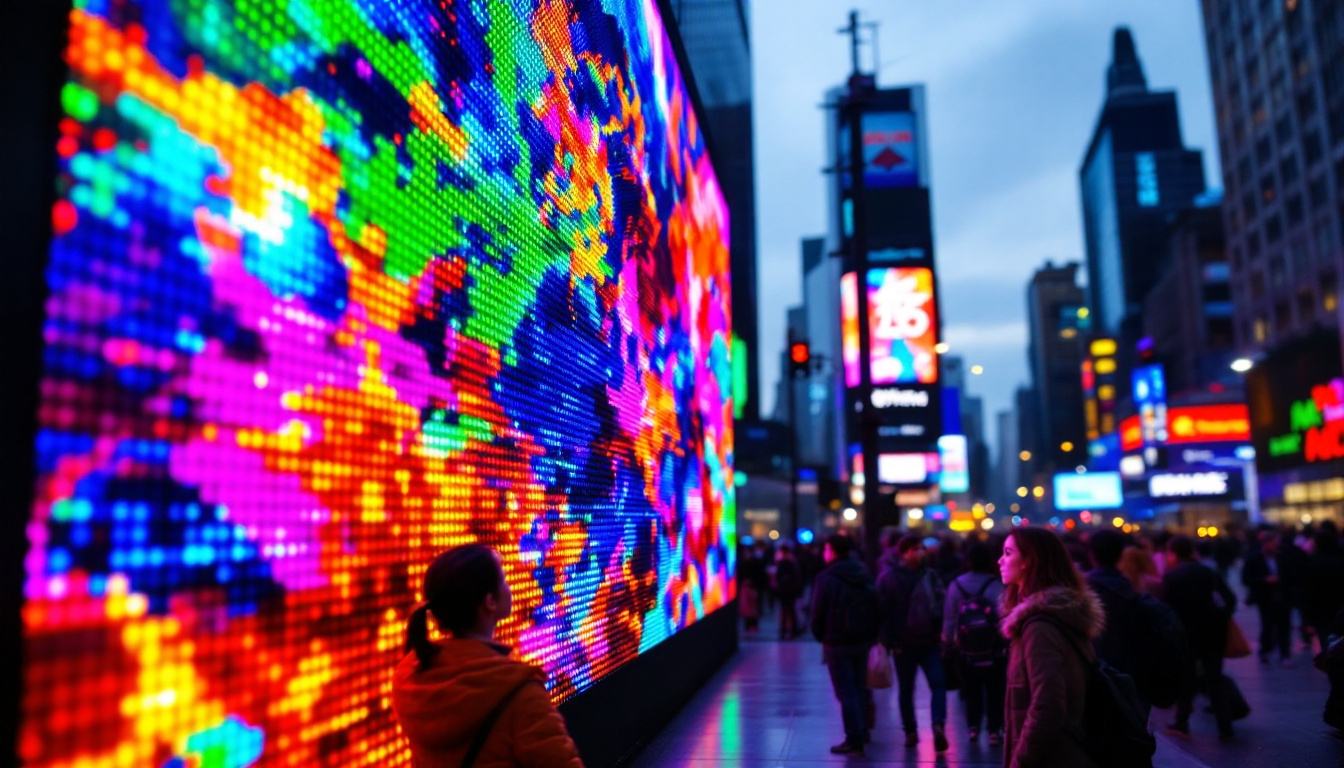
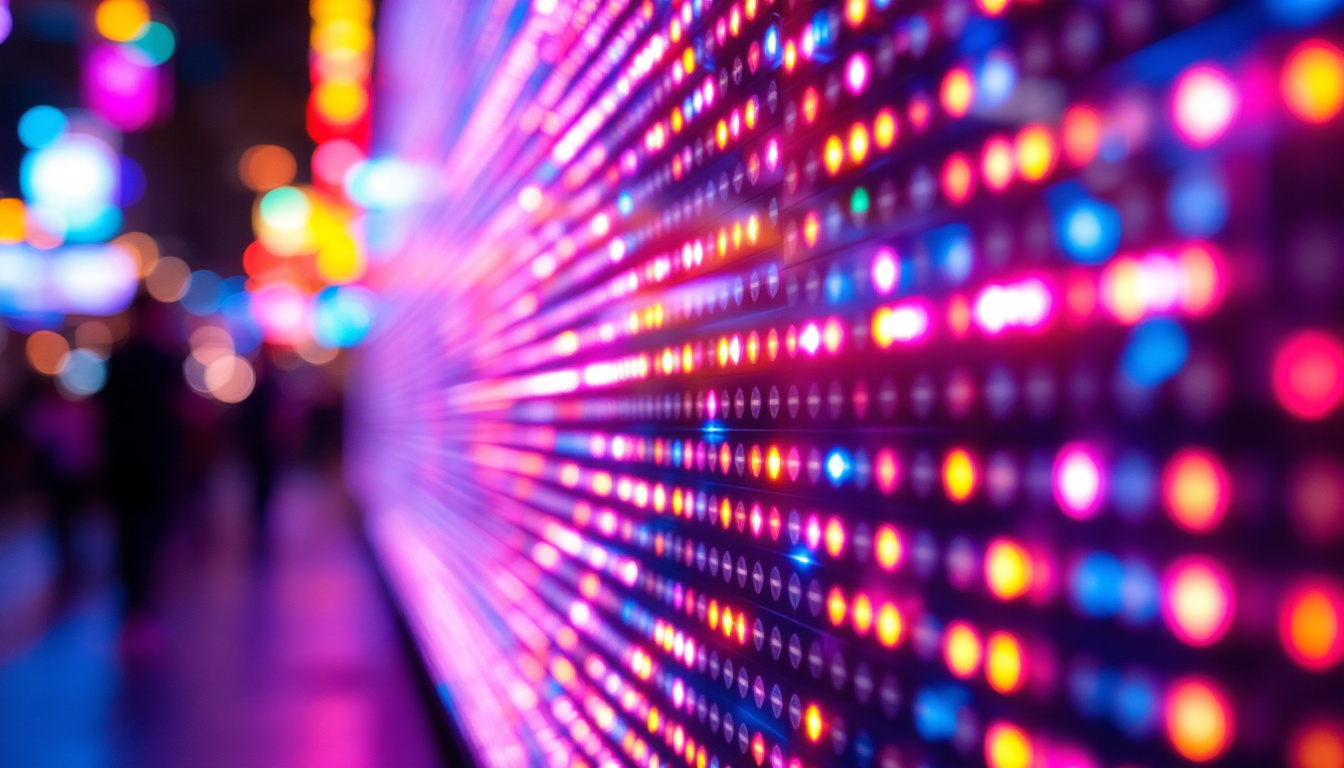
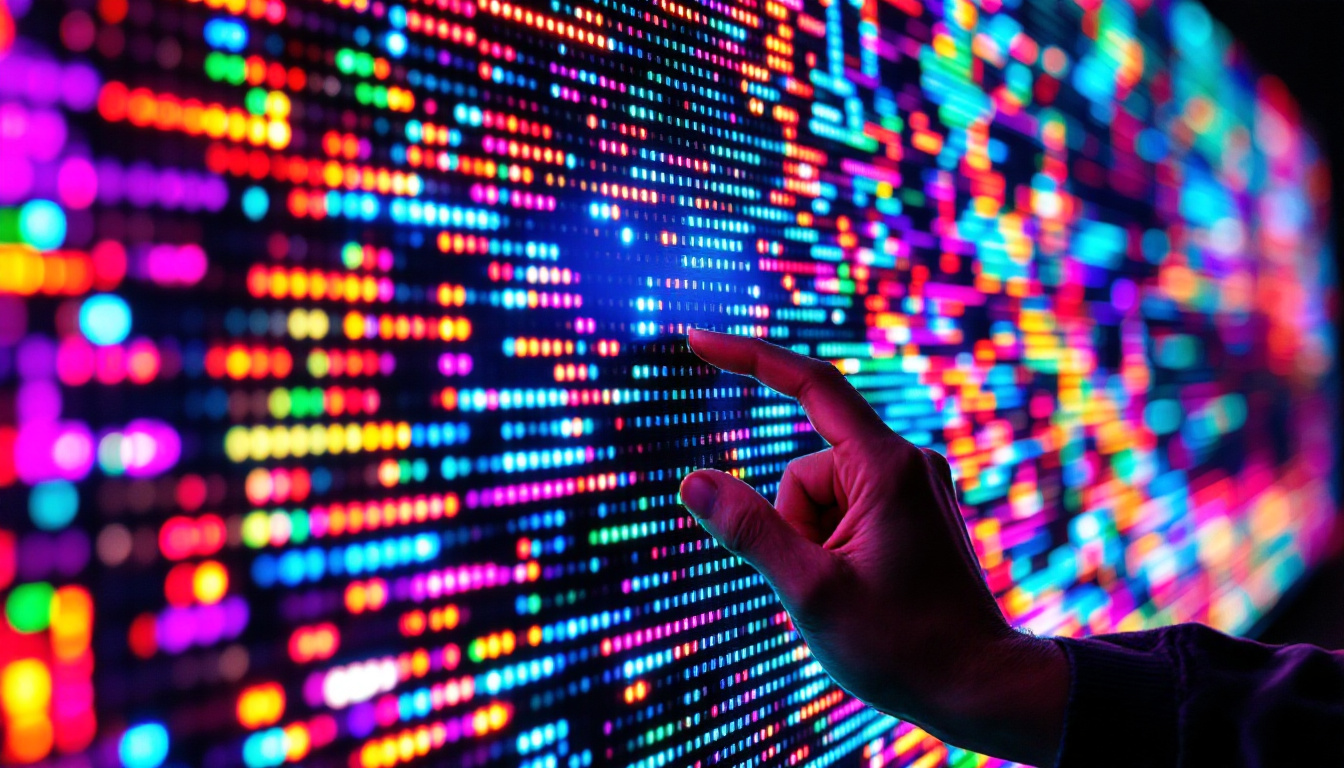
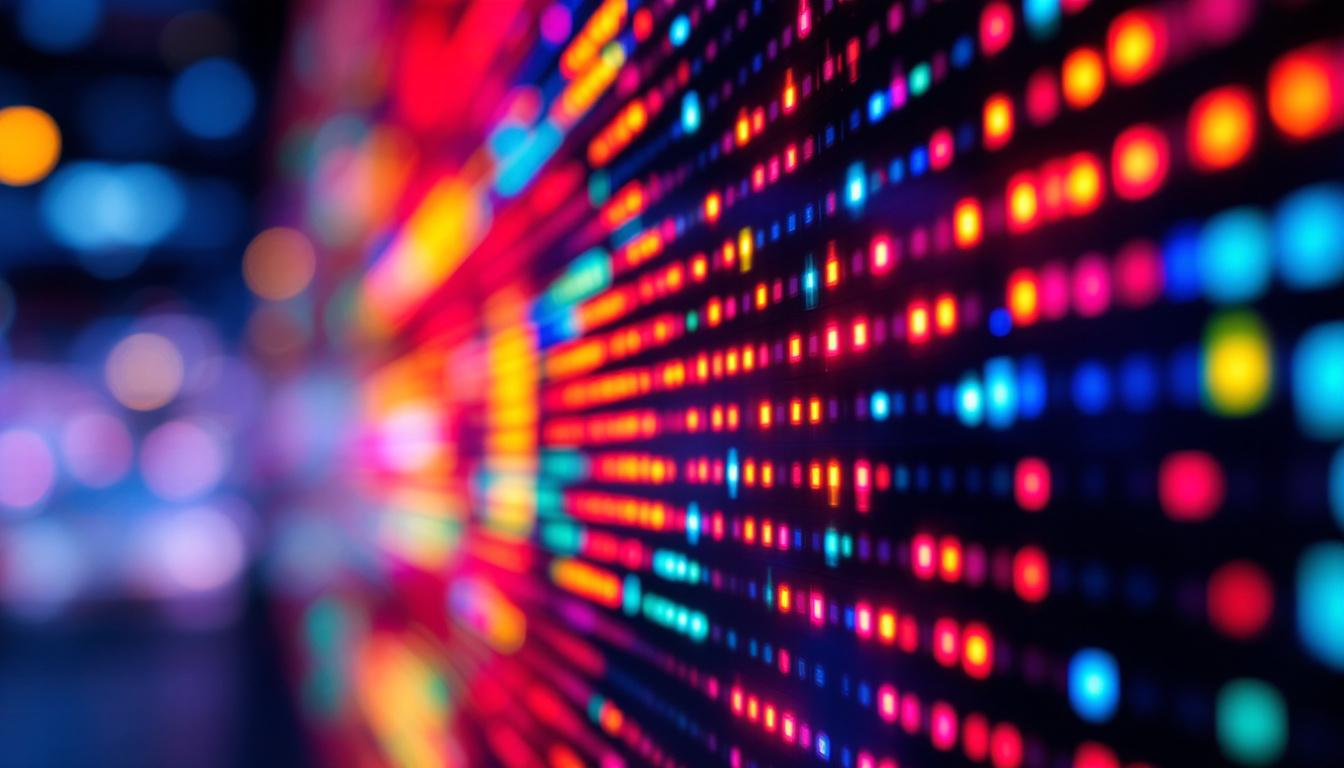
LED stands for Light Emitting Diode, a semiconductor device that emits light when an electric current passes through it. An LED display is essentially a screen made up of numerous tiny LEDs arranged in a grid or matrix. Each LED acts as a pixel—the smallest unit of a digital image—that can emit light in various colors and intensities. By controlling these individual pixels, LED displays can create images, videos, and text with remarkable clarity and brightness.
Unlike traditional LCD screens that rely on backlighting, LED displays generate their own light, which allows for higher contrast ratios and better visibility in bright environments. This self-illumination is a key reason why LED displays are favored for outdoor advertising, stadium screens, and other applications requiring high brightness and durability.
How Do LED Pixels Work?
Each pixel in an LED display is typically composed of three sub-pixels: red, green, and blue (RGB). By adjusting the intensity of these three colors, the pixel can produce a wide spectrum of colors through additive color mixing. For example, combining red and green light at full intensity creates yellow, while mixing all three colors at full brightness produces white.
Modern LED displays use sophisticated control systems to manage these pixels with incredible precision. This allows for smooth gradients, detailed images, and vibrant videos that can be viewed from various angles without significant color distortion.
Types of LED Displays and Their Applications
Indoor vs. Outdoor LED Displays
LED displays are broadly categorized into indoor and outdoor types, each designed to meet specific environmental and usage requirements.
Indoor LED Displays are optimized for close viewing distances and controlled lighting conditions. They feature smaller pixel pitches—meaning the LEDs are packed more densely—to deliver high-resolution images suitable for conference rooms, retail stores, and broadcast studios. Indoor displays prioritize color accuracy and fine detail, often supporting resolutions comparable to high-definition television.
Outdoor LED Displays are built to withstand harsh weather conditions, including rain, dust, and extreme temperatures. They have larger pixel pitches to ensure visibility from greater distances, such as on highway billboards or sports arenas. Outdoor LEDs are designed with higher brightness levels, often exceeding 5,000 nits, to remain visible even under direct sunlight.
Fixed vs. Rental LED Displays
Another important distinction is between fixed and rental LED displays. Fixed LED displays are permanently installed in one location, like digital signage on a building facade or a scoreboard in a stadium. These displays are designed for long-term use and often have customized dimensions and configurations.
Rental LED displays, on the other hand, are modular and portable. They can be assembled and disassembled quickly for events such as concerts, trade shows, and exhibitions. Rental displays emphasize ease of transport and setup while maintaining high image quality and brightness.
MicroLED and MiniLED: The Next Generation
Recent advancements in LED technology have introduced MicroLED and MiniLED displays, which push the boundaries of resolution and brightness even further. MicroLED displays utilize microscopic LEDs that are much smaller than traditional LEDs, enabling ultra-high resolution screens with exceptional color accuracy and energy efficiency. This technology is gaining traction for use in premium televisions and augmented reality devices.
MiniLED displays, meanwhile, use thousands of tiny LEDs as a backlight source for LCD panels, improving contrast and brightness compared to conventional LED-backlit LCDs. MiniLED technology is becoming popular in high-end laptops, monitors, and televisions, offering a middle ground between traditional LED and MicroLED displays.
Key Technical Aspects of LED Displays
Pixel Pitch and Resolution
Pixel pitch is one of the most critical specifications in LED displays. It refers to the distance between the centers of two adjacent pixels, usually measured in millimeters. A smaller pixel pitch means more pixels per unit area, resulting in higher resolution and sharper images.
For example, an indoor LED display might have a pixel pitch of 1.2 mm, providing crisp visuals at close range. Conversely, an outdoor billboard might have a pixel pitch of 10 mm or more, as viewers typically observe it from a distance of several meters or more.
Brightness and Contrast Ratio
Brightness, measured in nits (candelas per square meter), determines how well an LED display can be seen in various lighting conditions. Outdoor LED displays often require brightness levels above 5,000 nits to remain legible under direct sunlight, while indoor displays typically operate between 300 and 1,000 nits.
The contrast ratio—the difference between the brightest and darkest parts of the image—is another vital factor. LED displays excel in this area because each pixel emits its own light, allowing for true blacks when pixels are turned off, unlike LCDs that rely on backlighting.
Refresh Rate and Viewing Angle
The refresh rate, expressed in hertz (Hz), indicates how many times per second the display updates its image. Higher refresh rates reduce flicker and motion blur, which is especially important for video content and fast-moving visuals. Most LED displays operate at refresh rates of 60 Hz or higher, with premium models reaching 120 Hz or more.
Viewing angle defines the range within which the display can be viewed without significant loss of brightness or color accuracy. LED displays typically offer wide viewing angles—often up to 160 degrees horizontally and vertically—making them suitable for environments where audiences view the screen from various positions.
Applications of LED Displays Across Industries
Advertising and Digital Signage
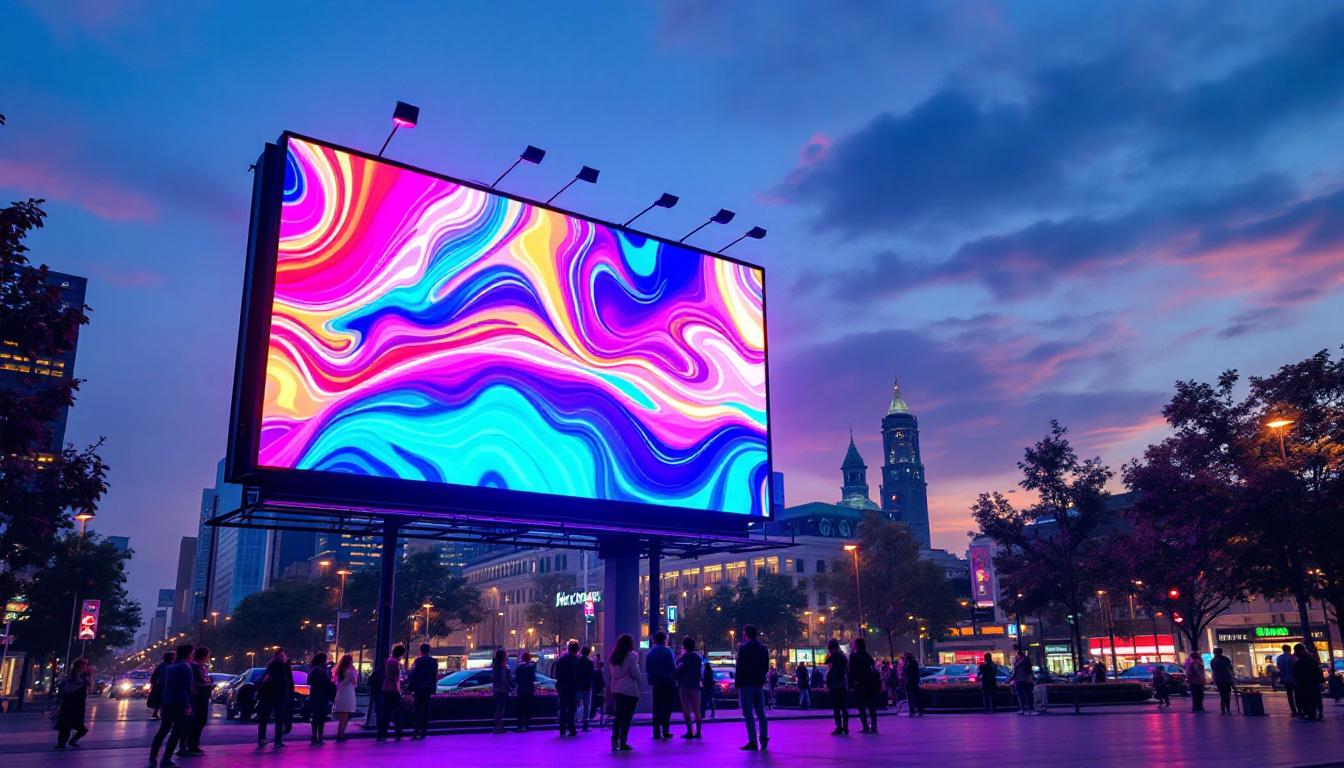
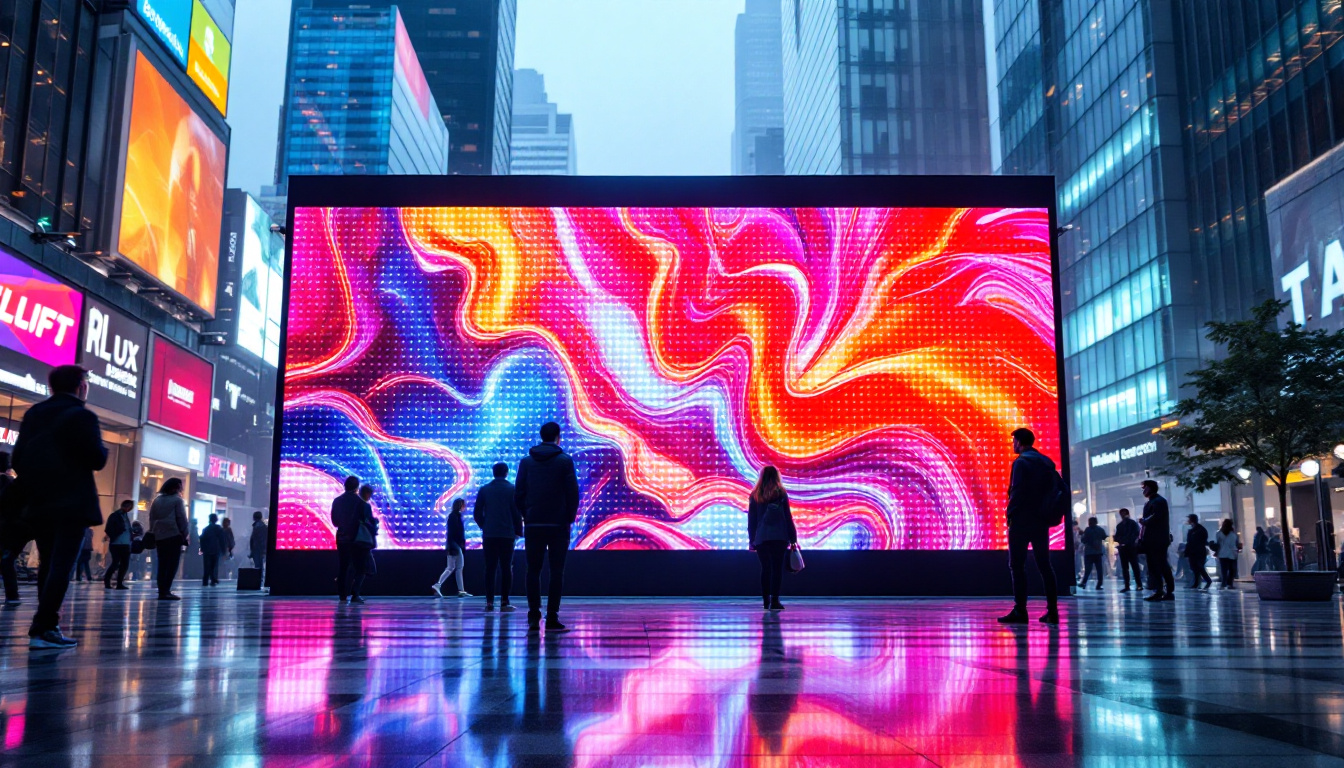
One of the most visible uses of LED displays is in advertising. Digital billboards and signage have transformed marketing by allowing dynamic, eye-catching content that can be updated remotely in real time. According to industry reports, the global digital signage market is expected to reach $32 billion by 2027, driven largely by LED technology’s versatility and impact.
Retailers use LED displays to promote products and sales, while city planners integrate them into smart city initiatives to provide public information and enhance urban aesthetics. The ability to display video, animations, and interactive content makes LED signage a powerful tool for engaging customers and passersby.
Entertainment and Events
Concerts, sports events, and festivals rely heavily on LED displays to deliver immersive experiences. Massive LED video walls serve as backdrops on stages, broadcasting live footage, visual effects, and sponsor messages. Stadiums use LED scoreboards and perimeter displays to keep fans informed and entertained.
The portability of rental LED displays has expanded opportunities for live events, enabling organizers to tailor screen sizes and configurations to venue needs. Advances in LED technology also support 3D and augmented reality applications, pushing the boundaries of audience engagement.
Transportation and Public Information
LED displays play a crucial role in transportation hubs such as airports, train stations, and bus terminals. These displays provide real-time updates on arrivals, departures, delays, and safety information. Their high visibility and reliability make them ideal for managing large crowds and ensuring smooth operations.
Additionally, LED screens are increasingly used in traffic management systems, displaying warnings, speed limits, and other vital messages to drivers. Their ability to operate continuously under varying weather conditions makes them indispensable in public infrastructure.
Healthcare and Education
In healthcare, LED displays are used for patient monitoring, digital wayfinding, and telemedicine. High-resolution indoor LED screens facilitate detailed imaging and data visualization, supporting better diagnosis and treatment planning.
Educational institutions incorporate LED displays in classrooms, lecture halls, and auditoriums to enhance learning through multimedia presentations and interactive content. The durability and energy efficiency of LED technology also align with sustainability goals in these sectors.
Future Trends in LED Display Technology
Integration with Artificial Intelligence and IoT
As LED displays become smarter, integration with artificial intelligence (AI) and the Internet of Things (IoT) is reshaping their functionality. AI algorithms can analyze audience demographics and behavior to tailor content dynamically, improving engagement and advertising effectiveness.
IoT connectivity enables LED displays to interact with other devices and systems, facilitating real-time data exchange and automation. For instance, a smart billboard might adjust brightness based on ambient light or display emergency alerts triggered by municipal sensors.
Energy Efficiency and Sustainability
With growing environmental concerns, manufacturers are focusing on making LED displays more energy-efficient and sustainable. Innovations such as low-power LEDs, improved heat dissipation, and recyclable materials are reducing the ecological footprint of these displays.
Energy-efficient LED technology not only lowers operational costs but also aligns with corporate social responsibility initiatives, making it a preferred choice for businesses and governments worldwide.
Advancements in Flexible and Transparent LED Displays
Emerging technologies are enabling flexible and transparent LED displays that can be integrated into unconventional surfaces like glass windows, curved walls, and wearable devices. These displays open new possibilities for creative advertising, architectural design, and interactive experiences.
Flexible LED screens can be bent or rolled without damage, making them ideal for portable applications and innovative installations. Transparent LEDs maintain visibility through the screen, allowing for augmented reality effects and unobtrusive digital signage.
Conclusion
LED displays have revolutionized visual communication by offering bright, vibrant, and versatile screens that cater to a wide range of applications. Understanding the technology behind LED pixels, the distinctions between display types, and their practical uses helps businesses and consumers make informed decisions about adopting this powerful medium.
As LED technology continues to evolve with advancements like MicroLED, AI integration, and flexible form factors, the future promises even more immersive and energy-efficient display solutions. Whether for advertising, entertainment, public information, or education, LED displays remain at the forefront of digital innovation, illuminating the way forward in the pixel show.
Illuminate Your Space with LumenMatrix
Ready to bring the vibrant world of LED displays into your space? LumenMatrix is at the cutting edge of LED display technology, offering a wide array of solutions that transform any environment into a dynamic visual experience. From Indoor and Outdoor LED Walls to specialized displays for vehicles, sports, and even floors, our products are designed to captivate and engage. Discover how our Custom and All-in-One LED Displays, along with our revolutionary LED Transparent Displays, can revolutionize your visual communication. Check out LumenMatrix LED Display Solutions today and step into the future of digital signage.