In the rapidly evolving world of display technology, consumers and businesses alike face a complex array of choices when selecting screens for entertainment, advertising, or informational purposes. Among the most prominent technologies are plasma and LED displays, each with distinct characteristics that influence their performance, cost, and application suitability. This article delves into the nuances of plasma sales and offers a comprehensive explanation of LED displays, helping readers make informed decisions in a competitive market.
The Evolution of Display Technologies
Display technology has undergone significant transformations over the past few decades. From bulky cathode ray tubes (CRTs) to sleek flat panels, the industry has continuously innovated to deliver better image quality, energy efficiency, and design flexibility. Plasma and LED displays represent two major milestones in this evolution.
Plasma displays, introduced commercially in the late 1990s, gained popularity for their vibrant colors and deep blacks. However, with the advent of LED technology, which offered superior energy efficiency and thinner form factors, plasma sales began to decline sharply after 2010. Today, LED displays dominate the market, but understanding plasma’s strengths and limitations remains relevant, especially for niche applications.
Why Plasma Displays Once Dominated
Plasma technology works by illuminating tiny cells containing ionized gases (plasma) to produce images. This method allowed for excellent color accuracy and wide viewing angles, making plasma TVs a favorite for home theater enthusiasts. Additionally, plasma screens excelled at rendering fast-moving images without motion blur, a critical feature for sports and gaming.
Despite these advantages, plasma displays suffered from high power consumption and susceptibility to screen burn-in, where static images could leave permanent marks on the screen. These factors, combined with the rise of more energy-efficient and versatile LED displays, led to a steep decline in plasma sales. However, it is worth noting that the unique characteristics of plasma displays still find a dedicated audience among professionals in fields such as medical imaging and video production, where color fidelity and motion handling are paramount. The technology’s ability to maintain consistent brightness levels across the screen also made it a preferred choice for large venues, such as sports arenas and concert halls, where visual impact is crucial.
As the market shifted towards LED and OLED technologies, manufacturers began to explore hybrid approaches that could capture the best of both worlds. For instance, advancements in quantum dot technology have enabled LED displays to achieve color reproduction that rivals that of plasma, while also addressing some of the energy consumption concerns. Furthermore, the introduction of OLED (Organic Light Emitting Diode) technology has brought about a new era of display innovation, offering even deeper blacks and improved contrast ratios by allowing individual pixels to turn off completely. This has led to a resurgence of interest in high-end displays that cater to both consumers and professionals seeking the ultimate viewing experience.
Understanding LED Display Technology
LED (Light Emitting Diode) displays have become the standard in both consumer electronics and commercial signage. Unlike plasma, LED displays use an array of light-emitting diodes to create images, offering several advantages that have fueled their widespread adoption. The technology has evolved significantly over the years, leading to improvements in color accuracy, refresh rates, and overall viewing experience, making them a preferred choice for a variety of applications, from home theaters to large-scale advertising billboards.
Types of LED Displays
LED displays come in various forms, each suited to different applications:
- Direct LED (Full-Array): LEDs are placed directly behind the screen, providing uniform backlighting and superior contrast. This type is particularly favored for high-end televisions and professional monitors, where picture quality is paramount.
- Edge-Lit LED: LEDs are positioned around the screen’s edges, allowing for thinner panels but sometimes less uniform brightness. This design is often used in budget-friendly models, where space-saving is a priority.
- MicroLED: An emerging technology where microscopic LEDs form individual pixels, promising exceptional brightness and energy efficiency. MicroLED displays are still in their infancy but are expected to revolutionize the industry with their potential for seamless, large-scale displays.
- OLED (Organic LED): Although technically different from traditional LEDs, OLEDs use organic compounds that emit light when electrified, offering perfect blacks and flexible displays. This technology is particularly popular in high-end smartphones and televisions due to its vibrant colors and deep contrast ratios.
Each type has its unique benefits, but the common thread is the use of LEDs to enhance image quality and energy efficiency. As technology advances, we can expect further innovations that will blur the lines between these display types, leading to even more versatile and high-performing screens.
Advantages of LED Displays
LED technology offers several compelling benefits over plasma and other display types:
- Energy Efficiency: LEDs consume significantly less power, making them cost-effective for both consumers and businesses. This efficiency not only reduces electricity bills but also contributes to a lower carbon footprint, appealing to environmentally conscious consumers.
- Brightness and Visibility: LED displays can achieve higher brightness levels, crucial for outdoor and well-lit environments. This capability makes them ideal for digital billboards and signage that need to be visible from a distance or in direct sunlight.
- Longevity: LEDs generally have longer lifespans than plasma screens, reducing replacement costs. Many LED displays can last up to 100,000 hours, making them a reliable choice for both home and commercial use.
- Design Flexibility: Thin and lightweight panels allow for innovative designs, including curved and ultra-large screens. This flexibility has led to creative installations in public spaces, such as immersive video walls and interactive displays.
- Reduced Burn-In Risk: Unlike plasma, LEDs are less prone to permanent image retention, enhancing durability. This feature is particularly advantageous for applications that display static images for extended periods, such as in retail environments.
Moreover, the rapid advancements in LED technology have led to improvements in color accuracy and refresh rates, making them increasingly suitable for high-definition video content and gaming. The introduction of features like HDR (High Dynamic Range) further enhances the viewing experience, allowing for a broader range of colors and better contrast, which is particularly noticeable in cinematic and gaming scenarios. As manufacturers continue to innovate, we can anticipate even more enhancements that will push the boundaries of what LED displays can achieve.
Market Trends and Sales Insights
The global display market has experienced dynamic shifts influenced by technological advancements, consumer preferences, and economic factors. Understanding these trends provides context for plasma sales and the dominance of LED displays.
Decline of Plasma Sales
Plasma sales have plummeted since their peak in the mid-2000s. According to market research from Statista, plasma TV shipments fell from approximately 12 million units worldwide in 2008 to near zero by 2016. Major manufacturers like Samsung and LG ceased plasma production around 2014, signaling the end of an era.
This decline was driven by several factors:
- Manufacturing Costs: Plasma panels were more expensive to produce compared to LED alternatives.
- Energy Consumption: Rising consumer awareness about energy efficiency favored LED technology.
- Technological Limitations: Issues like screen burn-in and lower peak brightness made plasma less competitive.
Surge in LED Display Sales
Conversely, LED display sales have surged, reflecting their versatility and performance. The global LED display market was valued at over $20 billion in 2023 and is projected to grow at a compound annual growth rate (CAGR) of around 8% through 2030, according to industry analysts.
Commercial sectors such as retail, transportation, and entertainment increasingly rely on LED displays for digital signage, video walls, and interactive kiosks. The consumer market also favors LED TVs for their picture quality and energy savings.
Applications: When to Choose Plasma or LED
Despite the dominance of LED technology, plasma displays still hold niche appeal. Understanding the appropriate applications for each technology can guide purchasing decisions.
Best Use Cases for Plasma Displays
Plasma screens remain relevant in scenarios where image quality and motion handling are paramount:
- Home Theaters: Enthusiasts who prioritize deep blacks and smooth motion may prefer plasma displays.
- Specialized Viewing Environments: Rooms with controlled lighting benefit from plasma’s color accuracy.
However, the limited availability of plasma products and higher energy costs make them less practical for most users today.
Optimal Applications for LED Displays
LED displays are highly versatile and suitable for a broad range of uses:
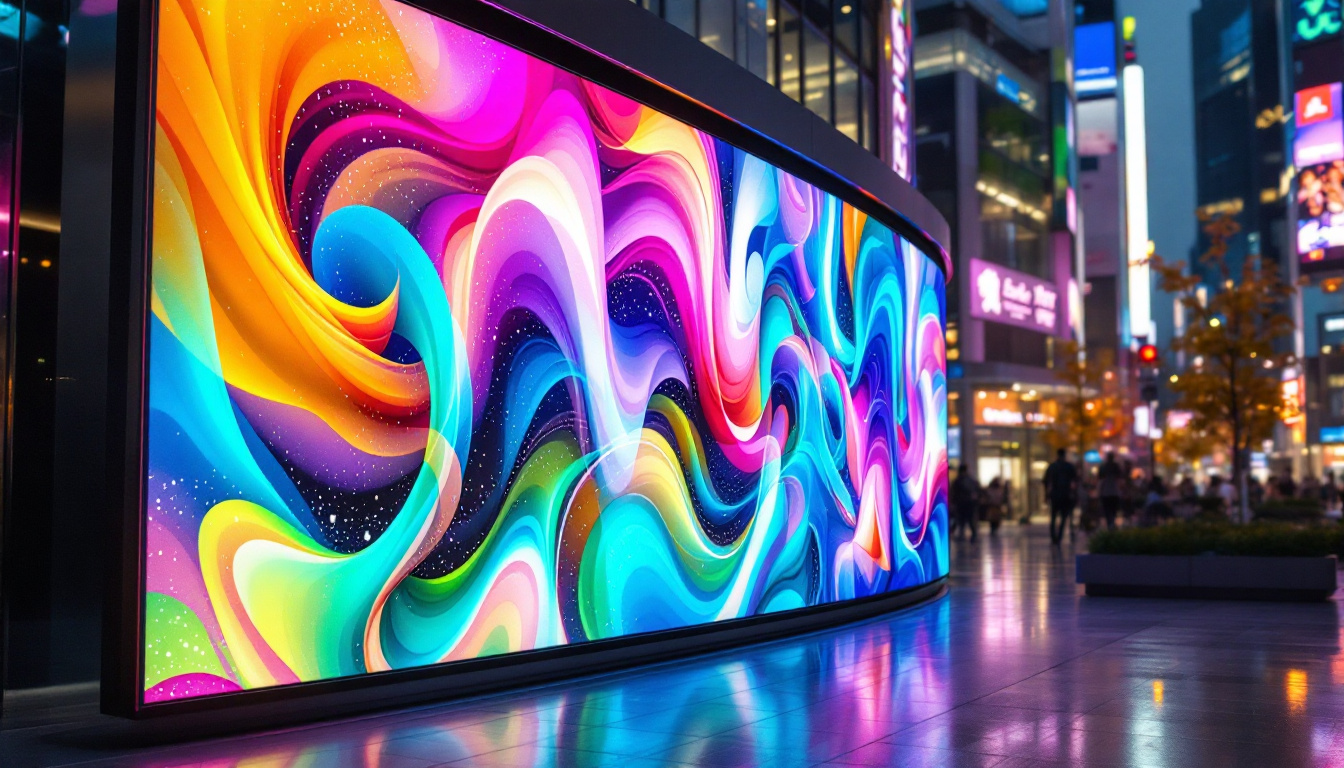
- Outdoor Advertising: High brightness and weather resistance make LED billboards effective in all lighting conditions.
- Retail and Corporate Signage: Dynamic content and energy efficiency enhance customer engagement and reduce operational costs.
- Consumer Electronics: From smartphones to large-screen TVs, LEDs deliver vibrant images and sleek designs.
- Event and Entertainment Venues: Large LED video walls provide immersive experiences with excellent visibility.
Future Outlook: Innovations in LED and Beyond
The display technology landscape continues to evolve, with LED advancements leading the charge. Emerging developments promise to further enhance performance and open new possibilities.
MicroLED and Quantum Dot Technologies
MicroLED technology, which integrates microscopic LEDs as individual pixels, offers exceptional brightness, contrast, and energy efficiency without the burn-in risks associated with OLED. Although still costly, MicroLED displays are expected to revolutionize premium screens in the coming years.
Quantum dot technology, often combined with LED backlighting, improves color accuracy and brightness. Quantum dot-enhanced LED TVs have gained popularity for delivering richer visuals at competitive prices.
Integration with Smart Technologies
Modern LED displays increasingly incorporate smart features such as AI-driven content optimization, touch interactivity, and seamless connectivity with IoT devices. These capabilities expand the utility of LED screens in smart homes, digital workplaces, and public spaces.
Conclusion: Making an Informed Choice
Choosing between plasma and LED displays requires careful consideration of the intended use, budget, and performance priorities. While plasma technology offered remarkable image quality in its heyday, its decline in sales and production reflects the superior versatility and efficiency of LED displays.
LED technology’s ongoing innovations, broad application range, and market momentum make it the preferred choice for most consumers and businesses today. Understanding the distinctions and current trends empowers buyers to select displays that best meet their needs, ensuring satisfaction and value in an ever-changing technological landscape.
Discover Cutting-Edge LED Displays with LumenMatrix
As you consider the vast potential of LED displays for your personal or business needs, LumenMatrix stands at the forefront of this technological revolution. With a commitment to innovation and quality, LumenMatrix offers an extensive range of LED display solutions, from Indoor and Outdoor LED Wall Displays to specialized options like Vehicle LED Displays, LED Sports Displays, and even Custom LED Displays tailored to your unique requirements. Embrace the future of visual communication and enhance your brand’s visibility with displays that captivate and engage. Check out LumenMatrix LED Display Solutions today and experience the transformative power of advanced LED technology.