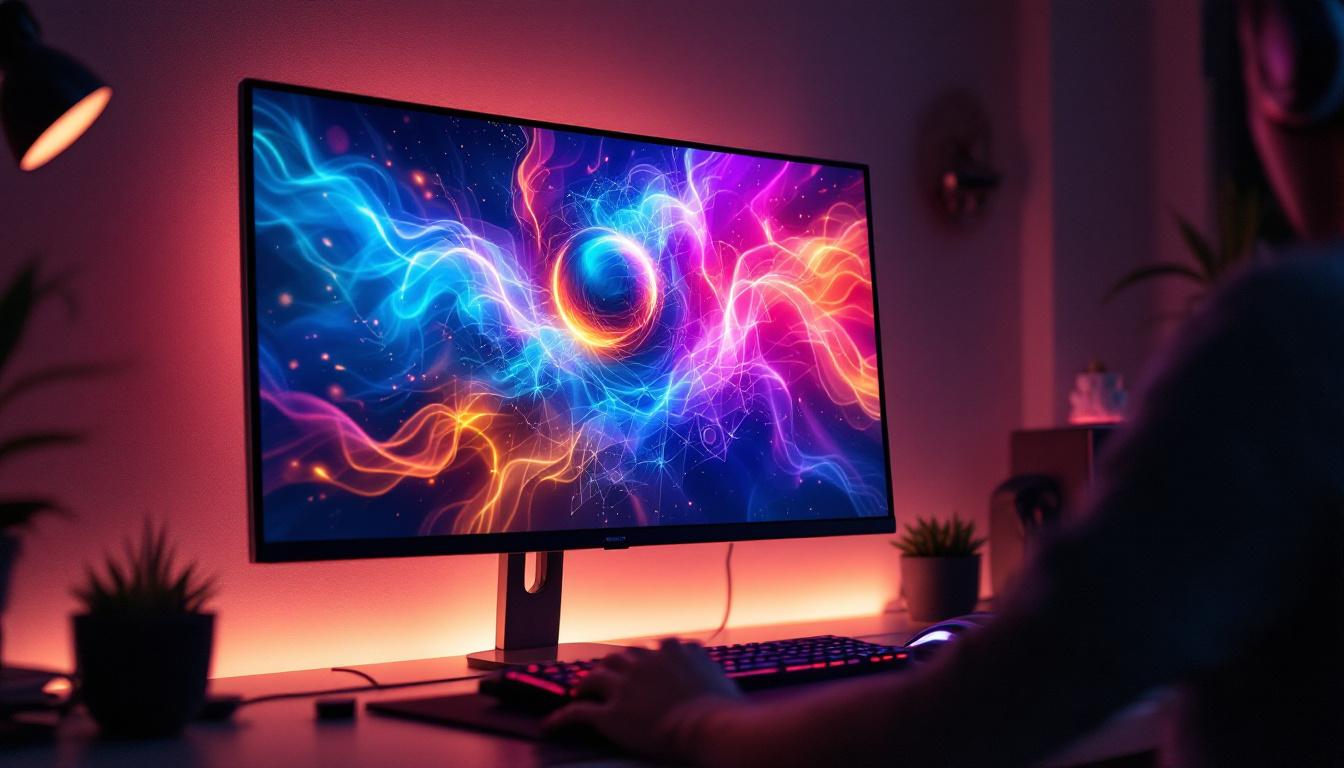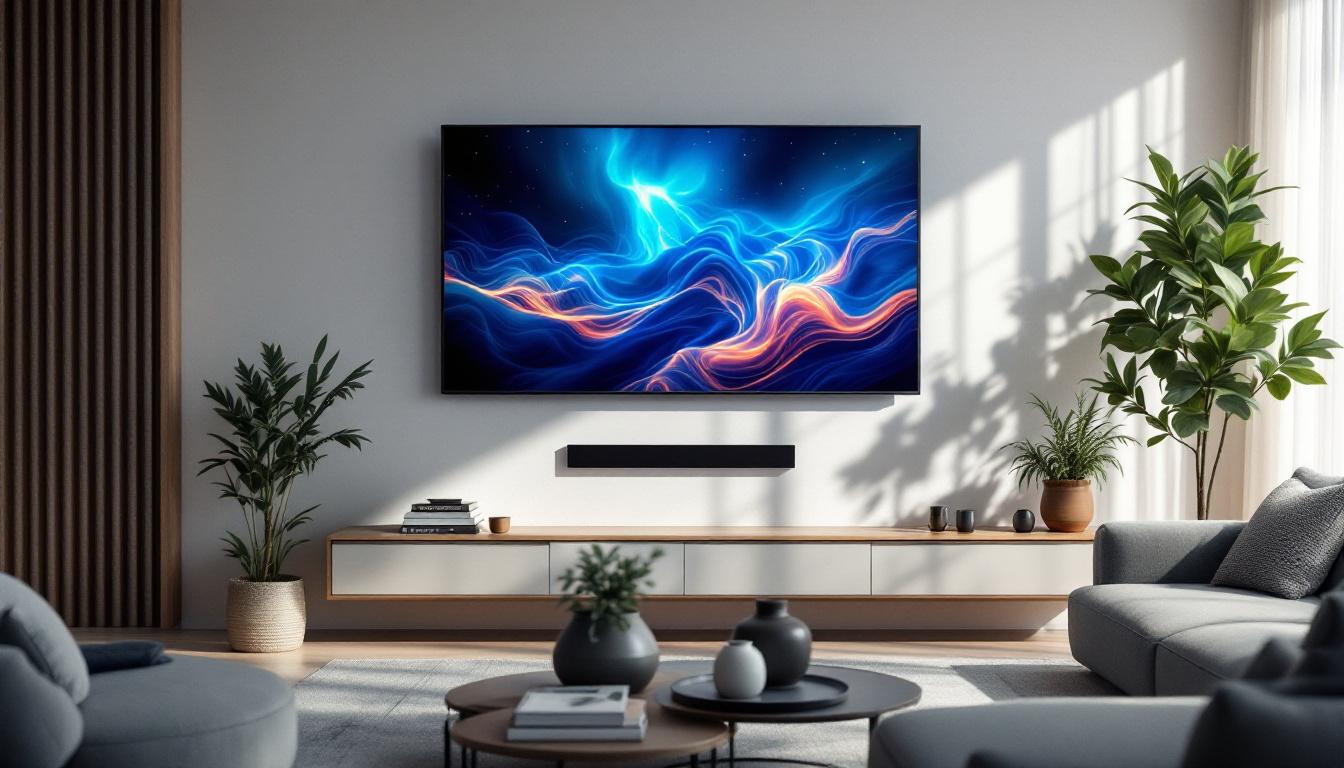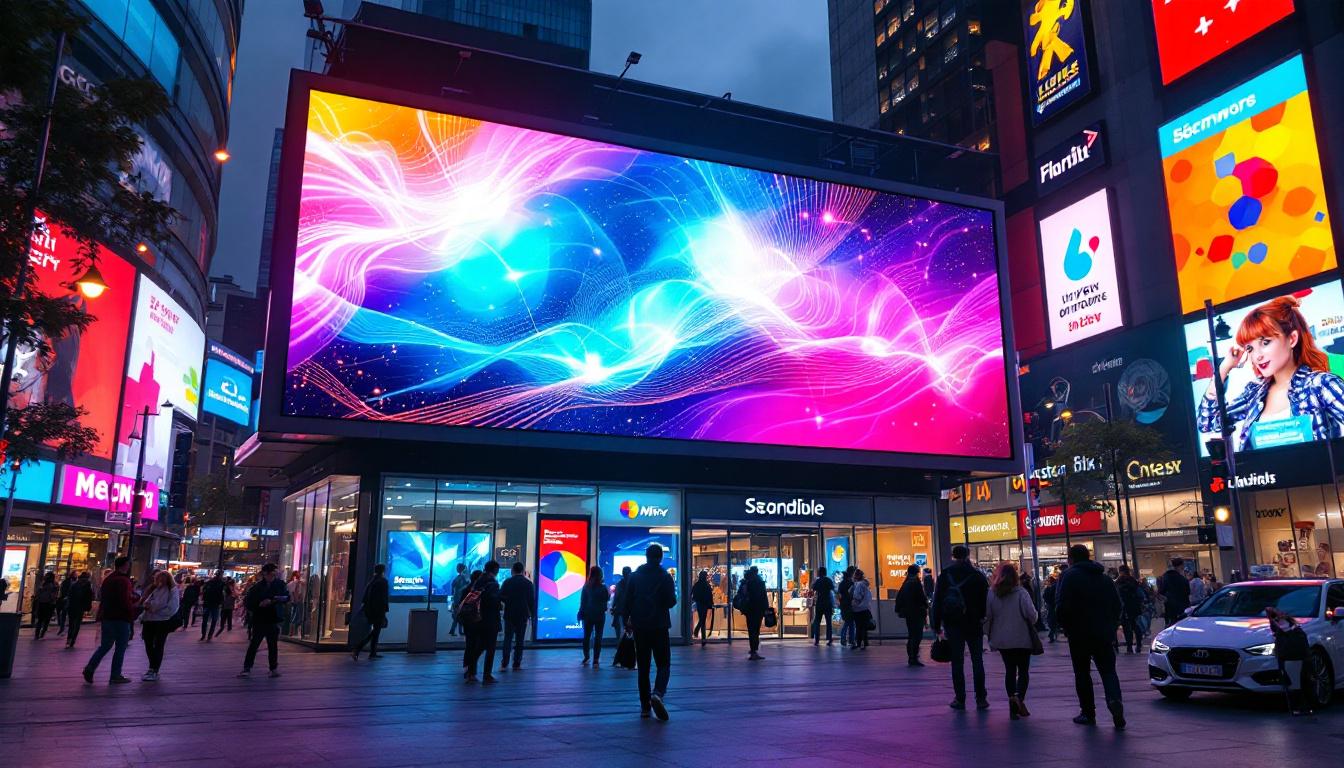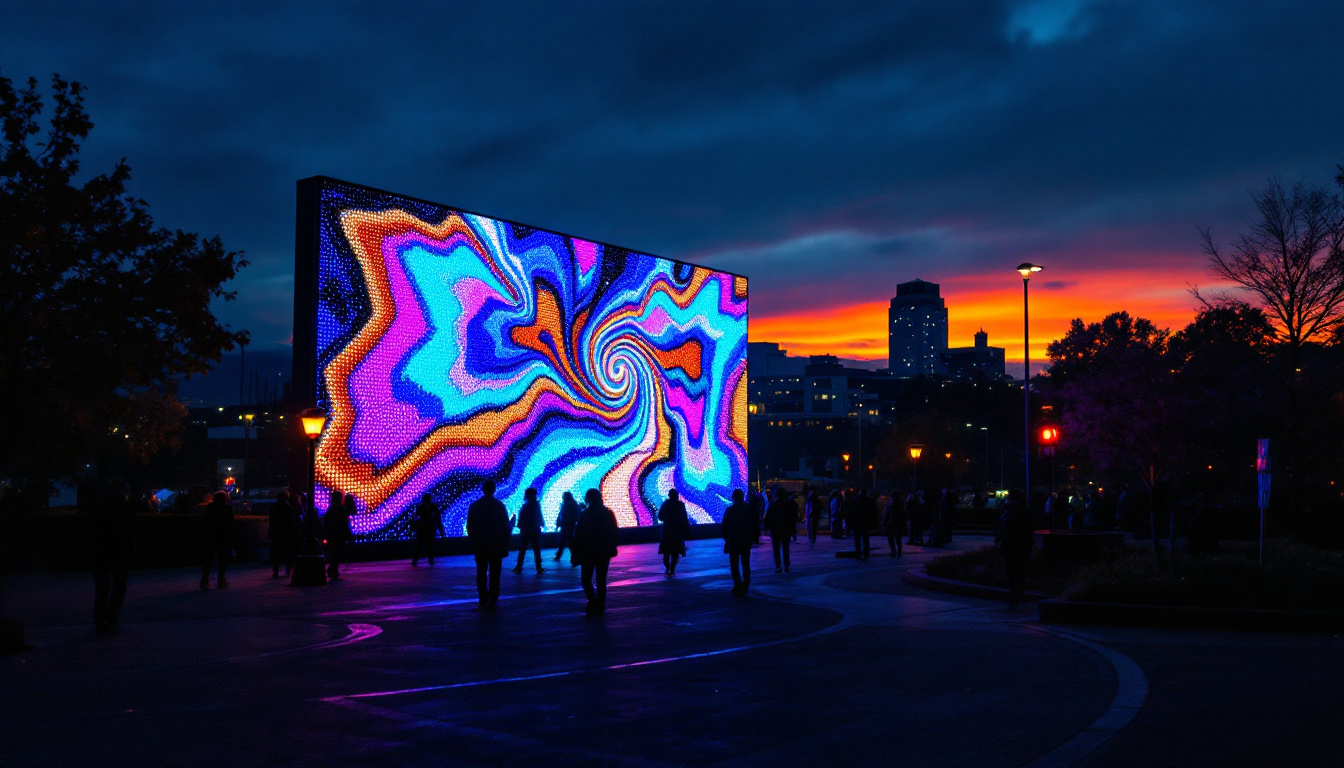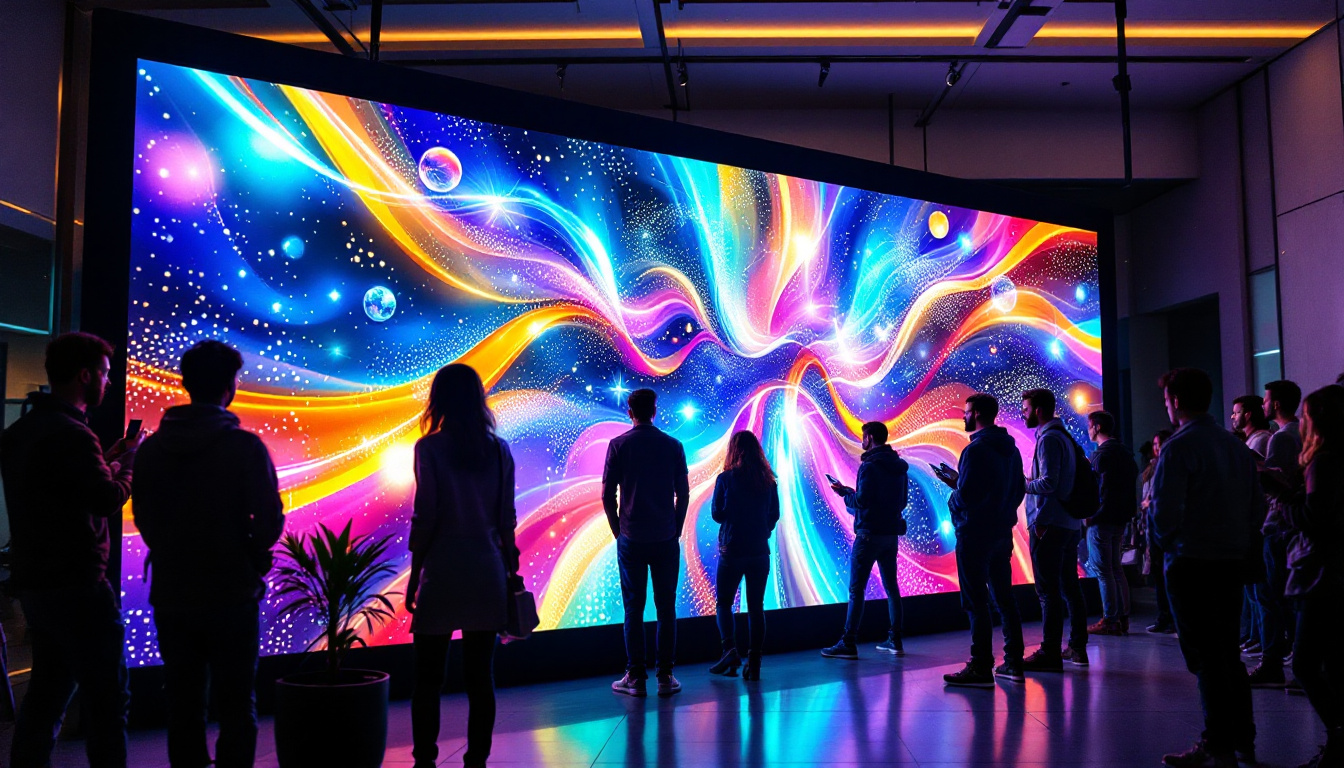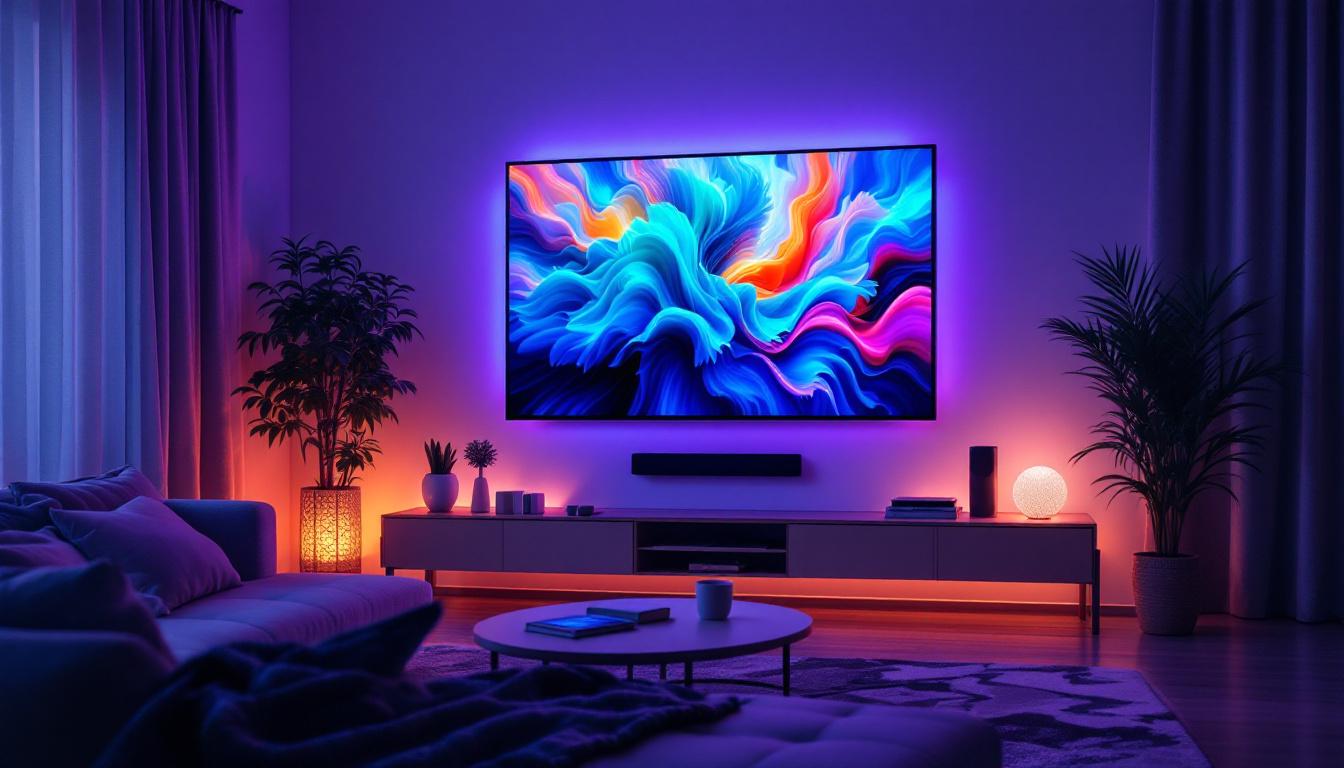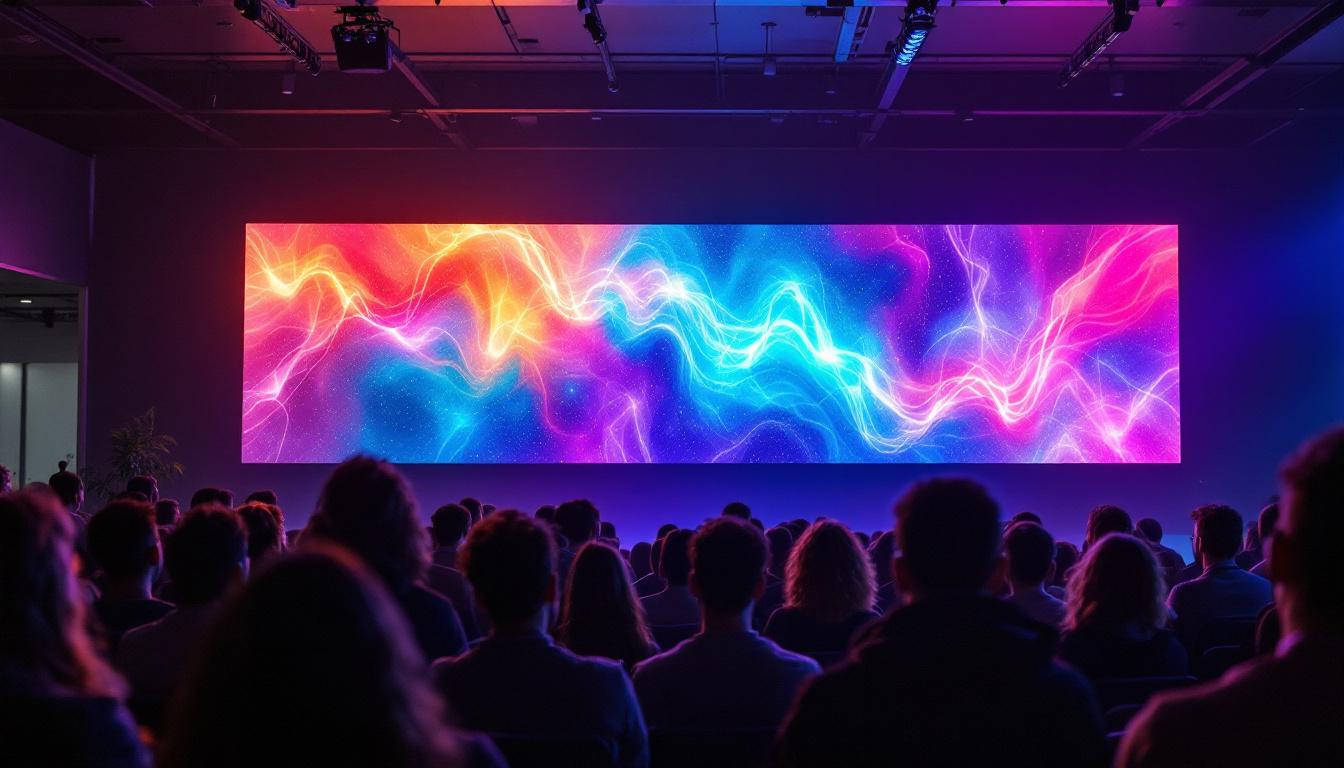
In today’s rapidly evolving digital landscape, LED displays have become a cornerstone technology, transforming the way information and visuals are presented across various industries. From vibrant advertising billboards to intricate control room panels, LED displays combine power efficiency, durability, and striking visual impact. This article delves into the fundamentals of LED displays, focusing on the role of power LEDs, their technology, applications, and why they are integral to modern display solutions.
Understanding LED Technology: The Basics
LED stands for Light Emitting Diode, a semiconductor device that emits light when an electric current passes through it. Unlike traditional incandescent bulbs, LEDs are highly energy-efficient and have a longer lifespan. The technology behind LEDs has advanced significantly since its inception, enabling the creation of displays that are brighter, more colorful, and more versatile than ever before. The efficiency of LEDs is not just a matter of energy savings; it also translates into lower electricity costs and reduced environmental impact, making them a popular choice for both residential and commercial applications.
Power LEDs are a specific category within the LED family, designed to handle higher currents and produce more intense light output. These LEDs are integral to large-scale LED displays, where brightness and visibility under various lighting conditions are critical. Understanding the distinction between standard LEDs and power LEDs is essential for grasping how modern LED displays function. The versatility of power LEDs has led to their widespread use in various applications, from street lighting and automotive headlights to large video screens at sporting events and concerts, showcasing their adaptability in diverse environments.
What Makes Power LEDs Different?
Power LEDs are engineered to operate at higher power levels, typically ranging from 1 watt to over 10 watts per diode. This capability allows them to emit significantly more light compared to standard indicator LEDs, which usually operate at less than 0.1 watts. The enhanced brightness makes power LEDs ideal for outdoor and large-format displays where visibility from long distances is necessary. Furthermore, advancements in LED technology have led to the development of multi-chip configurations, where several LED chips are combined into a single package, further increasing light output and efficiency.
Additionally, power LEDs often incorporate advanced thermal management systems. Since higher power operation generates more heat, effective heat dissipation is crucial to maintain performance and longevity. This is achieved through heat sinks, thermal interface materials, and sometimes active cooling mechanisms integrated into the LED module design. The importance of thermal management cannot be overstated, as excessive heat can lead to reduced efficiency and a shortened lifespan of the LED. Manufacturers are continually innovating in this area, exploring new materials and designs to optimize heat dissipation, which in turn enhances the overall performance of LED systems. As a result, power LEDs not only provide superior brightness but also ensure reliability and durability in demanding applications, making them a cornerstone of modern lighting technology.
How LED Displays Work: Components and Structure
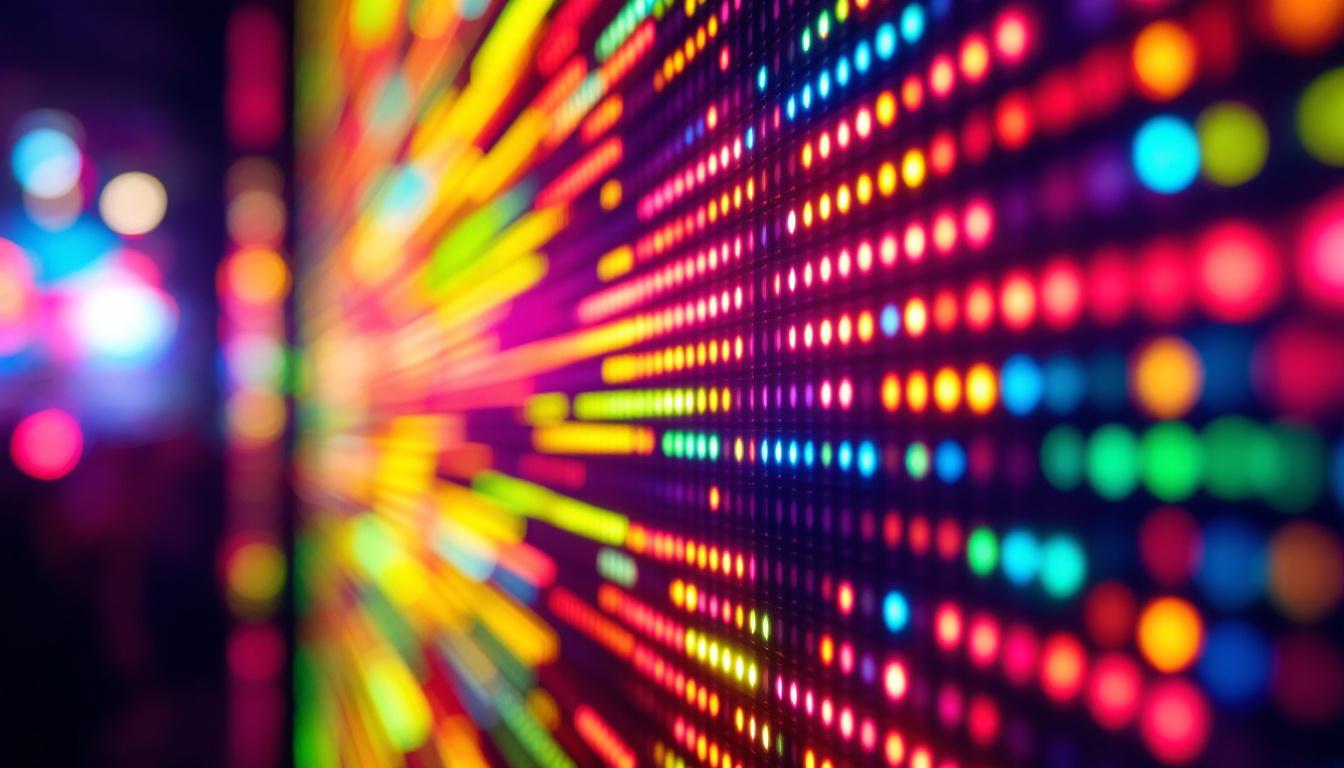
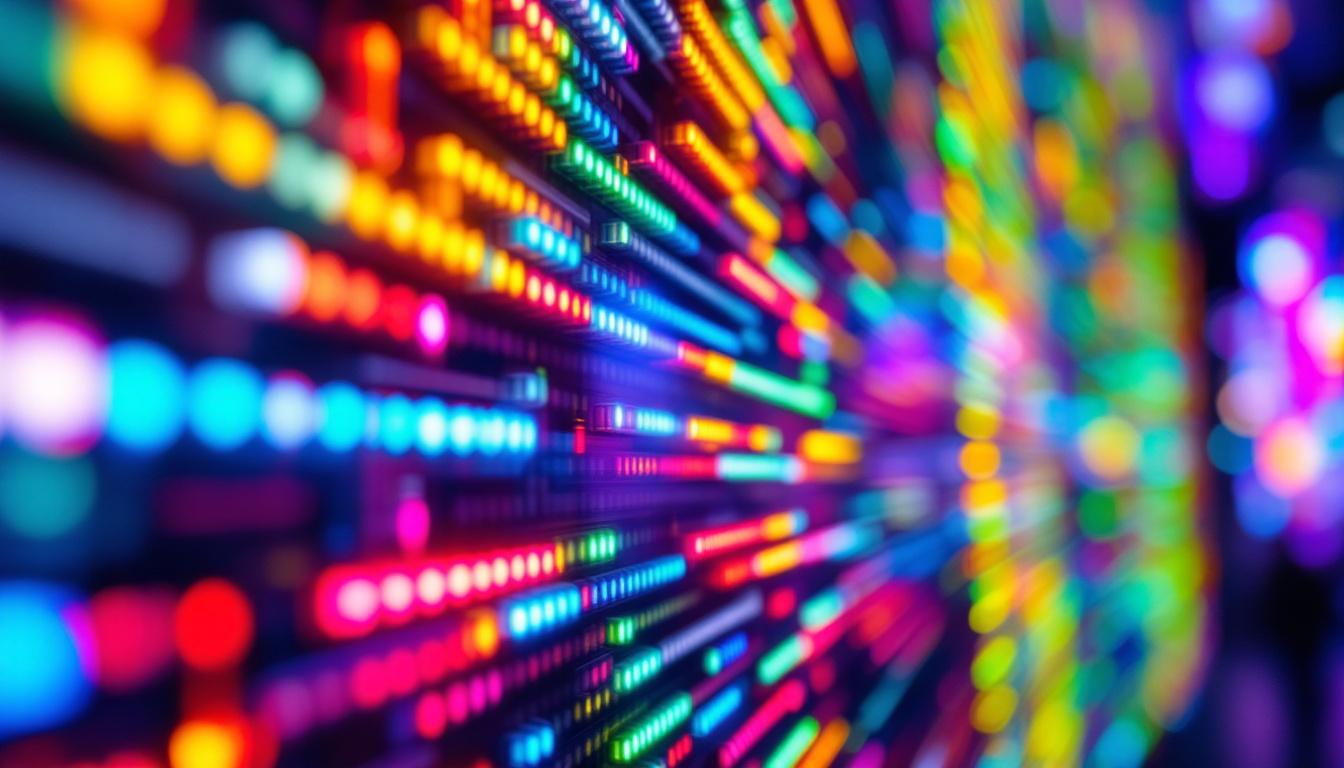
LED displays are composed of numerous tiny LEDs arranged in a matrix to form pixels. Each pixel typically consists of red, green, and blue LEDs, which combine to produce a full spectrum of colors through varying brightness levels. This RGB (Red, Green, Blue) configuration is foundational to creating vivid, dynamic images and videos on LED screens. The ability to mix these primary colors allows for the creation of millions of different shades, making LED displays ideal for a wide range of applications, from advertising billboards to high-definition televisions.
Pixel Pitch and Resolution
One of the most important parameters in LED displays is pixel pitch, which refers to the distance between the centers of two adjacent pixels. Pixel pitch directly influences the display’s resolution and viewing distance. Smaller pixel pitches mean higher resolution and better image clarity, especially when viewed up close. The choice of pixel pitch is critical for designers and engineers, as it affects not only the visual quality but also the overall cost and complexity of the installation.
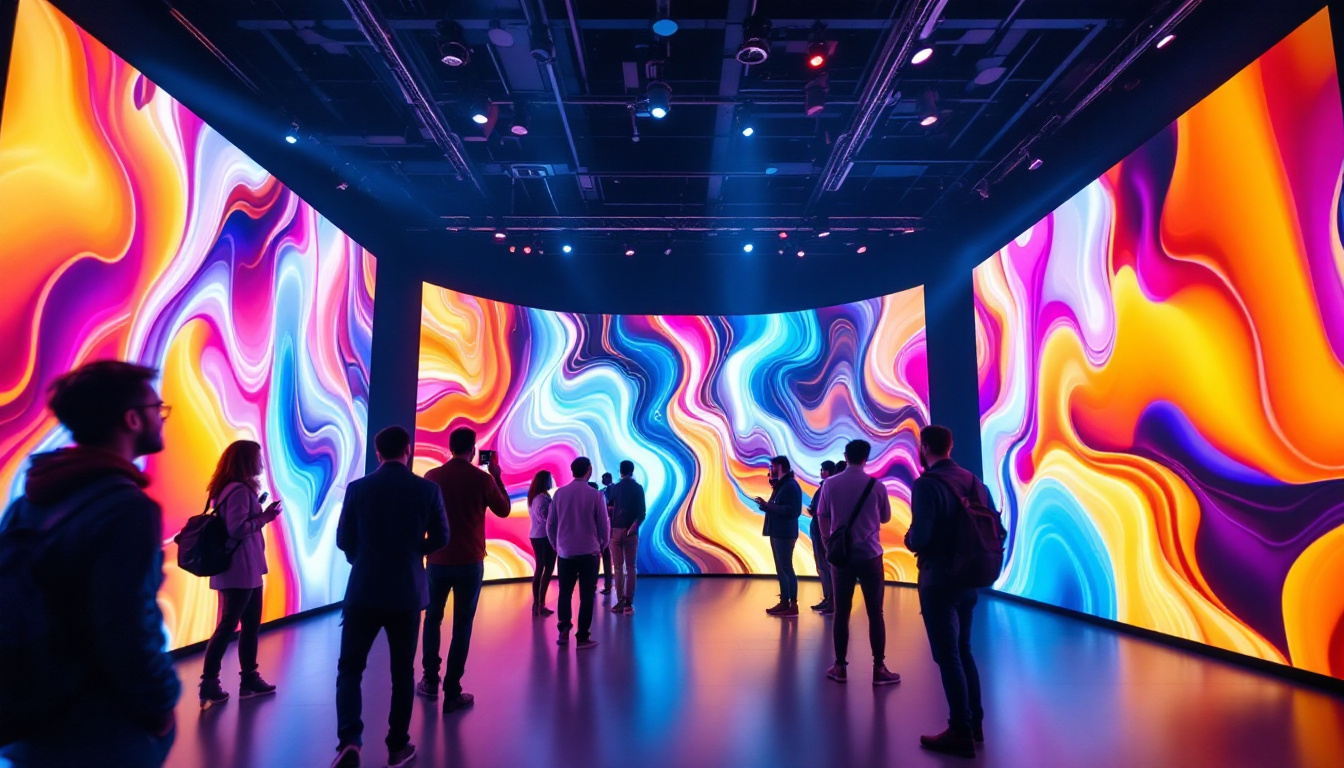
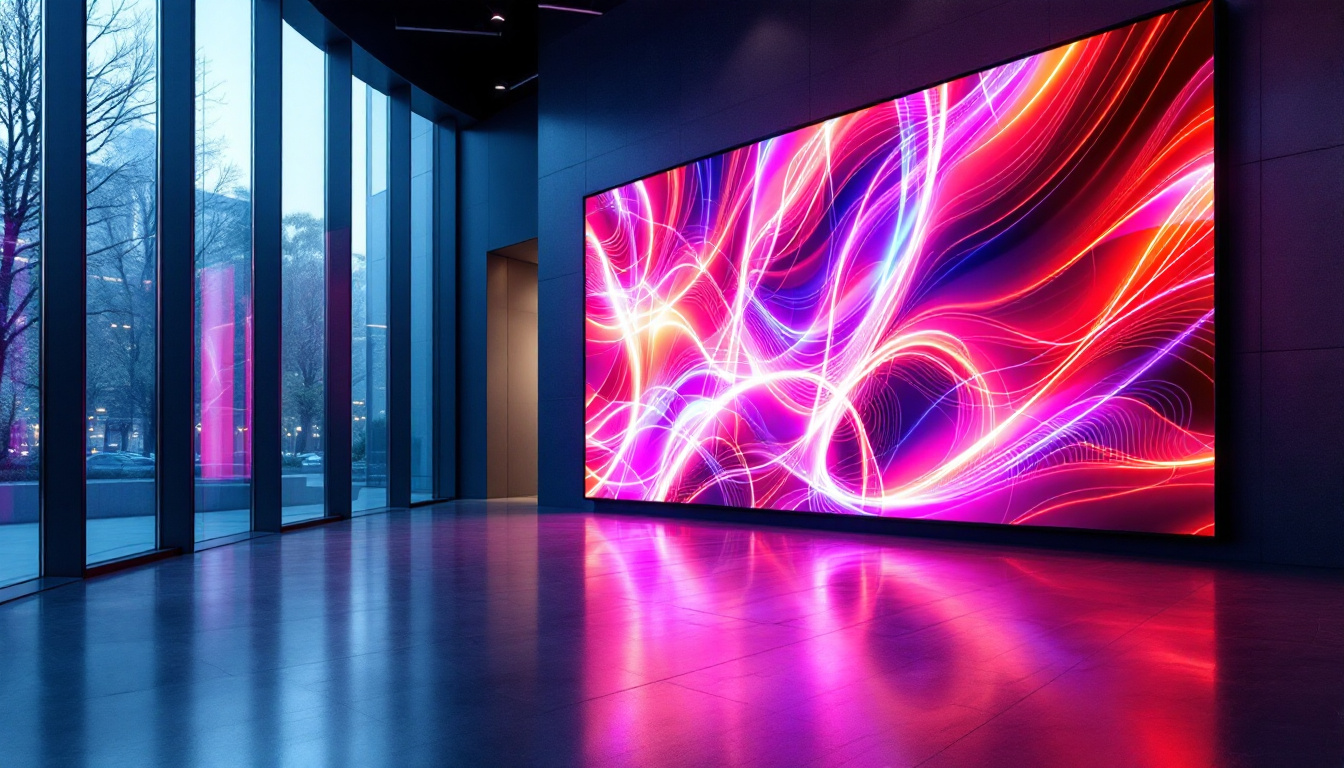
For example, indoor LED displays often feature pixel pitches as small as 1mm to 4mm, ensuring sharp images even at short distances. Outdoor displays, on the other hand, typically have larger pixel pitches—ranging from 6mm to 20mm or more—since they are viewed from farther away and require higher brightness to combat sunlight. Additionally, advancements in technology have led to the development of fine-pitch LED displays that can be used in both indoor and outdoor settings, providing flexibility for various environments and applications.
Driving the Display: Control Systems and Power Supply
LED displays require sophisticated control systems to manage the color and brightness of each pixel. These systems receive input signals from video sources and translate them into electrical signals that activate the appropriate LEDs. Modern LED controllers support high refresh rates, often exceeding 1920Hz, to ensure flicker-free and smooth video playback. This high refresh rate is particularly important for applications such as live broadcasting and sports events, where fast-moving images need to be displayed without blurring or distortion.
Power supply units (PSUs) are equally critical, providing stable and efficient electrical power to the LEDs. Given the high power consumption of large LED displays, especially those using power LEDs, PSUs must be robust and capable of handling fluctuating loads while maintaining consistent voltage and current levels. Furthermore, many LED displays incorporate intelligent power management systems that optimize energy consumption, reducing operational costs and environmental impact. These systems can adjust power usage based on the content being displayed, ensuring that bright, vibrant images are delivered without unnecessary energy expenditure.
Applications of Power LED Displays
Power LED displays have revolutionized numerous sectors by offering flexible, high-impact visual communication solutions. Their versatility and performance have made them indispensable in environments where visibility, durability, and energy efficiency are paramount.
Outdoor Advertising and Digital Billboards
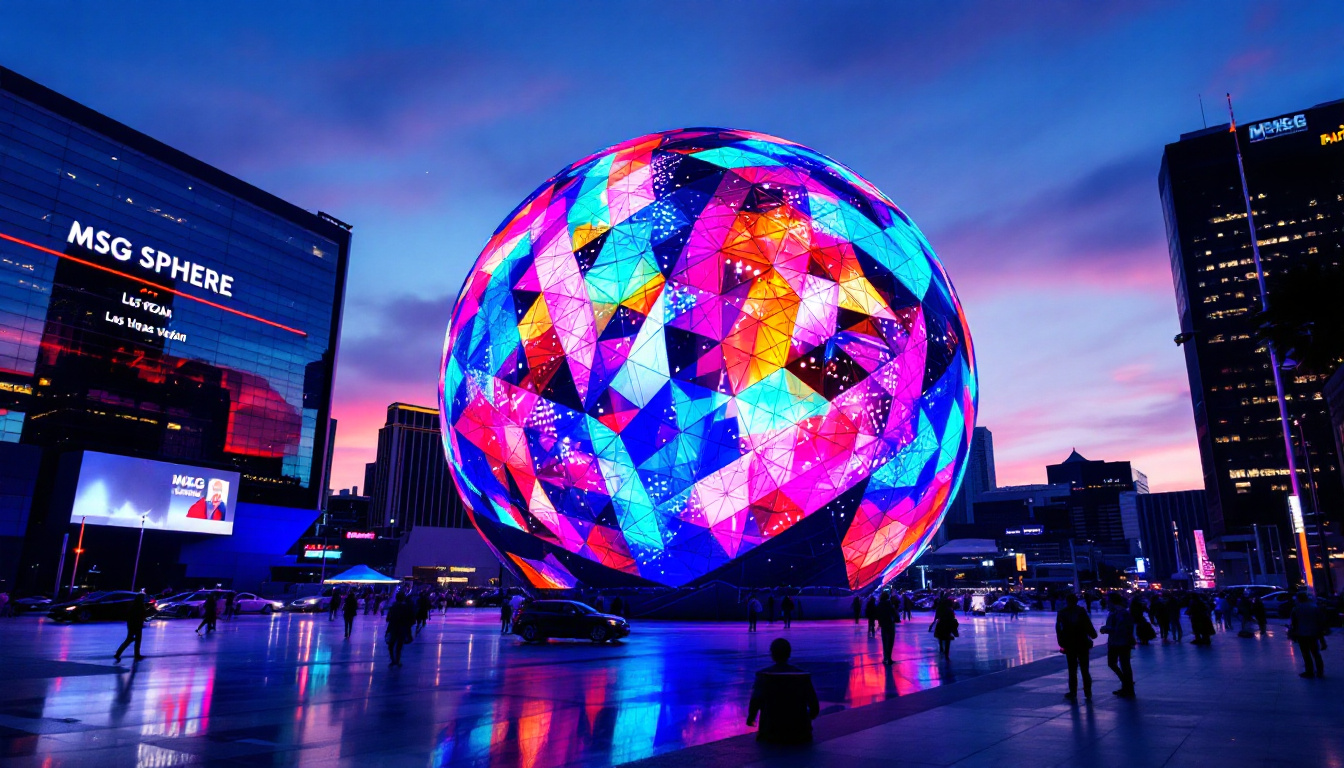
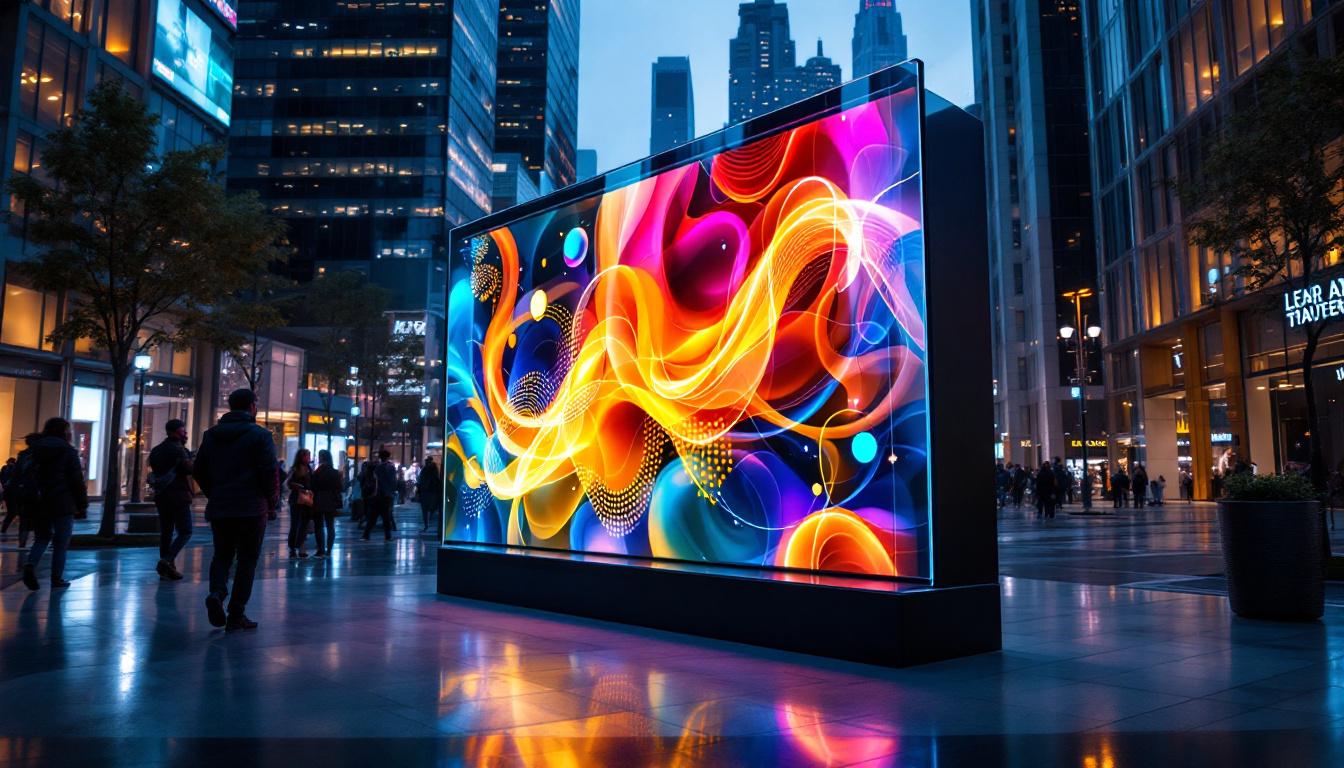
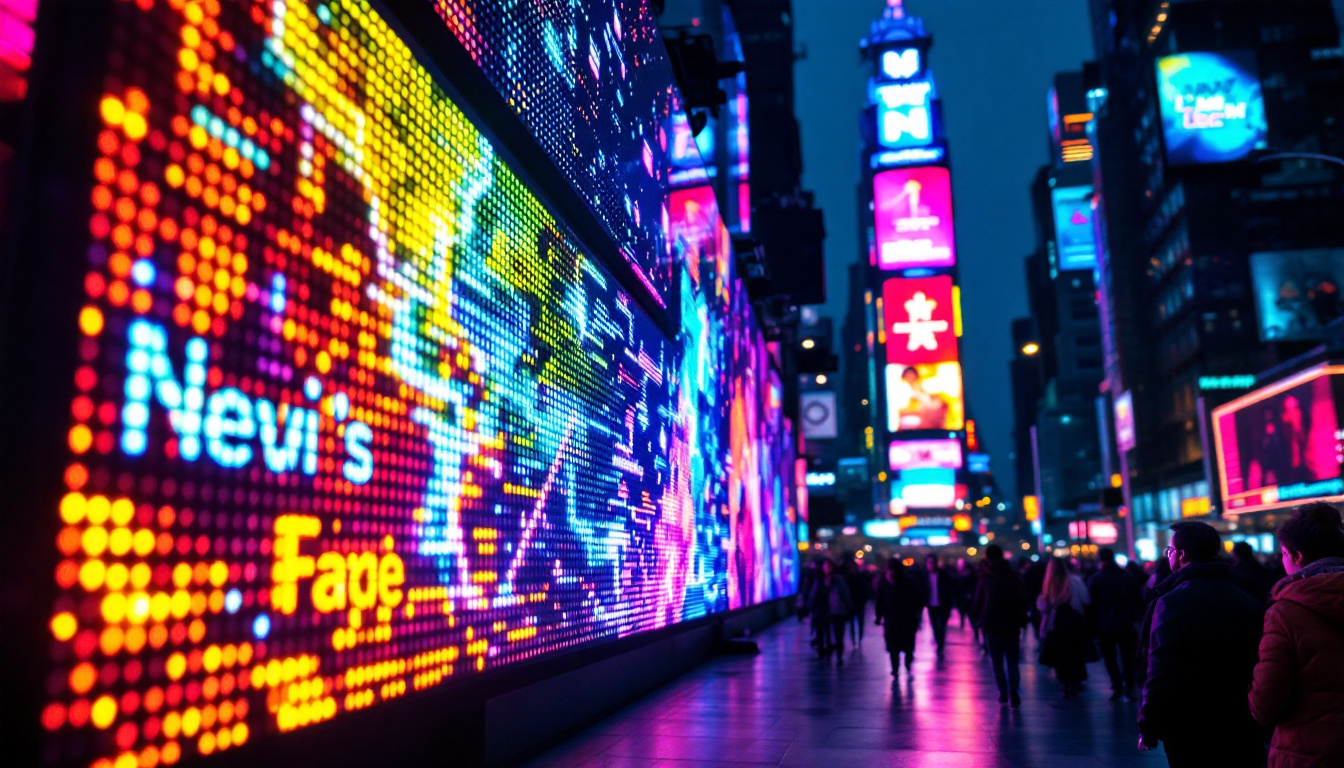
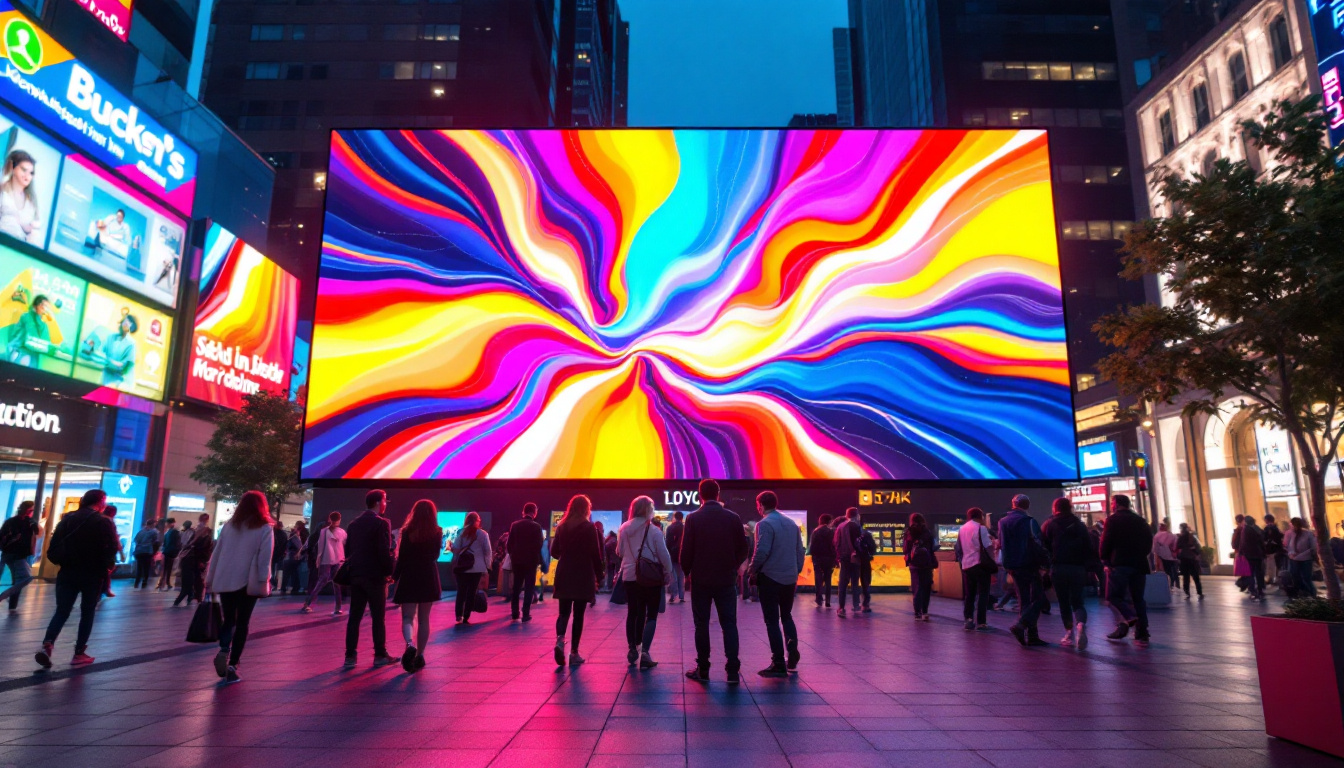
One of the most visible applications of power LED displays is in outdoor advertising. Digital billboards equipped with high-brightness power LEDs can deliver eye-catching advertisements that remain clear and vibrant even under direct sunlight. According to recent industry reports, the global digital out-of-home (DOOH) advertising market is projected to grow at a compound annual growth rate (CAGR) of over 10% through 2027, underscoring the increasing reliance on LED display technology in this space.
These displays also allow for dynamic content updates, enabling advertisers to tailor messages in real-time based on factors such as time of day, weather, or audience demographics. This flexibility enhances engagement and return on investment.
Sports Arenas and Event Venues
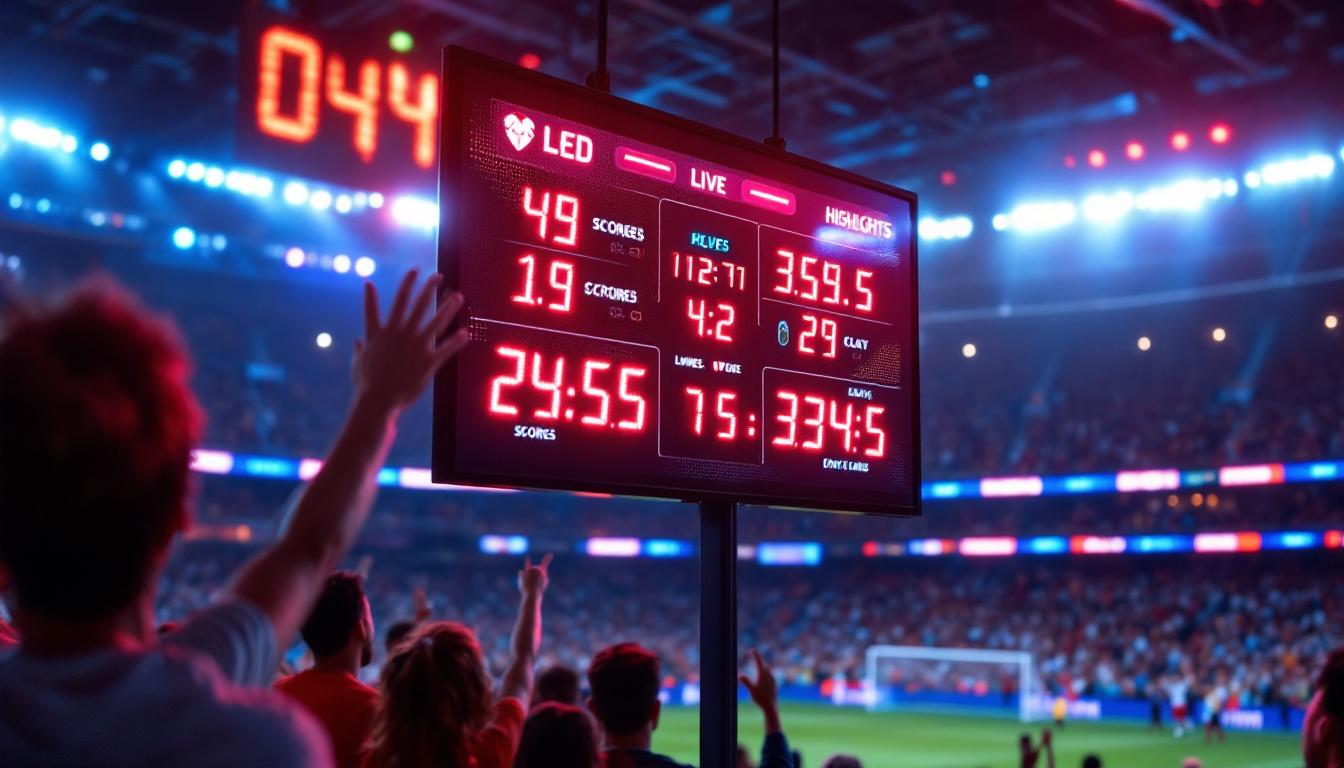
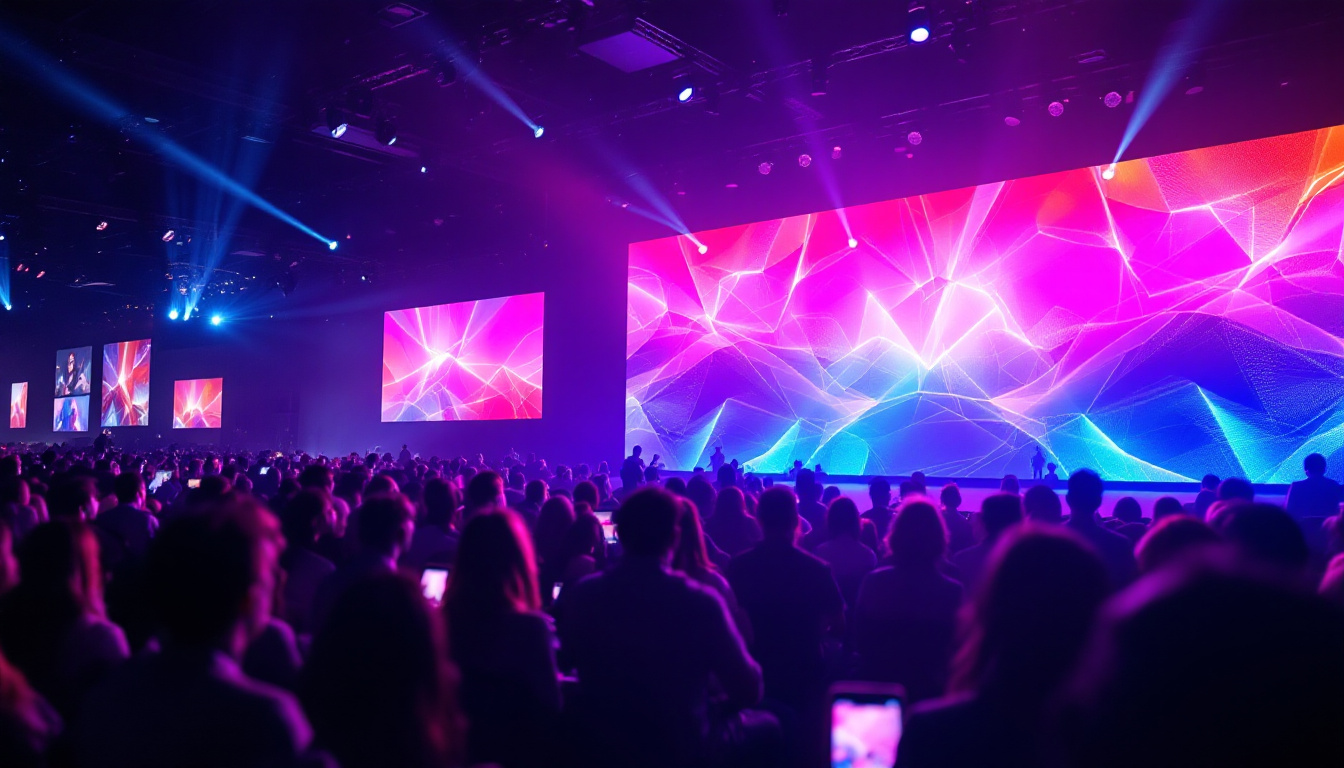
Sports arenas and large event venues utilize LED displays extensively for scoreboards, live video feeds, and advertising. Power LEDs ensure that these displays remain bright and clear, even in large, open-air stadiums. The ability to produce vivid colors and high contrast ratios enhances the spectator experience, making live events more immersive and engaging.
Transportation and Public Information Systems
LED displays are widely used in transportation hubs such as airports, train stations, and bus terminals. Power LED modules provide the brightness and reliability needed for clear visibility in varying lighting conditions. Real-time updates on schedules, delays, and safety information are critical for passenger convenience and safety, making LED displays an essential component of modern transportation infrastructure.
Energy Efficiency and Environmental Impact
One of the most compelling advantages of power LED displays is their energy efficiency. Compared to traditional display technologies like LCD or plasma screens, LED displays consume significantly less power for the same level of brightness. This efficiency translates into lower operating costs and reduced environmental impact.
For instance, a large outdoor LED billboard can consume up to 60% less energy than an equivalent LCD-based display. This reduction is particularly important given the growing emphasis on sustainability and carbon footprint reduction in corporate and public sectors.
Longevity and Maintenance Benefits
Power LEDs also offer superior longevity, often rated for 50,000 to 100,000 hours of operation. This extended lifespan reduces the frequency of replacements and maintenance interventions, further lowering total cost of ownership and minimizing waste.
Moreover, LED displays are generally more robust and resistant to environmental factors such as moisture, dust, and temperature fluctuations. This durability makes them suitable for harsh outdoor environments where other display technologies might fail prematurely.
Future Trends in Power LED Display Technology
The LED display industry continues to innovate rapidly, driven by advancements in materials science, electronics, and software. Emerging trends promise to enhance the capabilities and applications of power LED displays even further.
MicroLED and MiniLED Technologies
MicroLED and MiniLED are two cutting-edge developments that build on traditional LED technology. MicroLED displays use microscopic LEDs as individual pixels, enabling ultra-high resolution, exceptional brightness, and energy efficiency. Although still in the early stages of commercial adoption, MicroLED is poised to revolutionize display quality in smartphones, televisions, and wearable devices.
MiniLED technology, which uses smaller LEDs than conventional power LEDs, offers improved contrast ratios and local dimming capabilities. This technology is already being integrated into premium monitors and TVs, enhancing image quality without sacrificing brightness or energy efficiency.
Integration with IoT and Smart Systems
As the Internet of Things (IoT) expands, LED displays are becoming smarter and more connected. Integration with sensors and networked control systems allows for adaptive brightness, content personalization, and remote management. These capabilities optimize energy use and improve user engagement, especially in public and commercial settings.
Conclusion: The Power of LED Displays in Modern Visual Communication
Power LED displays represent a fusion of advanced semiconductor technology, intelligent design, and practical application. Their ability to deliver bright, vibrant images with energy efficiency and durability makes them indispensable across a wide range of industries. Whether illuminating a bustling cityscape with dynamic advertisements or providing critical information in transportation hubs, power LED displays continue to shape the future of visual communication.
Understanding the technology behind these displays, from the role of power LEDs to the intricacies of pixel pitch and control systems, equips businesses and professionals to make informed decisions when selecting display solutions. As innovations like MicroLED and IoT integration emerge, the potential for LED displays to enhance engagement and sustainability will only grow stronger.
Illuminate Your Space with LumenMatrix
Ready to elevate your visual communication with the brilliance of LED technology? Discover LumenMatrix’s extensive range of innovative LED display solutions, from vibrant Indoor and Outdoor LED Wall Displays to dynamic Vehicle and Sports Displays. Our mission is to transform your space with captivating visual experiences that engage and inspire. Whether you’re looking to create custom displays or seeking the versatility of an All-in-One LED solution, LumenMatrix is your partner in revolutionizing your brand’s presence. Check out LumenMatrix LED Display Solutions and step into the future of digital signage.