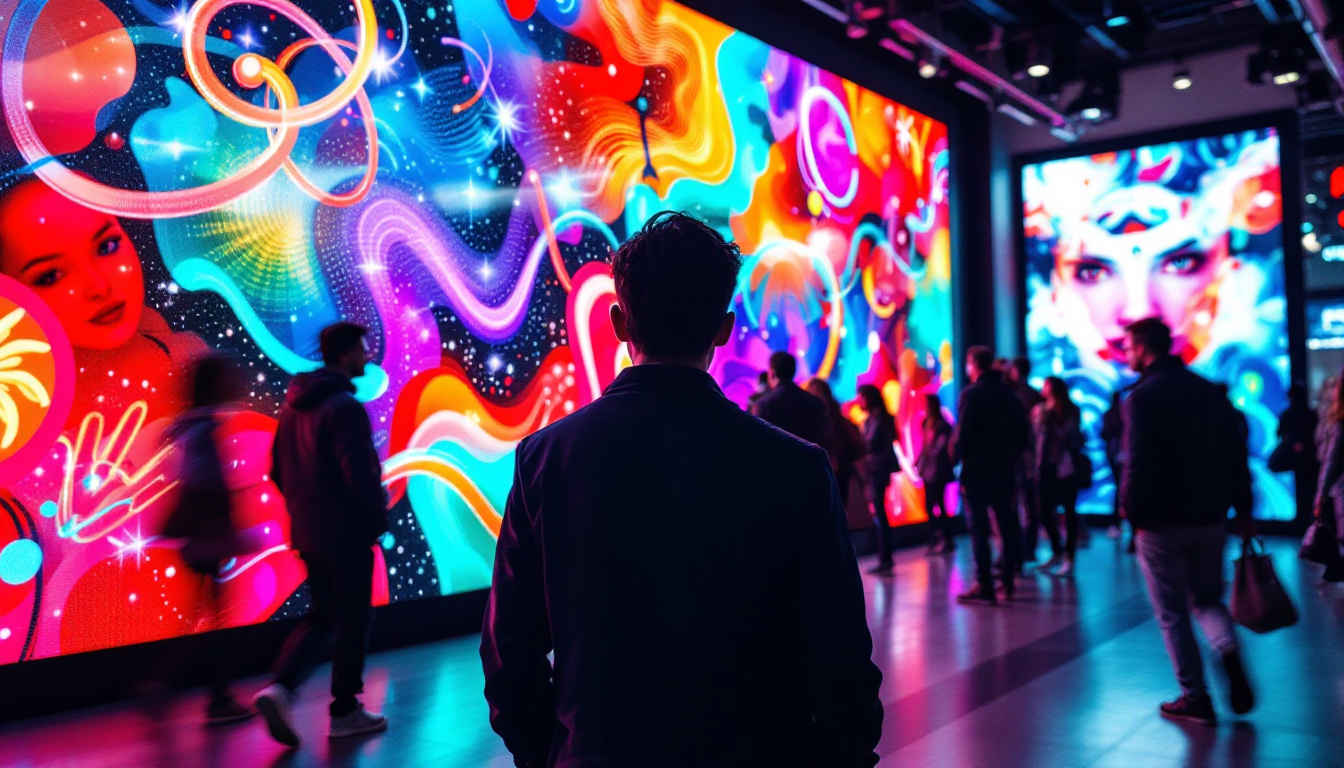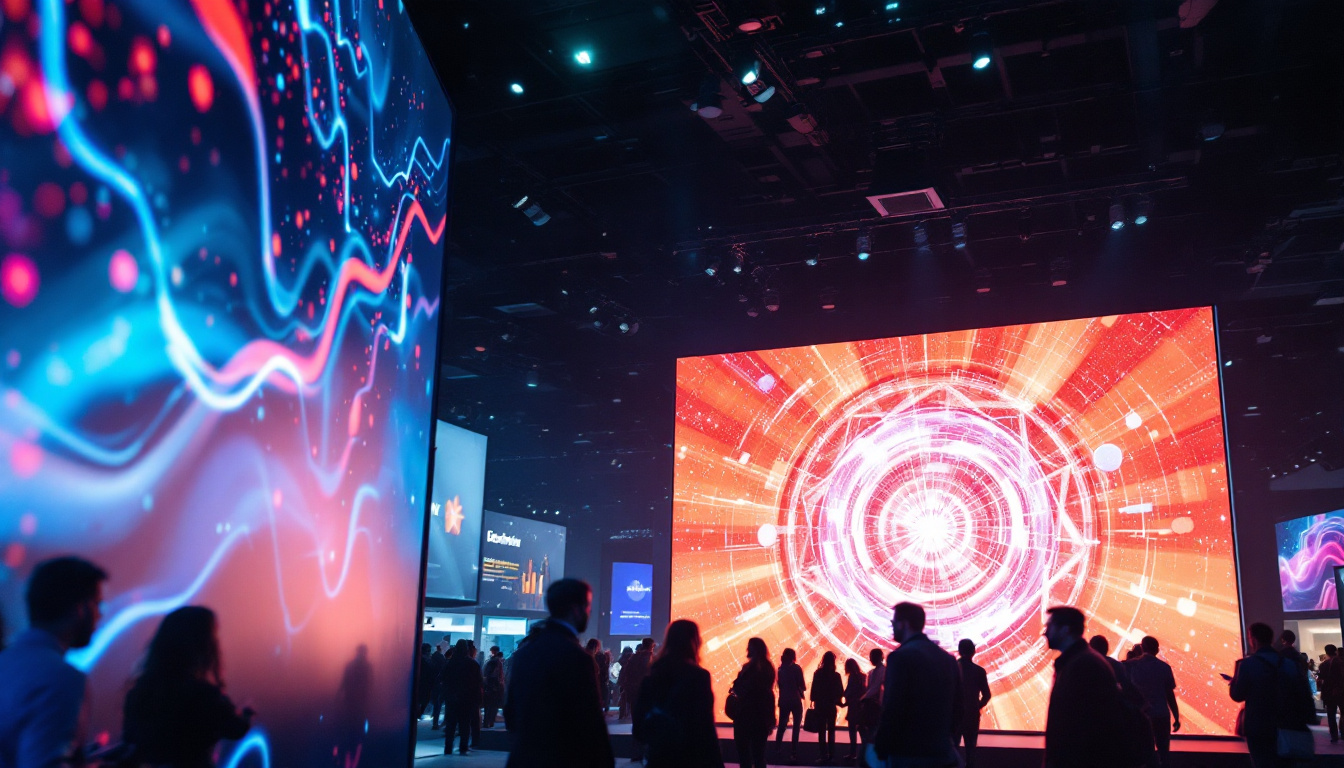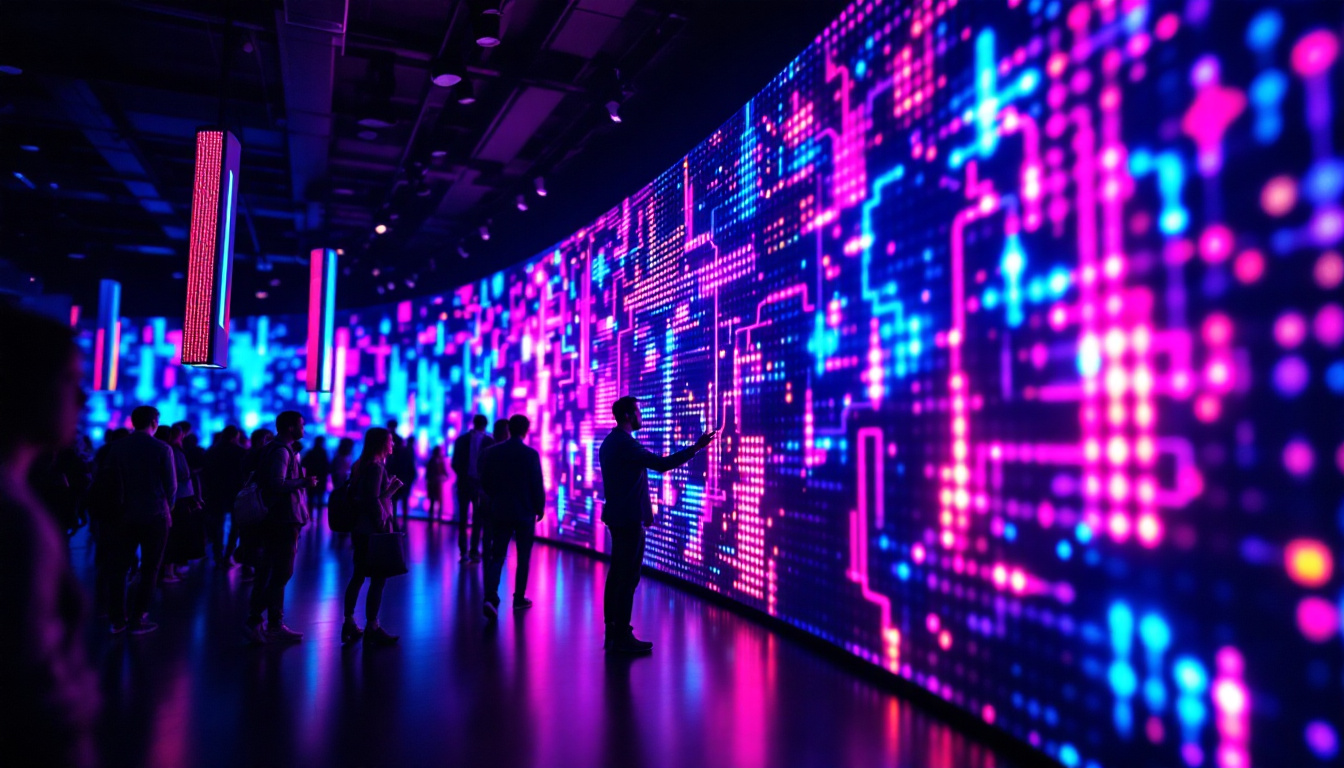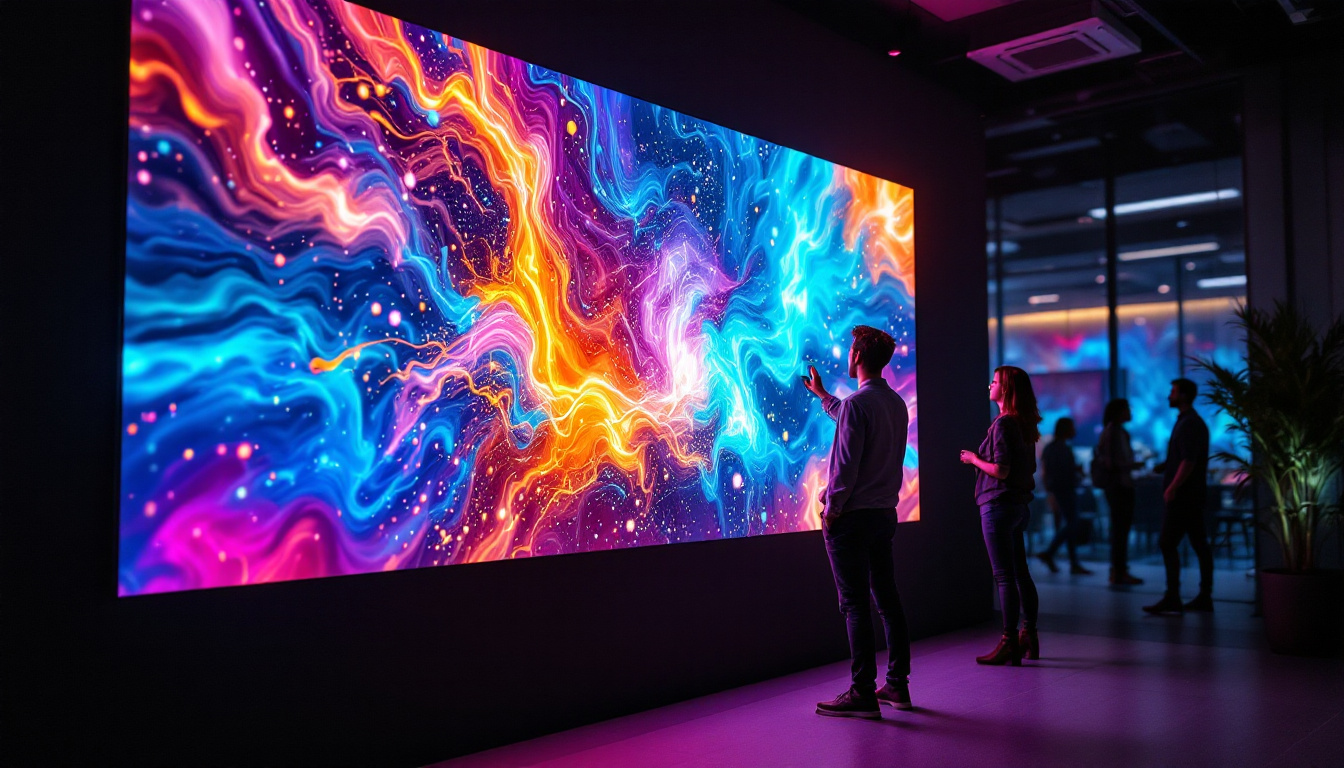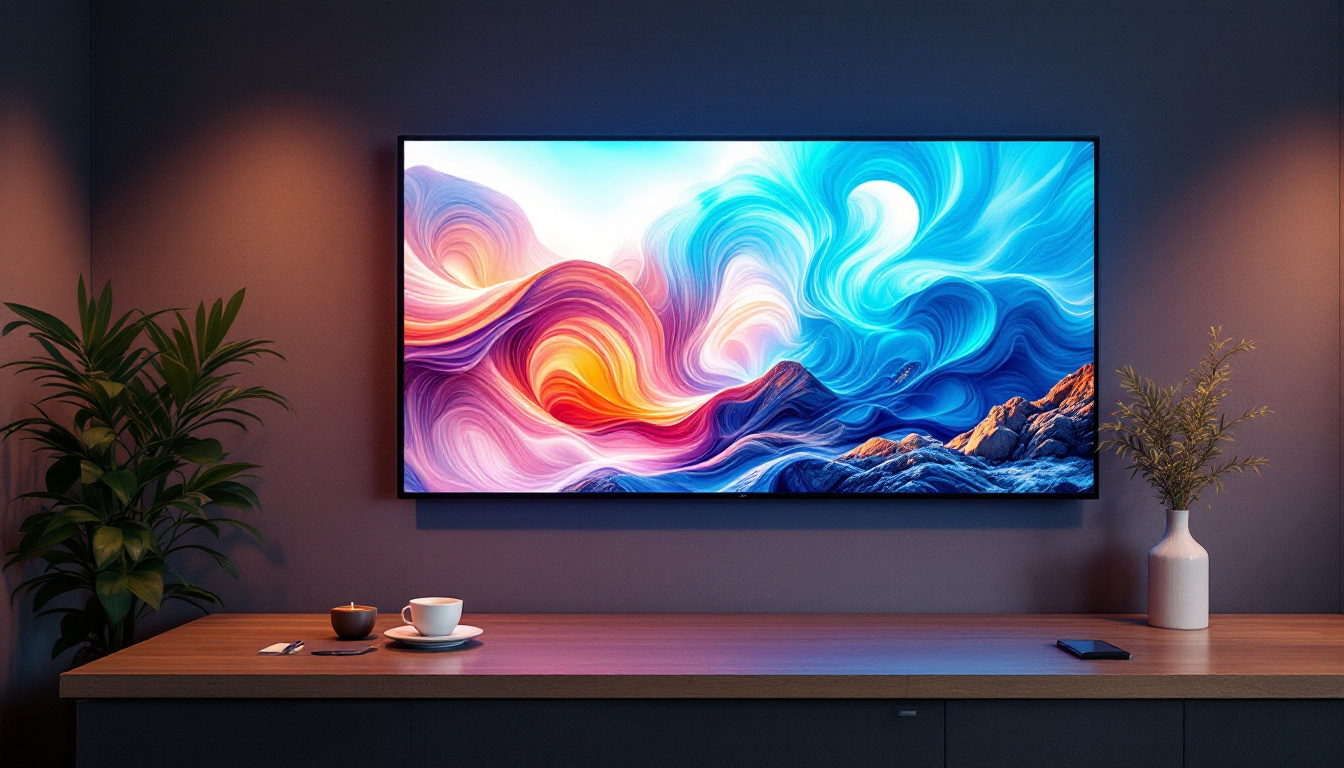
In an era dominated by digital communication and visual engagement, LED displays have become an integral part of how businesses and organizations present information, advertise products, and captivate audiences. From towering billboards in Times Square to intricate indoor signage in retail stores, LED displays are everywhere. But what exactly are LED displays, how do they work, and why have they become the preferred choice for product display and advertising? This comprehensive article delves into the technology behind LED displays, their types, key advantages, and practical applications, providing a clear understanding of why they are revolutionizing product display across industries.
Understanding LED Display Technology
What is an LED Display?
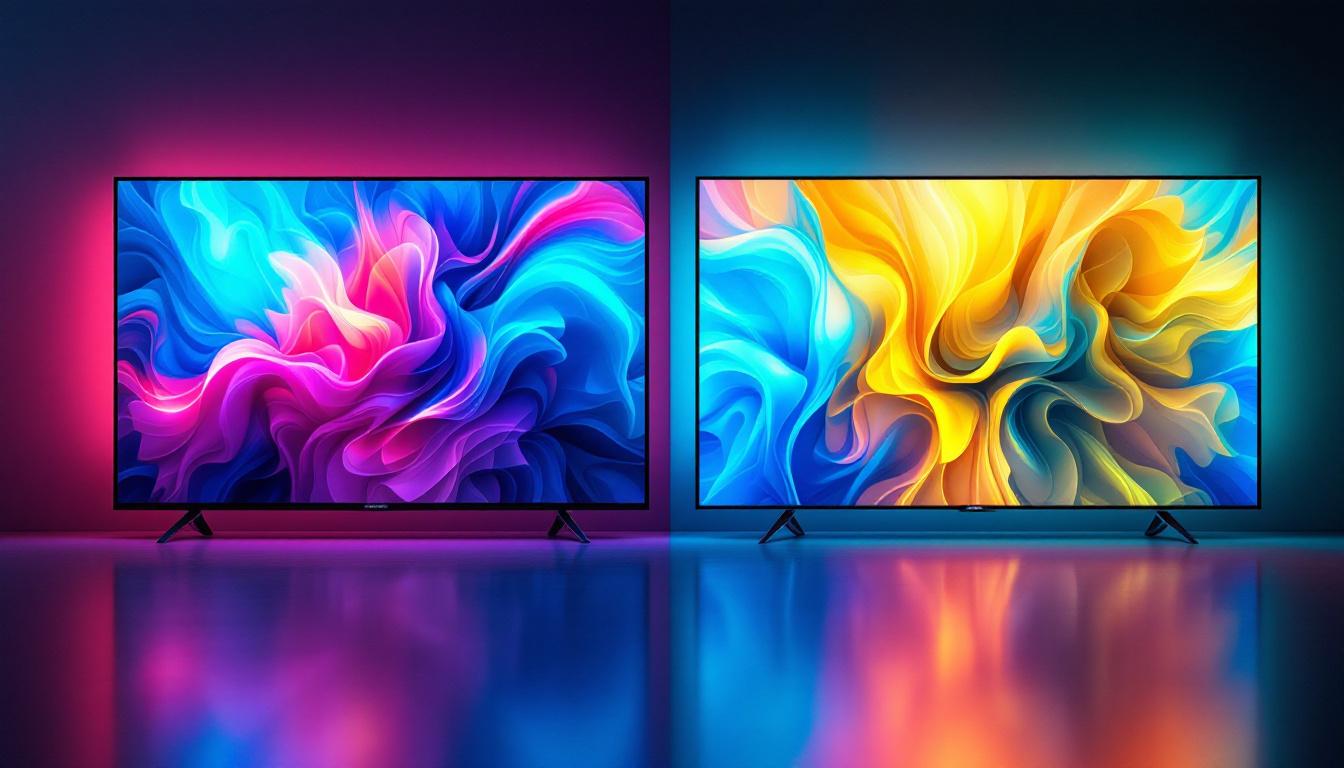
LED stands for Light Emitting Diode, a semiconductor device that emits light when an electric current passes through it. An LED display is a flat panel display that uses an array of LEDs as pixels to create images, videos, or text. Unlike traditional LCD or plasma screens, LED displays use these tiny light sources directly, which allows for greater brightness, contrast, and energy efficiency.
LED displays can be configured in various sizes and resolutions, from small indoor panels to massive outdoor billboards. Their modular nature means that individual LED units can be combined to form larger screens, making them highly versatile for different environments and purposes.
How Do LED Displays Work?
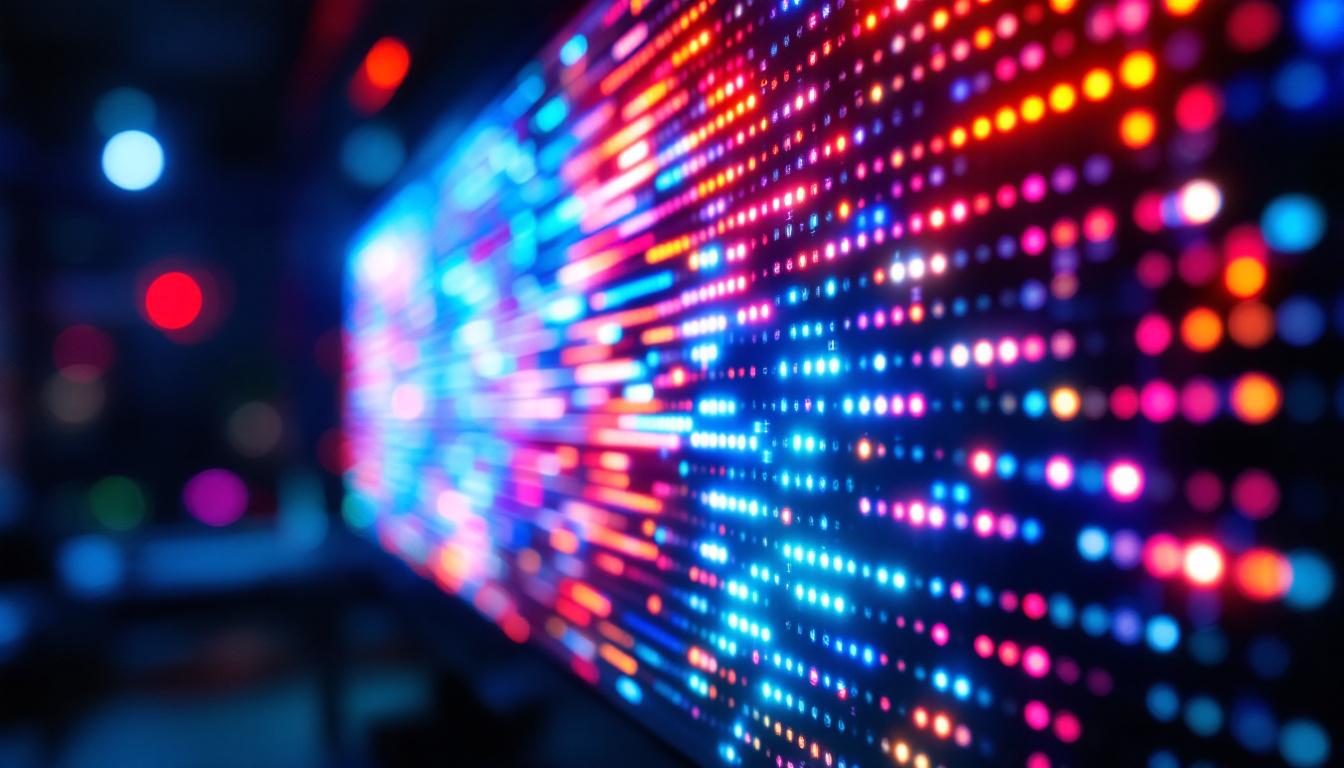
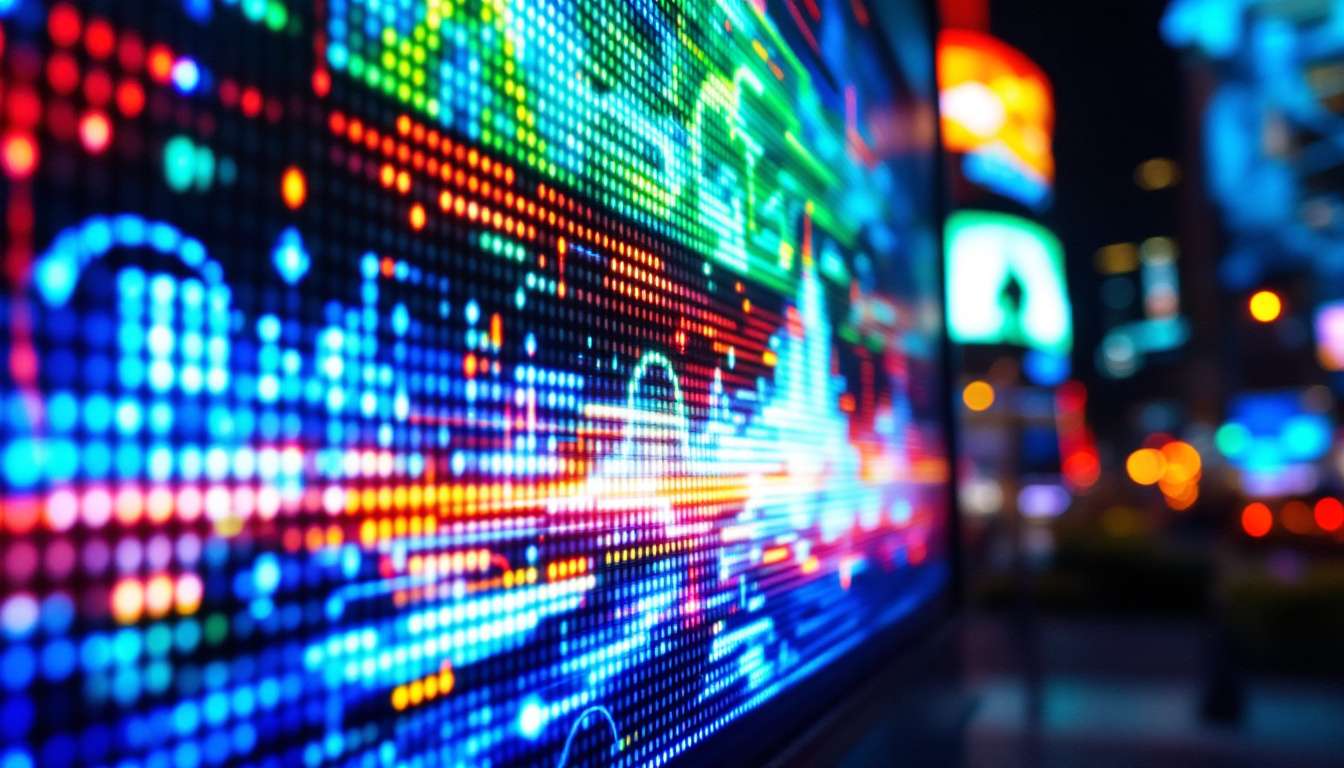
At the core of an LED display are thousands to millions of individual LEDs arranged in a grid. Each LED acts as a pixel, and by varying the intensity and color of each LED, the display can produce a wide range of images and videos. Modern full-color LED displays use red, green, and blue (RGB) LEDs to create millions of colors through color mixing.
The display is controlled by a driver circuit that sends electrical signals to each LED, determining its brightness and color at any given moment. This rapid switching and precise control enable LED displays to render dynamic content with high refresh rates, ensuring smooth video playback and clear images even in bright ambient light.
Types of LED Displays
Indoor LED Displays
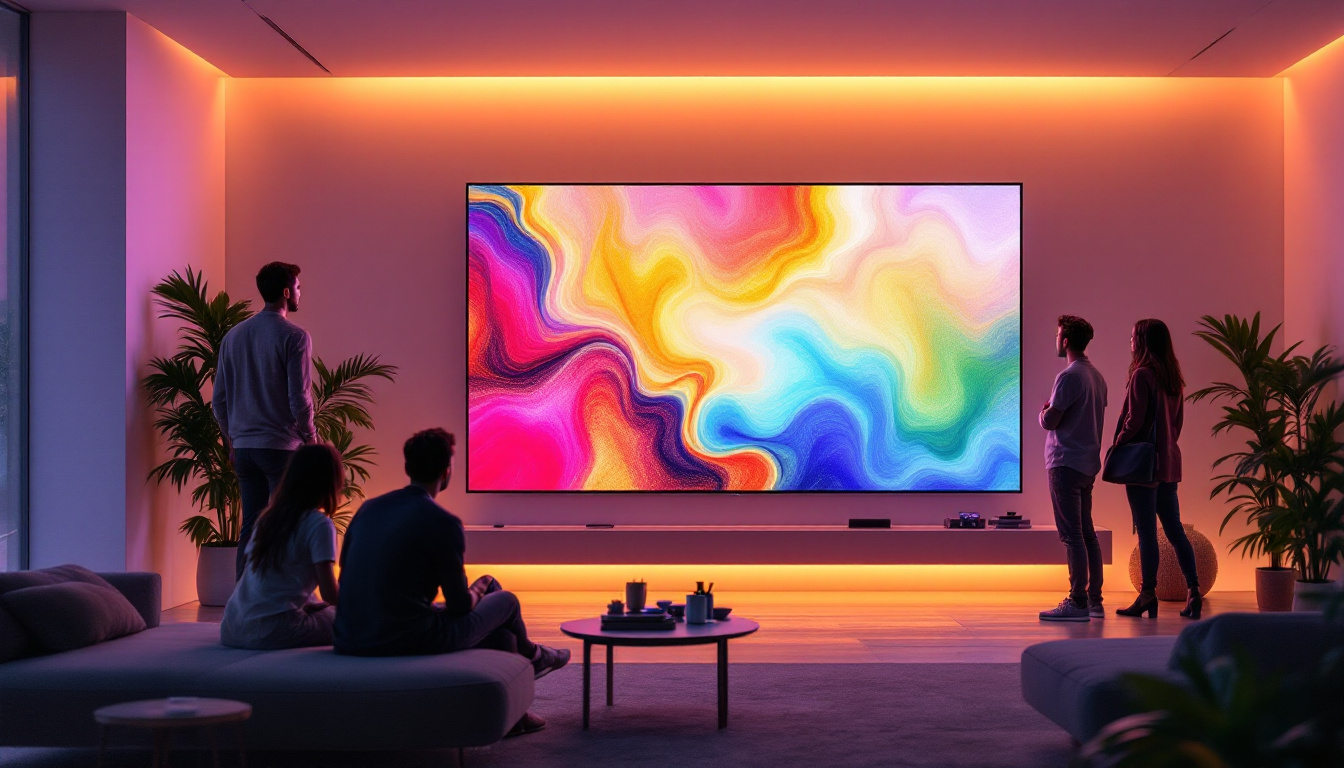
Indoor LED displays are designed for controlled environments such as retail stores, conference rooms, airports, and museums. These displays typically have a higher pixel density, meaning the LEDs are packed closer together to provide sharper images at close viewing distances.
Because indoor lighting conditions are less intense, indoor LED displays do not require as high brightness levels as outdoor displays. However, they prioritize color accuracy and uniformity to ensure vivid and lifelike visuals. Common applications include digital signage, video walls, and interactive information kiosks.
Outdoor LED Displays
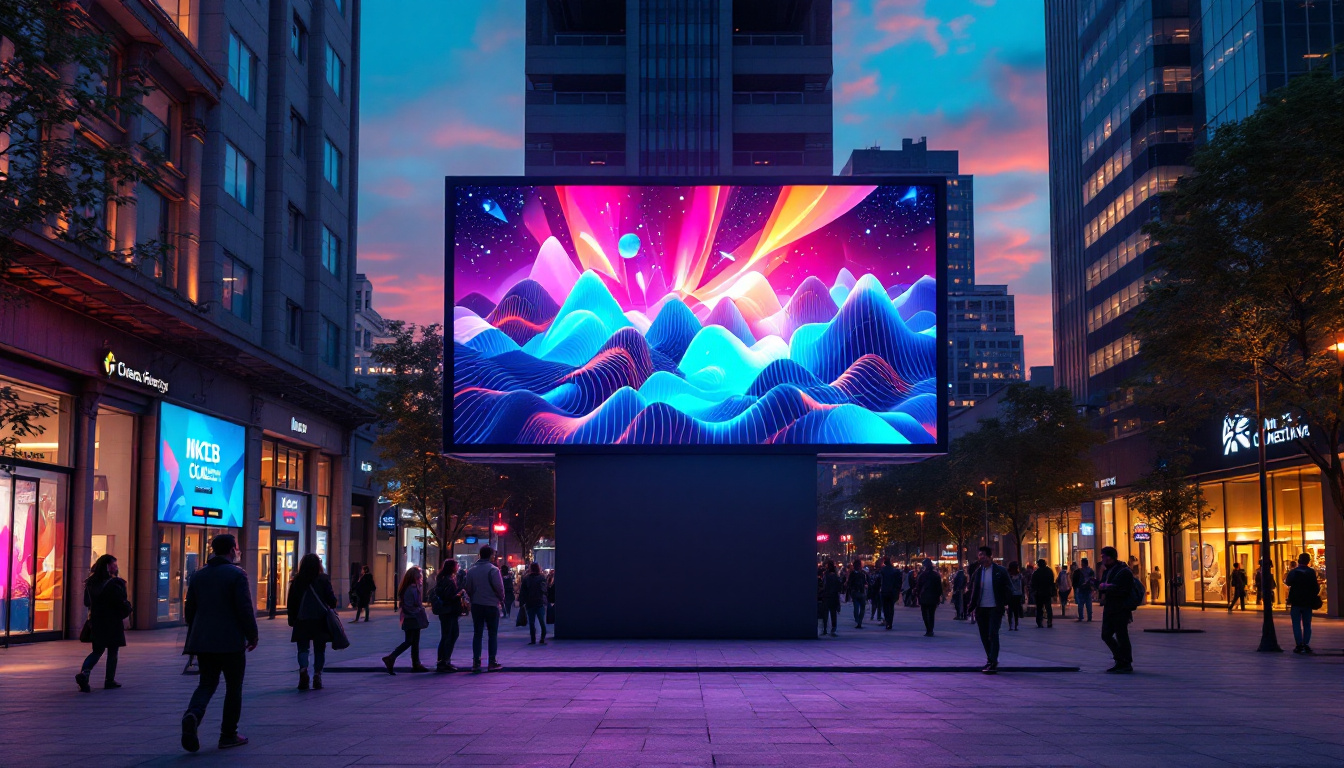
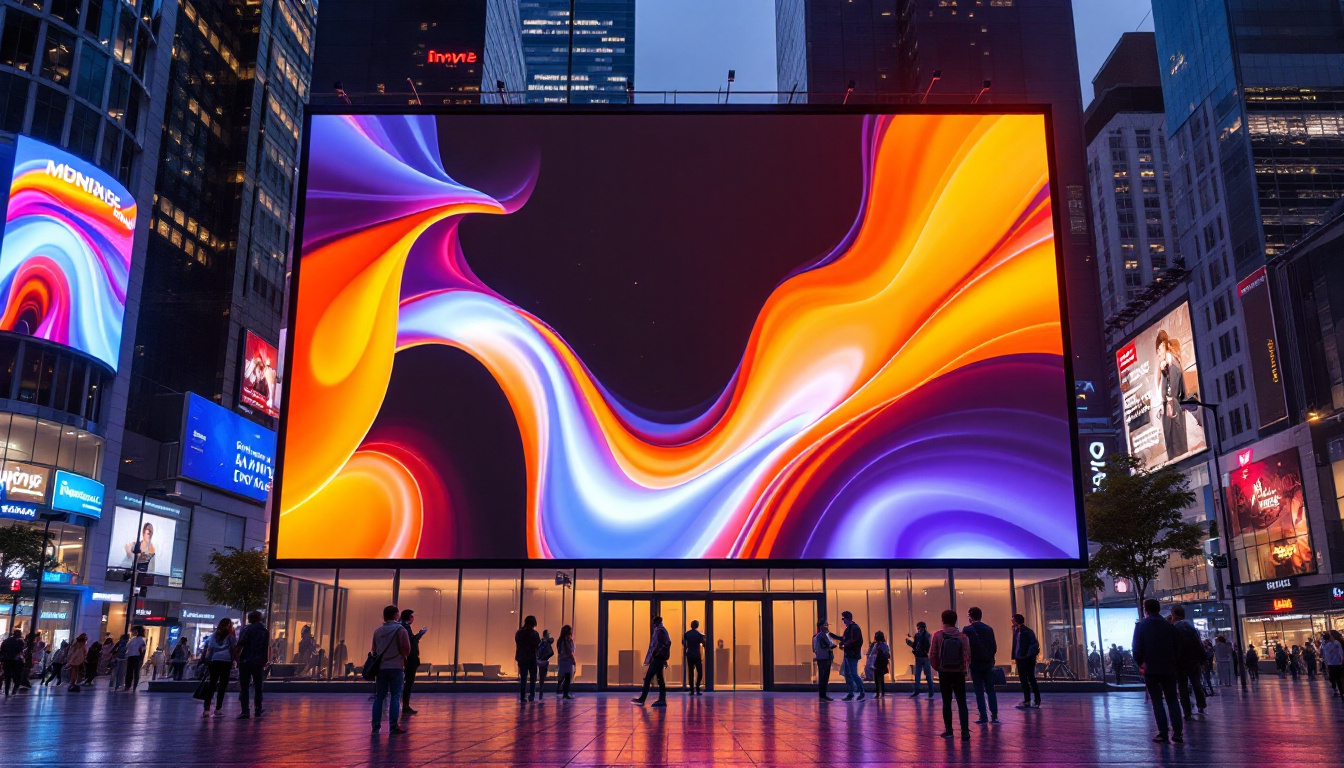
Outdoor LED displays are built to withstand harsh weather conditions such as rain, wind, and extreme temperatures. They are used for advertising billboards, sports stadium screens, traffic signs, and public information displays. To combat sunlight glare, outdoor LED displays offer extremely high brightness levels, often exceeding 5,000 nits, ensuring visibility even under direct sunlight.
These displays also feature robust protective enclosures and weatherproof coatings to maintain performance and longevity. The pixel pitch (distance between LEDs) is usually larger than indoor displays because viewers are typically farther away, which reduces the need for ultra-high resolution.
Transparent LED Displays
Transparent LED displays are an innovative variation that allows light to pass through the screen, making them ideal for glass windows or storefronts. These displays combine advertising with architectural aesthetics, enabling businesses to showcase dynamic content without obstructing natural light or visibility.
They are increasingly popular in retail environments and corporate headquarters, where maintaining an open and inviting atmosphere is crucial. Despite their transparency, these displays maintain excellent brightness and color performance, creating eye-catching visuals that engage passersby.
Advantages of LED Displays for Product Display
High Brightness and Visibility
One of the most significant advantages of LED displays is their exceptional brightness. Unlike traditional screens, LED displays can achieve brightness levels that make content visible even in direct sunlight. This is particularly important for outdoor advertising and product displays, where visibility can directly impact consumer engagement and sales.
High brightness also enhances color vibrancy and contrast, making product images and promotional messages more appealing and easier to read from a distance.
Energy Efficiency and Longevity
LED technology is renowned for its energy efficiency compared to other display technologies such as LCD or plasma. LEDs consume less power to produce brighter light, which translates to lower operating costs for businesses running large or numerous displays.
Moreover, LED displays have a long lifespan, often rated between 50,000 to 100,000 hours of operation. This durability reduces maintenance costs and downtime, making LED displays a cost-effective investment for long-term product promotion.
Flexibility and Customization
LED displays offer unparalleled flexibility in terms of size, shape, and content. Their modular design allows for custom configurations that can fit unique spaces and design requirements. Whether it’s a curved video wall in a shopping mall or a giant rectangular billboard, LED displays can be tailored to meet specific needs.
Additionally, content can be updated in real-time, enabling dynamic advertising campaigns that respond to customer behavior, time of day, or special events. This adaptability is invaluable in today’s fast-paced marketing environment.
Wide Viewing Angles and Color Accuracy
Modern LED displays provide wide viewing angles, ensuring that content remains clear and vibrant regardless of where the viewer stands. This characteristic is essential in crowded retail spaces or public venues where audiences view displays from multiple perspectives.
Color accuracy is another critical factor for product displays, especially when showcasing items like clothing, electronics, or food. LED displays can reproduce colors with high fidelity, helping to create a realistic and attractive representation of products.
Applications of LED Displays in Product Display
Retail and Shopping Centers
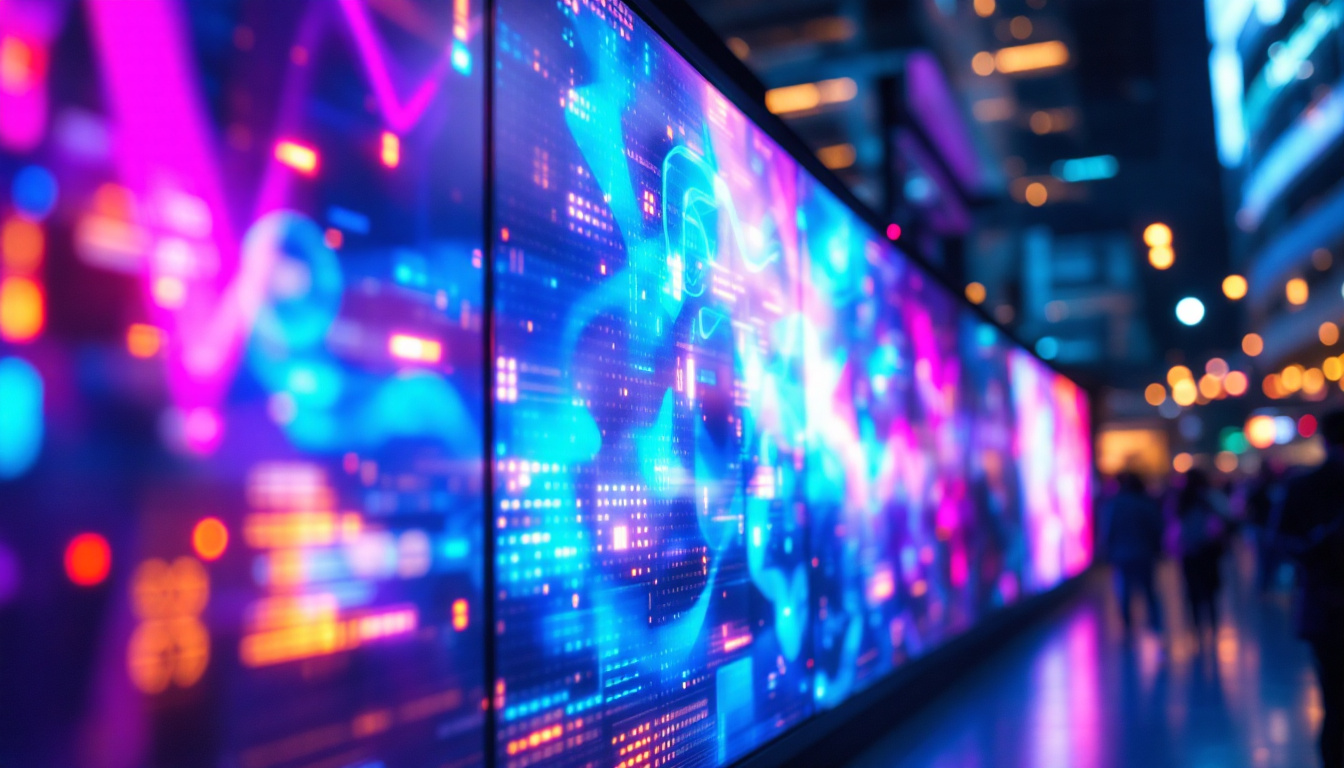
Retailers leverage LED displays to attract customers, promote new products, and enhance the shopping experience. Large LED video walls can showcase promotional videos, seasonal campaigns, or interactive content that encourages customer engagement.
For example, a clothing store might use an LED display to show models wearing the latest collection, while a supermarket could highlight special discounts or new arrivals. The ability to update content quickly allows retailers to remain relevant and responsive to market trends.
Trade Shows and Exhibitions
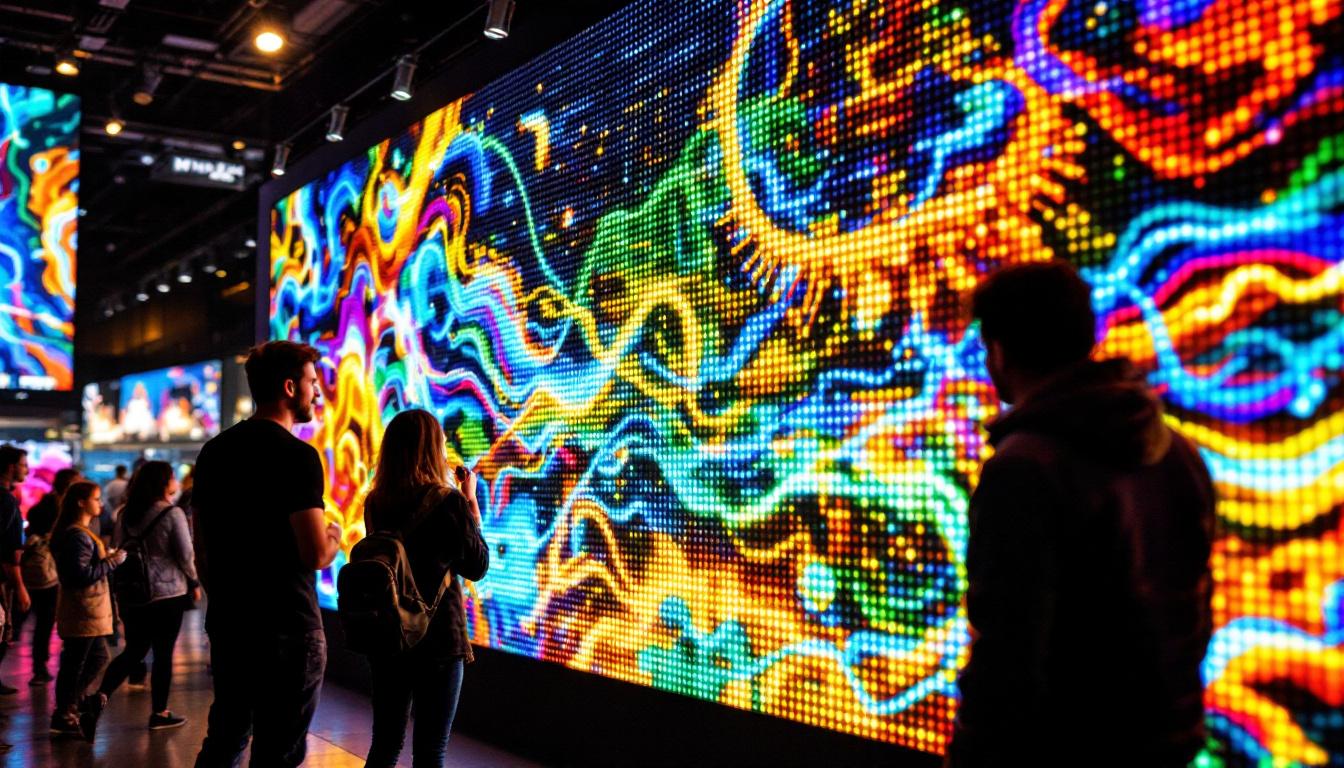
Trade shows are highly competitive environments where capturing attention is crucial. LED displays provide exhibitors with a powerful tool to stand out. Their brightness and dynamic capabilities help create immersive booths that draw visitors in.
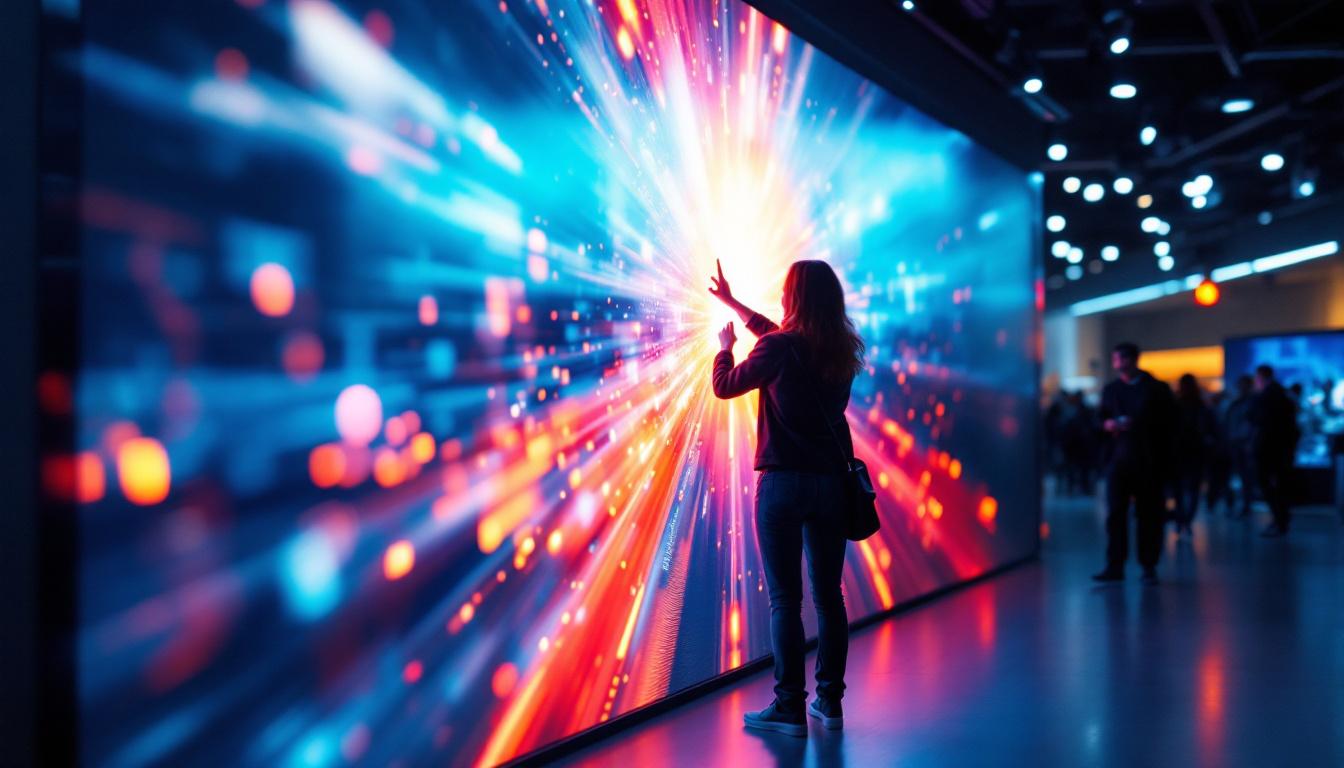
Interactive LED walls can also facilitate product demonstrations or presentations, making it easier to communicate complex information and engage potential clients effectively.
Outdoor Advertising and Billboards
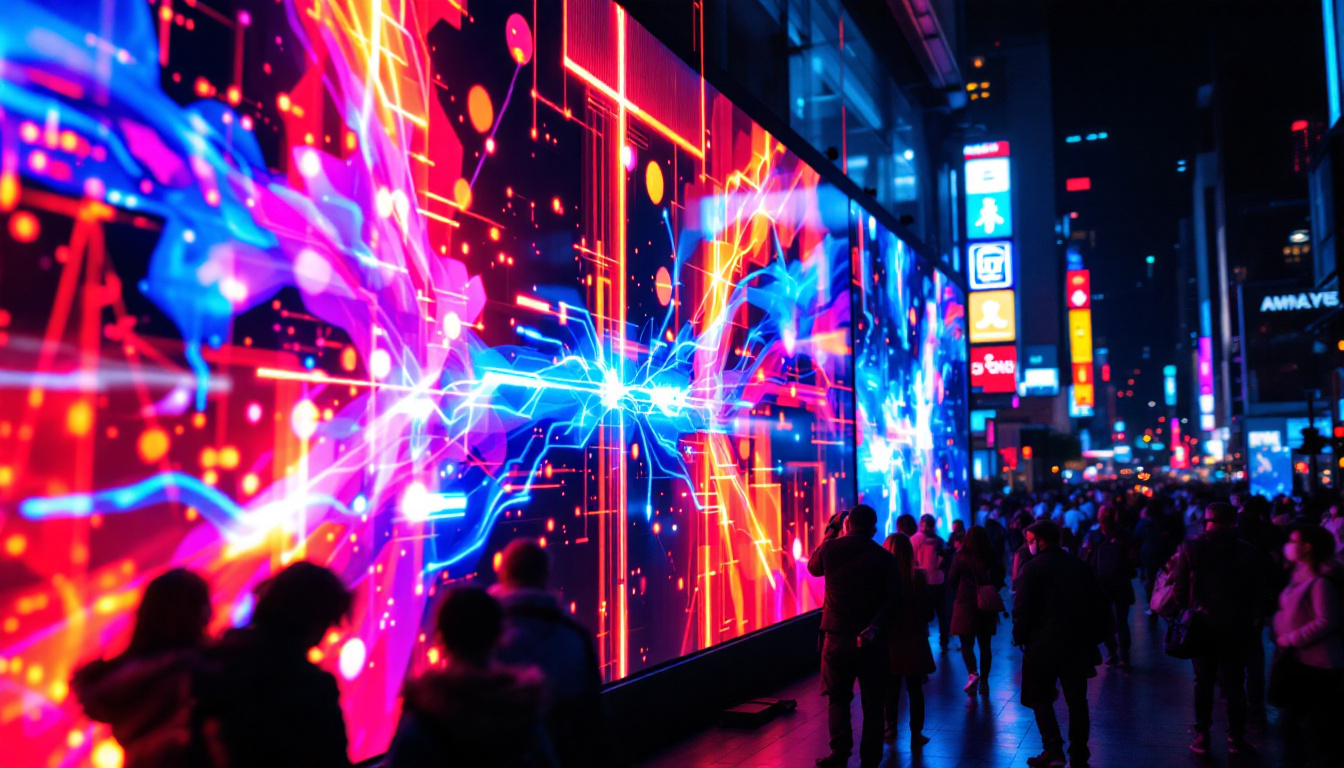
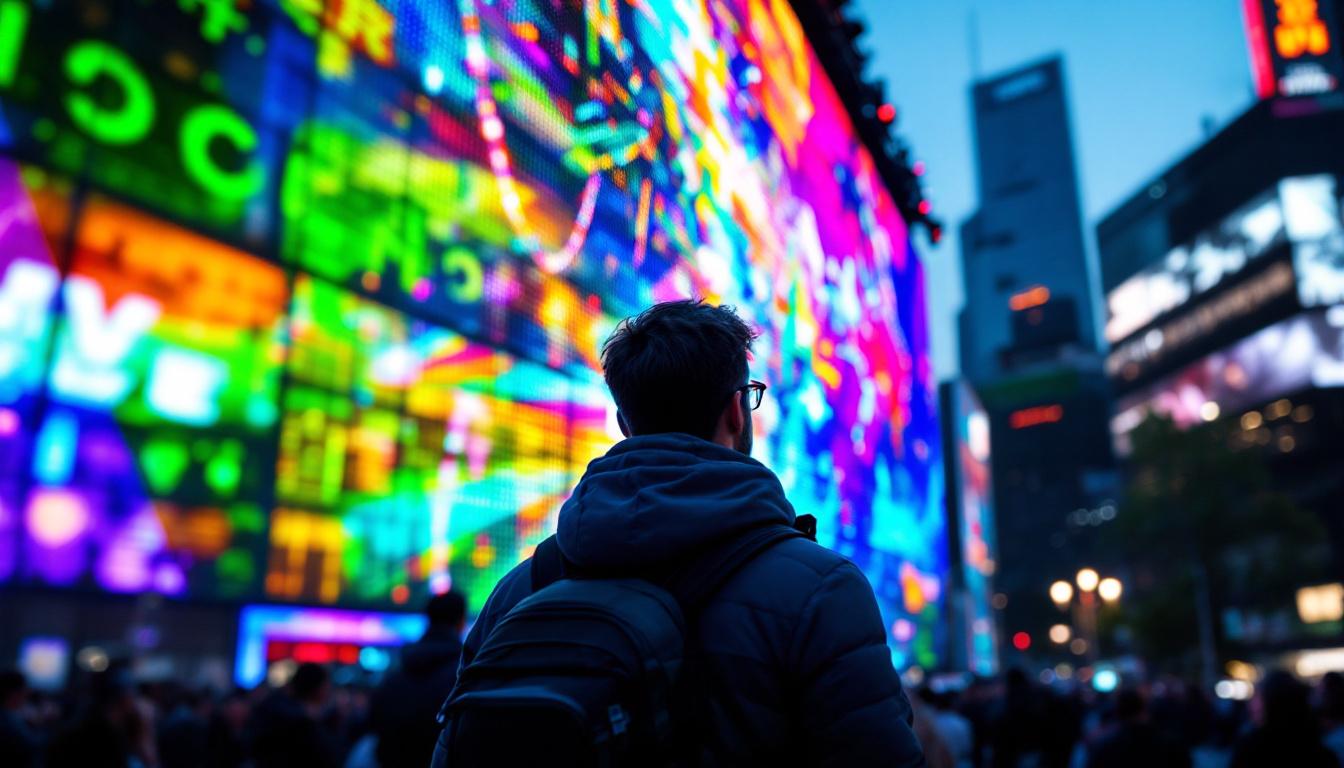
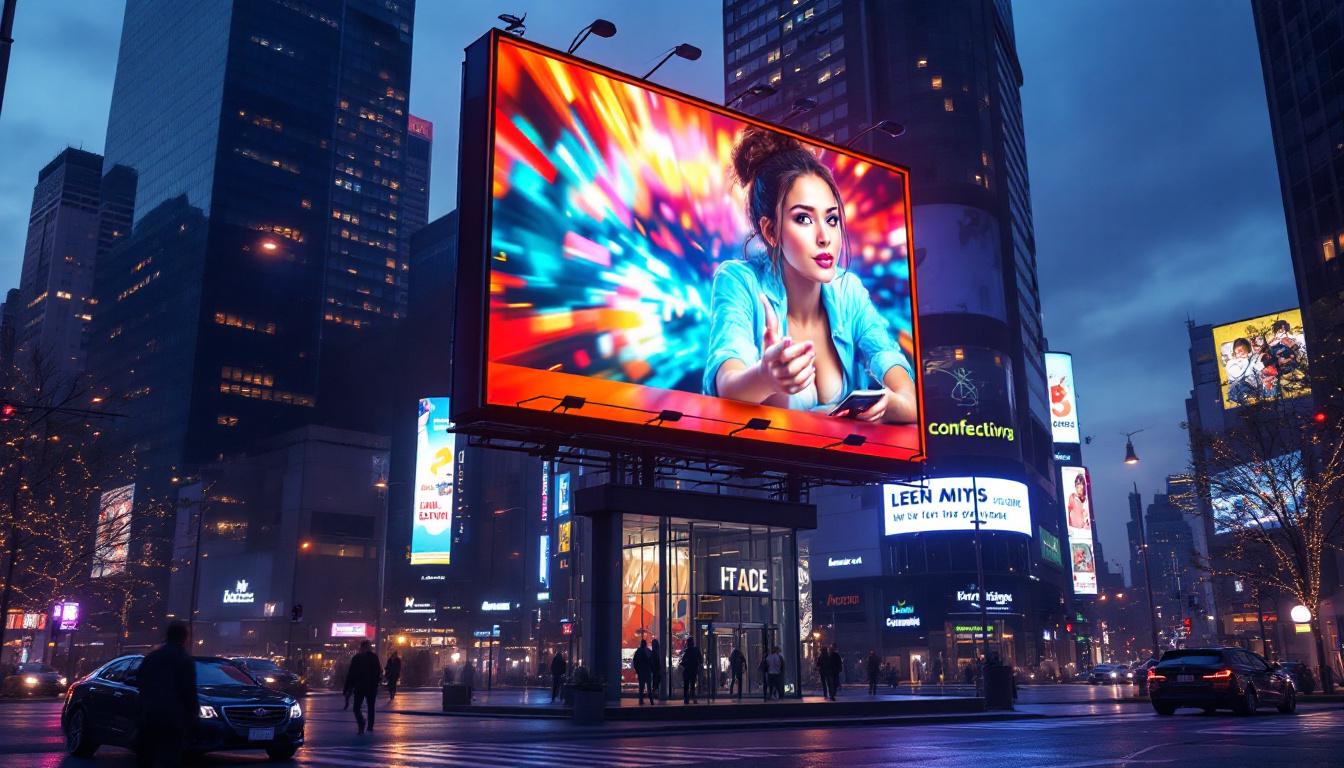
Outdoor LED billboards have transformed the advertising landscape by enabling vibrant, animated, and real-time content. Unlike static billboards, LED billboards can display multiple ads in rotation, update messages instantly, and even incorporate live feeds or social media content.
This flexibility allows advertisers to tailor messages to specific audiences or events, maximizing impact and return on investment. Cities worldwide are increasingly adopting digital LED signage to modernize public spaces and improve communication.
Corporate and Public Spaces
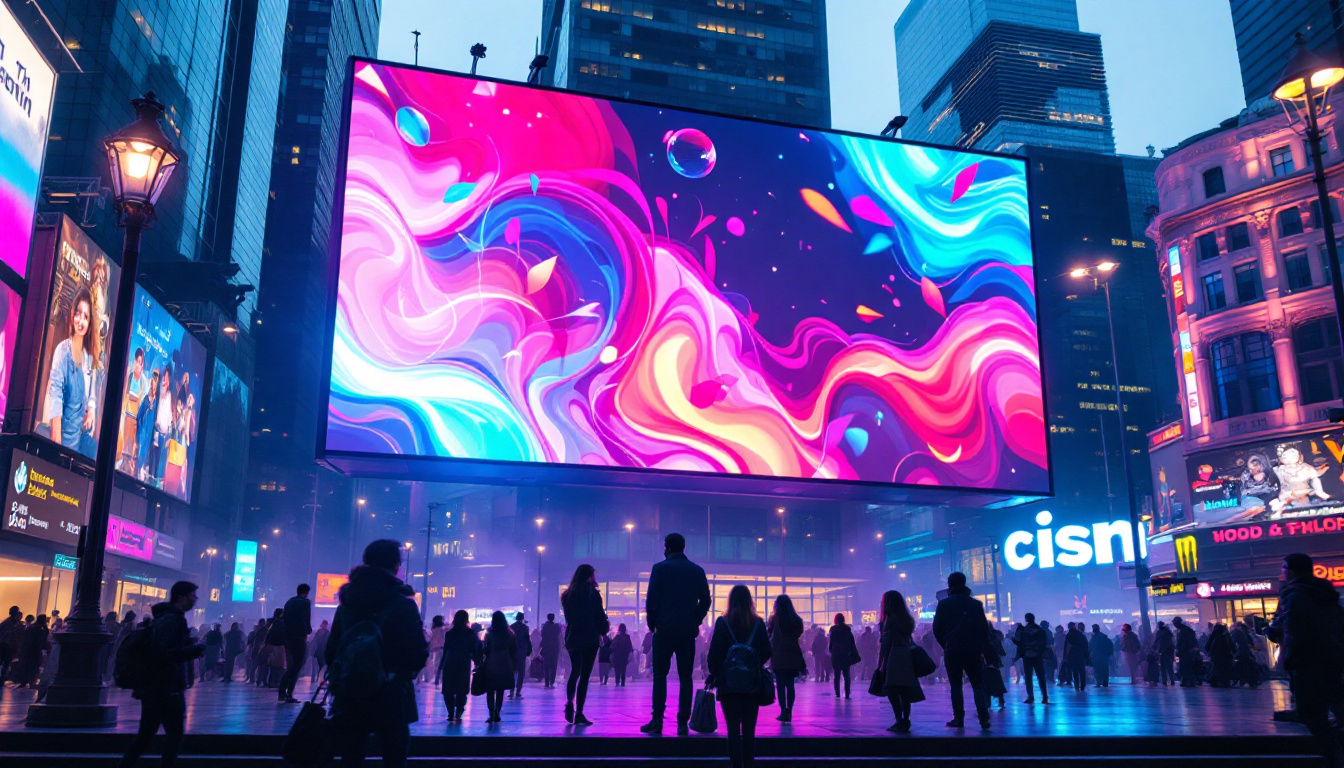
Corporate lobbies, airports, stadiums, and public squares use LED displays to provide information, branding, and entertainment. In these settings, LED displays serve both functional and aesthetic purposes, enhancing the environment while delivering critical messages.
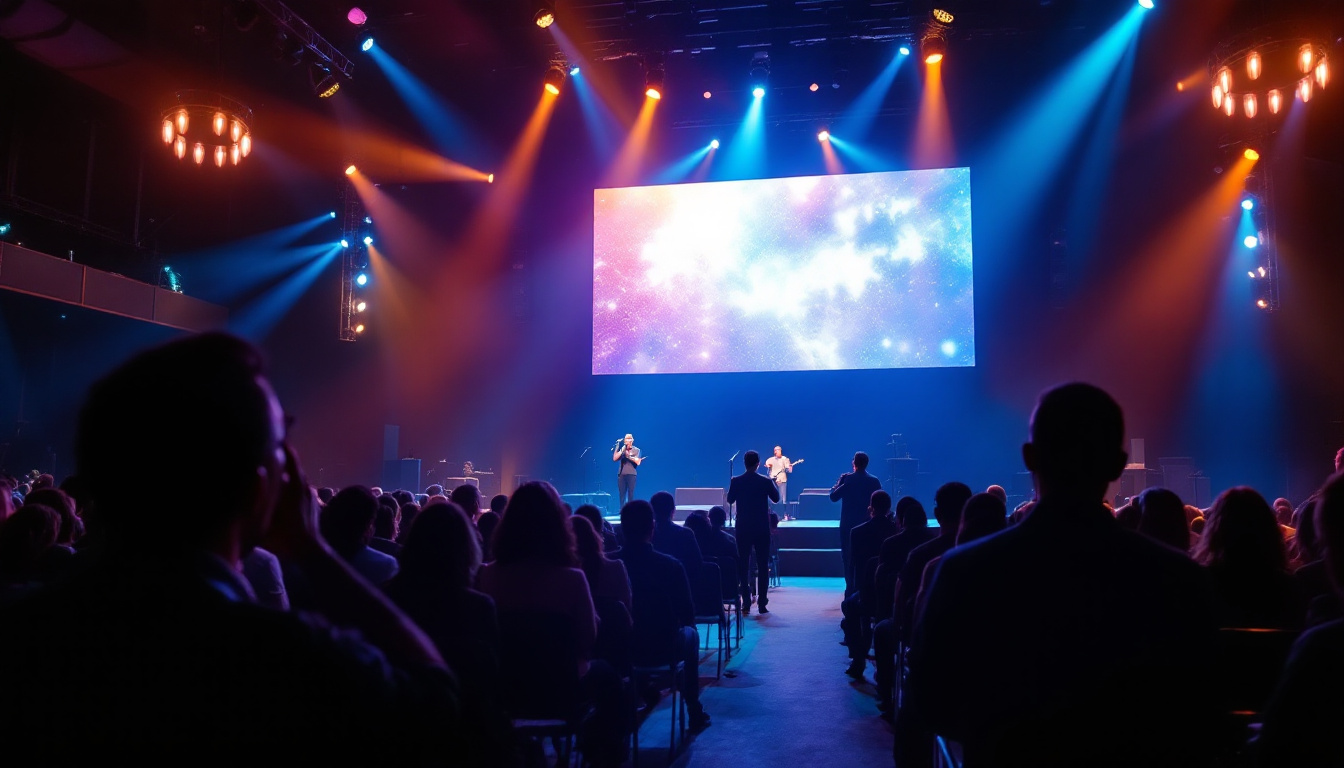
For instance, airports use LED displays for flight information and wayfinding, while sports arenas employ massive LED screens to show live game footage, replays, and advertisements, enriching the spectator experience.
Future Trends in LED Display Technology
MicroLED and MiniLED Innovations
Emerging technologies like MicroLED and MiniLED are pushing the boundaries of LED displays further. MicroLEDs are tiny LEDs that allow for even higher resolution, better contrast ratios, and improved energy efficiency. They promise to combine the best features of OLED and traditional LED displays without some of their drawbacks, such as burn-in issues.
MiniLED technology, which uses smaller LEDs for backlighting in LCD panels, offers enhanced brightness and contrast, making it a popular choice for premium TVs and monitors. Both technologies are expected to influence future product display solutions by offering superior image quality and durability.
Integration with AI and IoT
Artificial intelligence (AI) and the Internet of Things (IoT) are increasingly integrated with LED display systems to create smarter, more responsive signage. AI can analyze viewer demographics and behavior to tailor displayed content in real-time, optimizing engagement and effectiveness.
IoT connectivity enables remote management and monitoring of LED displays, ensuring optimal performance and reducing maintenance efforts. These advancements will make LED displays even more powerful tools for product marketing and communication.
Sustainability and Eco-Friendly Designs
As sustainability becomes a priority, LED display manufacturers are focusing on eco-friendly materials and energy-saving designs. Innovations include recyclable components, reduced power consumption, and improved manufacturing processes that minimize environmental impact.
Businesses adopting LED displays can benefit from these green technologies, aligning their marketing efforts with corporate social responsibility goals and appealing to environmentally conscious consumers.
Conclusion
LED displays have transformed the way products are showcased and advertised, offering unparalleled brightness, flexibility, and visual impact. Their ability to deliver dynamic, high-quality content in various environments makes them indispensable for retailers, advertisers, event organizers, and public institutions alike.
As technology continues to evolve, LED displays will become even more sophisticated, integrating cutting-edge innovations that enhance user engagement and sustainability. Understanding the fundamentals of LED display technology and its applications is essential for businesses looking to leverage this powerful medium to captivate audiences and drive sales in an increasingly digital world.
Discover LumenMatrix LED Display Solutions
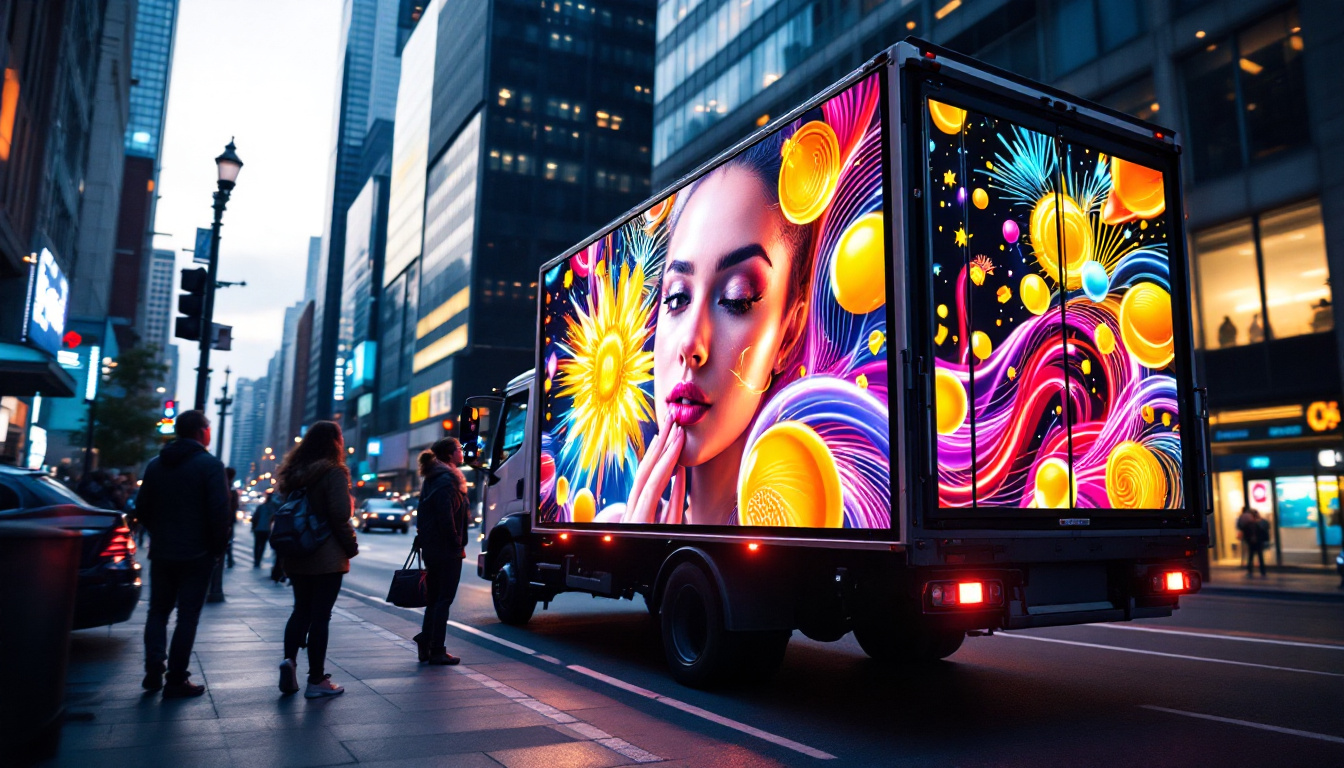
Ready to elevate your product display and advertising to new heights? Embrace the future with LumenMatrix, a pioneer in LED display technology. Our extensive range of solutions, including Indoor and Outdoor LED Wall Displays, Vehicle LED Displays, LED Poster Displays, LED Sports Displays, Floor LED Displays, Custom LED Displays, All-in-One LED Displays, and LED Transparent Displays, are designed to captivate your audience and amplify your message. Experience the revolution in visual communication and let your brand shine brighter. Check out LumenMatrix LED Display Solutions today and transform your space into a dynamic visual experience.