In the rapidly evolving world of visual technology, LED displays have emerged as a dominant force, revolutionizing how images and videos are presented across various platforms. Among the many facets of LED technology, the use of transparent projector PNG images has become increasingly relevant for designers, marketers, and tech enthusiasts alike. This article delves into the fundamentals of LED displays, explores the significance of projector PNG transparent images, and explains how these elements combine to enhance visual communication in modern digital environments.
Understanding LED Display Technology
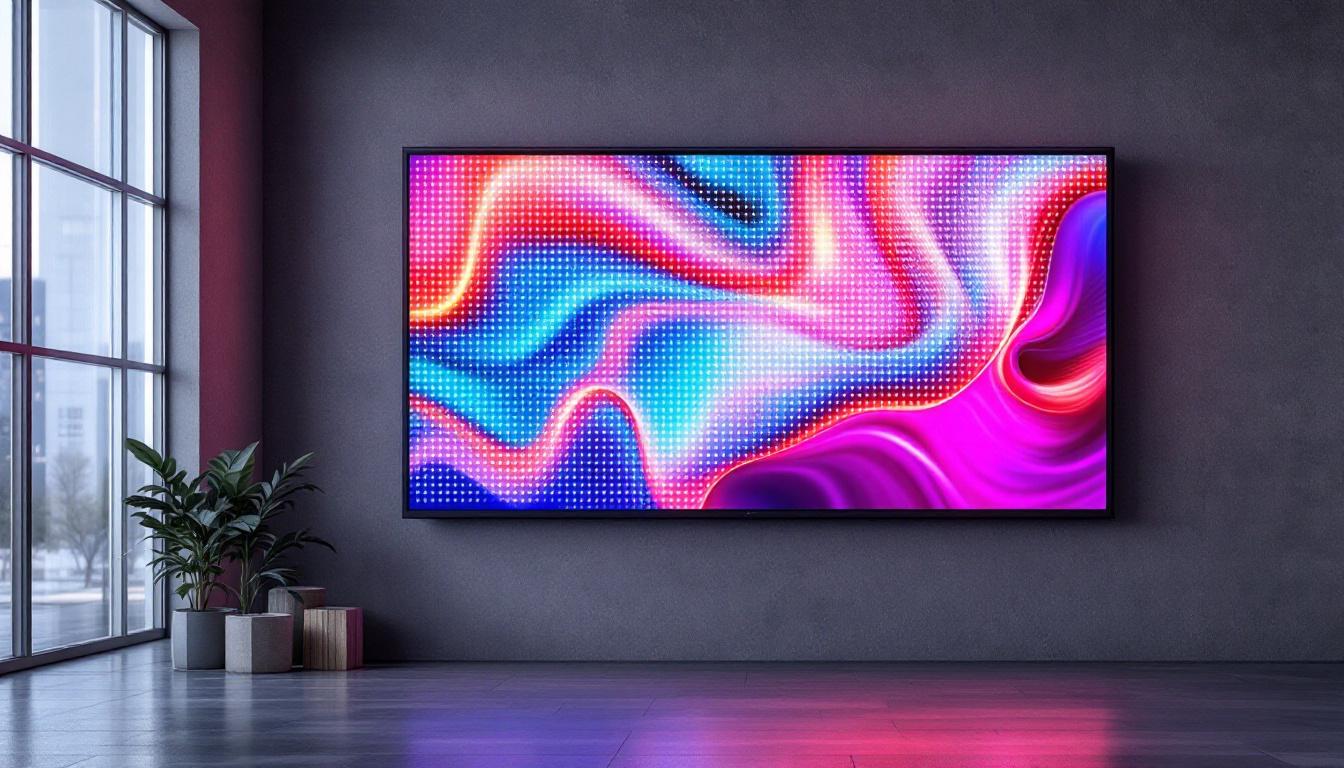
Light Emitting Diode (LED) displays are screens that use tiny light-emitting diodes to produce images. Unlike traditional LCD or plasma screens, LED displays offer superior brightness, energy efficiency, and durability, making them ideal for both indoor and outdoor applications. The technology behind LED displays has evolved significantly over the years, leading to advancements that enhance not only visual quality but also user experience. With the ability to create dynamic content, LED displays have become a staple in modern digital signage, providing businesses with a powerful tool to engage customers and convey messages effectively.
LED technology is versatile, ranging from small indicator lights to massive video walls used in stadiums and advertising billboards. The core advantage lies in the ability of LEDs to emit light directly, which results in vivid colors and high contrast ratios, even under bright ambient light conditions. This characteristic is particularly beneficial in outdoor settings where sunlight can wash out images on traditional screens. Additionally, LED displays have a longer lifespan compared to other display technologies, often exceeding 50,000 hours of use, which translates to lower maintenance costs and less frequent replacements.
Types of LED Displays
There are several types of LED displays, each tailored for specific uses:
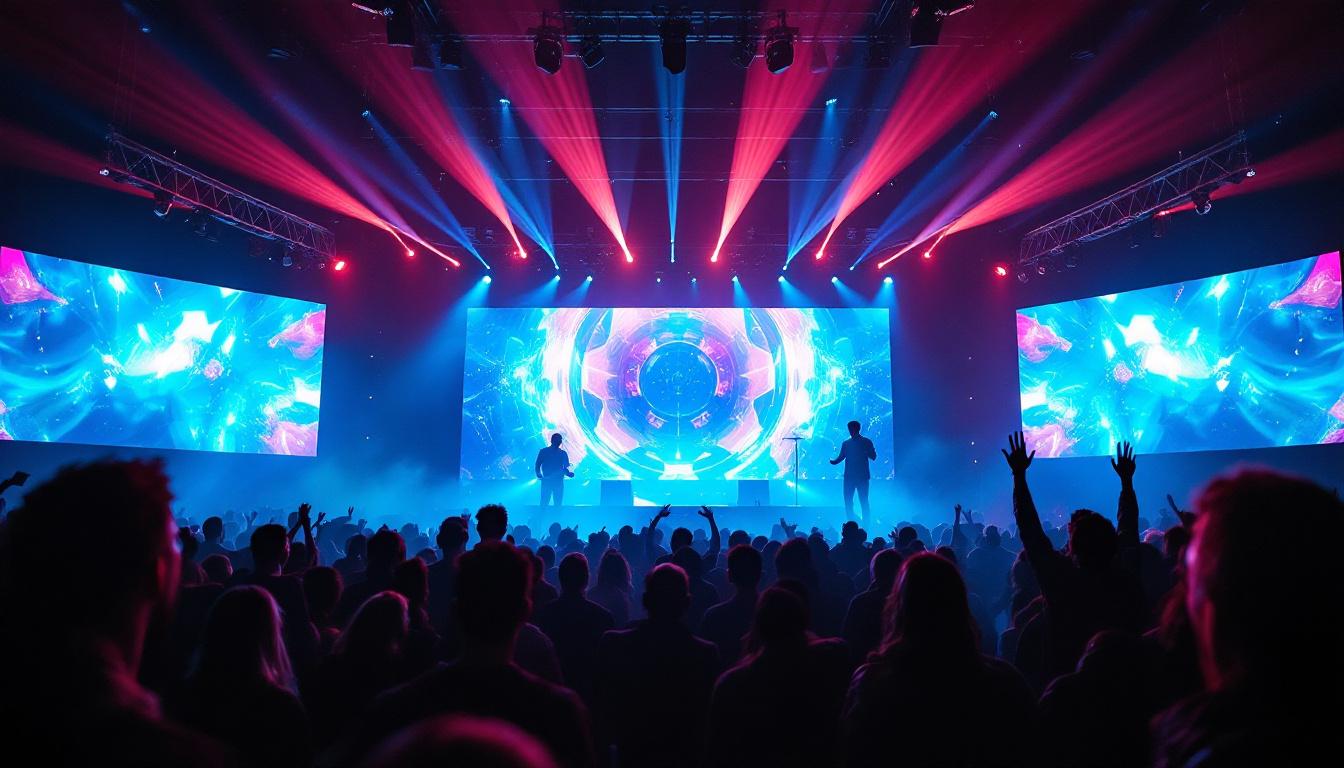
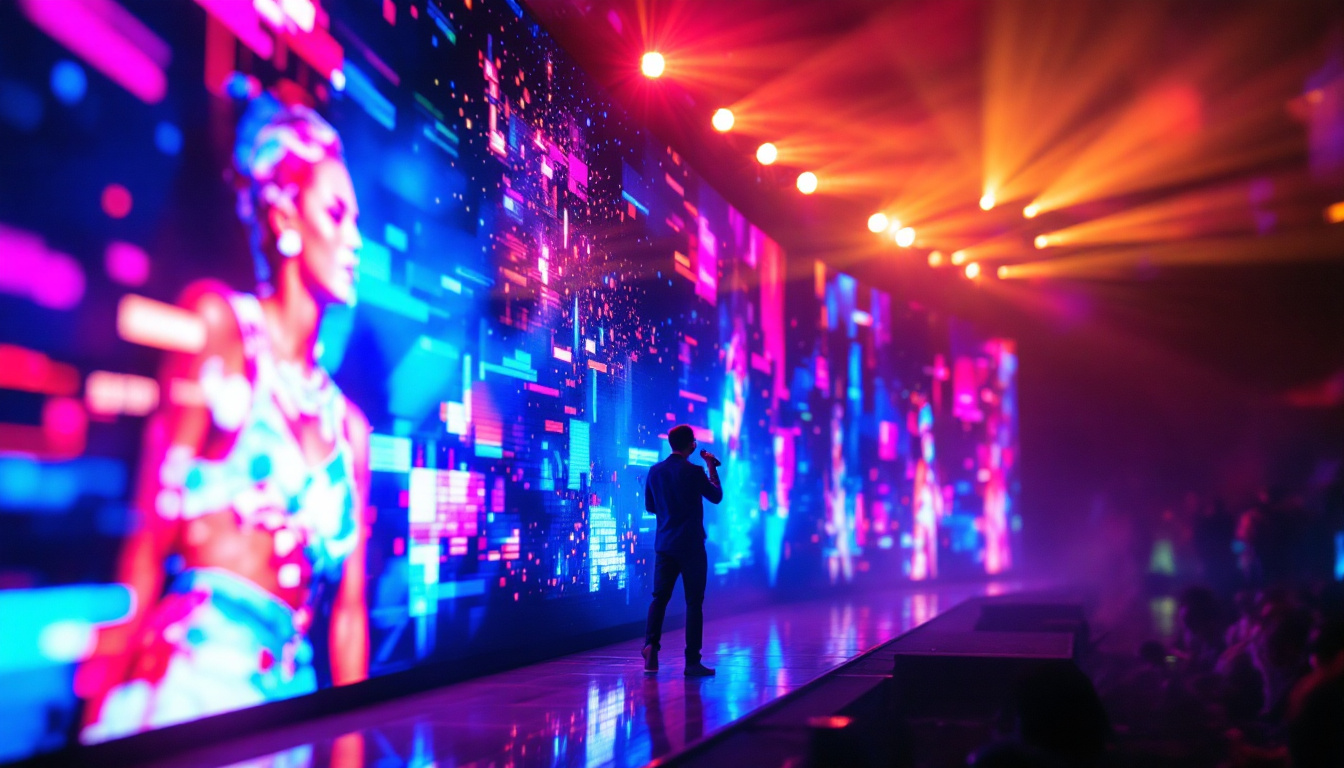
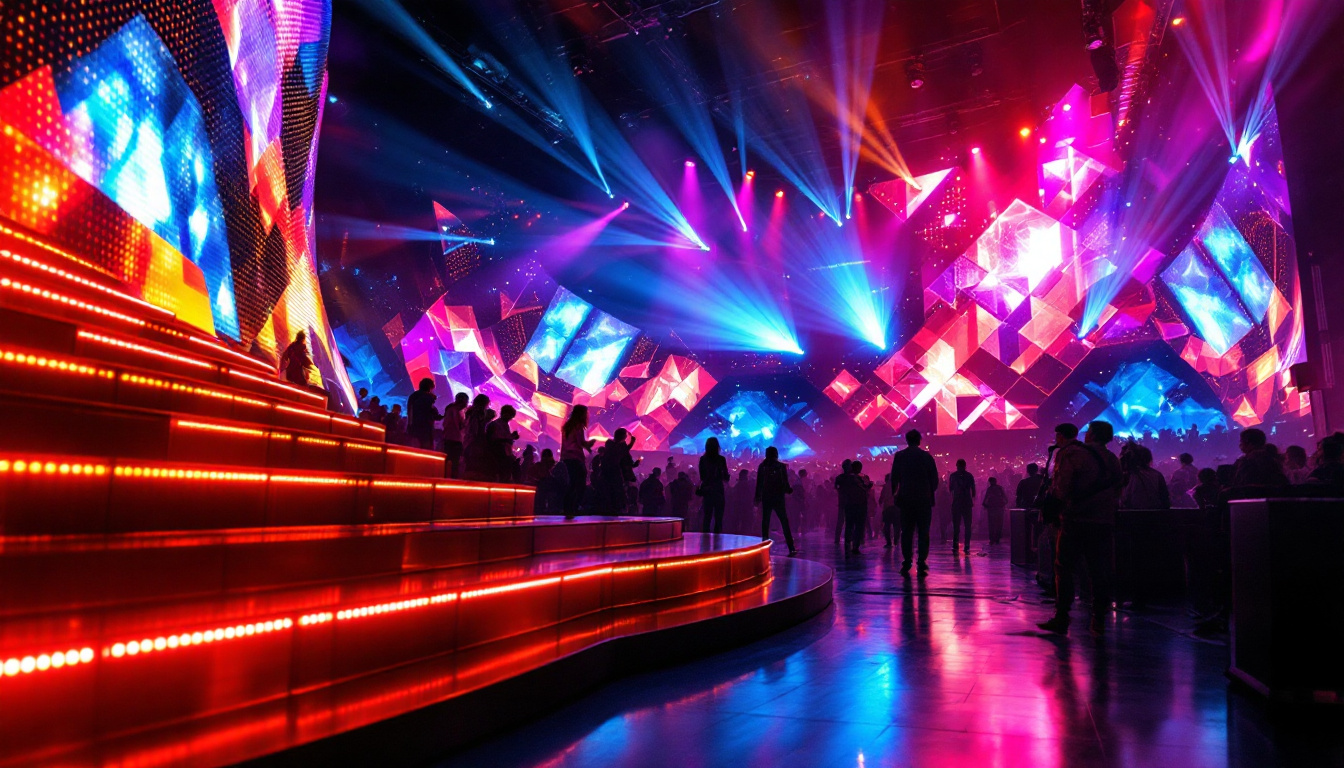
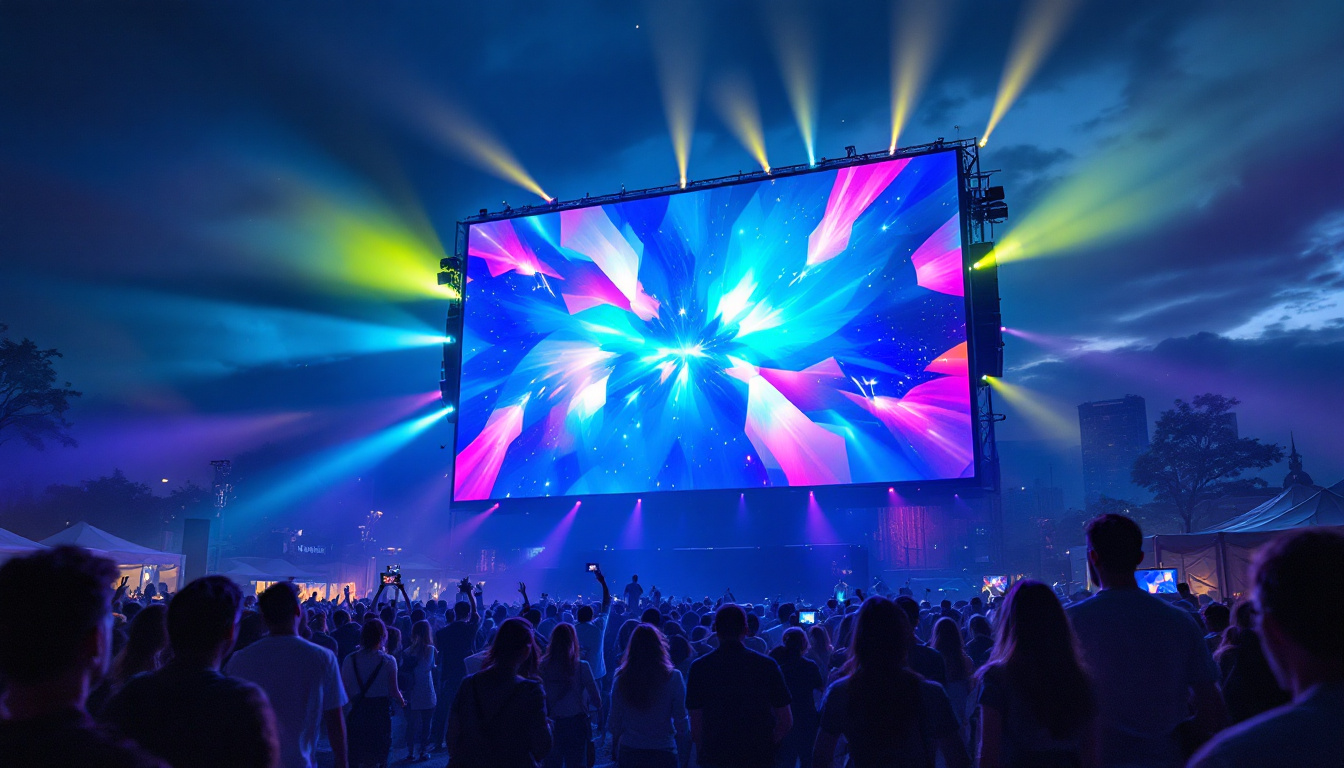
- Direct View LED (DVLED): These displays use an array of LEDs as pixels, producing bright and sharp images. They are commonly used in large screens for events and public displays, such as concerts and sports games, where high visibility is crucial. The modular design of DVLED allows for customizable sizes and shapes, making them suitable for various environments.
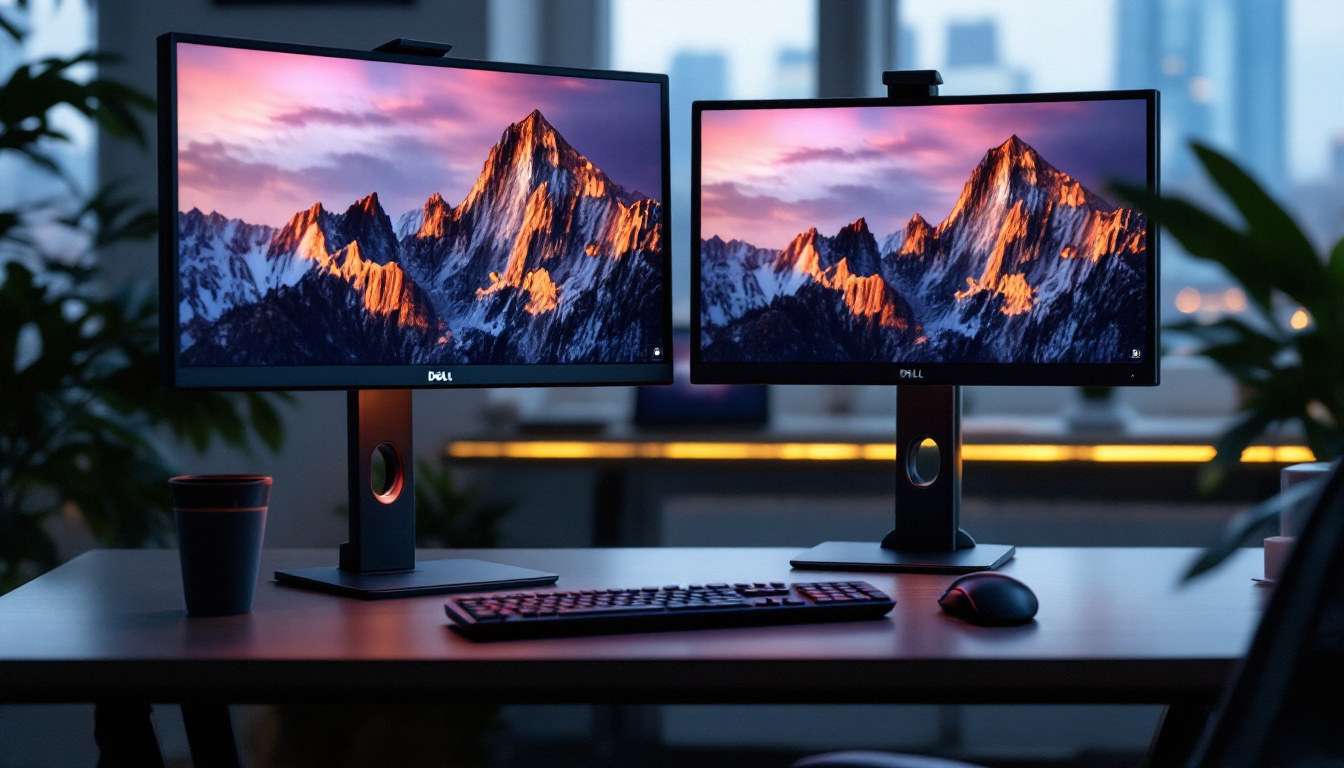
- LED-backlit LCD: This type uses LEDs as a backlight for LCD panels, improving brightness and color accuracy compared to traditional CCFL backlights. This hybrid technology is prevalent in consumer electronics, such as televisions and computer monitors, where users benefit from enhanced picture quality and energy savings.
- Transparent LED Displays: These are specialized LED panels that allow light to pass through, creating a see-through effect while displaying images or videos. Their unique design makes them perfect for retail environments, where they can be integrated into windows or glass structures, allowing customers to see products behind the display while still engaging with digital content.
Among these, transparent LED displays have gained significant attention for their innovative applications in retail, architecture, and advertising. Retailers are increasingly using these displays to create immersive shopping experiences, showcasing promotions without obstructing the view of merchandise. In architectural design, transparent LEDs can transform building facades into dynamic canvases, allowing for creative visual storytelling that enhances the urban landscape. Furthermore, as technology continues to advance, we can expect to see even more applications for LED displays, including interactive installations that respond to viewer engagement, further blurring the lines between digital and physical spaces.
The Role of Transparent Projector PNG Images
Projector PNG transparent images are digital graphics saved in Portable Network Graphics (PNG) format with transparent backgrounds. This transparency allows the images to be overlaid seamlessly onto various backgrounds without visible borders or unwanted colors. The versatility of PNG images makes them a popular choice among graphic designers, marketers, and content creators who want to maintain a clean and professional aesthetic in their visual presentations.
In the context of LED displays, especially transparent LED screens, these PNG images are invaluable. They enable designers to create layered visuals that integrate smoothly with the environment behind the screen, enhancing the immersive experience. This capability is particularly beneficial in retail environments, where brands can showcase products in a way that feels integrated into the space, rather than merely placed in front of it. As a result, customers are drawn into a more engaging shopping experience, often leading to increased sales and brand loyalty.
Why Transparency Matters
Transparency in images is crucial when working with LED displays for several reasons:
- Seamless Integration: Transparent PNGs allow for graphics to blend naturally with the LED screen’s background, avoiding the “boxed-in” look typical of non-transparent images. This feature is particularly important in environments where aesthetics play a crucial role, such as art galleries or high-end retail stores, where the visual harmony between digital and physical elements can significantly impact the viewer’s perception.
- Flexibility in Design: Designers can overlay multiple transparent images, create complex compositions, or animate elements without worrying about background clashes. This flexibility encourages creativity, enabling designers to experiment with various visual narratives that can adapt to different themes or campaigns, thus keeping the content fresh and engaging for the audience.
- Enhanced Visual Effects: Transparency supports the creation of dynamic visuals that interact with physical surroundings, such as reflections or shadows, adding depth and realism. This interaction not only captivates viewers but also allows for storytelling through visuals, where the environment itself becomes a part of the narrative, making the experience more memorable.
Moreover, the use of transparent PNG images extends beyond mere aesthetics; they also play a significant role in branding and marketing strategies. By utilizing these images, companies can maintain brand consistency across various platforms, ensuring that their visual identity is preserved regardless of the medium. This consistency is vital in building trust and recognition among consumers, as it reinforces the brand’s message and values through every visual touchpoint.
Additionally, as technology continues to evolve, the potential applications for transparent PNG images are expanding. With the rise of augmented reality (AR) and virtual reality (VR), these images can be used to create interactive experiences that blend digital content with the real world. This innovation opens up new avenues for engagement, allowing brands to connect with their audience in ways that were previously unimaginable, thus pushing the boundaries of traditional marketing and design.
Applications of Transparent LED Displays with Projector PNGs
The combination of transparent LED displays and projector PNG transparent images has unlocked new possibilities across various industries. Below are some notable applications that demonstrate the technology’s impact.
Retail and Advertising
Retail environments have embraced transparent LED displays to attract customers with eye-catching window displays that do not obstruct the view inside the store. Using projector PNG transparent images, retailers can project vibrant product visuals, promotional messages, or seasonal themes directly onto the glass without compromising transparency.
This approach increases engagement by creating an interactive and futuristic shopping experience. According to a 2023 report by Grand View Research, the global digital signage market, which includes LED displays, is expected to reach $32.84 billion by 2030, driven largely by innovations like transparent displays.
Architectural and Interior Design
Architects and interior designers use transparent LED displays to integrate digital art and information into building facades and interiors. These displays can transform glass walls into dynamic canvases that change throughout the day, enhancing aesthetics and functionality.
Projector PNG transparent images facilitate the creation of layered visuals that complement the architectural elements, allowing for customizable and adaptive environments. For example, a corporate lobby might display a company logo or welcome message during business hours, then switch to ambient art or news feeds afterward.
Events and Entertainment
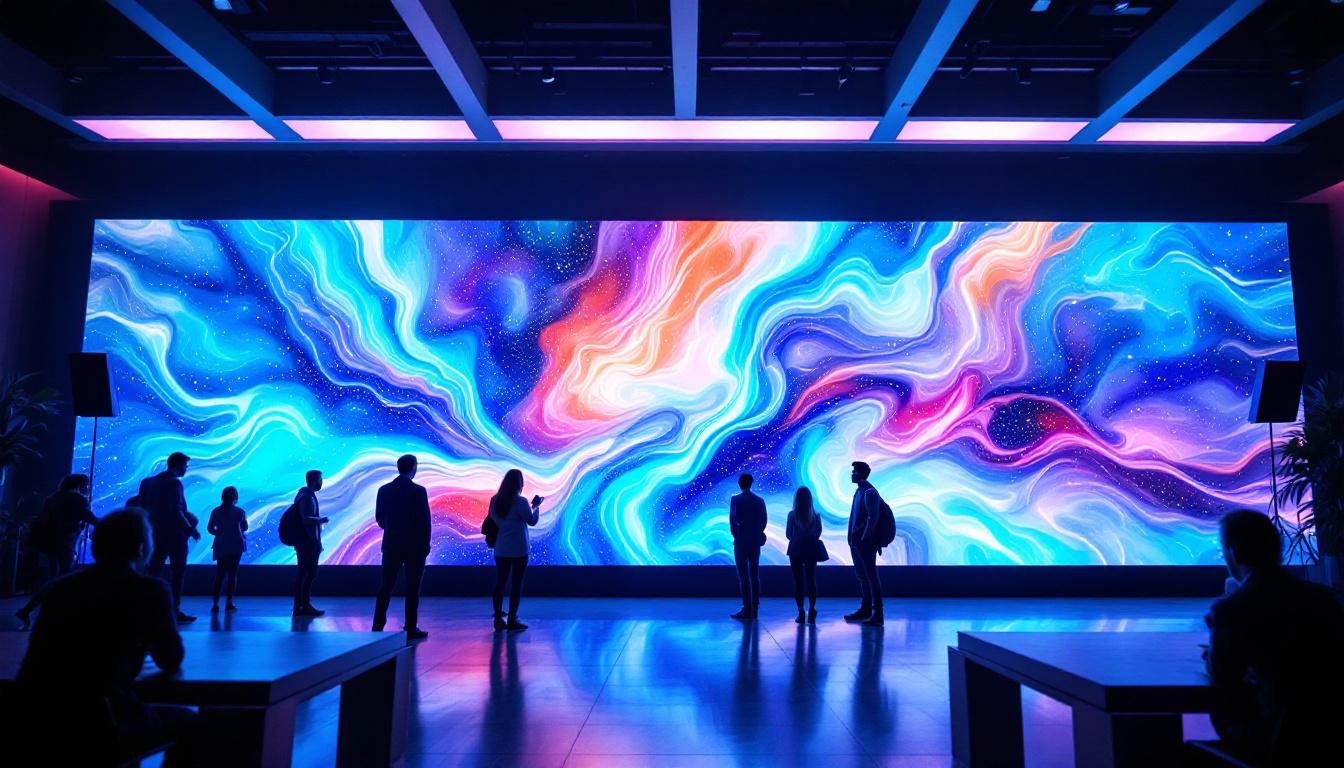
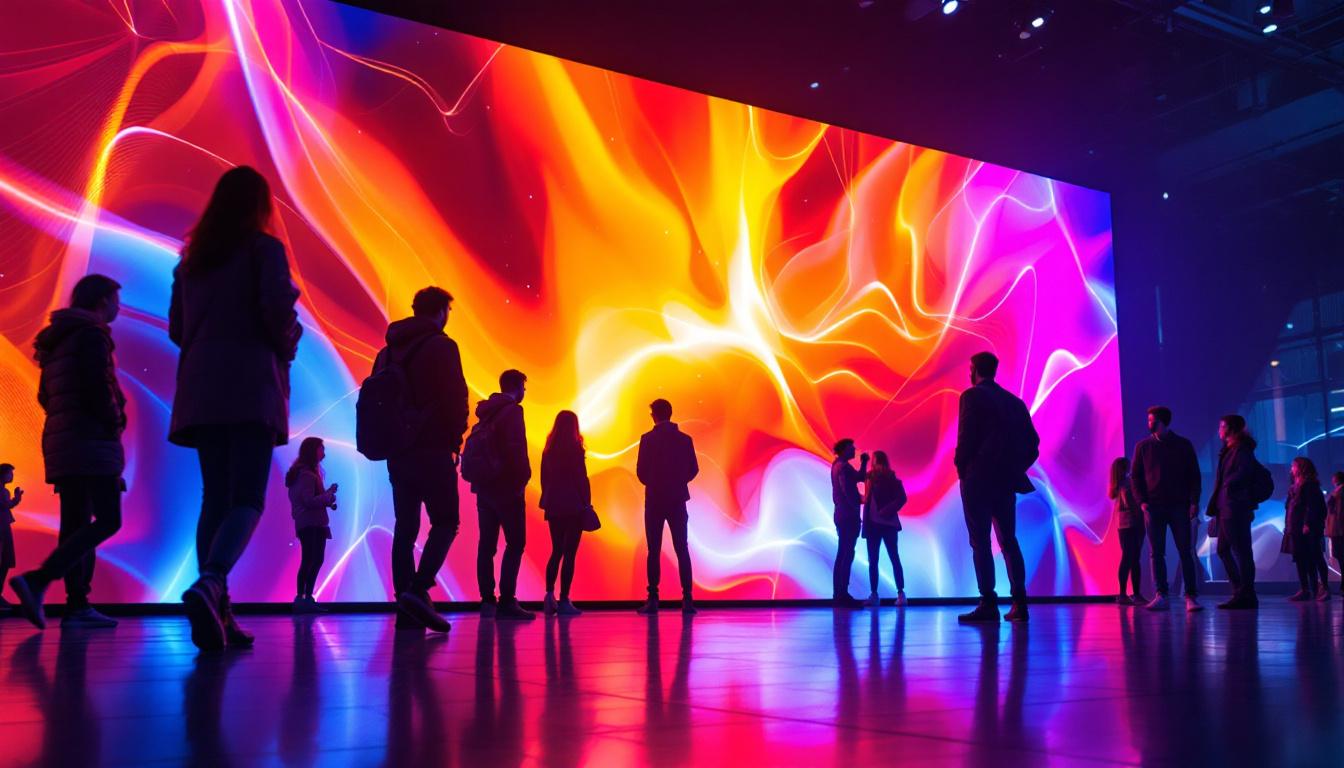
In concerts, exhibitions, and theatrical performances, transparent LED displays provide a unique way to blend digital content with live action. Using transparent projector PNG images, event producers can create stunning visual effects that appear to float in mid-air or interact with performers.
This technology enhances storytelling and audience immersion, pushing the boundaries of conventional stage design. Many major events now incorporate transparent LED screens as part of their visual setups, recognizing their ability to captivate and engage large audiences.
Technical Considerations for Using Projector PNG Transparent Images on LED Displays
While the benefits of combining projector PNG transparent images with LED displays are clear, there are technical factors to consider to ensure optimal results.
Image Resolution and Quality
LED displays, especially large-scale ones, require high-resolution images to maintain clarity and sharpness. Projector PNG transparent images should be created at resolutions that match or exceed the display’s pixel density to avoid pixelation or blurriness.
Additionally, PNG files support lossless compression, which preserves image quality during editing and scaling. Designers must balance file size and quality to optimize performance, particularly for real-time content delivery.
Color Calibration and Brightness
LED displays have unique color profiles and brightness levels that differ from traditional monitors. When designing transparent PNG images for these screens, color calibration is essential to ensure that colors appear vibrant and accurate under various lighting conditions.
Moreover, transparent areas in PNGs can interact with the LED backlighting in unexpected ways, so testing images on the actual display hardware is recommended to fine-tune visual effects.
Software Compatibility and File Formats
Not all software and LED display controllers handle transparency in the same way. It is important to use compatible software that supports PNG transparency and can output files correctly for the target LED system.
Some LED controllers might require specific file formats or settings to properly render transparency, so coordination between designers and technical teams is crucial for seamless integration.
Future Trends in LED Displays and Transparent Imaging
The intersection of LED technology and digital imaging continues to evolve, promising exciting advancements in the near future.
Higher Transparency and Resolution
Emerging transparent LED panels are achieving higher transparency rates, sometimes exceeding 70%, allowing for even more natural see-through effects. Combined with increasing pixel densities, this will enable ultra-high-definition transparent displays suitable for a wider range of applications.
Interactive and Augmented Reality Integration
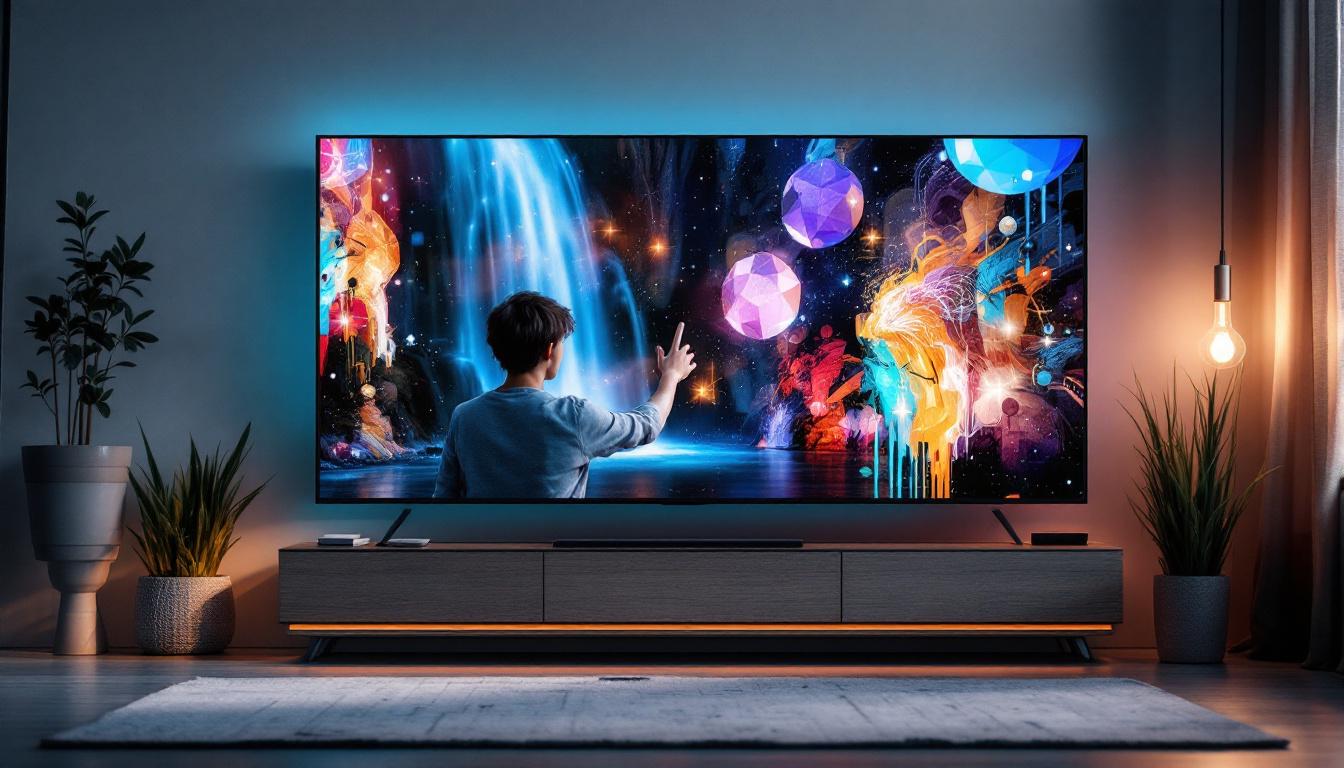
Future transparent LED displays are expected to integrate with interactive technologies and augmented reality (AR), allowing users to interact with digital content in real-time. Projector PNG transparent images will play a role in creating responsive and adaptive visuals that react to user input or environmental changes.
Energy Efficiency and Sustainability
As LED technology advances, energy consumption continues to decrease, making transparent LED displays more sustainable. This aligns with growing environmental concerns and regulations, encouraging wider adoption in public and commercial spaces.
Conclusion
Transparent projector PNG images and LED display technology together represent a powerful combination that is transforming visual communication across industries. By understanding the technical aspects and creative potential of these tools, businesses and designers can craft compelling, immersive experiences that captivate audiences and enhance environments.
As LED displays become more sophisticated and accessible, the importance of high-quality transparent images will only grow, underscoring the need for expertise in both design and technology. Staying informed about current trends and best practices ensures that users can fully leverage the capabilities of transparent LED displays to achieve their visual goals.
Discover LumenMatrix’s Innovative LED Solutions
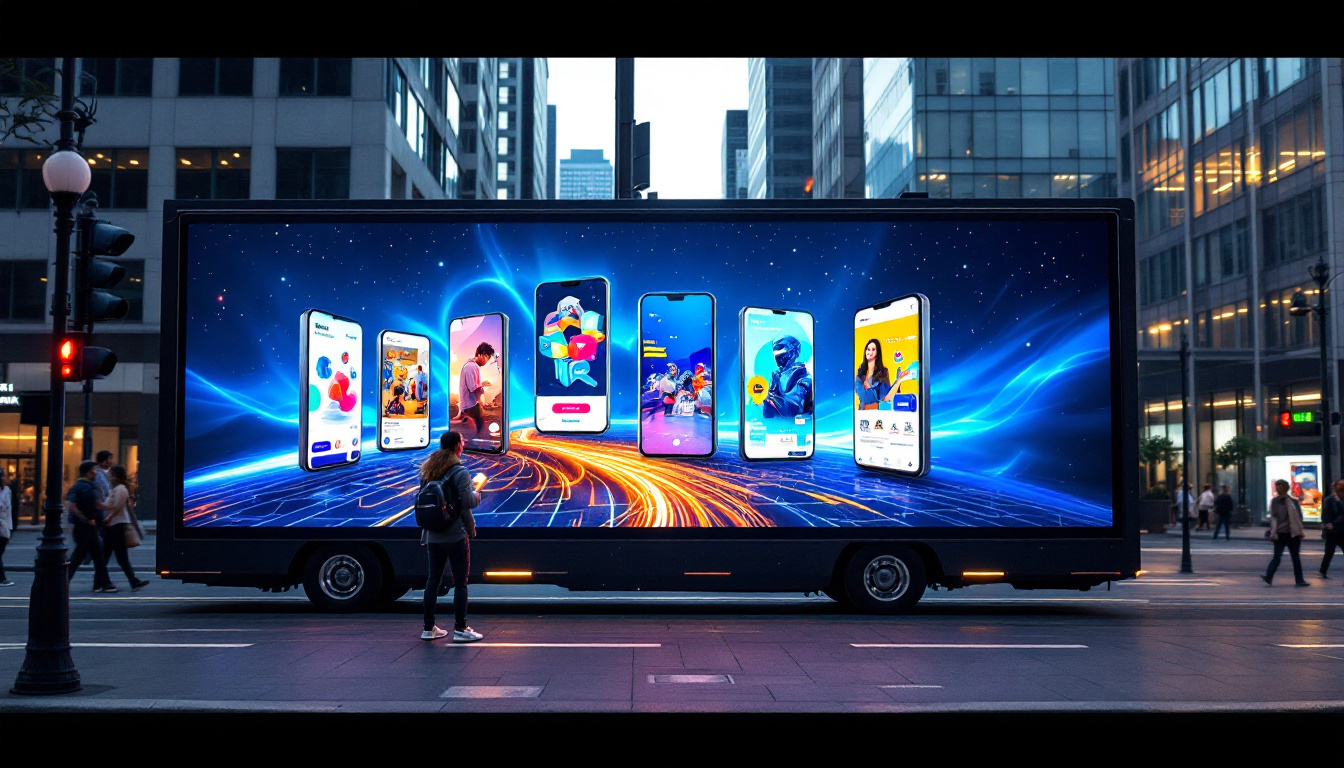
Ready to elevate your visual communication with cutting-edge LED technology? Explore LumenMatrix’s comprehensive range of LED display solutions, from vibrant Indoor and Outdoor LED Wall Displays to dynamic Vehicle and Sports LED Displays. Whether you’re looking to create an immersive retail environment with our LED Transparent Display or make a bold statement with a Custom LED Display, LumenMatrix has the expertise to bring your vision to life. Check out LumenMatrix LED Display Solutions today and transform your space into a captivating visual experience.