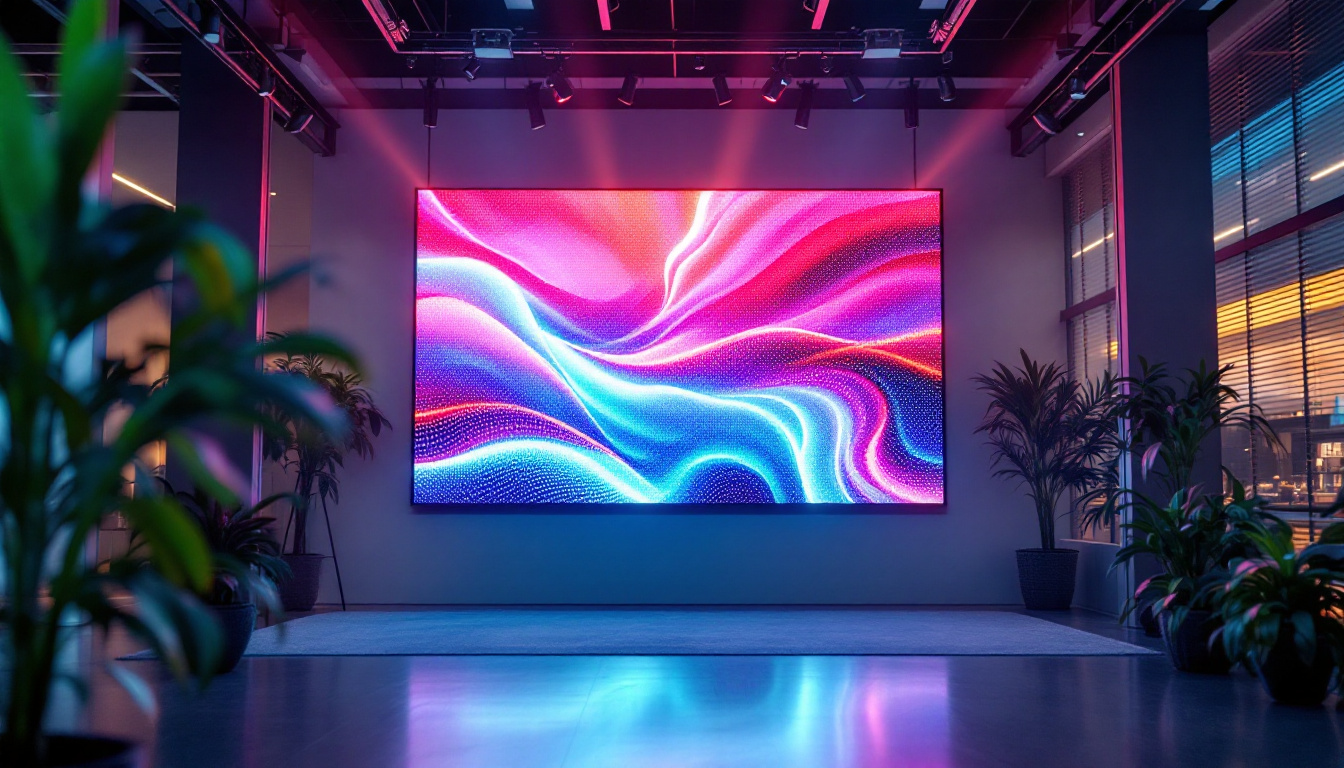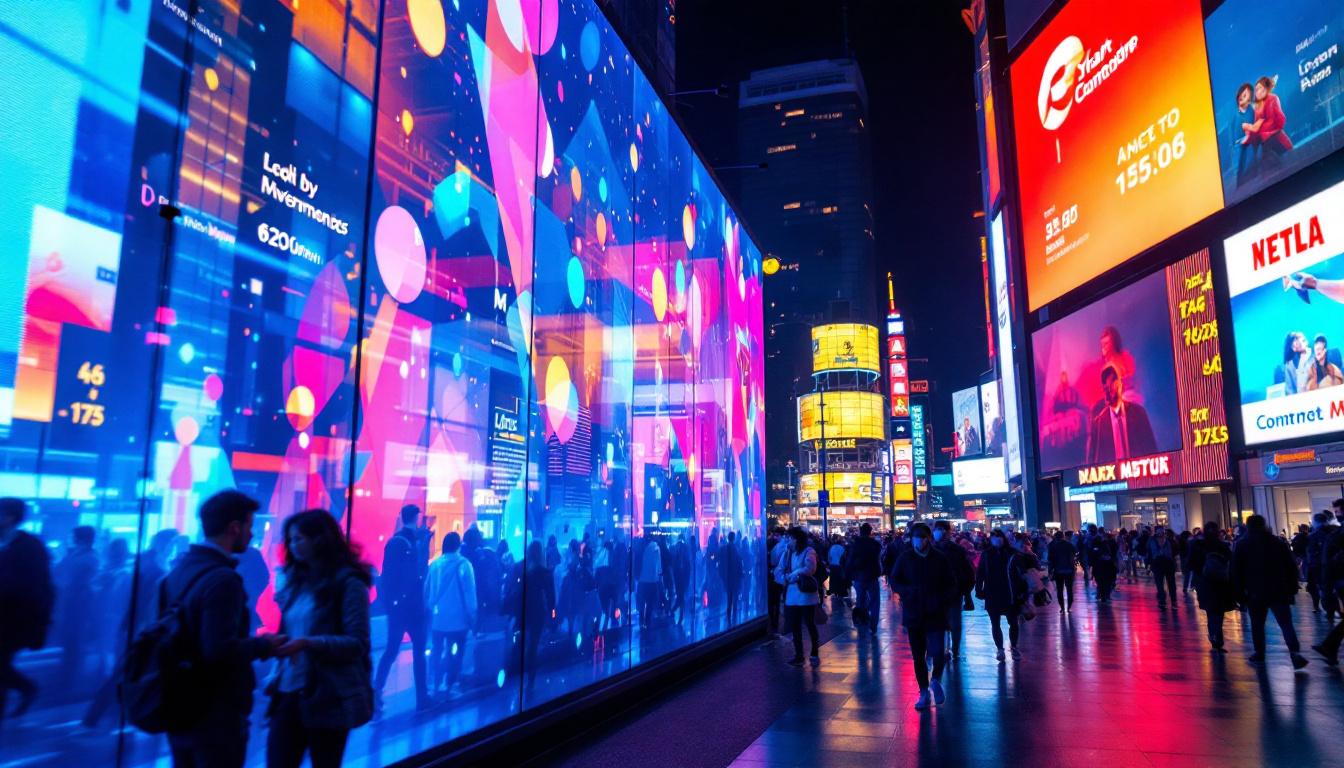
In the rapidly evolving world of digital signage and display technology, understanding the terminology and specifications behind LED displays is essential for making informed decisions. One term that frequently appears in discussions about LED screens is “Px A Cm,” which stands for “Pixels per Centimeter.” This metric plays a crucial role in determining the clarity, resolution, and overall quality of an LED display. This article delves into what Px A Cm means, why it matters, and how it impacts the performance and application of LED displays across various industries.
What is Px A Cm in LED Displays?
Px A Cm, or Pixels per Centimeter, is a measurement that indicates the pixel density of an LED display. It tells you how many individual pixels are packed into one centimeter of the screen. Pixels are the smallest controllable elements of a digital image, and their density directly affects the sharpness and detail of the displayed content.
For example, a display with a pixel density of 10 Px A Cm means there are 10 pixels lined up in every centimeter horizontally and vertically. Higher pixel densities generally translate to clearer images, finer details, and smoother text rendering, especially when viewed up close. This is particularly important in applications where visual clarity is paramount, such as in medical imaging, graphic design, or high-definition video playback, where every pixel contributes to the overall quality of the image.
Understanding Pixel Pitch
Pixel pitch is closely related to Px A Cm and is often used interchangeably, although it technically refers to the distance between the centers of two adjacent pixels. It is usually measured in millimeters. The smaller the pixel pitch, the higher the pixel density, and consequently, the higher the Px A Cm value.
For instance, a pixel pitch of 2.5 mm roughly corresponds to 4 pixels per centimeter (since 1 cm = 10 mm, 10 mm / 2.5 mm = 4). This inverse relationship means that as pixel pitch decreases, Px A Cm increases, enhancing the display’s resolution. Additionally, understanding pixel pitch is essential when selecting displays for specific environments; for example, a smaller pixel pitch is ideal for close-up viewing situations, such as in retail displays or control rooms, where viewers are likely to be just a few feet away. Conversely, larger pixel pitches might be suitable for outdoor advertising or large venues where viewers are positioned further away, as the human eye can only discern so much detail at a distance.
Why Pixel Density Matters in LED Displays
Pixel density is a fundamental factor in determining the visual quality of an LED display. It influences how sharp and detailed images and videos appear, which is critical in various use cases, from advertising billboards to indoor digital signage and control rooms.
Impact on Viewing Distance and Image Quality
The ideal pixel density depends largely on the intended viewing distance. Displays with lower Px A Cm values (larger pixel pitch) are suitable for outdoor billboards, which are typically viewed from tens or hundreds of meters away. At such distances, the human eye cannot discern individual pixels, so a lower pixel density suffices.
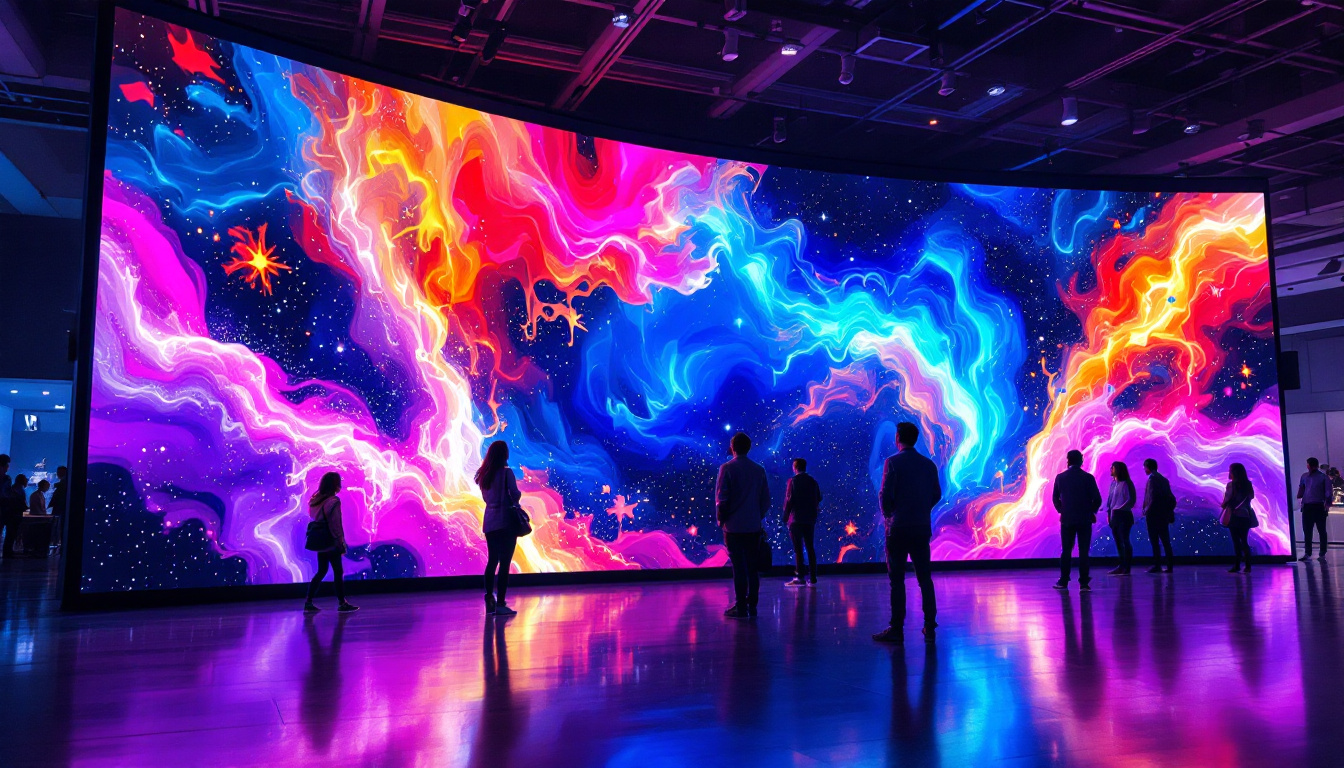
Conversely, indoor LED displays or digital screens intended for close-up viewing require higher pixel densities. For example, a retail store’s digital signage or a conference room video wall benefits from a high Px A Cm to ensure crisp text and detailed images when viewed from a few meters away. This is particularly important in environments where information needs to be conveyed quickly and effectively, such as in airports or train stations, where travelers often rely on digital displays for real-time updates.
Enhancing Visual Experience and Brand Impact
For businesses and advertisers, the clarity of their digital displays directly affects audience engagement. A high pixel density ensures that logos, product images, and promotional videos appear vibrant and professional, which can enhance brand perception and customer experience. The emotional response elicited by high-quality visuals can significantly influence purchasing decisions, making pixel density a crucial element in marketing strategies.
Moreover, as LED technology advances, consumers increasingly expect high-definition content. Investing in displays with appropriate Px A Cm values helps companies stay competitive and deliver visually compelling messages. In addition, the rise of augmented reality (AR) and virtual reality (VR) applications necessitates displays with superior pixel density to create immersive experiences. As these technologies become more mainstream, the demand for high-resolution displays will only grow, pushing manufacturers to innovate and improve pixel density standards across the board.
How to Calculate Px A Cm and Choose the Right Pixel Density
Calculating Px A Cm is straightforward if you know the pixel pitch of the LED display. The formula is:
Px A Cm = 10 mm / Pixel Pitch (in mm)
For example, for a pixel pitch of 1.5 mm:
Px A Cm = 10 / 1.5 ≈ 6.67 pixels per centimeter
This means the display has approximately 6.67 pixels packed into every centimeter.
Factors to Consider When Selecting Pixel Density
Choosing the right Px A Cm depends on several factors:
- Viewing Distance: As mentioned, longer viewing distances allow for lower pixel densities without compromising perceived image quality.
- Content Type: Displays showing detailed graphics, fine text, or high-resolution videos benefit from higher pixel densities.
- Installation Environment: Outdoor displays must balance brightness and pixel density, considering weather resistance and sunlight readability.
- Budget Constraints: Higher pixel densities typically increase cost, so balancing quality needs with budget is essential.
Examples of Common Pixel Densities
To provide context, here are some typical pixel pitch values and their approximate Px A Cm equivalents:
| Pixel Pitch (mm) | Pixels per Centimeter (Px A Cm) | Common Usage |
|---|---|---|
| 10 mm | 1 | Large outdoor billboards, stadium displays |
| 6 mm | 1.67 | Outdoor advertising, highway signs |
| 3 mm | 3.33 | Indoor signage, retail displays |
| 1.5 mm | 6.67 | High-resolution indoor video walls, control rooms |
| 0.9 mm | 11.11 | Broadcast studios, close-up viewing environments |
Technological Advances Influencing Px A Cm in LED Displays
The LED display industry has witnessed significant innovations that have pushed the boundaries of pixel density and image quality. These advances have made high Px A Cm displays more accessible and versatile.
Mini LED and Micro LED Technologies
Mini LED and Micro LED technologies represent the next generation of LED displays. By using smaller LED chips, these technologies enable much tighter pixel packing, resulting in extremely high Px A Cm values.
Micro LED displays, for example, can achieve pixel pitches below 1 mm, delivering unparalleled image sharpness, color accuracy, and contrast ratios. This makes them ideal for premium applications such as augmented reality, virtual reality, and high-end commercial displays.
Improved Manufacturing Techniques
Advances in manufacturing processes have also contributed to higher pixel densities. Precision placement of LEDs, improved soldering methods, and better quality control have reduced pixel pitch variability and increased display uniformity.
These improvements mean that even large-format displays can maintain consistent high resolution across their entire surface, enhancing the viewing experience.
Applications of LED Displays with Different Px A Cm Values
Understanding the appropriate pixel density for a given application ensures optimal performance and cost-efficiency. Below are some common use cases categorized by their typical Px A Cm requirements.
Outdoor Advertising and Public Displays
Outdoor LED billboards and public information displays usually have pixel pitches ranging from 6 mm to 20 mm, corresponding to Px A Cm values between 0.5 and 1.67. Since these displays are viewed from a distance, extremely high pixel density is unnecessary.
These displays prioritize brightness and weather resistance, ensuring visibility under direct sunlight and adverse weather conditions.
Retail and Corporate Indoor Signage
Indoor LED displays in retail environments, corporate lobbies, or conference rooms typically feature pixel pitches between 1.5 mm and 4 mm, resulting in Px A Cm values from approximately 2.5 to 6.67.
This range offers a balance between high resolution and cost, delivering sharp images and readable text at close to medium viewing distances.
Broadcast Studios and Control Rooms
Environments requiring ultra-high resolution and color accuracy, such as broadcast studios and control centers, demand pixel pitches below 1.5 mm. These displays often exceed 6.67 Px A Cm, providing crystal-clear visuals even at very close proximity.
Such precision is critical for monitoring, detailed data visualization, and professional video production.
Conclusion: Making Sense of Px A Cm for Your LED Display Needs
Pixels per centimeter (Px A Cm) is a vital specification that directly influences the quality and suitability of an LED display for various applications. By understanding the relationship between pixel pitch and pixel density, businesses and consumers can select displays that offer the best balance of resolution, viewing distance, and cost.
As LED technology continues to advance, higher pixel densities are becoming more affordable and widespread, enabling richer visual experiences across industries. Whether for outdoor advertising, indoor digital signage, or specialized professional environments, knowing how to interpret and apply Px A Cm measurements will help ensure that your LED display investment delivers maximum impact and value.
Discover the Perfect LED Display with LumenMatrix
Ready to elevate your visual experience with the optimal pixel density for your needs? LumenMatrix is at the forefront of LED display innovation, offering a diverse range of solutions tailored to your unique requirements. From captivating Indoor LED Wall Displays to dynamic Outdoor LED Wall Displays, and from versatile Vehicle LED Displays to stunning LED Transparent Displays, our mission is to transform your visual communication. Don’t just take our word for it; see the difference for yourself. Check out LumenMatrix LED Display Solutions today and step into a world of unparalleled clarity and impact.