In the rapidly evolving world of digital signage and display technology, understanding the terminology and specifications that define LED displays is crucial for making informed decisions. One such key specification is “Px Mm,” a term that often appears in product datasheets and marketing materials but can be confusing for those unfamiliar with LED technology. This article dives deep into what Px Mm means, why it matters, and how it influences the performance and application of LED displays.
What Does Px Mm Mean in LED Displays?
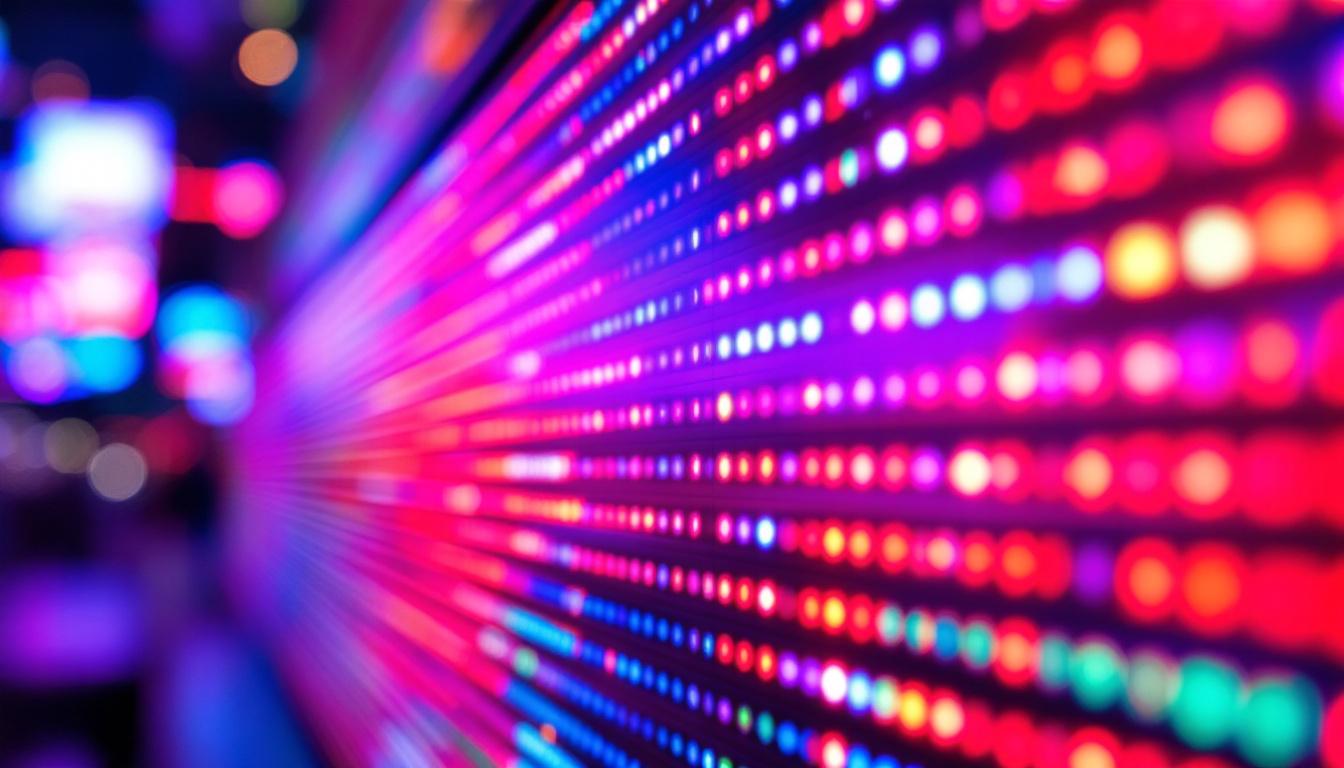
The term “Px Mm” stands for “Pixel Pitch in Millimeters.” Pixel pitch is the distance from the center of one LED pixel to the center of the adjacent pixel, measured in millimeters. This measurement is fundamental in determining the resolution and viewing distance of an LED display.
For example, a pixel pitch of 1.5 mm means that the LEDs are spaced 1.5 millimeters apart. The smaller the pixel pitch, the closer the LEDs are to each other, resulting in a higher resolution display. Conversely, a larger pixel pitch indicates a lower resolution but can be more cost-effective for larger displays viewed from a distance.
Why Pixel Pitch Matters
Pixel pitch directly affects the clarity and sharpness of the displayed image. A display with a pixel pitch of 0.9 mm will show much finer detail than one with a 10 mm pitch. This is because more pixels are packed into the same area, allowing for higher pixel density and better image quality.
For indoor environments like conference rooms, retail stores, or control rooms, smaller pixel pitches (between 0.9 mm and 2.5 mm) are preferred to ensure crisp visuals at close viewing distances. Outdoor displays, such as billboards or stadium screens, often use larger pixel pitches (10 mm or more) because viewers are typically farther away.
Understanding pixel pitch is crucial for businesses and organizations looking to invest in LED technology. It not only influences the visual impact of the display but also affects the overall cost and installation requirements. For instance, a high-resolution display with a small pixel pitch may require more sophisticated mounting solutions and power management systems, which can add to the initial investment. However, the enhanced visual experience can lead to greater audience engagement and potentially higher returns on investment, especially in marketing and advertising contexts.
Additionally, the choice of pixel pitch can also impact the longevity and maintenance of the display. Smaller pixel pitches can lead to more complex circuitry and higher heat generation, necessitating better cooling solutions to prolong the lifespan of the LEDs. On the other hand, larger pixel pitches might be more forgiving in terms of heat management but can sacrifice image quality, particularly in applications where fine detail is essential. Therefore, understanding the balance between pixel pitch, application needs, and budget constraints is key to making an informed decision when selecting an LED display.
How Pixel Pitch Influences LED Display Performance
Understanding pixel pitch is essential for selecting the right LED display for your application. It affects not only image quality but also cost, installation complexity, and maintenance.
Resolution and Image Quality
Resolution is the total number of pixels in a display, usually expressed as width x height (e.g., 1920 x 1080 pixels). Pixel pitch helps determine how many pixels can fit into a given physical space. For example, a 2-meter wide LED display with a 2 mm pixel pitch will have more pixels and thus higher resolution than a 2-meter wide display with a 5 mm pixel pitch.
Higher resolution displays are capable of showing more detailed images and smoother video playback. This is particularly important for applications such as digital advertising, where image sharpness can influence viewer engagement and brand perception.
Viewing Distance and Pixel Pitch
One of the fundamental rules in LED display design is that the optimal viewing distance is roughly 1.5 to 2 times the pixel pitch in millimeters. For example, a display with a 3 mm pixel pitch is best viewed from about 4.5 to 6 meters away. At closer distances, the image may appear pixelated or grainy, while at farther distances, the difference between pixel pitches becomes less noticeable.
For indoor environments where viewers are close to the screen, smaller pixel pitches are necessary to maintain image quality. For outdoor or large venue displays, larger pixel pitches are acceptable and often preferred due to cost and visibility at distance.
Cost Implications
Smaller pixel pitch LED displays are generally more expensive due to the higher density of LEDs and more complex manufacturing processes. The cost per square meter can be significantly higher for a 1 mm pixel pitch display compared to a 10 mm pixel pitch display.
When budgeting for an LED display project, it is important to balance resolution needs with cost. Over-specifying pixel pitch can lead to unnecessary expenses, while under-specifying can result in poor image quality and viewer dissatisfaction.
Common Pixel Pitch Sizes and Their Applications
LED displays come in a variety of pixel pitch sizes, each suited to different environments and use cases. Here is an overview of common pixel pitches and where they are typically used:
Fine Pixel Pitch (0.9 mm to 2.5 mm)
Fine pixel pitch LED displays are designed for close-up viewing environments. These displays offer high resolution and exceptional image quality, making them ideal for:
- Indoor corporate settings such as boardrooms and control rooms
- Retail stores and showrooms
- Broadcast studios and event backdrops
- Medical imaging and simulation centers
Because of their small pixel pitch, these displays require precise installation and calibration but deliver stunning visual experiences.
Mid-Range Pixel Pitch (3 mm to 6 mm)
This range is often used for indoor and semi-outdoor applications where viewing distances are moderate. Mid-range pixel pitch displays are popular for:
- Shopping mall digital signage
- Transportation hubs such as airports and train stations
- Conference and exhibition halls
- Sports venues with mixed seating distances
They strike a balance between cost and image quality, making them versatile for many commercial uses.
Large Pixel Pitch (10 mm and above)
Displays with large pixel pitches are typically used outdoors or in large venues where viewers are far from the screen. Common applications include:
- Outdoor advertising billboards
- Stadium and arena screens
- Public event displays and festivals
- Traffic and safety signage
These displays are rugged and weather-resistant, designed to be visible from long distances, but they do not offer the fine detail needed for close viewing.
Technical Considerations When Choosing Pixel Pitch
Beyond resolution and viewing distance, several technical factors should be considered when selecting the appropriate pixel pitch for an LED display.
Brightness and Contrast
Pixel pitch can influence the brightness and contrast of an LED display. Smaller pixel pitches tend to have higher pixel density, which can improve contrast ratios but may require more power and generate more heat. Conversely, larger pixel pitches can achieve higher brightness levels more easily, which is important for outdoor visibility in direct sunlight.
Power Consumption
Displays with smaller pixel pitches generally consume more power due to the greater number of LEDs per square meter. This impacts operational costs and cooling requirements. Energy-efficient LED technology and smart power management systems can help mitigate these concerns.
Maintenance and Durability
Fine pixel pitch LED displays require more delicate handling and precise maintenance. The smaller LEDs are more susceptible to damage and may require specialized technicians for repairs. Larger pixel pitch displays, especially outdoor models, are built to withstand harsh weather conditions and are easier to maintain in the field.
Future Trends in Pixel Pitch and LED Technology
The LED display industry continues to innovate, pushing the boundaries of pixel pitch and display capabilities. Recent advancements include microLED technology, which offers pixel pitches below 1 mm with superior brightness and energy efficiency.
Additionally, flexible and transparent LED displays are emerging, enabling new applications in architecture and design. These technologies promise to deliver even higher resolution and more immersive visual experiences in the coming years.
MicroLED and Beyond
MicroLED technology uses microscopic LEDs to create displays with pixel pitches as low as 0.5 mm or less. This allows for ultra-high-definition screens suitable for close viewing environments like smartphones, virtual reality headsets, and premium indoor signage.
While currently more expensive, microLED displays are expected to become more affordable as manufacturing processes improve, potentially replacing traditional LED and OLED screens in many applications.
Environmental and Energy Considerations
As sustainability becomes a priority, manufacturers are focusing on reducing the environmental impact of LED displays. This includes improving energy efficiency, using recyclable materials, and designing displays that last longer with minimal maintenance.
Choosing the right pixel pitch can contribute to these goals by optimizing power consumption and reducing waste associated with over-specification or premature replacement.
Conclusion: Making the Right Pixel Pitch Choice
Understanding the concept of Px Mm, or pixel pitch in millimeters, is essential for anyone involved in selecting, designing, or installing LED displays. Pixel pitch affects image quality, viewing distance, cost, power consumption, and maintenance requirements.
By carefully considering the intended application, viewing environment, and budget, stakeholders can choose an LED display with the optimal pixel pitch that delivers the best balance of performance and value. As technology advances, staying informed about emerging trends like microLED will ensure that investments in LED displays remain future-proof and impactful.
Whether for advertising, entertainment, corporate communication, or public information, the right pixel pitch can transform an LED display from a simple screen into a powerful visual experience.
Discover the Perfect LED Display Solution with LumenMatrix
Ready to elevate your visual communication with the ideal pixel pitch? LumenMatrix offers a comprehensive range of LED display solutions tailored to meet your specific needs. From captivating Indoor LED Walls to dynamic Outdoor LED Displays, and from versatile Vehicle LED Displays to innovative Custom LED solutions, we have the technology to bring your vision to life. Experience the transformative power of our LED displays and let your message shine with unparalleled clarity and impact. Check out LumenMatrix LED Display Solutions today and take the first step towards revolutionizing your brand’s visual presence.