In today’s fast-paced digital marketplace, sales videos have become a cornerstone of effective marketing strategies. Among the many tools that enhance the quality and impact of these videos, LED displays stand out as a powerful medium for capturing attention and conveying messages dynamically. This article delves into the world of LED displays, explaining their technology, applications in sales videos, benefits, and best practices for leveraging them to boost engagement and conversions.
Understanding LED Display Technology
What is an LED Display?
LED, or Light Emitting Diode, displays are screens composed of numerous tiny LEDs that emit light when an electric current passes through them. Unlike traditional LCD or plasma screens, LED displays use these diodes to produce bright, vibrant images with excellent contrast and color accuracy. The technology behind LED displays has evolved rapidly, making them more energy-efficient, durable, and versatile.
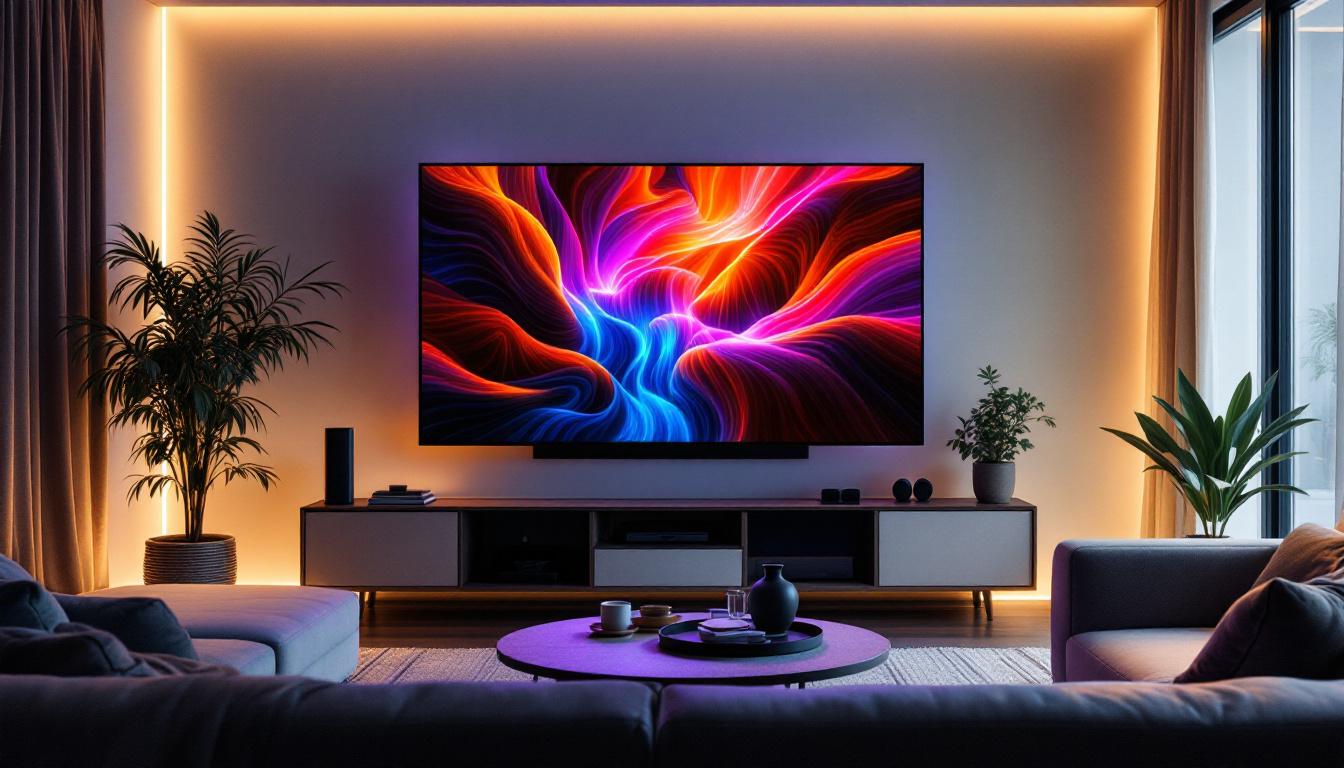
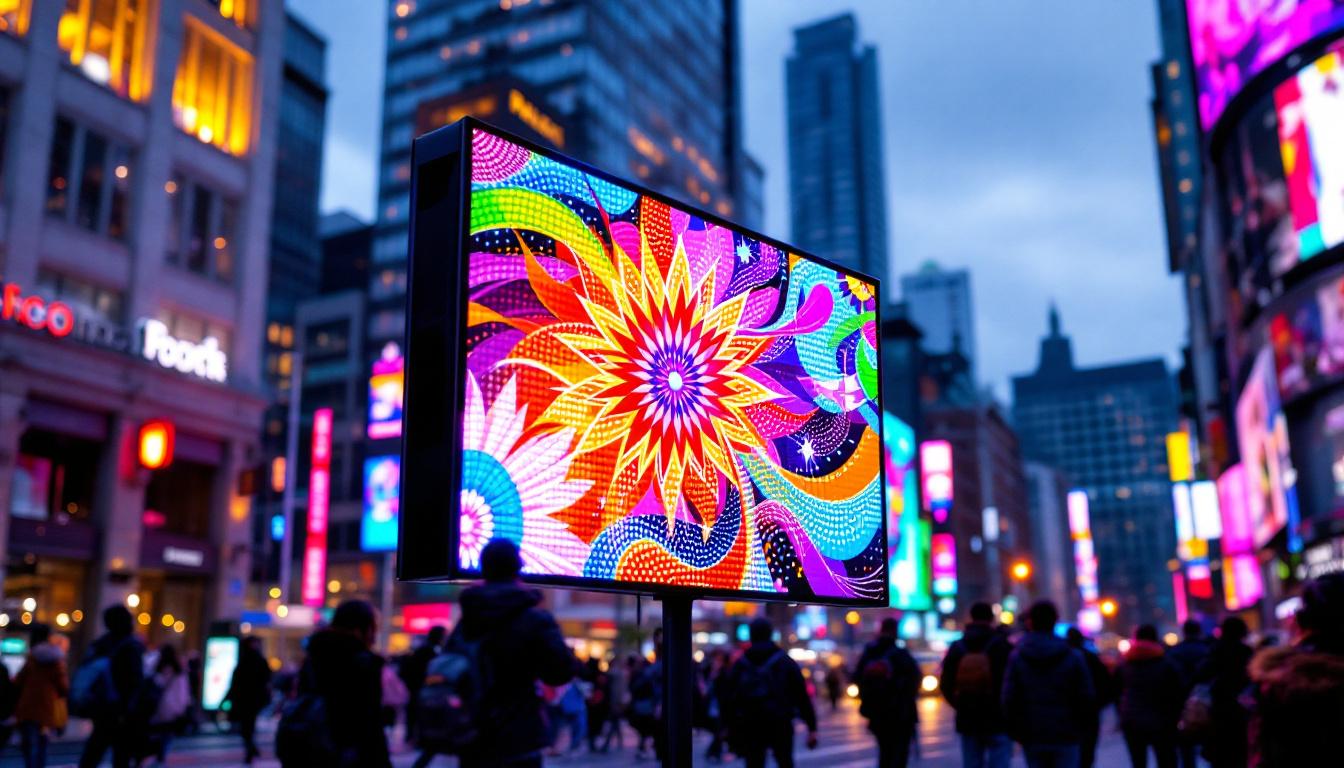
There are two main types of LED displays: direct view LED and LED-backlit LCD. Direct view LED displays consist entirely of LEDs that form the image, often used in large-scale video walls and outdoor signage. LED-backlit LCDs use LEDs as a backlight source behind an LCD panel, common in consumer televisions and monitors. For sales videos, especially those displayed in public venues or trade shows, direct view LED displays are typically preferred due to their brightness and scalability.
Key Features of LED Displays
Several features make LED displays particularly suited for sales video presentations:
- Brightness: LED displays can achieve high brightness levels, making them visible even in well-lit environments or direct sunlight.
- Color Accuracy and Range: Modern LED screens offer wide color gamuts and precise color reproduction, essential for brand consistency.
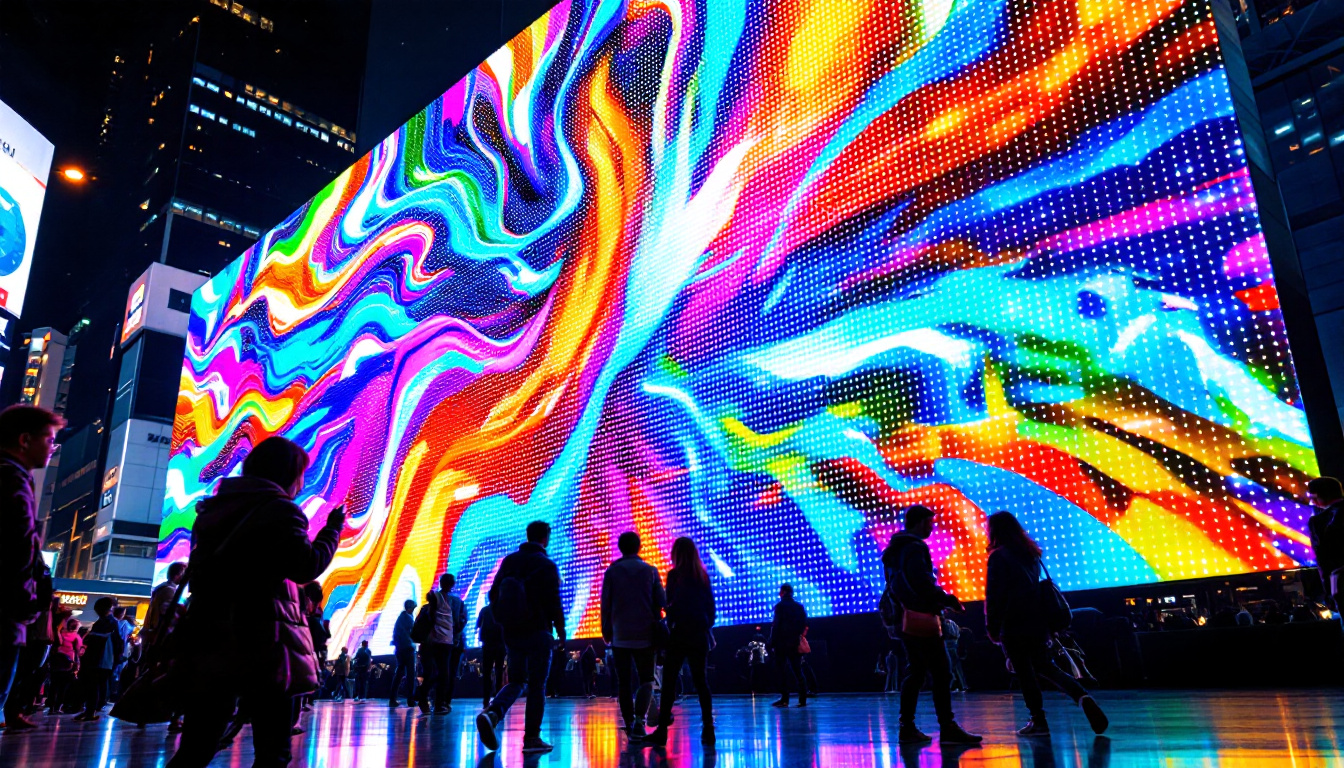
- Resolution and Pixel Pitch: The clarity of an LED display depends on the pixel pitch—the distance between individual LEDs. Smaller pixel pitches yield higher resolution, which is crucial for close-up viewing.
- Durability: LED displays are robust and can withstand environmental factors such as temperature changes and moisture, making them ideal for both indoor and outdoor use.
- Energy Efficiency: Compared to older display technologies, LEDs consume less power, reducing operational costs.
The Role of LED Displays in Sales Videos
Enhancing Visual Appeal and Engagement
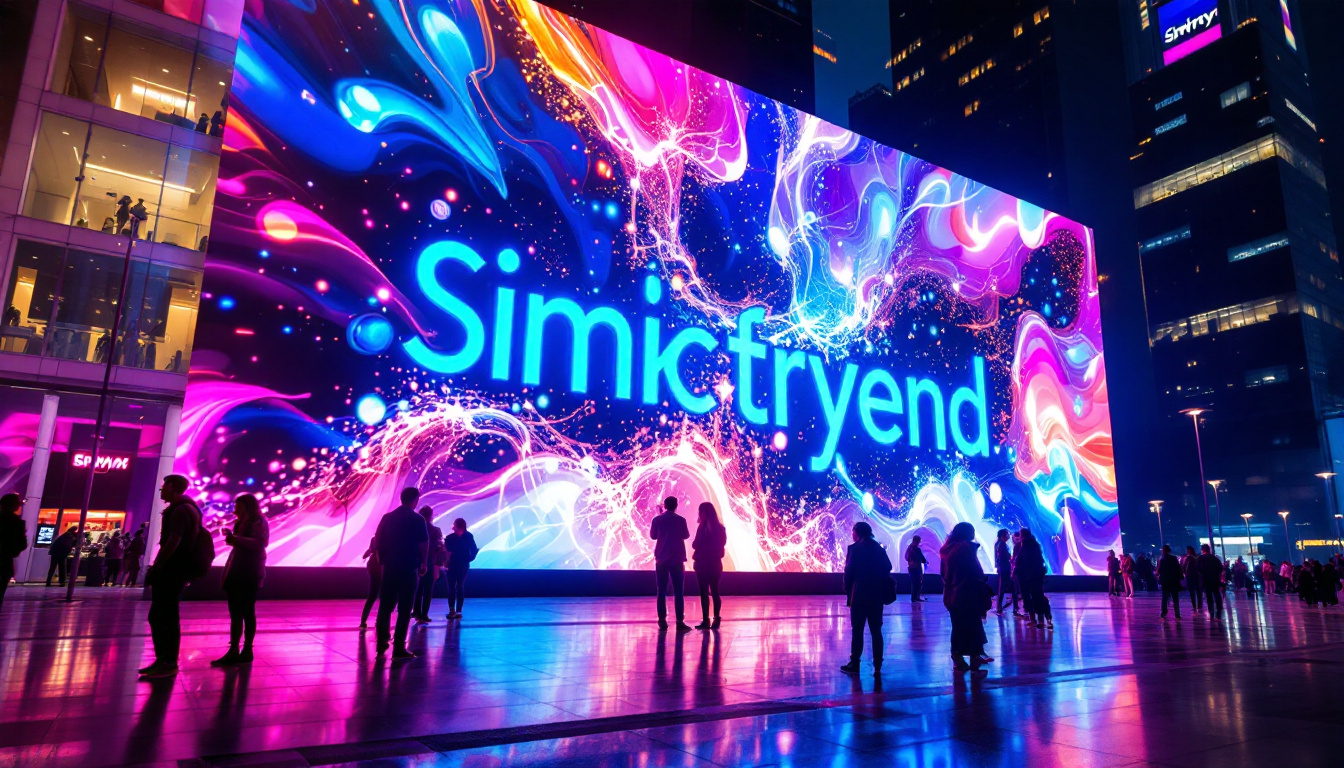
Sales videos aim to capture the viewer’s attention quickly and maintain engagement throughout the message. LED displays contribute significantly by offering vivid, eye-catching visuals that stand out from traditional screens. The brightness and dynamic color range of LED displays make product demonstrations, animations, and branding elements more compelling.
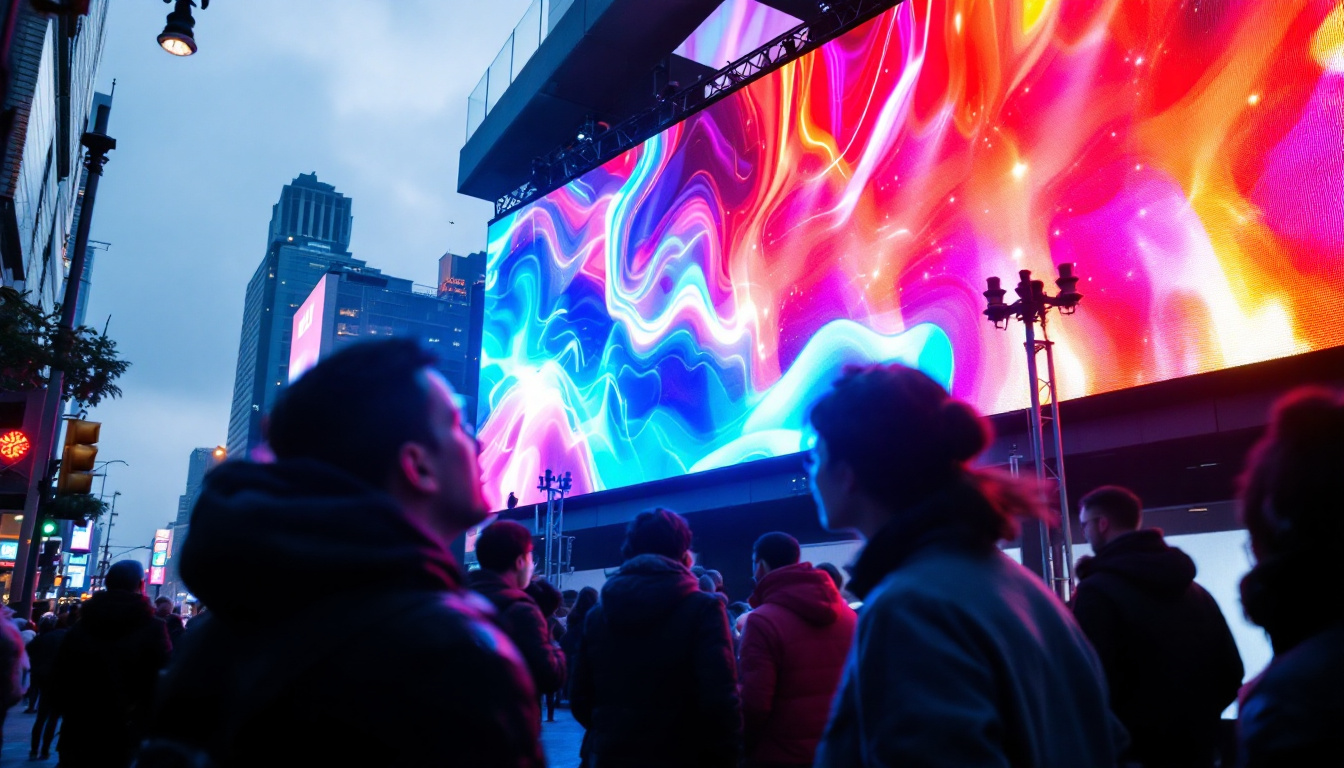
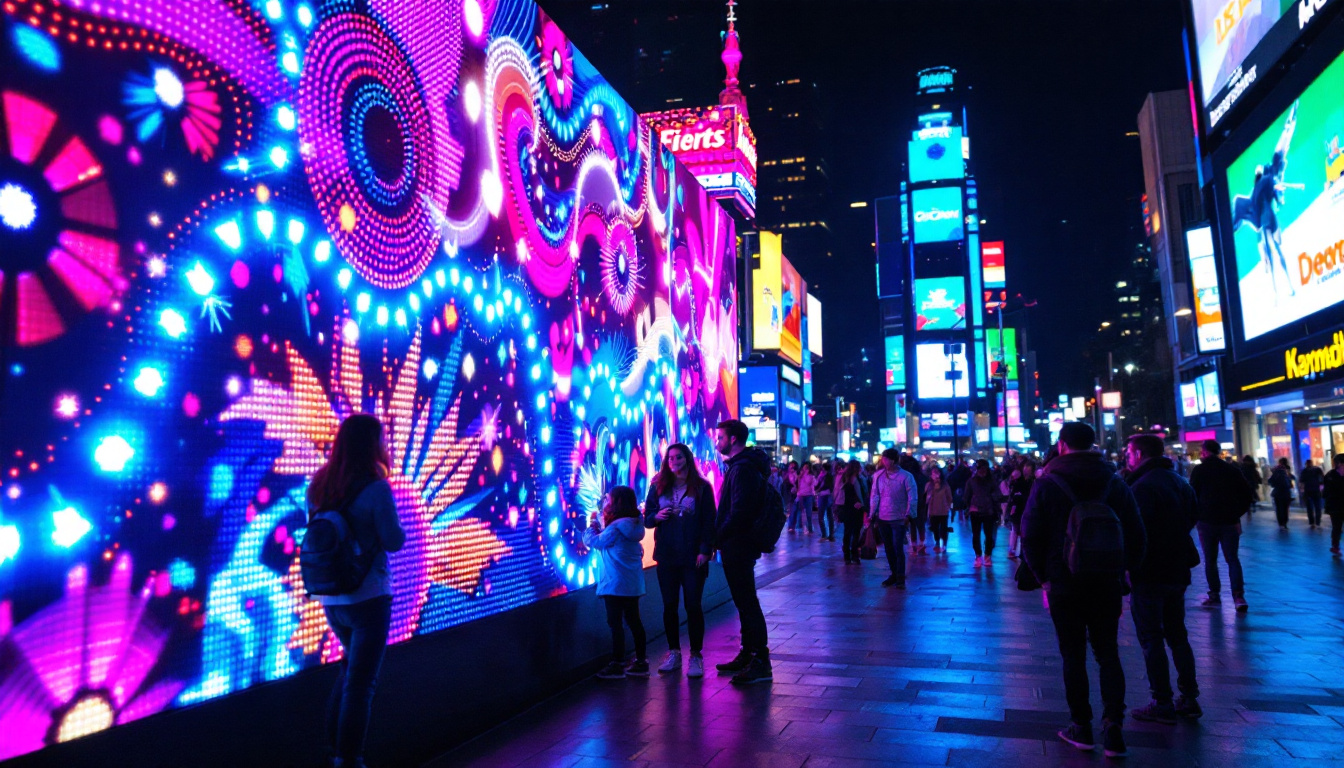
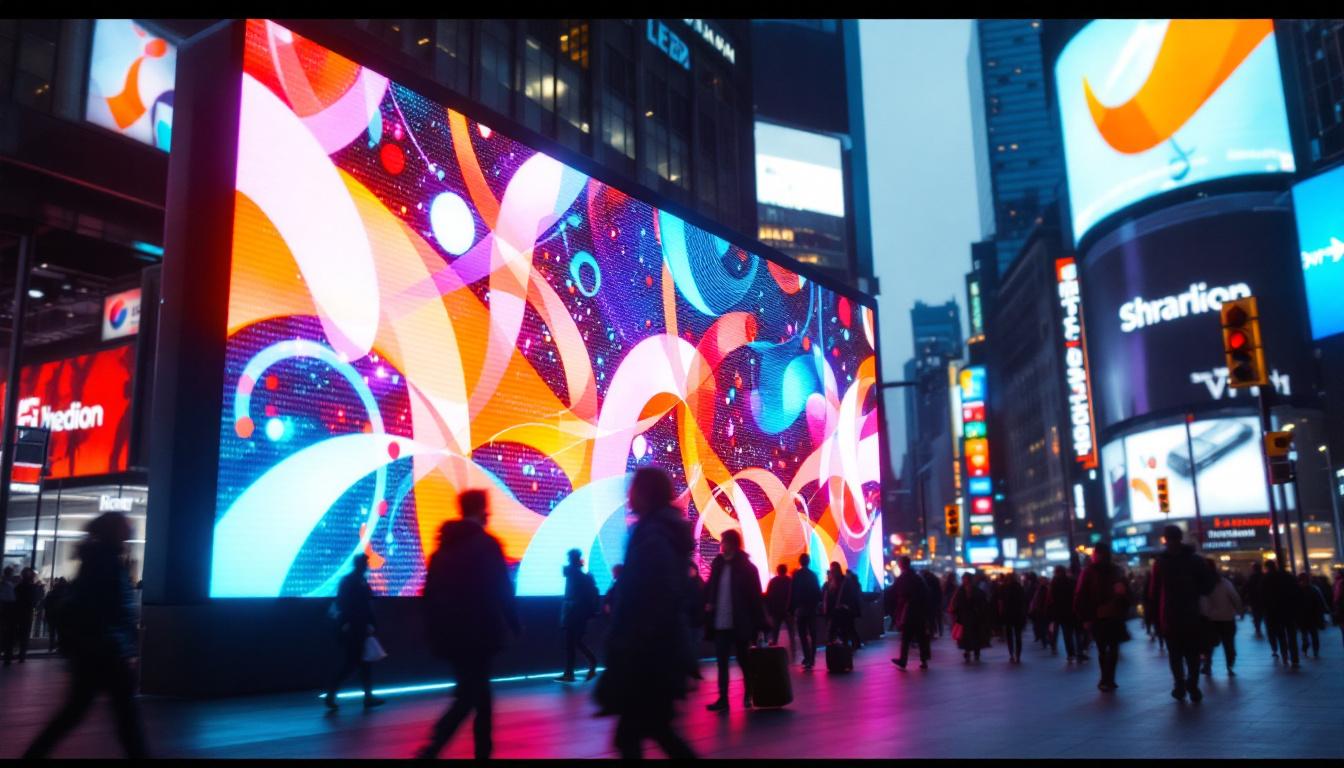
For example, at trade shows or retail environments, LED video walls can create immersive experiences that draw crowds. A study by the Digital Signage Federation found that digital signage, including LED displays, can increase customer dwell time by up to 30%, which directly correlates with higher sales potential.
Flexible Content Presentation
LED displays support a variety of content formats, from high-definition videos to interactive presentations. Sales teams can tailor their videos to different audiences or settings, switching between product showcases, customer testimonials, and promotional offers seamlessly. This flexibility is invaluable for businesses that operate in diverse markets or attend multiple events.
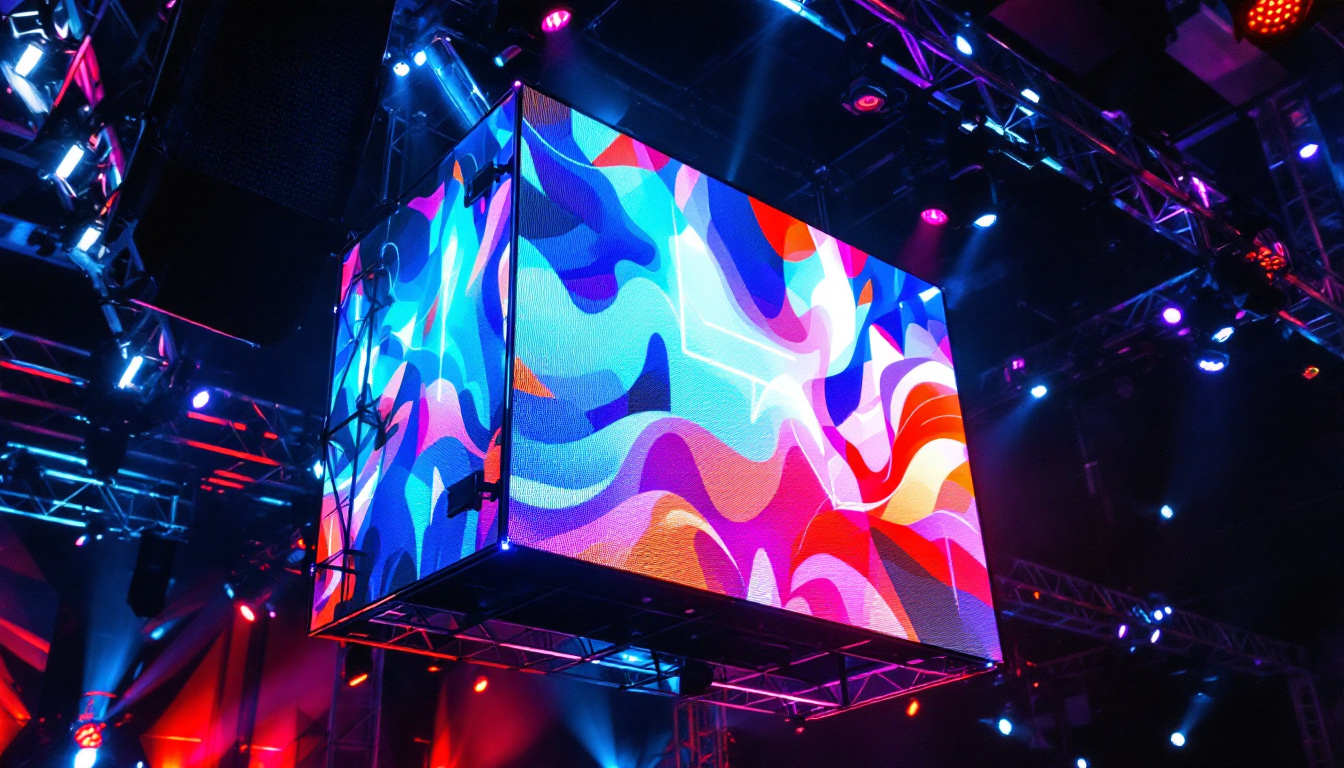
Moreover, LED displays can be configured in various shapes and sizes, allowing for creative setups that complement the sales narrative. Curved or modular LED walls, for instance, can create a unique visual environment that reinforces brand identity and message memorability.
Real-Time Updates and Interactivity
One of the most powerful advantages of LED displays in sales videos is the ability to update content in real-time. This capability enables businesses to respond quickly to market trends, customer feedback, or inventory changes. For example, a retail store can display flash sales or limited-time offers dynamically, encouraging impulse purchases.
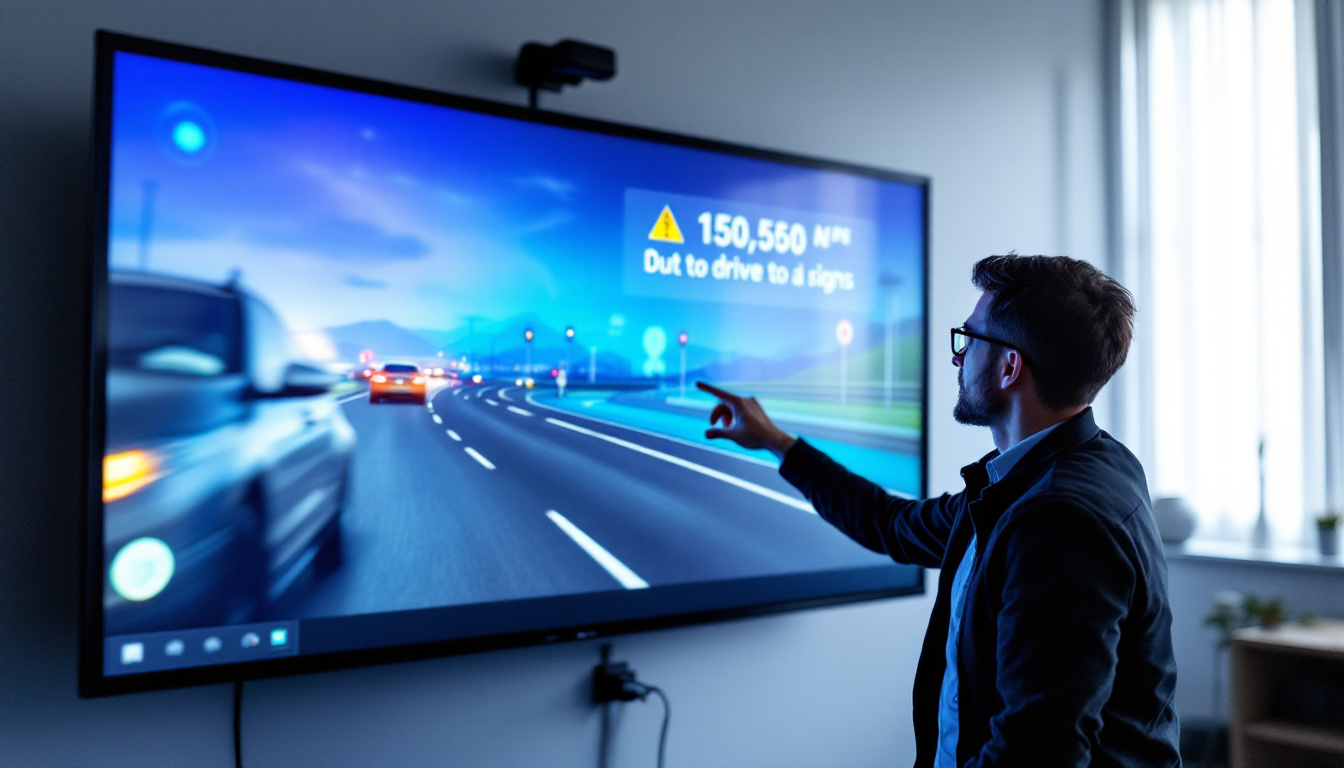
Additionally, integrating touch or motion sensors with LED displays can transform passive sales videos into interactive experiences. Interactive LED displays allow customers to explore product features, customize options, or access additional information, thereby increasing engagement and the likelihood of conversion.
Benefits of Using LED Displays for Sales Videos
Improved Brand Visibility and Recognition
Brand visibility is critical in crowded marketplaces. LED displays, with their vibrant and high-impact visuals, help brands stand out. Consistent use of brand colors, logos, and messaging on LED video content reinforces brand recognition. Research indicates that visual content is processed 60,000 times faster by the brain than text, making LED-enhanced videos a potent tool for imprinting brand identity.
Higher Conversion Rates
Sales videos displayed on LED screens have been shown to boost conversion rates significantly. According to a report by Wyzowl, 84% of consumers have been convinced to buy a product or service after watching a brand’s video. When these videos are presented on high-quality LED displays, the enhanced visual experience can further increase trust and interest.
Moreover, LED displays can be strategically placed in high-traffic areas, ensuring that sales videos reach a larger and more relevant audience. This strategic placement, combined with compelling content, maximizes the return on investment for marketing campaigns.
Cost-Effectiveness Over Time
While the initial investment in LED display technology may be higher than traditional screens, the long-term benefits often justify the expense. LED displays have longer lifespans, lower maintenance costs, and reduced energy consumption. For businesses that rely on frequent sales presentations or operate in environments where display quality is paramount, LED displays offer excellent value.
Best Practices for Creating Sales Videos for LED Displays
Optimize Video Resolution and Format
To leverage the full potential of LED displays, sales videos must be created with appropriate resolution and aspect ratios. High-resolution videos ensure clarity and sharpness, especially on large screens. It is essential to match the video resolution to the display’s pixel pitch and size to avoid pixelation or distortion.
Additionally, using video formats that support high dynamic range (HDR) can enhance color vibrancy and contrast, making the visuals more striking. Common formats like MP4 with H.264 or H.265 encoding are widely compatible and efficient for LED playback systems.
Design for Visibility and Readability
Content displayed on LED screens should be easily readable from a distance. This means using large fonts, high-contrast color schemes, and minimal text. Visual storytelling techniques, such as clear product shots, animations, and concise messaging, help maintain viewer interest.
It is also advisable to test the video content on the actual LED display or a similar setup before deployment. This testing ensures that colors appear as intended and that all elements are visible under various lighting conditions.
Incorporate Branding and Call-to-Action Elements
Every sales video should reinforce the brand identity and include a clear call to action (CTA). LED displays offer the opportunity to integrate dynamic CTAs that can change based on time, location, or audience demographics. For instance, a CTA encouraging viewers to visit a website, scan a QR code, or engage with a sales representative can be prominently featured.
Consistent branding across all sales video content builds trust and recognition, which are essential for converting viewers into customers.
Leverage Interactivity When Possible
Where budget and infrastructure allow, incorporating interactivity into LED display sales videos can significantly enhance engagement. Interactive elements such as touch screens, gesture controls, or augmented reality overlays invite viewers to participate actively rather than passively consume content.
This engagement not only increases the time spent with the sales message but also provides valuable data and insights into customer preferences and behavior, enabling more targeted follow-up actions.
Case Studies: Successful Use of LED Displays in Sales Videos
Retail Giant Boosts In-Store Sales with LED Video Walls
A leading retail chain implemented large LED video walls in key store locations to showcase new product launches and promotional offers. The bright, high-resolution displays attracted more foot traffic and increased customer dwell time by 25%. Sales of featured products rose by 18% within the first quarter of installation, demonstrating the effectiveness of LED-enhanced sales videos in a retail environment.
Automotive Brand Creates Immersive Showroom Experience
An automotive manufacturer used curved LED displays to create immersive sales videos that allowed customers to explore vehicle features in a virtual environment. The interactive setup enabled potential buyers to customize car colors, interiors, and accessories while watching dynamic product videos. This innovative use of LED technology contributed to a 30% increase in test drive bookings and a 12% rise in sales.
Future Trends in LED Displays for Sales Videos
MicroLED and MiniLED Technologies
Emerging technologies like MicroLED and MiniLED are set to revolutionize LED displays further. These advancements offer even higher resolution, better contrast ratios, and improved energy efficiency. As costs decrease, these technologies will become more accessible for sales video applications, enabling ultra-high-definition presentations that captivate audiences like never before.
Integration with AI and Data Analytics
Artificial intelligence (AI) is beginning to play a role in optimizing content displayed on LED screens. AI-driven analytics can tailor sales videos in real-time based on viewer demographics, behavior, and environmental factors. This personalization enhances relevance and effectiveness, making sales videos more impactful and increasing conversion rates.
Expanded Use of Augmented Reality (AR)
Combining LED displays with AR technologies will create new interactive sales experiences. Customers could see virtual product demonstrations overlaid on LED screens or interact with 3D models in real time. This blend of physical and digital elements promises to transform how sales videos engage and persuade audiences.
Conclusion
LED displays have become an indispensable tool for creating compelling sales videos that attract, engage, and convert customers. Their superior brightness, color accuracy, and flexibility make them ideal for diverse sales environments, from retail stores to trade shows and showrooms. By understanding the technology, leveraging best practices, and staying abreast of emerging trends, businesses can harness the full potential of LED displays to elevate their sales video strategies and achieve measurable results.
As the digital landscape continues to evolve, integrating LED displays with interactive and AI-driven capabilities will unlock even greater opportunities for personalized and impactful sales communications. Investing in LED display technology today positions businesses to meet the demands of tomorrow’s consumers and stand out in a competitive marketplace.
Discover LumenMatrix’s Innovative LED Display Solutions
Ready to transform your sales videos into visually stunning masterpieces? Explore LumenMatrix’s comprehensive range of LED display solutions, designed to captivate your audience and amplify your message. From vibrant Indoor LED Walls to dynamic Outdoor Displays and beyond, LumenMatrix offers tailored options that promise to revolutionize your visual storytelling. Elevate your brand’s presence and create unforgettable experiences with our cutting-edge technology. Check out LumenMatrix LED Display Solutions today and lead the way in digital engagement.