In today’s digital age, LED displays have become an integral part of advertising, information dissemination, and entertainment. Whether it’s the vibrant billboards lighting up Times Square, the dynamic scoreboards in sports arenas, or the sleek digital signage in retail stores, LED screen boards are everywhere. But what exactly are LED displays, how do they work, and why have they become the preferred choice for so many applications? This comprehensive guide will explore the technology behind LED screen boards, their types, advantages, and practical uses, helping you understand why LED displays have revolutionized visual communication.
Understanding LED Display Technology
What is an LED Display?
LED stands for Light Emitting Diode, a semiconductor device that emits light when an electric current passes through it. An LED display, or screen board, is a flat panel display that uses an array of these tiny LEDs as pixels to create images, videos, or text. Unlike traditional LCD or plasma screens, LED displays produce their own light, which results in brighter images and better contrast ratios.
LED displays can vary widely in size, resolution, and application. From small digital watches to massive outdoor advertising billboards, the core principle remains the same: combining thousands or millions of LEDs to form a coherent, dynamic visual output.
How Do LED Displays Work?
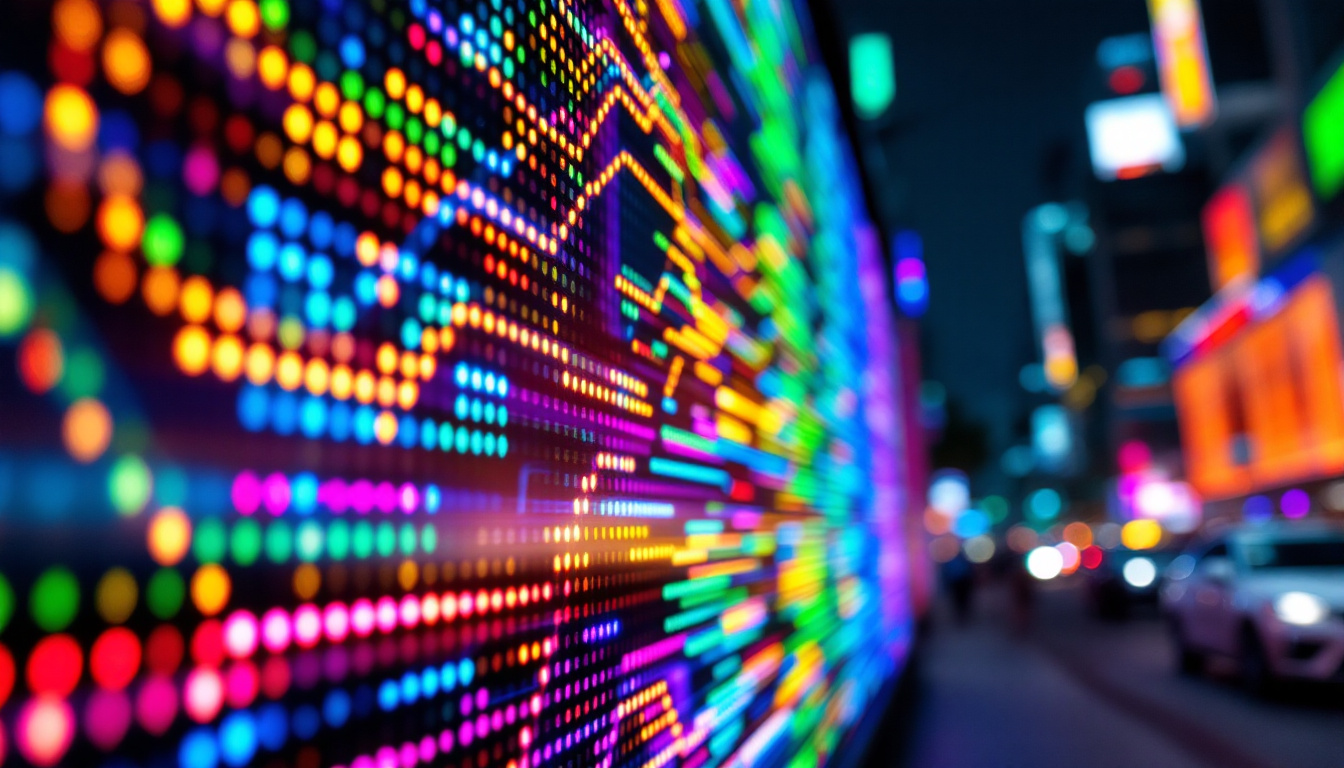
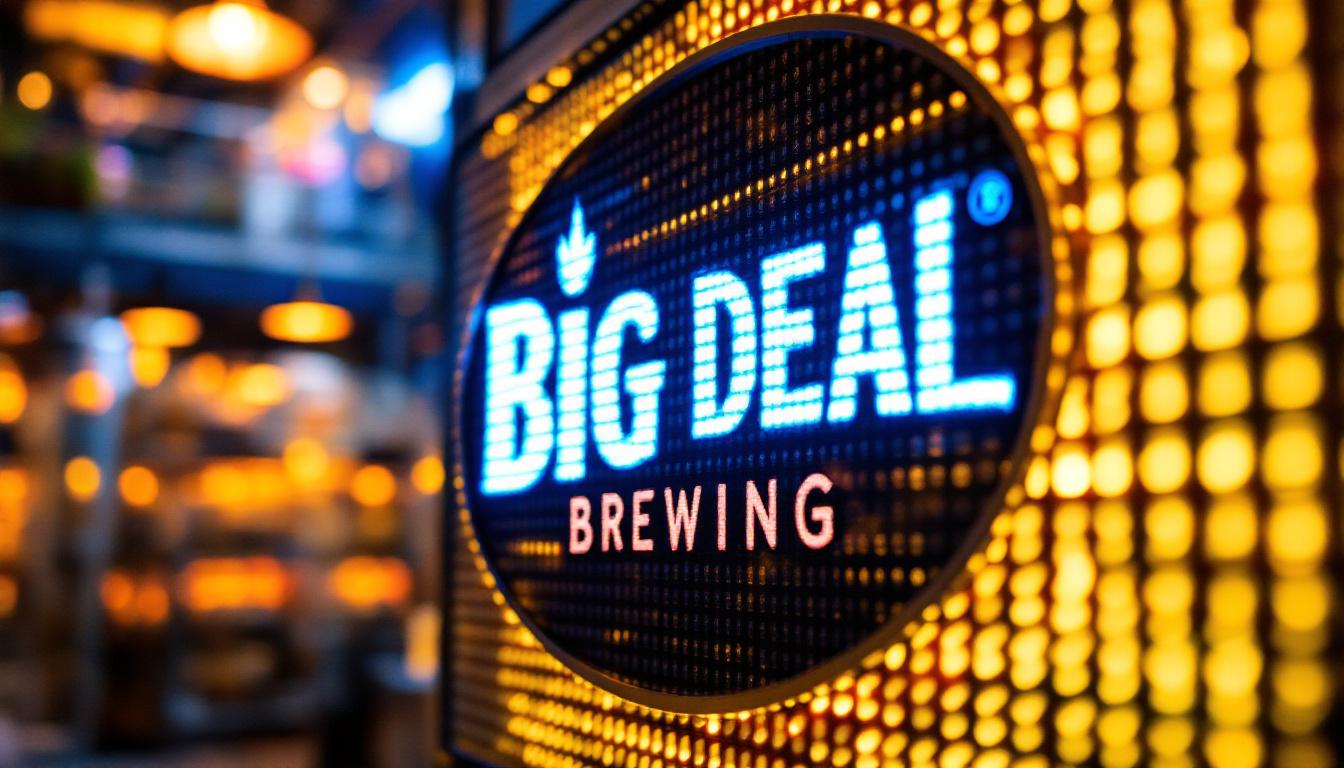
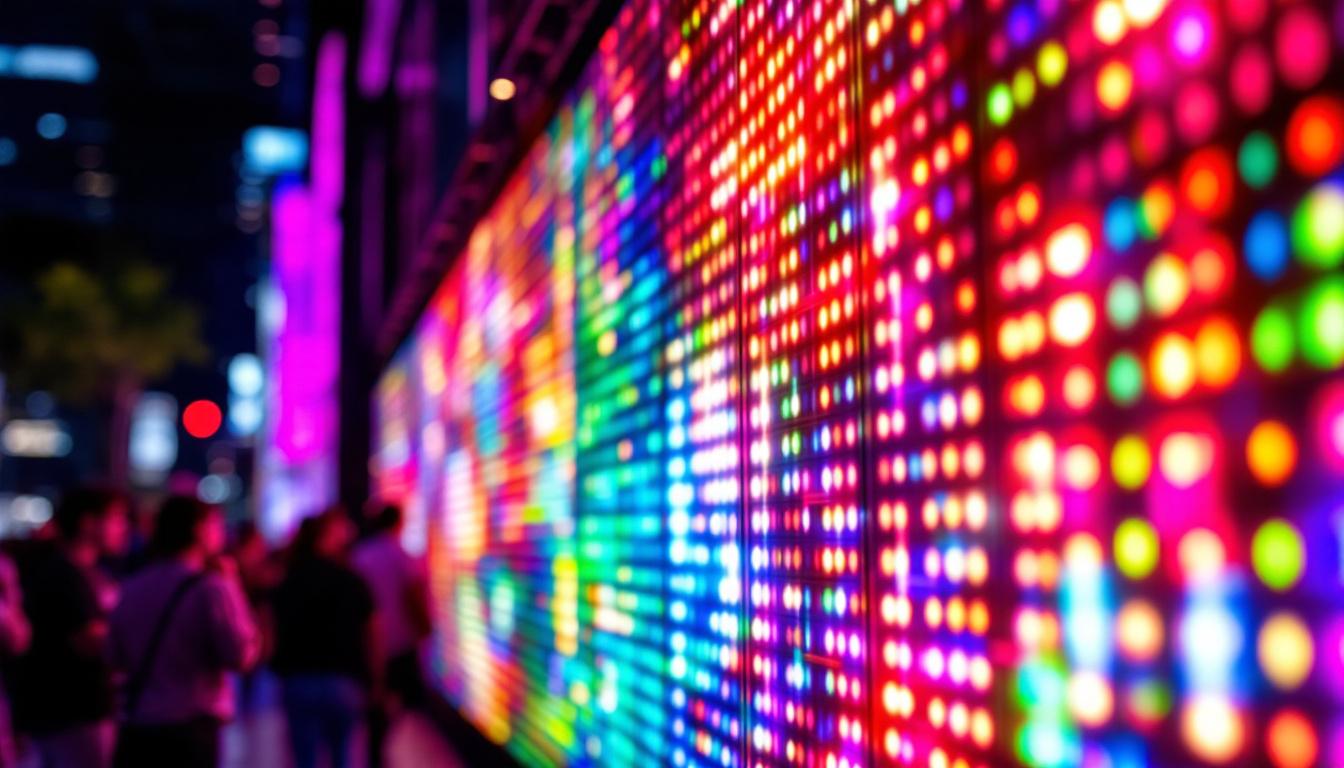
Each LED in a display acts as a single pixel or part of a pixel. In full-color LED displays, each pixel typically consists of three LEDs: red, green, and blue (RGB). By adjusting the intensity of these three colors, the display can produce a wide spectrum of colors. This RGB color model is fundamental to the vibrant and accurate color reproduction seen in LED screens.
The LEDs are arranged in a matrix, controlled by a driver circuit that manages which LEDs light up and their brightness levels. The display is connected to a control system that processes the input signal (video, images, text) and translates it into commands for the LEDs. This process happens thousands of times per second, creating fluid motion and clear images.
Types of LED Screen Boards
Indoor vs. Outdoor LED Displays
One of the primary distinctions in LED screen boards is based on their intended environment: indoor or outdoor. Each type has specific design considerations to optimize performance and durability.
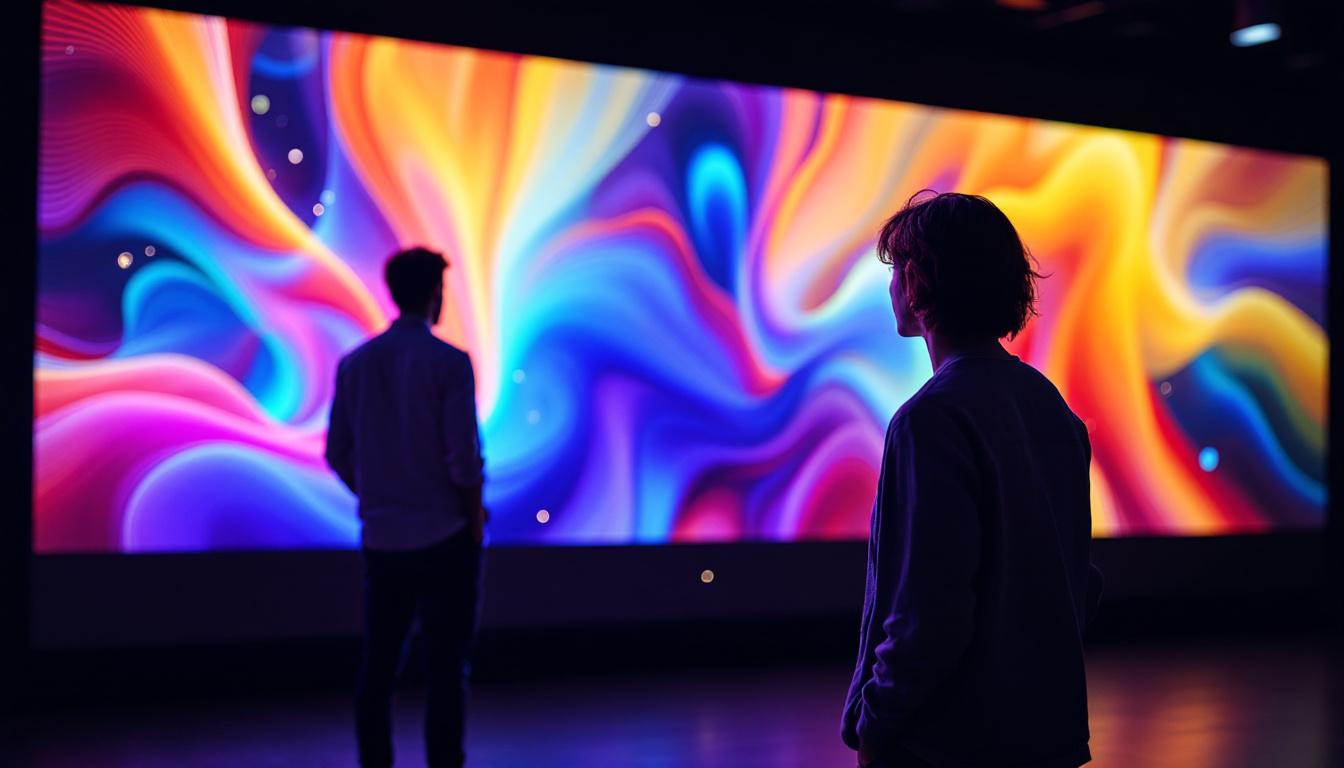
Indoor LED Displays are designed for environments with controlled lighting and temperature. They typically have a higher resolution with smaller pixel pitches (the distance between individual LEDs), which allows for closer viewing distances and sharper images. These displays are common in conference rooms, shopping malls, airports, and concert venues.
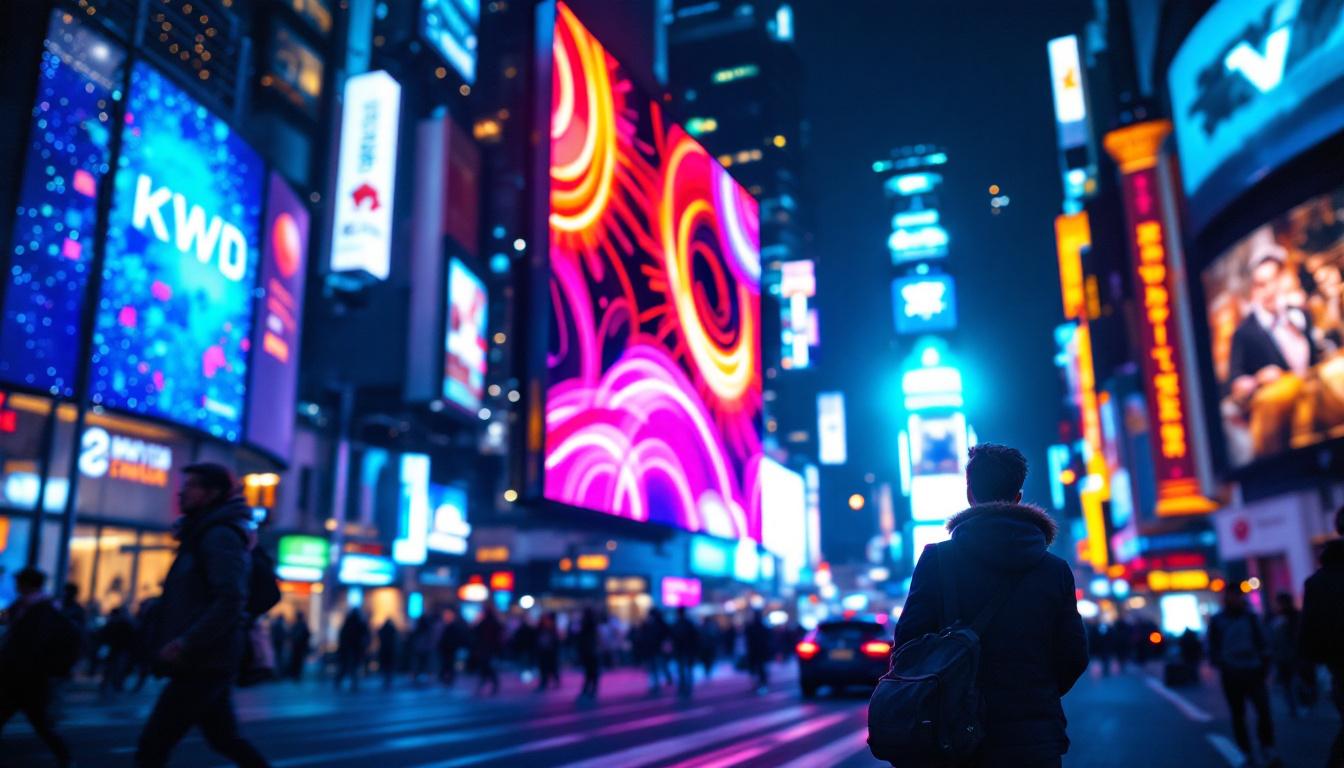
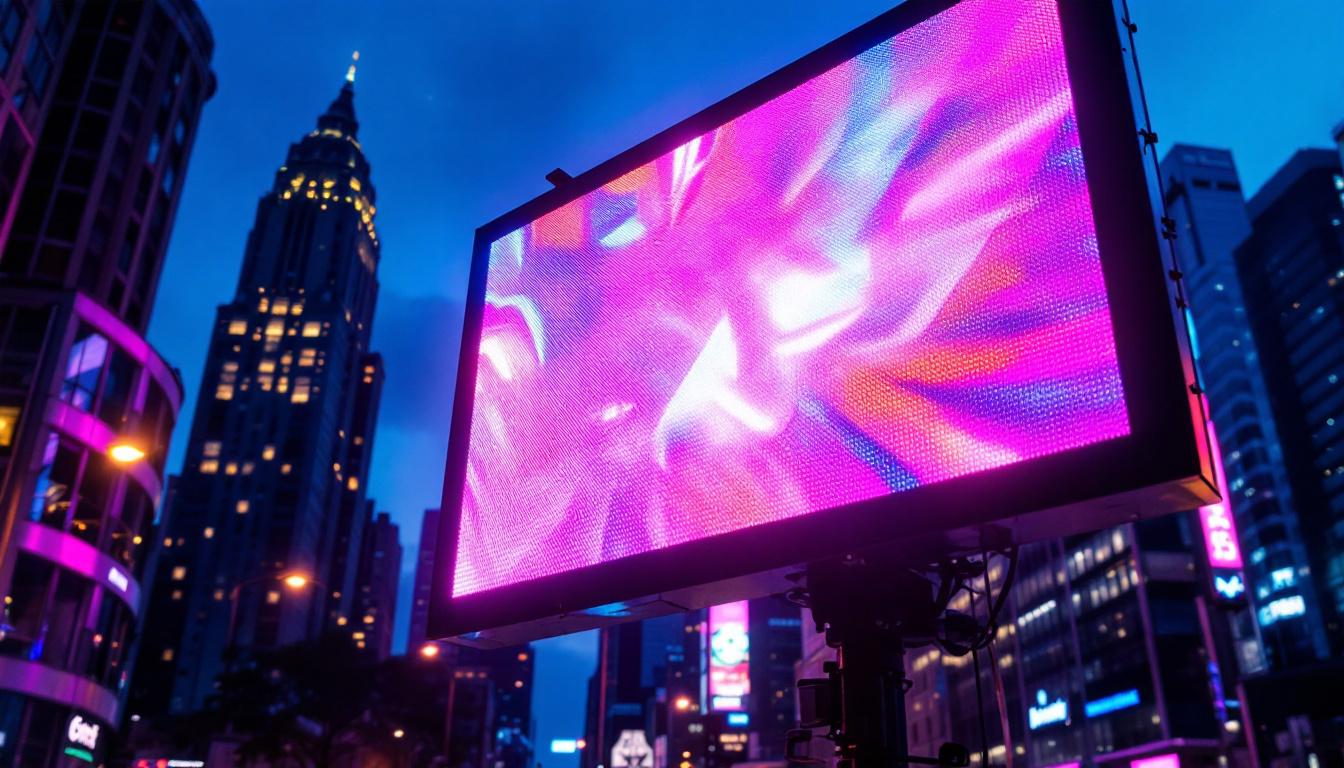
Outdoor LED Displays must withstand harsh weather conditions such as rain, wind, dust, and extreme temperatures. They have a larger pixel pitch to maintain visibility from greater distances and feature higher brightness levels to combat sunlight glare. Outdoor screens are widely used for billboards, stadium screens, and public information boards.
Fixed vs. Rental LED Screens
Another classification is based on installation type:
- Fixed LED Screens are permanently installed and often integrated into building facades or stadium structures. Their design prioritizes durability and long-term performance.
- Rental LED Screens are portable and designed for temporary setups like concerts, trade shows, and events. These screens focus on ease of assembly, lightweight materials, and modularity.
Direct View LED vs. LED Backlit LCD
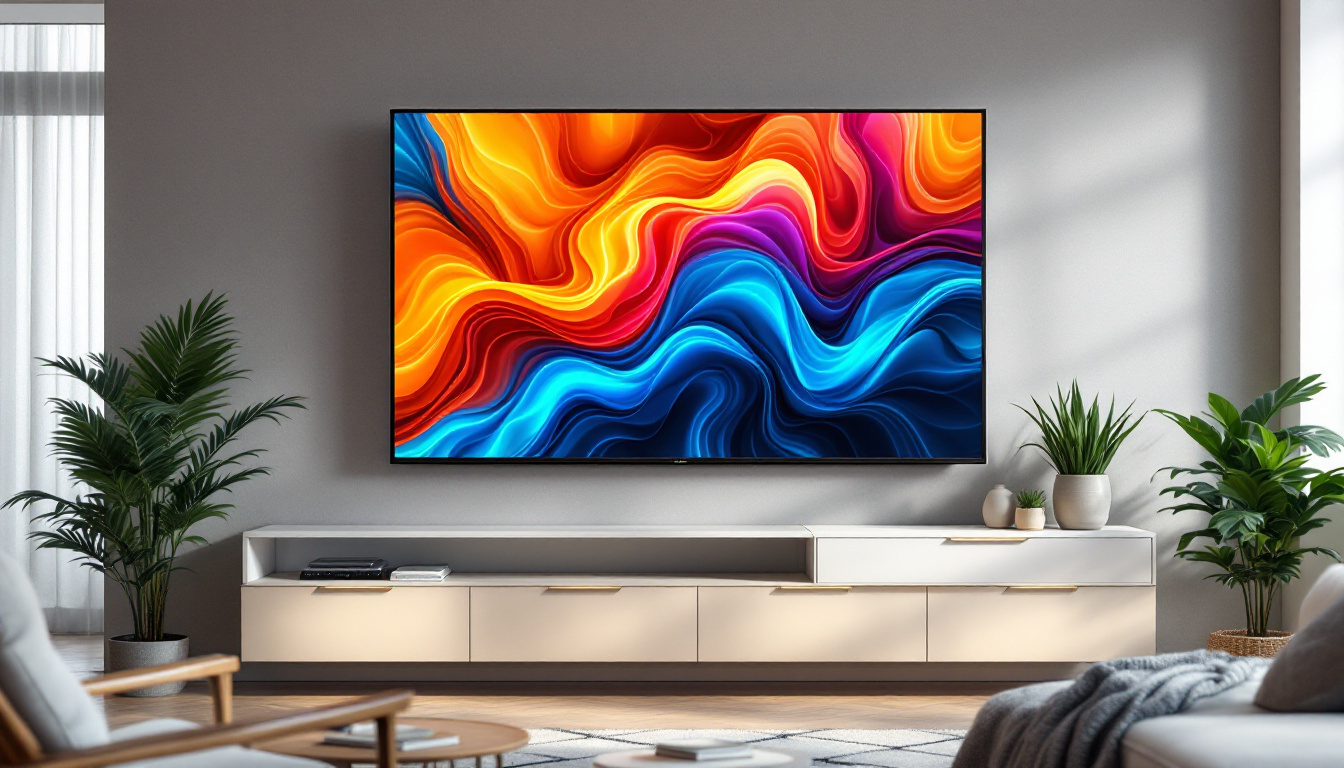
It’s important to differentiate between direct view LED displays and LED-backlit LCD screens. Direct view LED displays use LEDs as the actual pixels, offering superior brightness, contrast, and viewing angles. In contrast, LED-backlit LCDs use LEDs only as a backlight behind a liquid crystal panel, which affects the display’s overall performance.
Advantages of LED Screen Boards
Brightness and Visibility
One of the most significant benefits of LED displays is their exceptional brightness. Outdoor LED screens can reach brightness levels of 5,000 to 8,000 nits or more, making them easily visible even in direct sunlight. This high luminance ensures that messages and visuals remain clear and impactful regardless of ambient lighting conditions.
Energy Efficiency
Compared to older technologies like incandescent or fluorescent lighting, LEDs consume significantly less power. This energy efficiency translates into lower operational costs, particularly for large-scale displays that operate continuously. Advances in LED technology have further improved energy consumption without compromising brightness or image quality.
Durability and Longevity
LEDs are solid-state devices, which means they are more robust and less prone to damage than traditional bulbs or screens. Many LED displays are rated for 50,000 to 100,000 hours of operation, equating to several years of continuous use. Their resistance to shock, vibration, and environmental factors makes them ideal for both indoor and outdoor applications.
Flexibility and Customization
LED screen boards can be manufactured in various shapes and sizes, from small curved panels to massive video walls. This flexibility allows businesses and event organizers to tailor their displays to specific spatial and aesthetic requirements. Additionally, modular LED panels enable easy scaling and maintenance.
High Refresh Rates and Color Accuracy
Modern LED displays support high refresh rates, often exceeding 1,000 Hz, which reduces flicker and provides smooth motion rendering. This is particularly important for broadcasting, live events, and gaming applications. Coupled with precise color calibration, LED screens deliver vibrant and true-to-life images.
Applications of LED Screen Boards
Advertising and Digital Signage
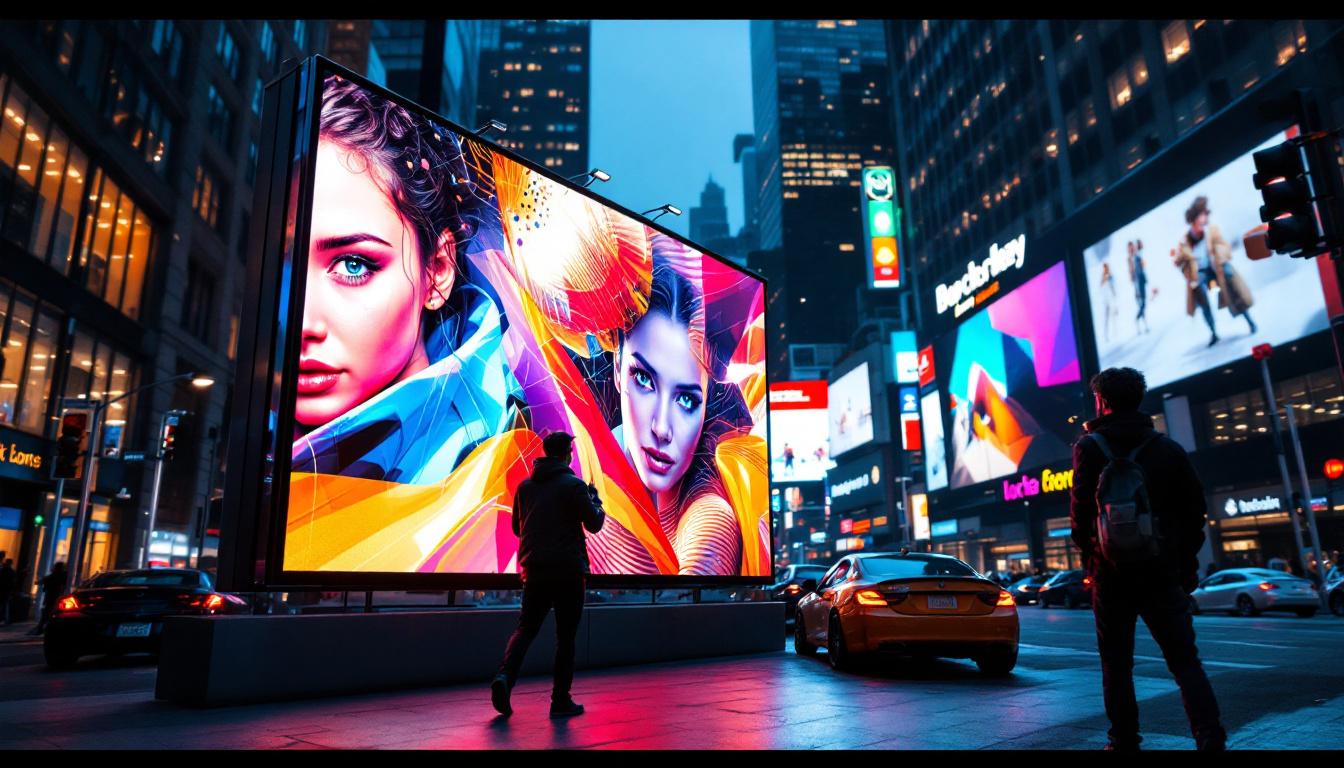
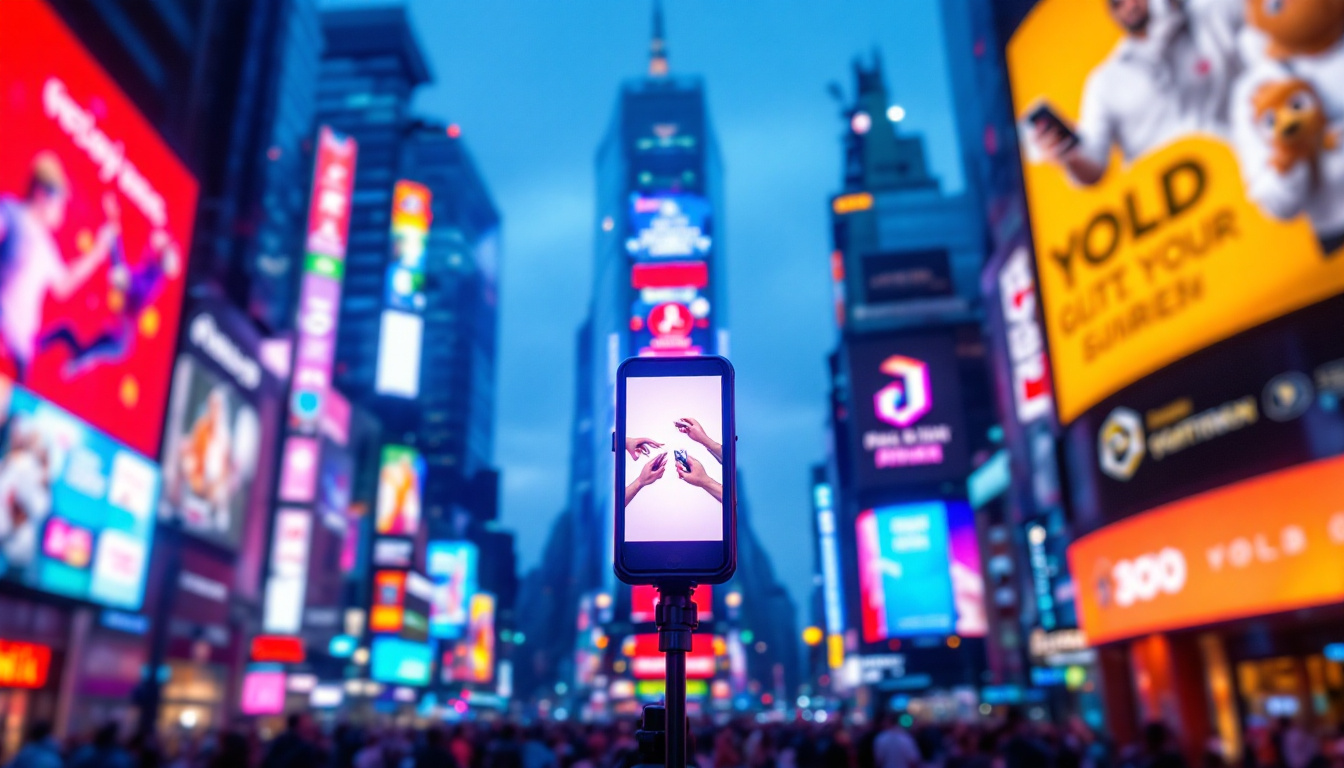
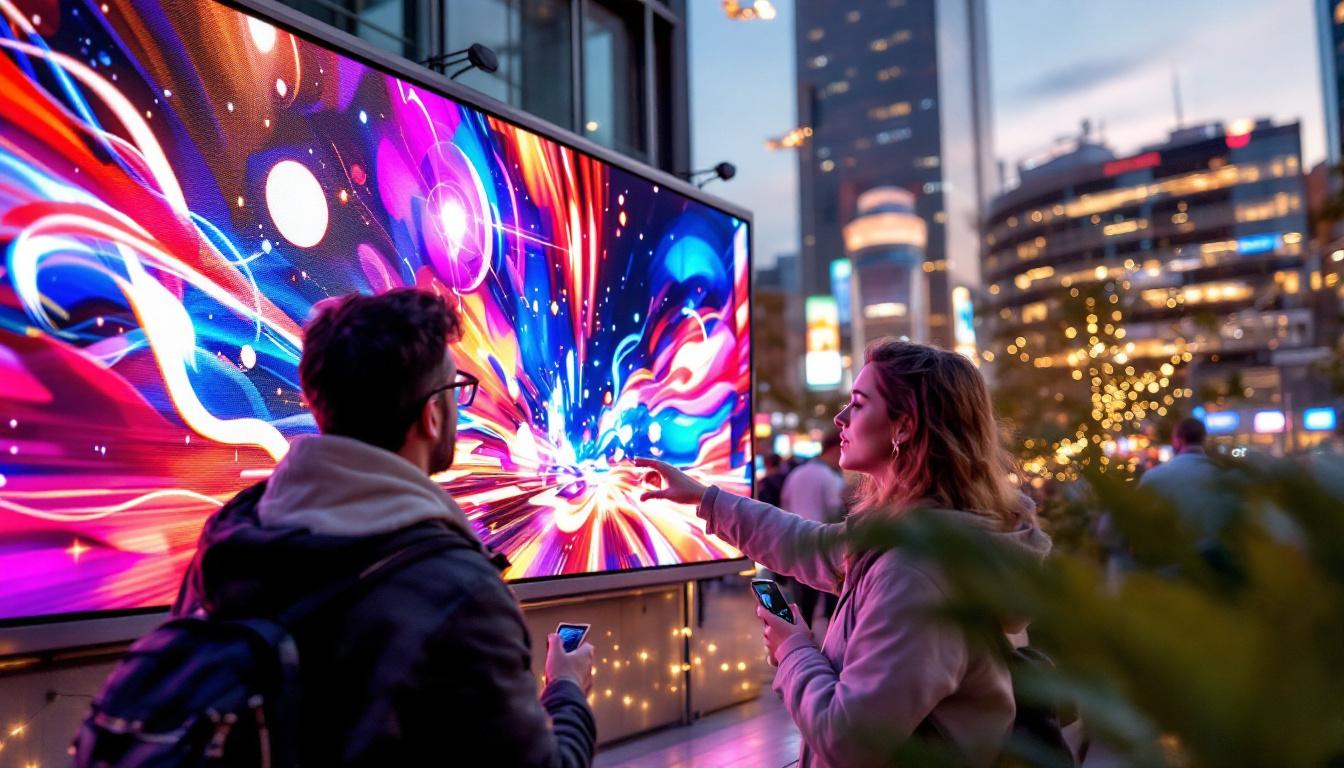
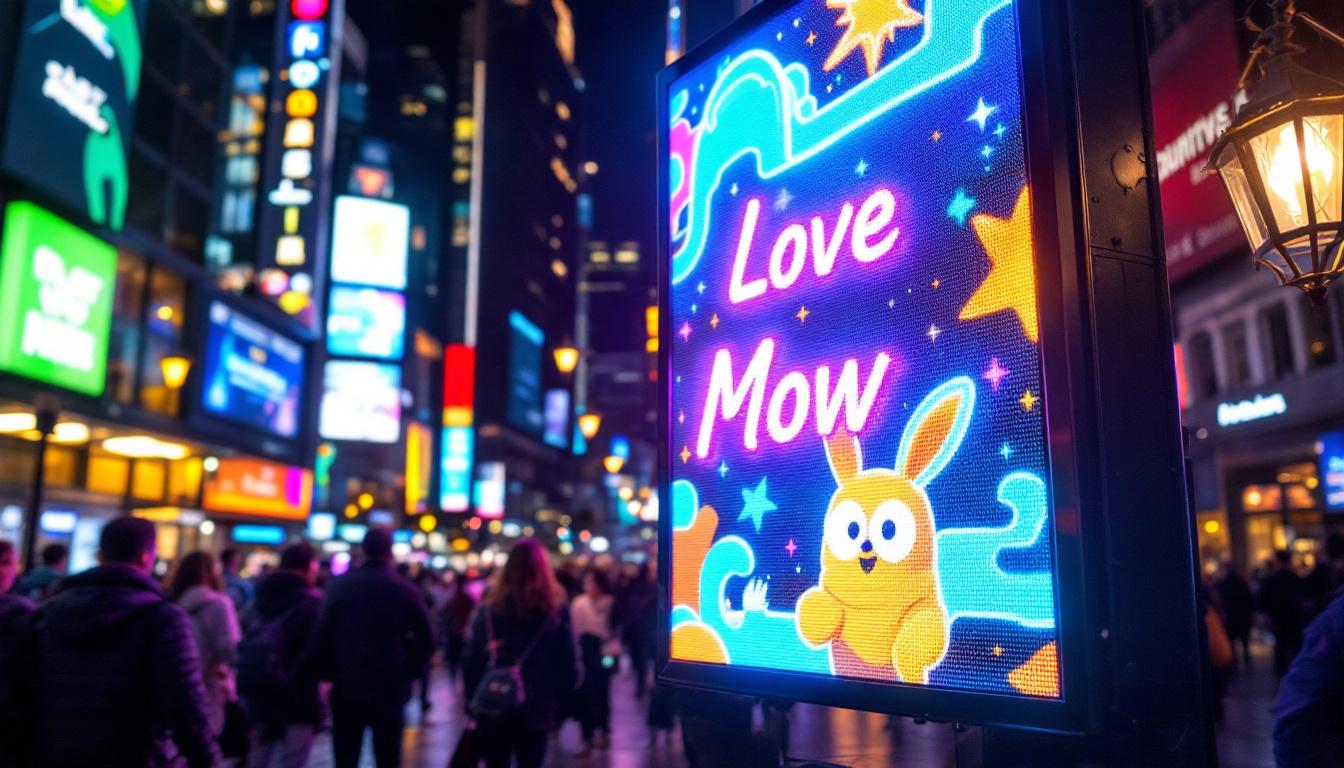
Advertising is arguably the most widespread use of LED screen boards. Digital billboards and signage have transformed the marketing landscape by enabling dynamic, eye-catching content that can be updated in real time. According to industry reports, the global digital signage market is expected to reach $32 billion by 2027, driven largely by LED technology advancements.
Retailers use LED displays to promote products, announce sales, and enhance customer engagement. The ability to display videos, animations, and interactive content makes LED signage a powerful marketing tool.
Sports and Entertainment Venues
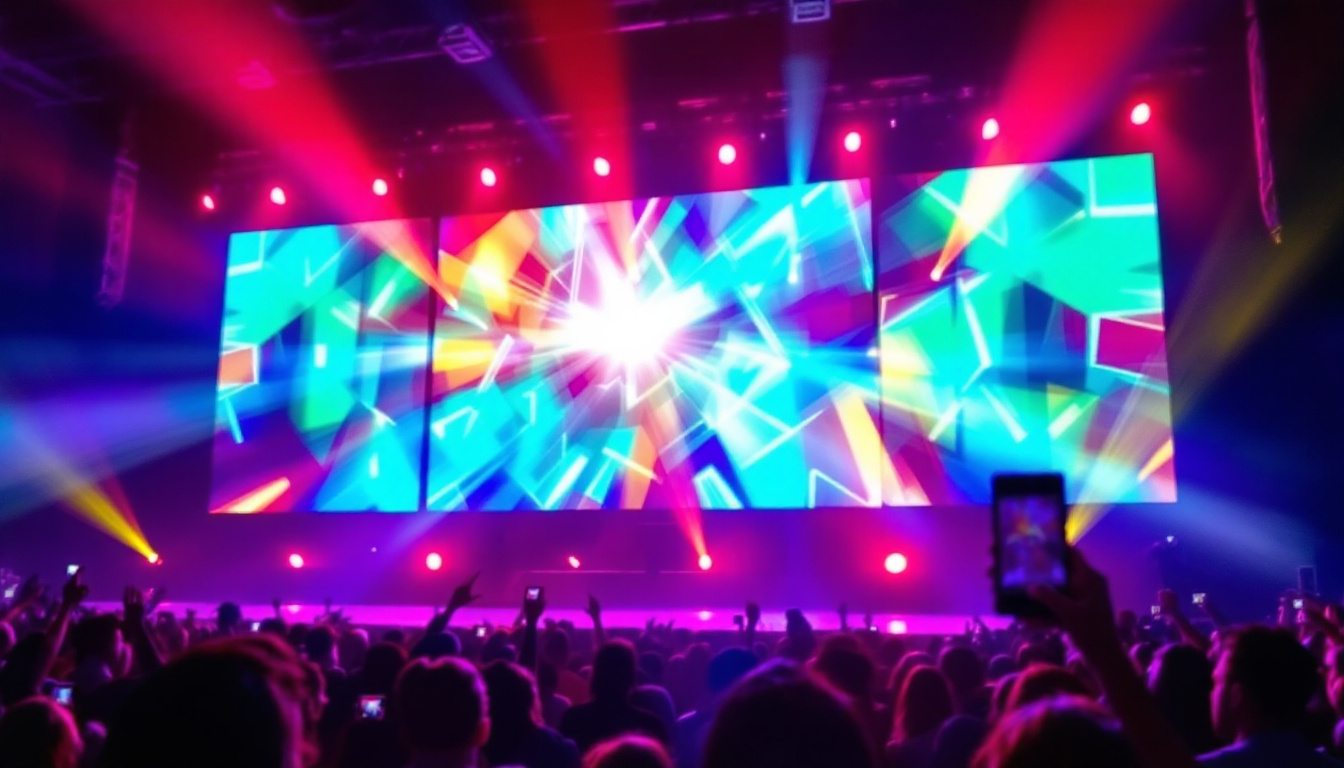
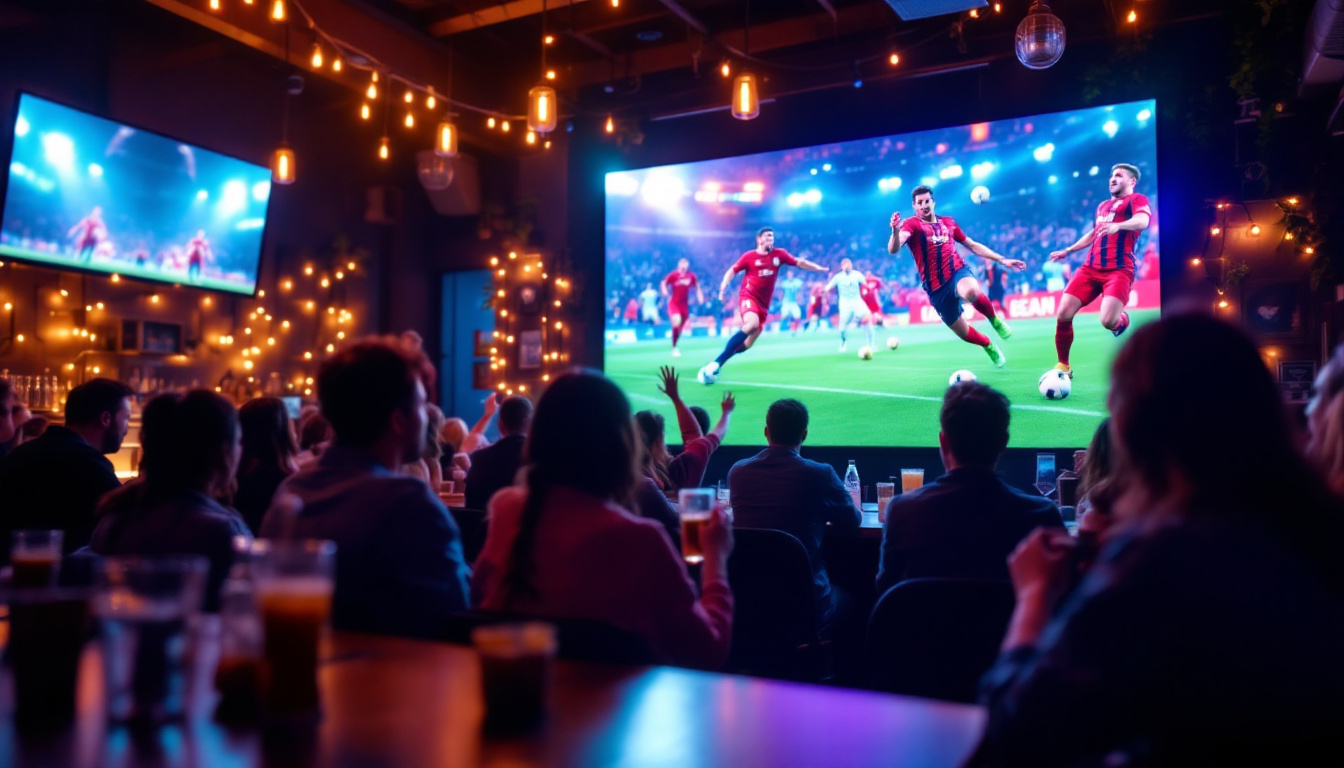
Sports arenas and concert venues rely heavily on LED screen boards for scoreboards, instant replays, and live event broadcasting. The large size and high brightness of LED displays ensure visibility for audiences, even in vast stadiums. For example, the AT&T Stadium in Texas features one of the largest indoor LED video boards in the world, measuring 160 feet wide and 72 feet tall.
Transportation and Public Information
LED displays are widely used in airports, train stations, and bus terminals to provide real-time information such as arrivals, departures, delays, and emergency announcements. Their clarity and brightness are crucial for ensuring passengers receive timely and accurate updates.
Corporate and Educational Environments
In corporate settings, LED screens facilitate presentations, video conferencing, and digital whiteboards. Educational institutions use LED displays for interactive learning, campus announcements, and event broadcasting. The versatility and scalability of LED technology make it suitable for a wide range of professional environments.
Key Considerations When Choosing an LED Screen Board
Pixel Pitch and Resolution
Pixel pitch is the distance between the centers of two adjacent pixels, typically measured in millimeters. It directly affects the resolution and viewing distance of the display. Smaller pixel pitches (e.g., 1.2 mm to 2.5 mm) provide higher resolution and are ideal for close viewing, such as indoor displays. Larger pixel pitches (e.g., 10 mm or more) are suitable for outdoor screens viewed from a distance.
Brightness and Contrast Ratio
Brightness is measured in nits, and the required level depends on the installation environment. Outdoor displays need higher brightness to combat sunlight, while indoor screens can operate at lower levels. Contrast ratio, the difference between the darkest black and brightest white, is also critical for image quality and readability.
Viewing Angle
LED displays offer wide viewing angles, often exceeding 140 degrees horizontally and vertically. This ensures that the content remains visible and undistorted from various positions, which is essential in public spaces and large venues.
Durability and Weather Resistance
For outdoor installations, the LED screen board must have an appropriate IP (Ingress Protection) rating to resist water, dust, and other environmental hazards. Common ratings for outdoor LED displays are IP65 or higher, indicating strong protection against the elements.
Maintenance and Serviceability
Modular LED panels allow for easier maintenance and repair. It’s important to consider how accessible the components are and whether the display supports front or rear servicing, especially in permanent installations.
The Future of LED Screen Boards
MicroLED and MiniLED Innovations
Emerging technologies like MicroLED and MiniLED are pushing the boundaries of LED displays. MicroLEDs are smaller than traditional LEDs, offering even higher resolution, improved color accuracy, and lower power consumption. These advancements promise to enhance the quality and versatility of LED screen boards, particularly in consumer electronics and premium digital signage.
Integration with Smart Technologies
LED displays are increasingly integrated with IoT (Internet of Things) and AI-driven content management systems. This integration enables dynamic content adaptation based on audience demographics, environmental conditions, or real-time analytics, making LED screen boards smarter and more interactive.
Sustainability and Energy Efficiency
As environmental concerns grow, manufacturers are focusing on developing more sustainable LED displays. Innovations in materials, power management, and recycling processes aim to reduce the carbon footprint of LED screen boards while maintaining performance standards.
Conclusion
LED screen boards have transformed how information and advertising are delivered across industries. Their superior brightness, energy efficiency, durability, and flexibility make them an ideal choice for a wide range of applications, from outdoor billboards to indoor corporate displays. Understanding the technology, types, and key considerations of LED displays empowers businesses and organizations to make informed decisions that maximize impact and value.
As LED technology continues to evolve with innovations like MicroLED and smart integrations, the future of screen boards looks brighter and more dynamic than ever. Whether for marketing, entertainment, or communication, LED displays will remain at the forefront of visual technology for years to come.
Discover LumenMatrix’s Innovative LED Solutions
Ready to elevate your visual communication with the latest in LED technology? LumenMatrix is at the forefront of creating immersive and dynamic visual experiences with a wide array of LED display solutions. From captivating Indoor and Outdoor LED Wall Displays to versatile Vehicle and Sports LED Displays, and even Custom and All-in-One LED solutions, we have everything you need to make your message shine. Experience the future of LED displays with LumenMatrix and transform your space into a vibrant canvas of possibilities. Check out LumenMatrix LED Display Solutions today and start your journey towards unparalleled brand visibility.