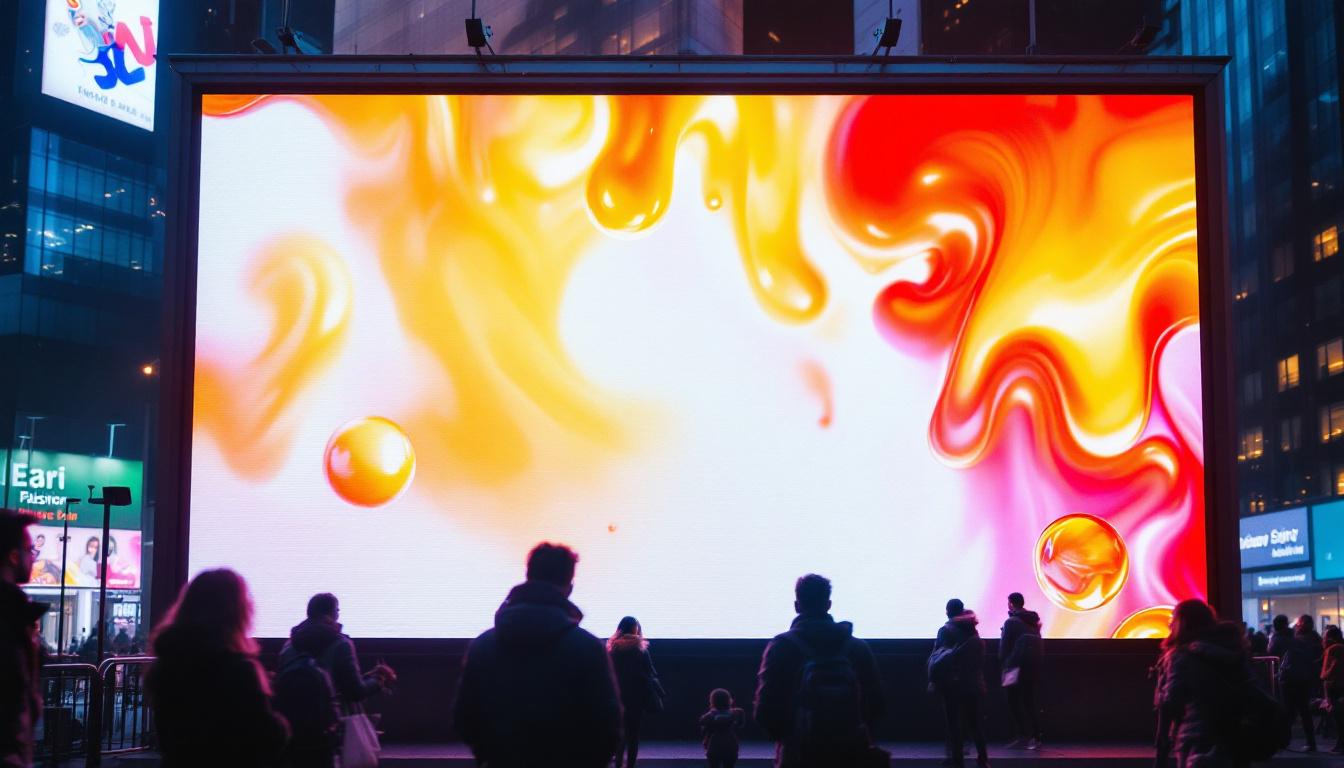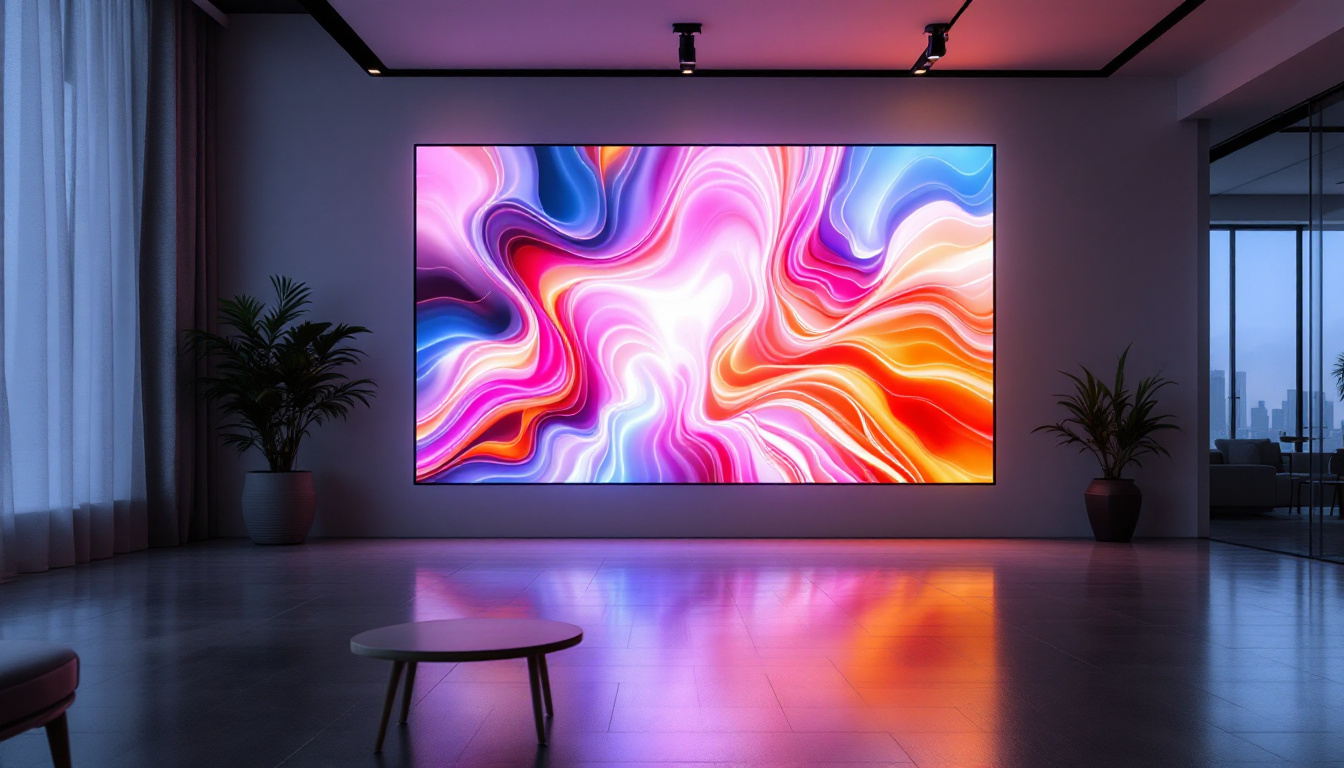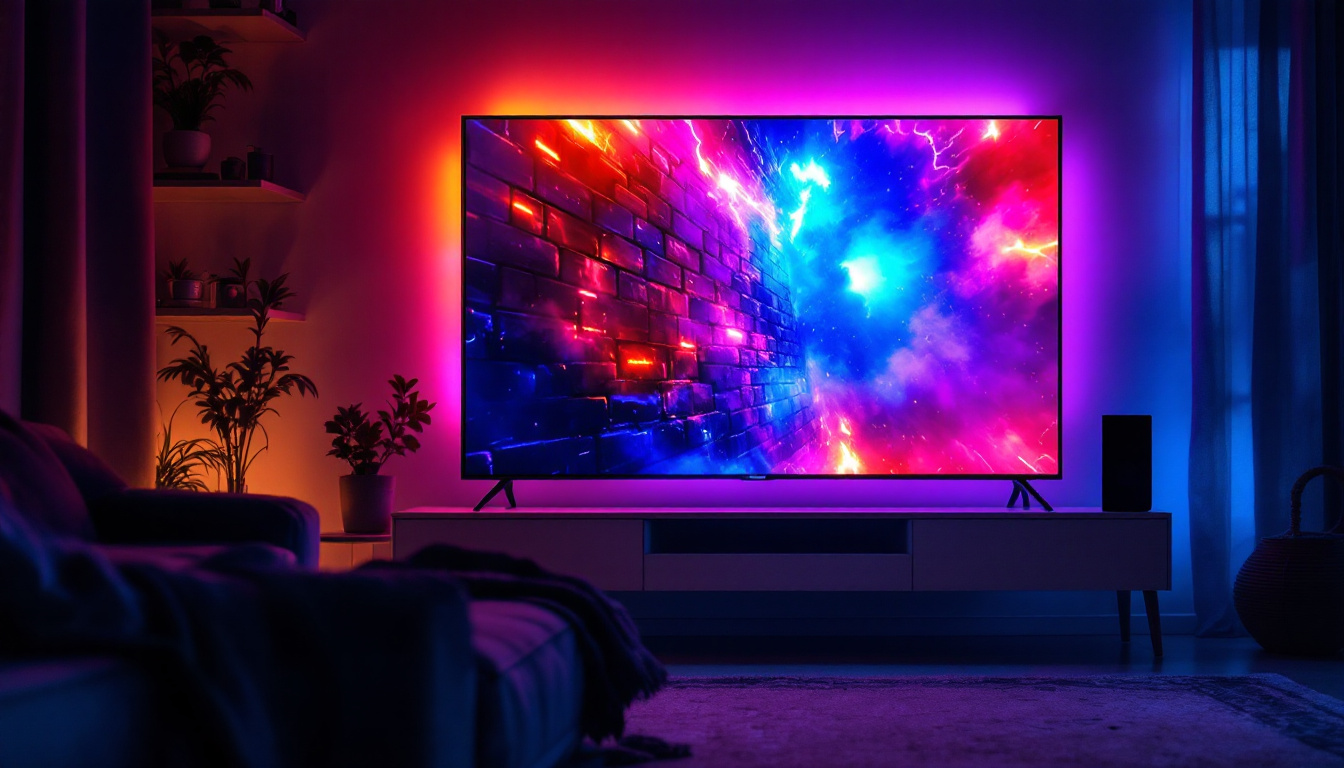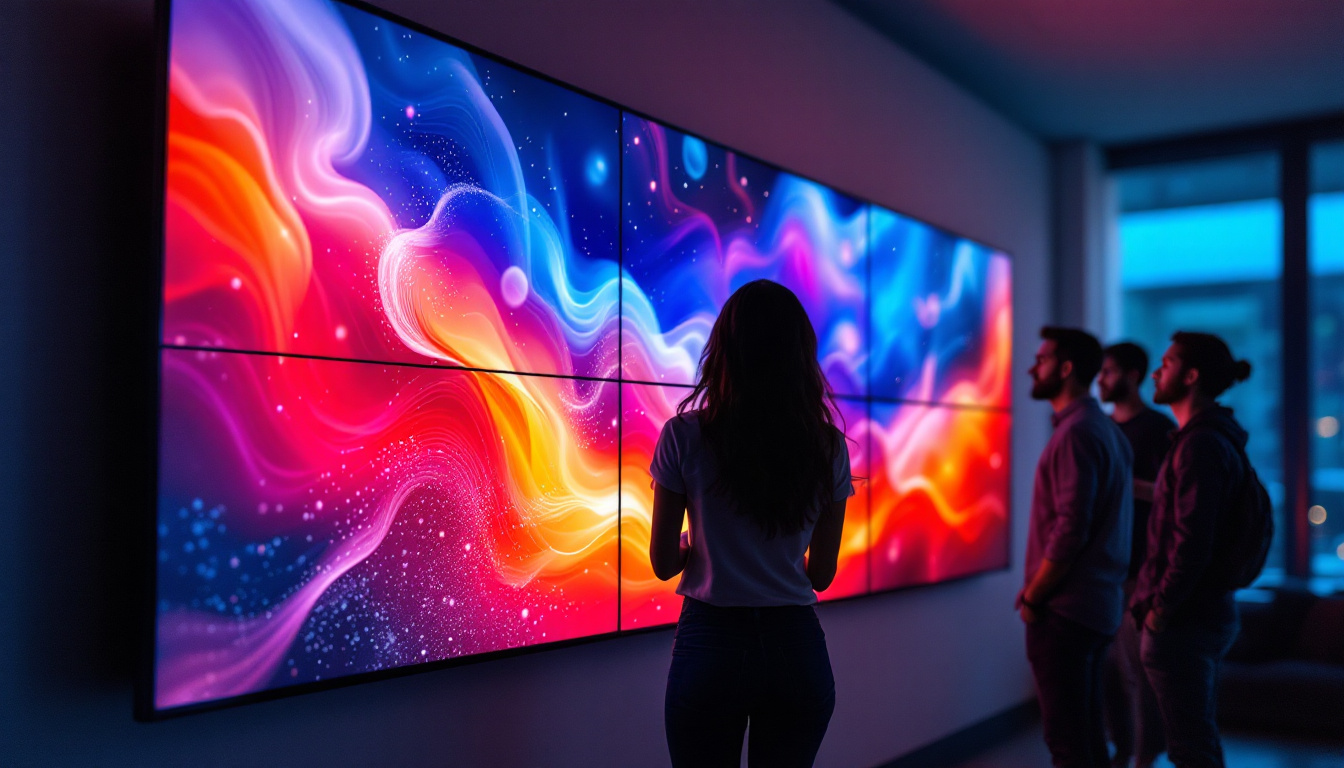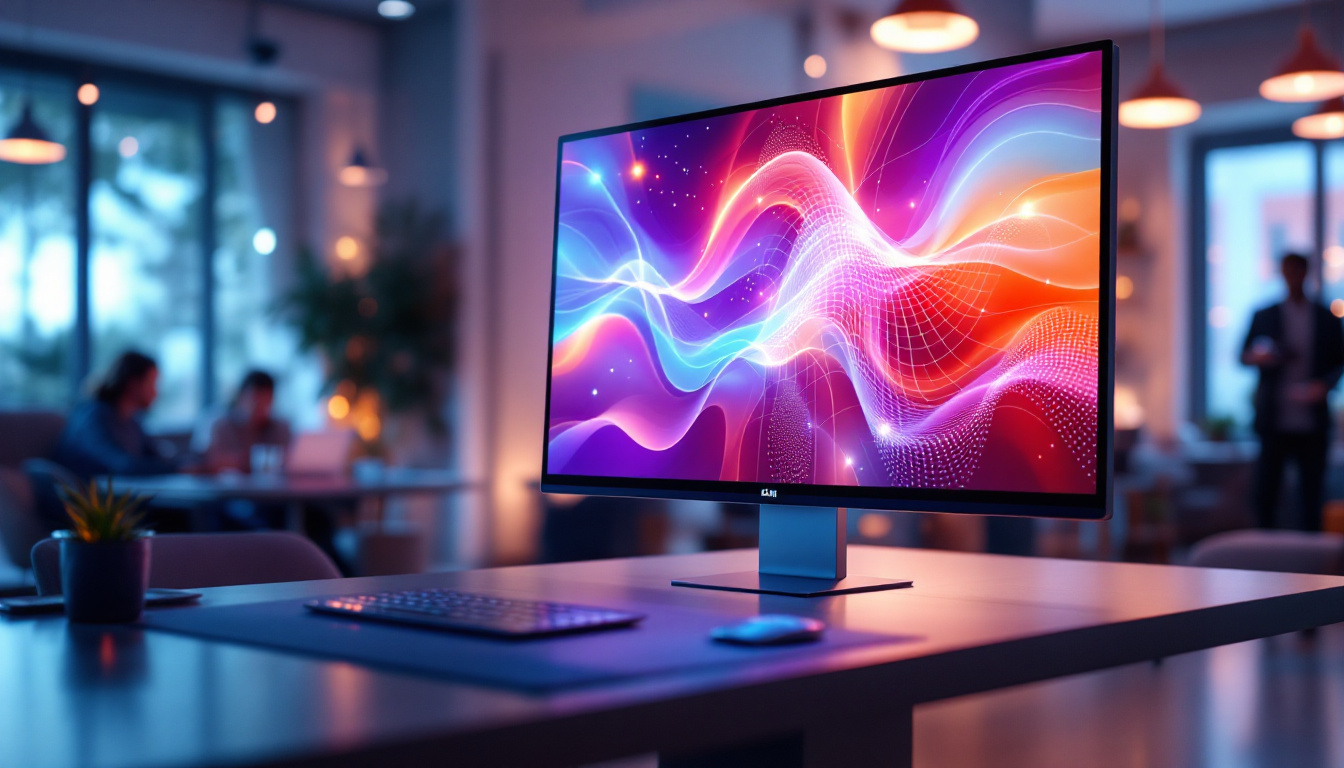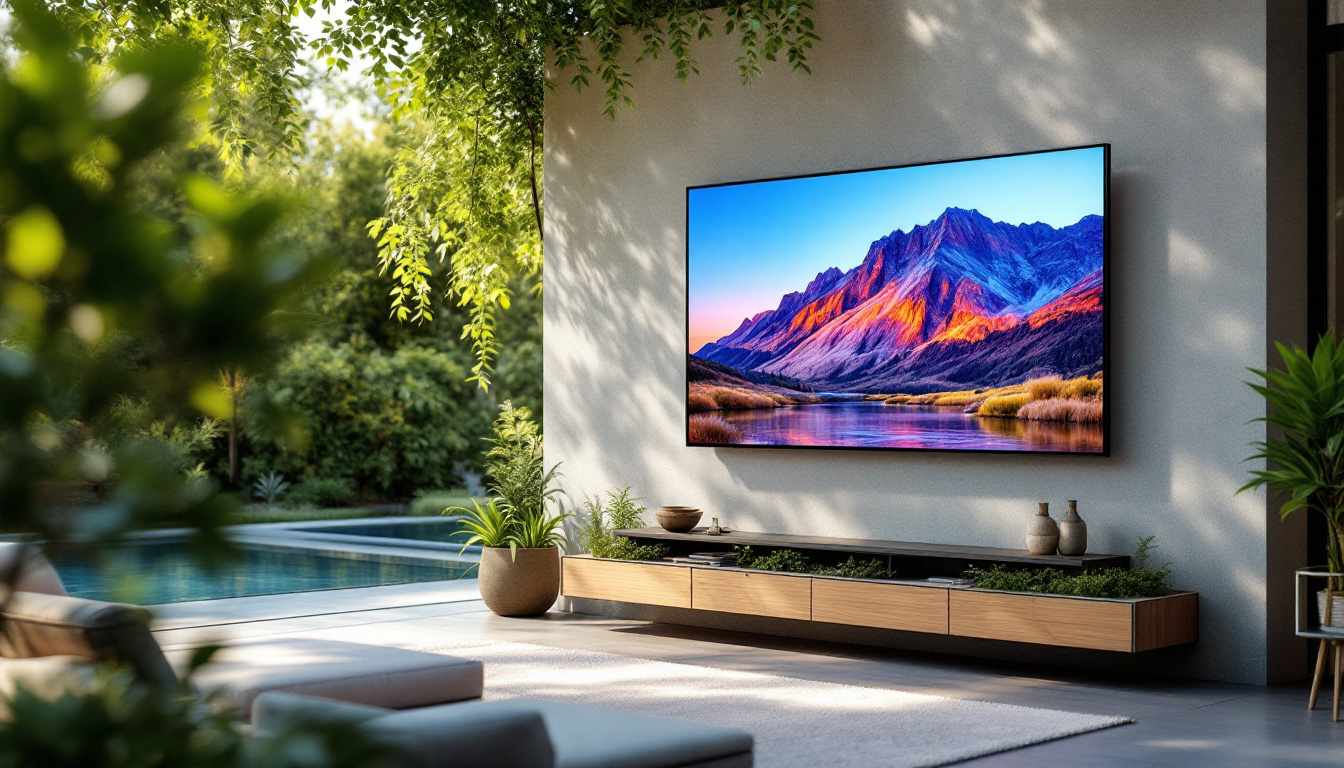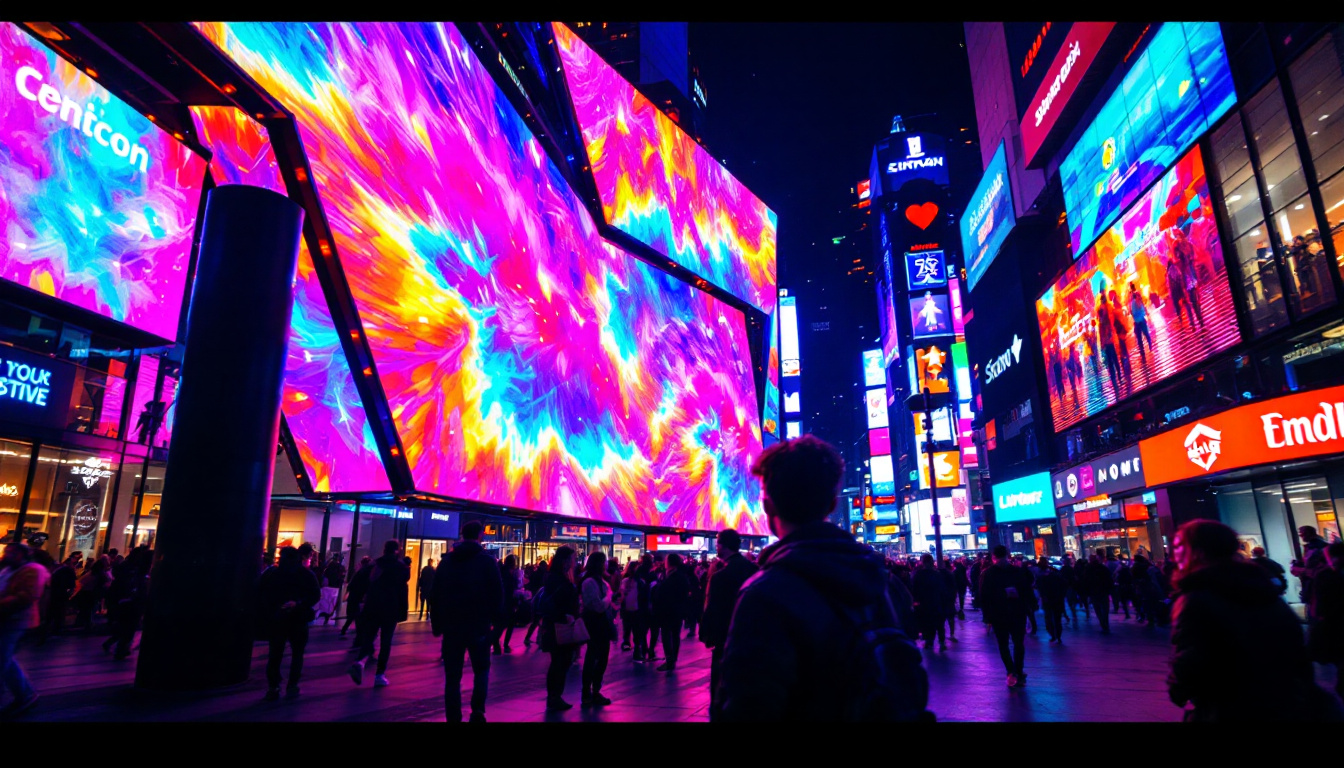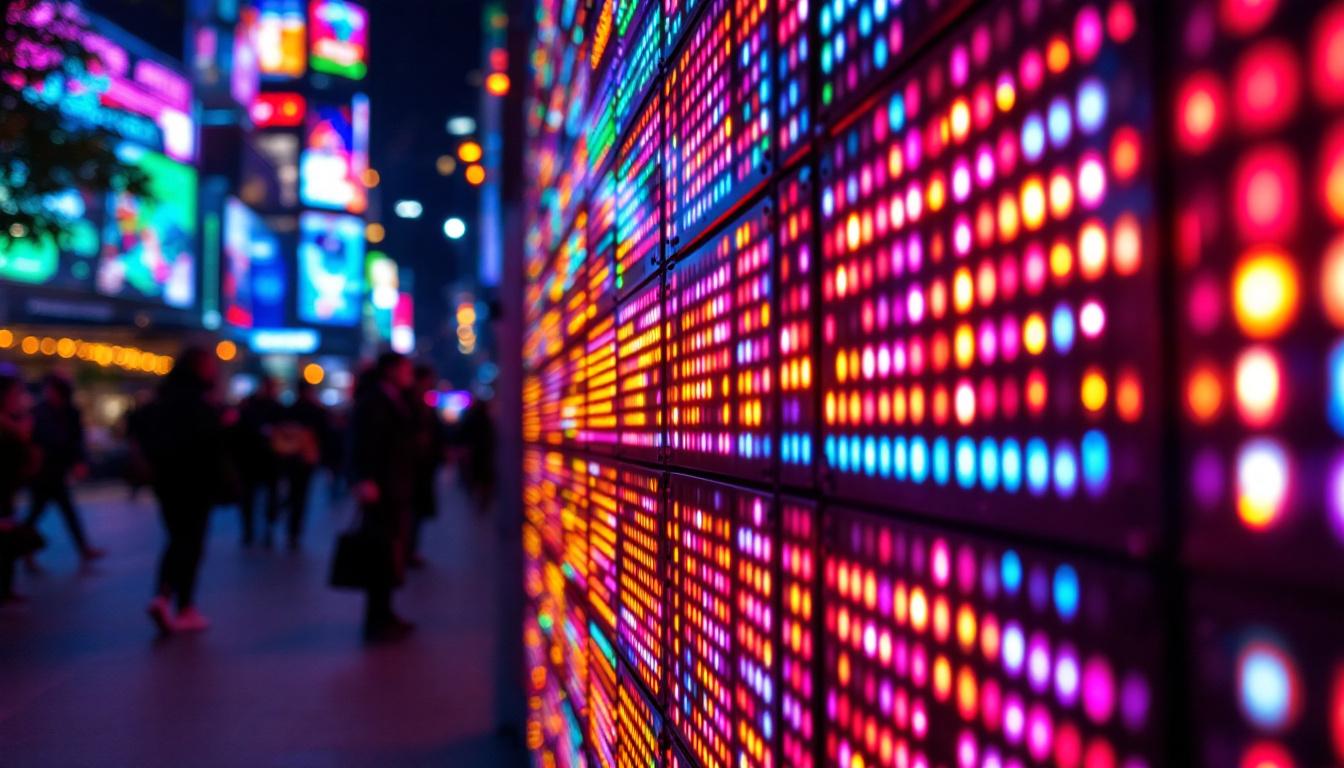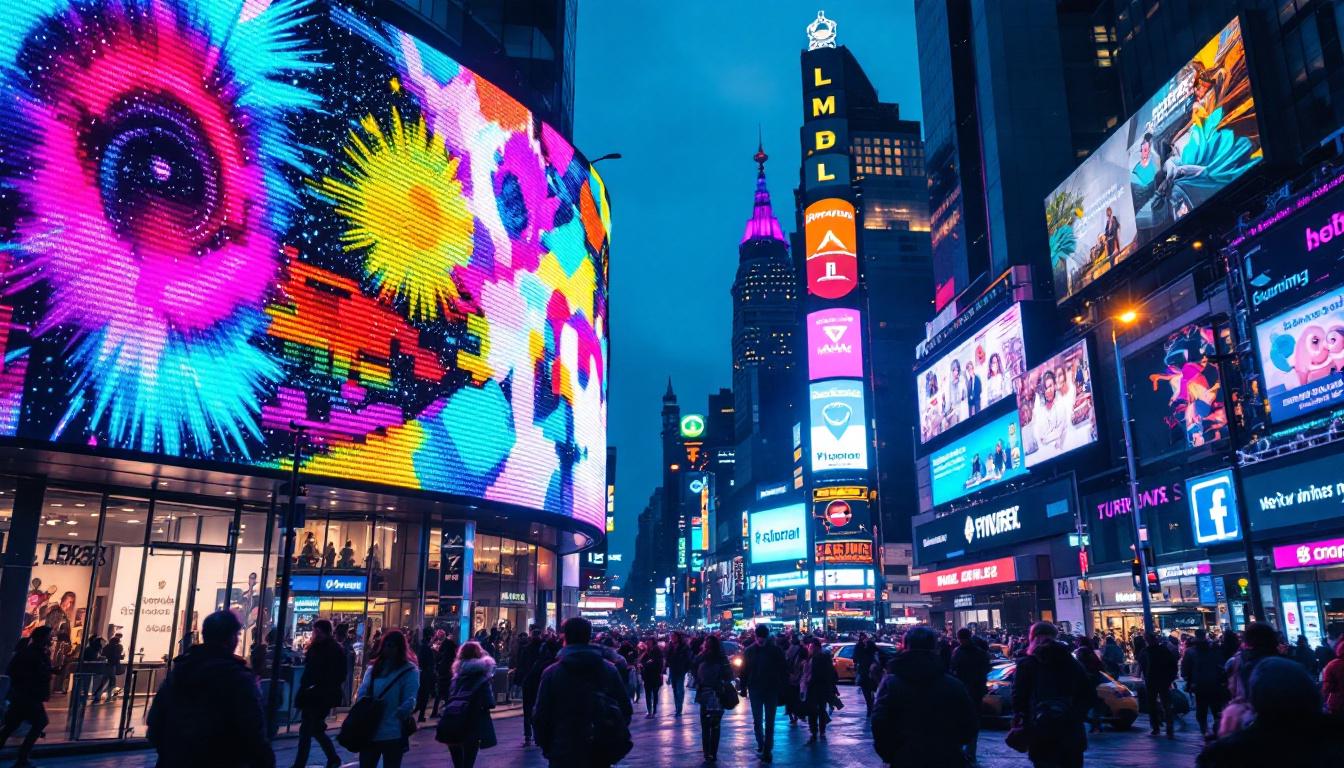
In the evolving world of digital displays, LED technology has become a cornerstone for vibrant, efficient, and versatile screens. Whether it’s the massive billboards lighting up Times Square or the sleek televisions in living rooms worldwide, LED displays have transformed how we consume visual content. This article delves into the fundamentals of LED screens—known in Spanish as “Screen De Pantalla”—exploring their technology, applications, advantages, and future trends.
Understanding LED Display Technology
What is an LED Display?
LED stands for Light Emitting Diode, a semiconductor device that emits light when an electric current passes through it. An LED display is a flat panel display that uses these tiny LEDs as pixels to create images, videos, and text. Unlike traditional LCD screens that rely on backlighting, LED displays produce their own light, which results in brighter images and deeper contrasts.
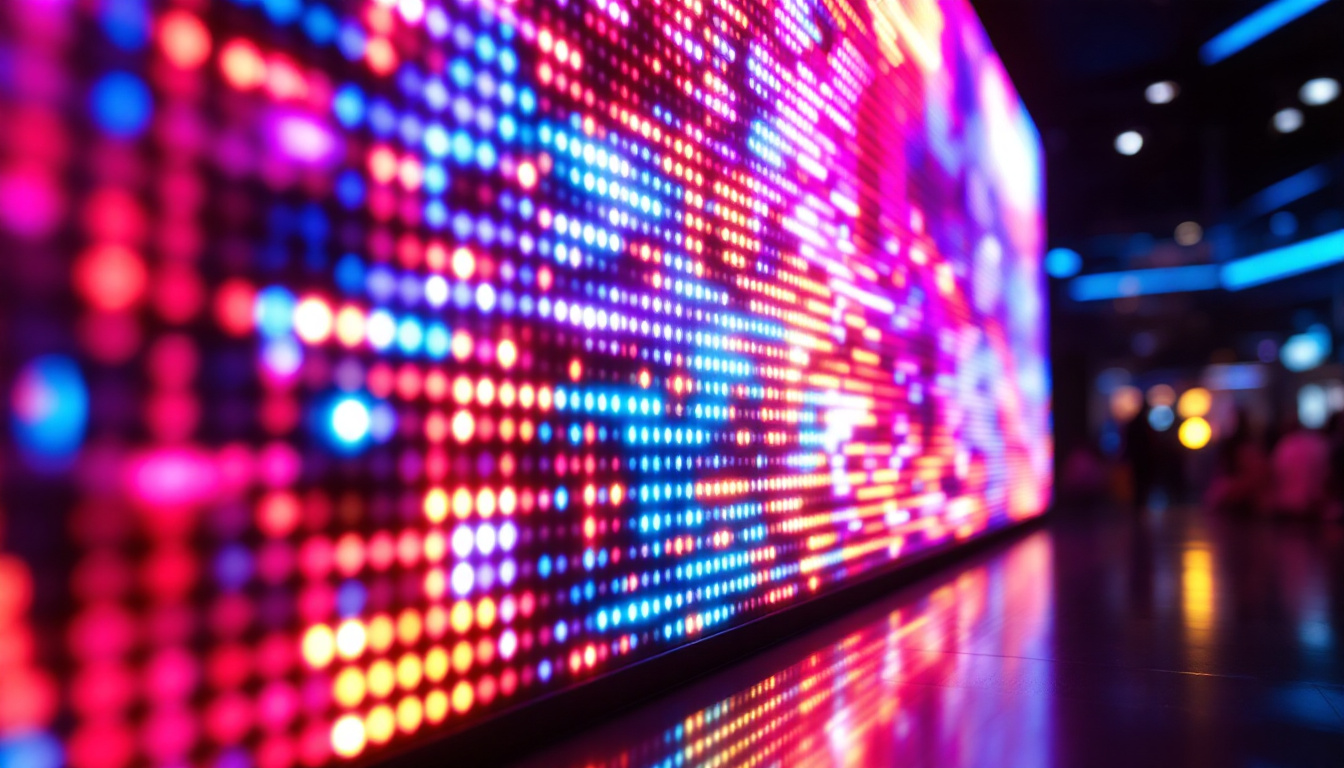
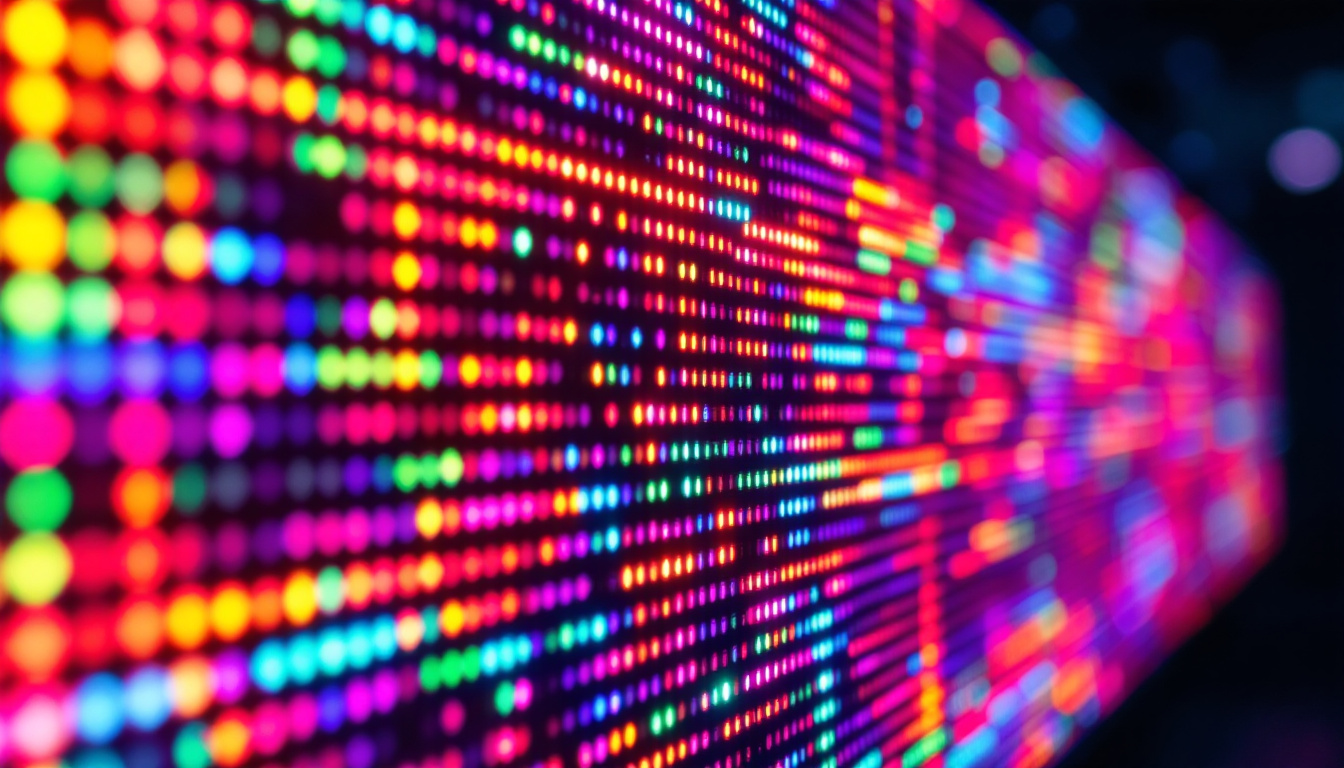
LED displays are composed of thousands to millions of individual LEDs arranged in a matrix. Each LED can be controlled independently to emit different colors and brightness levels, enabling the display of complex visuals with high precision. The size and density of these LEDs determine the resolution and clarity of the screen. This technology allows for vibrant colors and sharp details, making LED displays a popular choice for everything from advertising billboards to high-end televisions.
Moreover, the longevity of LED technology is another significant advantage. LEDs typically have a lifespan of up to 100,000 hours, which means they can last for years without needing replacement. This durability, combined with their energy efficiency, makes them an environmentally friendly option compared to traditional display technologies. As they consume less power, they also contribute to lower operational costs, which is particularly beneficial for businesses that rely on large display setups.
Types of LED Displays
There are primarily two types of LED displays: Direct View LED (DVLED) and LED-backlit LCD. Understanding the distinction is key to appreciating their respective uses and benefits.
- Direct View LED (DVLED): This type uses LEDs as the actual pixels of the display. It is commonly used in large-scale outdoor screens, stadium displays, and indoor video walls. DVLEDs offer excellent brightness and viewing angles, making them ideal for environments with varying lighting conditions. Their modular design allows for flexible configurations, enabling the creation of screens in various shapes and sizes, which is particularly useful for creative installations and events.
- LED-backlit LCD: These displays use LEDs as a backlight source behind an LCD panel. This technology is prevalent in consumer electronics such as televisions, computer monitors, and smartphones. It provides improved energy efficiency and color accuracy compared to older CCFL-backlit LCDs. Additionally, advancements in local dimming technology have enhanced the contrast ratios of LED-backlit LCDs, allowing for deeper blacks and brighter whites, which is essential for an immersive viewing experience.
As the demand for high-quality visual displays continues to grow, innovations in LED technology are also advancing. For instance, mini-LED and micro-LED technologies are emerging, offering even greater control over light output and color accuracy. These developments promise to push the boundaries of display capabilities, making it possible to achieve unprecedented levels of detail and realism in both professional and consumer applications. Furthermore, the integration of smart technology into LED displays is paving the way for interactive features, enabling users to engage with content in dynamic and innovative ways.
Applications of LED Displays
Outdoor Advertising and Digital Billboards
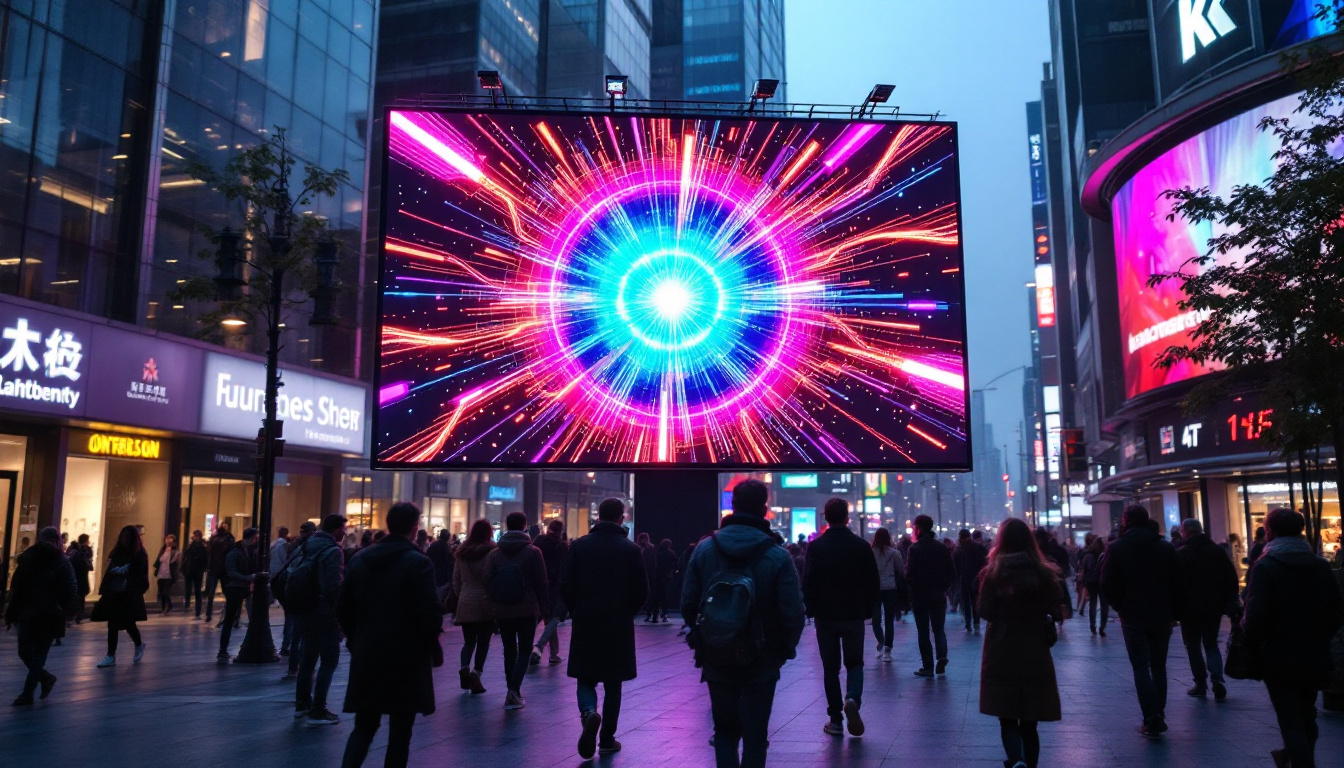
One of the most visible applications of LED displays is in outdoor advertising. Digital billboards equipped with high-brightness LED panels can be seen clearly even under direct sunlight, making them highly effective for marketing campaigns. According to the Outdoor Advertising Association of America, digital out-of-home (DOOH) advertising revenue surpassed $4.9 billion in 2023, underscoring the growing reliance on LED technology in this sector.
These displays can be updated remotely and in real-time, allowing advertisers to change content instantly based on time of day, audience demographics, or special events. This flexibility enhances engagement and maximizes advertising impact. Furthermore, the ability to incorporate dynamic content—such as animations or videos—captures the attention of passersby more effectively than traditional static billboards. As a result, brands are increasingly leveraging LED technology to create eye-catching campaigns that resonate with consumers, driving foot traffic and boosting sales.
Sports Arenas and Entertainment Venues
LED screens have revolutionized the spectator experience in sports and entertainment venues. Large-scale LED video walls provide clear, dynamic visuals that can be viewed from any seat, displaying live action, replays, scores, and interactive content. The ability to customize content on the fly adds excitement and engagement for audiences. In addition to enhancing the viewing experience, these displays often serve as platforms for fan interaction, allowing spectators to participate in polls, contests, or social media feeds during events.
For example, the AT&T Stadium in Texas features one of the world’s largest LED screens, measuring 160 feet wide and 72 feet tall. This immersive display exemplifies how LED technology can enhance the atmosphere and fan experience. Moreover, venues are increasingly integrating augmented reality (AR) features into their LED displays, providing fans with an innovative way to engage with the event, such as viewing player stats or replays from different angles in real-time. This fusion of technology and entertainment is setting new standards for how audiences experience live events.
Retail and Corporate Environments
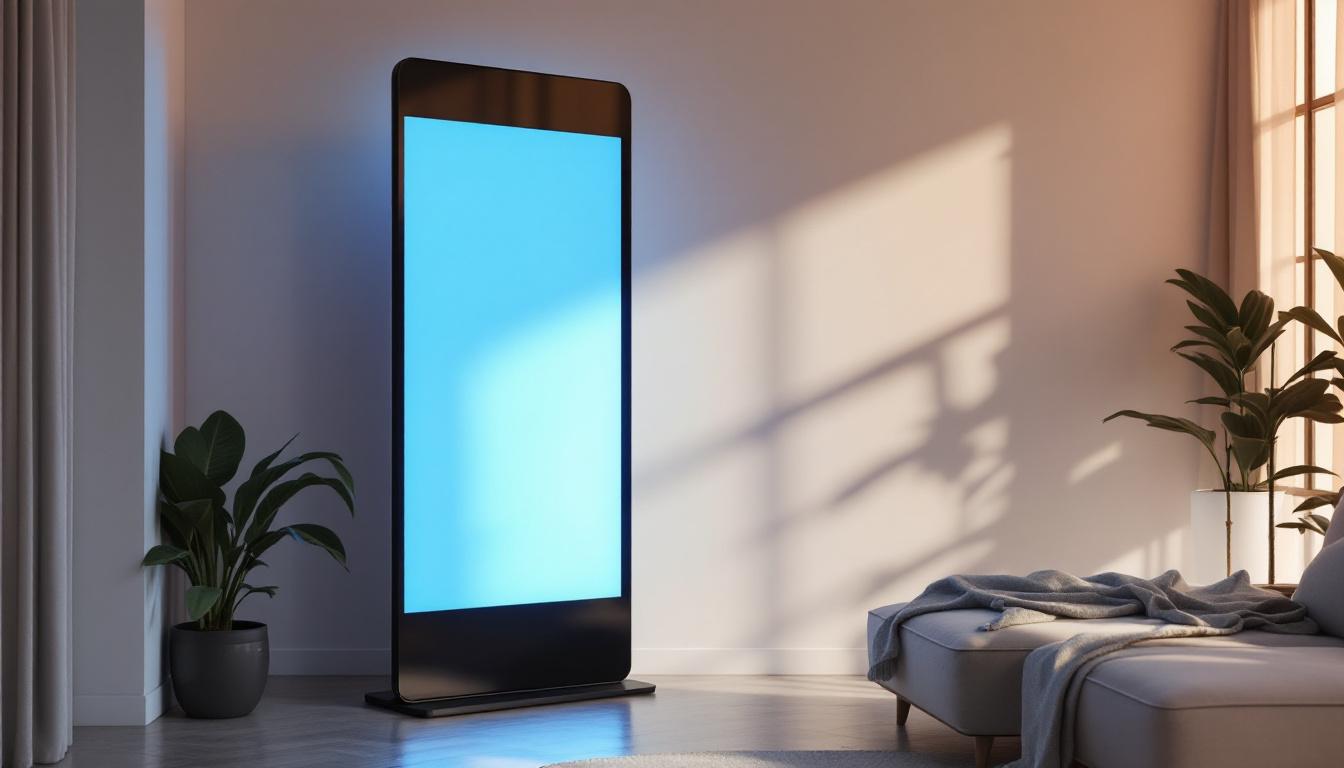
In retail, LED displays are used for digital signage to attract customers, promote products, and provide interactive experiences. Their brightness and clarity make them suitable for both indoor and outdoor use. Corporate offices also utilize LED video walls for presentations, video conferencing, and branding, fostering a modern and professional environment. The versatility of LED technology allows retailers to create immersive shopping experiences, such as virtual fitting rooms or interactive product displays that engage customers more deeply than traditional methods.
Additionally, many businesses are harnessing the power of LED displays for targeted advertising within their stores. By analyzing customer behavior and preferences, retailers can tailor their messages to specific demographics, ensuring that the right products are showcased to the right audience at the right time. This level of personalization not only enhances the shopping experience but also drives conversion rates, making LED displays an invaluable tool in the competitive retail landscape. As technology continues to evolve, the potential applications of LED displays in both retail and corporate environments are bound to expand, paving the way for even more innovative solutions.
Advantages of LED Displays
Brightness and Visibility
One of the most significant advantages of LED displays is their superior brightness. LEDs can reach brightness levels of over 5,000 nits, which is essential for outdoor visibility. This high luminance ensures that content remains clear and vivid even in direct sunlight, unlike many other display technologies.
Energy Efficiency
LEDs are inherently energy-efficient compared to traditional lighting and display technologies. They consume less power while delivering brighter images, which translates to lower operational costs and reduced environmental impact. According to the U.S. Department of Energy, LED lighting uses at least 75% less energy than incandescent lighting, a principle that extends to LED displays as well.
Longevity and Durability
LEDs have a long operational life, often exceeding 100,000 hours. This durability makes LED displays a cost-effective investment over time, as they require less frequent replacement and maintenance. Additionally, their solid-state nature makes them resistant to shock and vibration, suitable for both indoor and outdoor environments.
Color Accuracy and Contrast
LED displays offer excellent color reproduction and contrast ratios. Because each pixel emits its own light, LEDs can achieve true blacks by turning off individual pixels, resulting in higher contrast than LCDs that rely on backlighting. This quality is particularly important for applications requiring detailed and vibrant visuals, such as broadcasting and digital art.
Technical Considerations When Choosing an LED Display
Pixel Pitch and Resolution
Pixel pitch refers to the distance between the centers of two adjacent LEDs. It is a critical factor affecting the resolution and viewing distance of the display. Smaller pixel pitches mean higher resolution and better image clarity, especially for close viewing distances.
For example, an indoor LED display with a pixel pitch of 1.5 mm is suitable for viewing distances as close as a few feet, making it ideal for retail or conference rooms. Outdoor displays typically have larger pixel pitches (e.g., 10 mm or more) because they are viewed from greater distances.
Refresh Rate and Response Time
The refresh rate indicates how many times per second the display updates its image. Higher refresh rates reduce flicker and improve the smoothness of motion, which is essential for video playback and live broadcasts. Most modern LED displays operate at refresh rates of 1,000 Hz or higher, ensuring flicker-free viewing even on slow-motion cameras.
Viewing Angle
LED displays generally offer wide viewing angles, often up to 160° horizontally and vertically. This characteristic ensures that the image remains consistent and vibrant regardless of the viewer’s position. Wide viewing angles are particularly important in public spaces where audiences view the screen from various perspectives.
Future Trends in LED Display Technology
MicroLED and MiniLED Innovations
Emerging technologies like MicroLED and MiniLED are pushing the boundaries of LED displays. MicroLEDs are tiny LEDs that can be used to create ultra-high-resolution displays with exceptional brightness and contrast. Unlike OLEDs, MicroLEDs are not susceptible to burn-in and offer longer lifespans.
MiniLED technology uses smaller LEDs as backlighting for LCD panels, significantly improving contrast ratios and brightness. These advancements are expected to dominate premium TVs, monitors, and mobile devices in the coming years.
Flexible and Transparent LED Displays
Flexible LED displays are gaining traction, allowing screens to bend and curve without losing image quality. This innovation opens new possibilities for creative advertising, wearable technology, and architectural integration.
Transparent LED displays, which allow light to pass through when not in use, are also becoming popular in retail and automotive applications. These displays enable dynamic content without obstructing the view, blending digital and physical spaces seamlessly.
Integration with IoT and Smart Technologies
LED displays are increasingly integrated with Internet of Things (IoT) platforms and smart technologies. This connectivity allows for real-time data-driven content updates, interactive user experiences, and energy management. For instance, smart city initiatives use LED displays to provide live traffic updates, weather alerts, and emergency notifications, enhancing urban living.
Conclusion
LED displays represent a dynamic and rapidly advancing technology that continues to reshape visual communication across industries. From the dazzling digital billboards in city centers to the immersive video walls in sports arenas, their impact is undeniable. Understanding the technology behind LED displays, their applications, and emerging trends equips businesses and consumers alike to make informed decisions in this vibrant digital landscape.
As LED technology evolves, its potential to deliver brighter, more energy-efficient, and innovative display solutions will only grow, illuminating the future of digital screens worldwide.
Illuminate Your Space with LumenMatrix
Ready to elevate your visual experience with cutting-edge LED technology? LumenMatrix is at the forefront of innovation, offering a wide array of LED display solutions that bring your content to life. From captivating Indoor LED Walls to dynamic Outdoor LED Displays, and from versatile Vehicle LED Displays to engaging LED Sports Displays, we have the technology to transform your space. Discover how our LED Poster Displays, Floor LEDs, Custom configurations, and All-in-One LED Displays can revolutionize your visual communication. Embrace the future with our LED Transparent Displays and let LumenMatrix help you create unforgettable visual experiences. Check out LumenMatrix LED Display Solutions today and share your message with the world in vibrant clarity.