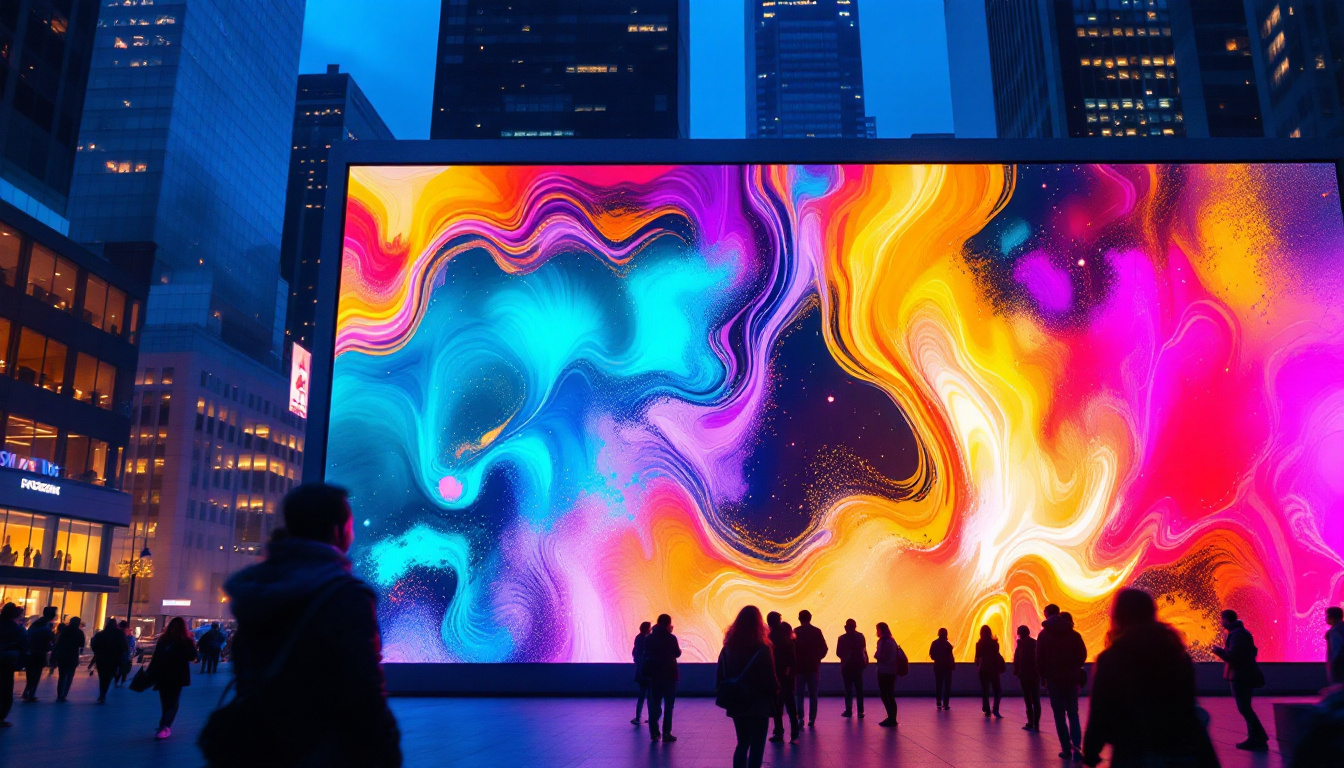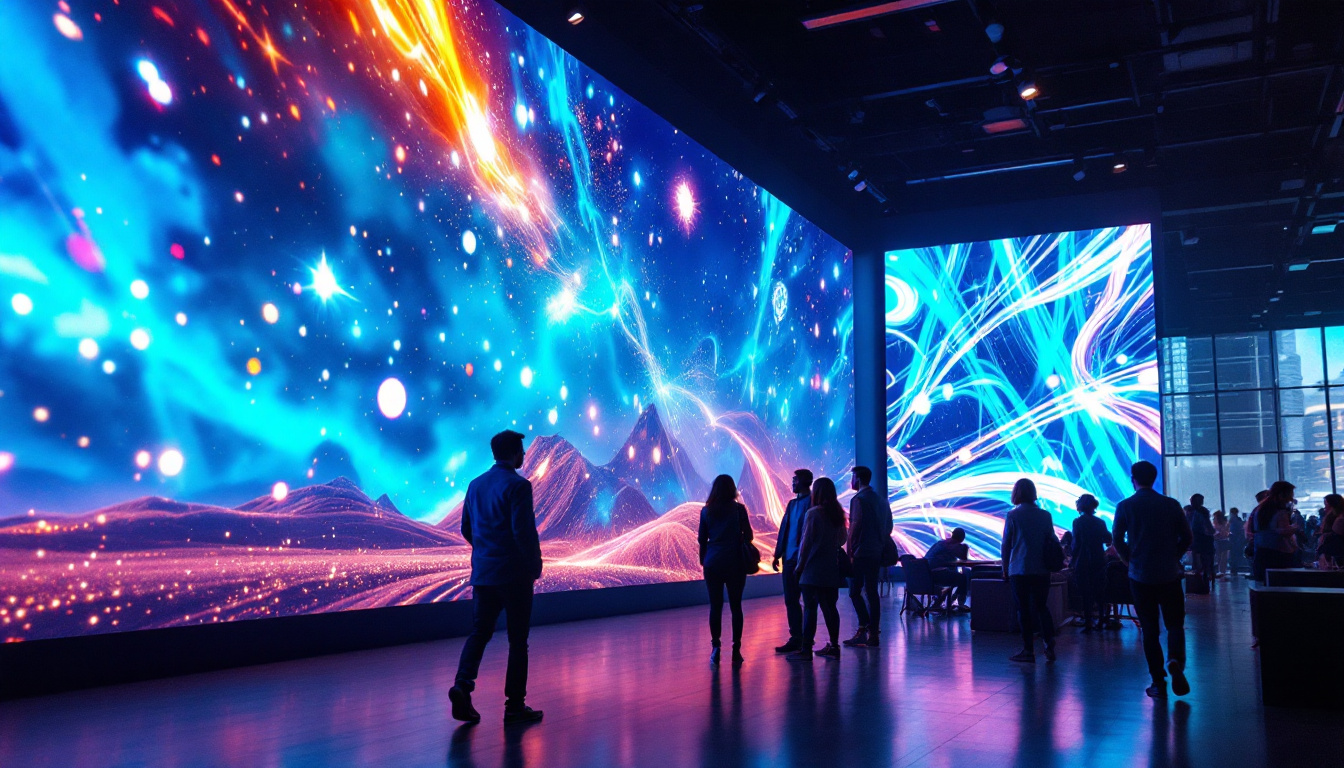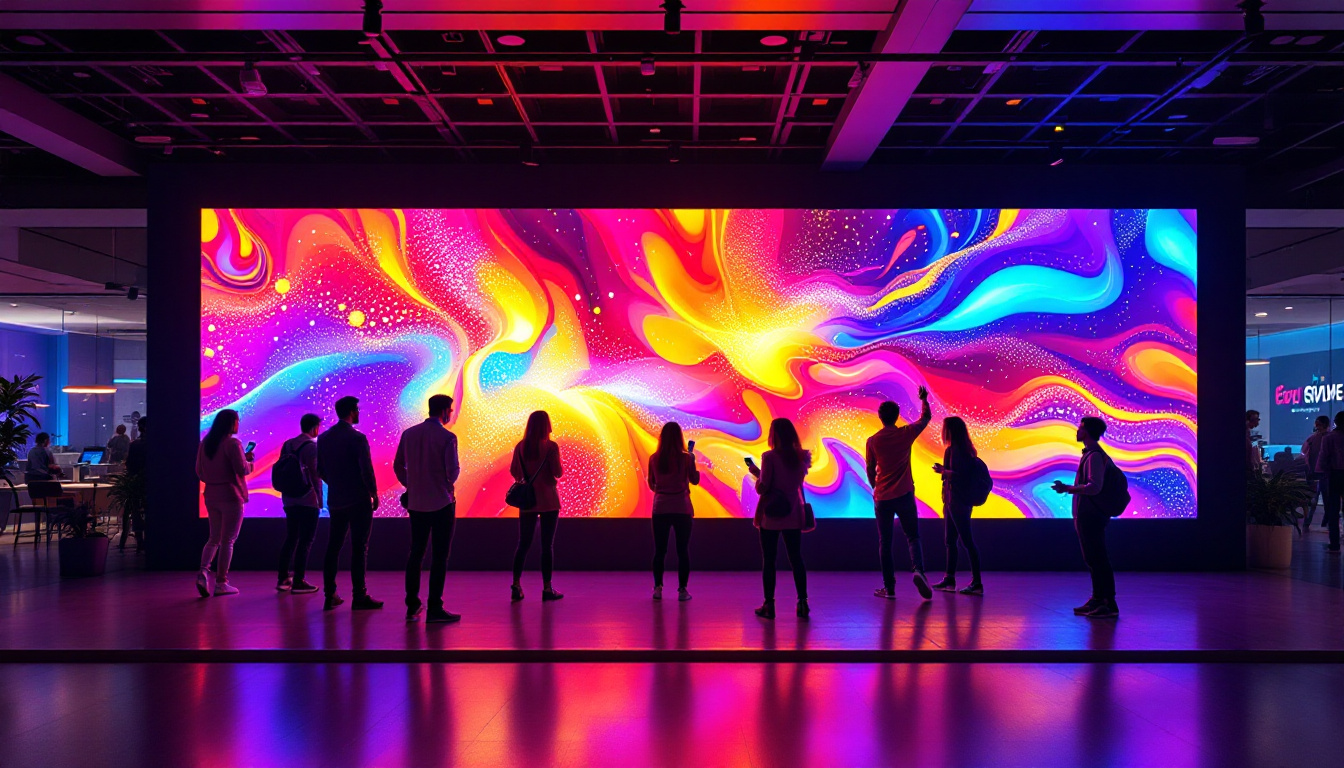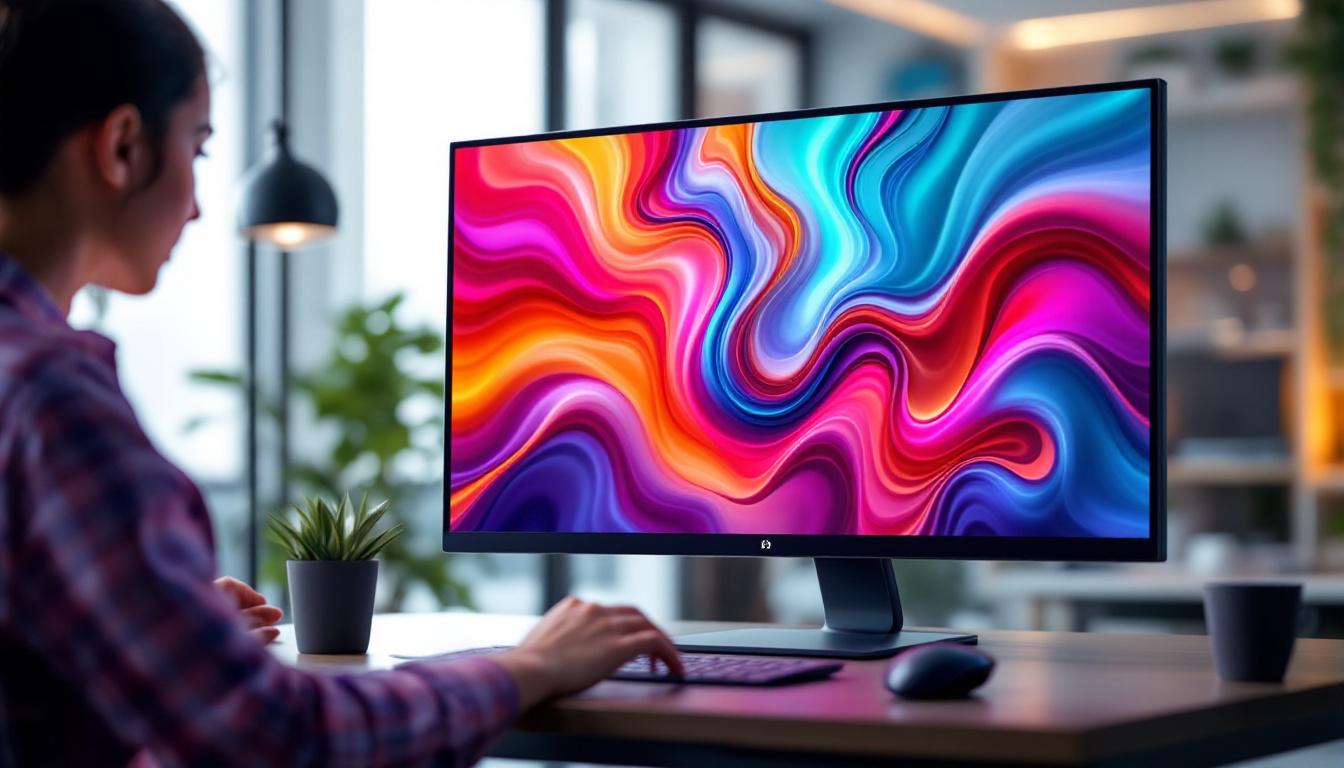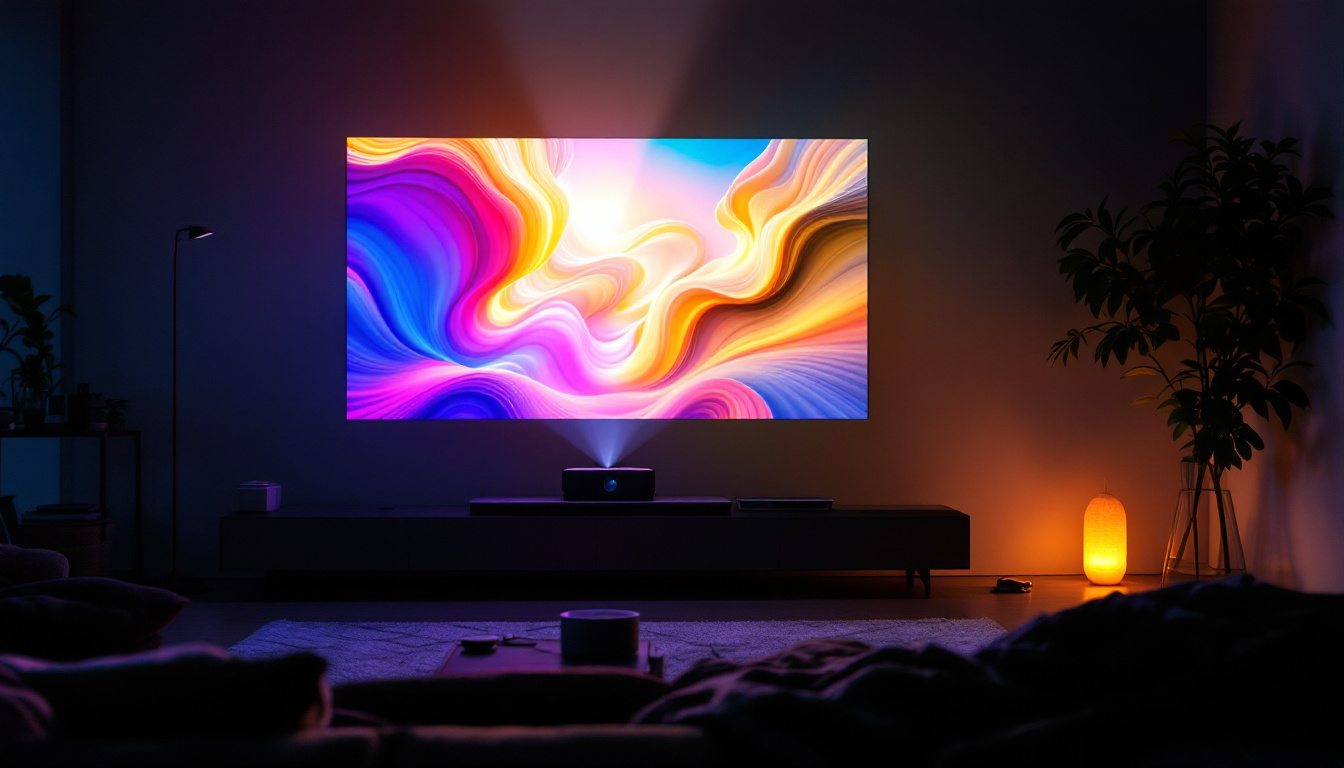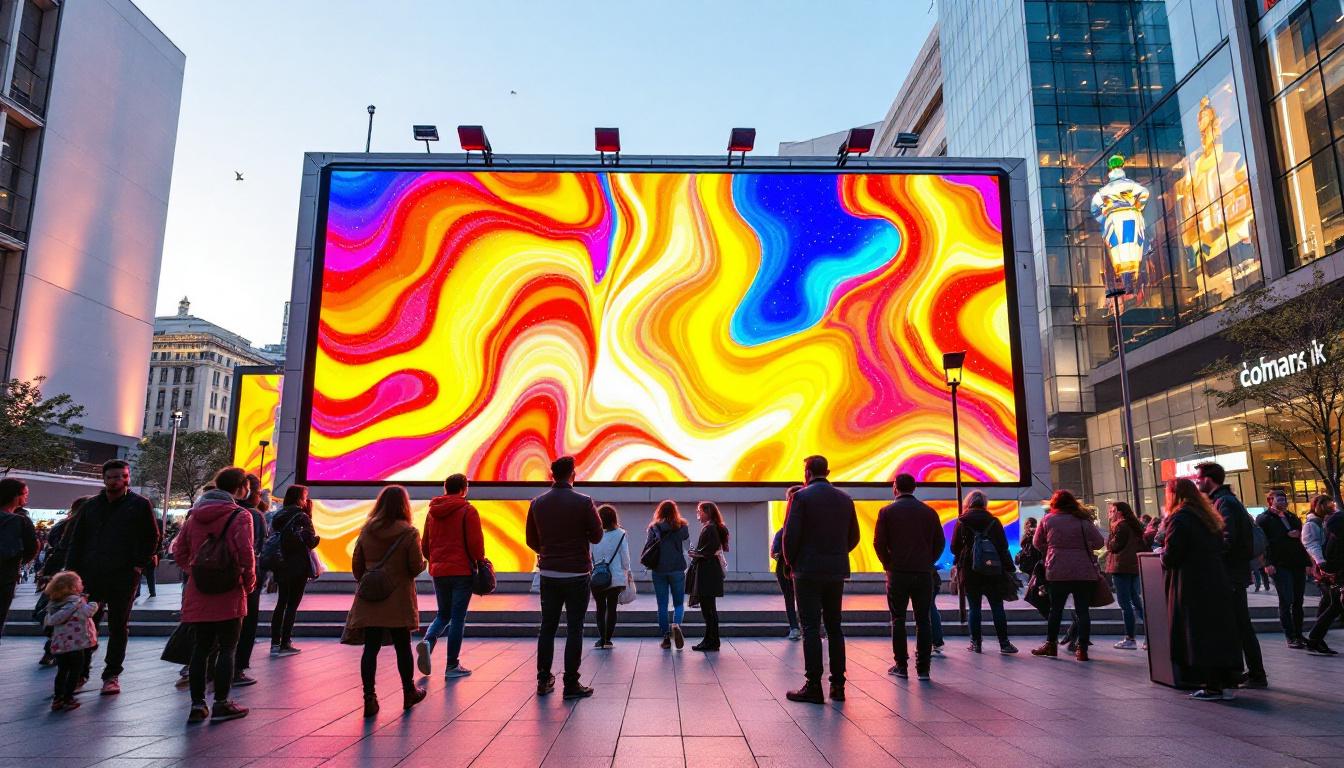
In today’s fast-paced world, visual communication plays a crucial role in capturing attention and conveying messages effectively. Among the many technologies available, LED displays have emerged as a dominant force in on-site digital signage, advertising, and information dissemination. From bustling city centers to sports arenas and retail environments, LED screens are transforming how businesses and organizations engage with their audiences.
This article explores the fundamentals of LED displays, their advantages, common applications, and key considerations for selecting and deploying these screens on site. Whether you are a marketing professional, event organizer, or facility manager, understanding LED technology will help you make informed decisions and maximize the impact of your visual installations.
What is an LED Display?
LED stands for Light Emitting Diode, a semiconductor device that emits light when an electric current passes through it. An LED display is a flat panel that uses an array of these tiny diodes to create images, videos, or text visible to the human eye. Unlike traditional LCD or projection screens, LED displays generate their own light, resulting in brighter, more vibrant visuals. This self-illuminating property not only enhances the display quality but also improves energy efficiency, making LED technology a more sustainable choice in the long run.
These displays come in various sizes and configurations, from small indoor panels to massive outdoor billboards. The modular nature of LED technology allows manufacturers to assemble screens of virtually any dimension by connecting multiple LED panels seamlessly. This flexibility has led to their widespread use in diverse applications, ranging from advertising and entertainment to information displays in airports and train stations. The ability to create custom shapes and sizes also means that LED displays can be integrated into architectural designs, enhancing the aesthetic appeal of buildings and public spaces.
How LED Displays Work
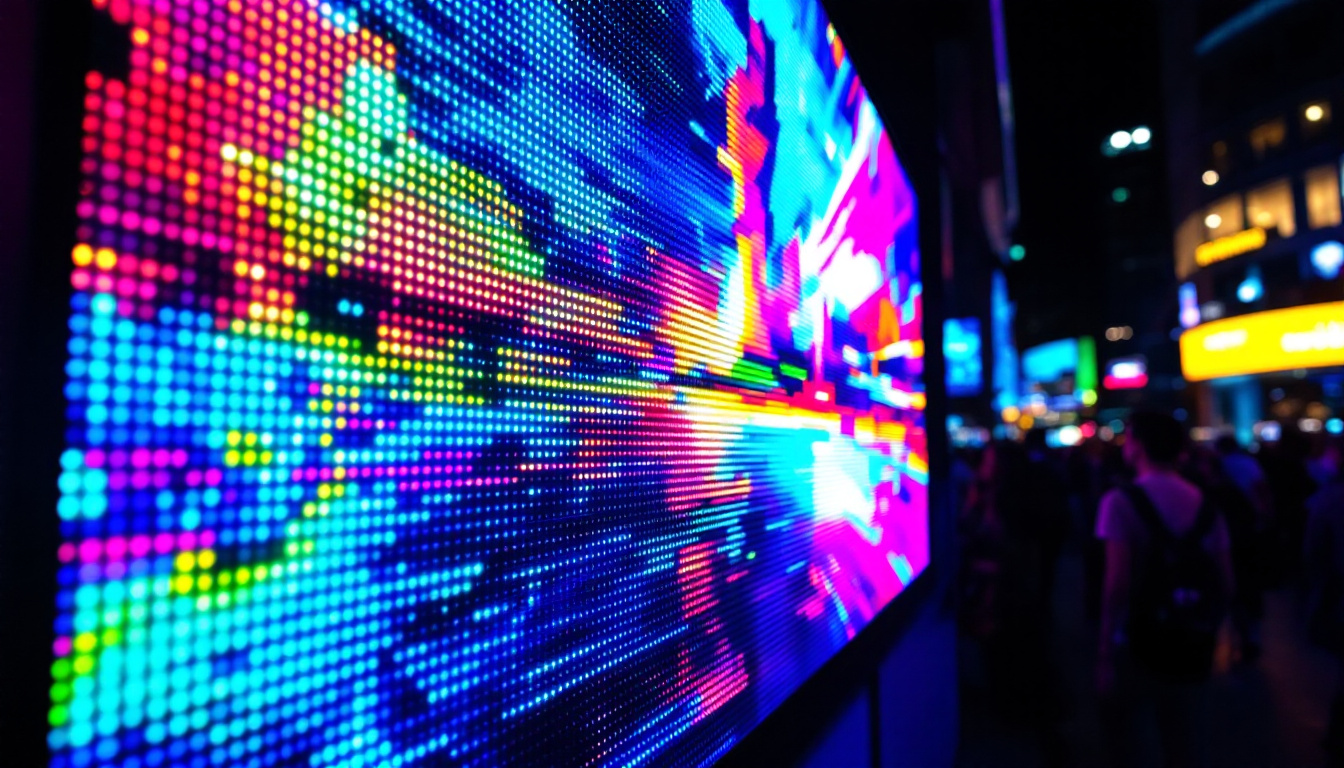
Each LED pixel consists of one or more diodes emitting red, green, and blue light. By adjusting the intensity of these primary colors, the display can produce a full spectrum of colors. The pixels are arranged in a grid, and the screen’s control system sends signals to each pixel to form the desired image. This precise control allows for dynamic content, such as animations and video playback, which can captivate audiences in various settings.
The density of pixels, often measured in pixel pitch (the distance in millimeters between the centers of two adjacent pixels), determines the resolution and clarity of the display. Smaller pixel pitches mean higher resolution and finer detail, which is especially important for close viewing distances. For instance, a pixel pitch of 2mm is ideal for indoor environments where viewers are close to the screen, while a larger pitch may be suitable for outdoor displays viewed from a distance. Additionally, advancements in LED technology, such as the development of microLED and miniLED, are pushing the boundaries of display resolution and color accuracy, promising even more stunning visual experiences in the future.
Advantages of LED Displays for On-Site Use
LED displays offer numerous benefits that make them ideal for on-site applications. These advantages have driven their widespread adoption across industries, from advertising and entertainment to public information and corporate communications.
High Brightness and Visibility
One of the most significant advantages of LED technology is its exceptional brightness. LED screens can achieve brightness levels of 5,000 to 10,000 nits or more, making them easily visible even in direct sunlight. This capability is essential for outdoor installations where ambient light conditions can be challenging.
In comparison, LCD screens typically max out around 500 to 1,000 nits. The superior brightness of LEDs ensures that messages remain clear and legible, enhancing engagement and effectiveness.
Durability and Weather Resistance
LED displays are built to withstand harsh environmental conditions. Outdoor LED screens are designed with waterproof and dustproof enclosures, often rated with IP65 or higher, which protects the electronics from rain, wind, and debris.
Additionally, LEDs have a long operational lifespan, often exceeding 100,000 hours. This durability reduces maintenance costs and downtime, making LED displays a reliable choice for continuous use on site.
Energy Efficiency
Compared to other lighting and display technologies, LEDs consume less power while delivering superior brightness. This energy efficiency translates into lower operating costs, which is especially important for large-scale or 24/7 installations.
Moreover, advances in LED driver technology and intelligent brightness control systems allow displays to adjust luminance based on ambient light, further optimizing energy consumption without compromising visibility.
Common Applications of LED Displays On Site
LED displays have become ubiquitous in many public and private spaces. Their versatility and impact make them suitable for a wide range of uses, each with unique requirements and benefits.
Outdoor Advertising and Billboards
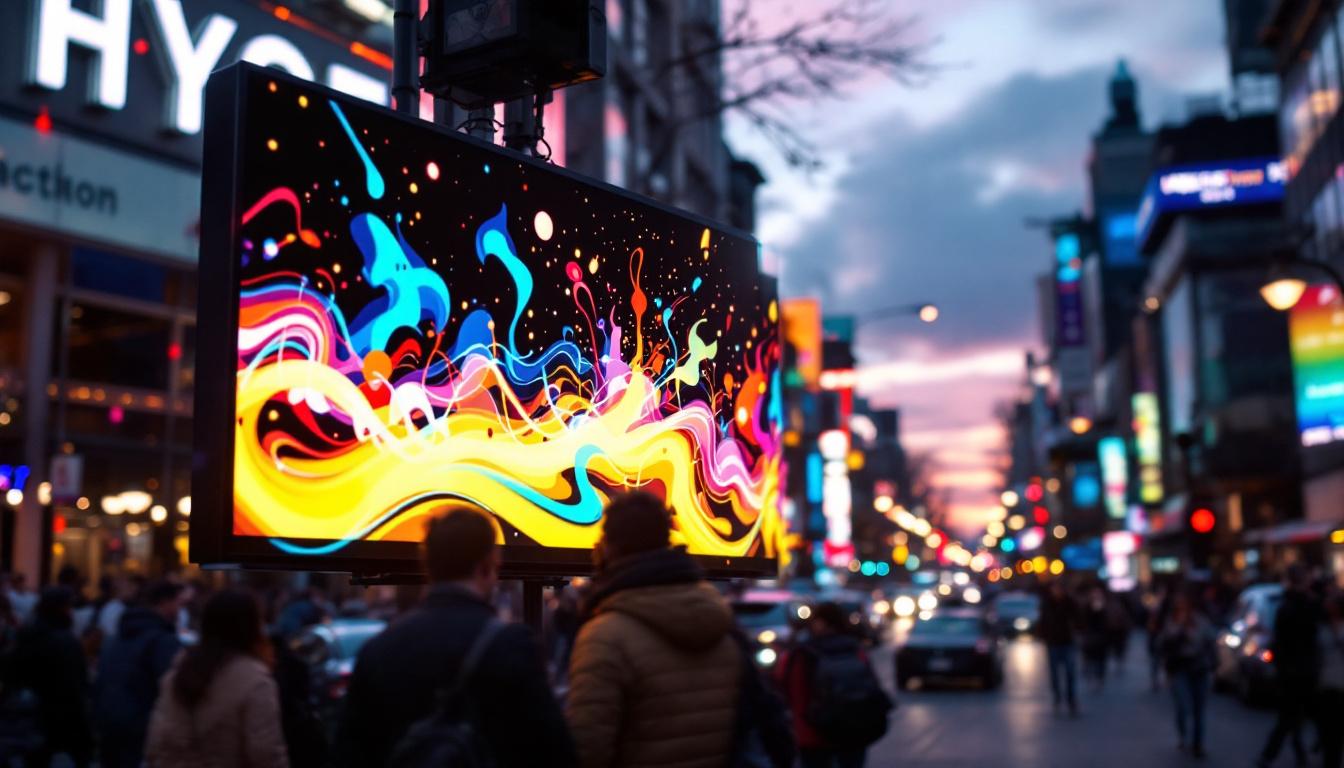
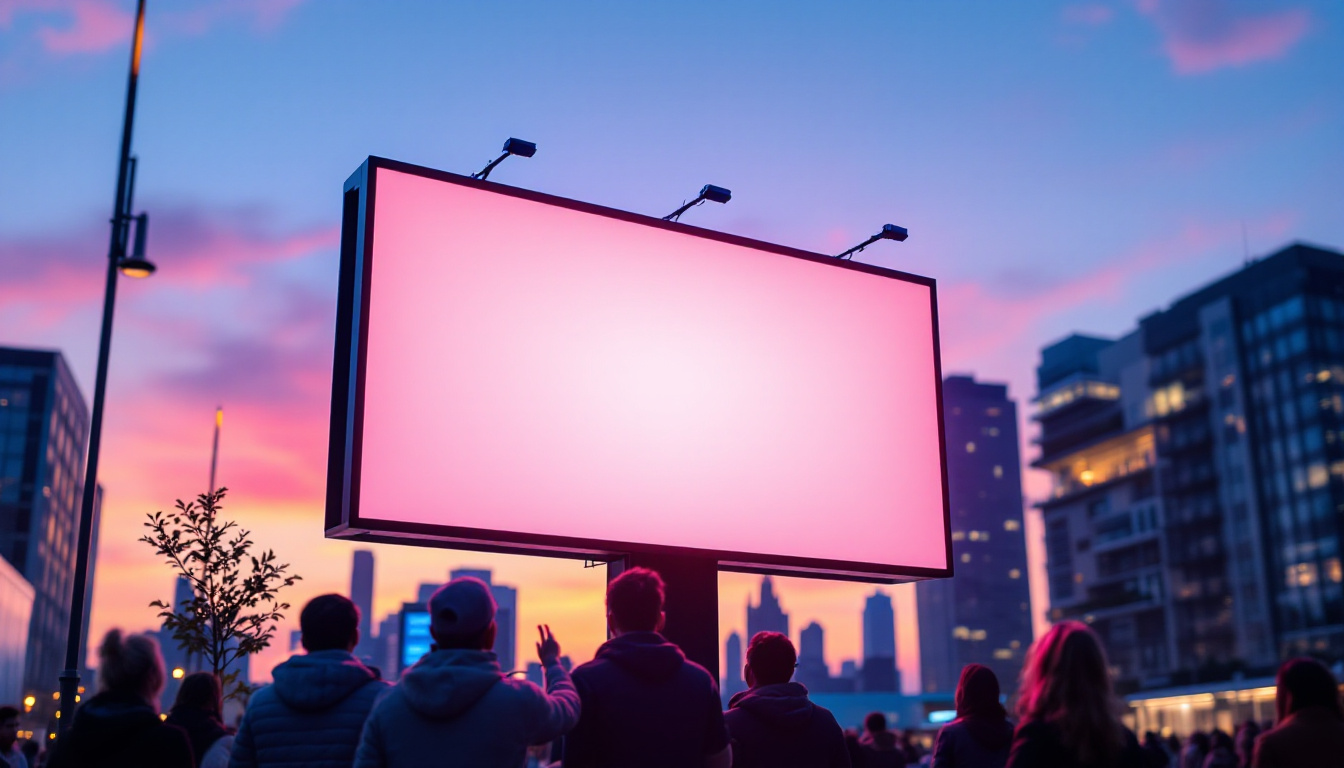
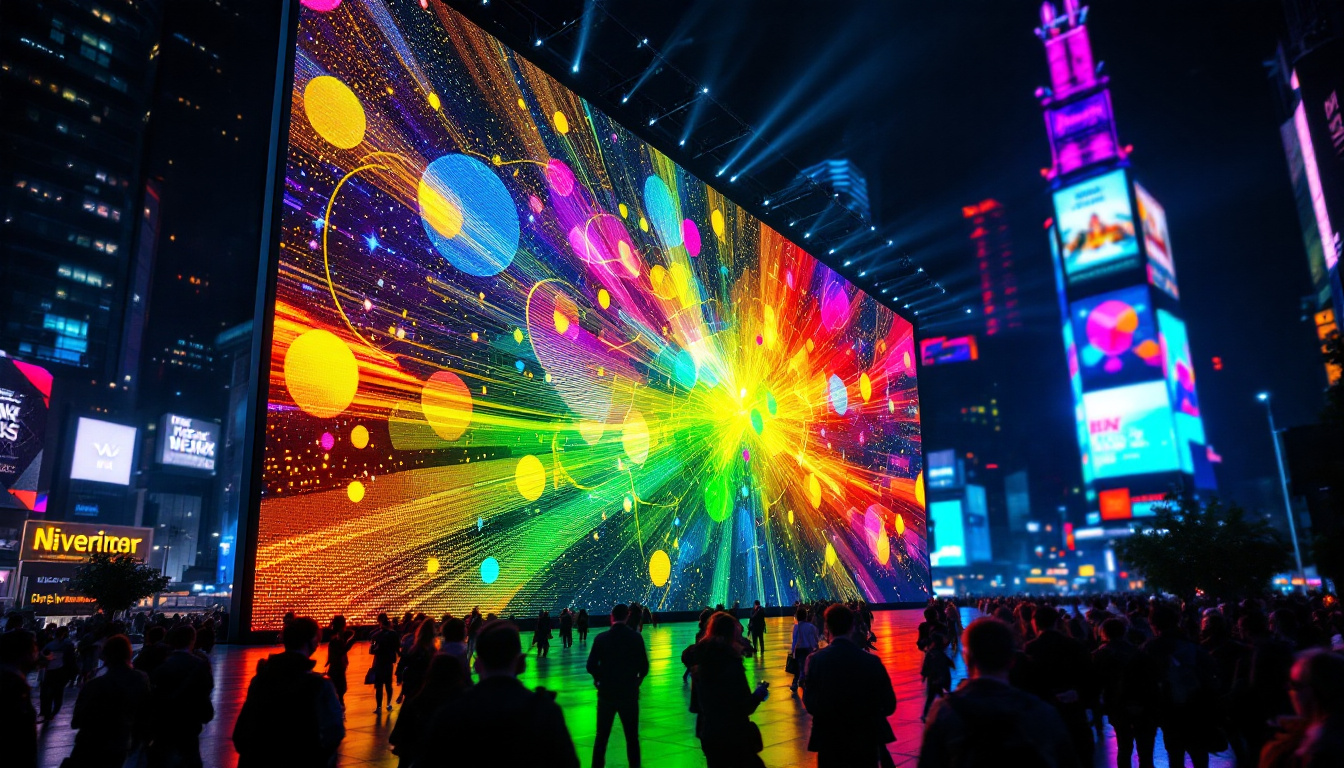
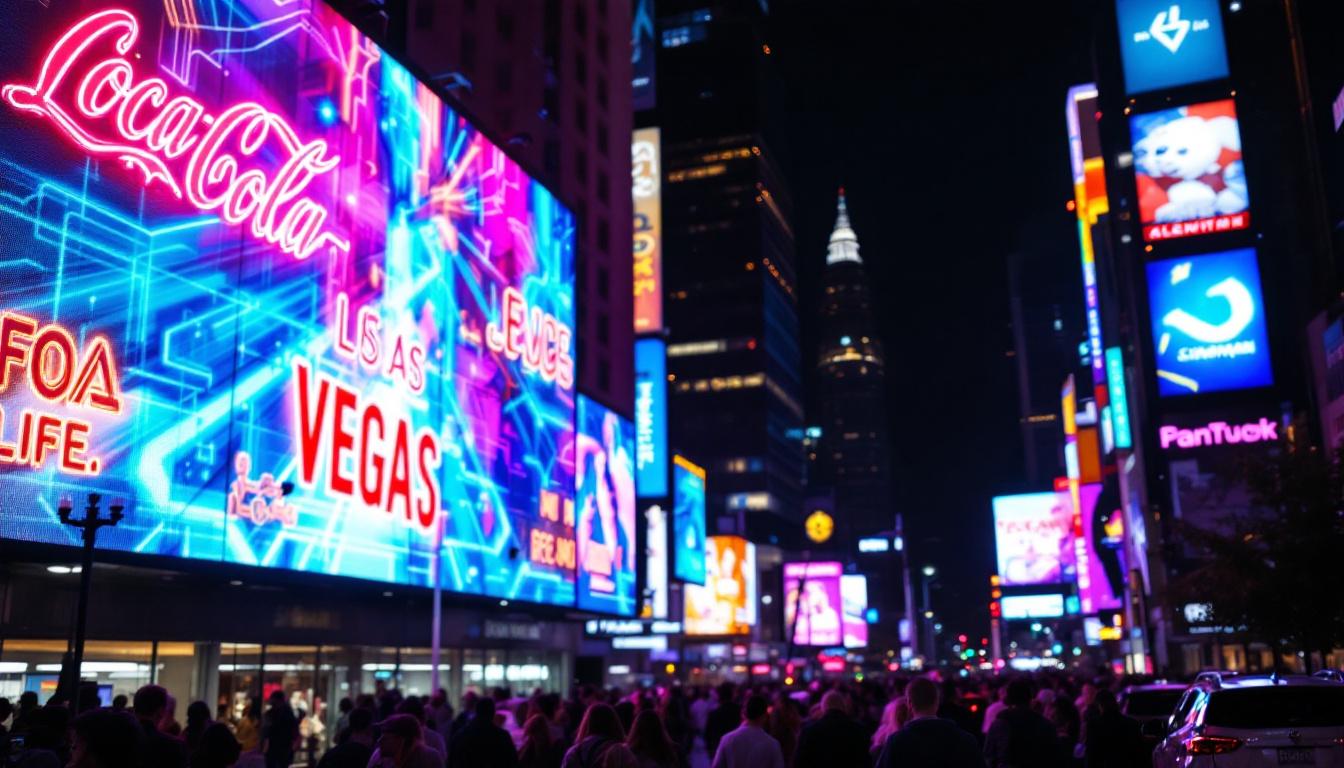
Digital billboards powered by LED technology have revolutionized outdoor advertising. According to the Outdoor Advertising Association of America, digital out-of-home (DOOH) advertising accounted for over 30% of total outdoor ad revenue in 2023, a figure that continues to grow.
LED billboards offer dynamic content capabilities, allowing advertisers to rotate multiple ads, display real-time information, or incorporate interactive elements. Their high brightness and visibility ensure messages reach large audiences effectively, even in busy urban environments.
Sports Arenas and Event Venues
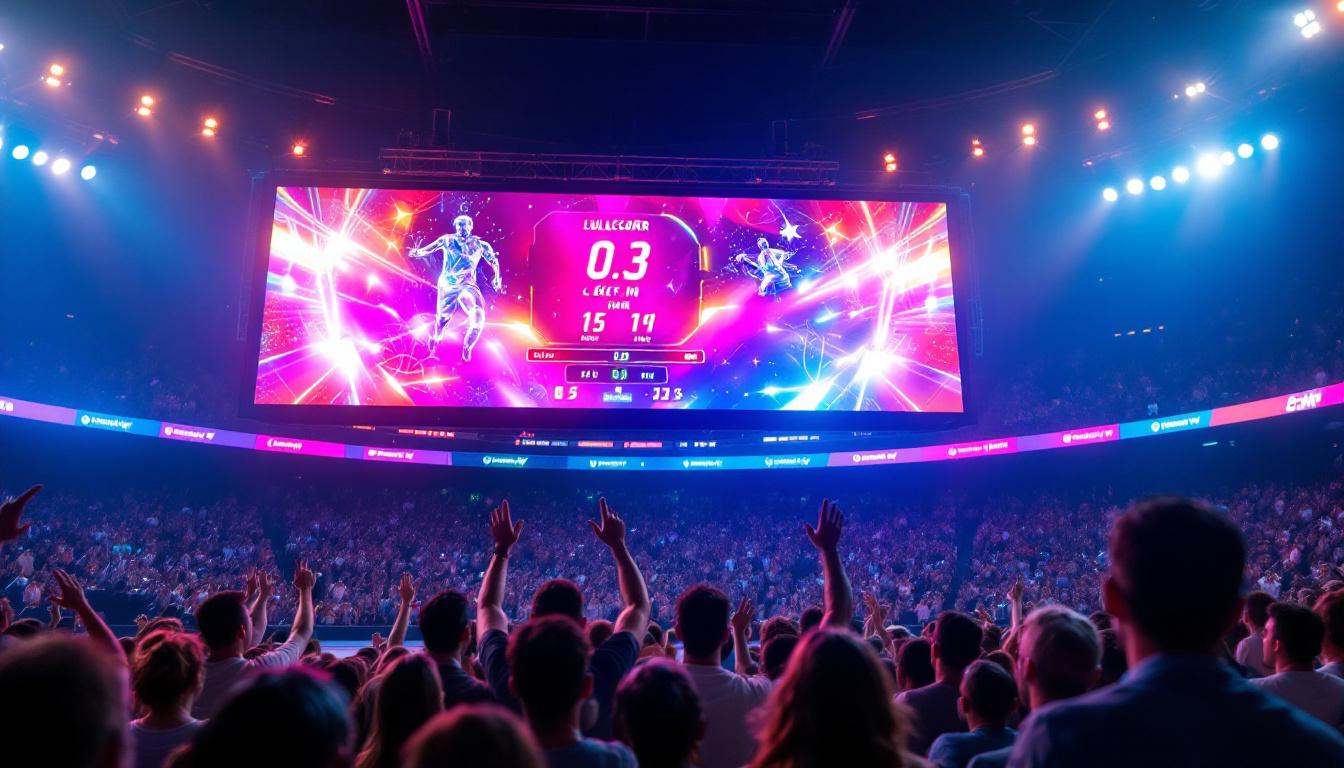
Stadiums and concert venues rely heavily on LED displays to enhance the spectator experience. Large LED video walls provide live game footage, instant replays, player stats, and promotional content, keeping fans engaged throughout the event.
For example, the AT&T Stadium in Texas features one of the world’s largest high-definition LED video boards, measuring 160 feet wide and 72 feet tall. Such installations demonstrate the scale and impact possible with LED technology.
Retail and Hospitality Environments
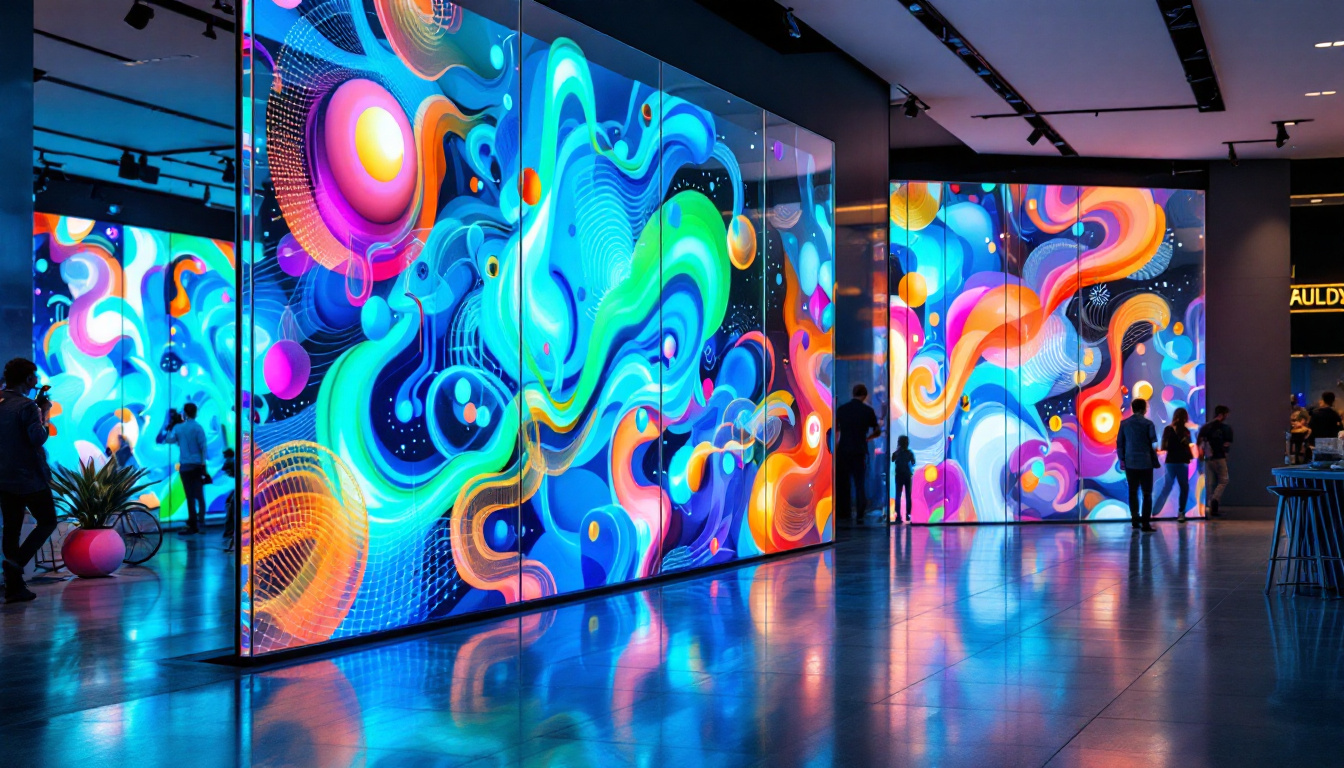
In retail stores, LED displays serve as digital signage to promote products, announce sales, or create immersive brand experiences. Their ability to display vibrant, eye-catching content helps attract customers and influence purchasing decisions.
Hotels, restaurants, and casinos also use LED screens for wayfinding, event promotion, and entertainment, creating an engaging atmosphere that enhances customer satisfaction.
Transportation Hubs and Public Spaces
Airports, train stations, and bus terminals utilize LED displays to provide real-time travel information, safety messages, and advertisements. Their clarity and brightness ensure critical information is easily accessible to travelers, improving overall efficiency and safety.
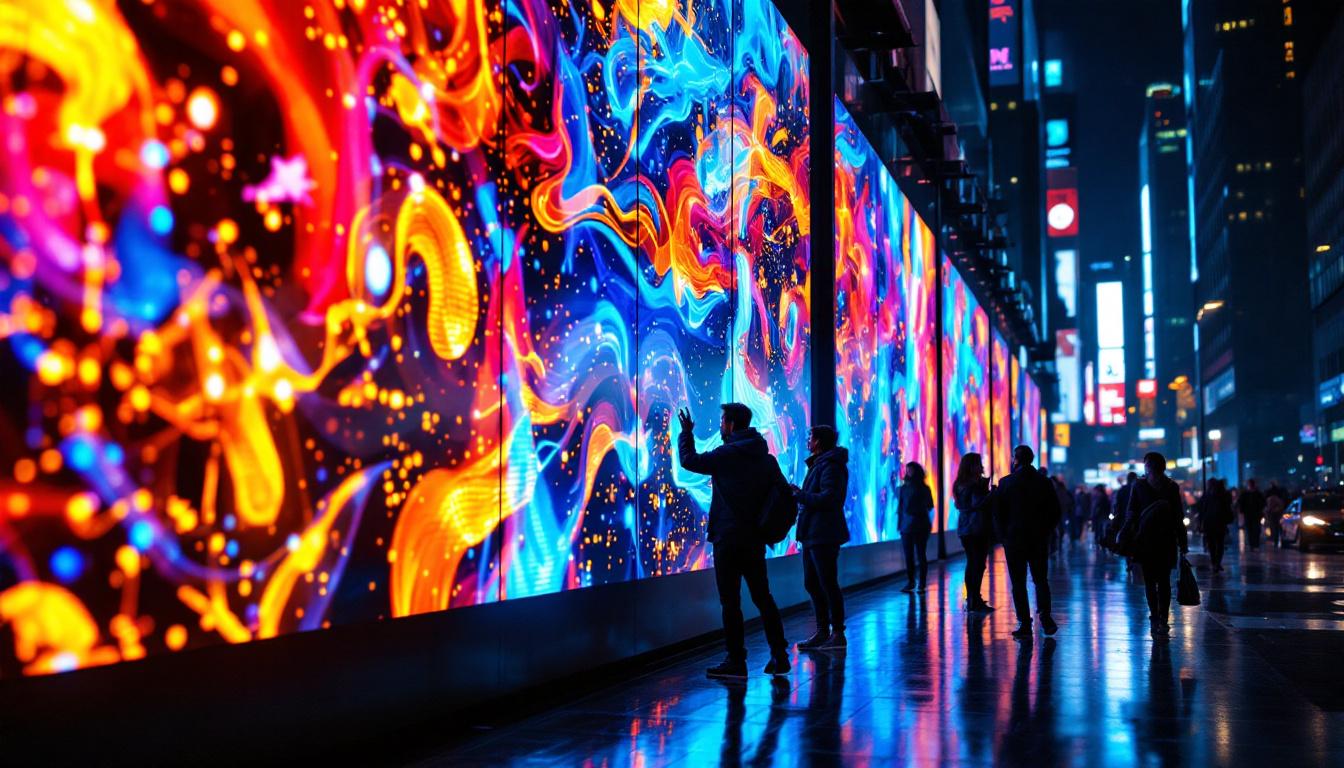
Similarly, city centers and public squares often feature LED screens for community announcements, cultural events, and emergency alerts, fostering communication and connectivity.
Key Considerations When Choosing LED Displays
Selecting the right LED display for a particular site involves evaluating several technical and practical factors. Understanding these considerations ensures the display meets performance expectations and budget constraints.
Pixel Pitch and Viewing Distance
Pixel pitch is a critical metric that influences image quality and suitability for different viewing distances. Smaller pixel pitches (e.g., 1.5mm to 3mm) provide high resolution and are ideal for indoor environments or locations where viewers are close to the screen.
For outdoor applications where viewers are typically farther away, larger pixel pitches (e.g., 6mm to 20mm) are more cost-effective while still delivering clear visuals. Choosing the appropriate pixel pitch balances image clarity with cost efficiency.
Brightness and Contrast Ratio
Brightness requirements depend on the installation environment. Outdoor screens require higher brightness to combat sunlight, while indoor screens can operate at lower brightness levels to reduce eye strain and energy use.
Contrast ratio, the difference between the darkest black and brightest white a screen can produce, also affects image quality. Higher contrast ratios enhance color depth and readability, especially in varying lighting conditions.
Installation and Maintenance
Consider the physical space, mounting options, and access for maintenance when planning an LED display installation. Modular panel designs facilitate easier repairs and upgrades, minimizing downtime.
Environmental factors such as temperature extremes, humidity, and exposure to pollutants should influence the choice of protective enclosures and cooling systems to ensure long-term reliability.
Content Management and Connectivity
Modern LED displays require robust content management systems (CMS) that allow remote control, scheduling, and content updates. Integration with existing IT infrastructure and compatibility with various media formats enhance operational flexibility.
Connectivity options, including wired Ethernet, Wi-Fi, or cellular networks, determine how easily content can be managed and updated, especially for multi-site deployments.
Future Trends in LED Display Technology
As LED technology continues to evolve, several trends are shaping the future of on-site digital displays.
MicroLED and MiniLED Innovations
MicroLED and MiniLED technologies represent the next generation of LED displays, offering even higher resolution, improved color accuracy, and better energy efficiency. These advancements enable thinner, lighter screens with superior performance for both indoor and outdoor use.
Interactive and Smart Displays
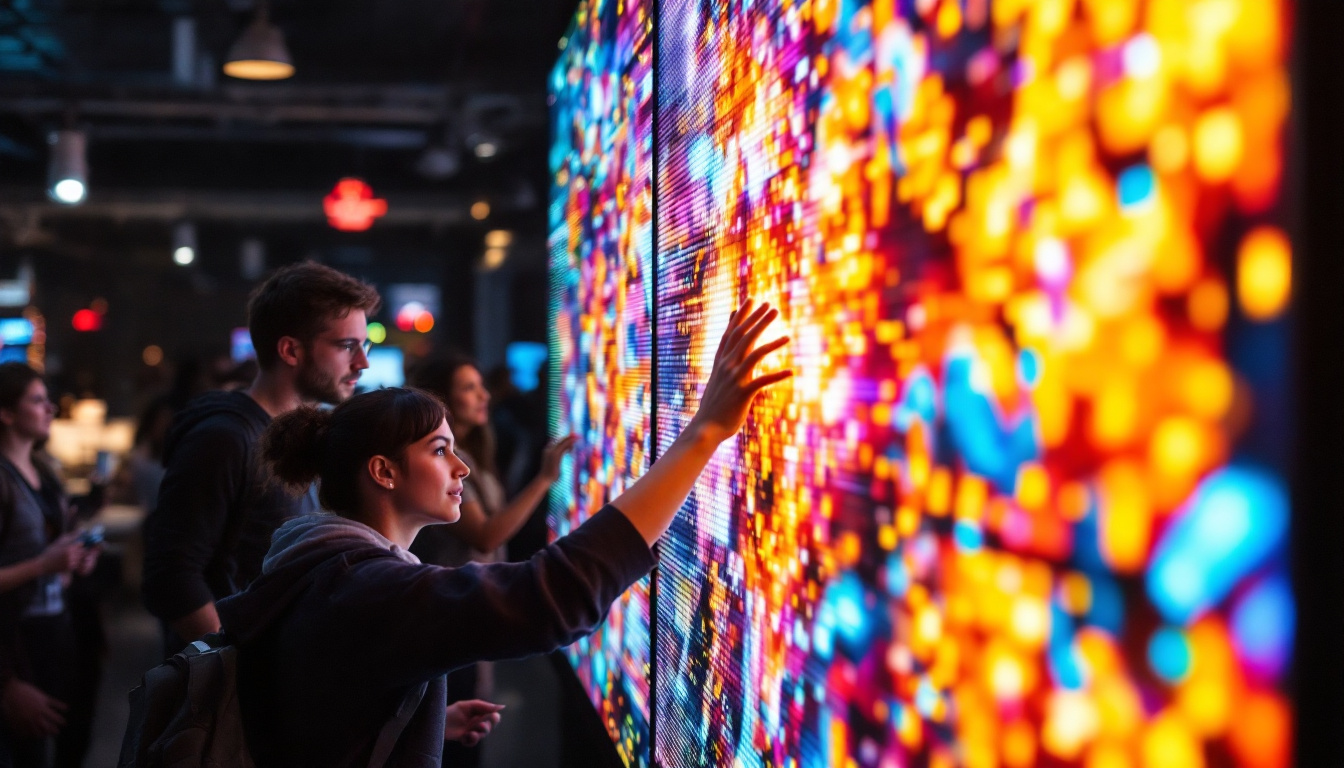
Integration of touch sensors, cameras, and artificial intelligence is transforming LED screens into interactive platforms. Smart displays can personalize content based on audience demographics, provide real-time analytics, and support augmented reality experiences.
Sustainability and Eco-Friendly Designs
With growing emphasis on environmental responsibility, manufacturers are focusing on reducing the carbon footprint of LED displays through recyclable materials, lower power consumption, and longer lifespans. Sustainable design practices are becoming a key selling point for clients and end users.
Conclusion
LED displays have become an indispensable tool for on-site communication, offering unmatched brightness, durability, and versatility. Their ability to deliver dynamic, high-impact content makes them ideal for a wide range of applications, from advertising and entertainment to public safety and information dissemination.
By understanding the technical aspects, benefits, and future trends of LED technology, organizations can make informed decisions that maximize the effectiveness of their visual installations. As LED displays continue to advance, they will play an increasingly vital role in shaping how people experience and interact with their environments.
Discover LumenMatrix LED Display Solutions
Ready to elevate your on-site communication with vibrant, energy-efficient, and durable LED displays? LumenMatrix is at the forefront of LED display innovation, offering a comprehensive range of solutions tailored to your needs. From Indoor and Outdoor LED Wall Displays to specialized options like Vehicle, Sports, and Custom LED Displays, we have the technology to bring your vision to life. Experience the future of visual engagement with our All-in-One and Transparent LED Displays. Check out LumenMatrix LED Display Solutions today and transform your space into a dynamic and captivating environment.