Signage LCD: LED Display Explained
In today’s fast-paced world, capturing attention quickly and effectively is crucial for businesses, public institutions, and advertisers alike. Digital signage has emerged as a powerful tool to engage audiences, convey messages dynamically, and enhance brand visibility. Among the various digital signage technologies, LCD and LED displays stand out as the most widely used and versatile options. This article delves into the intricacies of signage LCD and LED displays, explaining how they work, their differences, and why they matter for modern communication strategies.
Understanding the Basics: What Are LCD and LED Displays?
Before diving into their applications in signage, it’s important to understand what LCD and LED displays are at a fundamental level. Both technologies are types of flat-panel displays, but they operate differently and have distinct characteristics.
LCD Displays: Liquid Crystal Technology
LCD, or Liquid Crystal Display, technology uses liquid crystals sandwiched between two layers of glass or plastic. These crystals don’t emit light on their own; instead, they manipulate light from a backlight to produce images. The backlight is typically made of fluorescent lamps or LEDs, which shine through the liquid crystals that align to block or allow light to pass through colored filters, creating the visible image on the screen.
LCDs are known for their sharp image quality, energy efficiency, and relatively low production cost. They are widely used in everything from computer monitors and televisions to digital signage in retail stores and public spaces. One of the notable advantages of LCD technology is its ability to maintain consistent color accuracy and brightness levels across various viewing angles, making them ideal for environments where multiple viewers may be watching from different positions. Furthermore, advancements in LCD technology, such as the introduction of IPS (In-Plane Switching) panels, have significantly improved color reproduction and response times, enhancing the overall viewing experience.
LED Displays: Light Emitting Diode Technology
LED, or Light Emitting Diode, displays consist of tiny light-emitting diodes that produce their own light when an electric current passes through them. Unlike LCDs, LEDs don’t require a separate backlight. Instead, each diode acts as a pixel, emitting light in red, green, or blue to create a full-color image.
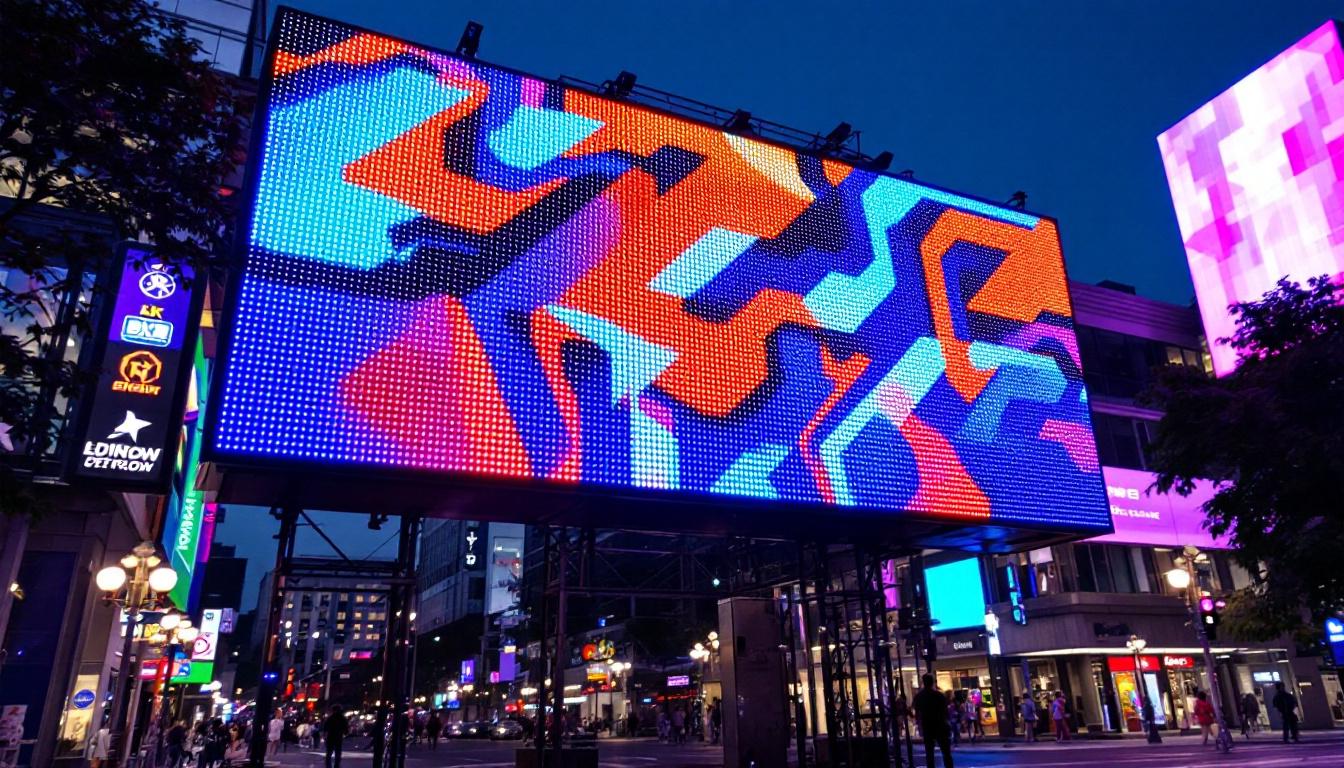
LED displays are often categorized into two types: direct-view LED displays and LED-backlit LCDs. Direct-view LED displays are composed entirely of LEDs and are commonly used for large outdoor screens and billboards. These displays can achieve remarkable brightness levels, making them visible even in direct sunlight, which is a significant advantage for advertising and public announcements. LED-backlit LCDs, on the other hand, use LEDs as the backlight source for LCD panels, combining the benefits of both technologies. This hybrid approach not only enhances the brightness and contrast of the images displayed but also contributes to a thinner and lighter design, making them a popular choice for modern televisions and mobile devices. Additionally, LED technology is known for its longevity and durability, often outlasting traditional display technologies, which makes it a cost-effective solution in the long run.
Key Differences Between LCD and LED Displays in Signage
When selecting digital signage solutions, understanding the differences between LCD and LED displays is essential for making informed decisions that align with specific use cases and environments.
Brightness and Visibility
One of the most significant differences lies in brightness levels. LED displays generally offer higher brightness compared to traditional LCDs, making them ideal for outdoor and brightly lit environments. For example, LED billboards can reach brightness levels exceeding 5,000 nits, ensuring visibility even under direct sunlight.
In contrast, standard LCD panels typically have brightness levels ranging from 200 to 1,000 nits, which is sufficient for indoor settings such as retail stores, airports, and conference rooms. However, LED-backlit LCDs can achieve higher brightness than older CCFL-backlit LCDs, narrowing the gap somewhat.
Color Accuracy and Image Quality
LCD displays are known for their excellent color accuracy and sharp image reproduction, making them suitable for applications where detailed visuals and precise color representation are critical. High-end LCD panels can cover a wide color gamut and offer consistent color uniformity across the screen.
Direct-view LED displays, while improving rapidly, sometimes face challenges with color consistency, especially in lower-resolution or large-format installations. However, advancements in LED technology, such as fine-pitch LEDs, have significantly enhanced image quality, allowing for crisp and vibrant visuals even at close viewing distances.
Durability and Lifespan
LED displays generally have a longer lifespan and better durability compared to LCDs. LEDs can last upwards of 100,000 hours under optimal conditions, whereas LCD panels typically last between 30,000 to 60,000 hours depending on usage and backlight type.
Additionally, LED displays are more resistant to physical damage and environmental factors like temperature fluctuations and moisture, making them well-suited for outdoor and industrial applications. LCDs, being more delicate, are better suited for controlled indoor environments.
Energy Consumption
Energy efficiency is a key consideration for digital signage, especially for large-scale deployments. LED displays tend to consume less power than traditional LCDs with fluorescent backlighting. The introduction of LED backlighting in LCDs has improved their energy efficiency, but direct-view LED displays still hold an advantage, particularly for large outdoor signage where high brightness is required.
Applications of LCD and LED Displays in Signage
Both LCD and LED displays have found extensive applications in various signage contexts, each excelling in different scenarios based on their unique properties.
Indoor Digital Signage: LCD Displays Leading the Way
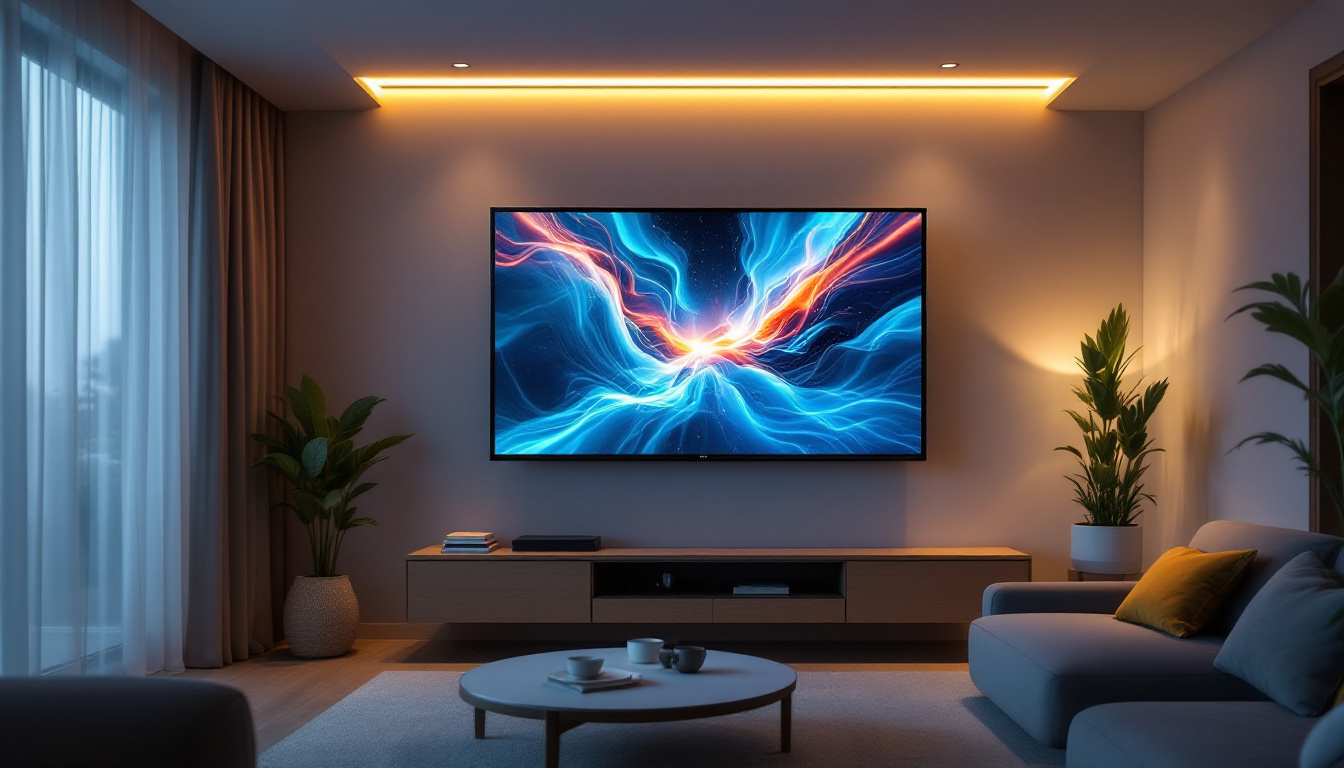
Indoor environments such as retail stores, shopping malls, airports, hotels, and corporate offices commonly use LCD displays for digital signage. Their ability to deliver sharp images with accurate colors makes them ideal for advertising, wayfinding, menu boards, and informational displays.
For example, a retail store might use a 55-inch LCD display to showcase promotional videos and dynamic pricing, leveraging the screen’s high resolution to attract customers’ attention. Additionally, LCD displays are often integrated into interactive kiosks, providing touch-enabled experiences that enhance customer engagement.
Outdoor and Large-Scale Signage: The Domain of LED Displays
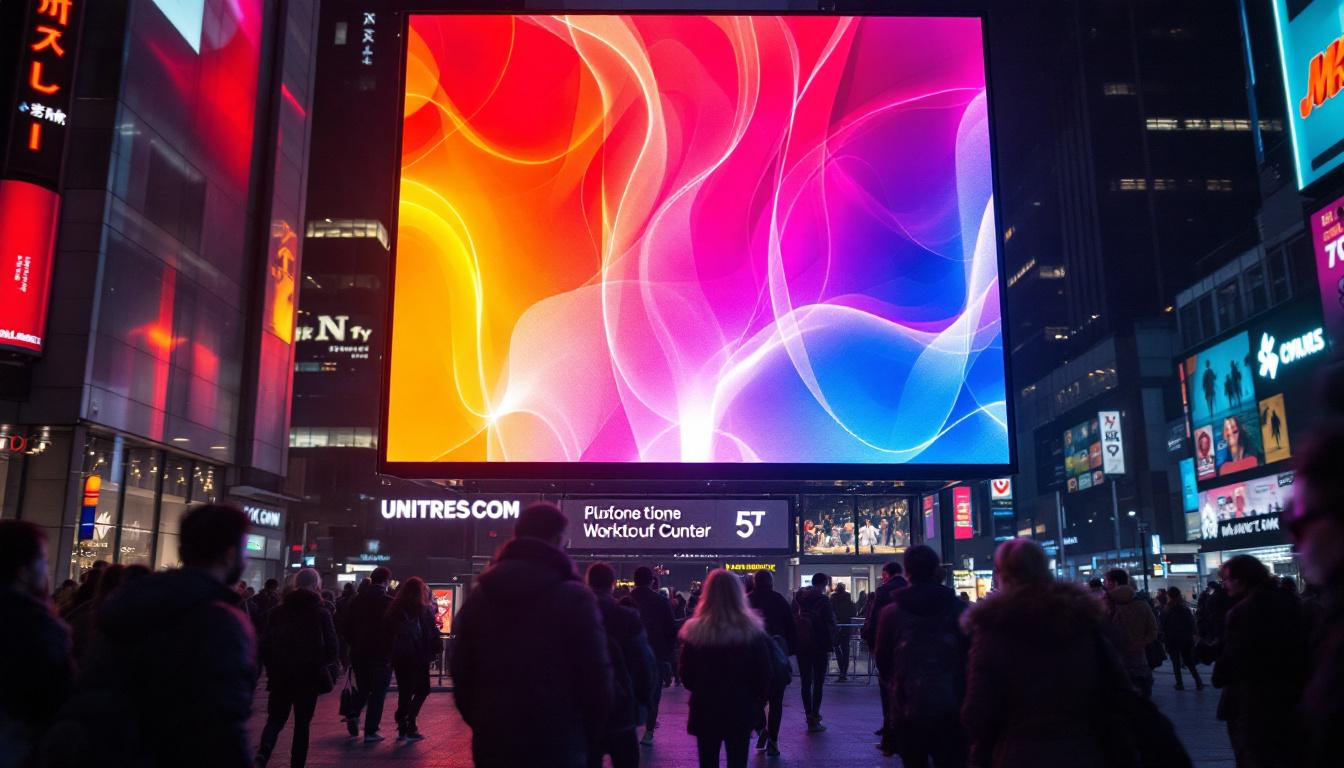
Outdoor signage demands high brightness, weather resistance, and durability—qualities where LED displays excel. From towering billboards along highways to stadium screens and public transportation hubs, LED displays are the go-to choice for impactful outdoor advertising and public messaging.
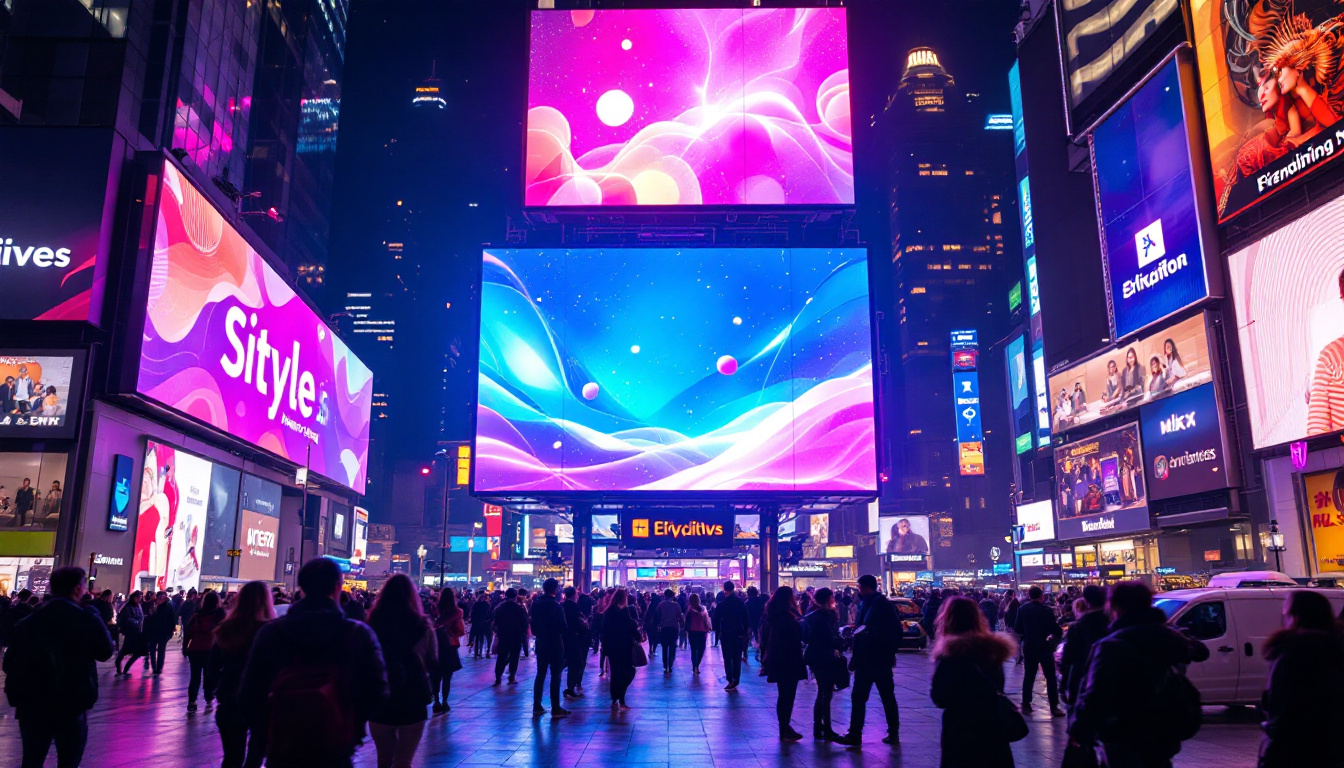
For instance, Times Square in New York City features massive direct-view LED displays that deliver vibrant advertisements visible from great distances, day or night. Similarly, sports arenas use LED screens to broadcast live action, replays, and advertisements, enhancing the spectator experience.
Hybrid Solutions: Combining LCD and LED Technologies
Many modern signage solutions combine the strengths of both technologies. LED-backlit LCD panels are common in indoor digital signage, offering improved brightness and energy efficiency over traditional LCDs. Additionally, some installations use LCD screens for detailed content and LED panels for large-scale, high-impact visuals, creating a comprehensive signage ecosystem.
Emerging Trends and Innovations in Signage Display Technology
The digital signage industry continues to evolve rapidly, driven by technological advancements and changing consumer expectations. Understanding current trends helps businesses stay competitive and leverage the latest innovations.
Fine-Pitch LED Displays: Bridging the Gap
Fine-pitch LED displays feature smaller pixel spacing, allowing for higher resolution and closer viewing distances. This technology has enabled LED displays to enter indoor markets traditionally dominated by LCDs, such as retail and corporate environments.
With pixel pitches as small as 0.9 mm, fine-pitch LEDs deliver stunning image clarity and color accuracy, making them suitable for video walls, control rooms, and immersive digital experiences.
Flexible and Transparent Displays
Innovations in LED and LCD technology have led to flexible and transparent displays, expanding creative possibilities in signage design. Transparent LED displays allow content to be displayed on glass surfaces without obstructing the view, ideal for storefront windows and architectural integration.
Flexible OLED and LCD panels enable curved or irregularly shaped signage, adding a new dimension to visual storytelling and brand expression.
Integration with IoT and AI
Smart signage solutions increasingly incorporate Internet of Things (IoT) sensors and artificial intelligence (AI) to deliver personalized and context-aware content. For example, facial recognition and demographic analysis can tailor advertisements based on the audience, increasing engagement and conversion rates.
IoT-enabled displays can also monitor environmental conditions, adjust brightness automatically, and provide real-time analytics, optimizing performance and maintenance.
Choosing the Right Display for Your Signage Needs
Selecting the appropriate display technology depends on multiple factors including location, budget, content type, and audience engagement goals. A thorough understanding of LCD and LED displays’ strengths and limitations ensures the best fit for each application.
Assessing Environmental Conditions
For outdoor signage exposed to sunlight, weather, and varying temperatures, direct-view LED displays are typically the best choice due to their brightness and durability. Indoor environments with controlled lighting can benefit from LCD displays’ superior image quality and cost-effectiveness.
Content and Viewing Distance Considerations
The nature of the content and expected viewing distance also influence the choice. High-resolution, detailed content viewed up close favors LCD or fine-pitch LED displays, while large-format, high-impact visuals for distant viewing are better suited to standard-pitch LED panels.
Budget and Maintenance
Initial investment and ongoing maintenance costs must be balanced against performance requirements. While LED displays often have higher upfront costs, their longevity and lower energy consumption can result in cost savings over time. LCD displays may be more affordable initially but might require more frequent replacement or repairs.
Conclusion
Digital signage is an indispensable tool in modern communication, and understanding the nuances of LCD and LED display technologies is key to leveraging their full potential. LCD displays excel in delivering sharp, color-accurate images in indoor settings, while LED displays dominate outdoor and large-scale applications with their brightness and durability.
Emerging technologies such as fine-pitch LEDs, flexible displays, and AI integration continue to push the boundaries of what signage can achieve, offering exciting opportunities for businesses and organizations to connect with their audiences more effectively than ever before.
By carefully evaluating environmental factors, content needs, and budget constraints, decision-makers can select the ideal signage display technology to maximize impact and return on investment in their digital signage initiatives.
Discover LumenMatrix’s Innovative LED Display Solutions
Ready to elevate your digital signage with unparalleled clarity and vibrancy? LumenMatrix is at the forefront of LED display technology, offering a comprehensive range of solutions tailored to your unique needs. From captivating Indoor LED Wall Displays to robust Outdoor LED Wall Displays, and from dynamic Vehicle LED Displays to sleek LED Poster Displays, our products are designed to make a lasting impression. Explore our innovative LED Sports Displays, interactive Floor LED Displays, and the transformative possibilities of Custom and All-in-One LED Display solutions, including the cutting-edge LED Transparent Display. Embrace the future of visual communication with LumenMatrix and create experiences that resonate. Check out LumenMatrix LED Display Solutions today and start your journey towards impactful and engaging digital storytelling.