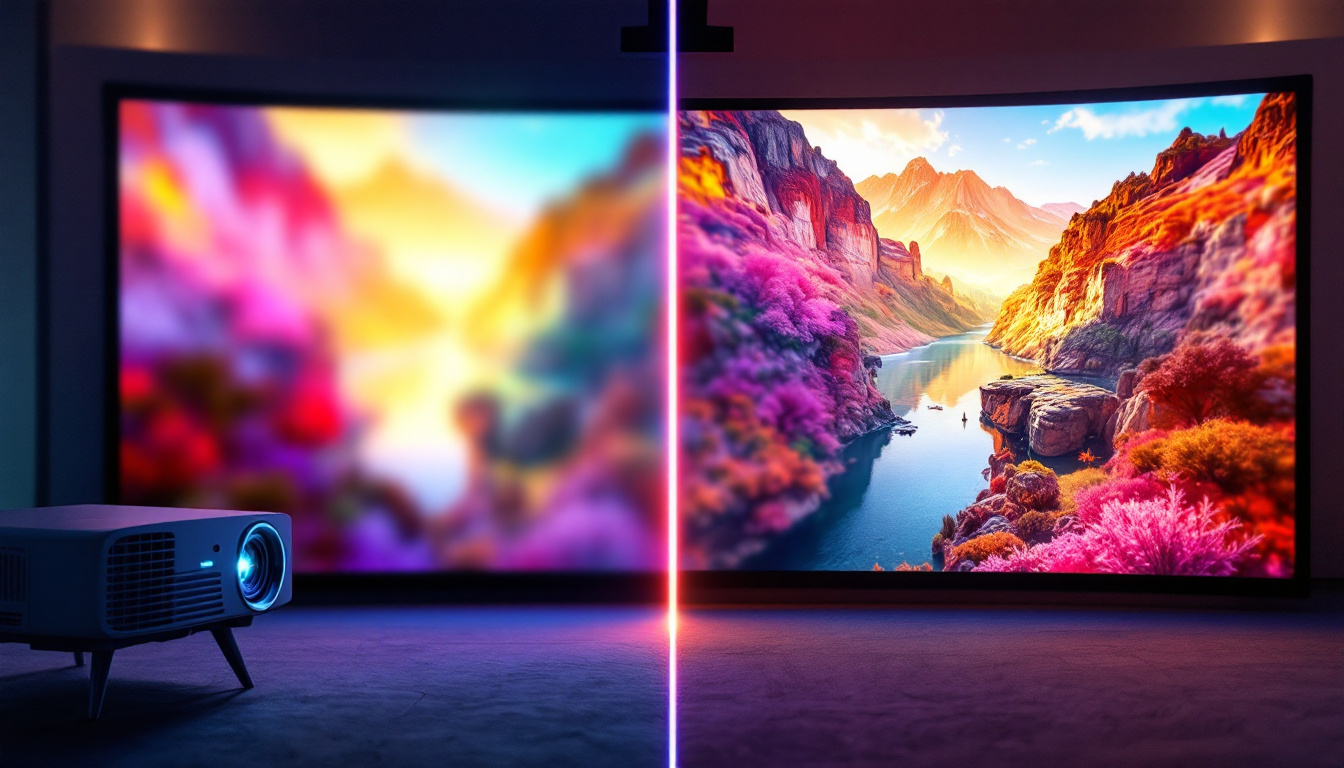
In the rapidly evolving world of television technology, LED displays have become the standard for modern TV units. Whether you’re shopping for a new TV or simply curious about how your current set works, understanding LED display technology is essential. This article delves into the fundamentals of LED displays, their advantages, how they compare to other display types, and what to consider when choosing an LED TV.
Understanding LED Display Technology
What Does LED Stand For?
LED stands for Light Emitting Diode, a semiconductor device that emits light when an electric current passes through it. In the context of TV displays, LEDs are used as a backlighting source for LCD (Liquid Crystal Display) panels. This combination results in what is commonly referred to as an LED TV.
Unlike older LCD TVs that relied on cold cathode fluorescent lamps (CCFL) for backlighting, LED TVs use arrays of tiny LEDs, which offer better brightness, contrast, and energy efficiency. The LEDs themselves do not form the image; instead, they illuminate the liquid crystals that control the light passing through to create the picture. This innovation has revolutionized the viewing experience, allowing for thinner screens and more vibrant colors, making LED technology a popular choice among consumers.
Types of LED Backlighting
There are primarily two types of LED backlighting used in TV display units: Edge-lit and Direct-lit (or Full-array).
- Edge-lit LED: LEDs are positioned along the edges of the screen, and light is spread across the display using light guides. This design allows for thinner TVs but can sometimes result in uneven brightness or contrast.
- Direct-lit (Full-array) LED: LEDs are placed directly behind the screen in a grid pattern. This setup allows for better control over brightness and contrast, especially when combined with local dimming technology, which dims or brightens specific zones of the screen for deeper blacks and more vivid colors.
Understanding these types is crucial when selecting a TV, as they impact picture quality and price. Additionally, the choice between edge-lit and direct-lit can influence the overall viewing experience, particularly in darker environments where contrast and black levels are more pronounced. For instance, while edge-lit displays may suffice for well-lit rooms, serious movie enthusiasts often prefer direct-lit models for their superior performance in dim lighting conditions.
Moreover, advancements in LED technology continue to evolve, leading to the emergence of new variations such as Mini-LED and MicroLED. Mini-LED technology utilizes smaller LEDs, allowing for more precise control of local dimming zones, which enhances contrast and color accuracy even further. MicroLED, on the other hand, represents a groundbreaking shift by using microscopic LEDs that can produce their own light, eliminating the need for a backlight altogether. This not only results in stunning picture quality but also offers the potential for modular displays, paving the way for innovative screen sizes and shapes that can be tailored to individual preferences.
How LED Displays Work in TVs
The Role of Liquid Crystals and Backlighting
At the heart of an LED TV is the LCD panel, which contains millions of tiny liquid crystal cells. These cells can twist and align to block or allow light to pass through colored filters, producing the images you see on the screen. However, LCDs do not emit light on their own, which is why backlighting is necessary.
The LED backlight shines through the LCD panel, and the liquid crystals modulate this light to create the desired colors and images. This process allows for high-resolution images with vibrant colors and sharp contrast.
Local Dimming and Contrast Enhancement
One of the significant advancements in LED TV technology is local dimming. This feature enables the TV to dim or brighten specific sections of the LED backlight independently. By doing so, the TV can produce deeper blacks in dark scenes and brighter highlights in bright scenes, enhancing overall picture quality.
Local dimming is especially effective in full-array LED TVs, where the backlight is divided into multiple zones. This technology elevates the viewing experience by increasing contrast ratios and reducing halo effects around bright objects on dark backgrounds.
Advantages of LED Displays Over Other Technologies
Energy Efficiency and Longevity
Compared to older CCFL-backlit LCD TVs and plasma displays, LED TVs are significantly more energy-efficient. LEDs consume less power while providing higher brightness levels, which not only reduces electricity bills but also contributes to environmental sustainability.
Moreover, LEDs have a longer lifespan, often exceeding 60,000 hours of use. This durability means LED TVs tend to maintain their brightness and color accuracy longer than other display types, offering better value over time.
Picture Quality Improvements
LED TVs generally offer superior picture quality compared to traditional LCD and plasma TVs. The use of LED backlighting allows for higher brightness levels, better color accuracy, and improved contrast ratios. This is particularly noticeable in HDR (High Dynamic Range) content, where enhanced brightness and contrast bring out more detail in both shadows and highlights.
Additionally, LED displays support a wide color gamut, enabling more vivid and lifelike colors. This makes them ideal for watching movies, sports, and gaming, where picture quality significantly impacts the viewing experience.
Design and Form Factor
LED technology has enabled manufacturers to produce thinner and lighter TVs. Edge-lit LED designs, in particular, allow for ultra-slim profiles that blend seamlessly into modern living spaces. This sleek design aesthetic is a major selling point for consumers looking to integrate their TV units into stylish home interiors.
Comparing LED Displays to OLED and QLED
LED vs OLED
While LED TVs use LED backlighting behind an LCD panel, OLED (Organic Light Emitting Diode) TVs use self-emitting pixels that produce their own light. This fundamental difference results in several advantages and disadvantages for each technology.
OLED TVs offer perfect blacks, as individual pixels can be turned off completely, leading to infinite contrast ratios. They also tend to have wider viewing angles and faster response times, making them excellent for dark-room viewing and fast-paced content like gaming.
However, OLEDs are generally more expensive and can be susceptible to burn-in, where static images leave a permanent mark on the screen. LED TVs, especially those with local dimming, have improved contrast but cannot match the absolute black levels of OLEDs.
LED vs QLED
QLED (Quantum Dot LED) is a marketing term used primarily by Samsung to describe LED TVs that incorporate quantum dot technology. Quantum dots are microscopic semiconductor particles that emit precise colors when illuminated by an LED backlight.
QLED TVs typically offer higher brightness levels and a wider color gamut than standard LED TVs, making them particularly effective in bright viewing environments. They also tend to have longer lifespans and are less prone to burn-in compared to OLEDs.
In essence, QLED is an enhanced form of LED technology, combining the benefits of LED backlighting with quantum dots to improve color accuracy and brightness.
Key Features to Consider When Buying an LED TV
Screen Size and Resolution
Choosing the right screen size depends on the viewing distance and room size. As a general rule, a larger screen is preferable for immersive viewing, but it should fit comfortably within your space. Common sizes range from 43 inches to over 75 inches.
Resolution is another critical factor. Most modern LED TVs offer 4K Ultra HD resolution (3840 x 2160 pixels), which provides four times the detail of Full HD. For the sharpest images and future-proofing, 4K is the recommended minimum. Some premium models also support 8K resolution, though content availability remains limited.
HDR Support
High Dynamic Range (HDR) enhances the contrast and color range of video content, delivering more lifelike images. When purchasing an LED TV, look for HDR support, especially formats like HDR10, Dolby Vision, or HDR10+.
HDR requires a display capable of high brightness and wide color gamut, both of which are strengths of modern LED TVs with good local dimming and quantum dot technology.
Refresh Rate and Motion Handling
The refresh rate, measured in Hertz (Hz), indicates how many times the screen updates per second. Higher refresh rates (120Hz or more) result in smoother motion, which is particularly important for fast-paced sports, action movies, and gaming.
Some LED TVs also include motion interpolation technologies that artificially increase frame rates to reduce motion blur. However, these can sometimes introduce the “soap opera effect,” which some viewers find distracting.
Smart TV Capabilities
Most LED TVs today come with built-in smart platforms that provide access to streaming services, apps, and voice assistants. When choosing a TV, consider the operating system and user interface, as these impact ease of use and app availability.
Popular smart TV platforms include Roku TV, Google TV (Android TV), Samsung’s Tizen, and LG’s webOS. Each offers unique features and app ecosystems, so select one that aligns with your preferences.
Future Trends in LED TV Technology
Mini-LED and Micro-LED Innovations
Mini-LED technology uses much smaller LEDs for backlighting, allowing for thousands of dimming zones and even greater control over brightness and contrast. This advancement significantly reduces blooming and halo effects while enhancing HDR performance.
Micro-LED takes this concept further by using microscopic LEDs as individual pixels that emit their own light, similar to OLED but with higher brightness and no risk of burn-in. Although still emerging and expensive, Micro-LED TVs promise to combine the best attributes of LED and OLED technologies.
Integration with Smart Home Ecosystems
As smart homes become more prevalent, LED TVs are increasingly integrated with voice assistants and home automation systems. Future models will likely offer deeper connectivity, allowing TVs to act as central hubs for entertainment, communication, and smart device control.
Enhanced Gaming Features
With the rise of next-generation gaming consoles, LED TVs are incorporating features like Variable Refresh Rate (VRR), Auto Low Latency Mode (ALLM), and HDMI 2.1 support. These enhancements reduce input lag and screen tearing, providing a superior gaming experience.
Conclusion
LED display technology has revolutionized the television industry by offering energy-efficient, high-quality picture performance at accessible prices. Understanding how LED TVs work, their advantages, and the latest innovations can help consumers make informed decisions when purchasing a new TV.
Whether prioritizing picture quality, design, smart features, or gaming capabilities, LED TVs provide a versatile platform that continues to evolve. As technologies like Mini-LED and Micro-LED mature, the future promises even more impressive viewing experiences for audiences worldwide.
Discover the Future of LED Displays with LumenMatrix
Ready to experience the pinnacle of LED display technology? LumenMatrix is at the forefront of innovation, offering a diverse range of LED display solutions that transform any space into a dynamic visual spectacle. From Indoor and Outdoor LED Wall Displays to specialized options like Vehicle, Sports, and Floor LED Displays, LumenMatrix tailors to every need. Embrace the future of visual communication with our Custom, All-in-One, and Transparent LED Displays. Elevate your brand and captivate your audience with unparalleled clarity and impact. Check out LumenMatrix LED Display Solutions today and join the revolution in display technology.