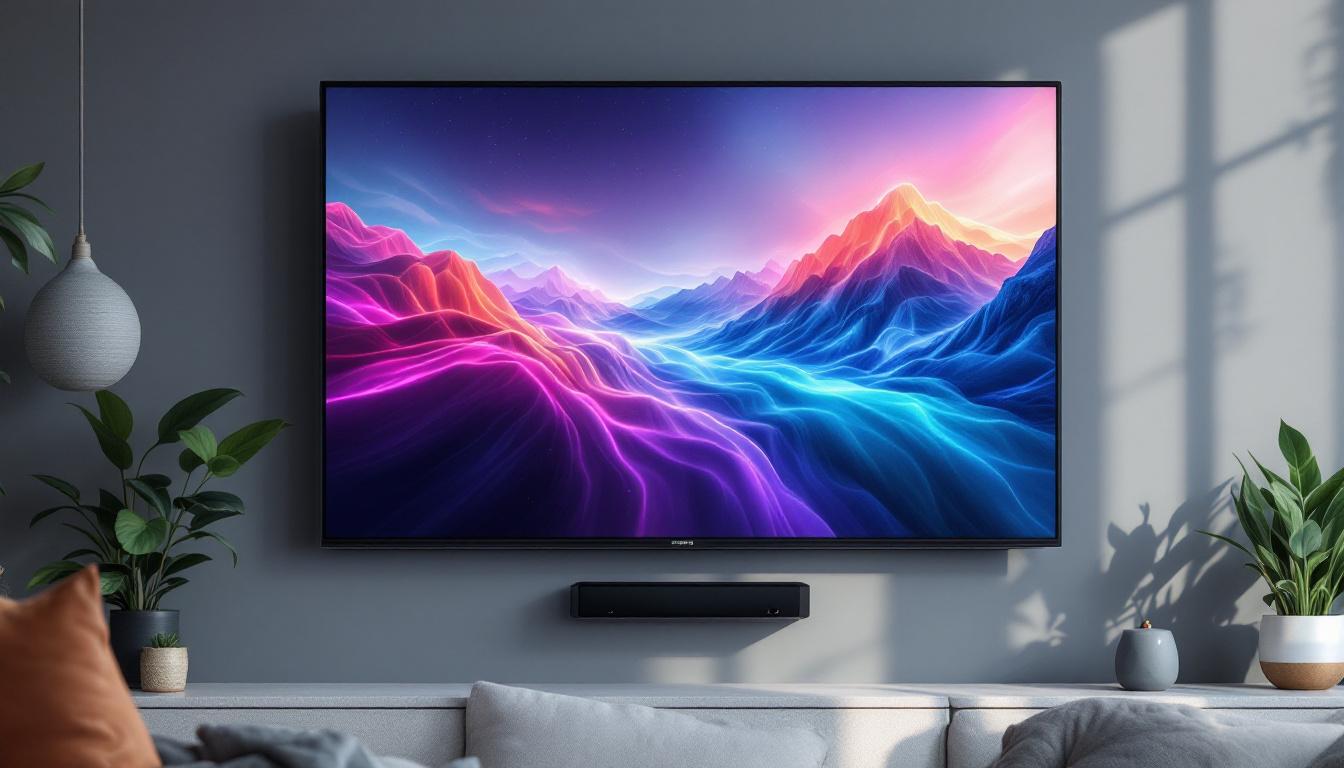
In recent years, slim televisions have become a centerpiece in modern living rooms, offering not only sleek aesthetics but also impressive picture quality. Among the various display technologies, LED (Light Emitting Diode) displays have emerged as the dominant choice for slim TVs, combining energy efficiency, vibrant colors, and thin profiles. Understanding how LED displays work, their advantages, and how they compare to other technologies can help consumers make informed decisions when purchasing a new television.
Understanding LED Display Technology
What is an LED Display?
At its core, an LED display is a type of LCD (Liquid Crystal Display) television that uses light-emitting diodes as a backlight source. Unlike traditional LCD TVs that rely on cold cathode fluorescent lamps (CCFLs) for backlighting, LED TVs utilize arrays of tiny LEDs positioned either behind the screen or along its edges. These LEDs illuminate the liquid crystals, which then control the color and brightness of each pixel on the screen.
The use of LEDs allows for thinner panels and improved energy efficiency. Because LEDs can be individually controlled, they enable better contrast ratios and more precise lighting control, contributing to enhanced picture quality. In addition to their visual benefits, LED displays are also more environmentally friendly compared to their CCFL predecessors, as they contain no mercury and consume less power, making them a more sustainable choice for consumers looking to reduce their carbon footprint.
Types of LED Backlighting
There are primarily two types of LED backlighting used in slim televisions: edge-lit and direct-lit (or full-array). Each has its own strengths and trade-offs.
- Edge-Lit LED: LEDs are placed along the edges of the screen, and light is diffused across the display using light guides. This design allows for extremely thin panels, often just a few millimeters thick. However, edge-lit TVs may suffer from uneven brightness and less precise local dimming. They are often more affordable and can be a great choice for those who prioritize a sleek design over the highest picture quality.
- Direct-Lit (Full-Array) LED: LEDs are arranged in a grid directly behind the screen, providing more uniform illumination. This setup supports advanced local dimming, where specific zones can be dimmed or brightened independently, enhancing contrast and black levels. Full-array LED TVs tend to be slightly thicker but offer superior picture quality. This type of display is particularly beneficial for watching movies in dark environments, as it can produce deeper blacks and vibrant colors that truly enhance the viewing experience.
Moreover, some modern LED displays incorporate technologies such as Quantum Dot or OLED enhancements to further elevate their performance. Quantum Dot technology, for instance, uses tiny semiconductor particles to produce purer colors and improve overall brightness, while OLED displays offer self-emissive pixels that can turn off completely for true blacks. As the market evolves, these innovations continue to push the boundaries of what is possible in display technology, making it an exciting time for both consumers and manufacturers alike.
Advantages of LED Displays in Slim Televisions
Energy Efficiency and Environmental Impact
One of the most significant benefits of LED backlighting is its energy efficiency. Compared to CCFL-backlit LCDs, LED TVs consume up to 30-50% less power, depending on screen size and settings. This reduction not only lowers electricity bills but also reduces the environmental footprint of the device.
Moreover, LEDs do not contain mercury, a hazardous substance found in CCFLs, making LED TVs safer to dispose of and more environmentally friendly. The longevity of LED displays further contributes to their eco-friendliness; with lifespans often exceeding 50,000 hours, they require less frequent replacement, thereby minimizing electronic waste. As consumers become increasingly aware of their ecological impact, the choice of LED technology aligns with a growing commitment to sustainability and responsible consumption.
Improved Picture Quality
LED backlighting enables higher brightness levels, which is particularly beneficial for viewing HDR (High Dynamic Range) content. HDR requires displays to produce a wider range of luminance, from deep blacks to bright highlights, and LED TVs excel in this area.
Additionally, LED TVs typically offer better color accuracy and wider color gamuts than older LCD models. Advances in quantum dot technology, often integrated with LED backlights, have further enhanced color reproduction, delivering more vibrant and lifelike images. This technology allows for a more immersive viewing experience, making movies and video games appear more realistic. Furthermore, the contrast ratios achieved by LED displays can significantly enhance the depth and detail in dark scenes, providing viewers with a more engaging and visually stunning experience.
Thin and Lightweight Designs
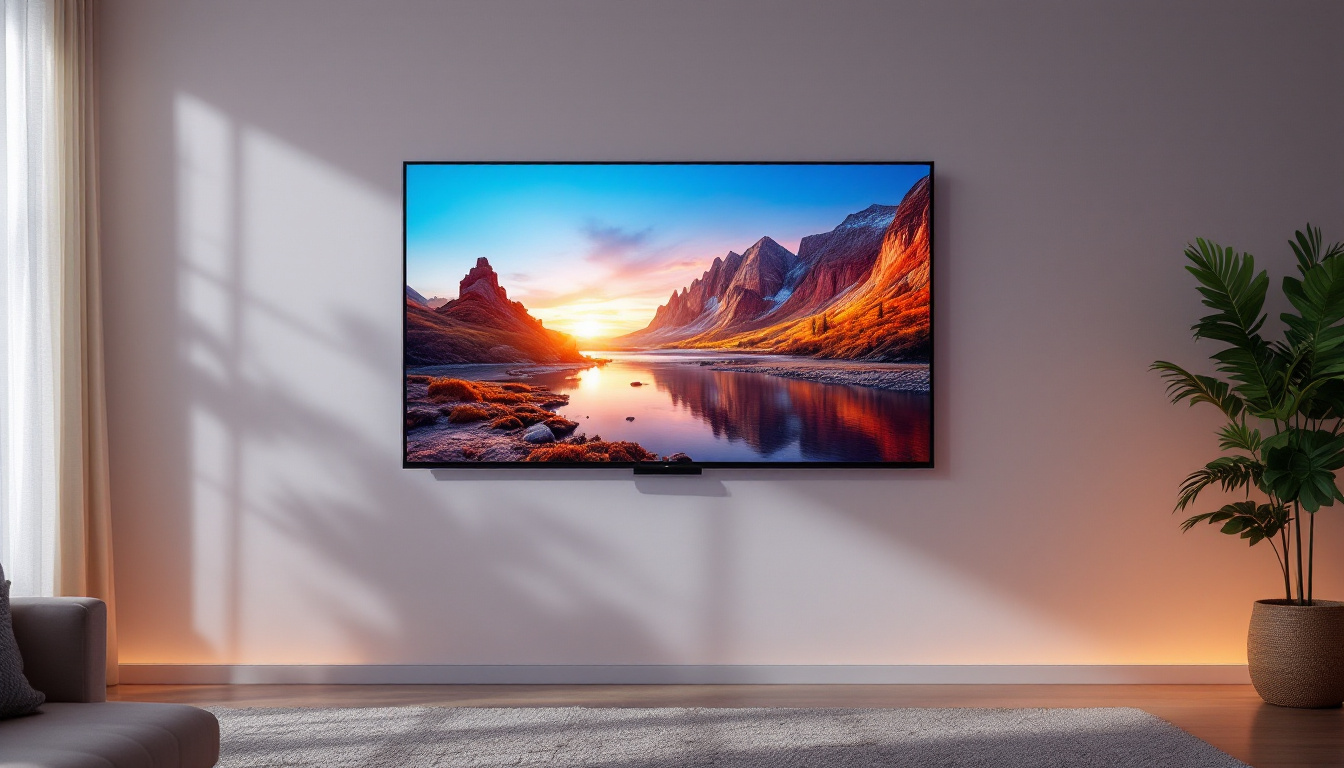
The slim profile of LED TVs is a major selling point. Edge-lit LED technology allows manufacturers to create ultra-thin panels, some measuring less than 1 cm in thickness. This sleek design not only looks modern but also makes installation easier, especially for wall mounting.
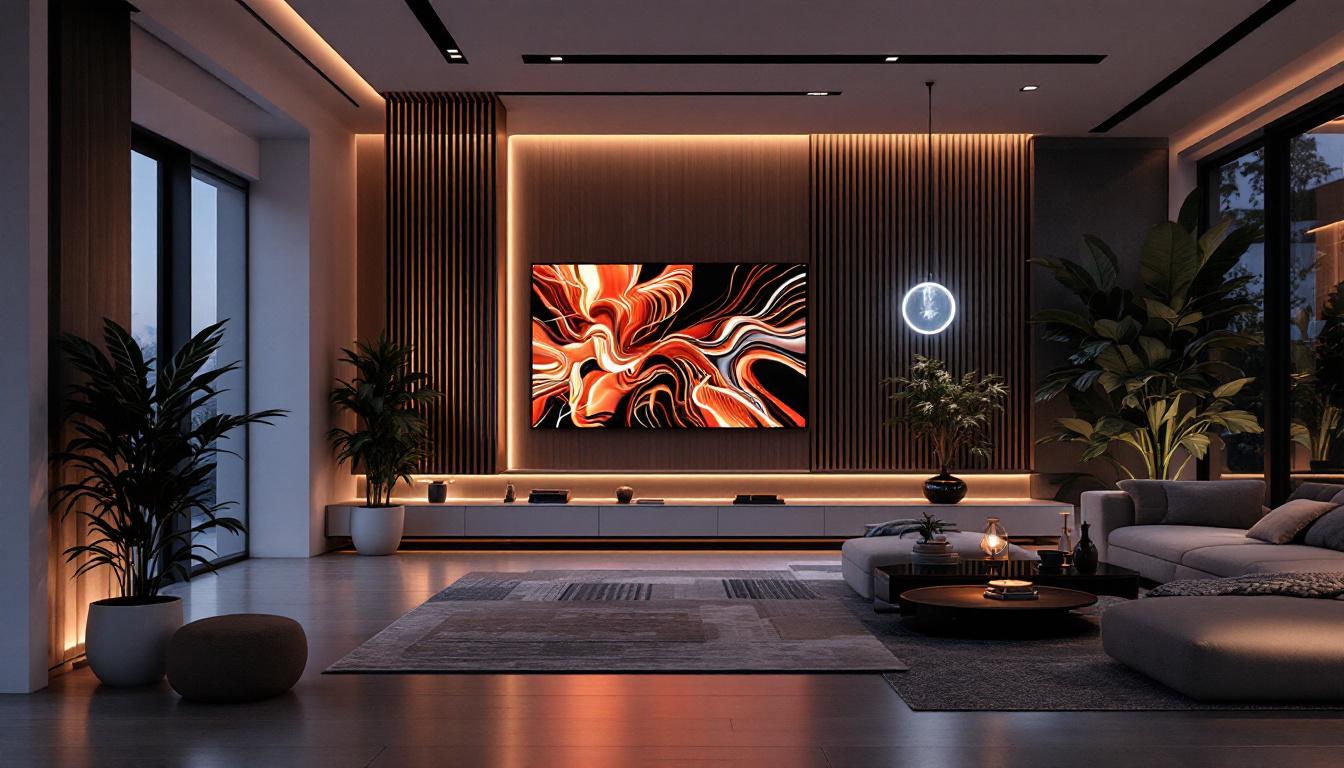
Lightweight TVs are also more convenient to handle and transport, appealing to consumers who frequently move or upgrade their home entertainment setups. The aesthetic appeal of a slim television can also enhance the overall decor of a room, allowing for seamless integration into various interior styles. Additionally, many LED TVs come equipped with features such as cable management systems, which help maintain a clean and organized look, further elevating the viewing environment. With the rise of smart TVs, the combination of slim design and advanced technology offers consumers a sophisticated entertainment solution that complements their lifestyle.
Comparing LED Displays with Other TV Technologies
LED vs. OLED
While LED TVs dominate the market, OLED (Organic Light Emitting Diode) technology is often touted as the premium alternative. Unlike LED TVs, OLED panels emit light on a per-pixel basis without the need for a backlight, allowing for perfect blacks and infinite contrast ratios.
However, OLEDs tend to be more expensive and can be prone to burn-in issues with static images. LED TVs, particularly those with full-array local dimming, can achieve excellent contrast at a lower price point and without the same risk of image retention.
LED vs. QLED
QLED (Quantum Dot LED) is a marketing term used by some manufacturers to describe LED TVs enhanced with quantum dot technology. Quantum dots are microscopic semiconductor particles that improve color accuracy and brightness.
QLED TVs are essentially LED TVs but with superior color performance, making them a strong contender against OLEDs in terms of picture quality, especially in bright viewing environments.
LED vs. Plasma and CRT
Older technologies like plasma and CRT (cathode ray tube) have largely been phased out. Plasma TVs offered excellent color and contrast but were bulky and consumed more power. CRTs are now obsolete, replaced by flat-panel displays that save space and provide higher resolutions.
LED TVs offer better energy efficiency, thinner designs, and higher resolutions compared to these legacy technologies, making them the preferred choice for modern consumers.
Key Features to Consider When Buying a Slim LED TV
Screen Size and Resolution
Choosing the right screen size depends on the viewing distance and room size. For most living rooms, screens between 55 and 75 inches are popular. Resolution is equally important; 4K UHD (3840 x 2160 pixels) has become the standard, offering four times the detail of Full HD.
Some premium LED TVs now support 8K resolution, but content availability remains limited, and the benefits are less noticeable at typical viewing distances.
Refresh Rate and Motion Handling
A higher refresh rate, such as 120Hz or above, can improve motion clarity, particularly for fast-paced content like sports and gaming. Many LED TVs use motion interpolation technologies to reduce blur, but these can sometimes introduce unnatural effects.
Smart TV Capabilities
Most modern slim LED TVs come with built-in smart platforms, enabling access to streaming services, apps, and voice assistants. When selecting a TV, consider the operating system’s ease of use, app availability, and compatibility with other smart home devices.
Connectivity Options
Ensure the TV has sufficient HDMI ports, USB inputs, and support for the latest standards like HDMI 2.1 if you plan to connect gaming consoles or high-end audio equipment. Wi-Fi and Bluetooth connectivity are also essential for wireless streaming and peripheral connections.
Future Trends in LED Television Technology
Mini-LED and Micro-LED Innovations
Recent advancements include Mini-LED and Micro-LED technologies, which use much smaller LEDs for backlighting. Mini-LED TVs can have thousands of dimming zones, dramatically improving contrast and reducing halo effects around bright objects.
Micro-LED is an emerging technology where each pixel is a self-emitting LED, similar to OLED but without organic materials, promising exceptional brightness, color accuracy, and longevity. While currently expensive and limited in availability, Micro-LED could redefine the future of slim televisions.
Integration of AI and Enhanced Processing
Artificial intelligence is increasingly integrated into LED TVs to optimize picture and sound quality dynamically. AI-driven upscaling improves the appearance of lower-resolution content, while adaptive brightness and color adjustments tailor the viewing experience to ambient conditions.
Environmental Sustainability
Manufacturers are focusing on reducing the environmental impact of televisions by using recyclable materials, improving energy efficiency, and extending product lifespans. Consumers can expect more eco-friendly options and certifications in the coming years.
Conclusion
Slim televisions with LED displays represent a mature and versatile technology that balances picture quality, design, and energy efficiency. Understanding the nuances of LED backlighting, the advantages it offers, and how it compares to other technologies empowers consumers to select TVs that best suit their needs and preferences.
As innovations like Mini-LED and AI-enhanced processing continue to evolve, the future of slim LED TVs looks promising, delivering ever more immersive and sustainable viewing experiences for homes worldwide.
Discover the Future of Visual Experience with LumenMatrix
As you consider upgrading to a slim LED television, why not explore the forefront of LED display technology with LumenMatrix? Our commitment to innovation ensures that you experience the best in picture quality and design. From captivating Indoor LED Wall Displays to dynamic Outdoor LED Wall solutions and beyond, LumenMatrix offers a comprehensive range of products designed to transform your visual communication. Embrace the future of immersive and sustainable viewing with our cutting-edge LED display modules. Check out LumenMatrix LED Display Solutions today and see how we can enhance your space with clarity and impact.