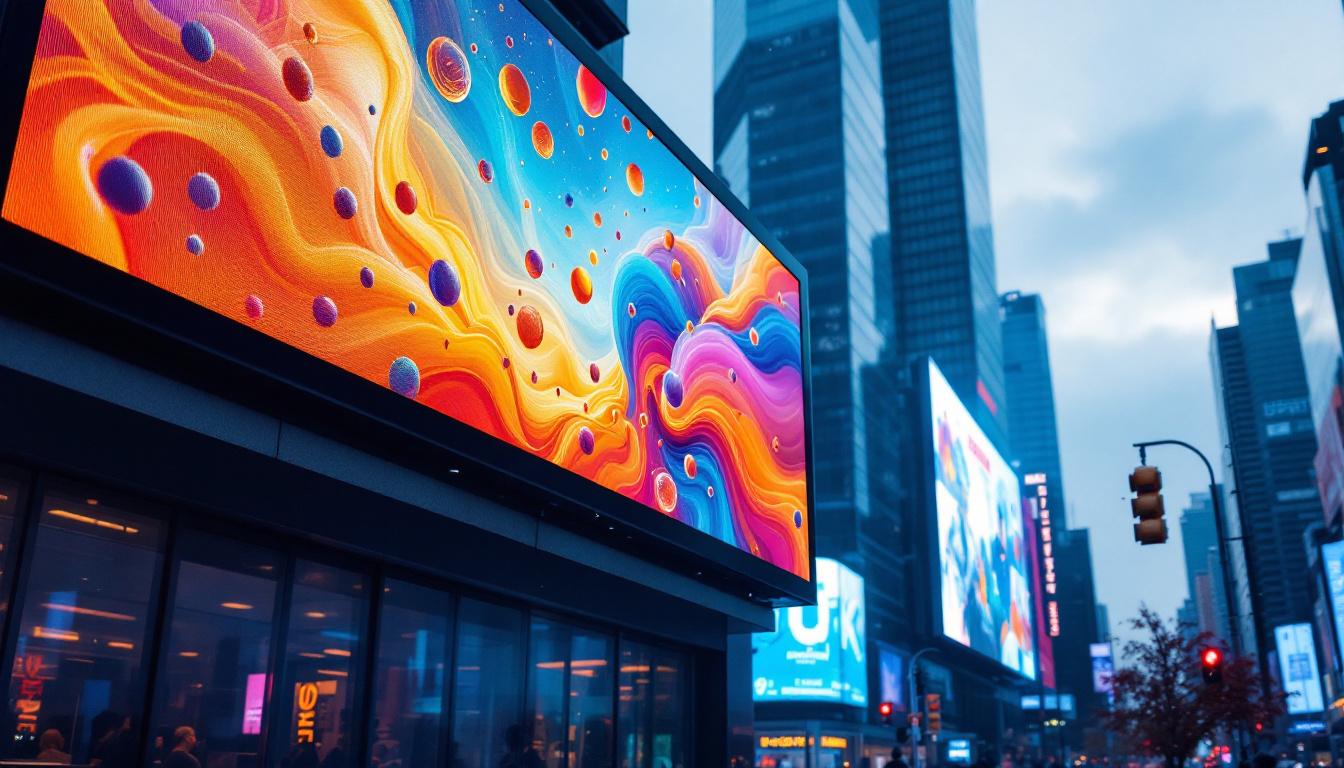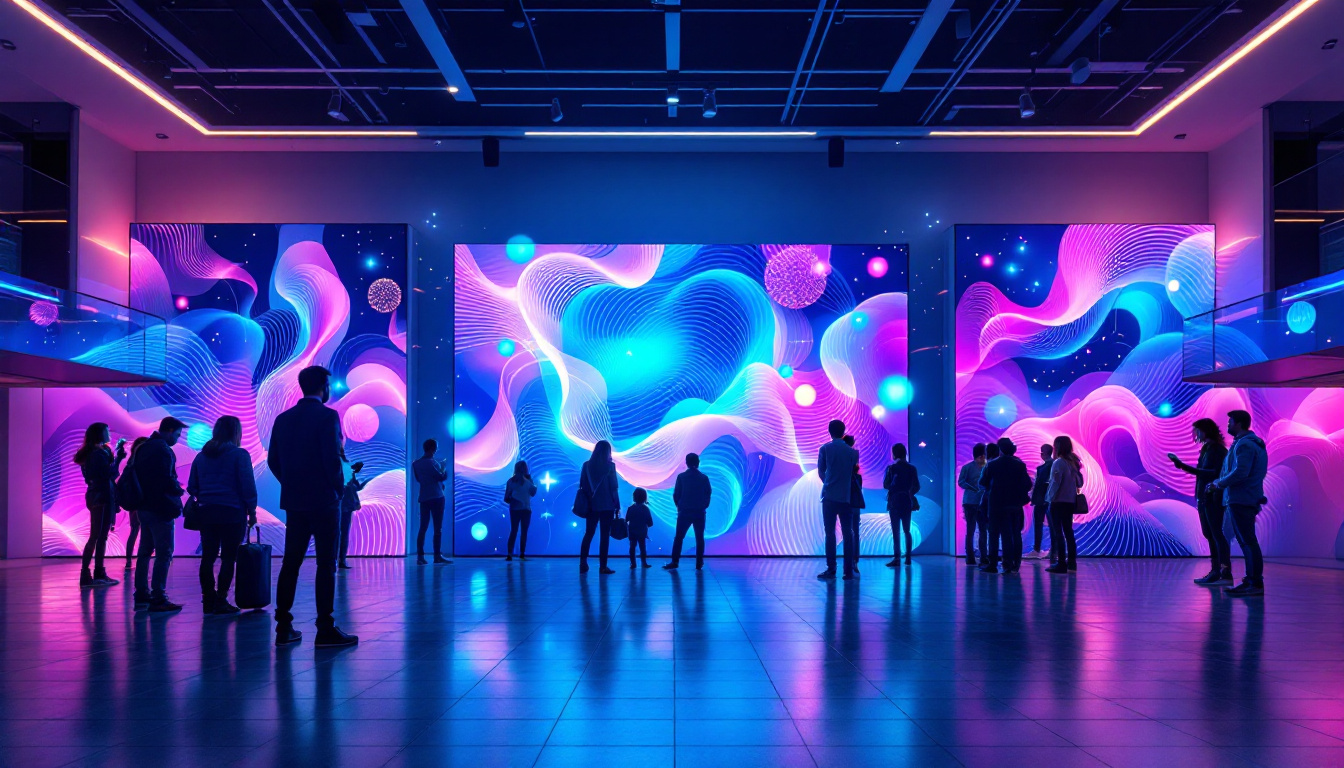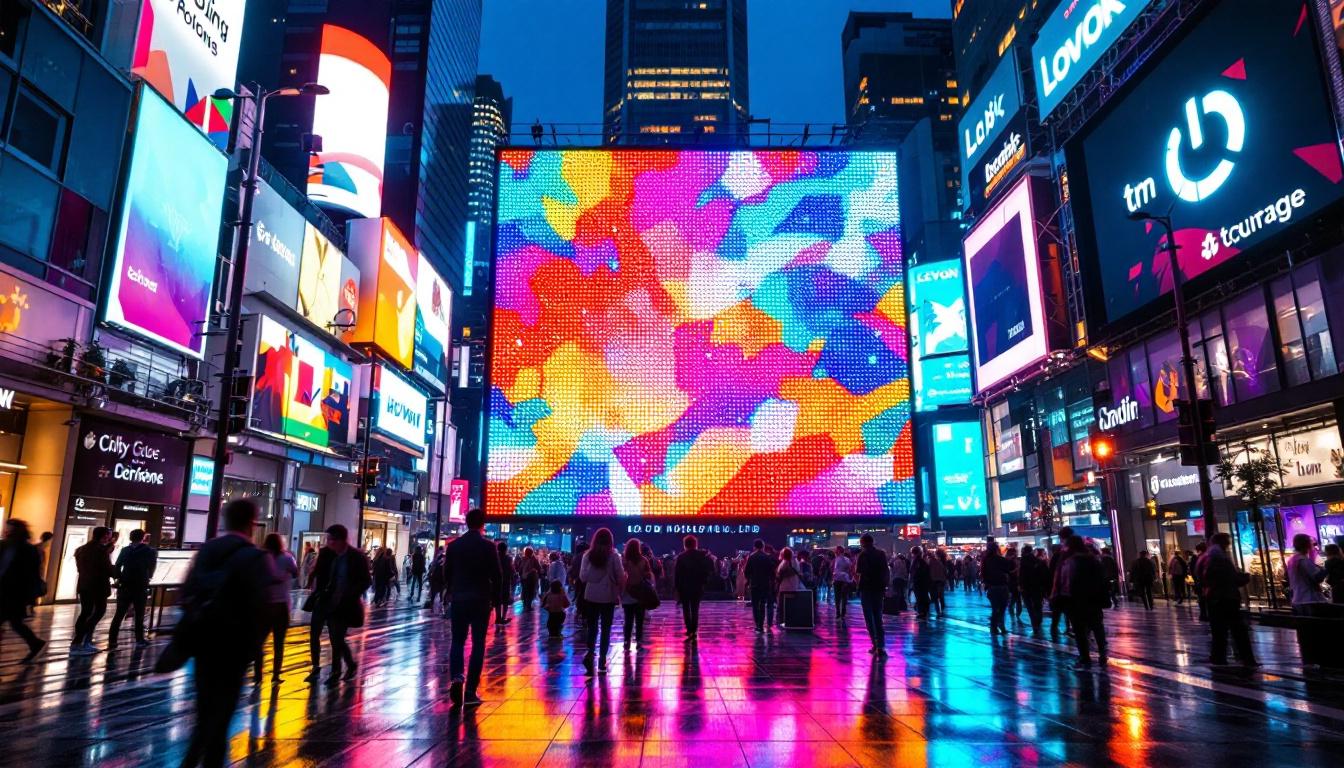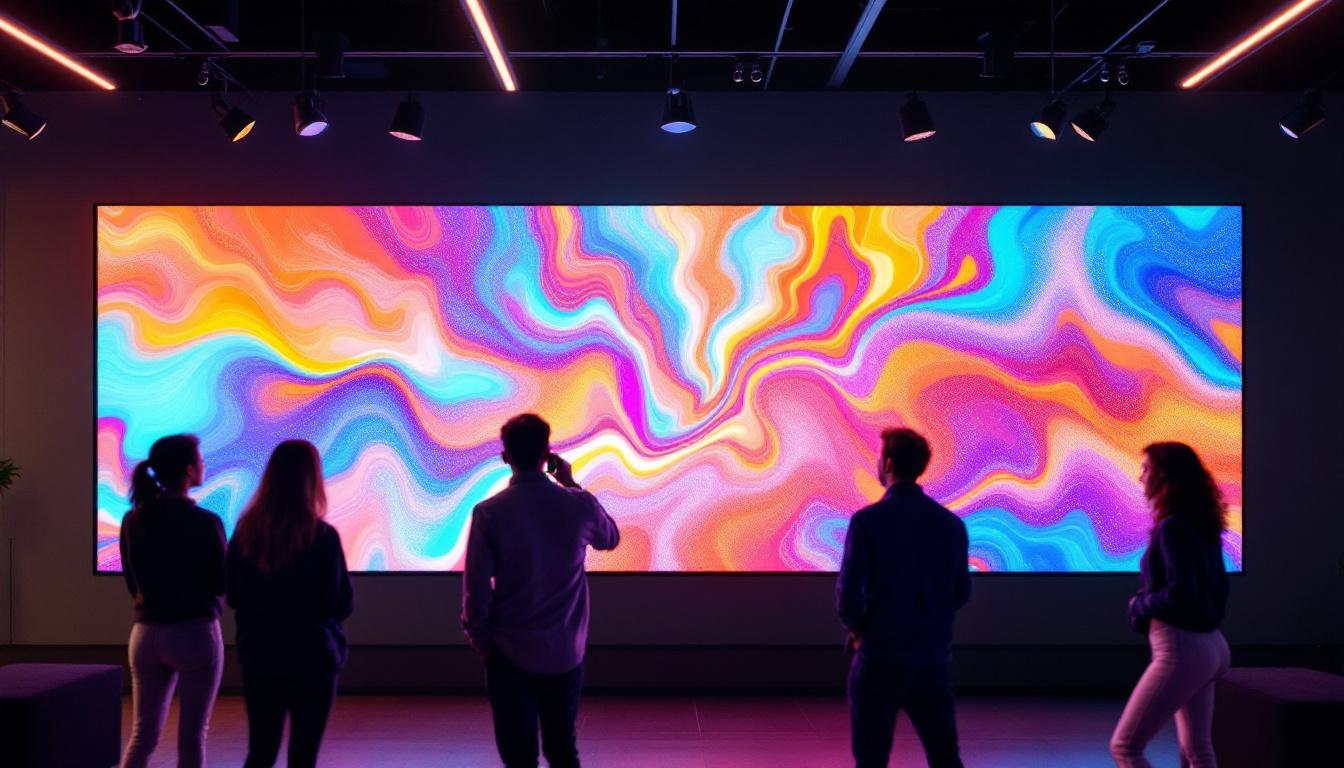
In today’s fast-paced digital world, LED display technology has become a cornerstone for visual communication, transforming how businesses, advertisers, and event organizers engage their audiences. Among the most versatile and impactful applications of this technology are screen wall panels—large-scale LED displays that combine modularity, brightness, and resolution to deliver stunning visual experiences. This article dives deep into the world of screen wall panels, explaining what they are, how they work, their advantages, and why they are increasingly becoming the preferred choice for both indoor and outdoor digital signage.
What Are Screen Wall Panels?
Screen wall panels are modular LED display units designed to be assembled into large video walls or digital billboards. Each panel consists of an array of light-emitting diodes (LEDs) that produce bright, vibrant images visible even in direct sunlight. When multiple panels are tiled together, they form a seamless, scalable display surface capable of showing high-definition video, graphics, and text. The technology behind these panels has evolved significantly, allowing for higher resolutions and richer color palettes, making them an increasingly popular choice for modern advertising and communication needs.
These panels are engineered for flexibility and durability, making them suitable for a wide range of environments—from retail storefronts and corporate lobbies to sports arenas and outdoor advertising spaces. Their modular nature means that screen walls can be customized to nearly any shape or size, allowing for creative freedom in design and installation. Moreover, advancements in technology have led to the development of lightweight materials and energy-efficient designs, which not only reduce installation costs but also contribute to a more sustainable approach to digital signage.
Key Components of Screen Wall Panels
Understanding the anatomy of an LED screen wall panel helps clarify how these displays achieve their impressive performance. The main components include:
- LED Modules: These are the fundamental building blocks, containing clusters of LEDs arranged in a grid. The density of these LEDs, known as pixel pitch, determines the resolution and clarity of the image.
- Cabinet Frame: The rigid structure that houses the LED modules, providing protection and facilitating easy mounting and alignment with other panels.
- Power Supply and Control System: These regulate the electrical input and manage the data signals that control the LEDs, ensuring synchronized and accurate image rendering.
- Cooling Mechanisms: To maintain optimal operating temperatures, many panels include fans or heat sinks, especially for outdoor installations exposed to varying weather conditions.
In addition to these core components, many screen wall panels are equipped with advanced features such as automatic brightness adjustment, which optimizes visibility based on ambient light conditions. This ensures that the content remains clear and engaging, whether in bright daylight or low-light environments. Furthermore, some panels offer enhanced connectivity options, allowing for seamless integration with various media players and content management systems, enabling dynamic and real-time updates to displayed information.
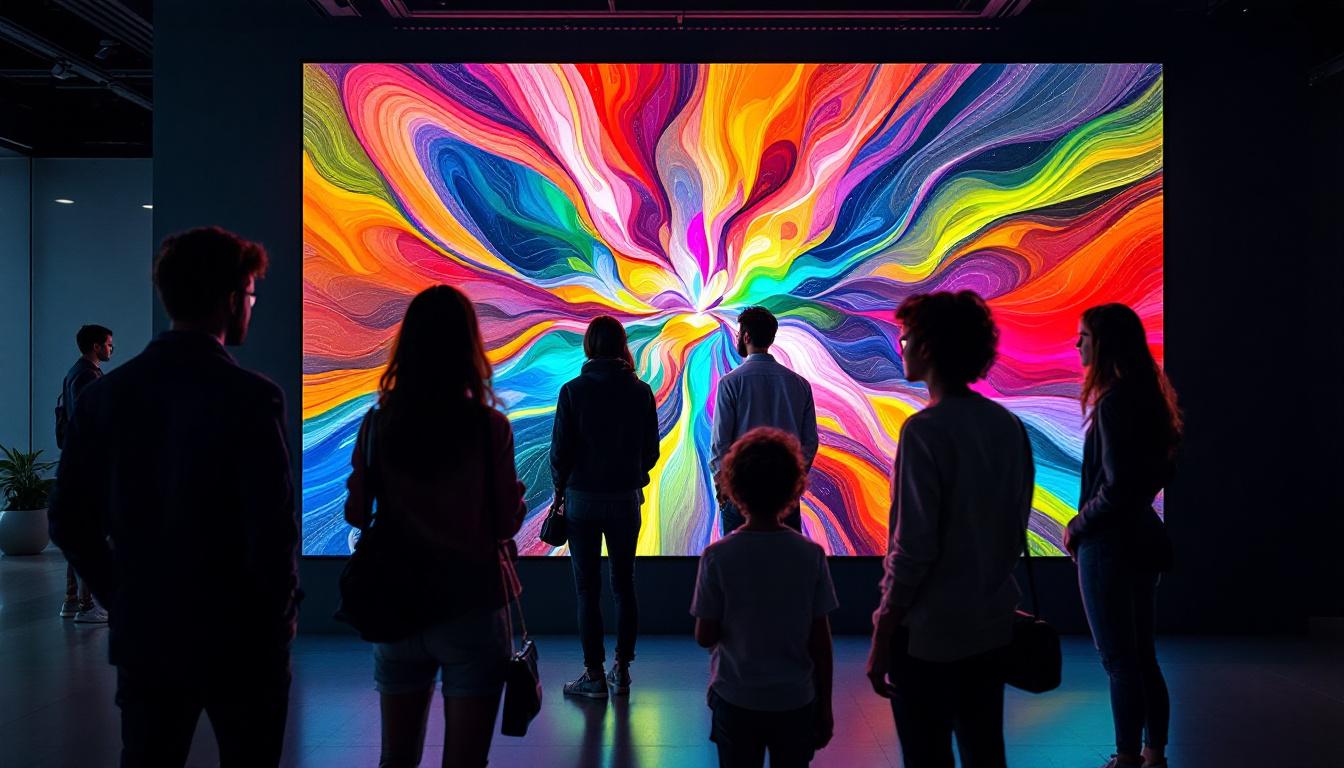
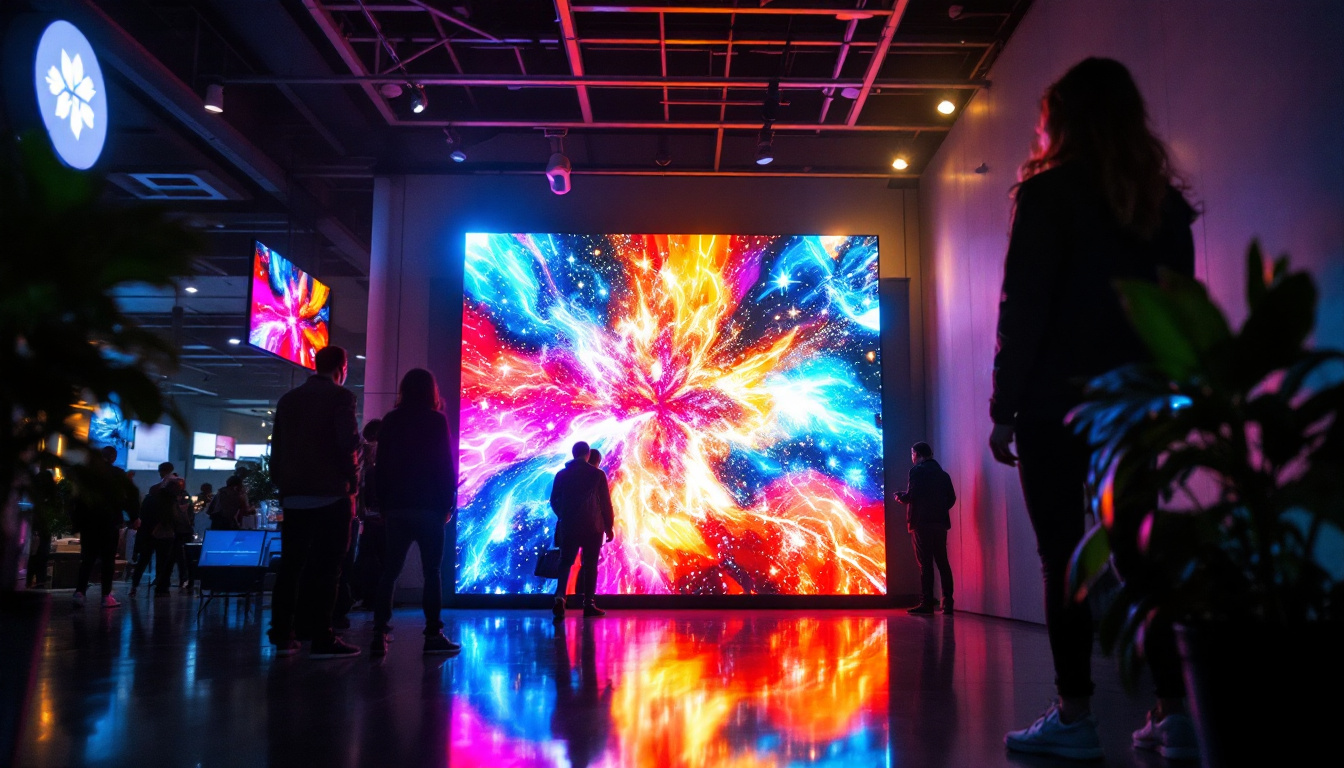
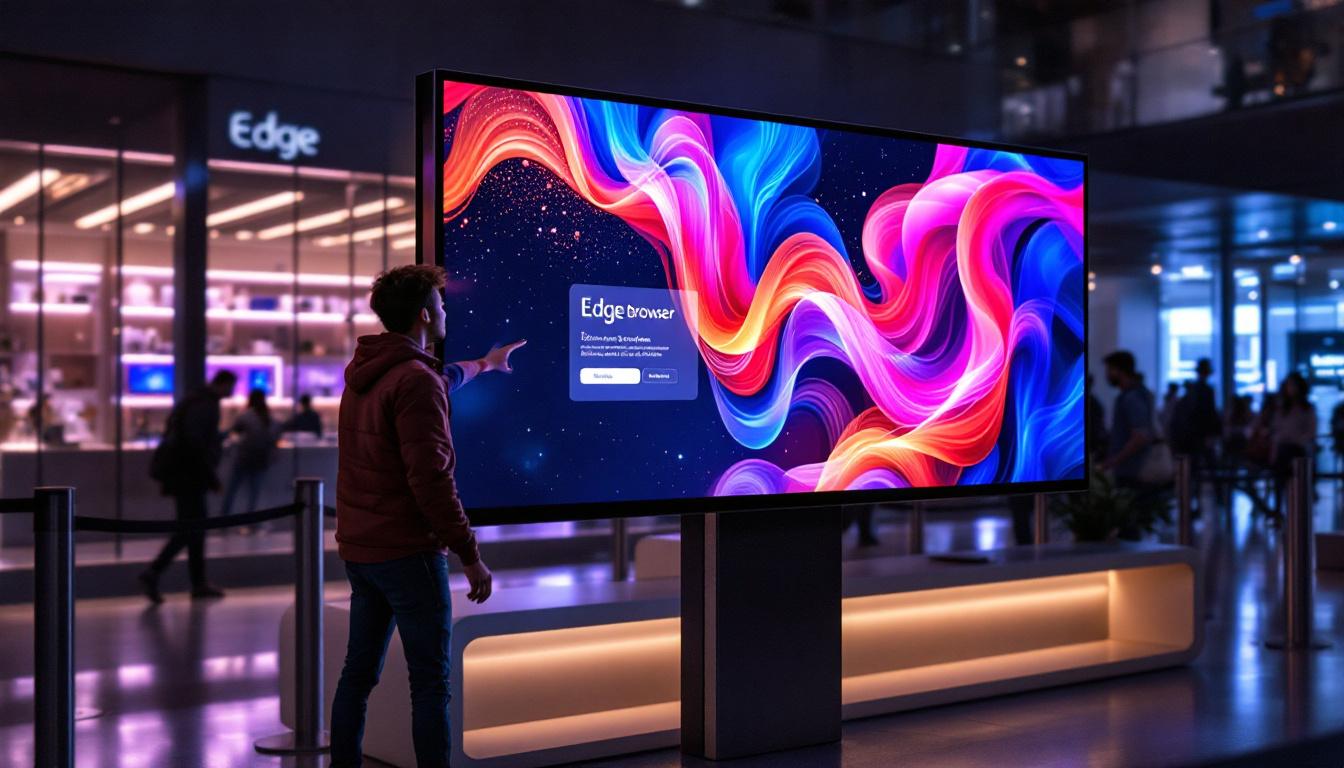
The versatility of screen wall panels extends beyond mere advertising; they are also used in artistic installations, interactive displays, and information kiosks. This adaptability has opened new avenues for creative expression, allowing artists and designers to utilize technology in innovative ways. As a result, screen wall panels are not just tools for communication but also platforms for creativity, transforming spaces into immersive experiences that captivate audiences.
How LED Screen Wall Panels Work
At the core of LED screen wall panels is the principle of light emission through semiconductors. Each LED in the panel emits light when an electric current passes through it. By controlling the intensity and color of each LED, the display can produce millions of colors and shades.
Pixel Pitch and Resolution
One of the most critical technical specifications of screen wall panels is the pixel pitch, which refers to the distance between the centers of two adjacent pixels. Pixel pitch is measured in millimeters and directly affects the resolution and viewing distance of the display.
A smaller pixel pitch means a higher pixel density, resulting in sharper images and finer detail. For example, a screen with a 1.5mm pixel pitch is ideal for close-up viewing in indoor environments like conference rooms or control centers. Conversely, larger pixel pitches (e.g., 10mm or more) are suitable for outdoor billboards where viewers are farther away.
Color and Brightness Control
Each LED in the panel typically contains three sub-pixels: red, green, and blue (RGB). By varying the brightness of these sub-pixels, the display can reproduce a wide spectrum of colors. Advanced control systems use pulse-width modulation (PWM) to adjust the brightness levels precisely, ensuring vivid and consistent color reproduction.
Brightness is another crucial factor, especially for outdoor displays. Modern LED screen wall panels can reach brightness levels of 5,000 to 10,000 nits, making them easily visible even under direct sunlight. Indoor panels generally operate at lower brightness levels (around 800 to 1,200 nits) to prevent eye strain and save energy.
Applications of Screen Wall Panels
The versatility of LED screen wall panels has led to their widespread adoption across various industries. Their ability to deliver dynamic, high-impact visuals makes them invaluable tools for communication and entertainment.
Advertising and Digital Signage
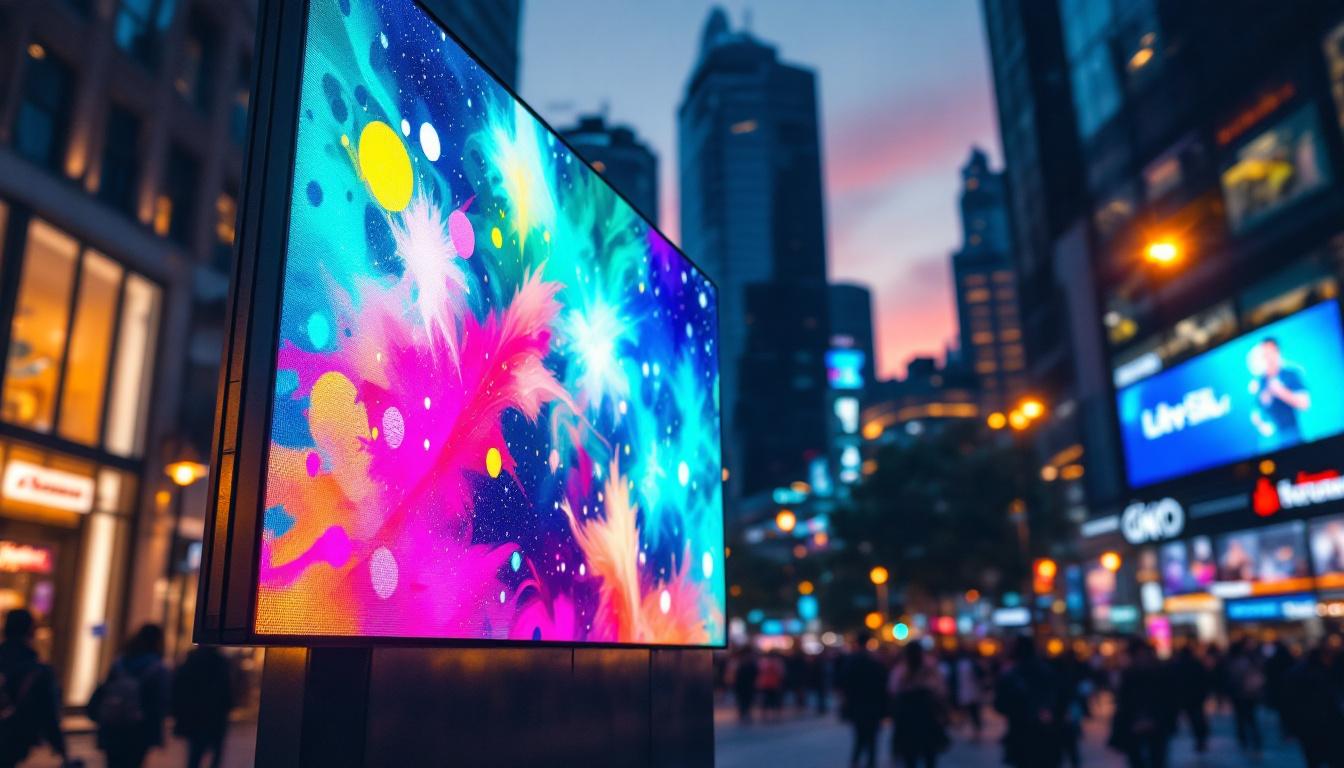
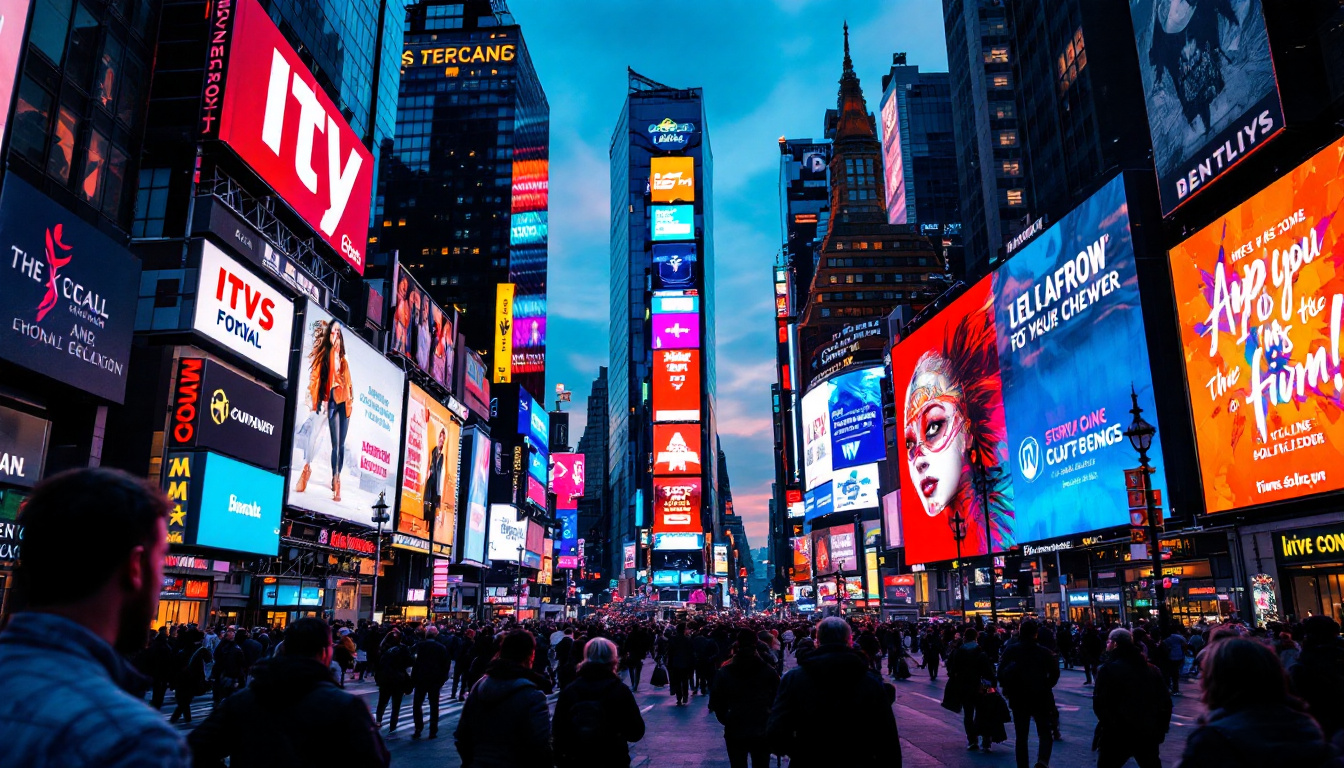
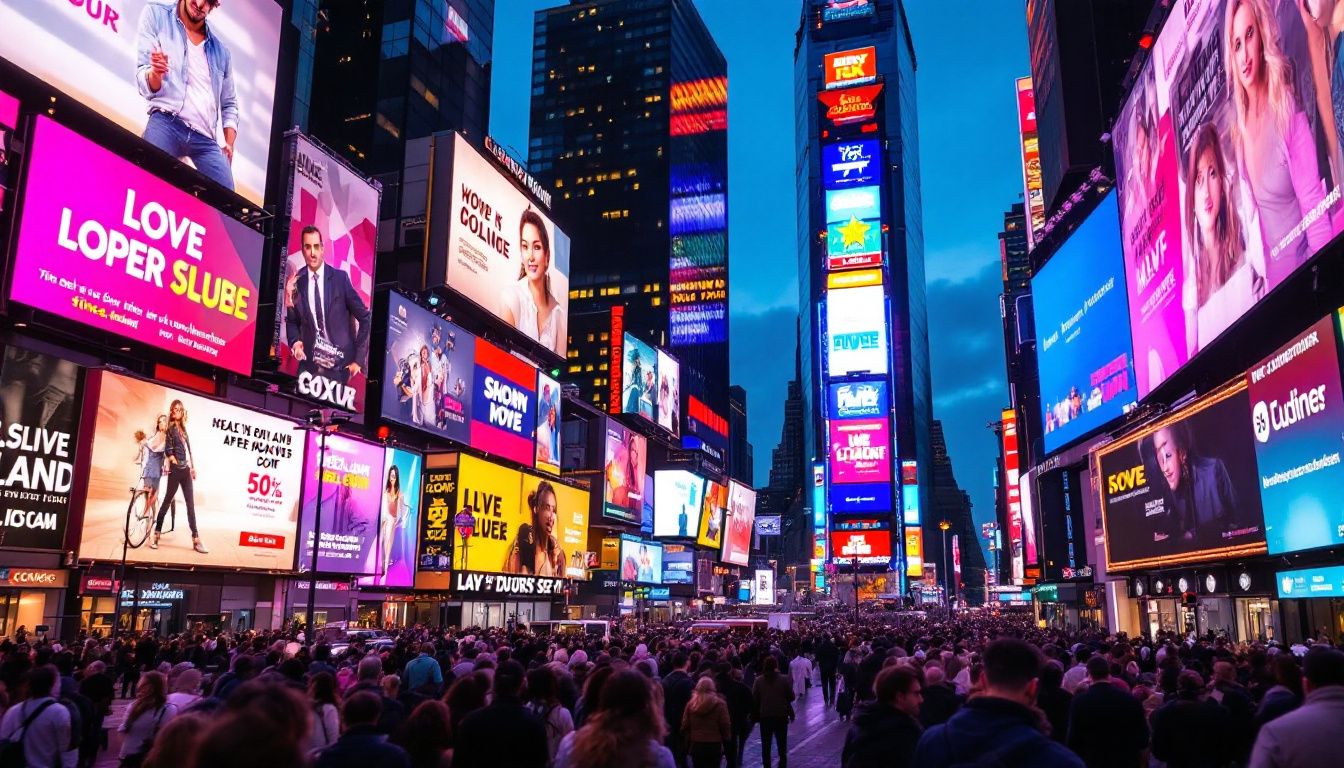
Outdoor advertising is one of the most prominent uses of screen wall panels. Digital billboards equipped with LED panels offer advertisers the flexibility to change content in real-time, target specific demographics, and display high-resolution videos and animations. According to recent market research, the global digital signage market is expected to grow at a compound annual growth rate (CAGR) of over 8% through 2028, driven largely by LED technology advancements.
Retail environments also benefit from LED screen walls by attracting customers with eye-catching promotions and interactive content. The ability to tailor messages based on time of day or customer behavior enhances engagement and sales potential.
Events and Entertainment
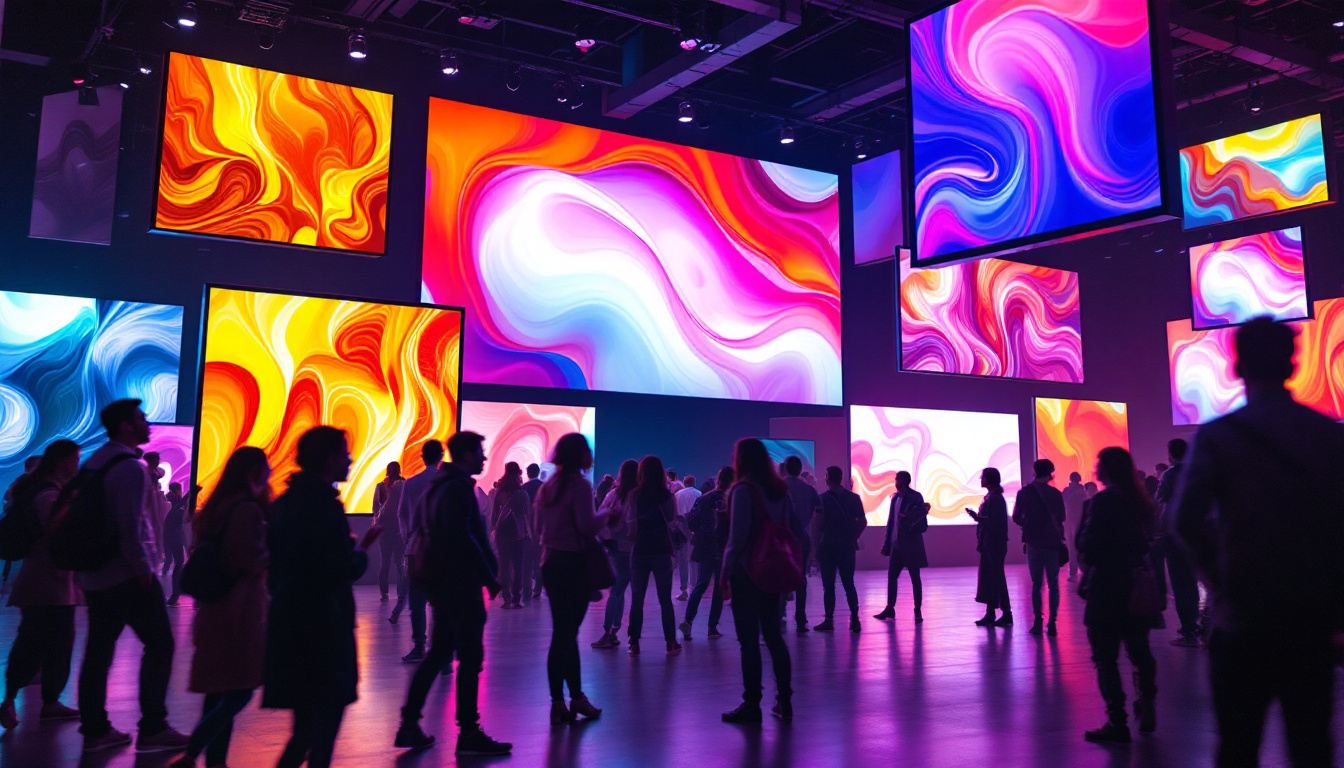
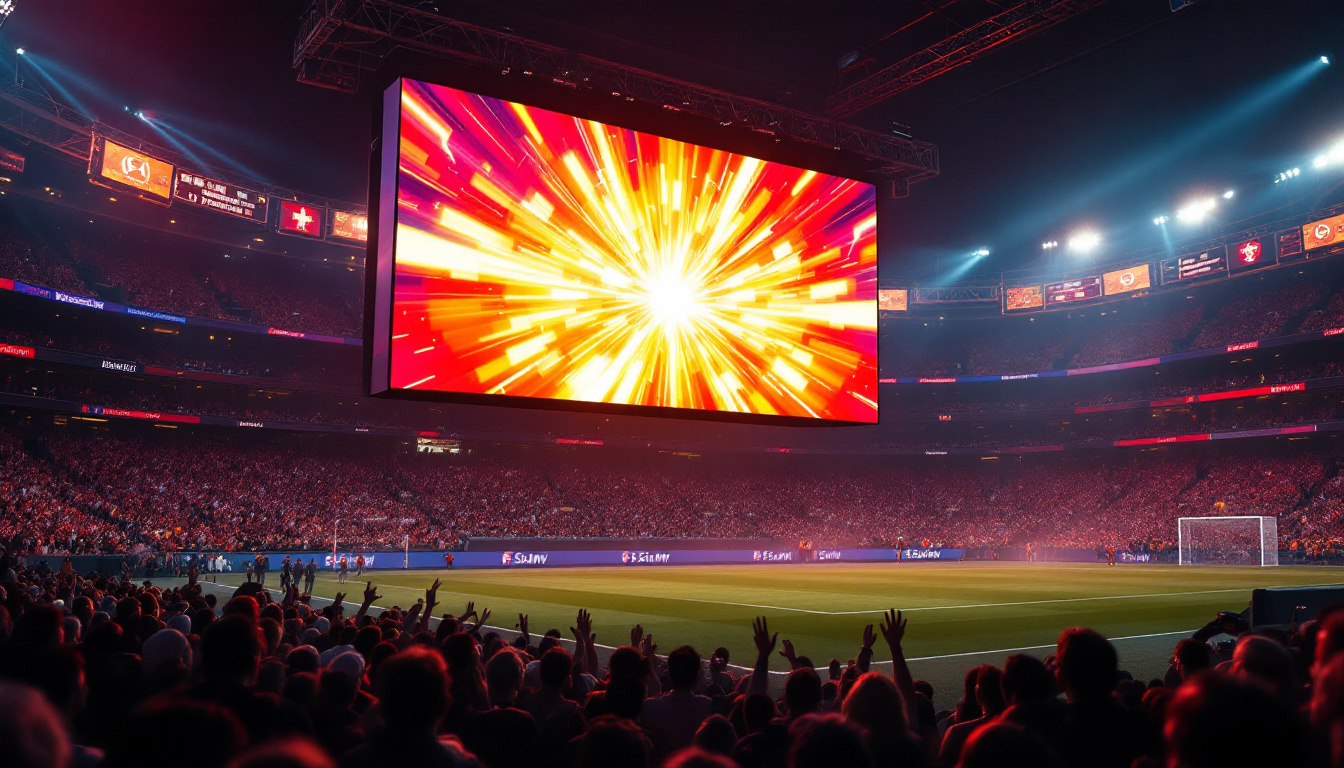
Concerts, sports events, and exhibitions frequently utilize LED screen walls to provide immersive experiences for attendees. Large-scale video walls display live feeds, replays, and dynamic graphics that enhance the atmosphere and keep audiences engaged. The modular design allows for quick assembly and disassembly, making them ideal for temporary installations.
Corporate and Control Rooms
In corporate settings, LED screen walls serve as powerful tools for presentations, video conferencing, and data visualization. Control rooms in industries such as transportation, utilities, and security rely on high-resolution LED walls to monitor multiple data streams simultaneously, enabling faster decision-making and improved operational efficiency.
Advantages of LED Screen Wall Panels
Compared to traditional display technologies like LCD or projection systems, LED screen wall panels offer several distinct advantages that contribute to their growing popularity.
Superior Brightness and Visibility
LED panels provide exceptional brightness levels, ensuring visibility in various lighting conditions, including direct sunlight. This makes them highly suitable for outdoor applications where ambient light can wash out other types of displays.
Energy Efficiency and Longevity
LED technology is inherently energy-efficient, consuming less power than comparable display systems. Additionally, LEDs have a long operational lifespan, often exceeding 100,000 hours, which reduces maintenance and replacement costs over time.
Seamless Scalability and Customization
The modular nature of screen wall panels allows for easy customization of size and shape. Whether creating a small digital menu board or a massive stadium display, panels can be combined to meet specific spatial and design requirements.
High Refresh Rates and Smooth Motion
LED screen walls typically support high refresh rates (often 3,840 Hz or higher), which translates to smooth video playback without flicker. This is particularly important for broadcasting live events and dynamic content.
Considerations When Choosing LED Screen Wall Panels
Despite their many benefits, selecting the right LED screen wall panels requires careful consideration of several factors to ensure optimal performance and return on investment.
Pixel Pitch and Viewing Distance
Choosing an appropriate pixel pitch based on the intended viewing distance is critical. A display with too large a pixel pitch will appear pixelated when viewed up close, while an unnecessarily small pixel pitch can increase costs without perceptible benefits for distant viewers.
Indoor vs. Outdoor Use
Outdoor LED panels must be weatherproof and capable of withstanding temperature extremes, moisture, and dust. They also require higher brightness levels to combat sunlight. Indoor panels prioritize finer resolution and lower brightness to suit controlled environments.
Installation and Maintenance
Consideration should be given to the ease of installation, accessibility for maintenance, and the availability of technical support. Some panels offer front-serviceability, allowing modules to be replaced from the front without dismantling the entire wall—an important feature for tight spaces.
Cost and Budget
While LED screen wall panels can be a significant investment, their long-term benefits often justify the expense. It is important to balance upfront costs with factors like energy consumption, lifespan, and potential revenue generation from advertising or enhanced customer engagement.
Future Trends in LED Screen Wall Panels
The LED display industry continues to evolve rapidly, driven by innovations that enhance performance and open new possibilities for applications.
MicroLED and MiniLED Technologies
Emerging technologies like MicroLED and MiniLED promise even higher resolution and improved contrast ratios by using smaller LEDs with greater precision. These advancements could lead to ultra-thin, flexible screen walls with unparalleled image quality.
Integration with Smart Technologies
Integration with AI and IoT systems enables dynamic content adaptation based on real-time data such as audience demographics, weather conditions, or social media trends. This level of interactivity enhances the effectiveness of digital signage and event displays.
Energy Harvesting and Sustainability
With growing emphasis on sustainability, manufacturers are exploring energy-harvesting techniques and eco-friendly materials to reduce the environmental impact of LED screen wall panels. Solar-powered displays and recyclable components are areas of active development.
Conclusion
Screen wall panels equipped with LED technology represent a powerful medium for visual communication across a broad spectrum of industries. Their modularity, brightness, and versatility make them ideal for creating impactful digital signage, immersive event experiences, and efficient control room environments. By understanding the technical aspects, applications, and future trends, businesses and organizations can make informed decisions to harness the full potential of LED screen walls. As technology continues to advance, these displays will only become more integral to how information and entertainment are delivered in the modern world.
Discover LumenMatrix’s Innovative LED Solutions
Ready to elevate your visual communication with the latest in LED technology? LumenMatrix is at the forefront of creating dynamic and engaging visual experiences. From vibrant Indoor and Outdoor LED Wall Displays to versatile Vehicle and Sports LED Displays, our solutions are designed to capture attention and leave a lasting impression. Whether you’re looking to enhance your brand’s visibility, create an immersive event experience, or optimize your control room operations, LumenMatrix has the cutting-edge solutions you need. Check out LumenMatrix LED Display Solutions today and see how we can transform your space with clarity and impact.