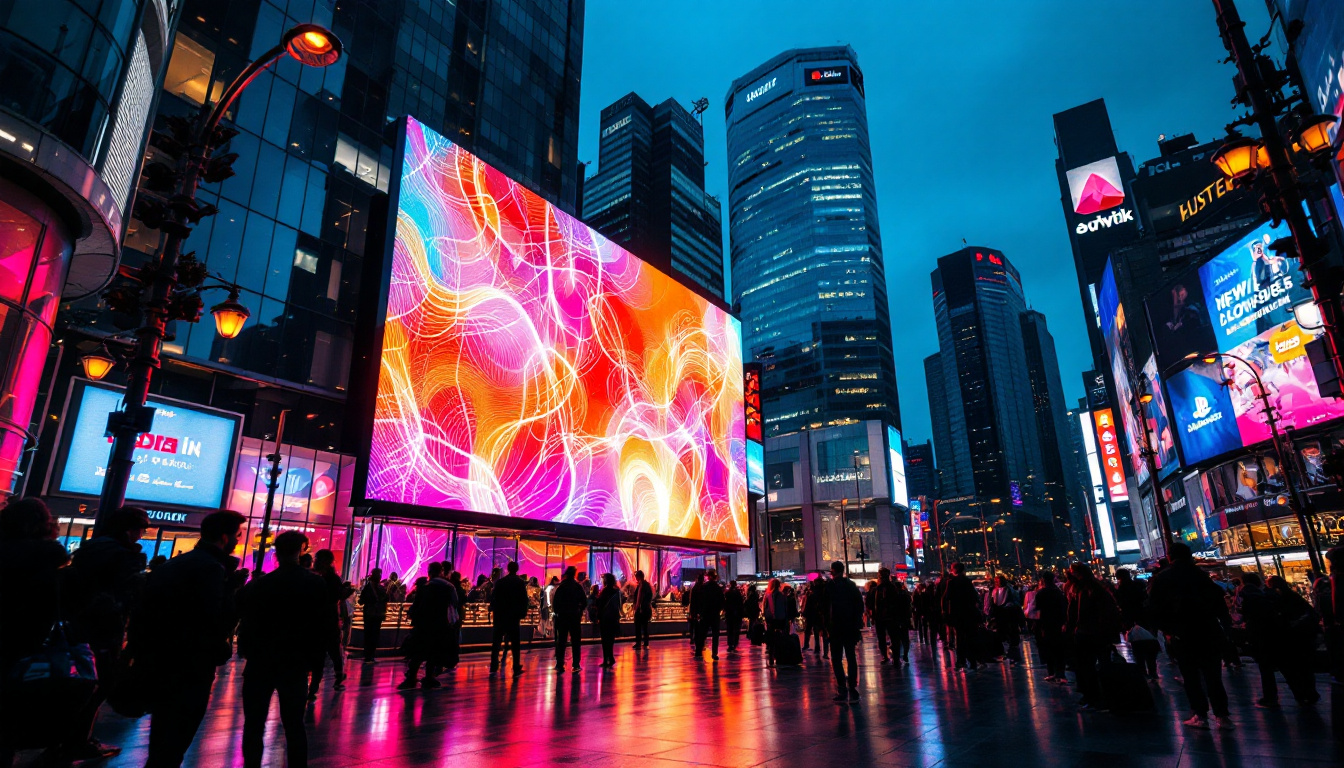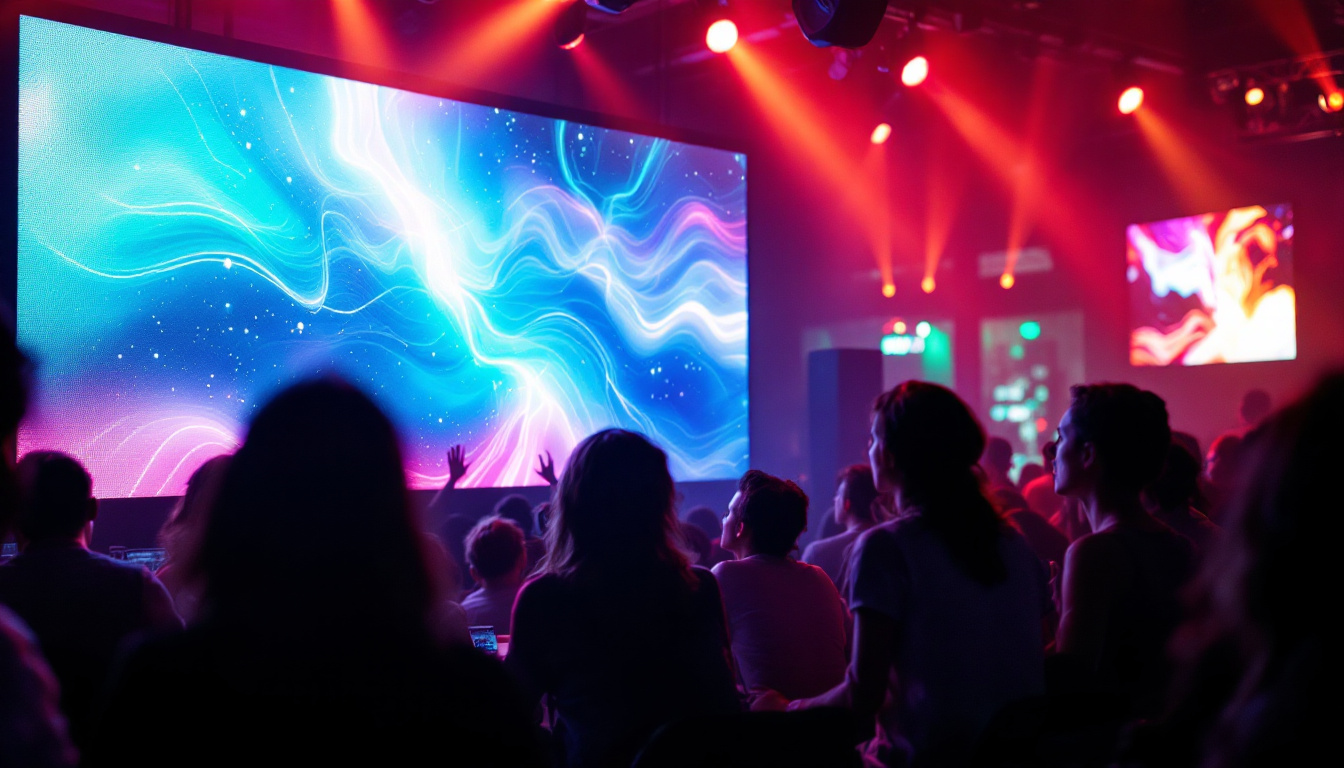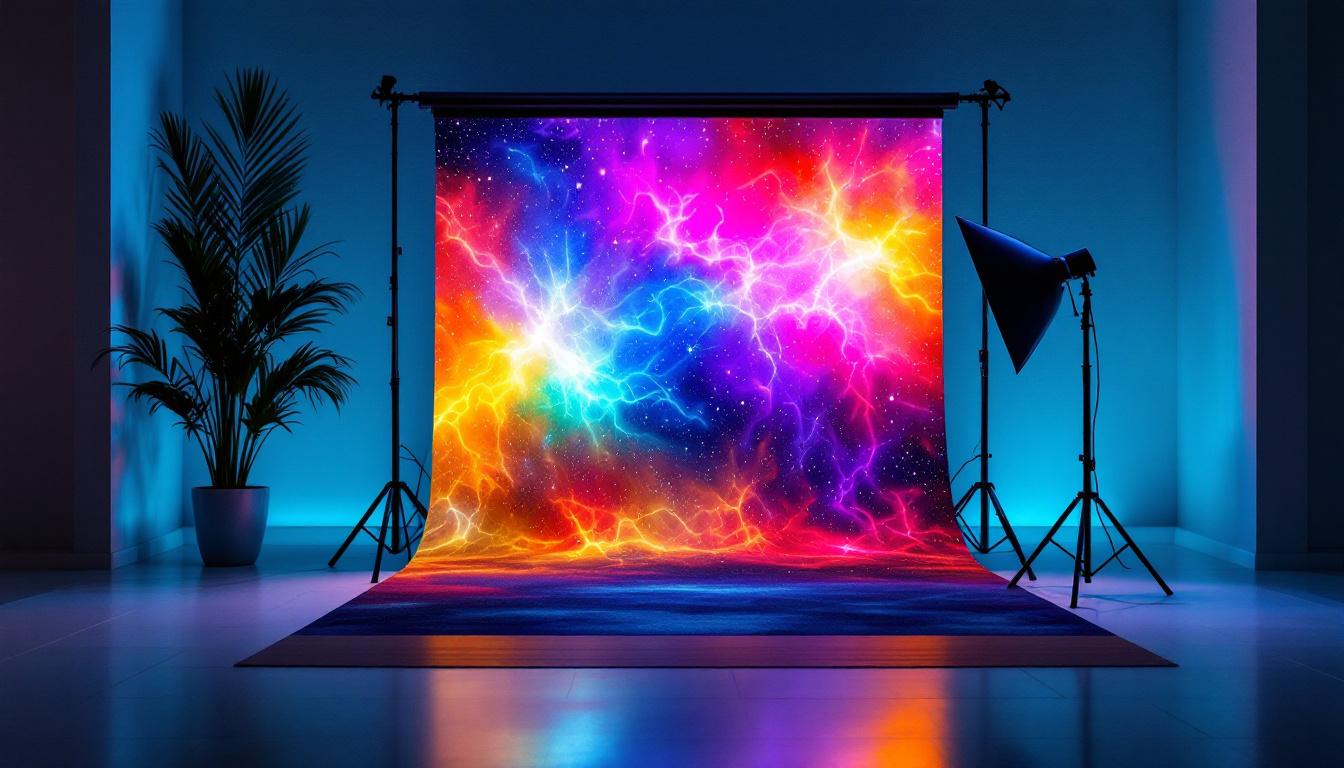
In the evolving world of photography, backdrop technology plays a crucial role in shaping the visual narrative of images. Among the many innovations, LED display backdrops have emerged as a versatile and dynamic solution, especially for small photography setups. This article delves into how LED displays are transforming small photography backdrops, their advantages, practical applications, and considerations for photographers looking to integrate this technology.
Understanding LED Display Backdrops
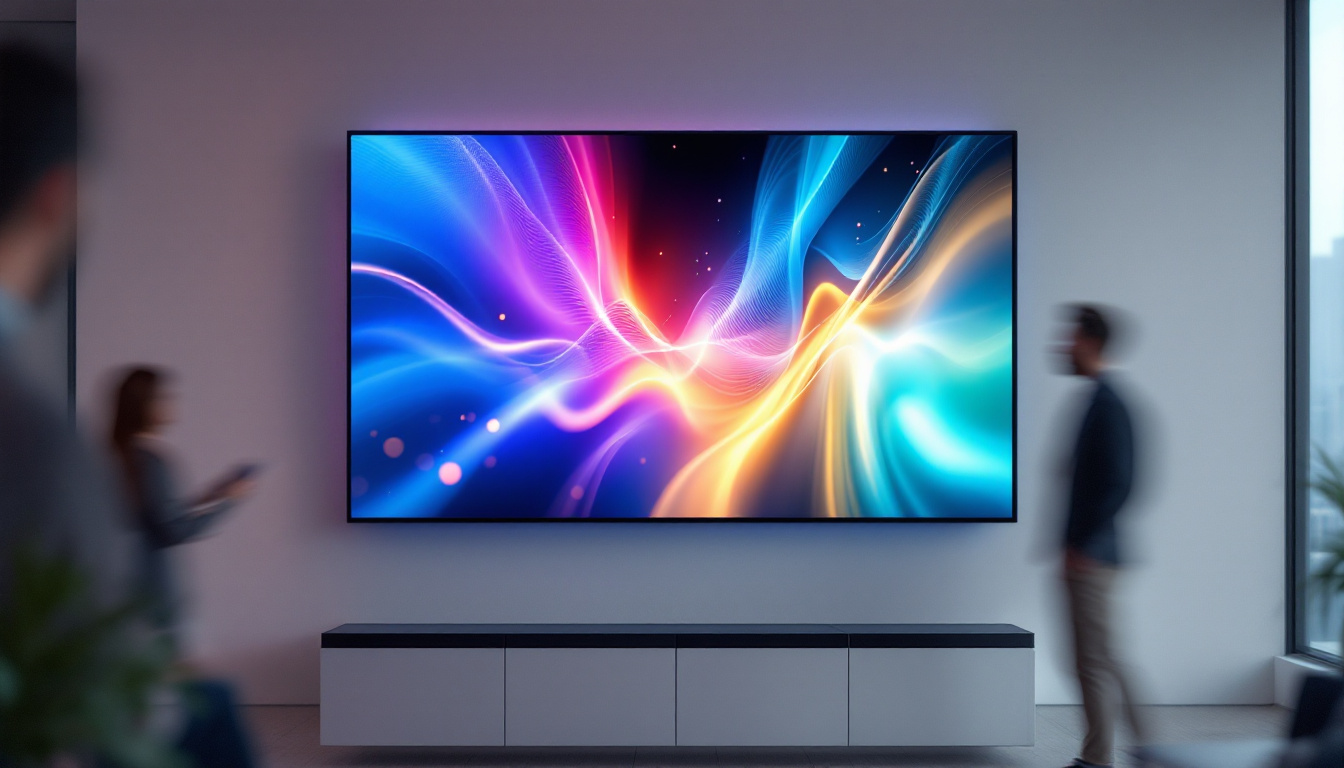
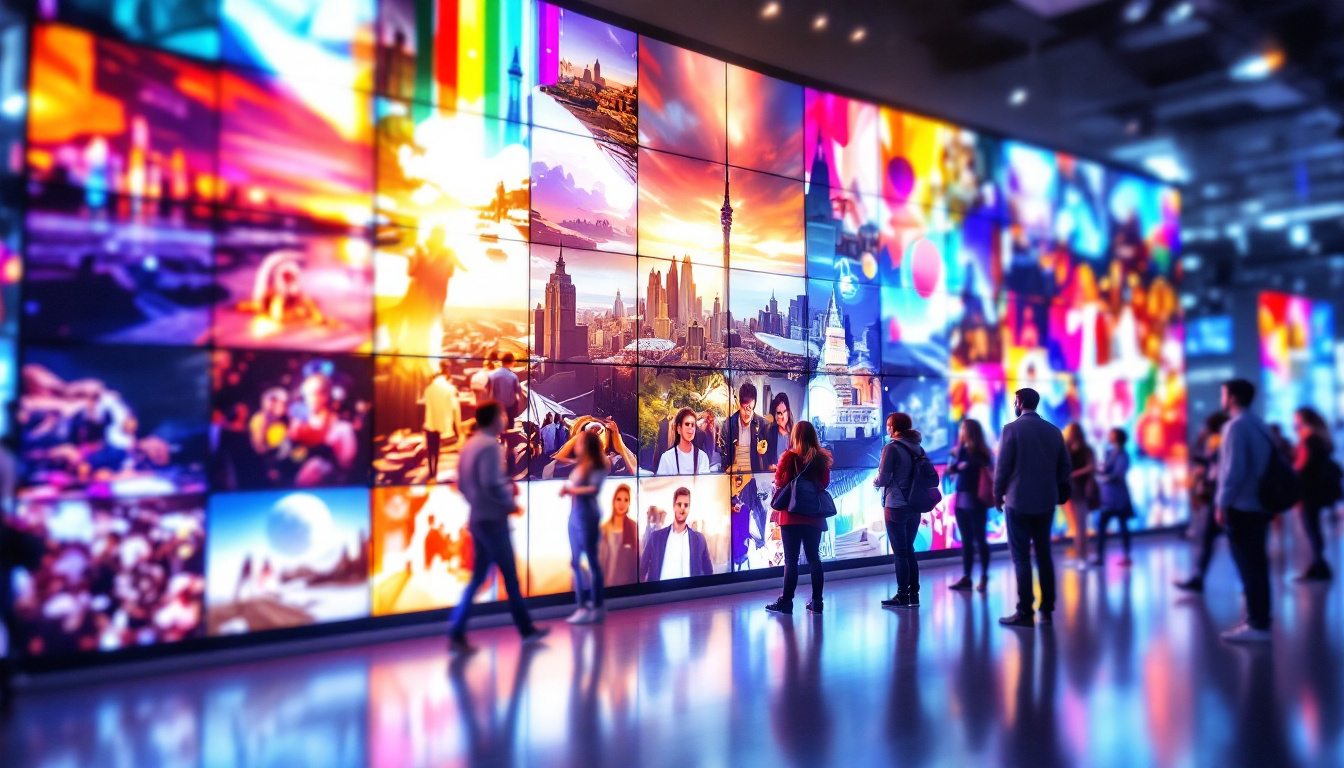
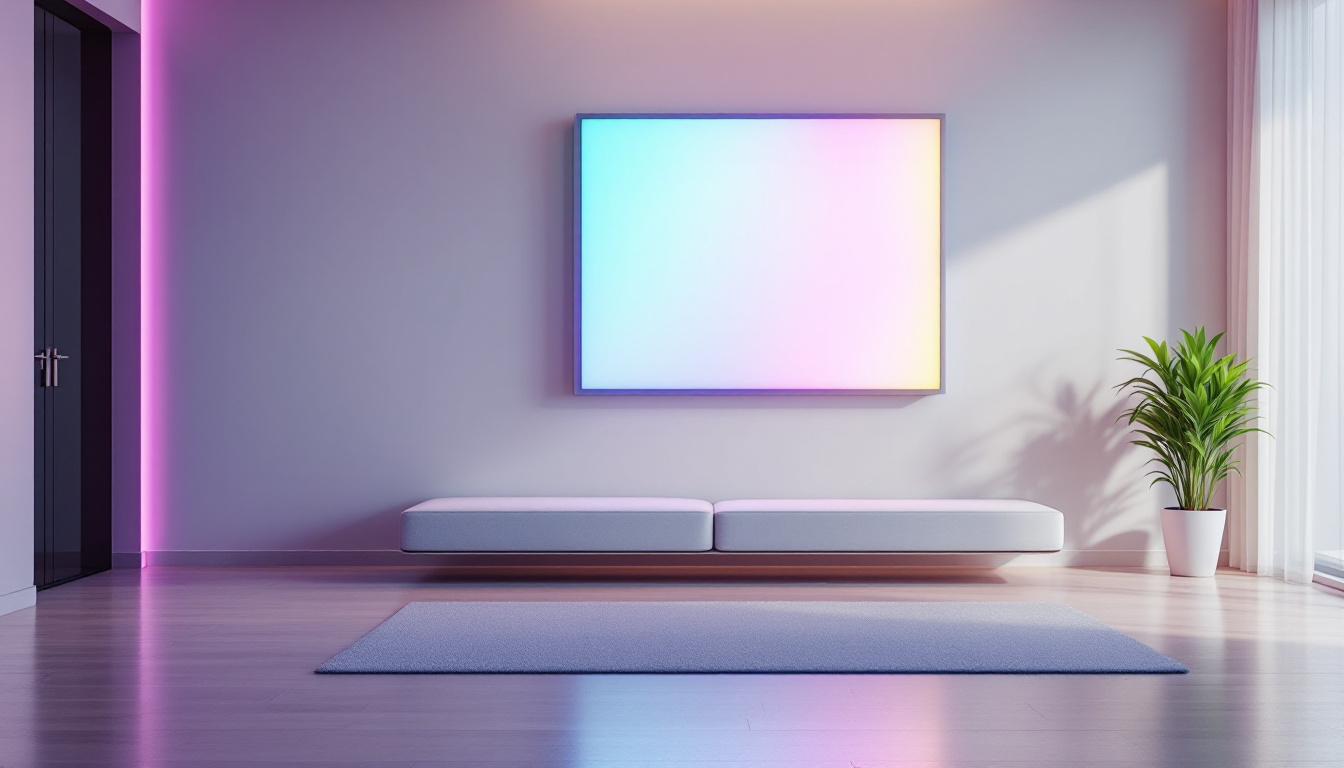
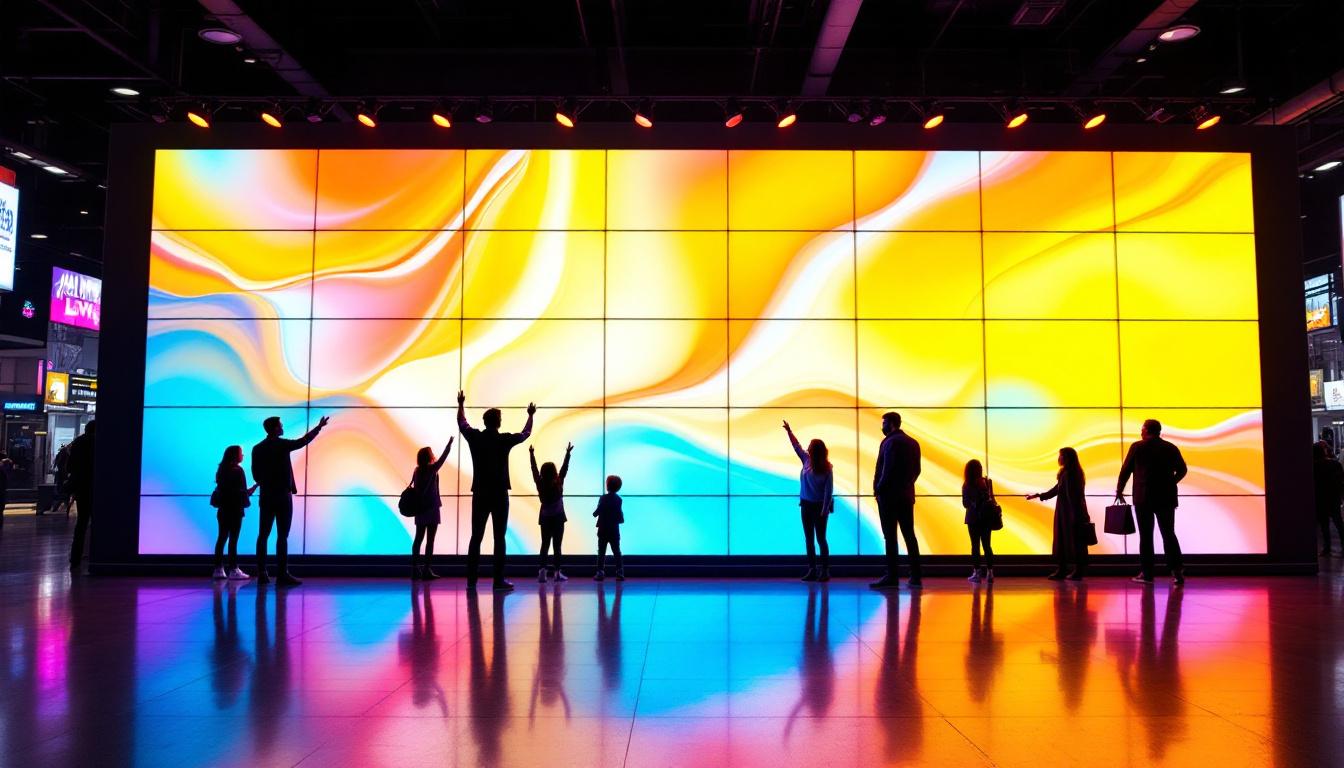
LED display backdrops are essentially screens composed of light-emitting diodes that can display a wide range of images, videos, or animations. Unlike traditional printed or fabric backdrops, LED displays offer the flexibility to change the background instantly without physical replacement.
These backdrops come in various sizes and resolutions, making them suitable for both large studio environments and compact photography spaces. For small photography setups, LED backdrops provide a unique blend of creativity and convenience, allowing photographers to customize scenes on the fly. This adaptability is particularly beneficial in fast-paced environments such as live events or commercial shoots, where time is of the essence and the ability to switch backgrounds quickly can significantly enhance the production value.
How LED Displays Work in Photography
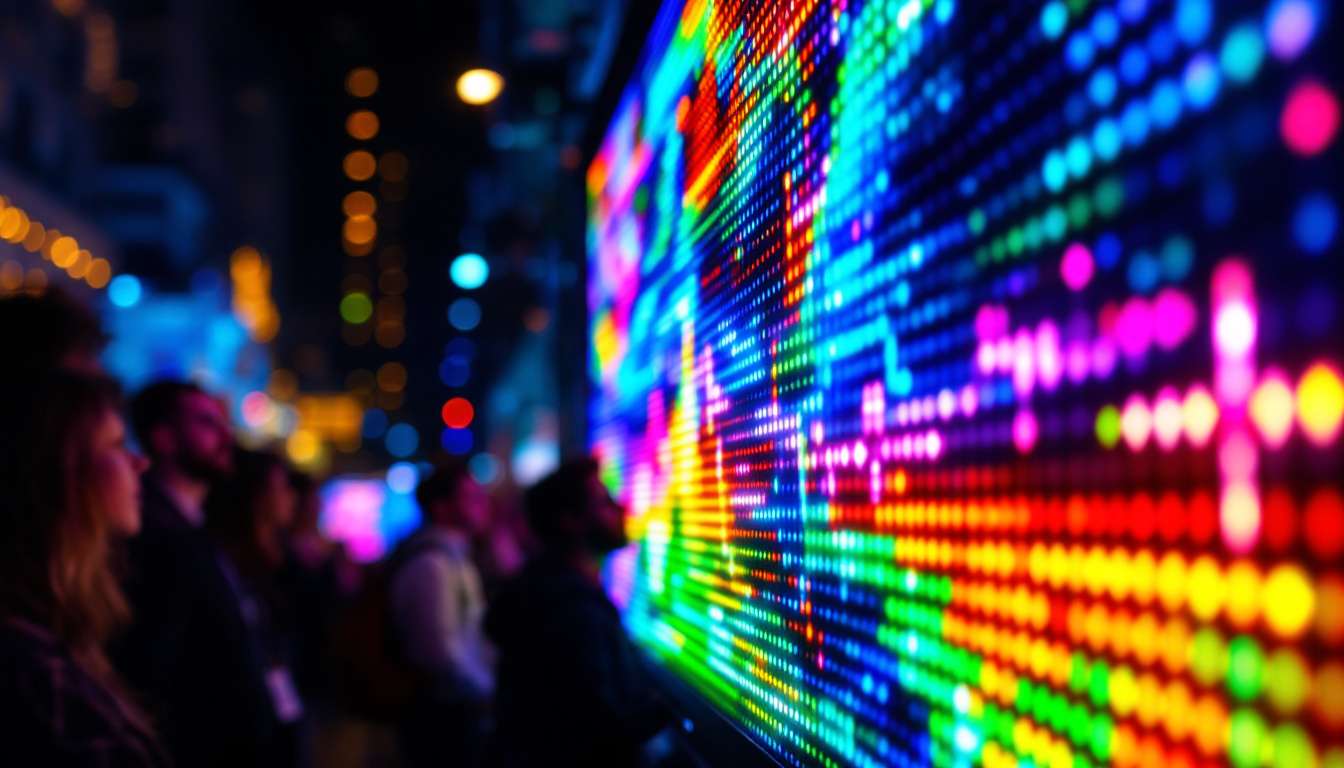
The core technology behind LED backdrops involves an array of tiny LEDs that emit light in different colors. When controlled by software, these LEDs can produce high-resolution images or videos that serve as dynamic backgrounds. Photographers can select or create digital scenes that complement their subject, enhancing the overall composition. This capability opens up a world of possibilities, allowing for imaginative storytelling through visuals that can transport viewers to various settings, from serene landscapes to bustling cityscapes.
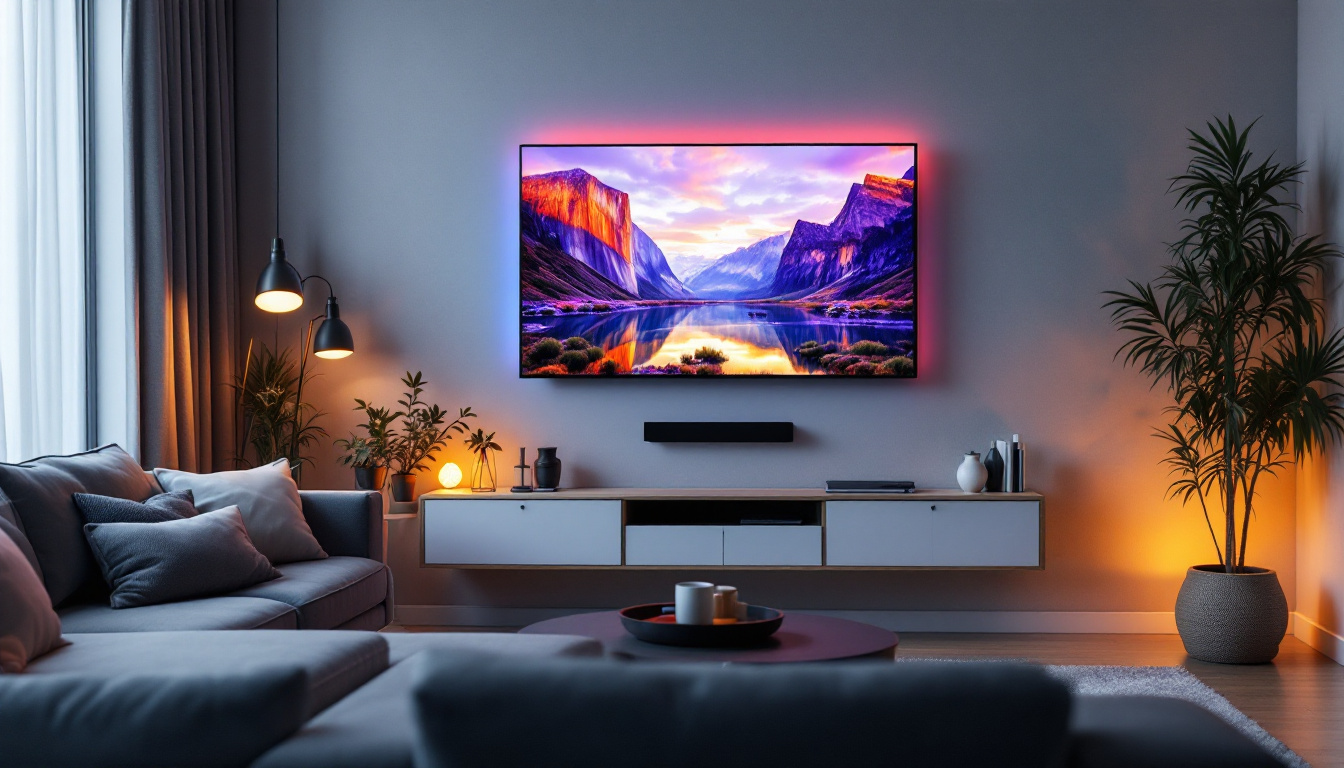
Moreover, LED backdrops emit their own light, which can be adjusted in brightness and color temperature. This feature not only influences the background but also subtly illuminates the subject, offering additional lighting control options. The ability to fine-tune the lighting conditions can help achieve a more cohesive look, ensuring that the subject stands out against the backdrop while maintaining a natural appearance. Additionally, many modern LED backdrops are equipped with advanced features such as motion tracking and interactive elements, allowing for even more dynamic and engaging photographic experiences. As technology continues to evolve, the integration of augmented reality (AR) with LED displays promises to further revolutionize the way photographers and videographers create and manipulate their environments, making it an exciting time for visual storytelling.
Advantages of Using LED Display Backdrops in Small Photography
Small photography studios and setups often face spatial and logistical constraints. LED display backdrops address many of these challenges while adding creative flexibility. Here are some key advantages:
1. Space Efficiency and Portability
Traditional backdrops, such as large printed canvases or fabric curtains, require storage space and can be cumbersome to set up or change. LED panels designed for photography are often modular and slim, fitting easily into limited studio space. Many models are lightweight and portable, making them ideal for photographers who shoot on location or in small home studios.
2. Instant Customization and Versatility
With LED backdrops, photographers can switch between different backgrounds instantly via software. This capability is invaluable during shoots where multiple themes or moods are required. For example, a portrait session can seamlessly transition from a vibrant cityscape to a subtle, abstract pattern without interrupting the workflow or requiring physical backdrop changes.
3. Enhanced Lighting Control
Since LED backdrops emit light, they serve a dual purpose: background and light source. Photographers can adjust the brightness and color temperature to complement the subject’s skin tone and outfit, reducing the need for additional lighting equipment. This integration simplifies the lighting setup and can lead to more natural and balanced images.
4. High-Quality Visual Impact
Modern LED panels offer high pixel density and color accuracy, ensuring that backgrounds appear sharp and vibrant on camera. This quality is essential for professional photography where image clarity and color fidelity are paramount. Additionally, the ability to display animated or interactive backgrounds opens new creative possibilities that static backdrops cannot match.
Applications of LED Display Backdrops in Small Photography
LED display backdrops are increasingly popular across various photography genres, particularly where small studios or limited space are involved.
Portrait Photography
Portrait photographers benefit from the ability to tailor backgrounds to their subjects’ personalities or the shoot’s theme. For instance, a fashion portrait session can utilize dynamic cityscapes or abstract art backgrounds that enhance the model’s look without distracting from the subject. The subtle lighting from the LED backdrop also helps to create flattering skin tones and depth.
Product Photography
In product photography, the backdrop’s role is to highlight the product without overwhelming it. LED displays can provide clean, minimalistic backgrounds or thematic settings that align with branding. For small products, LED backdrops allow for precise control over reflections and shadows, contributing to high-quality commercial images.
Event and Social Media Content Creation
Content creators and influencers working in compact spaces often require versatile backdrops for video and photo content. LED displays offer a professional look without the need for extensive physical props. The ability to change backgrounds rapidly is especially useful for live streaming or creating diverse content in a short timeframe.
Key Considerations When Choosing LED Display Backdrops
While LED backdrops offer numerous benefits, selecting the right setup requires careful consideration of several factors to ensure optimal results.
Resolution and Pixel Pitch
Resolution determines the clarity of the displayed image, while pixel pitch refers to the distance between individual LEDs. For small photography backdrops, a finer pixel pitch (e.g., 1.5mm to 2.5mm) ensures smooth and detailed visuals that hold up under close camera scrutiny. Lower resolution or larger pixel pitch may result in visible LED dots, which can detract from image quality.
Size and Aspect Ratio
The physical size of the LED backdrop should correspond to the shooting space and the framing requirements of the photographer. Modular LED panels allow for flexible sizing, but it’s important to consider the aspect ratio to avoid distortion of the displayed images. Common aspect ratios include 16:9 and 4:3, which align well with most camera formats.
Brightness and Color Accuracy
Brightness levels must be adjustable to accommodate various lighting conditions and camera settings. High brightness is beneficial in well-lit environments, while dimming capabilities prevent overexposure. Color accuracy is equally critical; professional-grade LED panels often come calibrated or support calibration tools to maintain consistent and true-to-life colors.
Connectivity and Software Compatibility
Choosing an LED backdrop with user-friendly control software is essential for seamless operation. Compatibility with common image and video formats, as well as integration with popular editing or presentation software, enhances workflow efficiency. Additionally, consider connectivity options such as HDMI, USB, or wireless control for ease of use.
Budget and Longevity
LED display backdrops represent a significant investment compared to traditional backdrops. However, their durability and multifunctionality can justify the cost over time. Photographers should evaluate their specific needs and frequency of use to determine the return on investment. Maintenance and warranty terms are also important factors to consider.
Setting Up and Using LED Display Backdrops Effectively
Proper setup and operation are key to maximizing the benefits of LED display backdrops in small photography environments.
Positioning and Mounting
LED panels should be mounted securely, either on stands, wall mounts, or custom frames, depending on the studio layout. Positioning the backdrop at an appropriate distance from the subject helps avoid unwanted reflections or glare. For small spaces, wall-mounted or foldable panels can save room and simplify setup.
Calibration and Testing
Before a shoot, calibrate the LED display to ensure accurate color reproduction and brightness levels. Test different background images or videos to evaluate how they interact with the subject and lighting. Adjust camera settings accordingly to achieve the desired exposure and color balance.
Lighting Integration
While LED backdrops provide their own light source, additional lighting may still be necessary to sculpt the subject and create depth. Using softboxes, reflectors, or directional lights in conjunction with the LED backdrop can enhance the overall image quality. Experimentation with lighting angles and intensities is recommended to find the optimal setup.
Creative Experimentation
The versatility of LED backdrops invites photographers to experiment with different visual themes and styles. Incorporating motion graphics, subtle animations, or interactive elements can add a unique dimension to portraits or product shots. This creative flexibility can set photographers apart in a competitive market.
Future Trends in LED Backdrops for Photography
As technology advances, LED display backdrops are expected to become even more integral to photography workflows, especially in small and mobile studios.
Higher Resolution and Miniaturization
Ongoing improvements in LED technology will lead to even finer pixel pitches and higher resolutions, making digital backdrops indistinguishable from real environments. Smaller, more lightweight panels will enhance portability and ease of use.
Integration with Augmented Reality (AR)
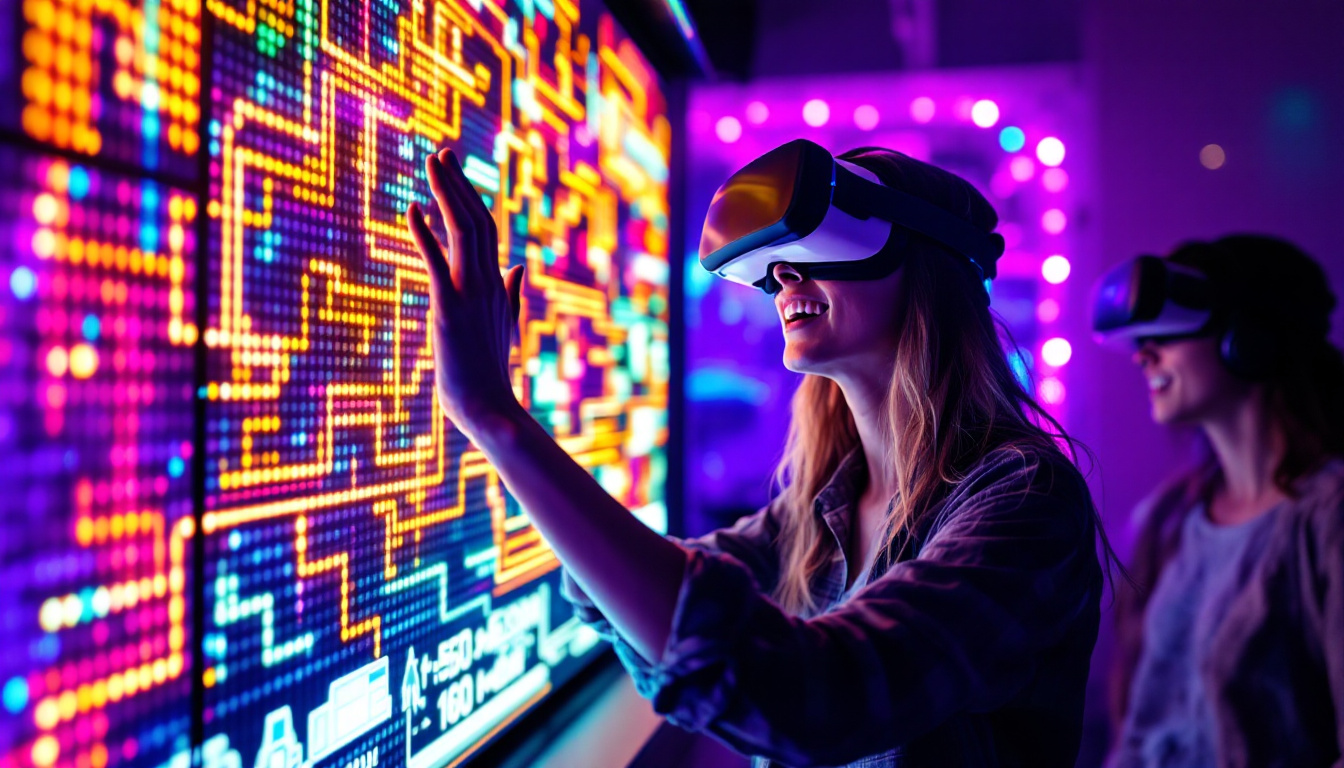
Combining LED backdrops with AR technology could create immersive and interactive photography experiences. Photographers might soon overlay digital elements in real-time, blending physical and virtual worlds seamlessly.
Eco-Friendly and Energy-Efficient Designs
Energy consumption and sustainability are growing concerns. Future LED backdrops will likely focus on reducing power usage and utilizing eco-friendly materials, aligning with broader industry trends toward green practices.
Conclusion
LED display backdrops represent a significant advancement in small photography setups, offering unparalleled flexibility, creative potential, and practical benefits. Their ability to transform any space into a customizable studio environment makes them an attractive option for portrait, product, and content creation photography.
By understanding the technology, advantages, and considerations involved, photographers can make informed decisions about integrating LED backdrops into their workflows. As this technology continues to evolve, it promises to redefine the boundaries of photographic creativity and efficiency in small studio environments.
Discover the Future of Photography with LumenMatrix
Ready to elevate your photography to new heights? LumenMatrix is at the forefront of LED display innovation, offering a wide array of solutions tailored to your creative needs. From Indoor and Outdoor LED Wall Displays to specialized options like Vehicle, Sports, and Floor LED Displays, our technology is designed to bring your vision to life with vibrancy and precision. Embrace the future of visual storytelling with our Custom, All-in-One, and Transparent LED Displays. Don’t miss out on the opportunity to transform your small photography setup into a dynamic studio. Check out LumenMatrix LED Display Solutions today and start creating with the best in LED technology.