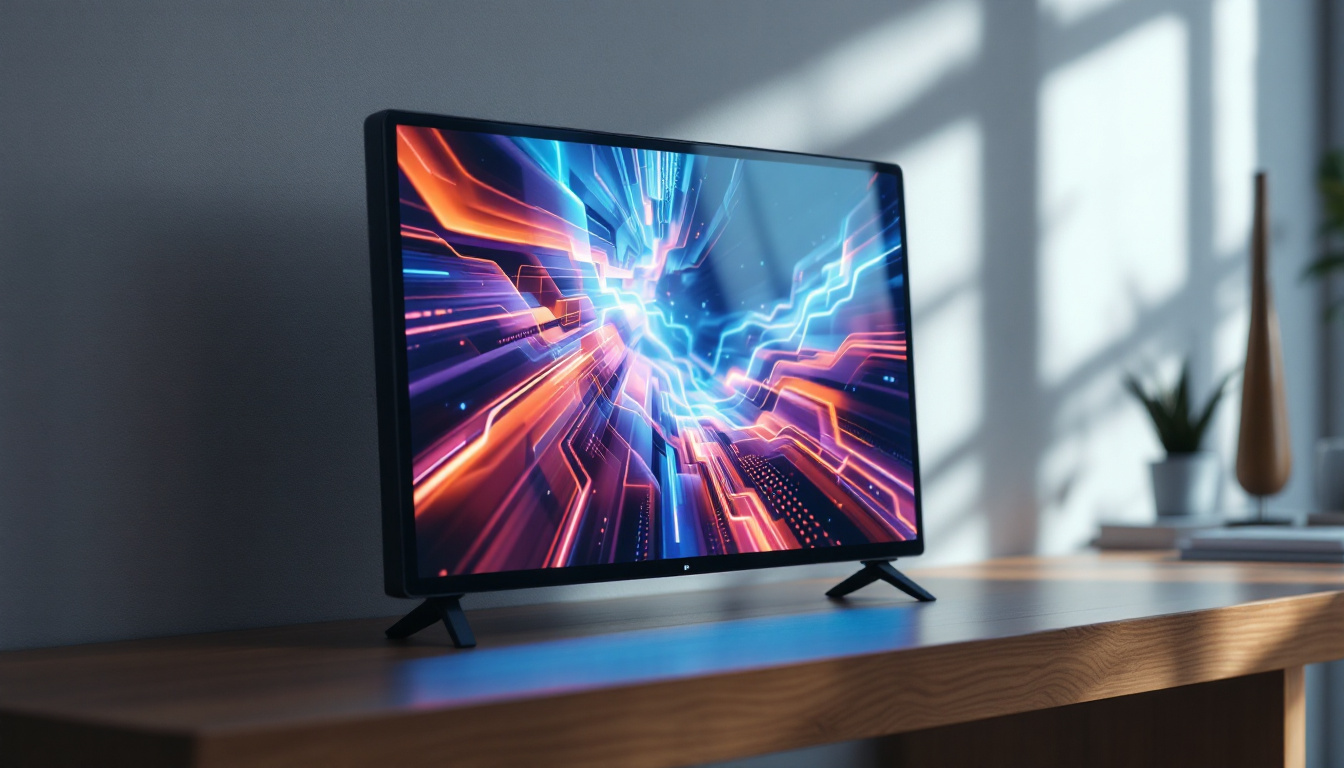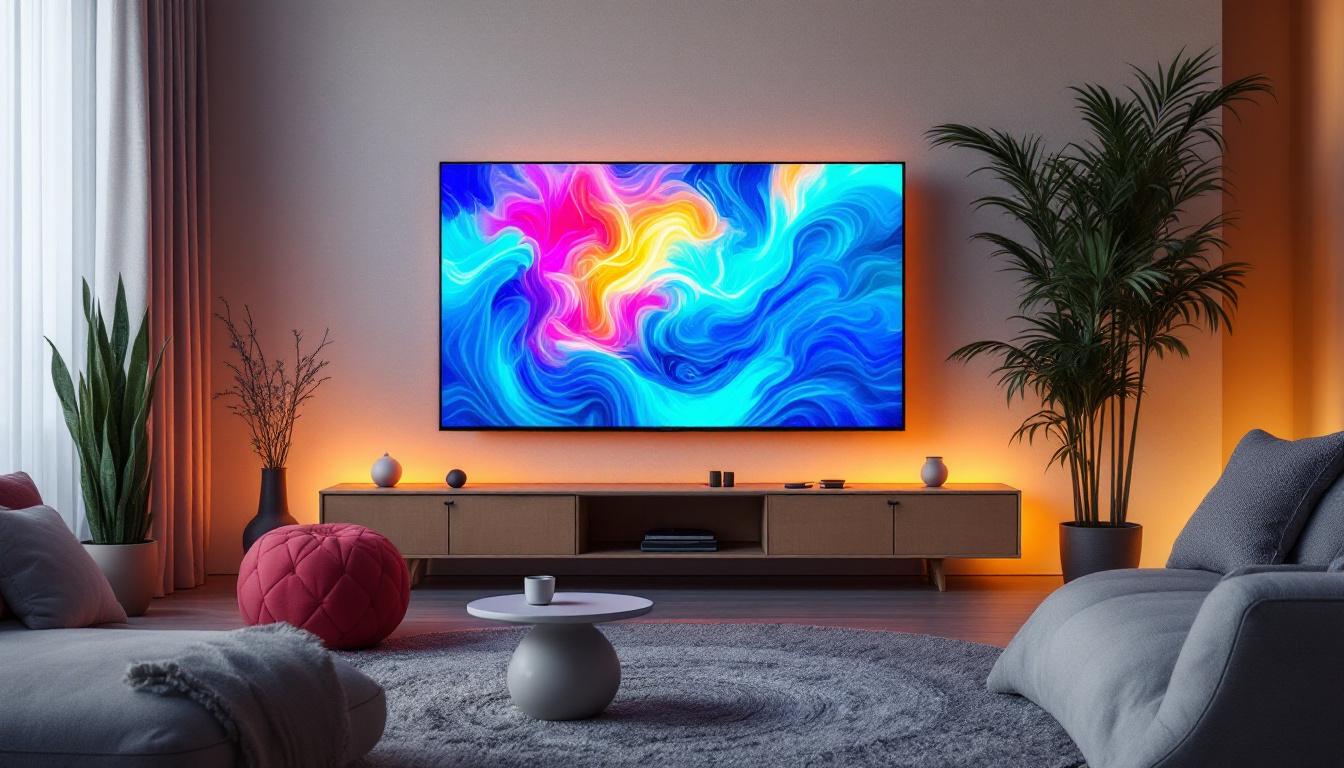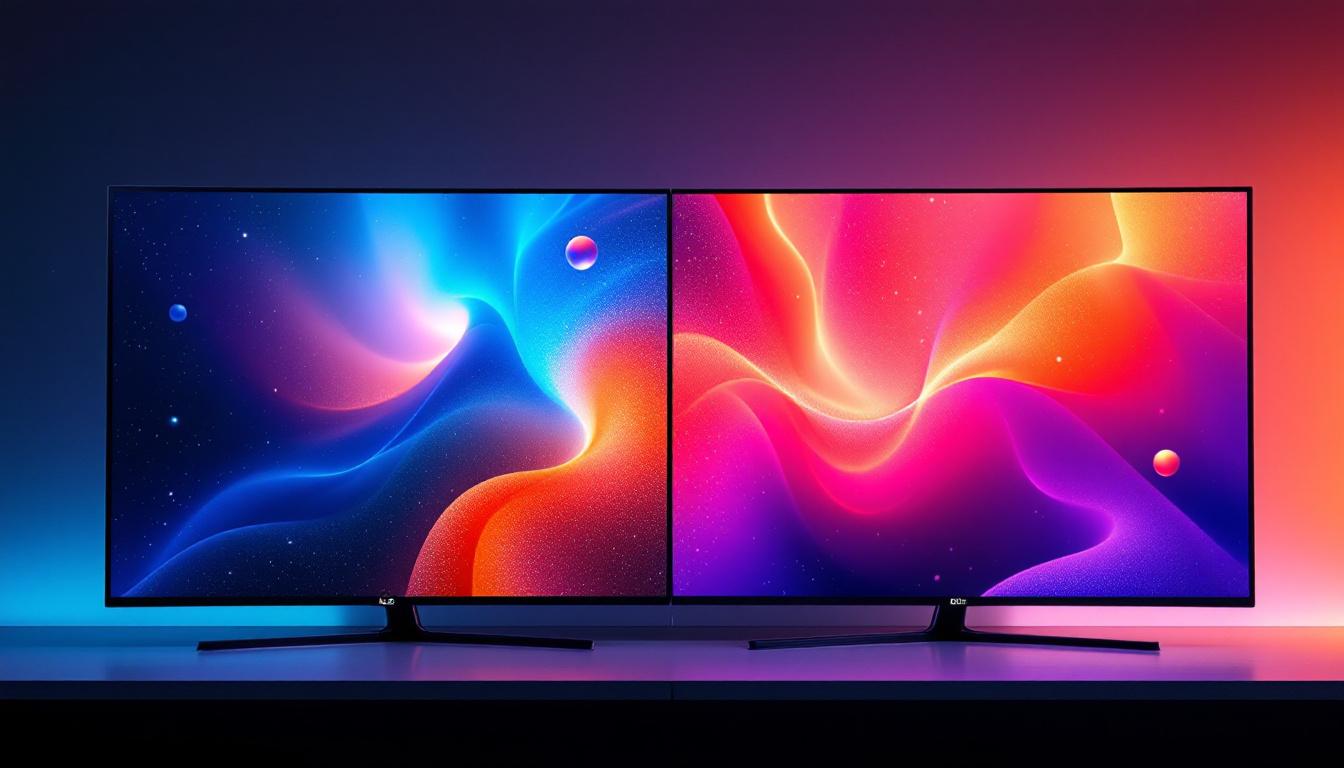
In the rapidly evolving world of television technology, choosing the right display can be a daunting task. Among the myriad options available, LED and QLED displays have become two of the most popular choices for consumers seeking vibrant visuals and immersive viewing experiences. While both technologies employ LED backlighting, their underlying mechanisms and performance characteristics differ significantly.
This article delves into the key differences between standard LED and QLED displays, exploring their technology, picture quality, energy efficiency, and price points. Whether you are a casual viewer or a home theater enthusiast, understanding these distinctions will help you make an informed decision when purchasing your next TV.
Understanding LED Display Technology
What is a Standard LED Display?
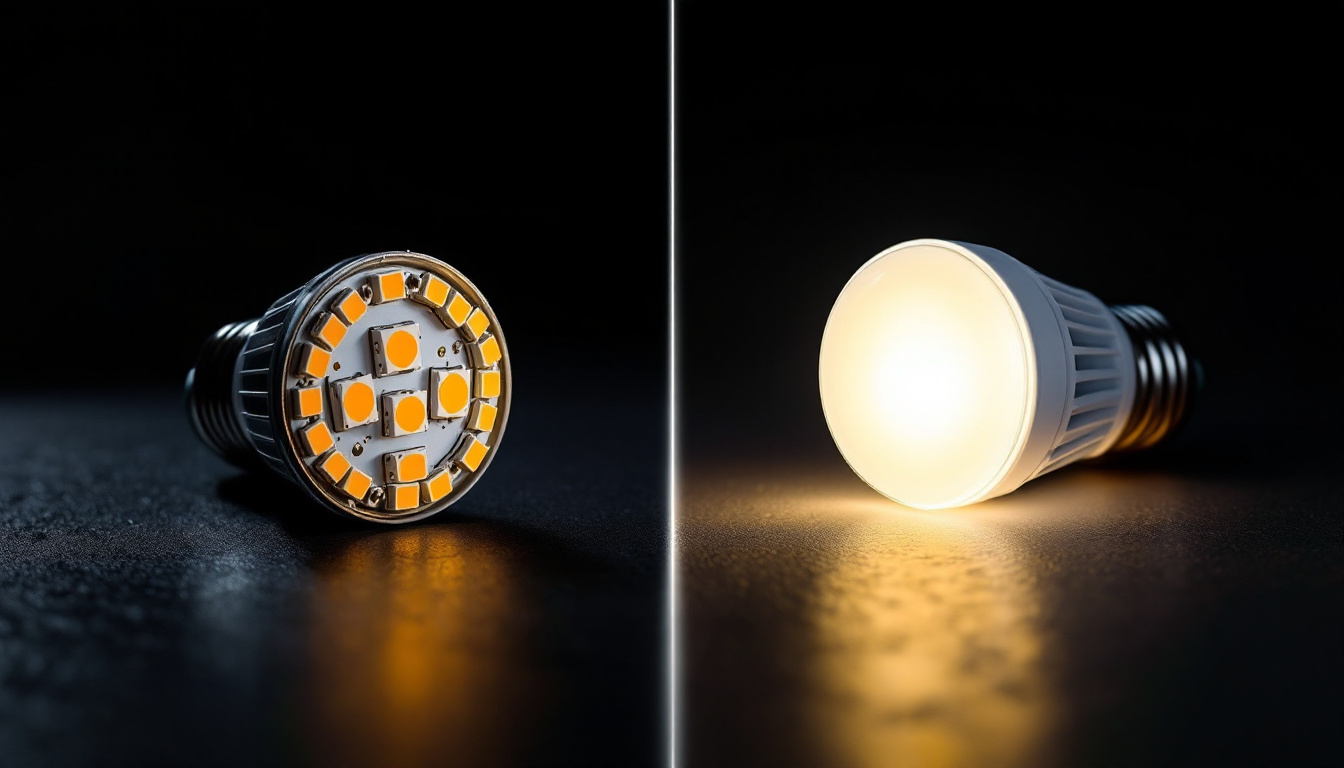
A standard LED display is essentially an LCD (Liquid Crystal Display) panel that uses Light Emitting Diodes (LEDs) as its backlight source. Unlike older LCD TVs that used cold cathode fluorescent lamps (CCFLs), LED TVs employ LEDs to illuminate the screen, which allows for thinner designs, improved energy efficiency, and better brightness levels.
There are two primary types of LED backlighting used in standard LED TVs: edge-lit and full-array. Edge-lit LED TVs position LEDs along the edges of the screen, directing light across the panel with light guides. Full-array LED TVs, on the other hand, have a grid of LEDs placed directly behind the screen, allowing for more precise control of brightness and contrast through local dimming zones.
In addition to these two types, some advanced models incorporate technologies like dynamic local dimming, which adjusts the brightness of individual zones in real-time based on the content being displayed. This not only enhances the overall contrast but also improves the viewing experience in darker scenes, making shadows deeper and highlights more striking. Furthermore, the advancements in LED technology have led to the development of mini-LED displays, which utilize thousands of tiny LEDs for backlighting, resulting in even finer control over brightness and color accuracy.
How Does QLED Differ?
QLED, short for Quantum Dot LED, is a marketing term popularized by Samsung and other manufacturers to describe an LED TV that incorporates a quantum dot layer between the LED backlight and the LCD panel. Quantum dots are microscopic semiconductor particles that emit precise colors when illuminated by the LED backlight.
This quantum dot technology enhances the color accuracy and brightness of the display significantly compared to standard LED TVs. QLED TVs still use LED backlighting but leverage the quantum dots to produce a wider color gamut and higher peak brightness, making them particularly suitable for HDR (High Dynamic Range) content. The result is a more vibrant and lifelike image that can reproduce a broader spectrum of colors, which is especially noticeable in scenes with bright, saturated colors or subtle gradients.
Moreover, QLED technology also boasts impressive longevity and resistance to burn-in, a common issue with OLED displays. This makes QLED TVs an excellent choice for varied viewing habits, whether it’s binge-watching a series, playing video games, or enjoying sports. As the technology continues to evolve, manufacturers are also exploring ways to enhance the viewing angles and reduce reflections, further improving the overall user experience. With ongoing innovations, QLED displays are becoming increasingly competitive, offering a compelling alternative to OLED technology in the high-end television market.
Picture Quality: Brightness, Color, and Contrast
Brightness and HDR Performance
One of the most noticeable differences between standard LED and QLED displays is brightness. QLED TVs can achieve peak brightness levels exceeding 1,500 nits, with some premium models reaching up to 2,000 nits. In contrast, typical standard LED TVs often max out around 300 to 500 nits.
This higher brightness capability allows QLED TVs to display HDR content with more vivid highlights and deeper shadows, enhancing the overall dynamic range. For example, during bright scenes in movies or sports broadcasts, QLED TVs can render sunlight reflections or explosions with greater realism and impact. Furthermore, this brightness also plays a crucial role in viewing comfort; in well-lit rooms, QLED TVs maintain picture clarity without the colors washing out, making them ideal for daytime viewing.
Color Accuracy and Gamut
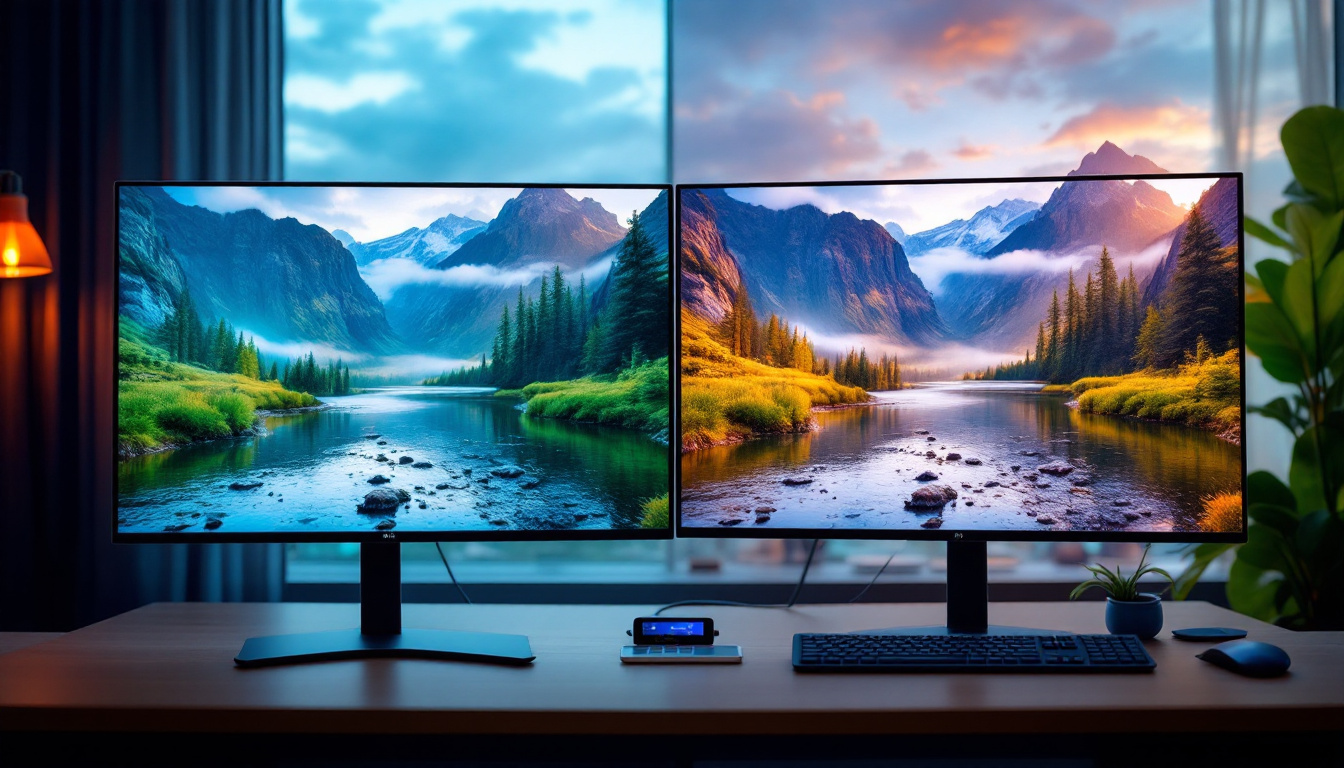
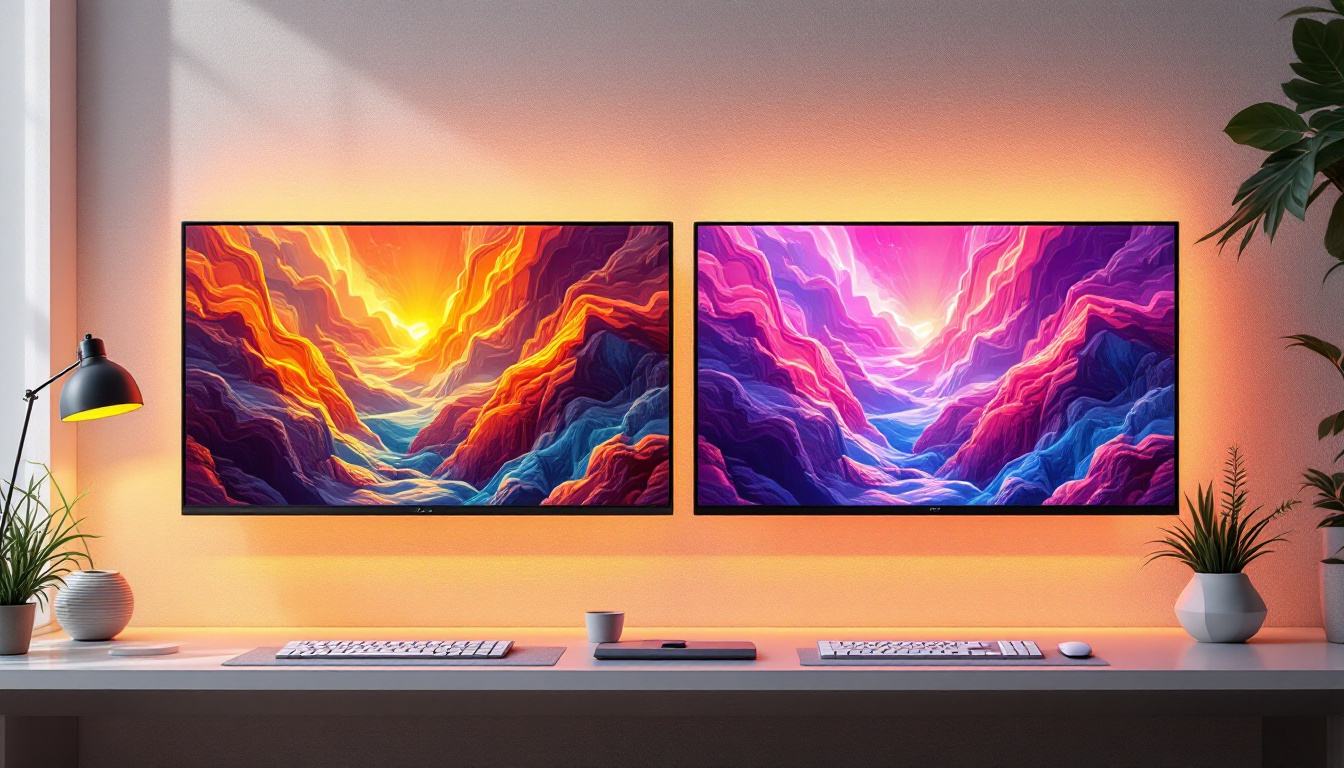
Quantum dots enable QLED TVs to produce a broader and more precise color spectrum. While standard LED TVs generally cover around 70-80% of the DCI-P3 color space (the industry standard for digital cinema), QLED TVs can cover upwards of 90-99% of this gamut.
This expanded color range means that QLED displays can reproduce colors that are closer to what the human eye perceives in the real world. For viewers who prioritize color fidelity—such as photographers, videographers, or cinephiles—this can make a substantial difference in the viewing experience. Additionally, the enhanced color performance of QLED TVs can be particularly beneficial for animated films and video games, where vibrant hues and subtle gradients contribute significantly to the overall aesthetic and immersion.
Contrast and Black Levels
Contrast ratio—the difference between the darkest blacks and the brightest whites—is a critical metric for image quality. Standard LED TVs with full-array local dimming can achieve respectable contrast ratios by dimming or turning off LEDs in dark areas of the screen.
However, QLED TVs, despite their superior brightness and color, often struggle with black levels compared to OLED displays because the LCD panel still allows some light to bleed through. That said, advancements in local dimming technology have narrowed this gap, and many high-end QLED models offer excellent contrast performance suitable for most viewing environments. Moreover, some QLED TVs incorporate features like anti-reflective coatings and advanced processing algorithms that further enhance perceived contrast, making dark scenes more engaging and visually striking. This is particularly important for genres like horror or thriller, where shadow details can significantly affect the storytelling experience.
Energy Efficiency and Lifespan
Power Consumption Considerations
LED and QLED TVs are generally more energy-efficient than older display technologies like plasma or CCFL-backlit LCDs. However, the higher brightness levels of QLED TVs can lead to increased power consumption, especially when displaying bright HDR content.
On average, a standard LED TV consumes between 50 to 150 watts depending on screen size and settings, while QLED TVs may use slightly more power due to their enhanced brightness capabilities. Energy Star ratings and manufacturer specifications can provide guidance for consumers concerned about electricity usage.
Durability and Lifespan
Both standard LED and QLED TVs typically have long lifespans, often exceeding 60,000 hours of use before noticeable degradation occurs. Quantum dots used in QLED displays are inorganic and generally stable, which means QLED TVs do not suffer from burn-in issues that can affect OLED panels.
In practical terms, this means that both types of TVs should provide many years of reliable service under normal viewing conditions, making durability less of a deciding factor between them.
Price and Value: What to Expect
Cost Differences
Price is often a decisive factor for consumers choosing between standard LED and QLED TVs. Standard LED TVs are widely available across various price points, from budget-friendly models under $300 to premium options exceeding $1,000 for larger screens and advanced features.
QLED TVs, due to their quantum dot technology and higher-end components, generally command a premium. Entry-level QLED models start around $600 to $800, with flagship models reaching several thousand dollars depending on size, resolution, and additional features like 8K resolution or advanced smart TV capabilities.
Is the Premium Worth It?
For many viewers, the enhanced brightness, color accuracy, and HDR performance of QLED TVs justify the higher price. This is especially true for those who watch a lot of high-quality content, play video games with vivid graphics, or use their TV in bright rooms where glare can be an issue.
Conversely, standard LED TVs remain an excellent choice for everyday viewing, offering solid picture quality and value for money. They are particularly suitable for secondary rooms, casual viewers, or those on a tighter budget.
Additional Features and Considerations
Smart TV Capabilities
Both standard LED and QLED TVs typically come equipped with smart TV platforms, allowing access to streaming services, apps, and voice assistants. The choice between the two does not usually impact the smart functionality, which is more dependent on the manufacturer and operating system.
Viewing Angles and Screen Sizes
Viewing angle performance is generally similar between standard LED and QLED TVs, as both rely on LCD panels. Some models incorporate technologies like IPS (In-Plane Switching) panels to improve viewing angles, but this is independent of whether the TV is LED or QLED.
Both technologies are available in a wide range of screen sizes, from compact 32-inch models to expansive 85-inch and larger displays, catering to diverse room sizes and preferences.
Conclusion: Choosing Between Standard LED and QLED
When deciding between a standard LED and a QLED TV, the choice ultimately hinges on your viewing habits, budget, and priorities. QLED technology offers superior brightness, color accuracy, and HDR performance, making it an excellent option for enthusiasts seeking a premium visual experience.
Standard LED TVs, meanwhile, provide reliable picture quality at a more accessible price point, suitable for everyday use and casual viewing. Both technologies benefit from ongoing advancements, ensuring that consumers can find a display that meets their needs without compromise.
By understanding the differences outlined above, shoppers can confidently navigate the LED display market and select a television that delivers the best combination of performance, features, and value for their unique requirements.
Discover the Future of Visual Display with LumenMatrix
Ready to elevate your viewing experience with the latest in LED display technology? LumenMatrix is at the forefront of innovation, offering a wide array of LED display solutions tailored to your needs. From immersive Indoor LED Wall Displays to dynamic Outdoor LED Wall Displays, and from versatile Vehicle LED Displays to eye-catching LED Poster Displays, our products are designed to captivate and engage. Explore our cutting-edge LED Sports Displays, interactive Floor LED Displays, and Custom LED solutions that transform any space into a visual spectacle. Embrace the revolution in visual communication with LumenMatrix’s All-in-One and Transparent LED Displays, crafted to deliver your message with unparalleled impact. Check out LumenMatrix LED Display Solutions today and be part of the visual storytelling evolution.