In recent years, curved monitors have become increasingly popular among gamers, professionals, and casual users alike. Their unique design offers a different viewing experience compared to traditional flat screens, but what exactly do curved monitors do, and how do LED displays play into this? This article explores the technology behind curved LED monitors, the benefits they provide, and whether they are worth considering for your next display purchase.
Understanding Curved Monitors: The Basics
What Is a Curved Monitor?
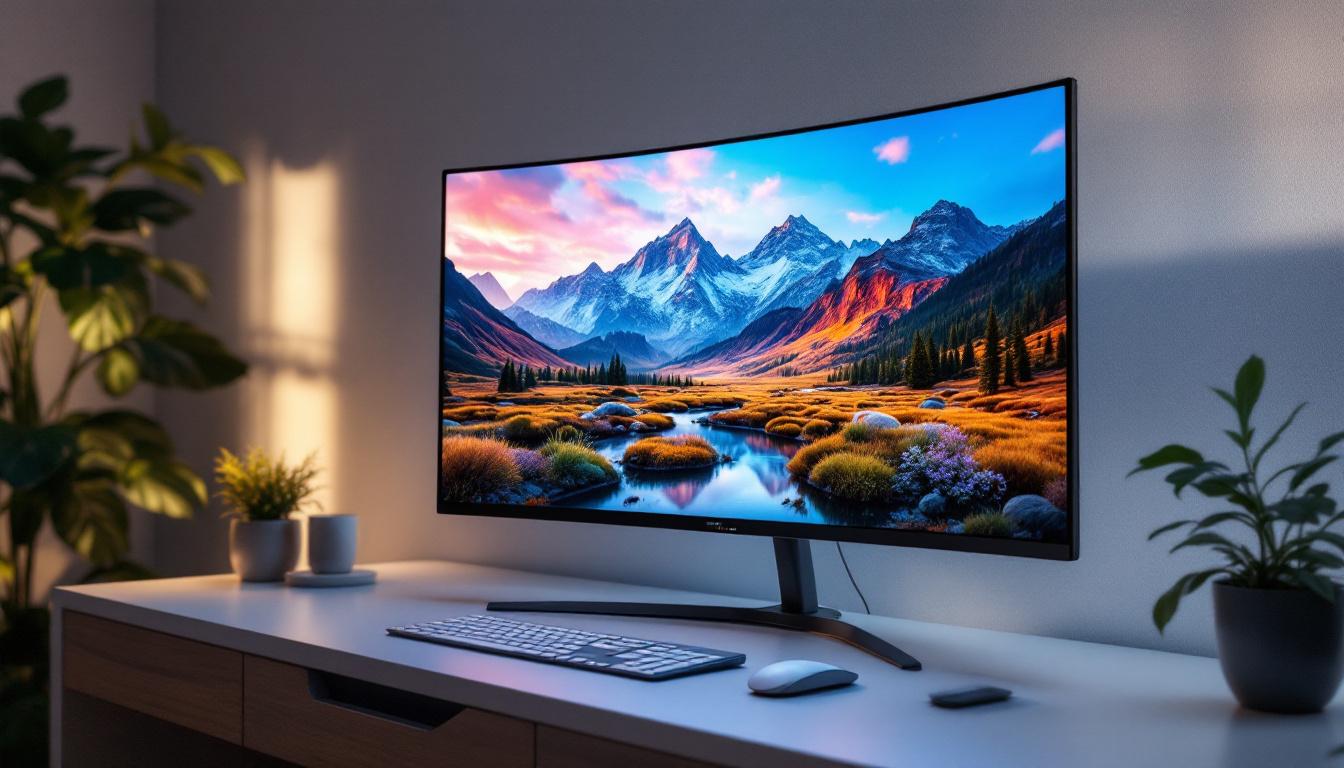
A curved monitor is a type of computer display that features a concave screen, gently bending inward toward the viewer. Unlike flat monitors, which present a uniform, flat surface, curved monitors wrap around the user’s field of vision. The curvature is measured in radius (millimeters), such as 1800R or 3000R, indicating how pronounced the curve is—the smaller the number, the more curved the screen.
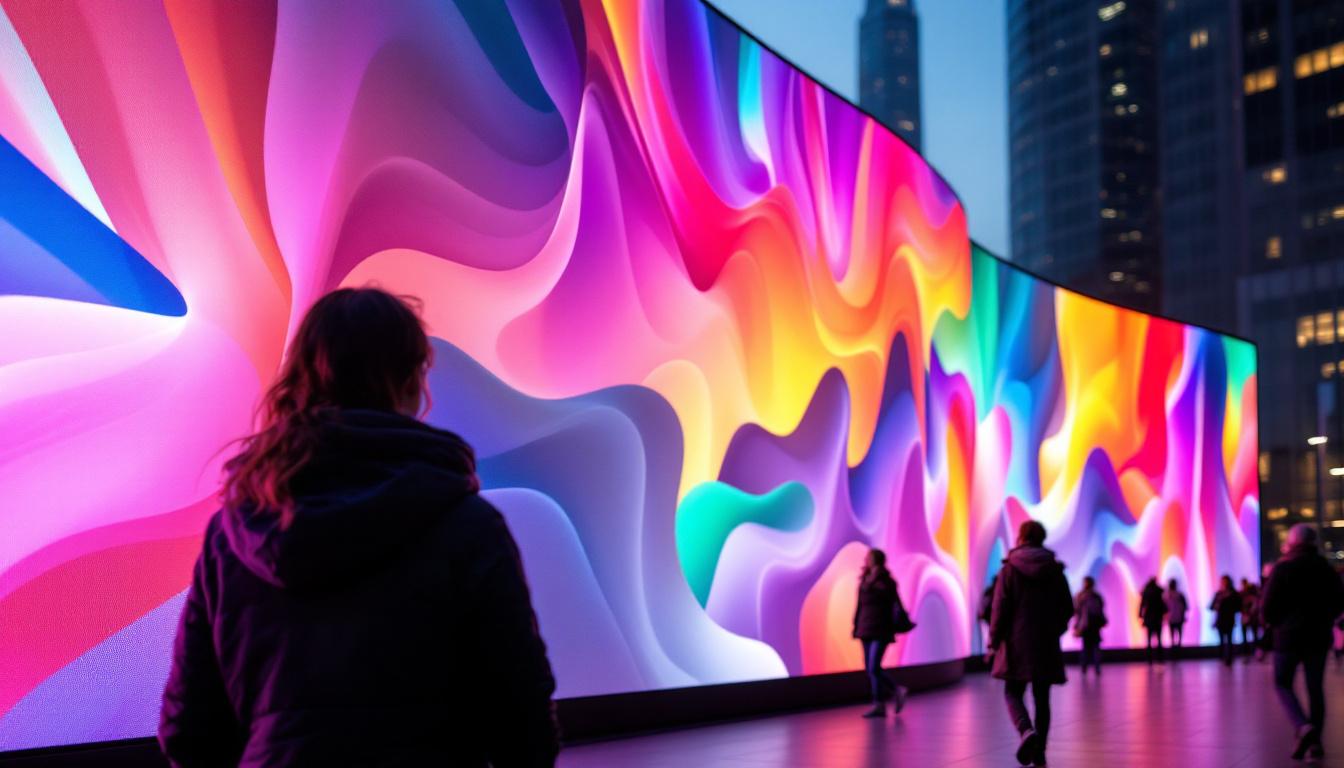
This design aims to create a more immersive and comfortable viewing experience by matching the natural curvature of the human eye. By doing so, curved monitors can reduce distortion and provide a wider field of view, which is especially beneficial for larger screens. The immersive nature of these monitors makes them particularly appealing for gaming and cinematic experiences, where the sense of depth can enhance the overall enjoyment and engagement with the content. Additionally, many users report less eye strain during extended use, as the curvature can help maintain a more natural line of sight.
Curved monitors also come in various sizes and resolutions, allowing users to choose the best fit for their needs. From ultra-wide models that can replace multi-monitor setups to compact versions suitable for smaller desks, the versatility of curved displays caters to a wide range of preferences. Furthermore, many manufacturers incorporate features like adjustable stands and VESA mount compatibility, ensuring that users can customize their viewing angles for maximum comfort.
How Do LED Displays Work?
LED (Light Emitting Diode) displays are a popular technology used in modern monitors, including curved ones. In an LED display, tiny diodes emit light to illuminate pixels on the screen. These LEDs can be arranged in different ways, such as edge-lit or full-array backlighting, to enhance brightness, contrast, and color accuracy.
LED technology offers several advantages over older display types like CCFL (cold cathode fluorescent lamp) backlighting, including better energy efficiency, thinner panels, and improved color reproduction. When combined with a curved screen, LED displays can deliver vivid images with enhanced depth perception. The ability to achieve deeper blacks and brighter whites makes LED displays particularly appealing for users who engage in graphic design, video editing, or gaming, where color accuracy is paramount.
Moreover, advancements in LED technology have led to the development of HDR (High Dynamic Range) displays, which further enhance the viewing experience by providing a broader spectrum of colors and improved contrast ratios. This means that scenes with both bright highlights and deep shadows can be rendered more realistically, allowing users to appreciate the finer details in their content. As a result, curved LED monitors are becoming increasingly popular among professionals and enthusiasts alike, who seek to elevate their visual experience to new heights.
The Advantages of Curved LED Monitors
Enhanced Immersion and Field of View
One of the primary reasons users opt for curved monitors is the immersive experience they provide. By curving the screen, the display wraps around the viewer’s peripheral vision, making it easier to take in more content without moving the head excessively. This effect is particularly noticeable with ultrawide curved monitors, which can have aspect ratios like 21:9 or even 32:9.
For gamers and multimedia enthusiasts, this wider field of view can translate into a more engaging experience. For example, in racing or flight simulation games, a curved ultrawide monitor can mimic the natural vision of a cockpit, enhancing realism and situational awareness.
Reduced Eye Strain and Improved Comfort
Extended screen time can cause eye fatigue, especially when using large flat monitors that require constant refocusing and head movement. Curved monitors help alleviate these issues by maintaining a more consistent focal distance across the entire screen. This means your eyes don’t have to adjust as much when looking from one side of the screen to the other.
Studies have shown that curved displays can reduce eye strain and improve viewing comfort during prolonged use. This makes them an excellent choice for professionals who spend hours editing photos, videos, or working with spreadsheets, as well as for office environments where productivity and comfort are paramount.
Improved Contrast and Reduced Glare
The curvature of the screen can also help reduce reflections and glare from ambient light sources. Because the screen curves inward, it tends to reflect less light directly back to the viewer, minimizing distractions caused by glare. This can enhance contrast perception, making images appear more vibrant and detailed.
When paired with LED technology, which typically offers higher brightness and better contrast ratios than older display types, curved monitors can deliver stunning visuals with deep blacks and bright highlights. This is particularly beneficial for creative professionals who require accurate color representation.
Technical Considerations: Choosing the Right Curved LED Monitor
Curvature Radius and Screen Size
When selecting a curved monitor, it’s important to consider the curvature radius in relation to screen size. Smaller monitors (24-27 inches) generally have gentler curves (3000R or higher), while larger monitors (32 inches and above) often feature more pronounced curves (1800R to 1500R).
A tighter curve on a large screen can enhance immersion but may also cause distortion if viewed from off-center angles. Conversely, a gentler curve is more forgiving but may not provide the same level of wraparound effect. For typical desktop use, a curvature between 1800R and 3000R is considered optimal.
Resolution and Aspect Ratio
Resolution plays a critical role in image clarity on curved monitors. Ultrawide curved monitors often come with resolutions like 3440×1440 (WQHD) or 3840×1080 (dual Full HD), providing ample screen real estate for multitasking and immersive gaming. Higher resolutions ensure that images remain sharp and detailed, even on large screens.
Aspect ratio is another factor to consider. While traditional monitors have a 16:9 aspect ratio, curved monitors frequently utilize ultrawide formats such as 21:9 or 32:9. These wider ratios offer more horizontal space, which is ideal for video editing timelines, multiple window layouts, and panoramic gaming experiences.
Refresh Rate and Response Time
For gamers, refresh rate and response time are crucial specifications. Many curved LED monitors offer refresh rates of 100Hz, 144Hz, or even 240Hz, allowing for smoother motion and reduced blur during fast-paced gameplay. Response times as low as 1ms help minimize ghosting and input lag.
While these features are less critical for office work or casual use, they are essential in competitive gaming environments where every millisecond counts. It’s worth noting that higher refresh rates typically require more powerful graphics hardware to fully utilize.
Applications of Curved LED Monitors
Gaming and Entertainment
Curved LED monitors have gained significant traction in the gaming community. The immersive field of view, combined with fast refresh rates and vivid LED displays, creates an engaging and competitive gaming setup. Popular titles such as racing simulators, first-person shooters, and role-playing games benefit from the enhanced depth perception and wider viewing angles.
Additionally, streaming movies and videos on a curved ultrawide monitor can replicate a cinematic experience, with minimal bezels and a wraparound effect that draws viewers into the content.
Professional and Creative Work
Professionals in graphic design, video editing, and financial analysis often require large, high-resolution displays to manage complex workflows. Curved LED monitors provide ample screen space and reduce the need for multiple monitor setups, which can clutter a workspace.
The improved color accuracy and contrast of LED technology, combined with the ergonomic benefits of curvature, make these monitors ideal for tasks that demand precision and extended focus. For example, video editors can benefit from a wider timeline view, while financial analysts can monitor multiple data streams simultaneously.
General Productivity and Multitasking
Even outside of specialized use cases, curved monitors can enhance everyday productivity. The wider screen space allows users to open multiple applications side-by-side without the interruption of bezels. This seamless workspace can improve workflow efficiency and reduce the cognitive load associated with switching between windows.
Moreover, the ergonomic benefits of reduced eye strain and improved comfort can contribute to better health and sustained productivity during long work sessions.
Potential Drawbacks and Considerations
Price and Availability
Curved LED monitors generally come at a premium compared to their flat counterparts. The manufacturing process for curved panels is more complex, and the specialized design often translates into higher retail prices. While prices have decreased over the past few years, budget-conscious buyers may find fewer options in the lower price range.
However, the growing popularity of curved monitors has led to increased competition among manufacturers, resulting in more affordable models without sacrificing key features.
Desk Space and Mounting
Curved monitors, especially ultrawide models, require more desk space due to their width and curvature. Users with limited workspace may find it challenging to accommodate these displays comfortably. Additionally, mounting options can be more limited, as some VESA mounts may not support the curvature or weight of larger curved monitors.
It’s advisable to measure your workspace and check mounting compatibility before purchasing a curved monitor to avoid setup issues.
Viewing Angles and Distortion
While curved monitors are designed to reduce distortion, they can introduce issues when viewed from extreme side angles. If multiple people need to view the screen simultaneously, such as in collaborative work environments, the curvature may cause color shifts or image distortion for viewers not positioned directly in front of the display.
For single-user setups, this is rarely a problem, but it’s a factor to consider in shared spaces.
Conclusion: Are Curved LED Monitors Worth It?
Curved LED monitors offer a compelling combination of immersive viewing, ergonomic benefits, and vibrant image quality. Their design aligns well with the natural curvature of the human eye, reducing strain and enhancing comfort during extended use. Whether for gaming, professional work, or general productivity, these monitors can elevate the user experience.
However, they are not without drawbacks, including higher costs, increased desk space requirements, and potential viewing angle limitations. Prospective buyers should weigh these factors against their specific needs and workspace constraints.
As LED technology continues to advance and curved monitors become more mainstream, prices are expected to become more accessible, making them a practical choice for a wider audience. For those seeking a visually immersive and comfortable display, a curved LED monitor is certainly worth considering.
Discover the Future of Visual Experience with LumenMatrix
Ready to take your visual experience to the next level? LumenMatrix is at the forefront of LED display innovation, offering a wide array of solutions tailored to your needs. Whether you’re looking to captivate your audience with an Indoor LED Wall Display, make a statement with a Custom LED Display, or enhance your gaming setup with cutting-edge technology, LumenMatrix has the perfect solution. Elevate your visual communication and create unforgettable experiences. Check out LumenMatrix LED Display Solutions today and see the difference for yourself.