Theatre design is a multifaceted discipline that combines artistry, technology, and storytelling to create immersive experiences for audiences. Among the many elements that contribute to a successful production, lighting and visual effects play a pivotal role. In recent years, LED display technology has revolutionized how designers approach stage visuals, offering unprecedented flexibility, vibrancy, and interactivity. This article explores the role of LED displays in theatre design, their technical aspects, creative applications, and the impact they have on modern productions.
Understanding LED Displays in Theatre
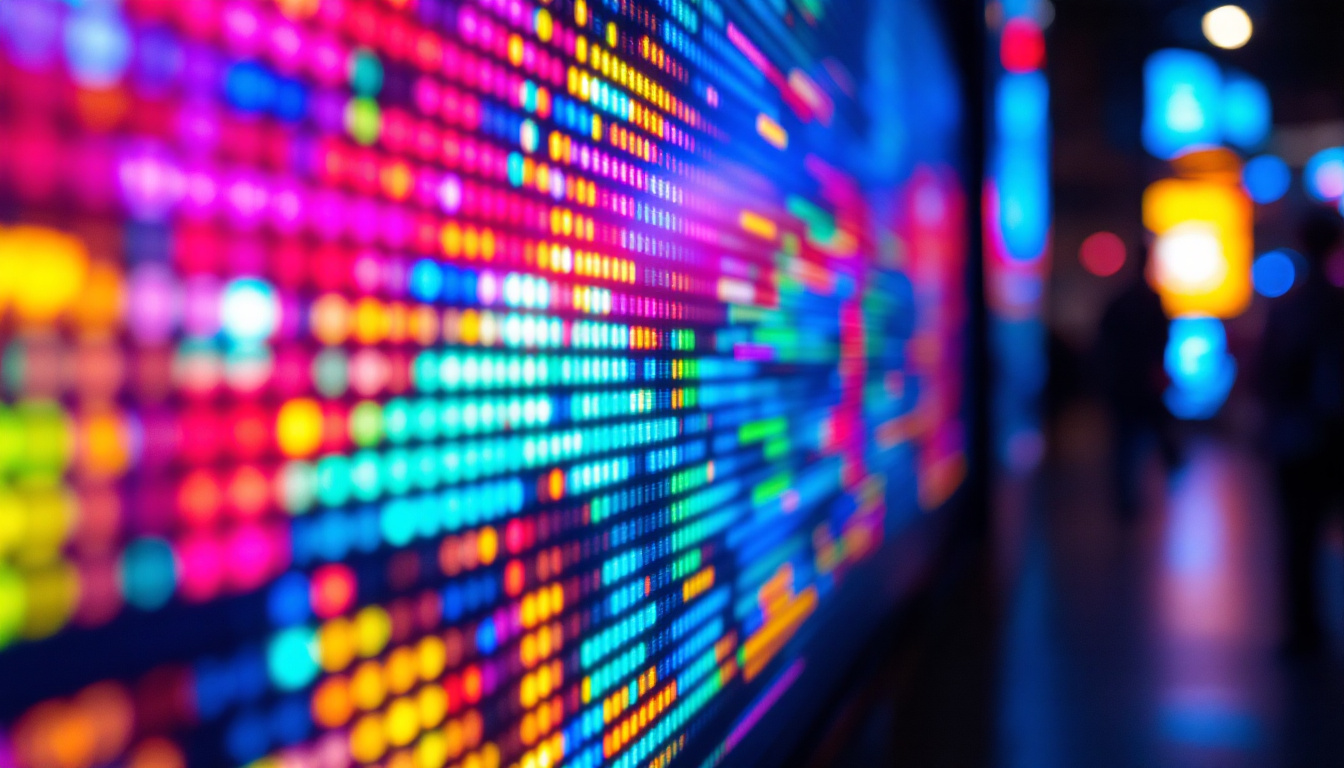
LED, or Light Emitting Diode, displays consist of numerous tiny diodes that emit light when an electric current passes through them. Unlike traditional stage lighting or projection systems, LED displays are self-illuminating, meaning they can produce bright, vivid images without the need for external light sources. This characteristic makes them highly versatile for theatre environments, where lighting conditions can vary dramatically. The ability to maintain consistent brightness and color fidelity across different settings allows directors and lighting designers to focus on storytelling without worrying about the limitations of their equipment.
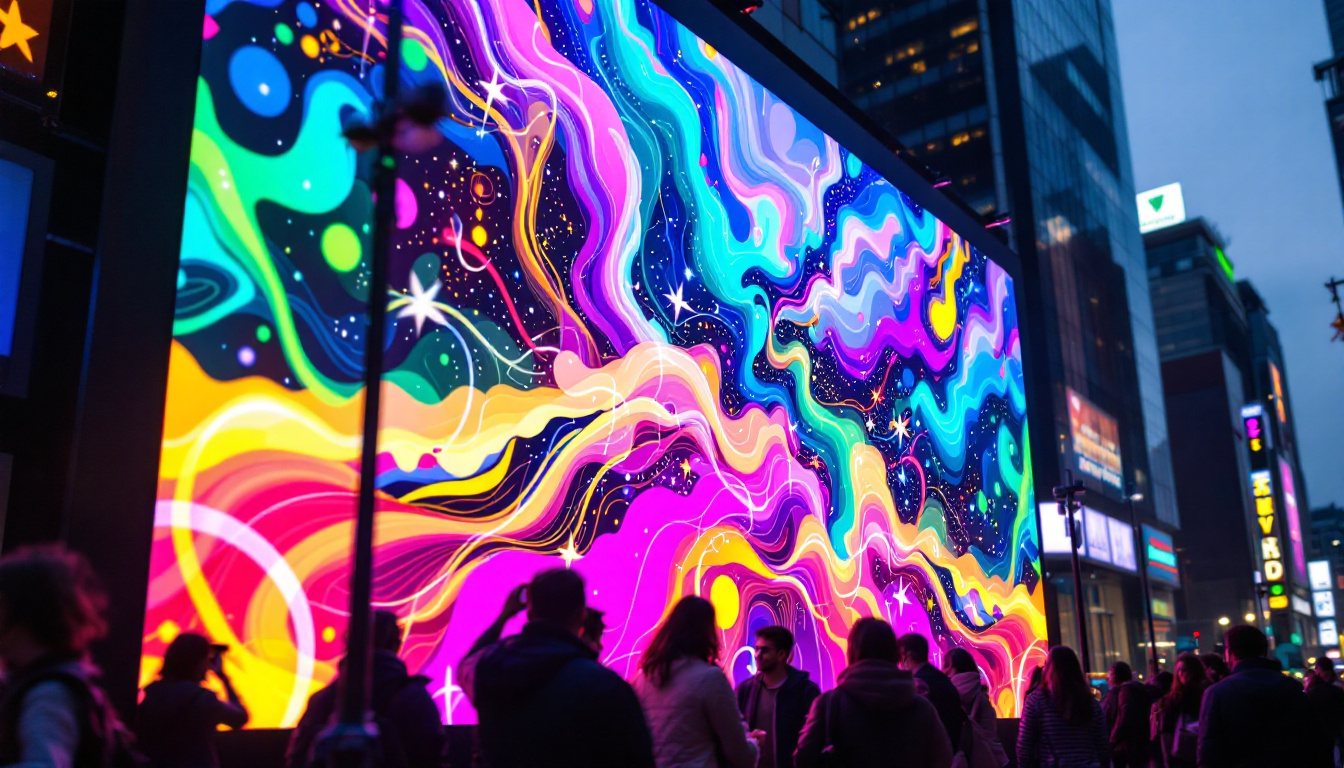
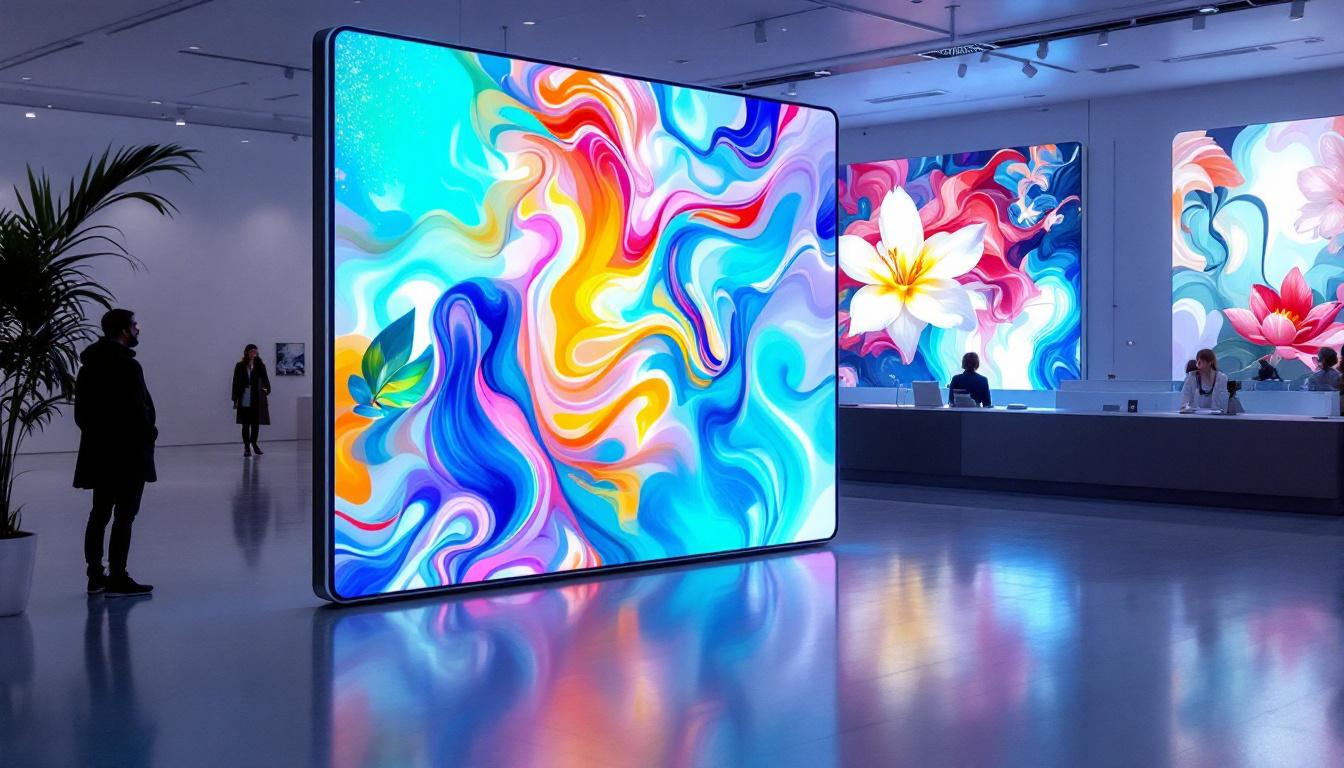
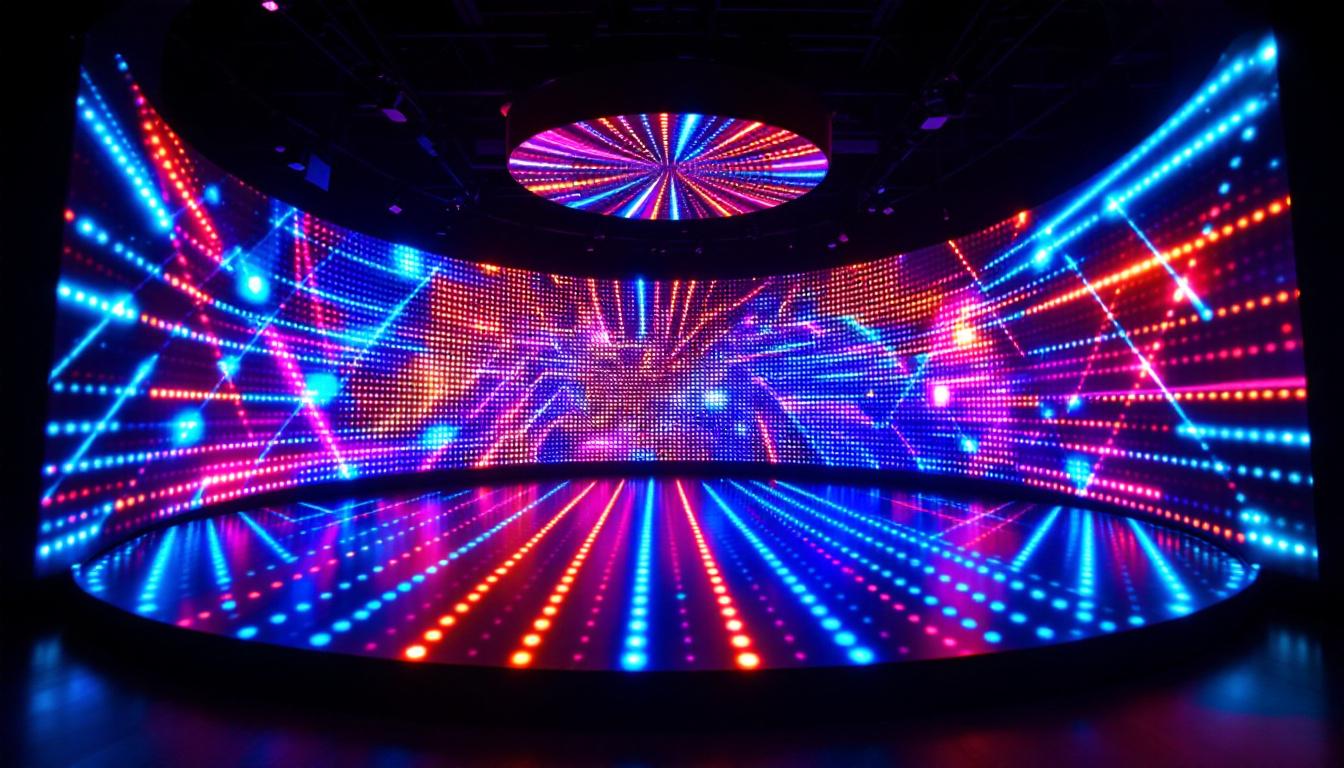
LED displays come in various forms, including panels, strips, and flexible screens, which can be arranged to create dynamic backdrops, props, or even interactive set pieces. Their modular nature allows designers to customize shapes and sizes to fit the unique spatial requirements of any stage. This flexibility not only enhances the visual experience but also opens up new avenues for creativity, enabling the integration of technology with traditional performance art. As a result, productions can incorporate real-time video feeds, animations, or even audience interactions, transforming the stage into a living canvas that evolves throughout the performance.
Technical Specifications and Advantages
Key technical features of LED displays include pixel pitch, resolution, brightness, color accuracy, and refresh rates. Pixel pitch refers to the distance between individual LEDs; smaller pitches yield higher resolution and sharper images, which is crucial for close-up audience viewing. Modern theatre-grade LED panels often have pixel pitches ranging from 1.5mm to 4mm, balancing clarity with cost-effectiveness. This precision allows for intricate details to be displayed, making it possible for audiences to appreciate the finer elements of the production, from subtle facial expressions to elaborate set designs.
Brightness levels for LED displays can reach upwards of 1,000 nits or more, ensuring visibility even under intense stage lighting. Additionally, LED technology offers excellent color reproduction, enabling designers to create rich, saturated visuals that enhance the mood and narrative of a performance. With the capability to display a wide color gamut, LED screens can replicate the vivid hues of a sunset or the muted tones of a somber scene, allowing for a seamless transition between different emotional states. Furthermore, the high refresh rates of LED displays minimize motion blur, ensuring that fast-paced action sequences are rendered smoothly, keeping the audience engaged and immersed in the unfolding drama.
Creative Applications of LED Displays in Theatre Design
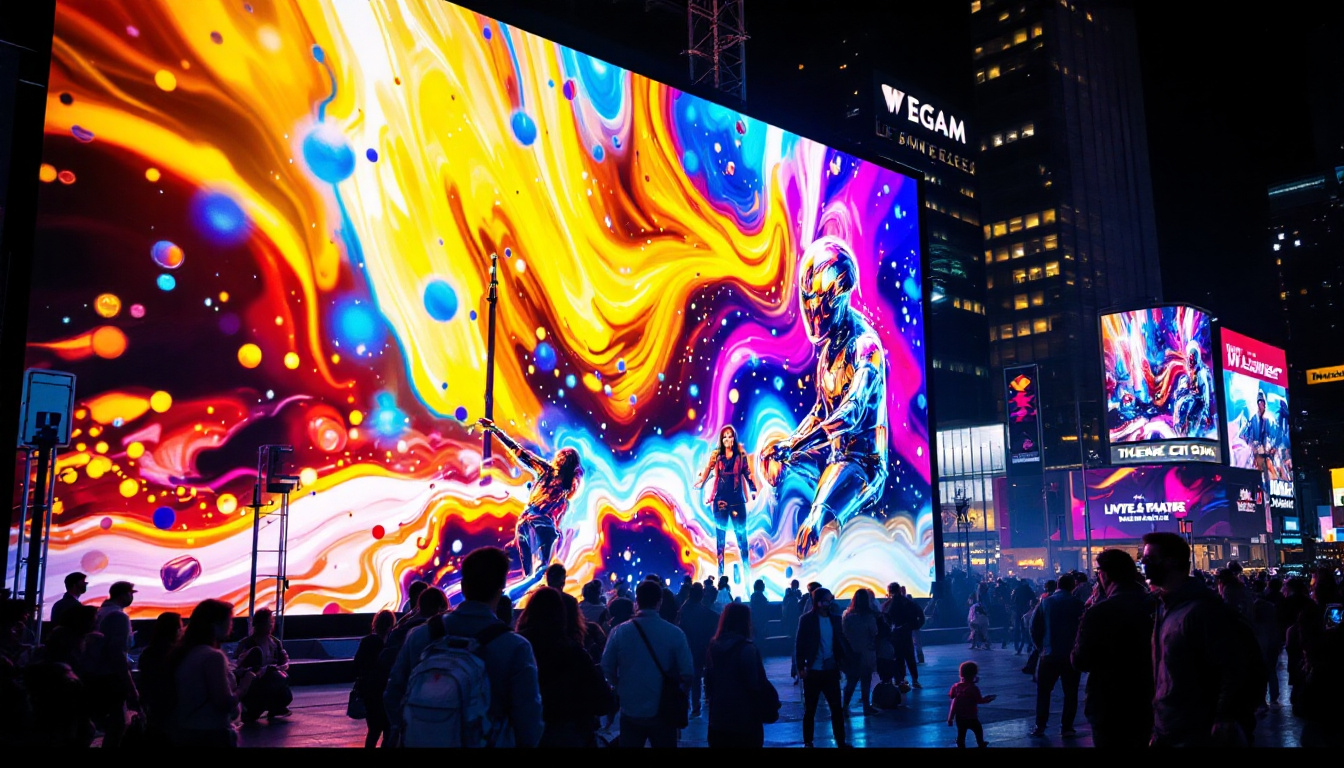
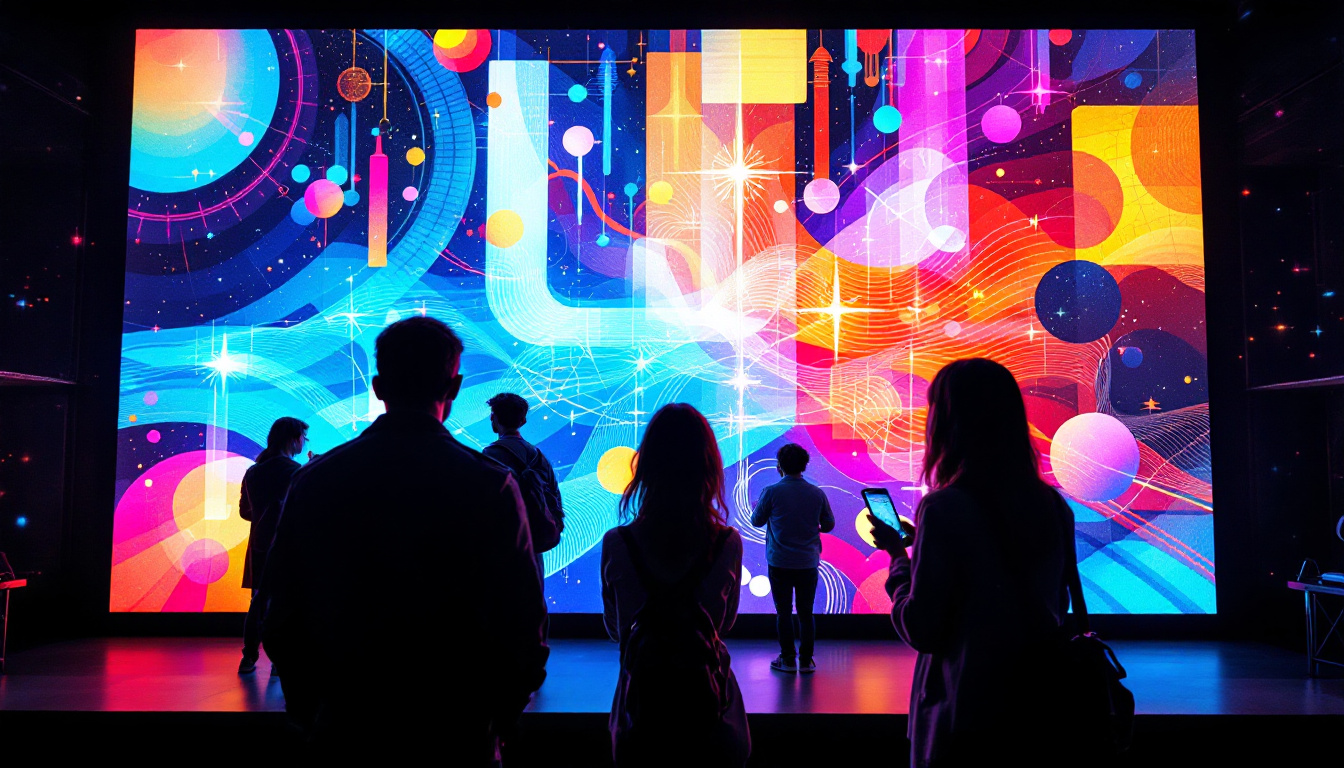
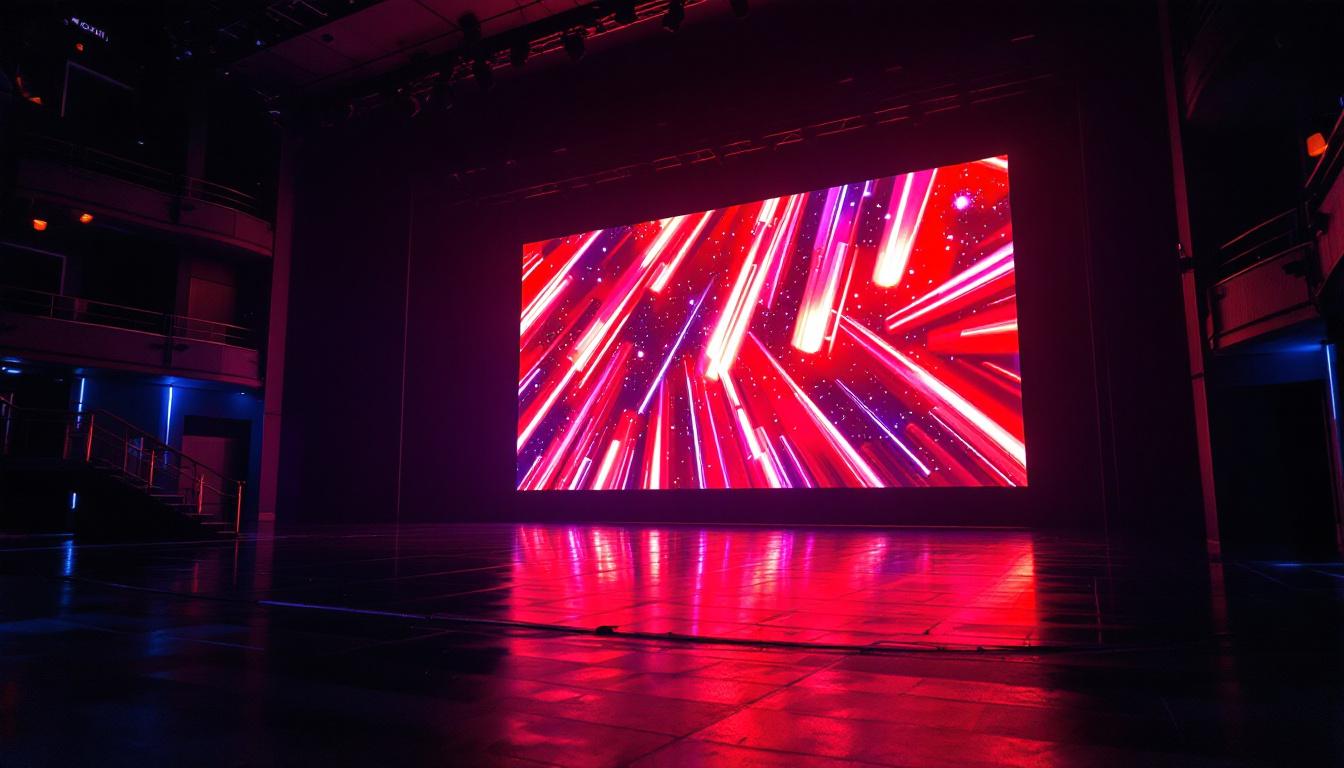
The integration of LED displays into theatre design has opened new avenues for creativity and storytelling. Unlike static backdrops or traditional painted scenery, LED screens can display moving images, animations, and live video feeds, transforming the stage into a dynamic canvas.
Dynamic Scenery and Backgrounds
One of the most common uses of LED displays is as dynamic scenery. Productions can switch seamlessly between different settings by changing the visuals on the LED backdrop, eliminating the need for physical set changes. For example, a play might transition from a bustling cityscape to a serene forest within seconds, immersing the audience in different worlds without interrupting the flow of the performance.
Such versatility is particularly valuable in touring productions or venues with limited storage space, as it reduces the logistical burden of transporting and assembling large physical sets. Moreover, the ability to customize visuals in real-time allows directors to adapt the performance to different audiences or venues, enhancing the overall experience. This adaptability can also extend to special effects, such as simulating weather changes or time of day, further enriching the narrative and emotional impact of the performance.
Interactive and Immersive Elements
Advanced LED installations can be integrated with motion sensors, cameras, and control software to create interactive stage elements. Actors’ movements can trigger changes in the visuals, making the environment respond organically to the performance. This interactivity enhances audience engagement and adds layers of meaning to the storytelling.
For instance, in a contemporary dance production, an LED floor might display rippling water effects that react to the dancers’ steps, making the stage itself a participant in the narrative. This kind of immersive technology not only captivates the audience but also encourages them to reflect on the relationship between the performers and their environment. Additionally, the use of augmented reality (AR) can further blur the lines between the physical and digital realms, allowing for even more intricate storytelling possibilities. Imagine a scene where a character interacts with digital creatures that appear to inhabit the same space, creating a rich tapestry of imagination that draws the audience deeper into the story.
Technical Considerations for Theatre LED Installations
While LED displays offer many advantages, their successful implementation in theatre requires careful planning and technical expertise. Designers and technicians must consider factors such as installation logistics, power requirements, heat dissipation, and control systems.
Installation and Structural Integration
The modular nature of LED panels allows for flexible configurations, but mounting them securely and safely is paramount. Depending on the stage design, LED screens may be suspended, embedded into set pieces, or installed as freestanding walls. Each approach demands attention to weight distribution, rigging standards, and ease of access for maintenance.
Moreover, the physical integration of LED displays must complement other stage elements, including lighting fixtures, sound equipment, and actor pathways, ensuring that the technology enhances rather than obstructs the performance.
Power and Cooling Requirements
LED panels consume significant electrical power, especially in large-scale installations. Theatre venues must ensure adequate power supply and distribution to avoid outages or performance interruptions. Additionally, LEDs generate heat during operation, which can affect both the equipment and the comfort of performers.
Effective cooling solutions, such as ventilation systems or heat sinks, are essential to maintain optimal operating temperatures and prolong the lifespan of the displays.
Control Systems and Content Management
LED displays rely on sophisticated control systems to manage the content shown on screen. Media servers, video processors, and control software enable designers to schedule, synchronize, and manipulate visuals in real-time. This capability is crucial for live theatre, where timing and coordination with actors, lighting, and sound cues must be precise.
Many productions employ dedicated video designers or technicians to oversee content playback and troubleshoot issues during performances, ensuring a seamless visual experience.
Impact of LED Displays on Theatre Production and Audience Experience
The adoption of LED display technology has transformed theatre production in several significant ways, influencing both the creative process and audience engagement.
Enhancing Storytelling and Emotional Impact
LED displays allow for more nuanced and immersive storytelling by providing designers with a versatile tool to shape the visual environment. The ability to change scenes instantly, incorporate multimedia elements, and create interactive effects deepens the emotional resonance of a performance.
For example, the use of LED visuals in productions like “The Curious Incident of the Dog in the Night-Time” has been praised for its innovative approach to representing the protagonist’s perspective, using dynamic graphics to convey complex emotions and thoughts.
Cost Efficiency and Sustainability
Although the initial investment in LED technology can be substantial, many theatres find that the long-term benefits outweigh the costs. LED displays reduce the need for physical set construction, transportation, and storage, which can be expensive and environmentally taxing.
Furthermore, LEDs are energy-efficient compared to traditional lighting and projection systems, contributing to greener theatre practices. This aligns with the growing industry emphasis on sustainability and responsible resource management.
Audience Engagement and Accessibility
Bright, high-resolution LED visuals can improve visibility for audience members seated farther from the stage, enhancing accessibility. Additionally, the integration of subtitles, sign language, or other assistive content on LED screens can make performances more inclusive for diverse audiences.
Interactive LED elements can also foster a sense of participation, making theatre-going a more memorable and engaging experience.
Future Trends and Innovations in Theatre LED Design
The technology behind LED displays continues to evolve rapidly, promising exciting developments for theatre design in the coming years.
Flexible and Transparent LED Screens
New materials and manufacturing techniques have led to the creation of flexible LED panels that can curve or wrap around irregular surfaces. Transparent LED screens, which allow light and images to pass through, enable innovative layering effects and novel stage configurations.
These advancements will allow designers to break traditional spatial boundaries and create more immersive, multi-dimensional environments.
Integration with Augmented Reality (AR) and Virtual Reality (VR)
Combining LED displays with AR and VR technologies offers new possibilities for hybrid performances that blend physical and digital worlds. Audiences may experience enhanced visual effects or interactive narratives that extend beyond the stage.
Such integrations require close collaboration between theatre artists, technologists, and programmers, heralding a new era of interdisciplinary creativity.
Artificial Intelligence and Real-Time Content Adaptation
Artificial intelligence (AI) is beginning to influence content creation and control in theatre. AI-driven systems can analyze live performance data and audience reactions to adapt visuals dynamically, creating personalized and responsive experiences.
This technology could revolutionize how productions are staged and experienced, making each performance unique.
Conclusion
LED display technology has become an indispensable element in contemporary theatre design, offering unparalleled creative freedom and technical capabilities. From dynamic scenery and interactive effects to enhanced storytelling and audience engagement, LEDs have transformed the theatrical landscape.
As the technology advances, theatre practitioners will continue to explore innovative ways to integrate LED displays, pushing the boundaries of live performance and creating unforgettable experiences for audiences worldwide.
Illuminate Your Stage with LumenMatrix
Ready to elevate your theatre productions with the cutting-edge technology discussed in this article? LumenMatrix is at the forefront of LED display innovation, offering a wide range of solutions that bring your creative visions to life. From Indoor and Outdoor LED Wall Displays to immersive Floor and Custom LED Displays, our products are designed to captivate your audience and deliver your message with stunning clarity. Discover how LumenMatrix can transform your next performance. Check out LumenMatrix LED Display Solutions and join the visual revolution today.