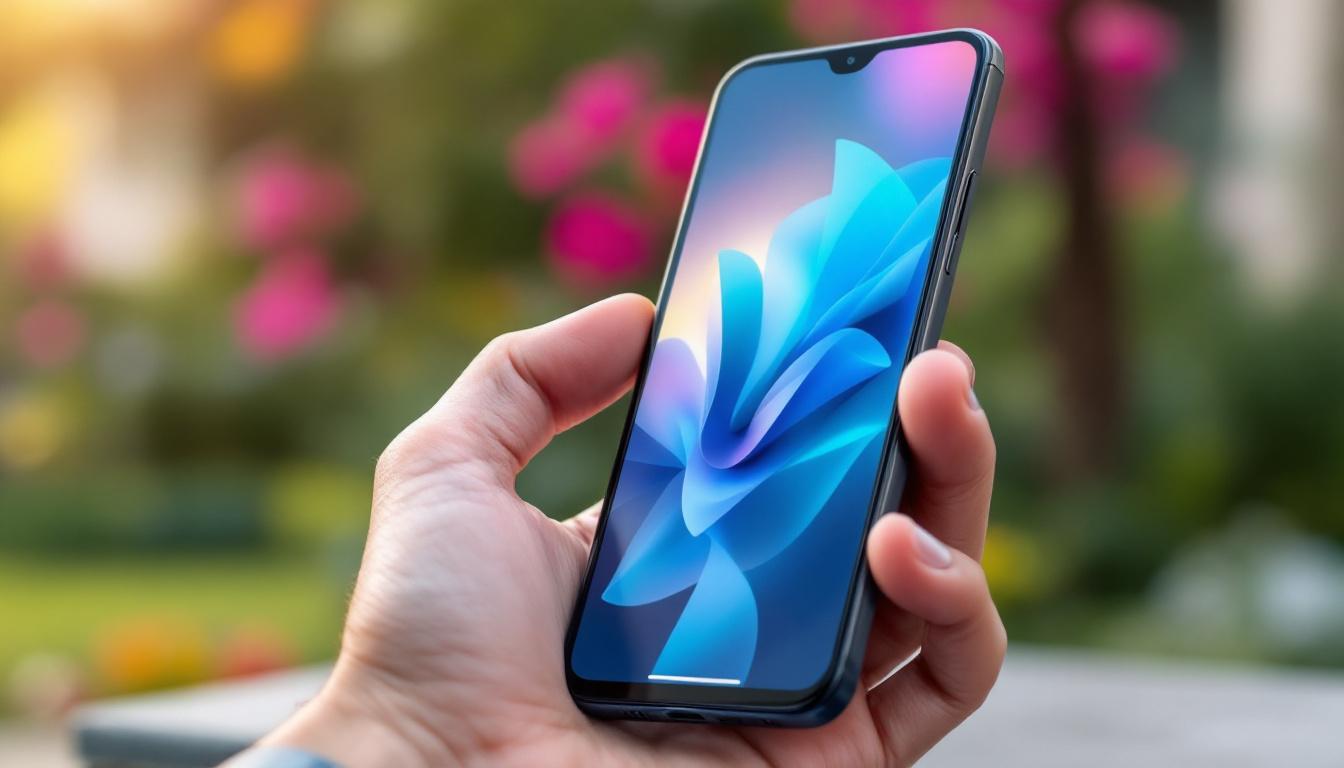
The Google Pixel 7 Pro has quickly become one of the most talked-about smartphones in the market, praised for its sleek design, powerful performance, and especially its display technology. Among the many features that make the Pixel 7 Pro stand out, its LED display plays a crucial role in delivering an immersive visual experience. This article dives deep into the specifics of the Pixel 7 Pro’s LED display, how it integrates with the phone’s thin case design, and why it matters to users seeking both style and substance in their mobile devices.
Understanding the Pixel 7 Pro’s Display Technology
The Pixel 7 Pro features a 6.7-inch LTPO OLED display, which is often colloquially referred to as an LED display. It’s important to clarify that this is an OLED (Organic Light Emitting Diode) panel rather than a traditional LED-backlit LCD. OLED technology offers several advantages, including deeper blacks, higher contrast ratios, and better energy efficiency compared to conventional LCDs.
Google’s choice of an LTPO (Low-Temperature Polycrystalline Oxide) OLED panel is particularly significant. This technology allows the display to dynamically adjust its refresh rate between 10Hz and 120Hz depending on the content being viewed. For instance, static images or reading text can trigger a low refresh rate to save battery, while gaming or scrolling can ramp it up to 120Hz for smooth visuals.
Key Display Specifications
The Pixel 7 Pro’s display boasts a resolution of 3120 x 1440 pixels, resulting in a sharp pixel density of approximately 512 pixels per inch (PPI). This ensures crisp text, vibrant images, and detailed video playback. Additionally, the display supports HDR10+ certification, which enhances dynamic range and color accuracy for supported content, making movies and photos look more lifelike.
Another highlight is the display’s peak brightness, which can reach up to 1500 nits in HDR mode. This level of brightness is beneficial for outdoor visibility, allowing users to comfortably view their screens even under direct sunlight. The screen is also protected by Corning Gorilla Glass Victus, which offers improved scratch and drop resistance.
Moreover, the Pixel 7 Pro’s display is designed with user comfort in mind, featuring an adaptive brightness feature that intelligently adjusts the screen brightness based on ambient lighting conditions. This not only enhances visibility but also contributes to overall battery conservation. The display also incorporates a 24-bit color depth, allowing for over 16 million colors to be rendered, ensuring that every hue is represented accurately. This is particularly noticeable in photography and video playback, where subtle color variations can significantly enhance the viewing experience.
In addition to its impressive technical specifications, the Pixel 7 Pro’s display is complemented by software enhancements that optimize visual performance. Google’s software algorithms work to reduce motion blur and enhance clarity during fast-paced action scenes, making it an excellent choice for gamers and movie enthusiasts alike. The integration of features like Always-On Display also allows users to glance at notifications and important information without fully waking the device, further enhancing the user experience while maintaining energy efficiency.
The Role of the Thin Case in Display Experience
One of the challenges in smartphone design is balancing a slim profile with structural integrity and optimal display performance. The Pixel 7 Pro manages to maintain a thin case without compromising on the display’s quality or durability.
The thin case design enhances the overall hand feel and portability of the device. It allows the phone to sit comfortably in pockets and hands, which is a critical factor for users who prioritize sleekness and convenience. However, a thinner case can sometimes mean less protection for the display, especially around the edges, where the screen curves.
Material Choices and Structural Design
Google has employed a combination of aluminum alloy for the frame and Gorilla Glass Victus on the front and back to ensure robustness. The aluminum frame is anodized to resist corrosion and adds rigidity to the device, helping protect the display from flexing or damage during drops.
Moreover, the Pixel 7 Pro’s display features subtle curved edges that seamlessly blend into the frame. This design choice not only looks elegant but also reduces the bezel size, providing a more immersive viewing experience. The curves are engineered carefully to minimize accidental touches, a common issue with curved displays.
Why the LED Display Matters to Pixel 7 Pro Users
The display is arguably the most interacted-with component of any smartphone. For Pixel 7 Pro users, the LED (OLED) display is central to enjoying the device’s full capabilities, from photography to gaming and everyday browsing.
High color accuracy and HDR support mean that photos taken with the Pixel 7 Pro’s advanced camera system are rendered with exceptional fidelity. This is particularly important for photographers and content creators who rely on their phone’s screen to review and edit images on the go.
Battery Efficiency and Display Performance
The LTPO technology’s ability to adjust refresh rates dynamically plays a key role in extending battery life. Smartphones with fixed high refresh rates can drain battery quickly, but the Pixel 7 Pro intelligently lowers the refresh rate when high performance isn’t necessary.
For example, when reading an article or viewing a static photo, the refresh rate can drop to as low as 10Hz, significantly reducing power consumption. This balance between performance and efficiency is a critical selling point for users who want a premium display without sacrificing battery longevity.
Comparing the Pixel 7 Pro Display to Competitors
In the premium smartphone segment, the Pixel 7 Pro competes directly with devices like the Samsung Galaxy S23 Ultra and the iPhone 14 Pro Max. Each of these phones offers high-end OLED displays with similar features, but the Pixel 7 Pro’s display holds its own in several key areas.
While Samsung’s AMOLED panels are known for their vivid saturation and brightness, Google’s Pixel 7 Pro opts for a more natural color profile out of the box, appealing to users who prefer color accuracy over exaggerated hues. This makes the Pixel especially attractive to professionals and enthusiasts who value true-to-life visuals.
Refresh Rate and User Experience
Both the Pixel 7 Pro and its competitors support 120Hz refresh rates, but the Pixel’s LTPO technology allows for a wider dynamic range (10Hz to 120Hz), compared to some devices that only drop to 48Hz or 60Hz. This finer granularity in refresh rate adjustment contributes to better battery savings without noticeable compromises in smoothness.
Furthermore, Google’s software optimizations integrate closely with the hardware display, providing features like adaptive brightness and dark mode that further enhance viewing comfort and energy efficiency.
Maintaining Display Integrity with a Thin Case
Using a thin case with the Pixel 7 Pro is popular among users who want to preserve the phone’s slim profile and aesthetic appeal. However, it’s essential to understand how case thickness can affect the display’s protection and usability.
Thin cases typically offer minimal impact protection but can prevent scratches and minor bumps. For the Pixel 7 Pro, cases designed specifically for the device often include raised edges around the screen to help protect the curved OLED panel from direct contact with surfaces when placed face down.
Choosing the Right Thin Case for Display Protection
When selecting a thin case, users should look for materials that provide a good balance of flexibility and shock absorption, such as TPU (thermoplastic polyurethane) or hybrid designs combining hard polycarbonate backs with softer edges. These materials can help absorb impacts while maintaining a slim form factor.
Additionally, some thin cases incorporate anti-yellowing treatments and textured finishes to resist discoloration and improve grip, reducing the chances of accidental drops that could damage the display.
Future Trends in Smartphone Display Technology
The Pixel 7 Pro’s LED (OLED) display represents the cutting edge of current smartphone technology, but the industry continues to evolve rapidly. Emerging advancements like microLED and under-display cameras promise to further enhance the visual experience and device design.
MicroLED technology, for example, offers many of the benefits of OLED, such as deep blacks and high contrast, but with improved brightness, longevity, and energy efficiency. While still in early stages for smartphones, microLED could eventually replace OLED panels in future Pixel models.
Integration with Thin and Flexible Designs
As display technology advances, manufacturers are also exploring foldable and rollable screens that require ultra-thin, flexible panels. Google has shown interest in foldable devices, and future Pixels may incorporate these innovations, pushing the boundaries of what a thin case and display can achieve together.
For now, the Pixel 7 Pro’s combination of a thin case and a high-quality OLED display strikes a compelling balance between durability, aesthetics, and performance, setting a high standard for premium smartphones.
Conclusion
The Google Pixel 7 Pro’s LED display is a standout feature that combines advanced OLED technology with a thoughtfully engineered thin case design. This synergy delivers a visually stunning, responsive, and energy-efficient screen that enhances every aspect of the user experience.
From its dynamic refresh rates and HDR10+ support to its impressive brightness and color accuracy, the display technology in the Pixel 7 Pro caters to a wide range of users, from casual viewers to professional content creators. Meanwhile, the thin case design ensures the device remains sleek and comfortable to hold without sacrificing protection or display integrity.
As smartphone display technology continues to evolve, the Pixel 7 Pro remains a prime example of how innovation and design can come together to create a device that is both beautiful and functional. For users seeking a premium smartphone experience, understanding the nuances of the Pixel 7 Pro’s LED display is key to appreciating what makes this device truly exceptional.
Discover the Future of LED Displays with LumenMatrix
If you’re inspired by the advanced display technology of the Google Pixel 7 Pro and interested in exploring the forefront of LED innovation, LumenMatrix is your next destination. As a pioneer in LED display solutions, LumenMatrix offers a vast array of products that push the boundaries of visual communication. Whether you’re looking to captivate your audience with an Indoor LED Wall Display, make a bold statement with an Outdoor LED Wall Display, or create a unique experience with Custom LED Displays, LumenMatrix has the technology to bring your vision to life. Don’t miss the opportunity to elevate your brand’s visibility and engage with your audience like never before. Check out LumenMatrix LED Display Solutions and join the revolution in digital signage and visual storytelling.