In the rapidly evolving world of digital displays, LED technology stands out as a dominant force across various industries—from advertising billboards to stadium screens and indoor video walls. A critical specification that often determines the quality and suitability of an LED display is its pixel pitch. Understanding pixel pitch is essential for anyone involved in selecting, designing, or using LED displays, as it directly impacts image clarity, viewing distance, and overall visual experience.
This article delves into the concept of pixel pitch, explaining what it is, why it matters, and how it influences the performance of LED displays. Whether you are a business owner, an event organizer, or a technology enthusiast, gaining a clear grasp of pixel pitch will empower you to make informed decisions when it comes to LED display technology.
What Is Pixel Pitch?
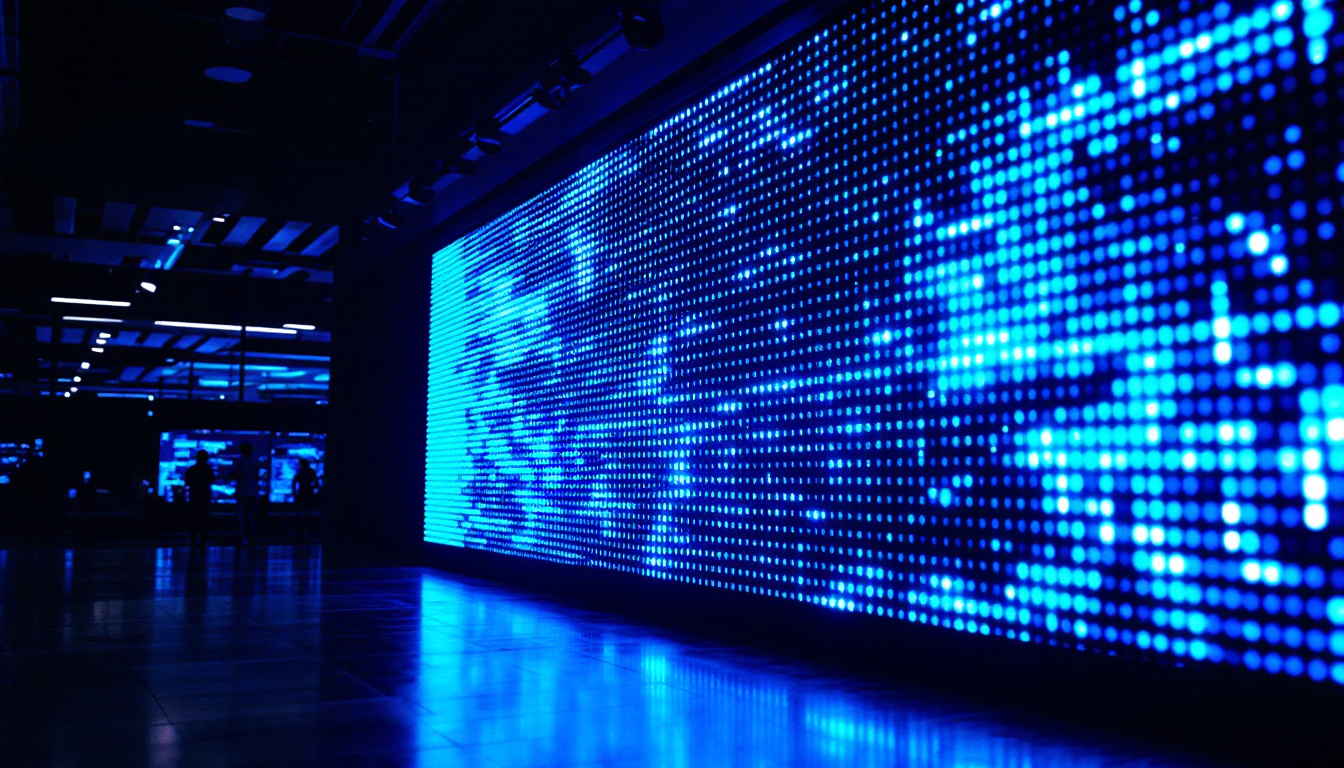
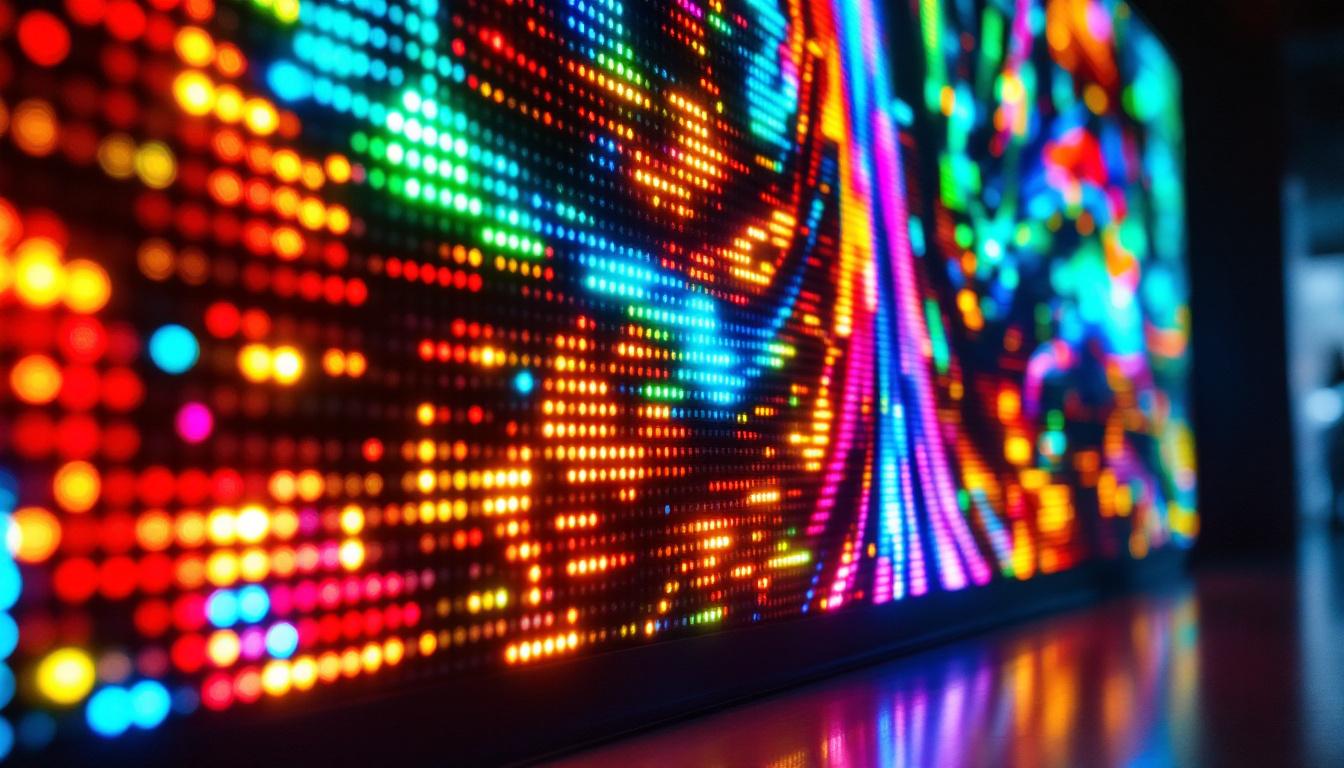
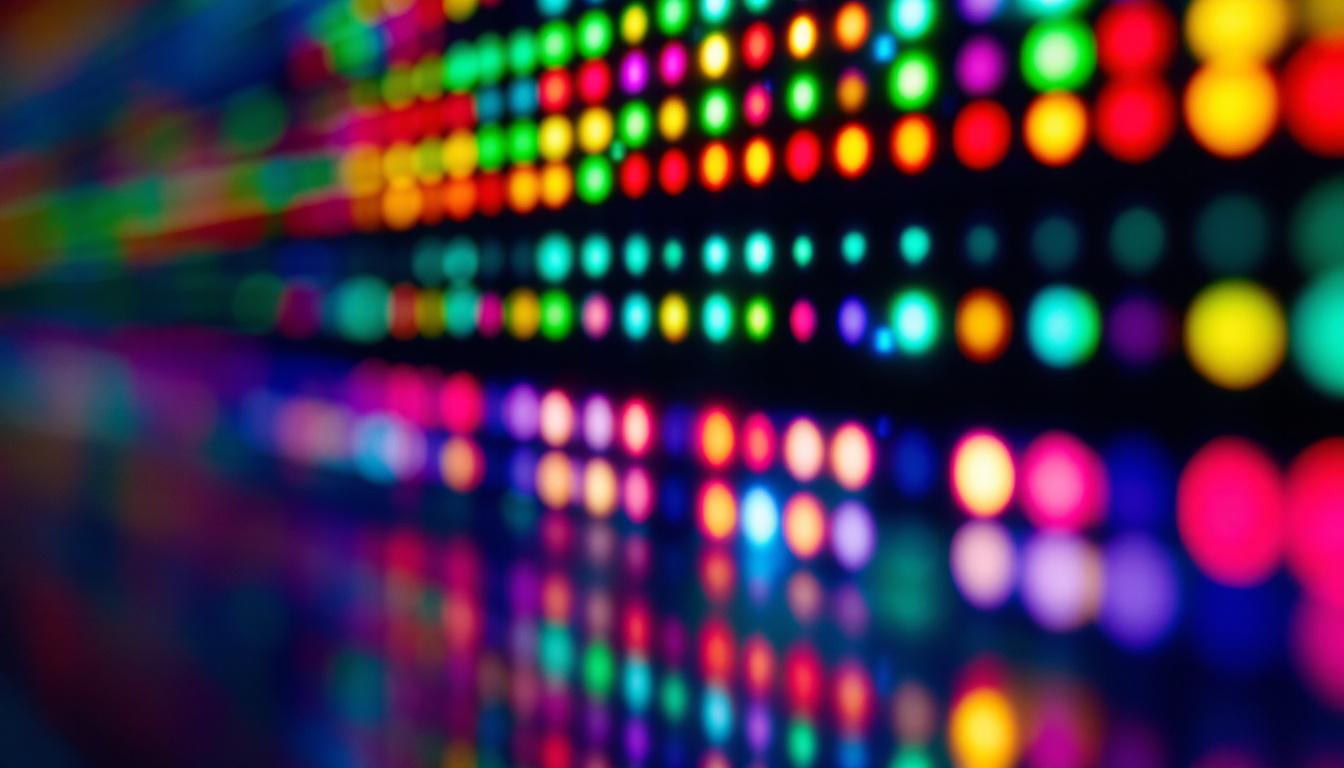
Pixel pitch refers to the distance between the centers of two adjacent pixels on an LED display, typically measured in millimeters (mm). In simpler terms, it is the physical spacing between the tiny light-emitting diodes that make up the display screen. This measurement determines how densely packed the pixels are, which in turn affects the display’s resolution and image sharpness.
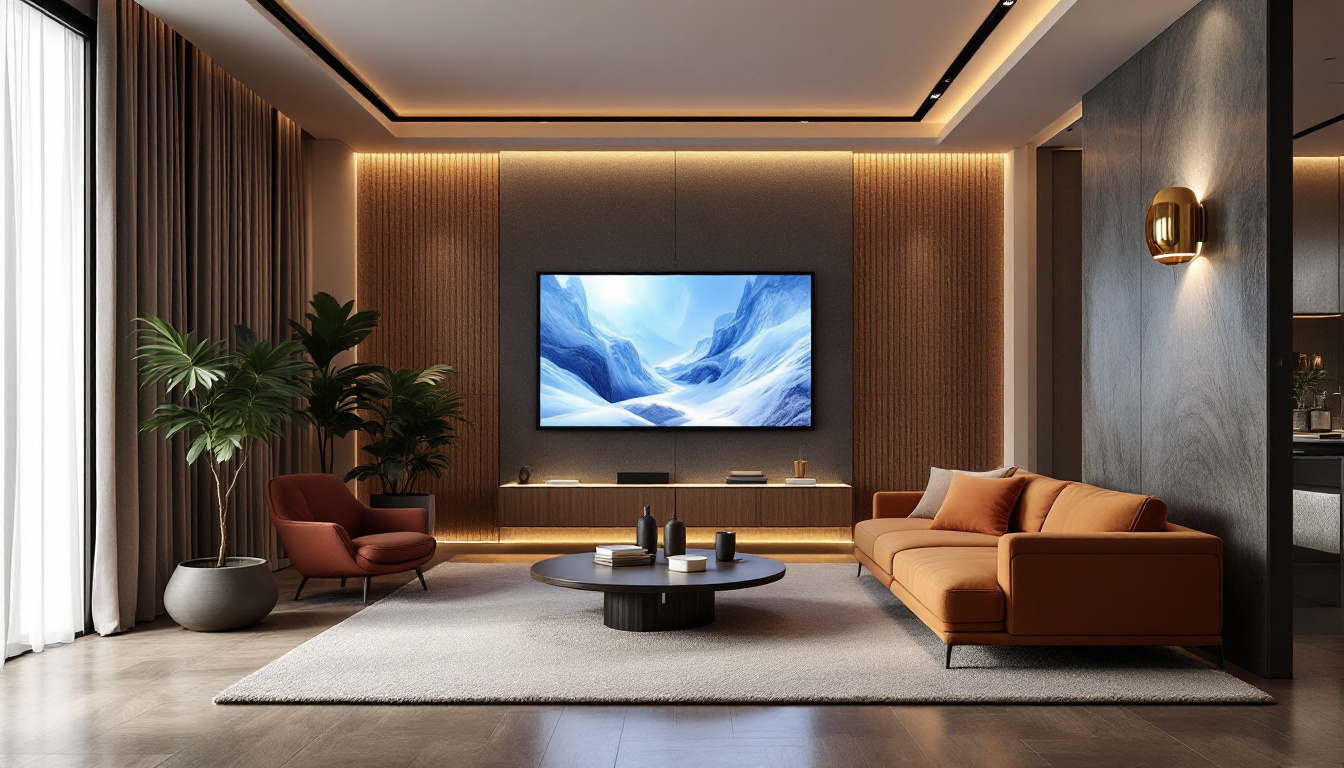
For example, an LED display with a pixel pitch of 2 mm means that the center of one pixel is 2 millimeters away from the center of the next pixel. Smaller pixel pitch values indicate that the pixels are closer together, resulting in a higher pixel density and a sharper image. This characteristic is particularly important in applications where visual clarity is crucial, such as in digital signage, control rooms, and high-end home theaters.
In addition to enhancing image quality, pixel pitch also influences viewing distance. Displays with smaller pixel pitches are ideal for close-range viewing, as they maintain clarity even when viewed from just a few feet away. Conversely, larger pixel pitches are more suitable for larger venues where viewers are positioned further away, as the increased distance can help mitigate the visibility of individual pixels.
How Pixel Pitch Relates to Resolution
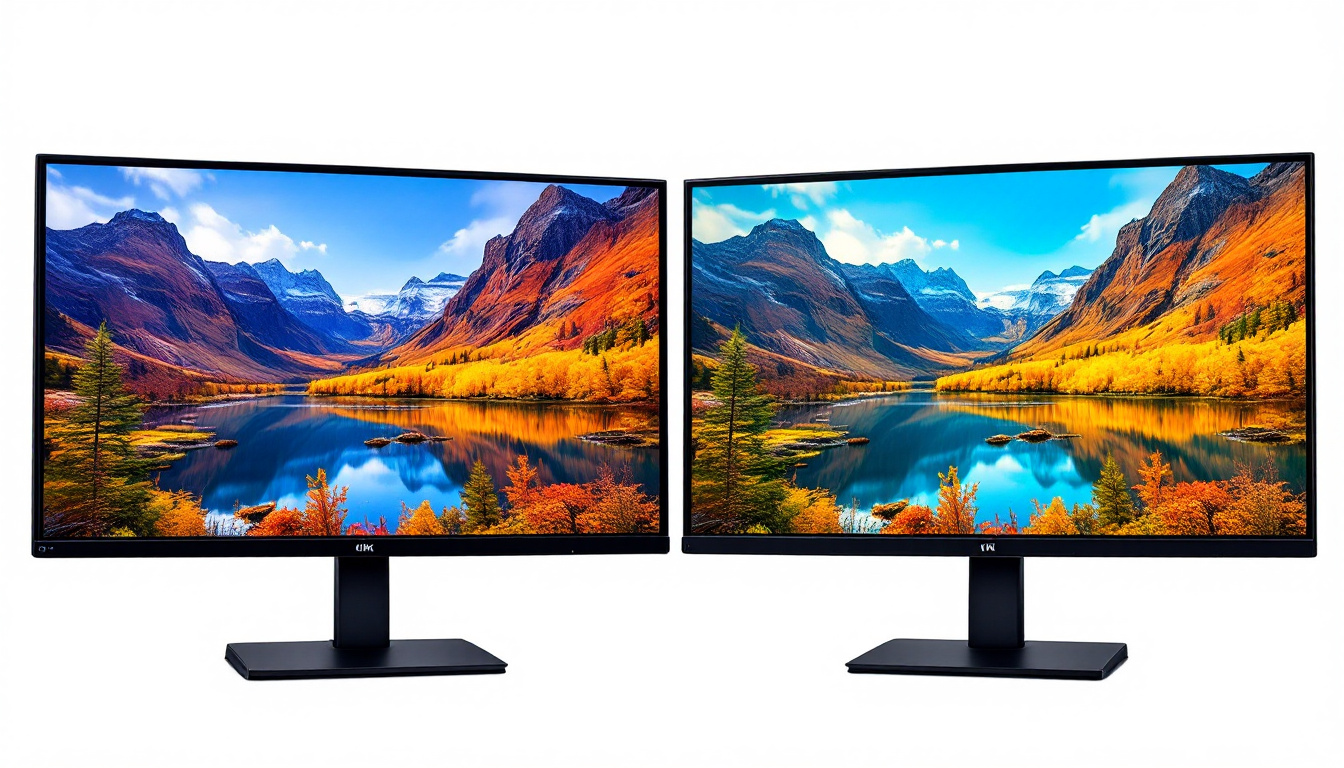
Resolution is the total number of pixels displayed on the screen, often expressed as width × height (e.g., 1920 × 1080 pixels). While resolution is a key factor in image quality, it is intrinsically linked to pixel pitch. A smaller pixel pitch allows more pixels to fit into a given physical space, increasing resolution and detail.
Conversely, a larger pixel pitch means fewer pixels per unit area, which can lead to a grainier or pixelated image when viewed up close. Therefore, pixel pitch is a fundamental determinant of how crisp and detailed an LED display will appear. This relationship is especially critical in environments where precision and detail are paramount, such as in medical imaging or high-resolution graphics work.
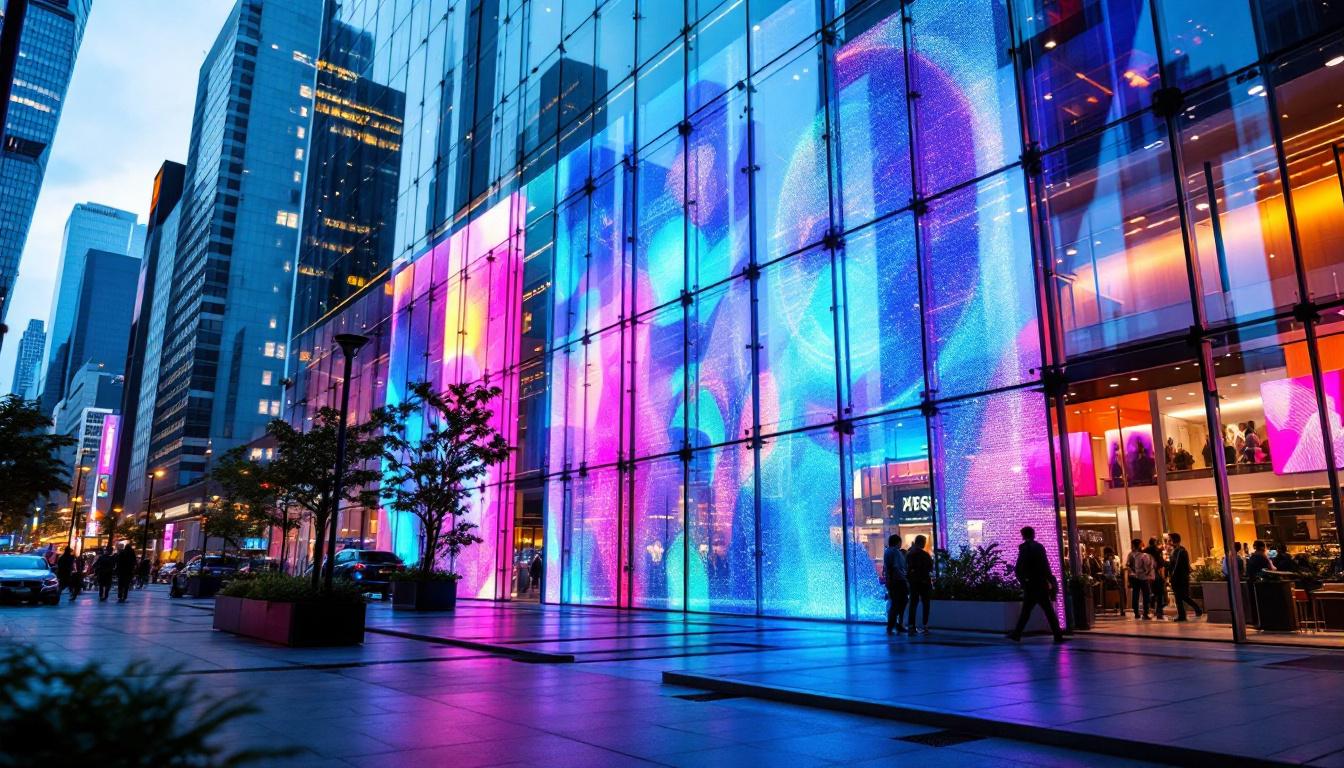
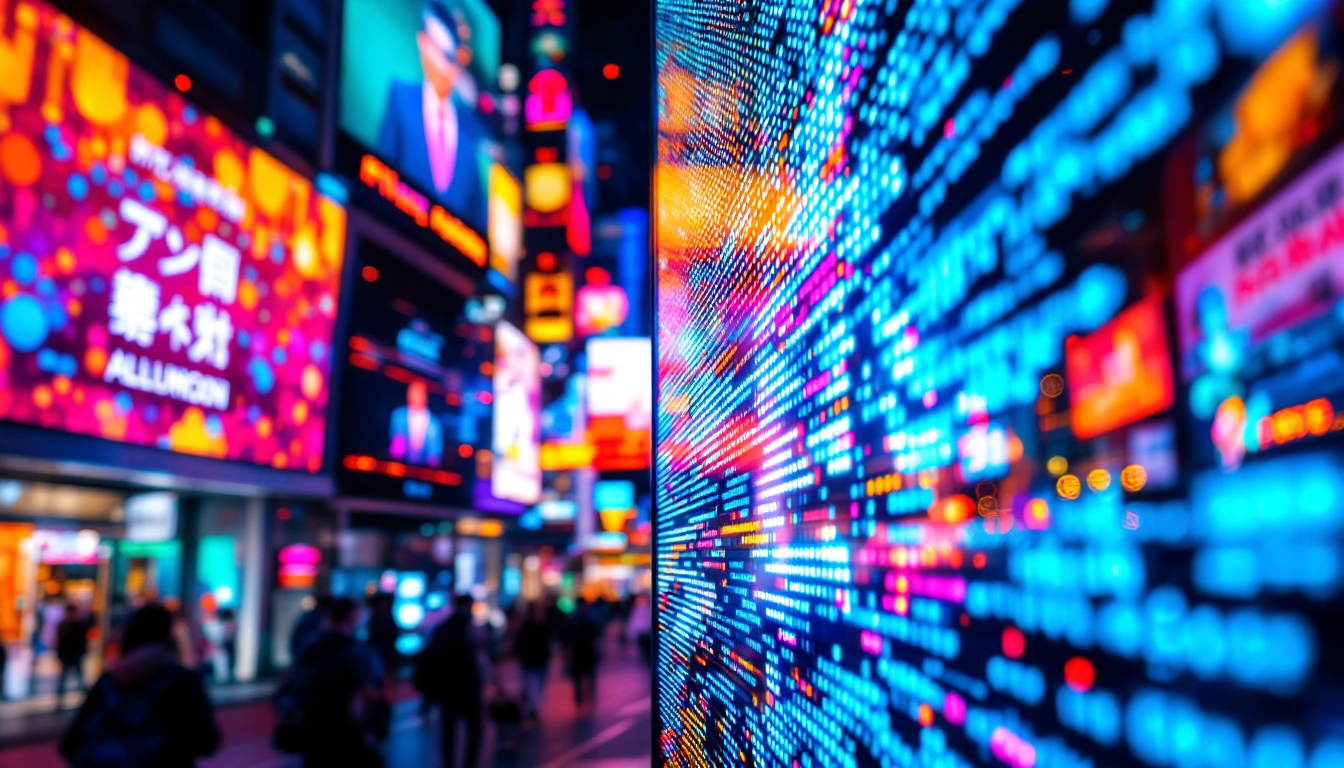
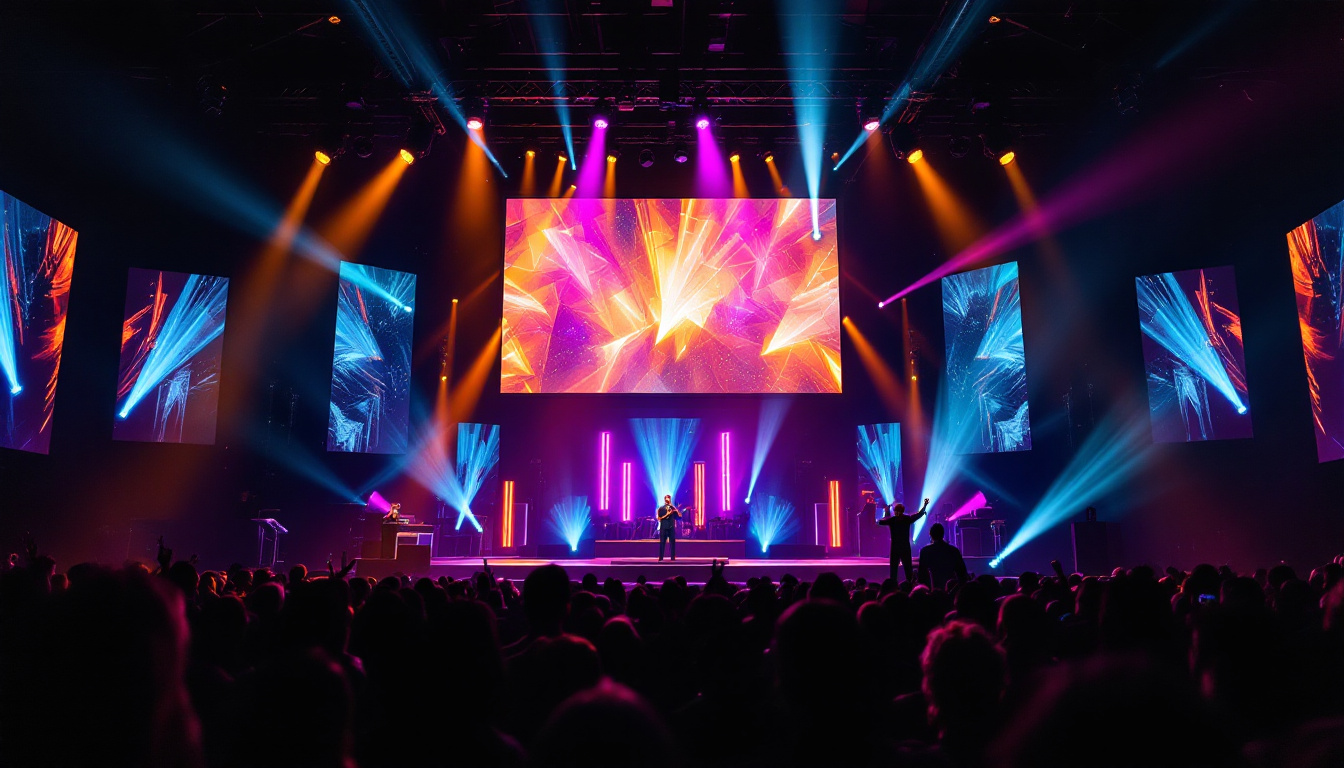
Moreover, understanding pixel pitch can help consumers and businesses make informed decisions when selecting LED displays for specific applications. For instance, a retail store aiming to attract customers with vibrant visuals may opt for a display with a smaller pixel pitch to ensure that their advertisements are eye-catching and clear from various angles. On the other hand, a large outdoor billboard may utilize a larger pixel pitch, as the viewing distance is typically greater, allowing for a more cost-effective solution without sacrificing overall visibility.
Why Pixel Pitch Matters: Viewing Distance and Image Quality
One of the most important considerations when choosing an LED display is the intended viewing distance. Pixel pitch plays a pivotal role in defining the optimal viewing distance for a display to look its best.
Optimal Viewing Distance Explained
Optimal viewing distance is the minimum distance from which the human eye perceives an LED display as a continuous, smooth image without noticing individual pixels. If a viewer stands too close to a display with a large pixel pitch, the image will appear blocky or pixelated. Conversely, if the pixel pitch is very small, the display can be viewed from closer distances without loss of image quality.
As a general rule of thumb, the optimal viewing distance (in meters) is roughly 1.5 to 2 times the pixel pitch (in millimeters). For instance, a display with a 5 mm pixel pitch is best viewed from about 7.5 to 10 meters away. This guideline helps businesses and event planners select the right LED display for their specific environment.
Examples of Pixel Pitch in Different Applications
Pixel pitch varies widely depending on the use case:
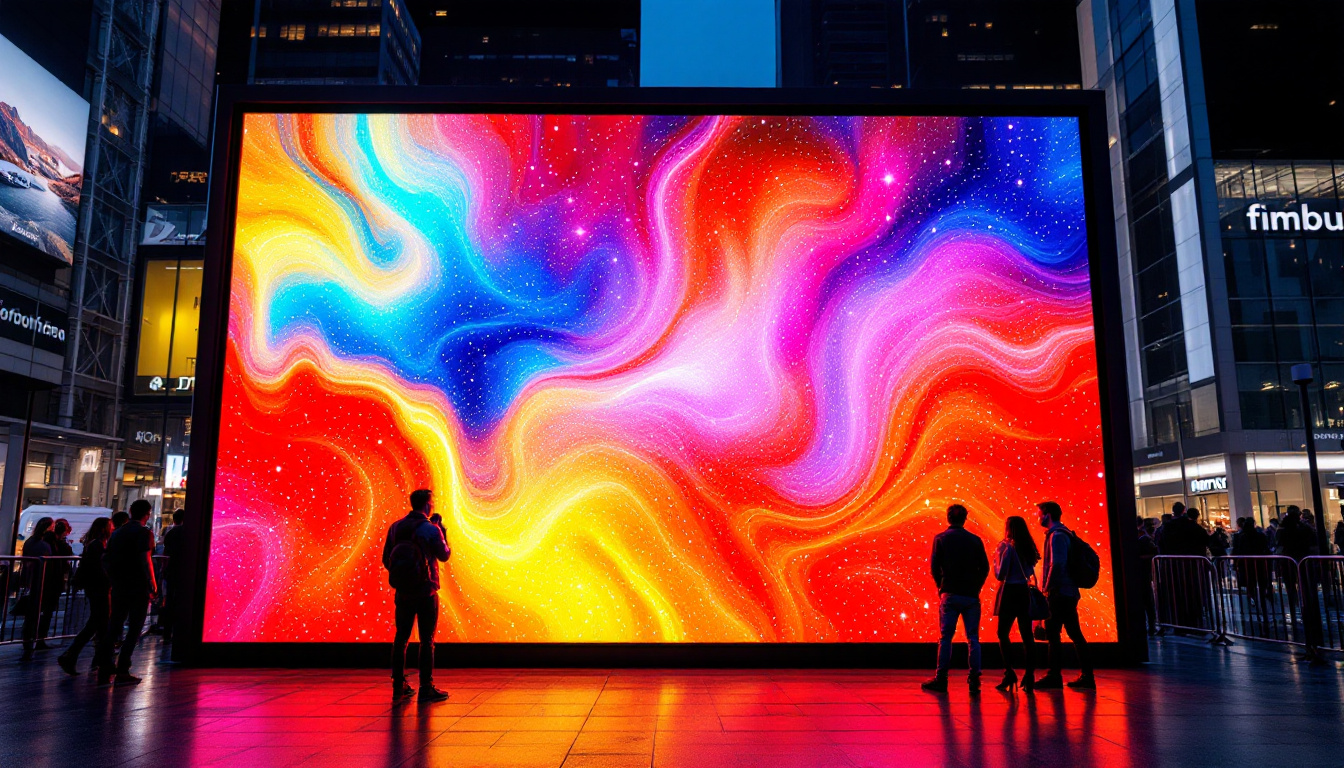
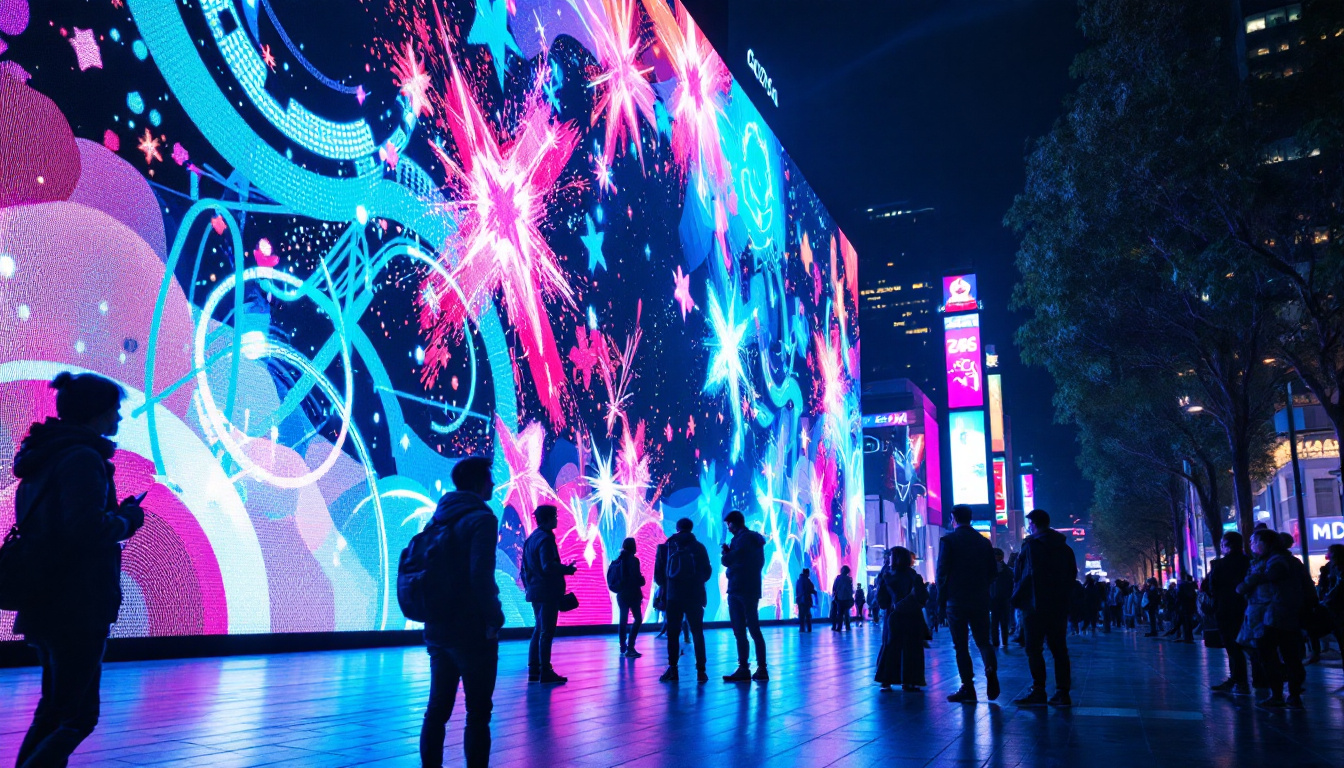
- Outdoor Billboards: Typically have a larger pixel pitch, such as 10 mm to 20 mm, because they are viewed from long distances (often 50 meters or more). The larger spacing reduces manufacturing costs while maintaining acceptable image quality at distance.
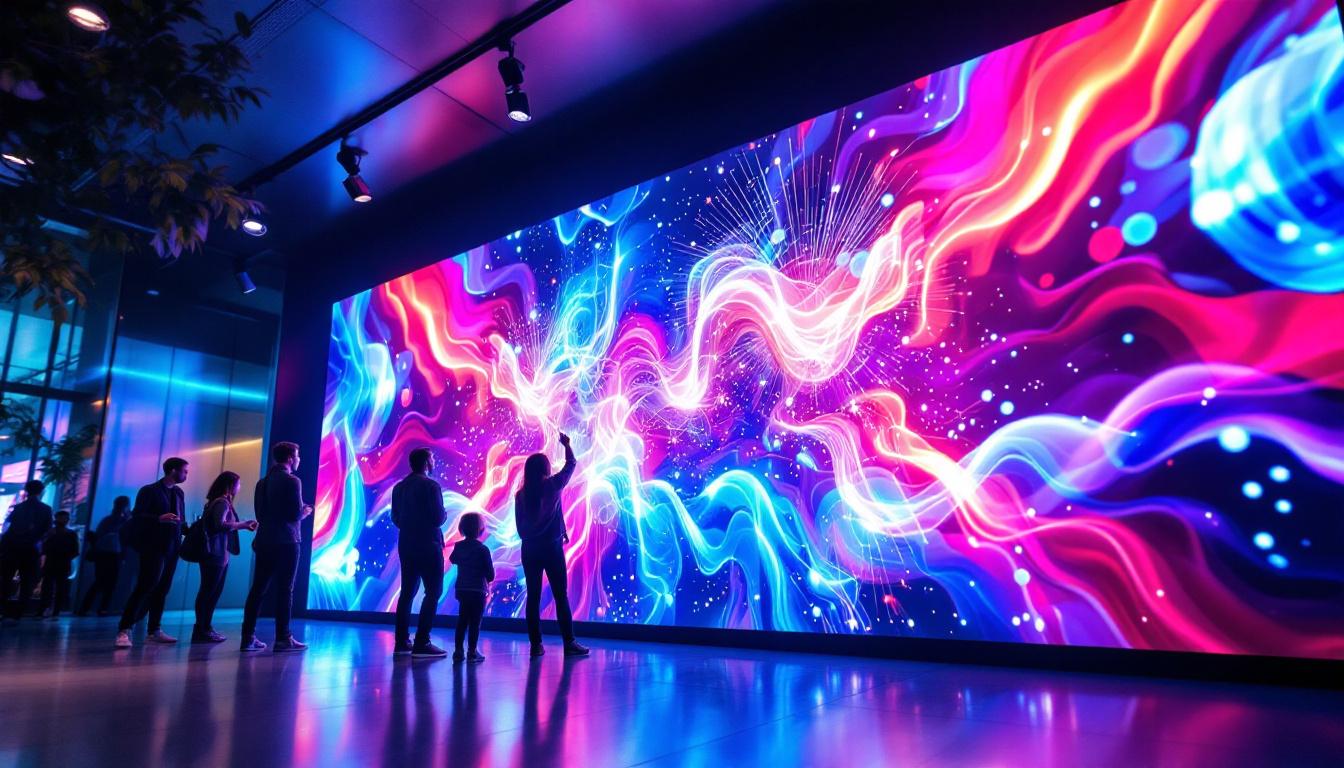
- Indoor Video Walls: Often use pixel pitches between 1.2 mm and 4 mm, allowing viewers to stand just a few feet away without noticing pixelation.
- Control Rooms and Broadcast Studios: Demand very fine pixel pitches (as low as 0.9 mm) to ensure high-resolution images that can be viewed up close.
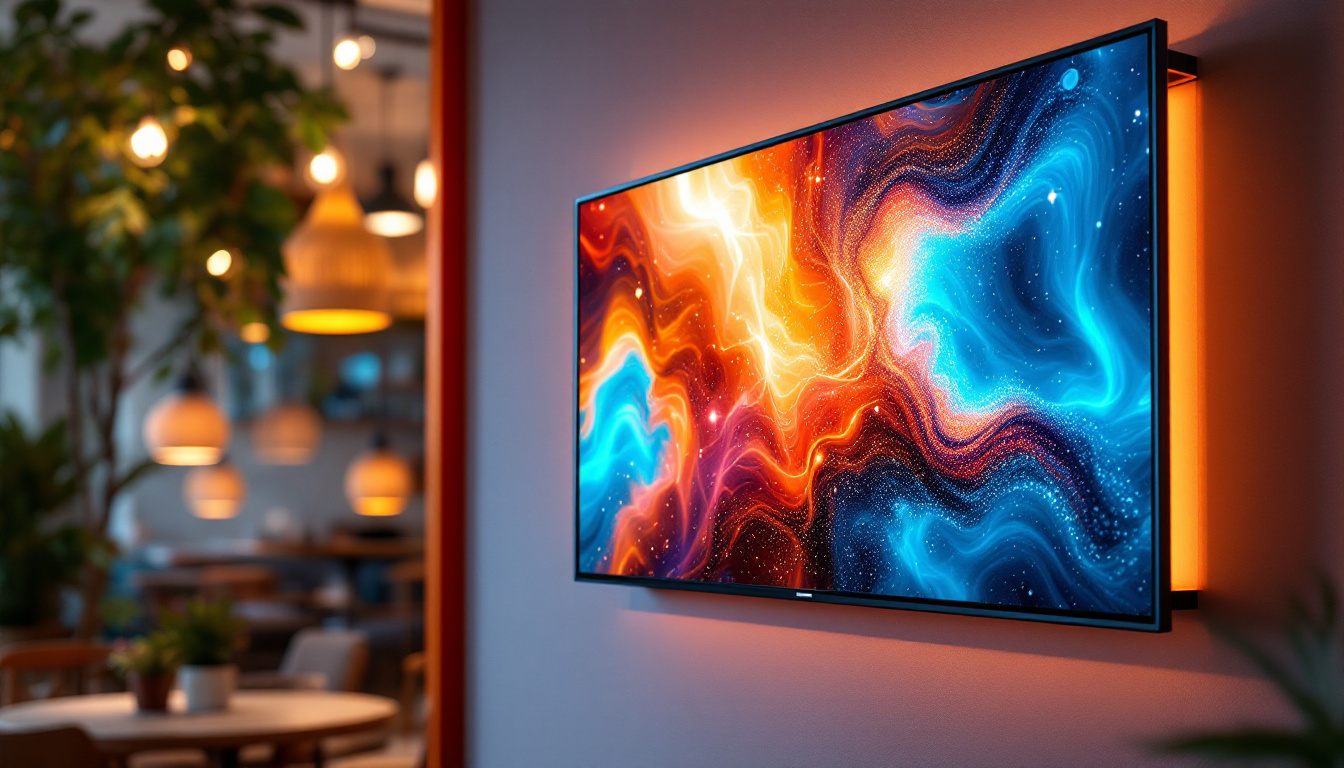
Understanding these distinctions helps ensure the LED display is fit for purpose and delivers the best visual experience. Additionally, the choice of pixel pitch can significantly impact the overall aesthetic of the display. For instance, a well-chosen pixel pitch can enhance the vibrancy and clarity of colors, making images pop and ensuring that text is easily readable. This is particularly crucial in environments like retail spaces, where captivating visuals can draw in customers and convey brand messages effectively.
Moreover, the technology behind pixel pitch is continually evolving, with advancements leading to even finer pitches and improved image quality. Manufacturers are now exploring innovative materials and designs that allow for thinner displays with higher resolution capabilities. This means that in the near future, we may see displays that can be viewed from even closer distances without compromising on clarity, opening up new possibilities for interactive installations and immersive experiences in various settings, from museums to corporate events.
How Pixel Pitch Affects LED Display Performance
Beyond image clarity and viewing distance, pixel pitch influences several other aspects of LED display performance, including brightness, cost, and power consumption.
Brightness and Pixel Pitch
Interestingly, LED displays with larger pixel pitches often achieve higher brightness levels. This is because the LEDs are spaced further apart, allowing for larger individual diodes that can emit more light. Outdoor displays, which must compete with sunlight, typically require high brightness levels—often exceeding 5,000 nits—to remain visible during the day.
Conversely, fine-pitch LED displays designed for indoor use usually have lower brightness requirements, typically around 800 to 1,200 nits, as they are viewed in controlled lighting environments.
Cost Implications
Pixel pitch also has a significant impact on the cost of an LED display. Smaller pixel pitches require more LEDs per square meter, increasing manufacturing complexity and component costs. For example, a 1.2 mm pixel pitch display can cost several times more per square meter than a 10 mm pixel pitch display.
Therefore, selecting the appropriate pixel pitch based on viewing distance and application can optimize budget without sacrificing visual quality.
Power Consumption
Displays with smaller pixel pitches typically consume more power due to the higher density of LEDs. This factor is important for large installations where energy efficiency and operating costs are concerns.
Technical Considerations and Measurement Standards
While pixel pitch is a straightforward concept, there are technical nuances and industry standards worth noting to ensure accurate comparisons and specifications.
Pixel Pitch vs. Pixel Density
Pixel pitch is a linear measurement (distance between pixels), whereas pixel density is usually expressed as pixels per inch (PPI) or pixels per meter. Both describe pixel concentration but from different perspectives. Pixel pitch is more commonly used in LED display specifications, while pixel density is often referenced in LCD and smartphone screens.
Measurement Accuracy
Pixel pitch should be measured from the center of one pixel to the center of the adjacent pixel, not from edge to edge. This distinction is important because LED pixels often consist of multiple diodes (red, green, blue) grouped together.
Standardization Efforts
The LED display industry adheres to standards set by organizations such as the International Electrotechnical Commission (IEC) and the Society for Information Display (SID). These standards help ensure consistent measurement practices and product quality across manufacturers.
Future Trends: How Pixel Pitch Is Evolving
Advancements in LED technology continue to push pixel pitch values smaller, enabling ultra-high-definition displays with unprecedented clarity. MicroLED technology, for instance, promises pixel pitches below 1 mm, opening new possibilities for near-retina-quality screens.
At the same time, innovations in manufacturing are making fine-pitch LED displays more affordable and energy-efficient, broadening their adoption in retail, corporate, and entertainment sectors.
Impact of Mini and Micro LED Technologies
Mini LED and Micro LED technologies represent the next generation of LED displays, featuring significantly reduced pixel pitches and enhanced brightness and contrast. These technologies are expected to revolutionize not only large-format displays but also consumer electronics like TVs and smartphones.
Customization and Modular Designs
Modern LED displays often employ modular panels that allow customization of pixel pitch across different sections of a single installation. This flexibility enables tailored viewing experiences, balancing resolution and cost effectively.
Conclusion: Choosing the Right Pixel Pitch for Your LED Display
Pixel pitch is a foundational concept in understanding LED display technology. It directly influences image quality, viewing distance, brightness, cost, and power consumption. Selecting the right pixel pitch depends largely on the intended application and viewing environment.
For outdoor advertising viewed from afar, larger pixel pitches (10 mm or more) are practical and cost-effective. For indoor applications requiring close-up viewing, fine pixel pitches (below 4 mm) deliver superior image clarity. Emerging technologies continue to refine these parameters, offering even greater flexibility and performance.
Ultimately, a well-informed choice of pixel pitch ensures that an LED display meets its functional requirements while providing an engaging and visually appealing experience for viewers.
Discover Your Ideal LED Display with LumenMatrix
Ready to elevate your visual experience with the perfect LED display? LumenMatrix offers a comprehensive range of innovative LED display solutions tailored to your unique needs. Whether you’re looking for an Indoor LED Wall Display for your business, an Outdoor LED Wall Display for impactful advertising, or any of our specialized options like Vehicle, Sports, or Floor LED Displays, we have you covered. Embrace the future of visual communication with our Custom, All-in-One, and Transparent LED Displays. Check out LumenMatrix LED Display Solutions today and transform your space with vibrant, high-quality imagery that captivates and engages.