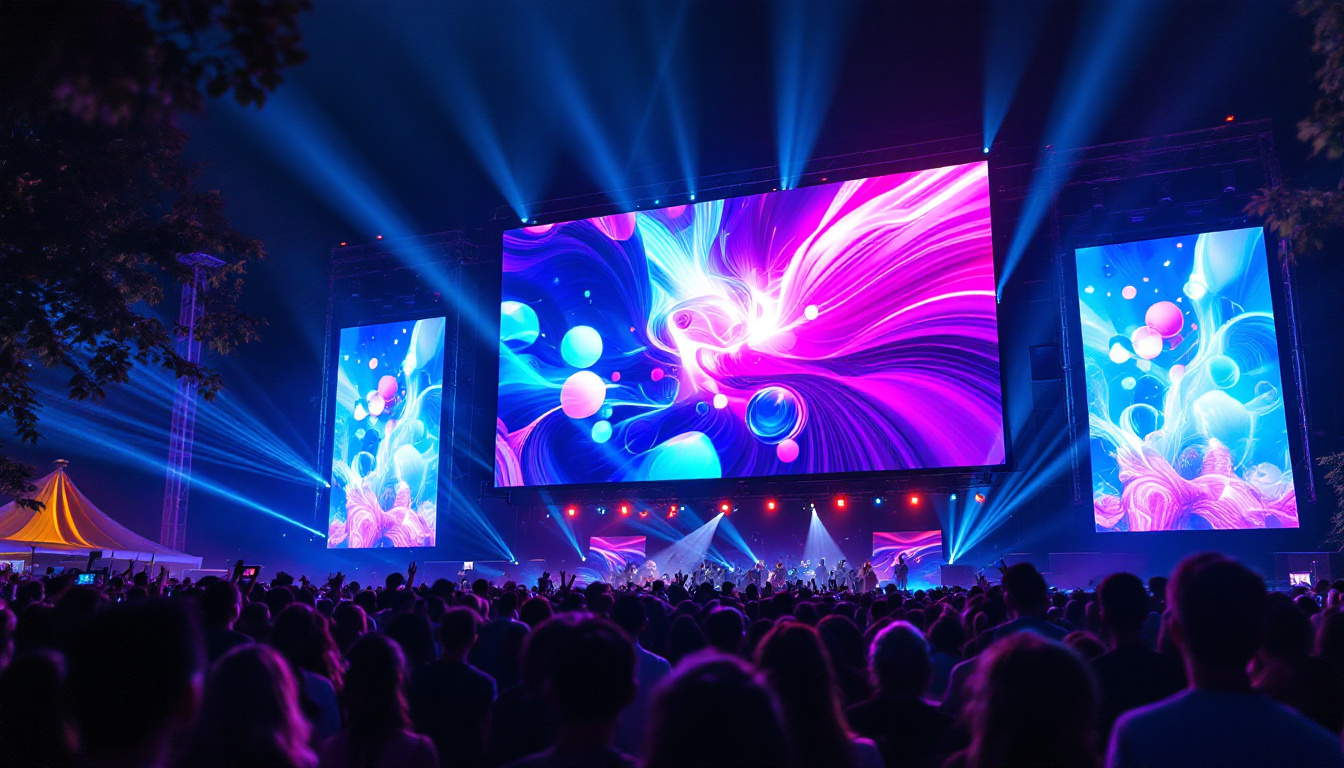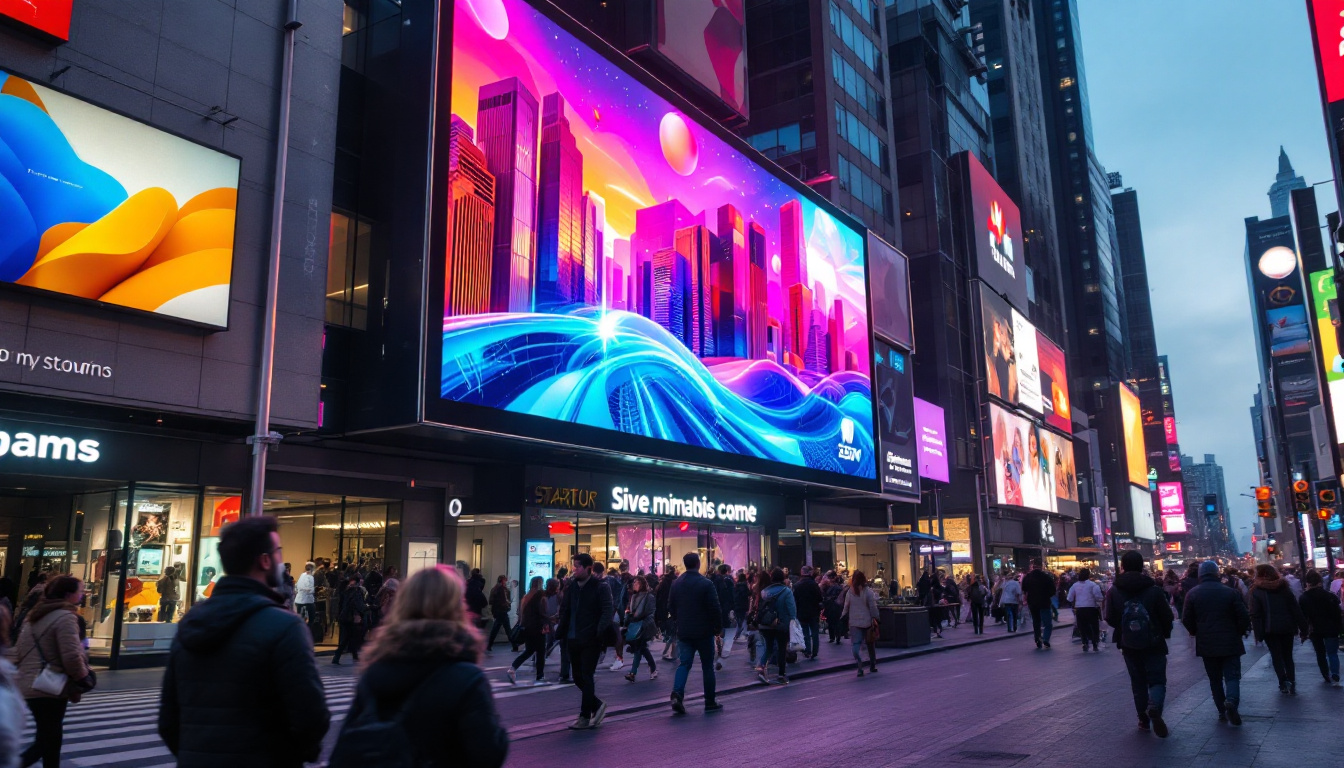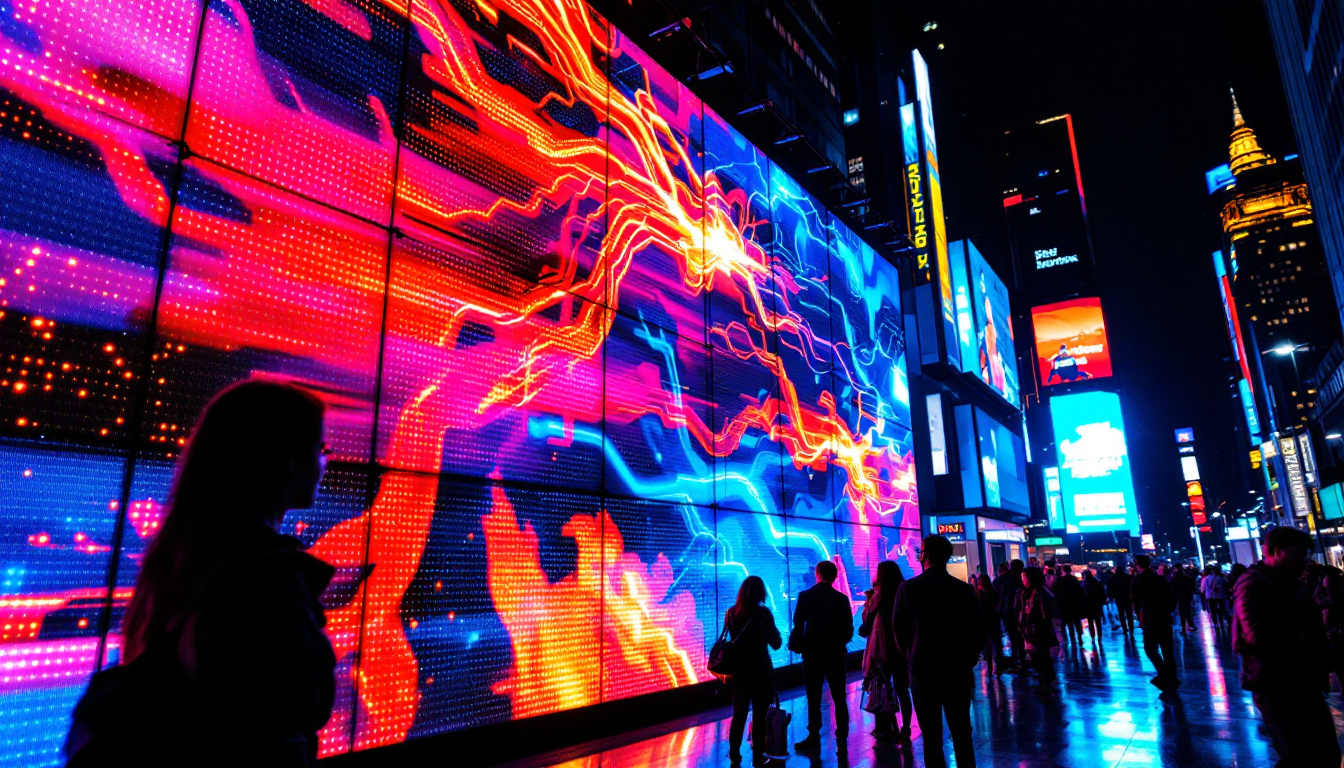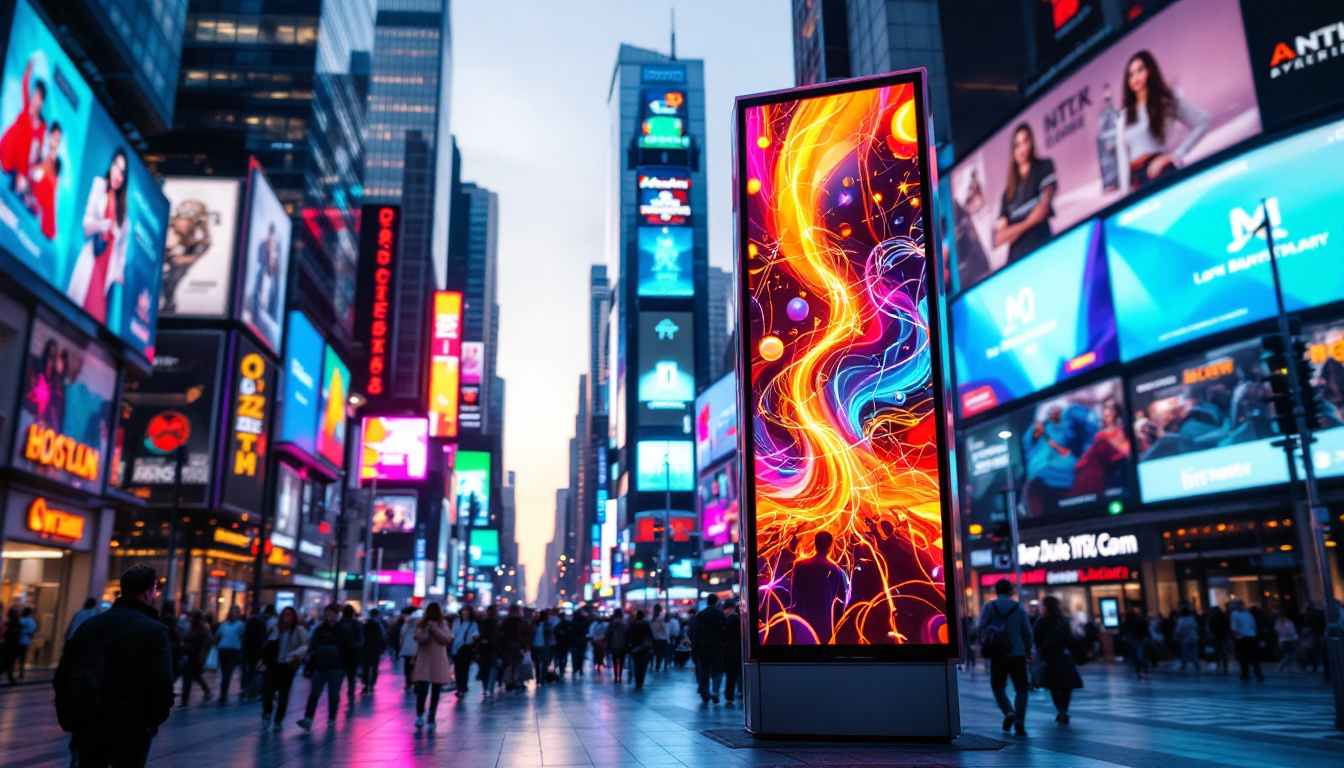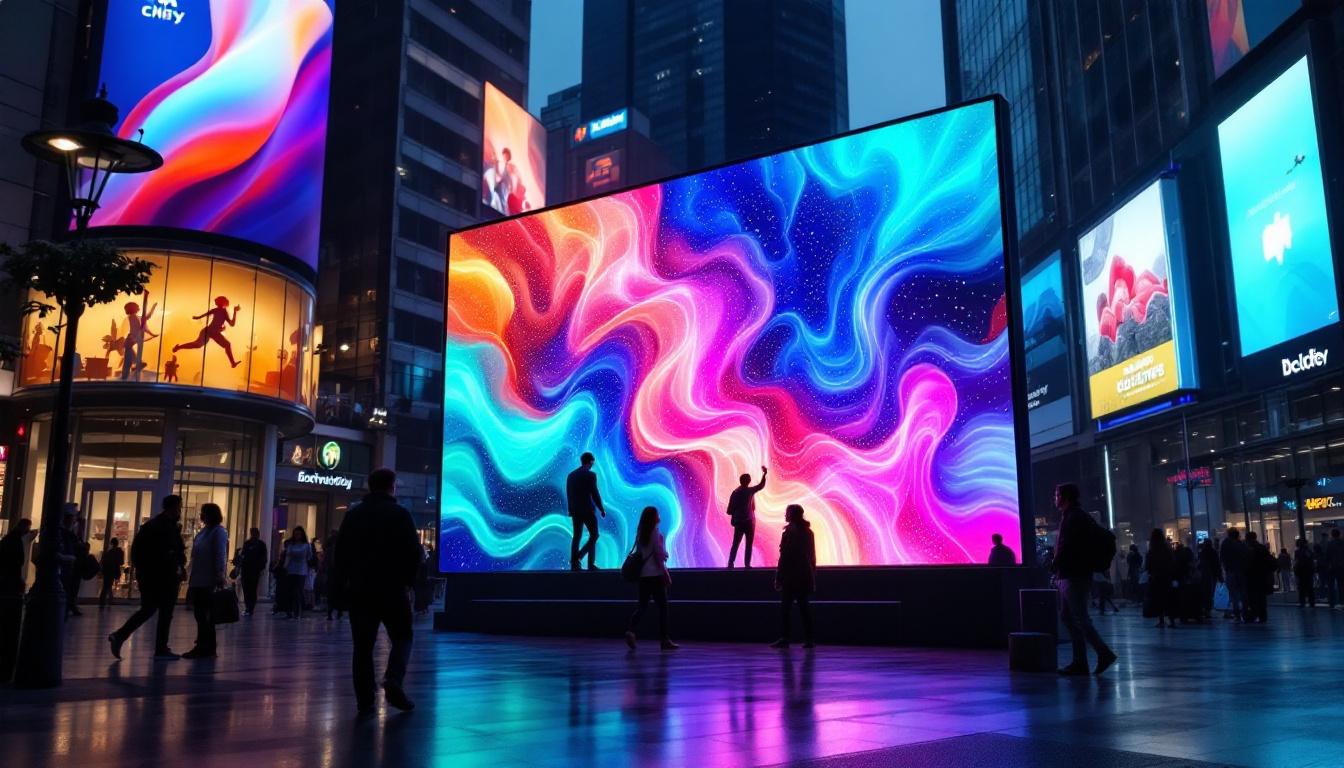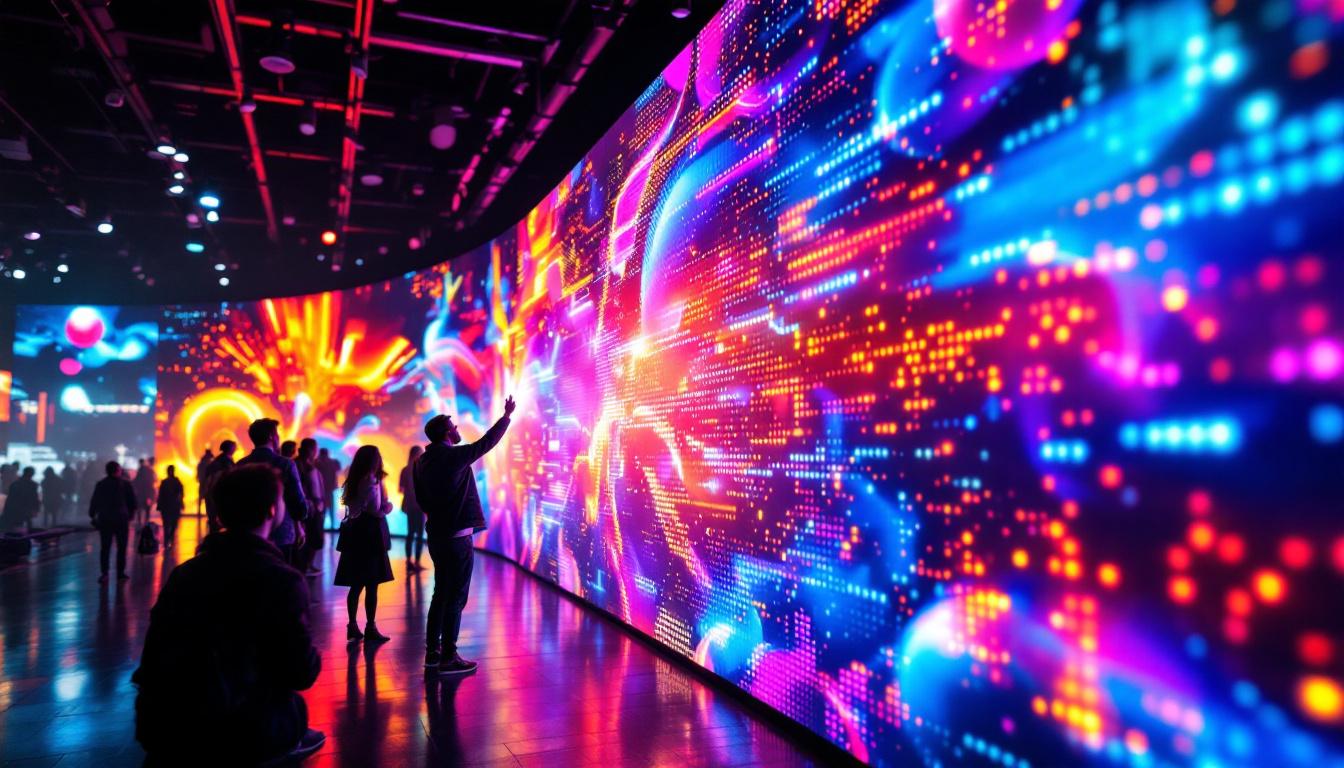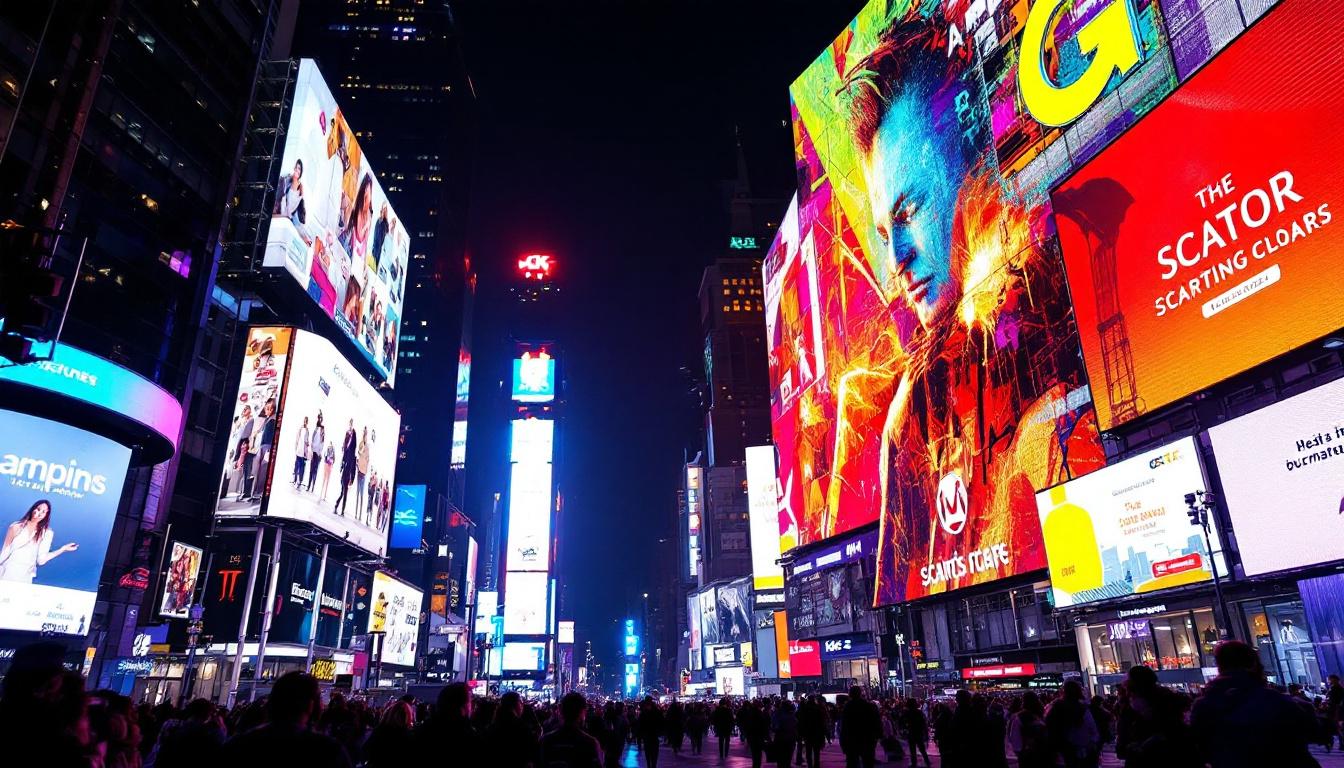
Times Square, often dubbed “The Crossroads of the World,” is renowned not only for its bustling crowds and iconic New Year’s Eve celebrations but also for its dazzling array of massive digital billboards. These colossal LED displays have become a symbol of modern advertising and urban spectacle, captivating millions of visitors annually. But what exactly goes into creating these vibrant, high-resolution screens that light up the heart of Manhattan day and night? This article delves into the technology, design, and impact of the Times Square big screen LED displays, offering a comprehensive understanding of their significance and operation.
The Evolution of Times Square’s Digital Displays
Times Square’s transformation from traditional static billboards to dynamic LED displays marks a significant shift in outdoor advertising and urban aesthetics. The journey began in the late 20th century when digital technology started to replace painted signs and neon lights.
By the early 2000s, LED (Light Emitting Diode) technology had matured enough to support large-scale, high-resolution displays. The first major LED billboard in Times Square debuted in 1999, setting a new standard for brightness, color vibrancy, and content flexibility. Since then, the number and sophistication of these screens have grown exponentially, with some of the largest LED displays covering entire building facades. This evolution has not only changed the visual landscape of Times Square but has also influenced advertising strategies globally, as brands seek to leverage the captivating nature of digital displays to engage audiences more effectively.
Today, Times Square hosts some of the world’s most advanced LED installations, capable of displaying ultra-high-definition video, interactive content, and real-time updates. This evolution reflects broader trends in digital signage and urban media, where technology and creativity merge to create immersive visual experiences. The integration of augmented reality (AR) and interactive elements into these displays has further enhanced viewer engagement, allowing passersby to participate in unique experiences that blend the physical and digital worlds. As a result, Times Square has become not just a commercial hub but a canvas for artistic expression, where brands collaborate with artists to create stunning visual narratives that captivate millions of visitors each year.
From Neon to LED: Why the Shift?
Neon signs, once the hallmark of Times Square, offered bright colors but were limited in animation and energy efficiency. LEDs provide several advantages:
- Energy Efficiency: LEDs consume significantly less power than neon or incandescent bulbs, making them more sustainable and cost-effective.
- Brightness and Visibility: LED screens can achieve higher brightness levels, ensuring visibility even in direct sunlight.
- Color Range and Flexibility: LEDs can produce a broader spectrum of colors and support dynamic content changes, enabling advertisers to update messages instantly.
These benefits have made LED the preferred technology for large-scale urban displays, especially in high-traffic areas like Times Square. Furthermore, the ability to program these displays for specific events or seasons allows for a more tailored advertising approach, enhancing the relevance of the content shown. For instance, during the holiday season, many displays transform to reflect festive themes, drawing in tourists and locals alike. This adaptability not only maximizes the impact of advertising but also contributes to the overall atmosphere of Times Square, making it a vibrant and ever-changing space that captures the essence of New York City’s dynamic culture.
How Times Square LED Displays Work: The Technology Behind the Glow
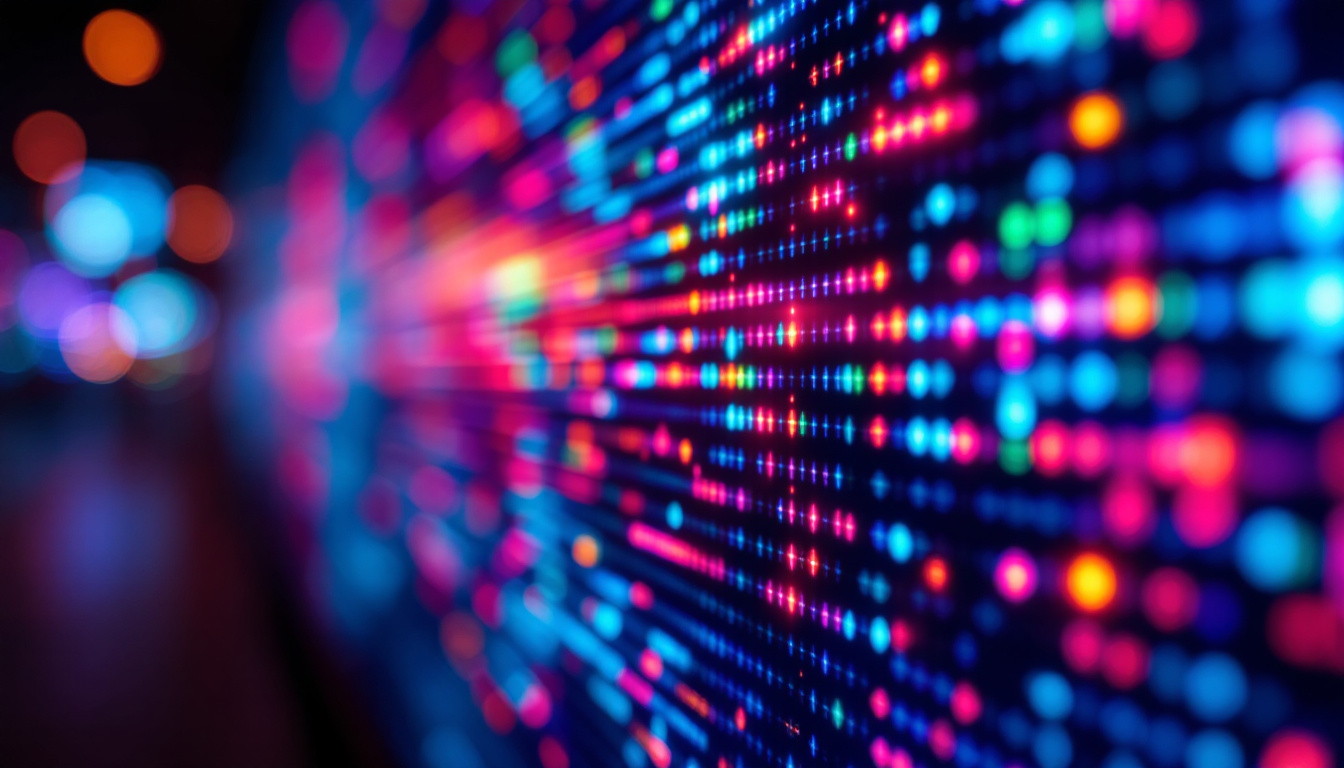
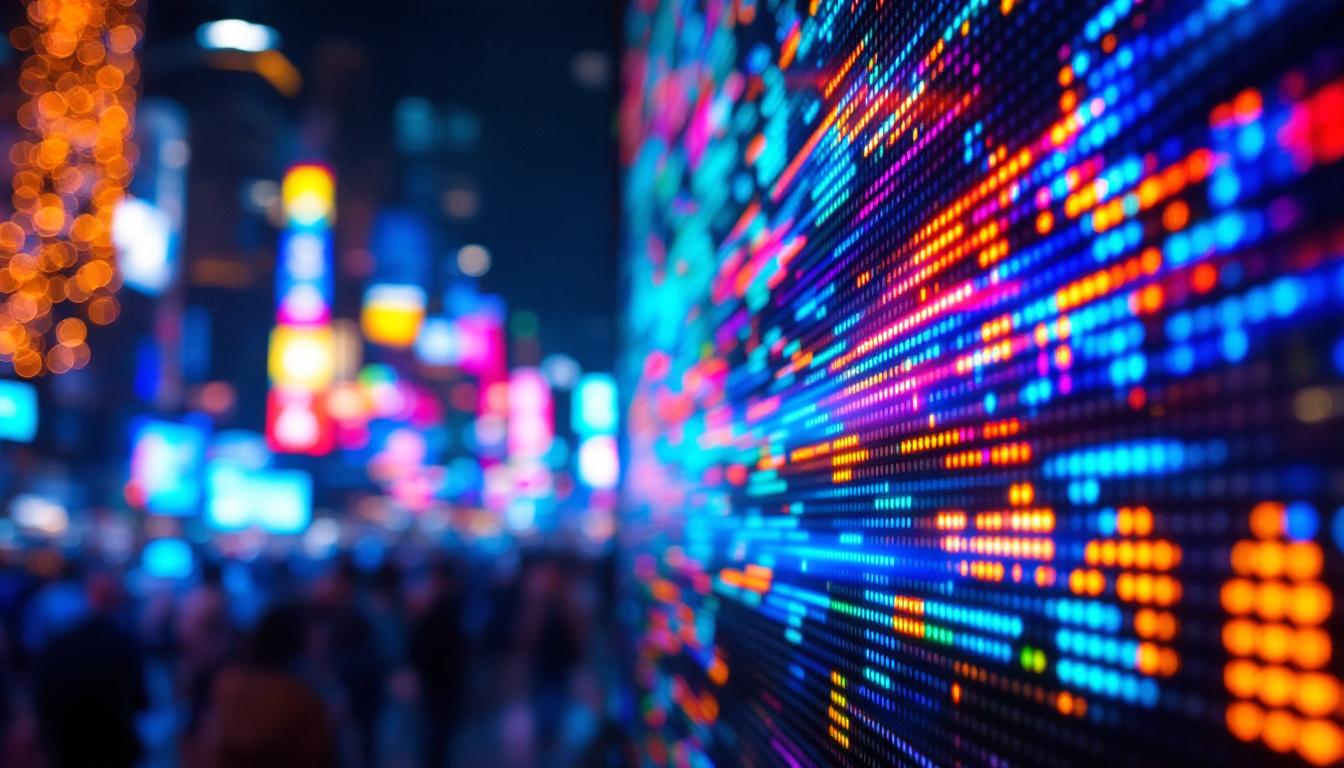
Understanding the technology behind Times Square’s LED displays reveals the complexity and precision involved in creating these visual marvels. At the core, these screens are composed of thousands to millions of tiny LEDs arranged in a grid, each acting as a pixel that emits light in red, green, and blue (RGB) combinations to produce full-color images.
LED Modules and Pixel Pitch
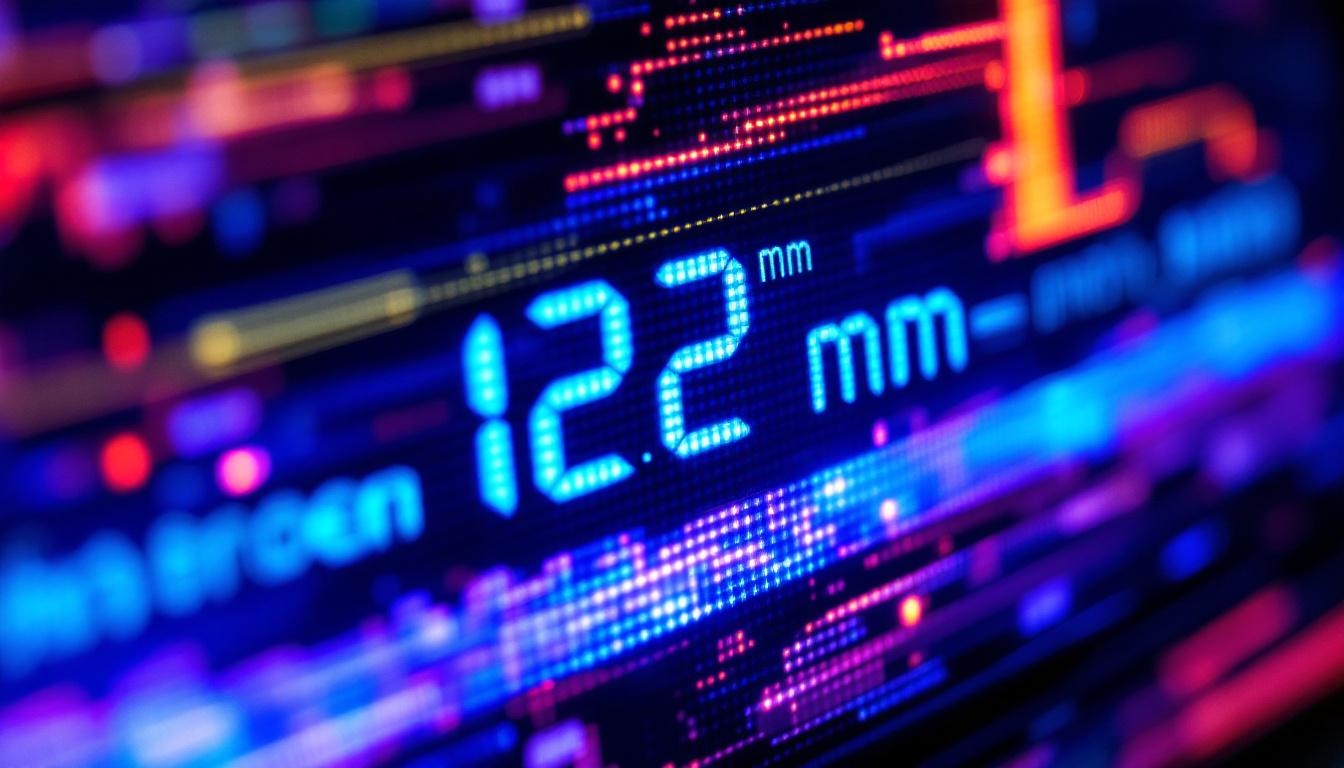
Each LED display is built from multiple modules, which are essentially panels containing a matrix of LEDs. The resolution and clarity of the image depend largely on the pixel pitch — the distance between the centers of two adjacent pixels. A smaller pixel pitch means higher resolution and sharper images, which is crucial for displays viewed from close distances.
In Times Square, pixel pitches vary depending on the screen size and viewing distance. For example, a large billboard viewed from across the street may have a pixel pitch of 20 millimeters or more, while smaller, closer screens might use pitches as low as 6 millimeters to ensure crisp visuals.
Brightness and Color Calibration
One of the defining features of Times Square LED displays is their exceptional brightness, often exceeding 5,000 nits (a measure of luminance). This level of brightness ensures that images remain vivid and legible regardless of ambient lighting conditions, including direct sunlight.
Color calibration is equally important. Advanced software and hardware systems continuously monitor and adjust the color output of each LED to maintain uniformity and accuracy. This process compensates for environmental factors such as temperature changes and LED aging, ensuring consistent image quality over time.
Content Management Systems (CMS)
Behind the scenes, sophisticated content management systems control what appears on the screens. These platforms allow advertisers and operators to schedule, update, and customize content remotely in real time. Many CMS solutions support dynamic content such as live news feeds, social media integration, and interactive advertisements, enhancing engagement with the audience.
Security is also a critical consideration, as these high-profile screens must be protected against unauthorized access or cyberattacks. Robust encryption and authentication protocols are standard features in modern CMS platforms.
Design and Engineering Challenges of Times Square LED Displays
Installing and maintaining LED displays in Times Square involves overcoming unique design and engineering challenges. The area’s dense urban environment, extreme weather conditions, and stringent regulatory requirements all influence how these displays are constructed and operated.
Structural Integration and Safety
Many LED screens in Times Square are mounted on the sides of skyscrapers or integrated into building facades. Engineers must ensure that the weight and wind load of these massive screens do not compromise structural integrity. This often requires custom mounting solutions and rigorous safety testing.
Additionally, fire safety codes and emergency evacuation routes must be considered during installation. Materials used in LED displays are typically fire-retardant, and maintenance teams conduct regular inspections to comply with city regulations.
Weatherproofing and Durability
New York’s climate presents challenges such as heavy rain, snow, humidity, and temperature fluctuations. Times Square LED displays are designed with robust weatherproof enclosures that protect sensitive electronics from moisture and dust. Thermal management systems, including ventilation and cooling, prevent overheating during hot summer months.
Durability is crucial since these displays operate 24/7, often for years without interruption. High-quality components and redundant systems help minimize downtime and extend the lifespan of the screens.
Light Pollution and Environmental Considerations
While the LED displays contribute to Times Square’s vibrant atmosphere, they also raise concerns about light pollution and energy consumption. City planners and display operators work together to balance visual impact with environmental responsibility.
Innovations such as adaptive brightness controls adjust screen luminance based on ambient light levels, reducing unnecessary glare during nighttime hours. Additionally, the use of energy-efficient LEDs and renewable energy sources helps mitigate the environmental footprint of these installations.
The Impact of Times Square LED Displays on Advertising and Culture
The LED billboards of Times Square are more than just technological feats; they play a pivotal role in shaping advertising strategies and cultural experiences.
Advertising Innovation and Audience Engagement
Times Square’s LED displays offer advertisers unparalleled opportunities to reach diverse, global audiences. The dynamic nature of LED technology allows for creative storytelling, real-time updates, and interactive campaigns that traditional billboards cannot match.
For example, brands often use motion graphics, 3D effects, and augmented reality elements to capture attention. The ability to change content instantly enables timely promotions tied to events, holidays, or breaking news, increasing relevance and impact.
According to recent industry reports, digital out-of-home (DOOH) advertising, which includes LED displays like those in Times Square, is projected to grow by over 10% annually through 2026, reflecting its rising importance in marketing mix strategies.
Cultural Significance and Urban Identity
Beyond advertising, the LED screens contribute to Times Square’s identity as a cultural landmark. They create a sensory experience that defines the area’s energy and excitement, influencing everything from tourism to entertainment.
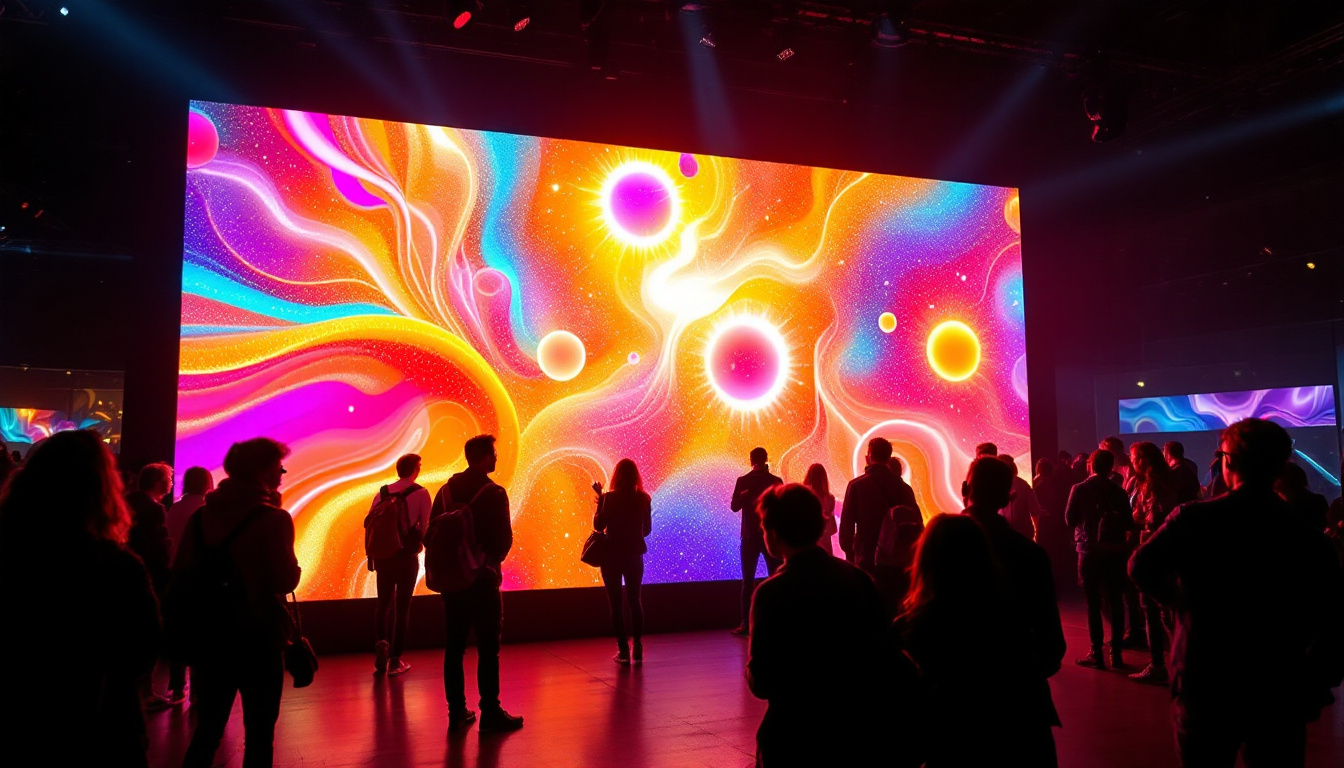
Artists and performers sometimes use these screens as canvases for public art installations, blending commercial and creative expression. This fusion highlights the role of LED displays as both communication tools and cultural symbols.
Future Trends and Innovations in Times Square LED Displays
The future of Times Square’s LED displays promises even greater technological advancements and creative possibilities.
Higher Resolution and Flexible Screens
As LED technology advances, pixel pitches continue to shrink, enabling ultra-high-definition displays that rival traditional cinema screens. Flexible and curved LED panels are also becoming more common, allowing for innovative shapes and immersive installations.
Integration with AI and Data Analytics
Artificial intelligence (AI) is beginning to play a role in optimizing content delivery based on audience demographics, behavior, and environmental conditions. Data analytics can help advertisers tailor messages more effectively, increasing engagement and return on investment.
Sustainability and Smart Energy Use
Future LED displays will likely incorporate smarter energy management systems, including solar power integration and advanced sensors that minimize energy use without compromising visual quality. These innovations align with broader urban sustainability goals.
Conclusion
The Times Square big screen LED displays are marvels of modern technology, design, and urban culture. They represent the cutting edge of digital signage, combining engineering excellence with creative expression to create one of the world’s most iconic visual landscapes.
Understanding the technology behind these displays—from LED modules and pixel pitch to content management and environmental considerations—provides insight into how they continue to evolve and shape the future of advertising and public space. As Times Square moves forward, its LED screens will undoubtedly remain a beacon of innovation and spectacle, captivating audiences for generations to come.
Illuminate Your Brand with LumenMatrix
As you marvel at the technological wonders of Times Square’s LED displays, imagine the potential for your own brand. LumenMatrix, a leader in LED display innovation, offers a diverse range of solutions tailored to bring your advertising to life. From Indoor and Outdoor LED Wall Displays to specialized options like Vehicle, Sports, and Floor LED Displays, our mission is to transform your visual communication. Embrace the future with Custom, All-in-One, and Transparent LED Displays that captivate and engage. Ready to enhance your brand’s visibility with a spectacular visual experience? Check out LumenMatrix LED Display Solutions and join the revolution in digital signage.