In the ever-evolving world of digital displays, transparent video walls have emerged as a groundbreaking innovation. Combining cutting-edge LED technology with sleek design, these displays are transforming how businesses and public spaces communicate visually. But what exactly is a transparent video wall, how does it work, and why is it gaining such rapid popularity? This article delves deep into the technology behind transparent LED displays, their applications, benefits, and considerations for implementation.
What Is a Transparent Video Wall?
A transparent video wall is a type of LED display that allows viewers to see digital content while simultaneously maintaining visibility through the screen. Unlike traditional LED or LCD screens that are opaque, transparent video walls are designed with a mesh or grid of LEDs that create images without blocking the background entirely.
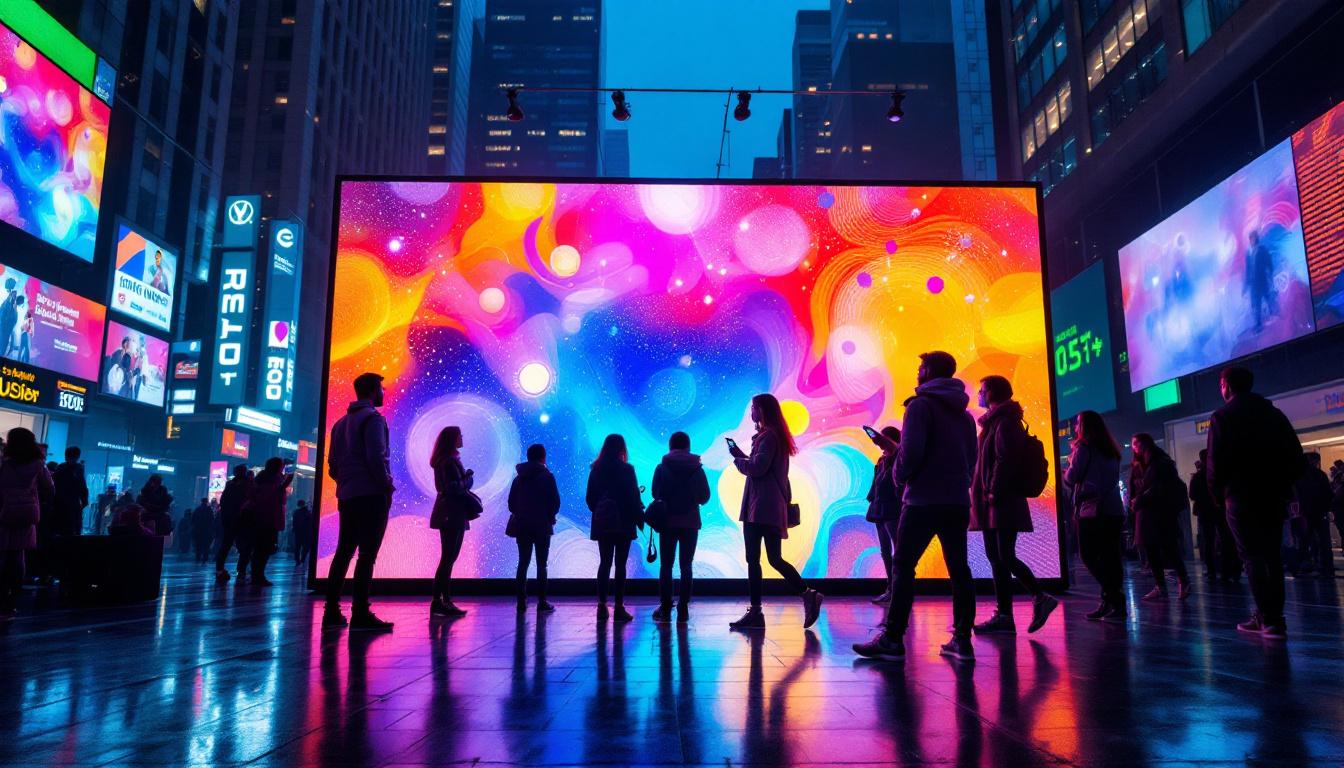
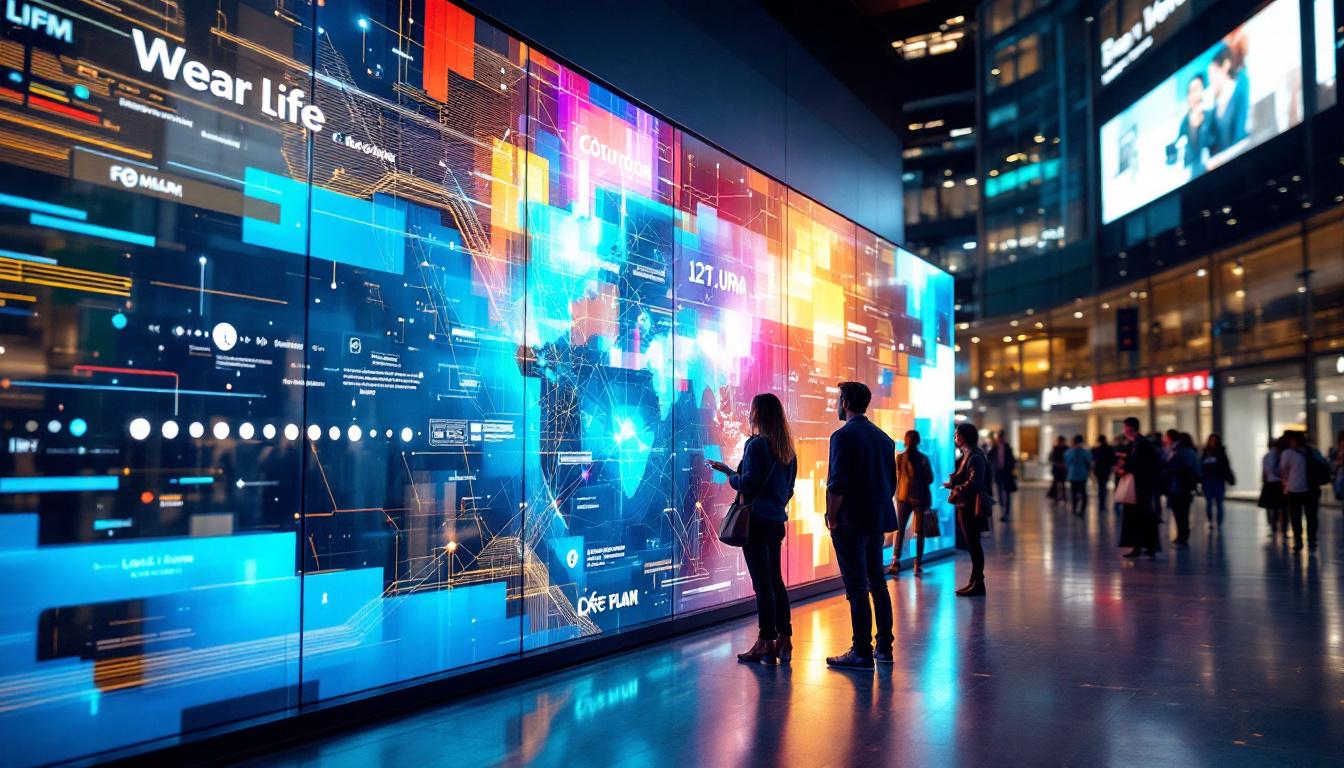
This unique feature makes them ideal for environments where natural light, visibility, and aesthetics are crucial. For example, retail storefronts, corporate lobbies, museums, and even architectural installations have adopted transparent video walls to blend digital signage with physical surroundings seamlessly. The ability to showcase vibrant advertisements or interactive content while allowing passersby to see through the display creates a captivating experience that draws attention without overwhelming the space.
Furthermore, transparent video walls can be utilized creatively to enhance storytelling in various settings. In museums, for instance, they can display historical information or animations that complement physical exhibits, providing an immersive experience that engages visitors. In corporate environments, these displays can serve as dynamic backdrops for presentations or branding, reinforcing a company’s image while maintaining an open and airy atmosphere.
How Does Transparency Work in LED Displays?
The transparency in these video walls stems from the spacing and arrangement of the LED pixels. Instead of densely packed LEDs like conventional screens, transparent LED displays use a sparse matrix of diodes mounted on a transparent substrate such as glass or acrylic. This spacing allows light and images to pass through the gaps, creating a see-through effect.
Typically, transparent LED displays achieve transparency levels ranging from 40% to 90%, depending on the pixel pitch and design. The higher the transparency, the more light passes through, but this can affect image resolution and brightness. Manufacturers carefully balance these factors to meet specific use cases. For instance, a retail store might prioritize higher transparency to maintain visibility of products behind the screen, while an exhibition space might opt for enhanced brightness and color saturation to draw in crowds.
Moreover, advancements in technology have led to the development of smart transparent video walls that can adapt to their environment. These displays can adjust brightness based on ambient light conditions, ensuring optimal visibility at all times. Additionally, some models incorporate touch-sensitive technology, allowing users to interact with the displayed content directly, further enhancing the viewer’s engagement and experience. As these innovations continue to evolve, the applications for transparent video walls are expanding, making them a versatile choice for a wide range of industries.
Technology Behind Transparent LED Displays
LED Pixel Pitch and Density
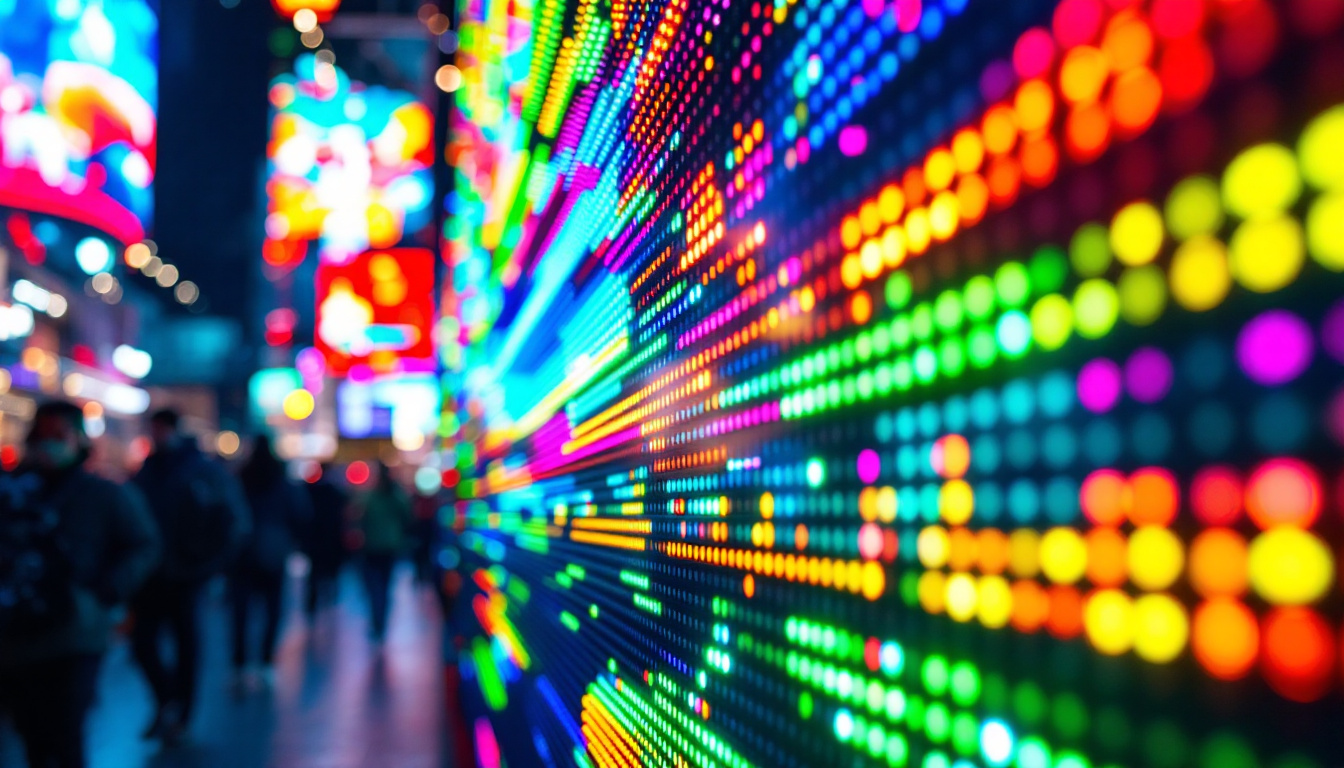
Pixel pitch, the distance between the centers of two adjacent LEDs, plays a critical role in determining both image quality and transparency. Smaller pixel pitches mean more LEDs per square meter, resulting in higher resolution but lower transparency. Conversely, larger pixel pitches increase transparency but reduce image sharpness.
For instance, a transparent LED display with a 10mm pixel pitch may offer around 60% transparency and sufficient clarity for viewing from a distance, while a 6mm pitch display prioritizes image quality with less transparency. Selecting the right pixel pitch depends on the installation environment and viewing distance.
Types of Transparent LED Screens
There are several types of transparent LED screens, each with distinct characteristics:
- Glass LED Screens: These integrate LEDs directly onto glass panels, offering high transparency and sleek aesthetics. They are commonly used in storefront windows and architectural facades.
- Mesh LED Screens: Designed with a mesh-like structure, these screens are lightweight and flexible, suitable for large-scale outdoor installations where wind resistance is a concern.
- Strip LED Screens: Featuring LED strips arranged vertically or horizontally, these screens provide a balance between transparency and brightness, often used in retail and exhibition spaces.
Brightness and Color Performance
One challenge with transparent LED walls is maintaining brightness and color vibrancy without compromising transparency. Modern transparent LED displays use high-brightness diodes capable of producing vivid images even in well-lit environments.
Some advanced models incorporate HDR (High Dynamic Range) technology, enhancing contrast and color depth. This capability is particularly important for outdoor or brightly lit indoor locations where ambient light can wash out traditional displays.
Applications of Transparent Video Walls
The versatility of transparent video walls has led to their adoption across various industries. Their unique blend of visibility and digital content delivery opens new creative and functional possibilities.
Retail and Advertising
Retailers use transparent video walls in storefront windows to attract customers with dynamic promotions without blocking the view inside the store. This approach creates an engaging shopping experience by merging digital content with physical products.
For example, luxury brands often showcase high-resolution video content on transparent displays to highlight new collections while maintaining the elegance of their storefronts. According to a 2023 report by Digital Signage Today, stores utilizing transparent LED displays saw an average 15% increase in foot traffic compared to traditional signage.
Corporate and Office Environments
In corporate settings, transparent video walls serve as eye-catching reception displays or interactive meeting room walls. They can display company branding, real-time data, or multimedia presentations without sacrificing natural light or open space aesthetics.
Companies focused on innovation and design often use these displays to reinforce their brand image, creating a futuristic and welcoming atmosphere for clients and employees alike.
Public Spaces and Museums
Museums and public venues leverage transparent LED walls to provide immersive educational content while preserving the visibility of exhibits or architectural features behind the screen. This technology enables layered storytelling by combining physical artifacts with digital overlays.
For instance, a museum might use a transparent video wall to display historical reenactments on a glass case containing ancient artifacts, enhancing visitor engagement and understanding.
Transportation Hubs and Airports
Airports and transit stations benefit from transparent video walls by delivering real-time information, advertisements, and wayfinding cues without obstructing natural light or sightlines. The lightweight and modular nature of these displays also facilitates installation in large, open areas.
Benefits of Transparent LED Video Walls
Enhanced Aesthetic Appeal
One of the most significant advantages of transparent video walls is their ability to blend seamlessly into architectural designs. Unlike bulky traditional screens, these displays maintain openness and light flow, preserving the ambiance of the space.
This aesthetic flexibility is especially valuable in premium retail, hospitality, and corporate environments where design integrity is paramount.
Energy Efficiency and Sustainability
Transparent LED displays tend to consume less power than conventional LED walls due to fewer LEDs per unit area and the ability to leverage ambient light. Additionally, their lightweight construction reduces structural load, potentially lowering installation and maintenance costs.
Many manufacturers also emphasize eco-friendly production processes and recyclable materials, aligning with growing sustainability goals across industries.
Improved Viewer Engagement
By integrating digital content without obstructing the background, transparent video walls create a layered visual experience that captivates viewers. This unique presentation style encourages longer engagement times and higher recall rates for advertising and informational content.
Considerations When Choosing Transparent Video Walls
Viewing Distance and Environment
Understanding the typical viewing distance is crucial for selecting the appropriate pixel pitch and brightness level. For close-up interactions, higher resolution (smaller pixel pitch) is necessary, while large-scale displays viewed from afar can prioritize transparency.
Environmental factors such as ambient light, weather conditions (for outdoor installations), and mounting surfaces also influence performance and durability requirements.
Installation and Maintenance
Transparent LED walls require precise installation to ensure structural safety and optimal visual performance. Because these displays are often integrated into glass facades or architectural elements, coordination with architects, engineers, and contractors is essential.
Maintenance considerations include accessibility for cleaning and repairs, as well as software updates for content management. Choosing modular designs can simplify these processes.
Cost and ROI
While transparent LED video walls can be more expensive upfront than traditional displays, their unique benefits often justify the investment. Businesses should evaluate potential returns in terms of increased customer engagement, brand enhancement, and operational efficiencies.
Leasing options and phased installations may also help manage costs while enabling gradual integration of this technology.
Future Trends in Transparent LED Display Technology
As LED technology advances, transparent video walls are expected to become even more versatile and accessible. Emerging trends include:
- Higher Resolution and Transparency: Innovations in micro-LEDs and nanotechnology aim to increase pixel density without sacrificing transparency, enabling sharper images and more immersive experiences.
- Interactive Capabilities: Integration of touch and gesture controls will allow users to interact directly with transparent displays, enhancing functionality in retail, education, and corporate settings.
- Smart Integration: Transparent video walls will increasingly connect with IoT devices and AI-driven content management systems, enabling dynamic, context-aware displays that adapt in real time.
- Flexible and Curved Displays: Advances in flexible substrates will allow transparent LED walls to conform to complex architectural shapes, opening new creative possibilities.
According to market research by Grand View Research, the global transparent LED display market is projected to grow at a compound annual growth rate (CAGR) of over 20% between 2024 and 2030, driven by demand in retail, advertising, and smart city applications.
Conclusion
Transparent video walls represent a remarkable fusion of technology and design, offering a new dimension to digital displays. Their ability to deliver vivid, dynamic content without compromising transparency and aesthetics makes them ideal for a wide range of applications—from retail and corporate environments to public spaces and transportation hubs.
Understanding the technical aspects, benefits, and practical considerations of transparent LED displays is essential for businesses and designers looking to leverage this innovative technology. As advancements continue, transparent video walls are poised to become a standard feature in modern visual communication, reshaping how information and advertising engage audiences in the physical world.
Discover the Future of Visual Communication with LumenMatrix
Ready to elevate your space with the cutting-edge technology of transparent video walls? LumenMatrix is at the forefront of LED display innovation, offering a diverse range of solutions tailored to your unique needs. From mesmerizing Indoor and Outdoor LED Wall Displays to versatile Vehicle and Floor LED Displays, our products are designed to captivate and engage. Experience the transformative power of our Custom, All-in-One, and LED Transparent Displays and see how we can help amplify your brand’s visibility. Check out LumenMatrix LED Display Solutions today and step into the future of dynamic visual storytelling.