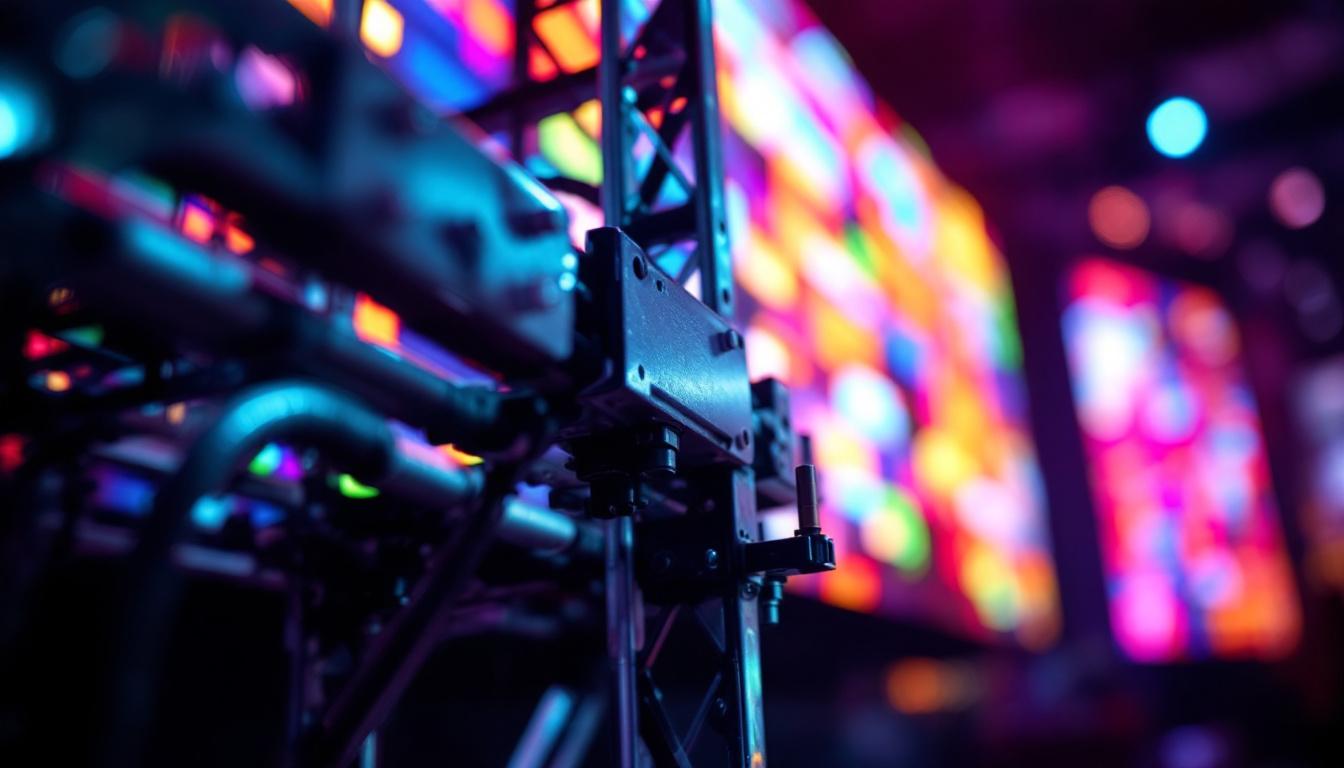
The world of LED displays is constantly evolving, driven by innovations in design, technology, and installation methods. One critical yet often overlooked component in the structural integrity and safety of large LED displays is the truss base plate. Whether used in concerts, sports arenas, or corporate events, understanding the role and importance of truss base plates can make a significant difference in the stability and longevity of LED display setups.
What is a Truss Base Plate?
A truss base plate is a foundational element used to support and stabilize truss systems, which are frameworks commonly employed to mount LED displays. Typically made from durable materials like steel or aluminum, these plates serve as the interface between the truss structure and the ground or floor surface.
They are designed to evenly distribute the weight and forces exerted by the truss and the attached equipment, preventing damage to the floor and reducing the risk of structural failure. In essence, the base plate acts as a load-bearing platform that ensures the entire setup remains secure and upright.
Material and Design Considerations
Most truss base plates are fabricated from high-grade steel due to its strength and durability. However, aluminum base plates are also used in situations where weight reduction is critical, such as in mobile or temporary installations.
The design of the base plate includes features like bolt holes for anchoring, a flat surface for optimal contact with the floor, and sometimes rubber or plastic pads to prevent slipping and protect delicate floor finishes. The thickness and size of the plate are carefully calculated based on the load it needs to support and the type of surface it rests on.
In addition to these functional aspects, truss base plates can also be customized to meet specific project requirements. For instance, some may feature integrated leveling systems to ensure that the truss remains perfectly horizontal, even on uneven surfaces. This is particularly important in outdoor settings where terrain can vary significantly. Furthermore, the aesthetic design of the base plate can be tailored to blend seamlessly with the overall setup, especially in high-profile events where visual appeal is paramount.
Moreover, safety is a critical consideration in the design of truss base plates. Many manufacturers incorporate safety features such as reinforced edges and anti-slip coatings to enhance stability. These additional safety measures not only protect the equipment but also ensure the safety of personnel working in proximity to the truss system. Regular inspections and maintenance of the base plates are also recommended to ensure they remain in optimal condition, especially after heavy use or exposure to harsh environmental conditions.
Role of Truss Base Plates in LED Display Installations
LED displays, especially large-scale installations, require robust support systems to ensure safety and performance. Truss base plates play a pivotal role in this context by providing a stable foundation for the truss structures that hold the LED panels.
Ensuring Structural Stability
LED display trusses can be subjected to significant loads, including the weight of the LED modules, lighting fixtures, speakers, and even environmental forces like wind. Without a properly designed base plate, these loads could cause the truss to shift, tilt, or collapse.
Base plates distribute these forces evenly across the floor, reducing stress concentrations and preventing damage to both the truss and the surface it rests upon. This is especially important in venues with delicate flooring, such as hardwood stages or tiled exhibition halls. Moreover, the material and thickness of the base plate can significantly influence its performance; for instance, heavier steel plates may be preferred in outdoor settings where wind resistance is a concern, while lighter aluminum options might suffice for indoor events.
Safety and Compliance
Safety regulations in event production and construction often mandate the use of base plates for truss systems. Compliance with standards such as those set by the Occupational Safety and Health Administration (OSHA) or the European Union’s EN standards is critical to avoid accidents and legal liabilities.
Using the correct base plate size and type ensures that the LED display installation meets these safety requirements, protecting both the crew and the audience. Additionally, the installation process itself is crucial; proper alignment and securing of base plates can prevent potential hazards during operation. Regular inspections and maintenance of the base plates and truss systems are also recommended to ensure ongoing compliance and safety, as wear and tear over time can compromise their effectiveness. This proactive approach not only enhances safety but also extends the lifespan of the entire display setup, making it a sound investment for event organizers.
Types of Truss Base Plates for LED Displays
There are several types of truss base plates, each tailored to specific installation needs and environments. Selecting the right type depends on factors such as load requirements, floor type, and whether the installation is temporary or permanent.
Flat Base Plates
Flat base plates are the most common type used in LED display setups. They provide a broad, flat surface that maximizes contact with the floor, offering excellent load distribution. These plates are ideal for indoor venues with flat, hard surfaces.
Adjustable Base Plates
Adjustable base plates come with mechanisms that allow for height or angle adjustments. This flexibility is useful in uneven terrain or when precise leveling of the truss is required. They are often used in outdoor events or temporary installations where the ground surface cannot be perfectly controlled.
Weighted Base Plates
Weighted base plates incorporate additional mass, such as sandbags or integrated weights, to enhance stability. These are particularly important in outdoor setups where wind loads can create significant lateral forces on the truss and LED display.
Installation Best Practices for Truss Base Plates in LED Displays
Proper installation of truss base plates is essential to maximize their effectiveness. Here are some best practices commonly followed by professionals in the industry:
Site Assessment and Surface Preparation
Before installation, a thorough assessment of the floor or ground surface should be conducted. This includes checking for levelness, strength, and any potential hazards. In some cases, protective mats or platforms may be used to prevent damage to delicate surfaces.
Correct Sizing and Positioning
Choosing the correct size of the base plate is crucial. The plate must be large enough to distribute the load without causing excessive pressure on the floor. Positioning the base plate directly under the truss leg and ensuring full contact with the surface prevents uneven load distribution.
Anchoring and Securing
Where possible, base plates should be anchored to the floor using bolts or screws, especially in permanent or semi-permanent installations. This prevents any movement caused by vibrations, wind, or accidental contact during events.
Regular Inspection and Maintenance
Throughout the lifespan of the LED display installation, base plates should be regularly inspected for signs of wear, corrosion, or damage. Maintenance may include cleaning, tightening bolts, or replacing worn pads to maintain safety and performance.
Case Studies: Truss Base Plates in Action
Examining real-world examples helps illustrate the importance and application of truss base plates in LED display installations.
Concert Venue Setup
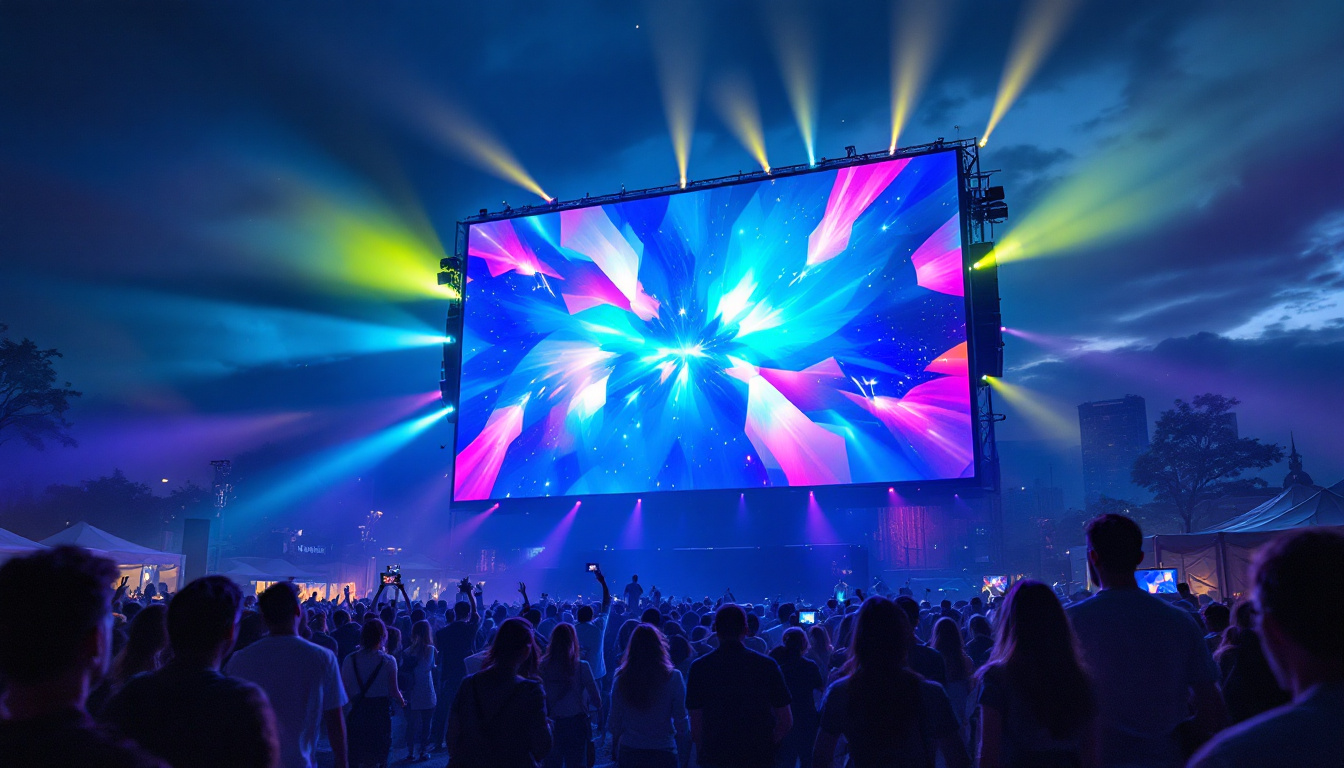
At a major music festival, a large LED screen measuring over 20 feet wide was mounted on a truss system supported by steel base plates. The venue’s concrete floor was uneven in some areas, so adjustable base plates were used to level the structure. Weighted base plates with sandbags were added to counteract strong winds. The result was a stable and safe setup that withstood the entire event without incident.
Corporate Event in an Exhibition Hall
For a corporate product launch, a high-resolution LED wall was installed inside a convention center. The venue’s polished marble floor required protection, so rubber pads were placed under flat steel base plates to prevent scratches. The base plates were anchored to the floor to prevent any movement during the event. This careful approach ensured both the safety of the installation and the preservation of the venue’s flooring.
Future Trends and Innovations in Truss Base Plates for LED Displays
As LED display technology advances, so too do the supporting structures and components like truss base plates. Several emerging trends are shaping the future of this essential element.
Lightweight and Modular Designs
Manufacturers are developing lighter, modular base plates made from advanced alloys and composites. These innovations facilitate faster setup and teardown, which is particularly valuable in the live events industry where time is critical.
Smart Load Monitoring
Integration of sensors into base plates to monitor load distribution and structural integrity in real-time is becoming more common. This technology helps event managers detect potential issues before they become safety hazards, improving overall risk management.
Sustainable Materials and Practices
With sustainability gaining importance, base plates made from recycled materials or designed for easy recycling are entering the market. Additionally, manufacturers are optimizing designs to reduce material waste without compromising strength.
Conclusion
The truss base plate is a fundamental yet often underappreciated component in the installation of LED displays. Its role in ensuring structural stability, safety, and compliance cannot be overstated. By understanding the different types of base plates, their applications, and best installation practices, event professionals and installers can create safer, more reliable LED display setups.
As technology and materials continue to evolve, truss base plates will become even more sophisticated, offering enhanced performance and sustainability. Staying informed about these developments is essential for anyone involved in the design, installation, or management of LED display systems.
Discover LumenMatrix’s Advanced LED Display Solutions
Ready to elevate your LED display installations with the latest in technology and design? Look no further than LumenMatrix, a pioneer in crafting immersive visual experiences. From dynamic Indoor and Outdoor LED Wall Displays to innovative solutions like Vehicle LED Displays and LED Sports Displays, LumenMatrix offers a comprehensive range of products to meet your specific needs. Embrace the future of visual communication with our Custom LED Displays, All-in-One LED Displays, and LED Transparent Displays. Check out LumenMatrix LED Display Solutions today and transform how you share your message with the world.