In the world of digital displays, LED technology has become synonymous with vibrant colors, sharp images, and energy efficiency. Whether you are shopping for a new TV or upgrading your computer monitor, understanding LED displays is crucial to making an informed decision. This article delves into the intricacies of LED displays, exploring how they work, their advantages and disadvantages, and what sets TVs and monitors apart despite sharing similar technology.
Understanding LED Display Technology
What Does LED Stand For?
LED stands for Light Emitting Diode. It is a semiconductor device that emits light when an electric current passes through it. In the context of displays, LEDs serve as the light source that illuminates the screen. Unlike older display technologies such as CCFL (Cold Cathode Fluorescent Lamp), LEDs are more energy-efficient and allow for thinner, lighter designs. This efficiency not only reduces energy consumption but also contributes to a lower carbon footprint, making LED technology a more environmentally friendly option for consumers and manufacturers alike.
How Do LED Displays Work?
LED displays are essentially LCD (Liquid Crystal Display) panels that use LEDs for backlighting. The LCD panel itself does not emit light; it manipulates light passing through it to create images. The LEDs provide the necessary illumination behind or around the LCD panel. There are two primary types of LED backlighting:
- Edge-lit LED: LEDs are placed around the edges of the screen, and light is distributed evenly across the panel using light guides.
- Direct-lit or Full-array LED: LEDs are positioned directly behind the screen, allowing for more precise control of brightness and contrast.
This distinction is important because it affects picture quality, with full-array LED displays generally offering better contrast ratios and local dimming capabilities. Additionally, advancements in technology have led to features such as HDR (High Dynamic Range) support, which enhances the visual experience by providing a wider range of colors and brightness levels, making images appear more lifelike and vibrant.
Types of LED Displays Beyond Backlighting
It is also worth noting that there are true LED displays, like OLED (Organic LED) and MicroLED, where each pixel emits its own light without the need for backlighting. OLED technology, in particular, is known for its ability to produce deep blacks and stunning color accuracy, as individual pixels can be turned off completely to achieve true black. This results in an unparalleled contrast ratio that many enthusiasts and professionals in the visual arts prefer. MicroLED, on the other hand, is a newer technology that promises even greater efficiency and brightness, with the potential to revolutionize the display industry by combining the best features of both OLED and traditional LED technologies.
LED TVs vs. LED Monitors: Key Differences
Purpose and Usage Scenarios
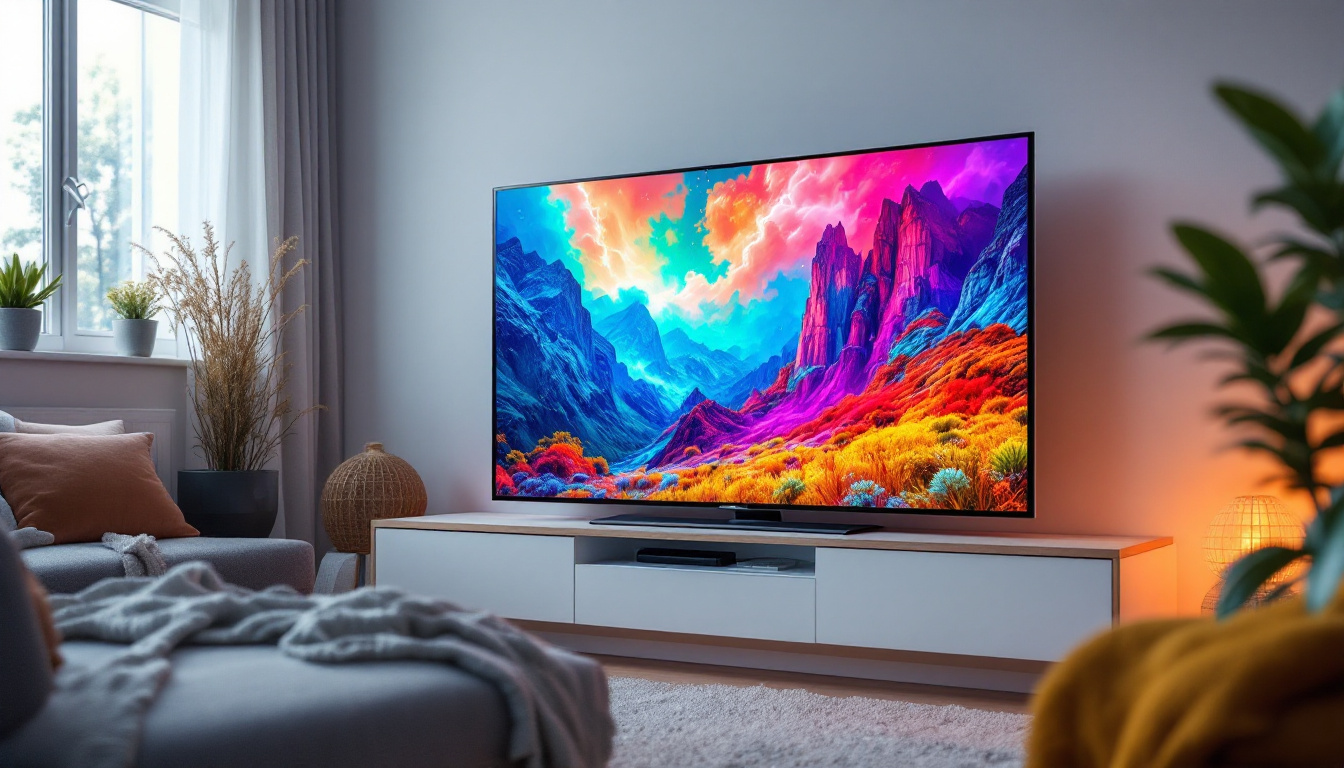
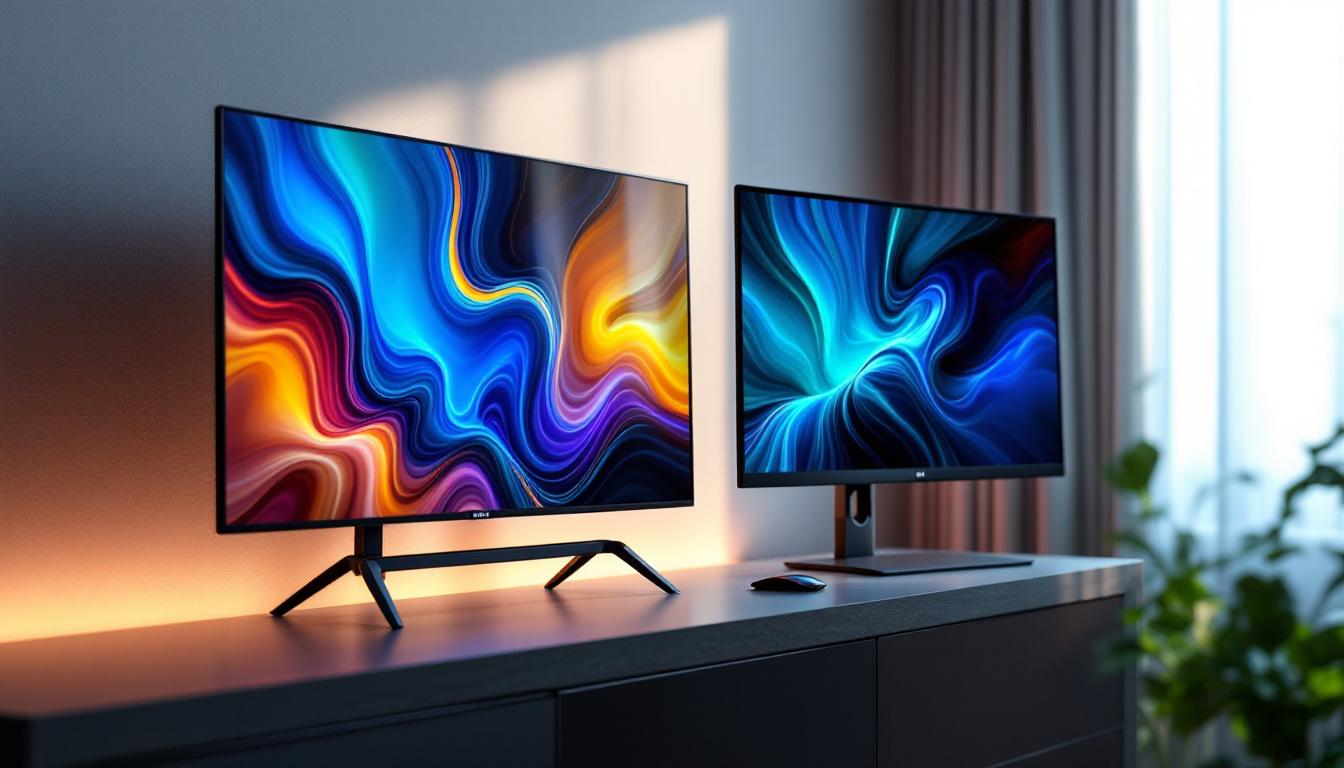
While both LED TVs and monitors use similar underlying technology, their design and functionality cater to different use cases. TVs are primarily designed for viewing from a distance, often in living rooms or entertainment spaces. They emphasize large screen sizes, high dynamic range (HDR), and smart features such as streaming apps.
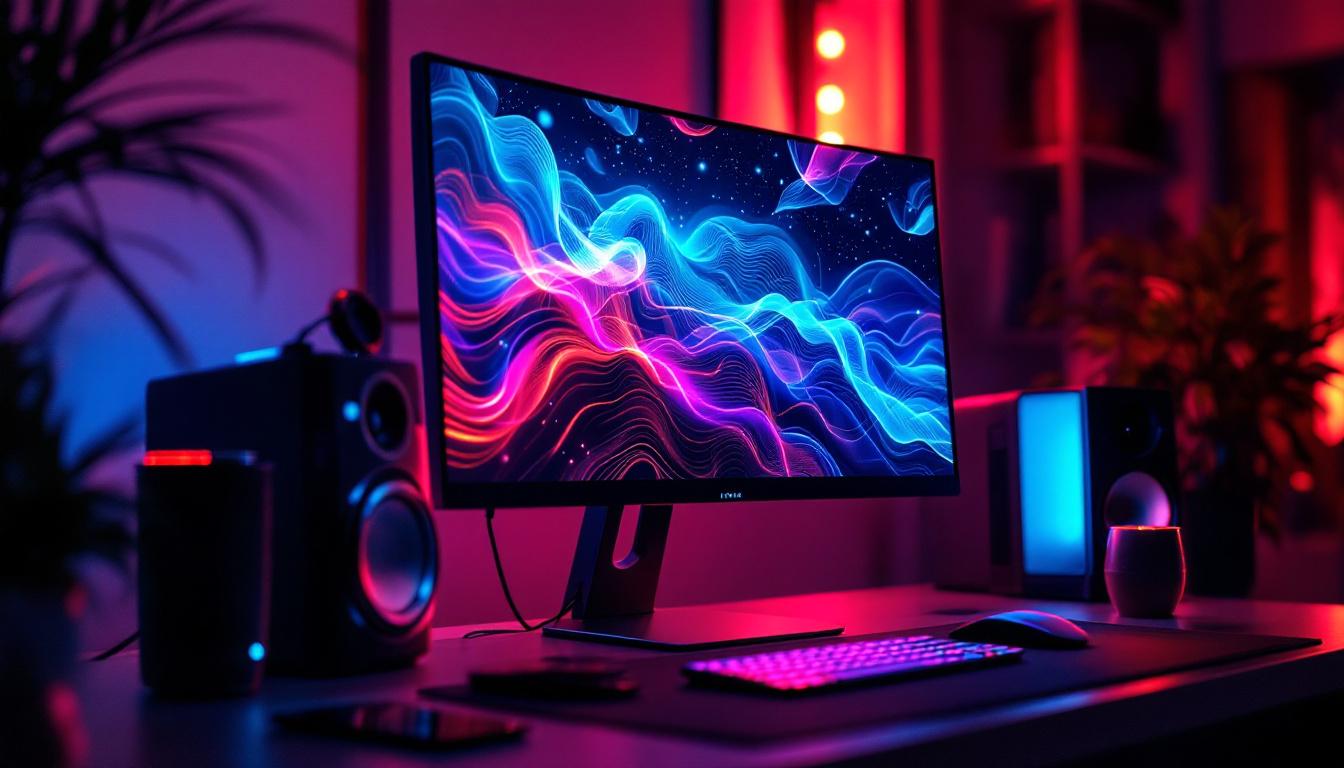
Monitors, on the other hand, are optimized for close-up use at desks. They prioritize factors like refresh rates, response times, and color accuracy, which are crucial for tasks such as gaming, graphic design, and professional video editing.
Resolution and Screen Size
TVs typically come in larger sizes, ranging from 32 inches to over 85 inches, with 4K resolution becoming the standard for most mid-to-high-end models. 8K TVs are emerging but remain niche due to limited content availability and high costs.
Monitors usually range from 21 to 32 inches, with resolutions spanning from Full HD (1920×1080) to 4K (3840×2160). Ultrawide and curved monitors are popular choices for productivity and immersive gaming experiences.
Refresh Rate and Response Time
Refresh rate, measured in hertz (Hz), indicates how many times per second the display updates its image. Monitors often feature higher refresh rates—120Hz, 144Hz, or even 240Hz—to provide smoother motion, which is especially important for gaming. TVs traditionally had 60Hz refresh rates, but modern models now support 120Hz and variable refresh rate (VRR) technologies to reduce motion blur and screen tearing.
Response time measures how quickly a pixel can change from one color to another, typically in milliseconds (ms). Lower response times reduce ghosting and motion blur. Monitors often have faster response times (1-5ms) compared to TVs (8-20ms), making them better suited for fast-paced applications.
Color Accuracy and Calibration
Professional monitors often come factory-calibrated for color accuracy and support wide color gamuts such as Adobe RGB or DCI-P3. This is essential for photographers, video editors, and designers who require precise color reproduction.
LED TVs focus more on delivering vibrant, punchy colors optimized for video content. While some high-end TVs offer advanced calibration options and support HDR formats like HDR10, Dolby Vision, and HLG, they generally do not meet the stringent color accuracy standards required for professional work.
Advantages of LED Displays
Energy Efficiency and Longevity
LED backlighting consumes significantly less power than CCFL backlighting, making LED displays more energy-efficient. This efficiency translates into lower electricity bills and reduced environmental impact. Additionally, LEDs have a longer lifespan, often exceeding 50,000 hours of use, which means fewer replacements and less electronic waste.
Improved Picture Quality
LED displays offer better contrast ratios and brightness levels compared to older LCD technologies. Full-array LED TVs with local dimming can achieve deeper blacks and more vivid colors, enhancing the overall viewing experience. The ability to produce higher peak brightness is especially beneficial for HDR content, which relies on bright highlights and detailed shadows.
Thin and Lightweight Designs
The compact size of LEDs allows manufacturers to produce ultra-thin and lightweight TVs and monitors. This not only looks aesthetically pleasing but also enables easier installation and mounting options.
Limitations and Considerations of LED Displays
Backlight Bleeding and Uniformity Issues
Since LED displays rely on backlighting, some models may suffer from backlight bleeding, where light leaks around the edges or corners of the screen. This can be distracting, especially when viewing dark scenes in a dimly lit room. Uniformity issues can also arise, causing some areas of the screen to appear brighter or darker than others.
Viewing Angles
LED LCD panels typically have narrower viewing angles compared to OLED or MicroLED displays. Colors and contrast can shift when viewed from extreme angles, which may affect group viewing experiences. IPS (In-Plane Switching) panels offer better viewing angles than VA (Vertical Alignment) panels but may have trade-offs in contrast.
Motion Blur and Input Lag
While LED displays have improved in handling motion, some models may still exhibit motion blur or input lag, which can impact gaming and fast-action video playback. Input lag is the delay between a signal being sent from a device and the display showing the image. Gamers and professionals requiring real-time feedback should look for displays with low input lag and motion-enhancing technologies.
Emerging LED Display Technologies
Mini-LED
Mini-LED technology uses thousands of tiny LEDs for backlighting, allowing for more precise local dimming zones. This results in improved contrast, deeper blacks, and higher brightness levels compared to traditional LED backlighting. Mini-LED TVs and monitors are gaining popularity as a cost-effective alternative to OLED, offering many of the same benefits without the risk of burn-in.
MicroLED
MicroLED represents a next-generation display technology where microscopic LEDs serve as individual pixels, emitting their own light. This eliminates the need for backlighting and offers perfect blacks, exceptional brightness, and outstanding color accuracy. While MicroLED displays are still expensive and primarily used in commercial applications, they hold promise for future consumer TVs and monitors.
Quantum Dot LED (QLED)
Quantum Dot technology enhances LED displays by adding a layer of semiconductor nanocrystals that emit precise colors when illuminated by the LED backlight. QLED TVs, popularized by major manufacturers, deliver wider color gamuts and higher brightness levels, making them ideal for HDR content. Despite the name, QLED is still an LCD-based technology with LED backlighting.
Choosing the Right LED Display for Your Needs
For Entertainment and General Use
If your primary use is watching movies, streaming shows, or casual gaming, an LED TV with 4K resolution and HDR support is a solid choice. Consider screen size based on your viewing distance—typically, a 55-inch TV suits a living room setup well. Look for full-array local dimming and smart features to enhance your experience.
For Professional Work
Professionals in photography, video editing, and graphic design should prioritize monitors with high color accuracy, wide color gamut support, and factory calibration. IPS panels with 4K resolution and excellent uniformity are recommended. Calibration tools and software can further optimize color fidelity.
For Gaming
Gamers benefit from monitors or TVs with high refresh rates (120Hz or higher), low response times, and support for variable refresh rate technologies such as NVIDIA G-SYNC or AMD FreeSync. Monitors tend to offer better input lag performance, but some modern gaming TVs are closing the gap. Consider the balance between screen size, resolution, and refresh rate based on your gaming setup.
Conclusion
LED display technology has revolutionized the way we consume digital content, offering vibrant visuals, energy efficiency, and sleek designs. Understanding the differences between LED TVs and monitors, as well as the nuances of LED backlighting, empowers consumers to make choices tailored to their specific needs. Whether for immersive entertainment, professional work, or competitive gaming, LED displays continue to evolve, promising even more impressive performance and innovation in the years ahead.
Explore Cutting-Edge LED Displays with LumenMatrix
Ready to elevate your visual experience with the latest in LED display technology? Look no further than LumenMatrix, a pioneer in crafting LED display modules that transform any space into a dynamic visual showcase. From the comfort of your living room to the excitement of an outdoor event, LumenMatrix offers a comprehensive range of solutions including Indoor LED Wall Displays, Outdoor LED Wall Displays, and specialized options like Vehicle LED Displays, LED Sports Displays, and even Custom LED Displays tailored to your unique needs. Embrace the future of digital signage with LumenMatrix’s innovative LED solutions that promise to captivate your audience and amplify your message. Check out LumenMatrix LED Display Solutions today and join the revolution in visual communication.