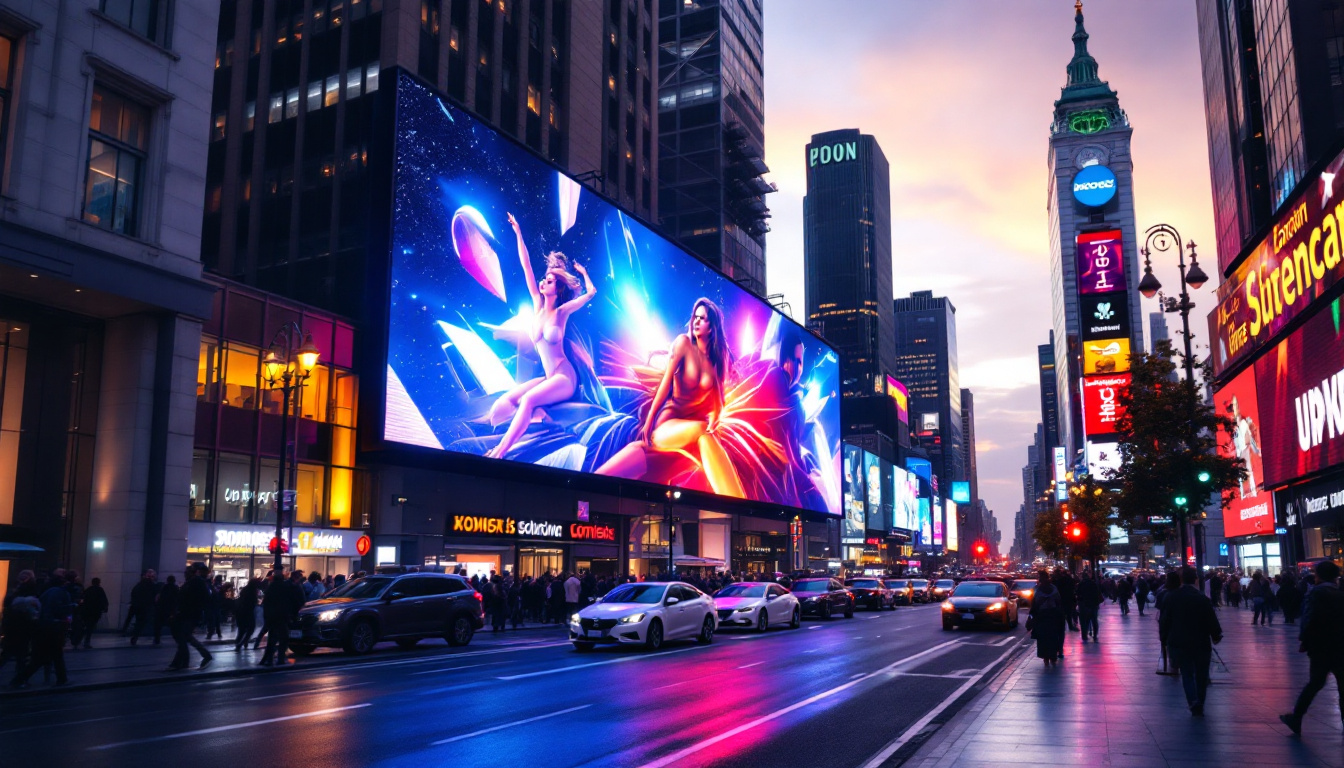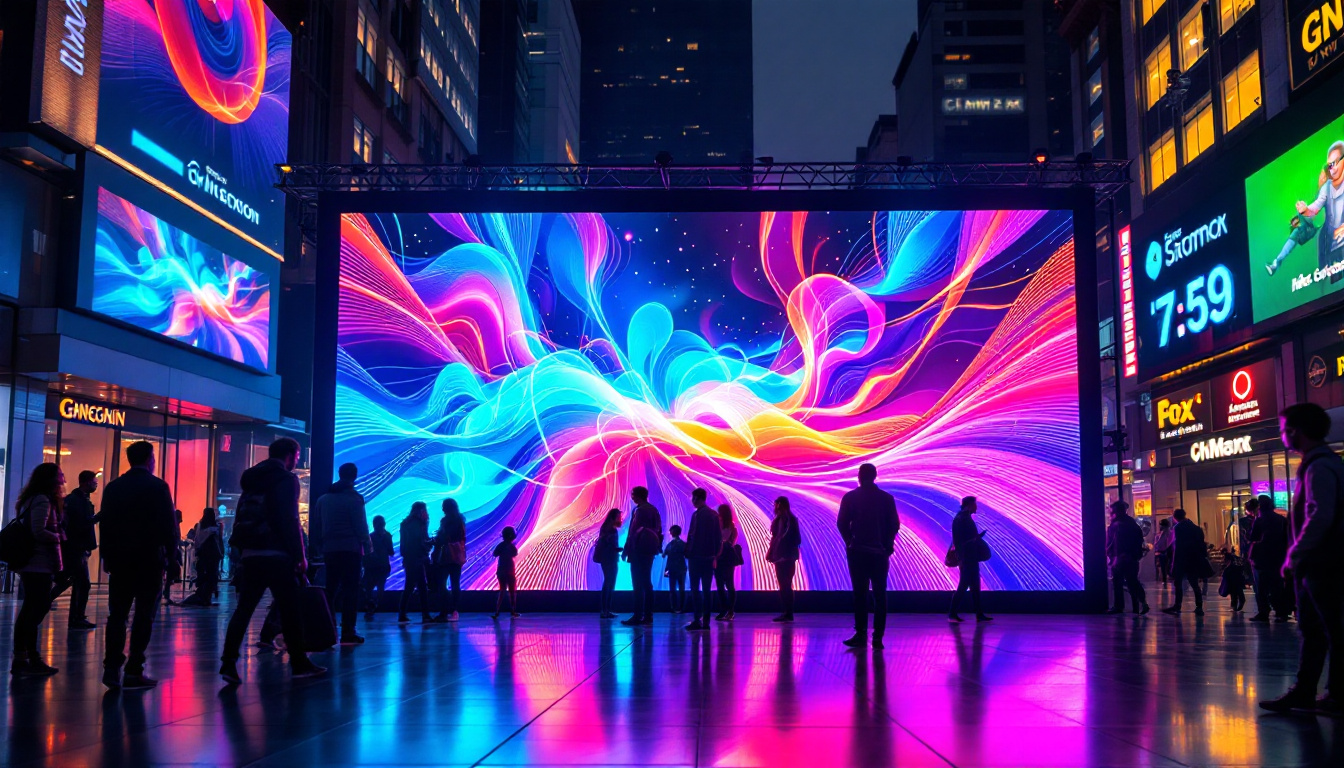
In the rapidly evolving world of television technology, LED displays have become a cornerstone for delivering vibrant, high-quality images to viewers worldwide. Whether it’s in a living room, a sports arena, or a digital billboard, LED technology powers some of the most impressive visual experiences available today. This article delves into the fundamentals of LED displays, their role in TV monitoring, and why understanding this technology is crucial for consumers, broadcasters, and industry professionals alike.
Understanding LED Display Technology
What is an LED Display?
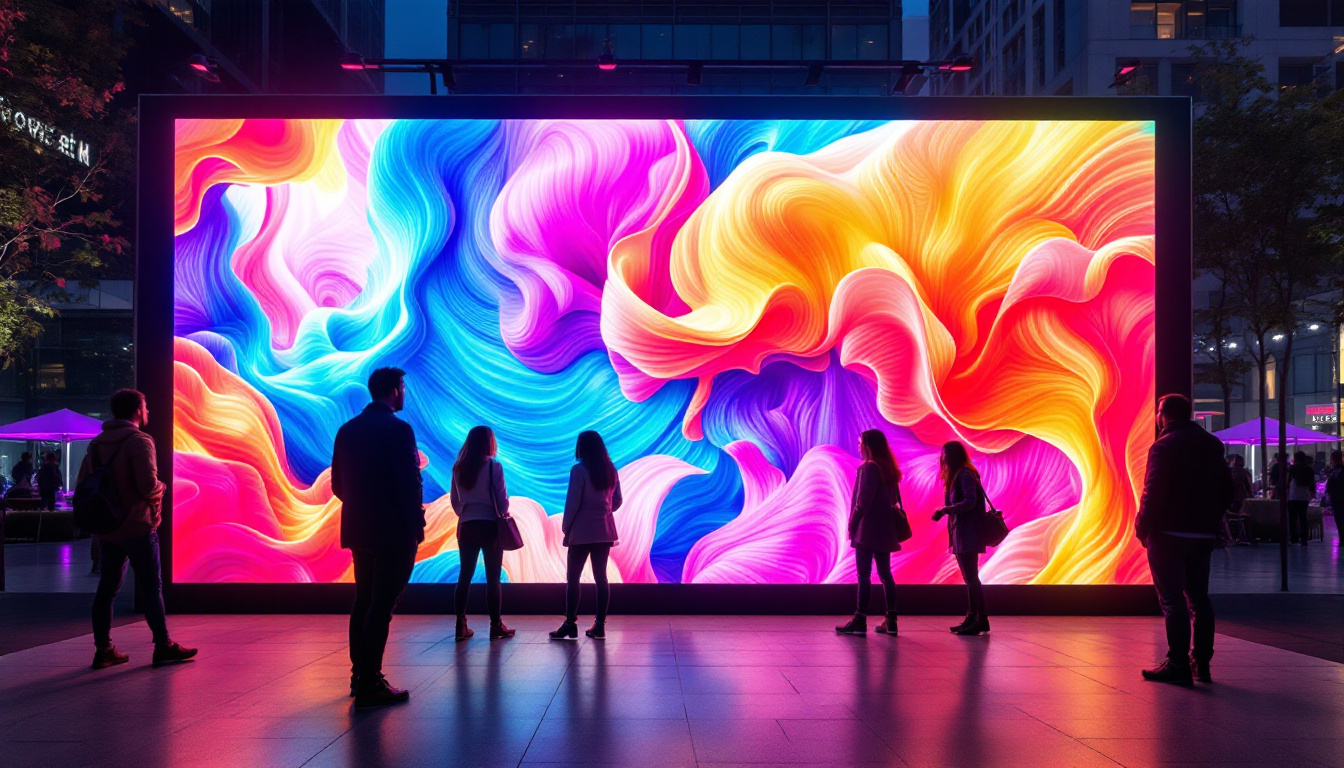
LED stands for Light Emitting Diode, a semiconductor device that emits light when an electric current passes through it. An LED display is a flat panel that uses these diodes as pixels to create images. Unlike traditional LCDs that rely on backlighting, LED displays use these tiny diodes to produce light directly, resulting in better brightness, contrast, and color accuracy.
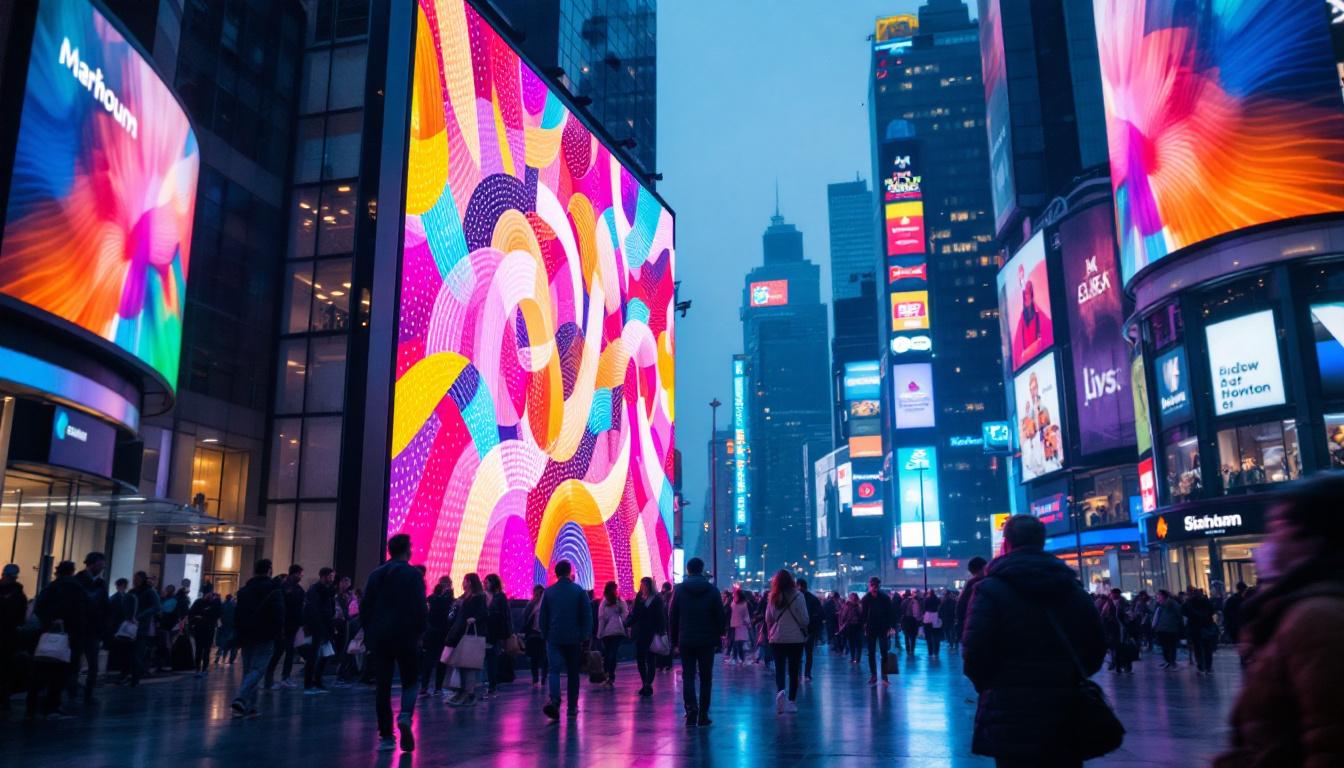
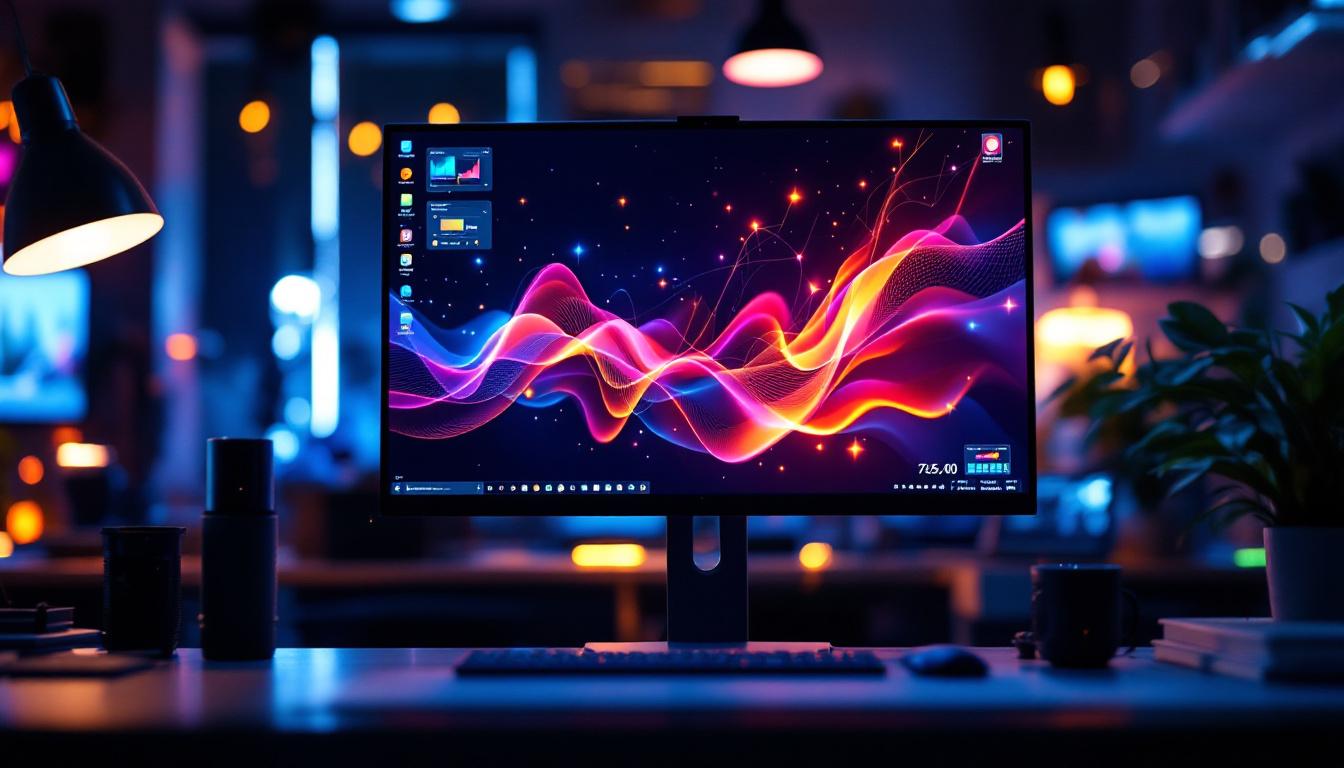
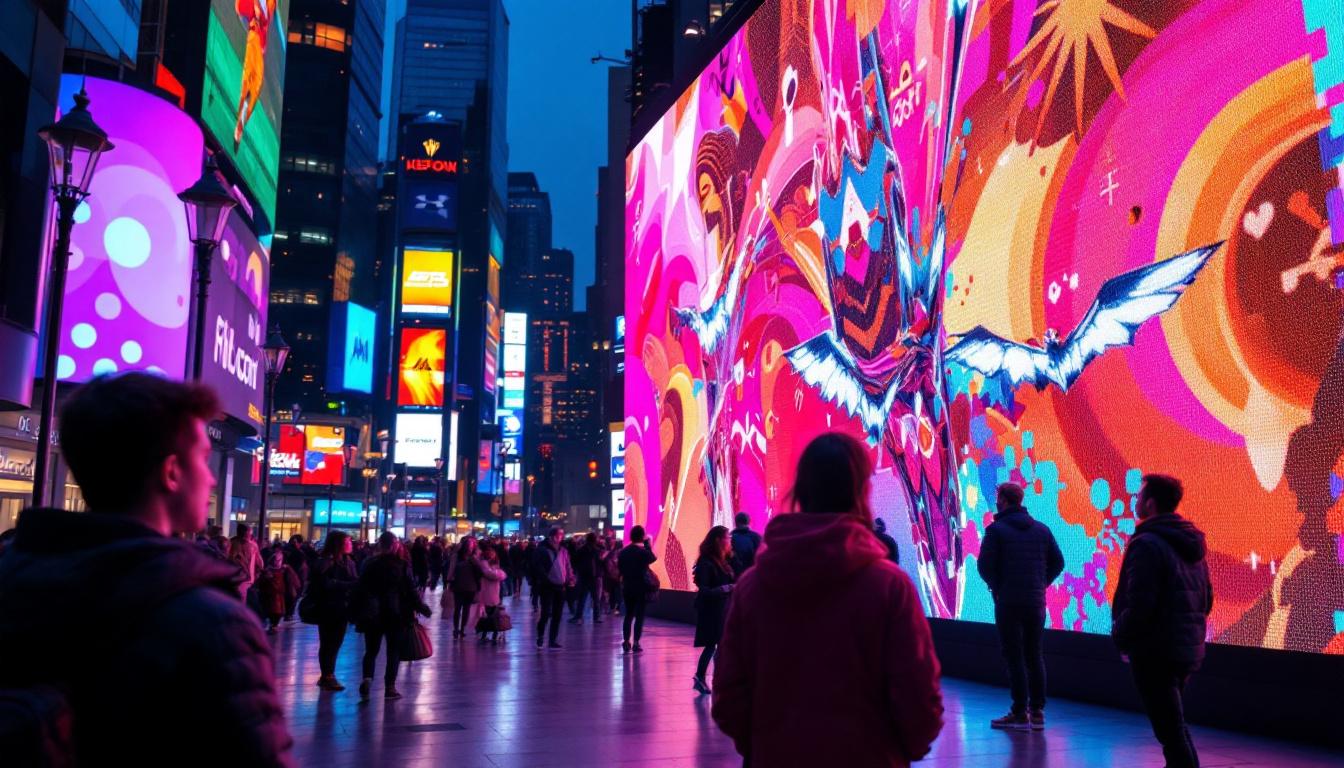
LED displays are widely used in television screens, computer monitors, and large-scale digital signage. The technology has evolved from simple indicator lights to complex arrays capable of rendering millions of colors with remarkable precision. This advancement has made LED displays the go-to choice for various applications, from home entertainment systems to professional broadcasting and advertising, where visual impact is paramount.
Moreover, the energy efficiency of LED technology is a significant advantage. Compared to traditional lighting technologies, LEDs consume less power, which not only reduces electricity bills but also contributes to a smaller carbon footprint. This eco-friendly aspect has made LED displays increasingly popular in both commercial and residential settings, as consumers become more conscious of their environmental impact.
Types of LED Displays in TVs
There are primarily two types of LED displays used in televisions: Direct LED and Edge-lit LED. Direct LED displays have diodes placed directly behind the screen, providing uniform brightness and better contrast. Edge-lit LED displays position LEDs along the edges of the screen, which allows for thinner panels but can sometimes lead to uneven lighting. This difference in configuration can significantly affect the viewing experience, particularly in darker scenes where contrast is crucial.
More recently, technologies such as OLED (Organic LED) and QLED (Quantum Dot LED) have emerged, offering enhanced color accuracy and deeper blacks. OLED displays are known for their ability to turn off individual pixels completely, resulting in true blacks and an infinite contrast ratio. On the other hand, QLED technology utilizes quantum dots to improve brightness and color volume, making it particularly effective in well-lit environments. However, traditional LED-backlit LCDs remain the most common due to their cost-effectiveness and performance balance. As the market continues to evolve, consumers are presented with a wider array of choices, each catering to different preferences and viewing conditions, ensuring that there is an ideal display technology for every viewer’s needs.
The Role of LED Displays in TV Monitoring
What is TV Monitoring?
TV monitoring refers to the process of overseeing broadcast content to ensure quality, compliance, and reliability. This includes verifying that the audio and video signals meet technical standards, checking for content errors, and ensuring smooth transmission. In professional environments such as broadcast stations, control rooms, and content delivery networks, monitoring is critical to maintaining viewer satisfaction and regulatory compliance.
LED displays play a vital role in this process by providing a reliable and accurate visual representation of the content being monitored. High-quality LED screens allow operators to detect issues such as color distortion, signal loss, or frame drops promptly.
Advantages of Using LED Displays for Monitoring
LED displays offer several advantages for TV monitoring applications:
- High Brightness and Contrast: LED screens can achieve brightness levels exceeding 1000 nits, making them suitable for environments with variable lighting conditions.
- Color Accuracy: Accurate color reproduction is essential for broadcasters to ensure that the final output matches creative intent and regulatory standards.
- Durability and Longevity: LED panels are known for their long lifespan and resistance to burn-in, which is critical for continuous monitoring tasks.
- Energy Efficiency: Compared to older display technologies, LEDs consume less power, reducing operational costs in monitoring facilities.
These features collectively contribute to a more efficient and effective monitoring workflow, reducing the risk of unnoticed broadcast errors.
Technical Specifications and Performance Metrics
Resolution and Pixel Density
Resolution is a key factor in LED display performance. Modern TV monitoring setups often require 4K (3840 x 2160 pixels) or higher resolution to capture fine details and ensure the broadcast signal is flawless. Pixel density, measured in pixels per inch (PPI), influences how sharp the image appears. Higher pixel densities reduce visible pixelation, which is crucial for quality control in professional environments.
For example, a 55-inch LED display with 4K resolution typically has a pixel density around 80 PPI, providing a crisp and detailed image suitable for monitoring purposes.
Refresh Rate and Response Time
Refresh rate, measured in Hertz (Hz), indicates how many times the display updates per second. A higher refresh rate, such as 120Hz, reduces motion blur and provides smoother video playback, which is important when monitoring fast-moving content like sports or live events.
Response time refers to how quickly a pixel changes from one color to another, measured in milliseconds (ms). Lower response times minimize ghosting and motion artifacts, ensuring that the monitoring display accurately reflects the broadcast signal without lag or distortion.
Color Gamut and HDR Support
Color gamut defines the range of colors a display can reproduce. Professional TV monitoring often requires displays that cover wide color spaces such as DCI-P3 or Rec. 2020 to ensure accurate color representation. High Dynamic Range (HDR) support further enhances image quality by increasing contrast and expanding the range of luminance, making bright areas brighter and dark areas more detailed.
LED displays equipped with HDR10 or Dolby Vision capabilities are increasingly standard in broadcast monitoring, helping operators assess content as viewers will experience it.
Applications of LED Displays in Various TV Monitoring Environments
Broadcast Control Rooms
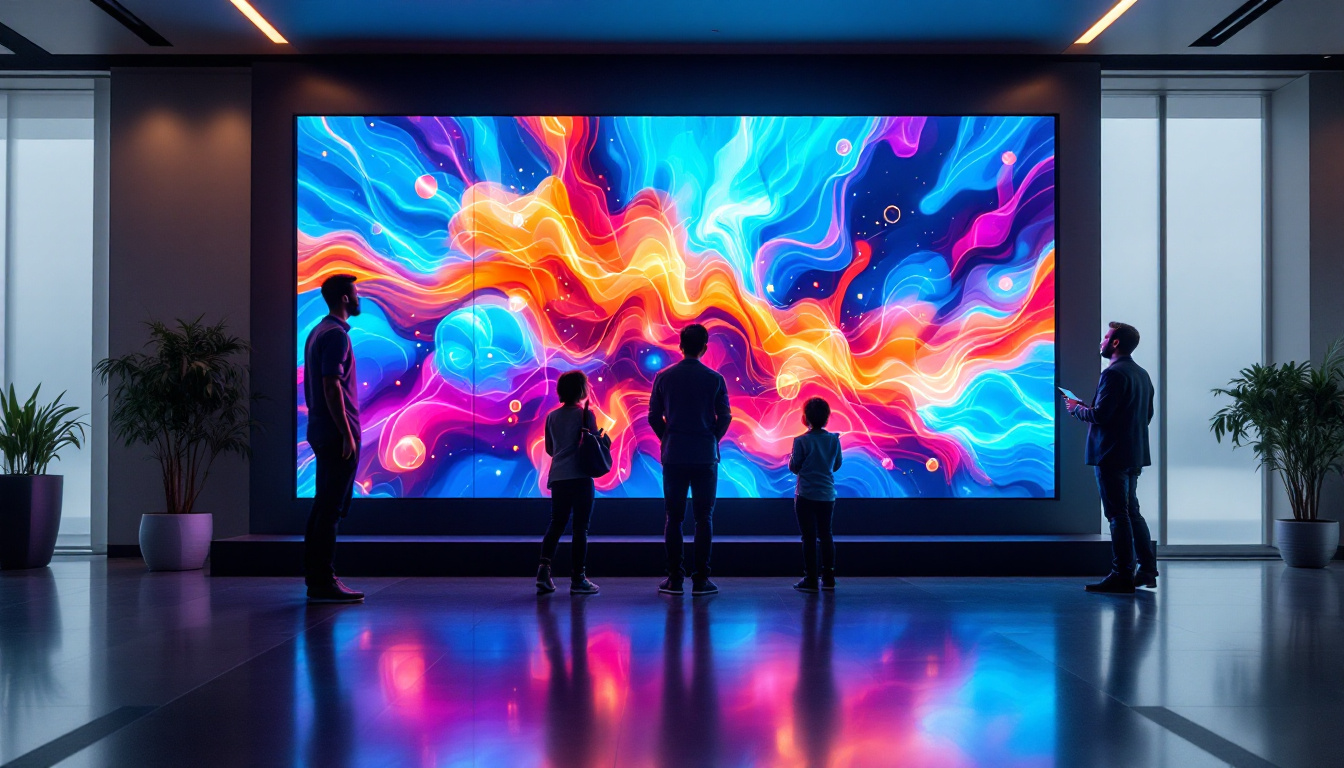
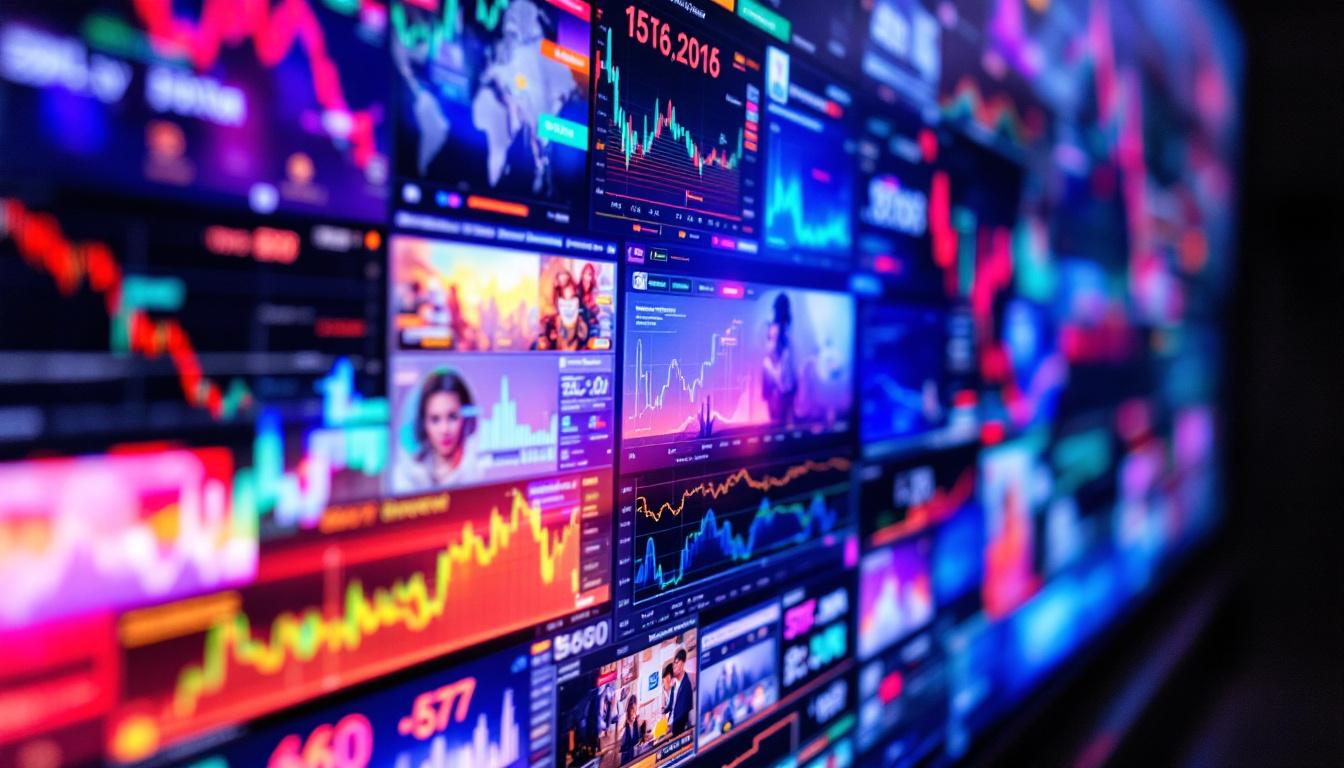
In broadcast control rooms, LED displays are essential tools for engineers and operators. They provide real-time feedback on the quality of transmitted signals, enabling quick adjustments to prevent on-air errors. Large LED video walls are often used to display multiple feeds simultaneously, allowing comprehensive monitoring of various channels and streams.
For instance, the BBC uses advanced LED video walls in their control rooms to manage dozens of live broadcasts, ensuring seamless content delivery across multiple platforms.
Sports and Live Event Monitoring
Live sports broadcasts demand precise monitoring due to the fast-paced nature of the content and the high expectations of viewers. LED displays with high refresh rates and excellent color accuracy help production teams maintain broadcast quality, especially when dealing with slow-motion replays and instant highlights.
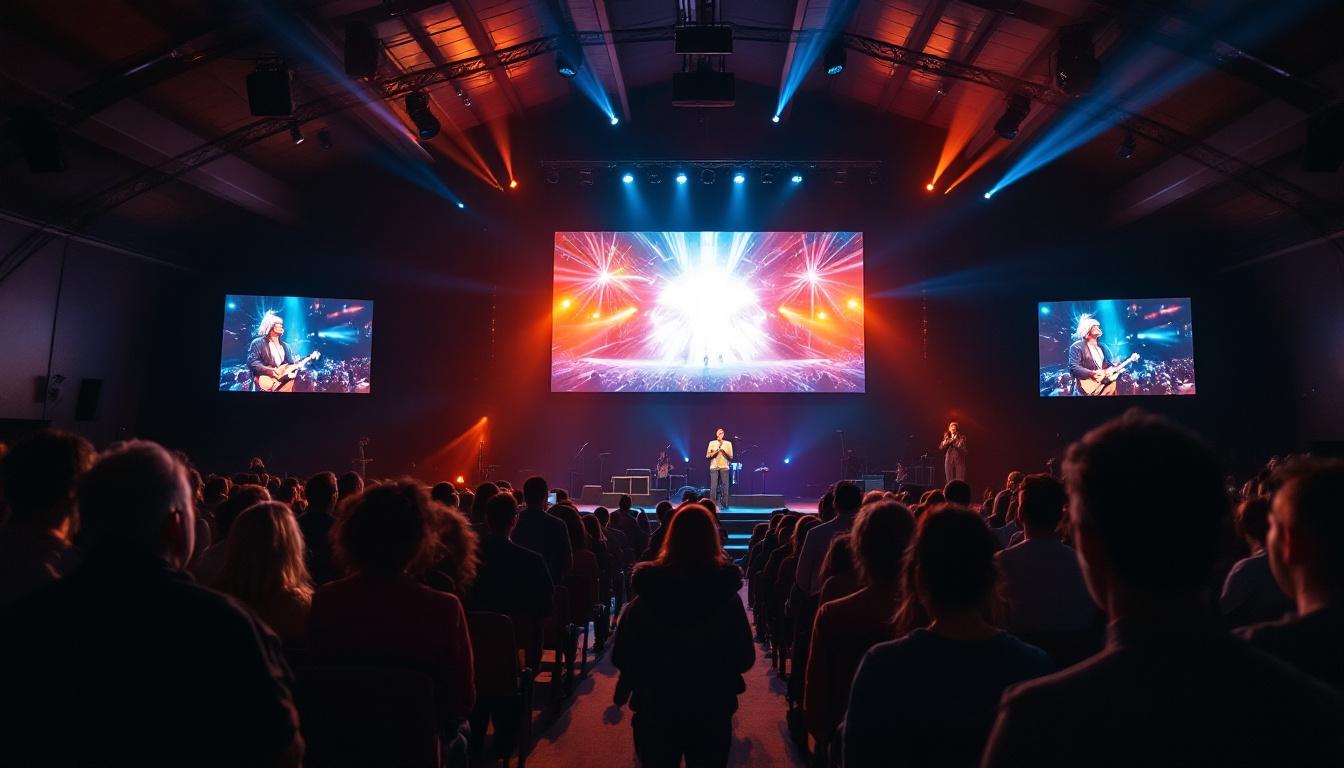
Stadiums and arenas also utilize large-scale LED displays to provide spectators with clear and vibrant visuals, which doubles as a monitoring tool for event organizers to manage live feeds and advertisements.
Post-Production and Content Quality Control
After filming, content undergoes post-production processes such as color grading and editing. LED displays with accurate color reproduction and HDR support are indispensable for editors and colorists to ensure the final product meets creative and technical standards.
Quality control teams use these displays to verify that content complies with broadcast regulations and technical specifications before distribution, reducing the risk of costly errors.
Future Trends in LED Display Technology for TV Monitoring
Mini-LED and Micro-LED Innovations
Mini-LED and Micro-LED technologies represent the next frontier in LED display development. Mini-LEDs use thousands of tiny LEDs to create more precise backlighting zones, resulting in better contrast and deeper blacks compared to traditional LED displays. Micro-LEDs take this further by using microscopic LEDs as individual pixels, offering exceptional brightness, color accuracy, and energy efficiency.
These advancements promise to enhance TV monitoring by providing even more accurate and reliable displays, crucial for the increasingly complex demands of modern broadcasting.
Integration with AI and Automation
Artificial intelligence is beginning to play a role in TV monitoring, with AI-powered systems capable of detecting anomalies in video and audio streams automatically. When combined with high-quality LED displays, these systems can alert operators to issues promptly, reducing downtime and improving broadcast reliability.
Automation tools are also streamlining workflows, allowing for remote monitoring and control of LED display arrays, which is especially valuable in multi-location broadcast operations.
Environmental and Energy Considerations
As sustainability becomes a priority, LED display manufacturers are focusing on reducing energy consumption and using eco-friendly materials. Advances in LED efficiency not only lower operational costs but also reduce the environmental impact of large-scale TV monitoring installations.
Future displays are expected to incorporate recyclable components and comply with stringent environmental standards, aligning the broadcast industry with global sustainability goals.
Conclusion: Why Understanding LED Displays Matters in TV Monitoring
LED display technology is at the heart of modern TV monitoring, enabling broadcasters and content creators to deliver high-quality, reliable, and engaging visual experiences. From the technical specifications that ensure precision to the applications that demand robust and versatile displays, understanding how LED displays work is essential for anyone involved in the television industry.
As technology continues to advance with innovations like Mini-LED, Micro-LED, and AI integration, the importance of LED displays in monitoring will only grow. Staying informed about these developments helps professionals maintain competitive advantages and ensures viewers receive the best possible content quality.
In a world where visual media dominates, LED displays are not just screens—they are critical tools that uphold the integrity and excellence of television broadcasting.
Discover LumenMatrix’s Advanced LED Display Solutions
As you’ve seen, LED display technology is pivotal in the realm of TV monitoring, offering unmatched quality and reliability. If you’re looking to elevate your visual experience, LumenMatrix is at the forefront of this innovation. With a diverse range of products from Indoor and Outdoor LED Wall Displays to specialized solutions like Vehicle and Sports LED Displays, LumenMatrix is committed to transforming how you communicate visually. Whether it’s for captivating advertising, live event broadcasting, or dynamic content creation, our LED solutions are designed to engage and impress. Check out LumenMatrix LED Display Solutions and join the revolution in visual technology.