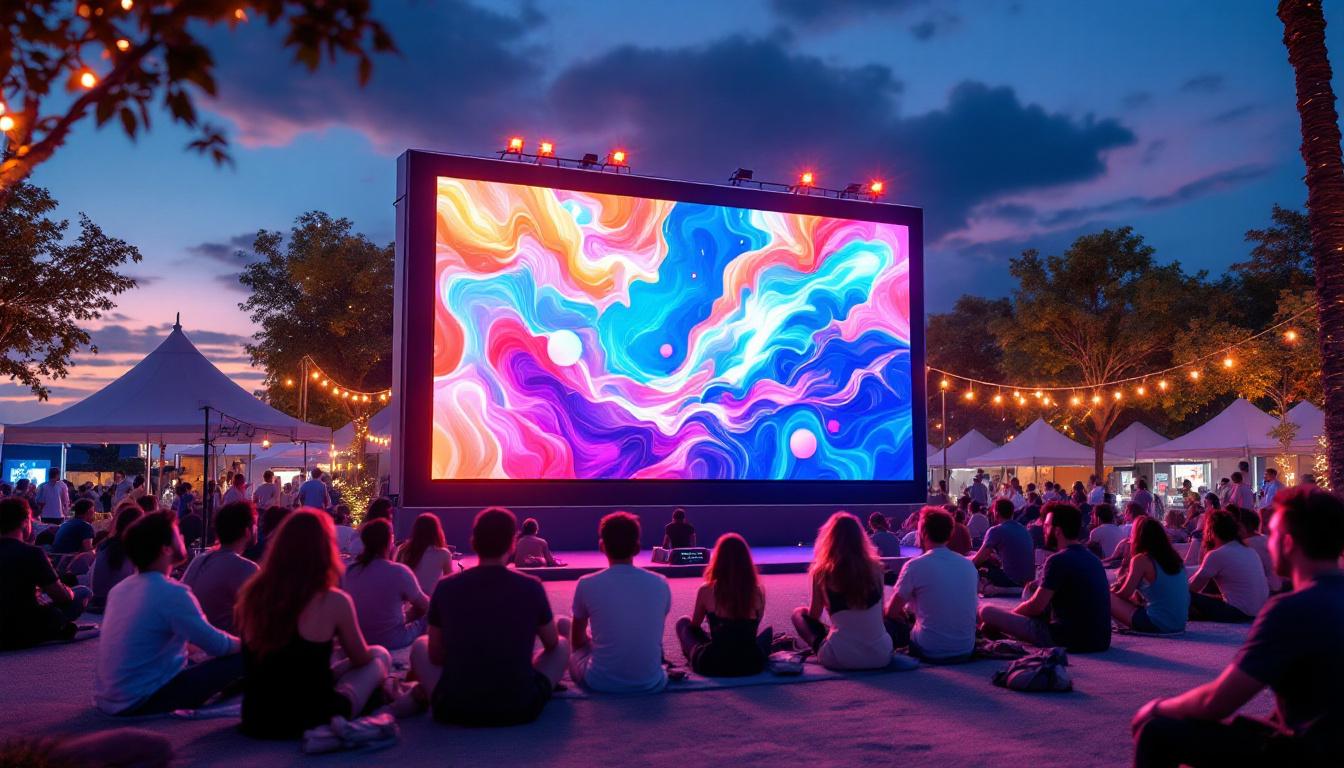
In recent years, outdoor LED TV screens have surged in popularity across a variety of sectors—from sports arenas and public squares to restaurants and private residences. These vibrant, weather-resistant displays offer unparalleled visibility and durability, making them ideal for environments where traditional screens simply cannot perform. However, understanding the pricing and technology behind outdoor LED displays can be complex. This article breaks down the essential factors influencing outdoor LED TV screen prices and explains the technology to help you make an informed decision.
What Is an Outdoor LED TV Screen?
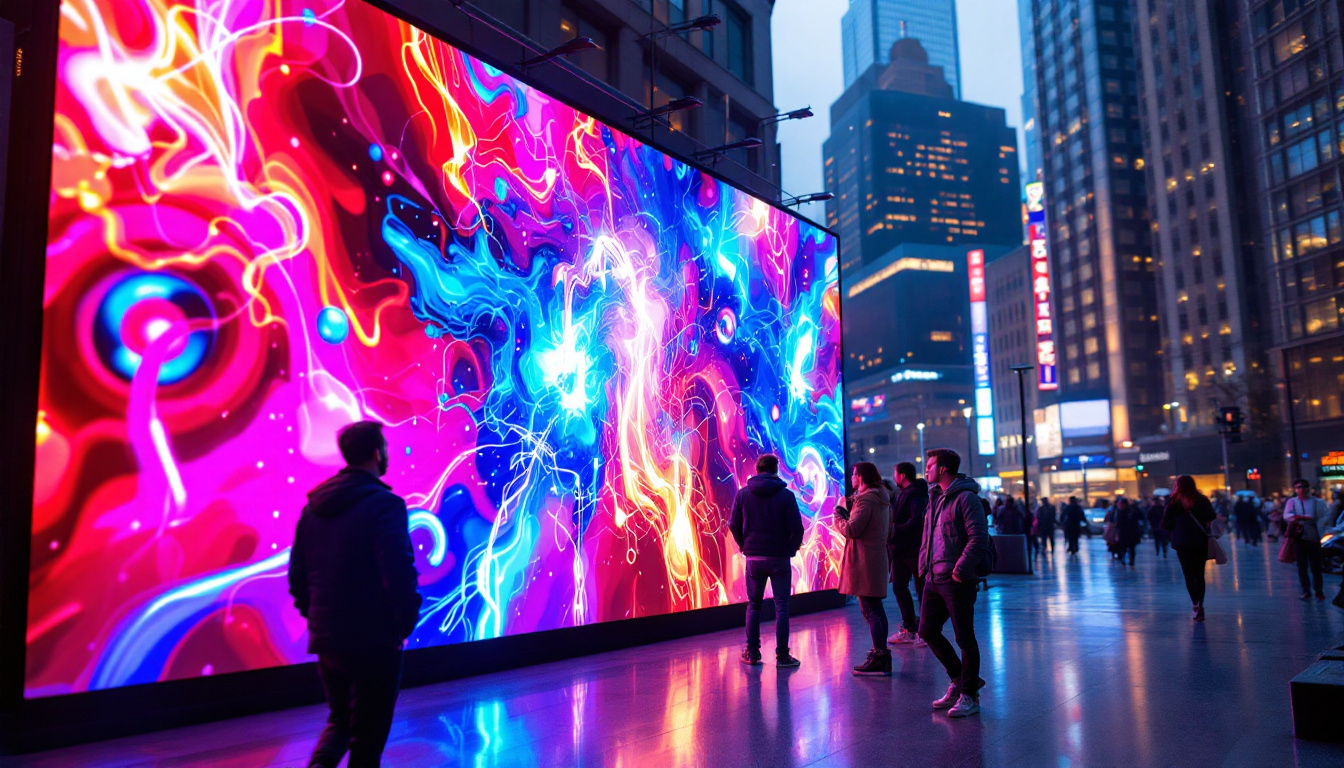
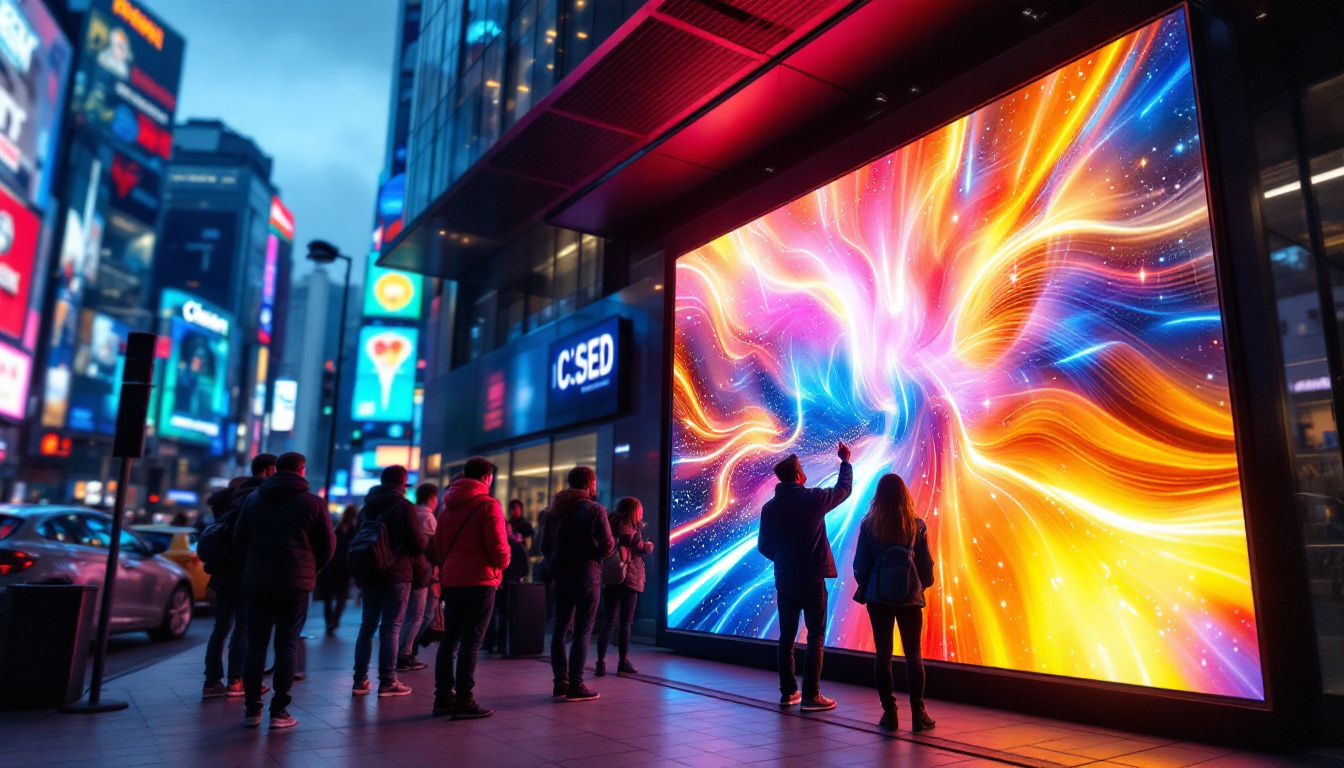
Outdoor LED TV screens are large-format displays designed specifically to operate in outdoor environments. Unlike conventional LED TVs intended for indoor use, these screens are built to withstand harsh weather conditions such as rain, dust, extreme temperatures, and direct sunlight. They are commonly used for advertising, public information displays, live event broadcasting, and entertainment.
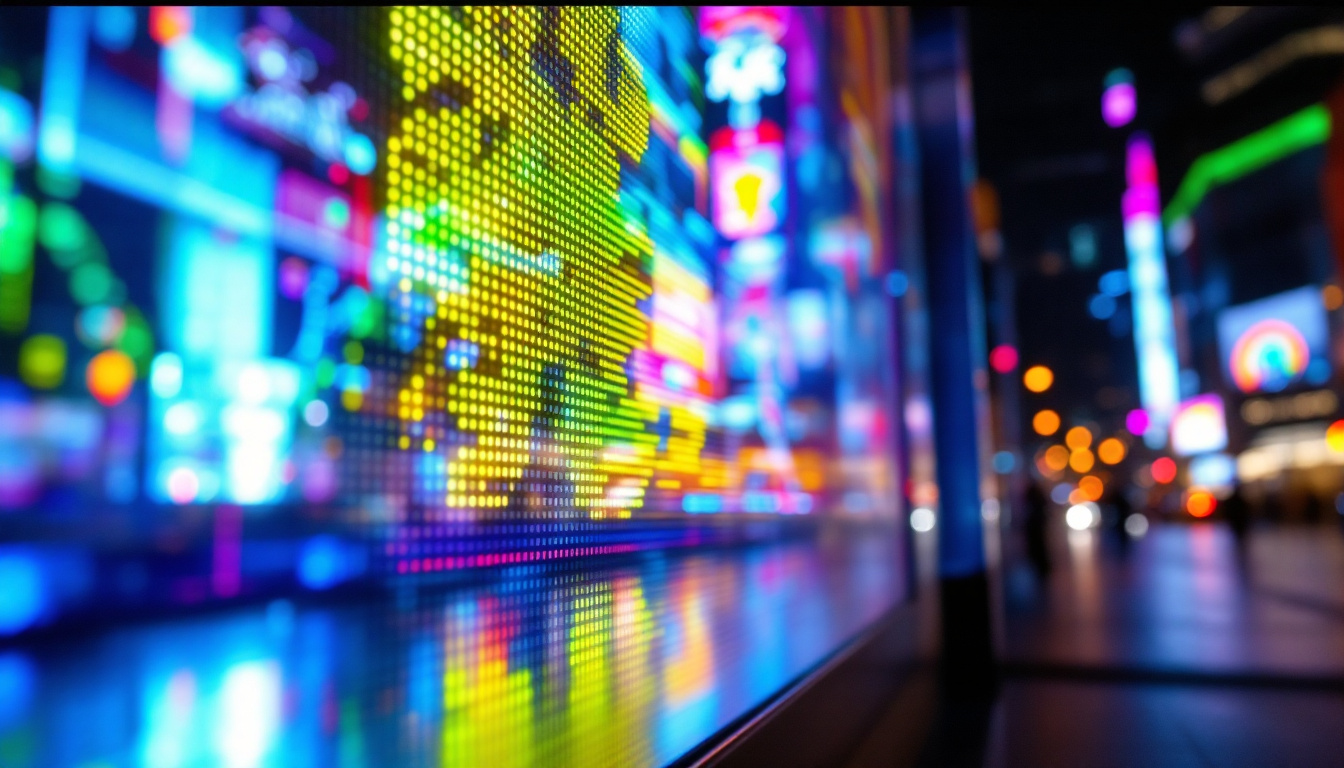
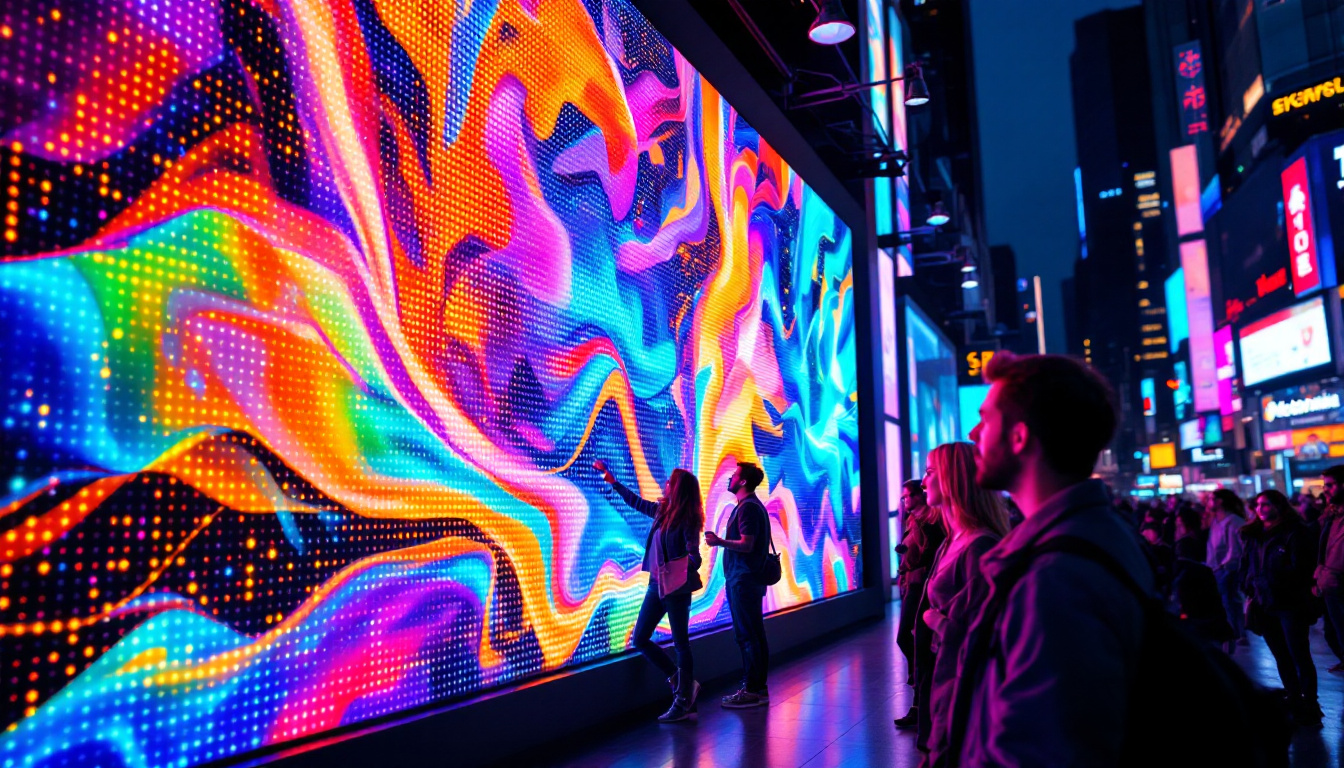
The core technology behind these screens is the light-emitting diode (LED), which provides bright, energy-efficient illumination. Outdoor LED displays typically consist of modular panels made up of thousands of tiny LEDs arranged in a grid, allowing for scalable sizes and resolutions. The brightness levels of these screens often exceed 5,000 nits, ensuring clear visibility even under direct sunlight.
Key Factors Influencing Outdoor LED TV Screen Price
When evaluating the price of an outdoor LED TV screen, several technical and practical factors come into play. Understanding these variables can help buyers balance cost with performance and longevity.
1. Pixel Pitch and Resolution
Pixel pitch refers to the distance between the centers of two adjacent pixels, typically measured in millimeters. A smaller pixel pitch means higher resolution and sharper image quality, which is especially important for close viewing distances. Outdoor LED screens usually have pixel pitches ranging from 2.5mm to 10mm or more.
For example, a 2.5mm pixel pitch screen will provide crisp visuals suitable for viewing from a few meters away but comes at a higher price due to the increased number of LEDs and more complex manufacturing. Conversely, screens with larger pixel pitches (e.g., 8mm or 10mm) are more affordable but best suited for viewing from greater distances, such as billboards or stadium displays.
2. Screen Size and Configuration
The overall size of the LED screen directly impacts the price. Larger displays require more LED modules, power supplies, and structural support, increasing both material and installation costs. Additionally, the configuration—whether the screen is a single seamless panel or composed of multiple modular units—affects the complexity and price.
Modular designs offer flexibility and easier maintenance, as individual panels can be replaced without dismantling the entire screen. However, they may require more precise calibration and higher installation expertise, influencing the total cost.
3. Brightness and Contrast Ratio
Brightness is critical for outdoor use, where ambient light levels can be very high. Outdoor LED screens typically offer brightness levels between 4,000 and 10,000 nits. Higher brightness ensures the display remains visible in direct sunlight but also increases power consumption and production costs.
The contrast ratio, which measures the difference between the brightest whites and the darkest blacks, also affects image quality. Higher contrast ratios provide more vivid and dynamic visuals, enhancing viewer engagement but potentially raising the price.
4. Weatherproofing and Durability
Outdoor LED screens must be rugged and weatherproof to operate reliably in diverse conditions. This includes protection against water ingress (IP65 or higher rating), dust, corrosion, and UV radiation. Screens with superior weatherproofing and robust housing materials tend to be more expensive but offer longer service life and reduced maintenance costs.
Additional features such as anti-glare coatings, temperature control systems (heating and cooling), and reinforced frames also contribute to higher prices but are essential for optimal outdoor performance.
5. Installation and Maintenance Costs
While the screen itself is a significant portion of the investment, installation and ongoing maintenance can add substantially to the total cost. Installation expenses depend on the complexity of mounting structures, electrical wiring, and site accessibility.
Maintenance considerations include routine cleaning, repairs, and software updates. Choosing LED screens with modular designs and remote monitoring capabilities can reduce maintenance time and costs, though these features may increase the initial price.
Average Price Ranges for Outdoor LED TV Screens
Understanding the typical price ranges helps set realistic expectations when budgeting for an outdoor LED TV screen. Prices vary widely based on the factors outlined above, as well as vendor, geographic location, and customization requirements.
Small to Medium-Sized Screens (Up to 50 sq. ft.)
For smaller outdoor LED screens intended for retail storefronts, restaurants, or small event venues, prices generally range from $2,000 to $10,000 per square meter (approximately $186 to $930 per square foot). A 10-foot by 5-foot screen (50 sq. ft.) might cost between $9,000 and $46,500 depending on pixel pitch and brightness.
These screens typically have pixel pitches between 4mm and 8mm, offering good visibility from moderate distances.
Large Screens (50 to 200 sq. ft.)
For larger installations such as stadium scoreboards, outdoor advertising billboards, or large public displays, prices typically range from $1,500 to $5,000 per square meter ($140 to $465 per square foot). A 20-foot by 10-foot screen (200 sq. ft.) could cost between $28,000 and $93,000.
These screens often have larger pixel pitches (6mm to 10mm), optimized for viewing from longer distances.
Custom and High-End Screens
Premium outdoor LED screens with ultra-fine pixel pitches (below 2.5mm), extremely high brightness (above 8,000 nits), and advanced weatherproofing can cost significantly more. Prices for these custom solutions can exceed $12,000 per square meter ($1,115 per square foot), especially when combined with specialized mounting systems and integrated control software.
Technology Behind Outdoor LED Displays
To fully appreciate the pricing and capabilities of outdoor LED TV screens, it helps to understand the underlying technology and how it differs from indoor LED TVs or LCD screens.
LED Modules and Pixel Composition
Each pixel on an LED display is composed of red, green, and blue LEDs. By varying the intensity of each LED, the screen can produce a full spectrum of colors. Outdoor LED modules are designed with high-brightness LEDs that can operate at elevated currents to achieve intense luminance.
The modules are assembled into cabinets or panels, which are then combined to create the full screen. This modular approach enables scalability and simplifies maintenance.
Driving and Control Systems
Outdoor LED screens rely on sophisticated driving electronics to control the brightness and color of each LED pixel. These systems include power supplies, signal processors, and control software that manage image rendering, synchronization, and calibration.
Modern outdoor LED displays often feature remote monitoring and diagnostics, allowing operators to detect faults and optimize performance without physical intervention.
Durability Enhancements
To ensure longevity, outdoor LED screens incorporate several durability features:
- IP Rating: The Ingress Protection rating indicates resistance to dust and water. IP65 or higher is standard for outdoor use.
- UV Protection: Special coatings protect LEDs and housing from sun damage.
- Temperature Management: Built-in fans, heat sinks, or air conditioning maintain optimal operating temperatures.
- Anti-Glare Coatings: Reduce reflection for better visibility in bright conditions.
Applications and Benefits of Outdoor LED TV Screens
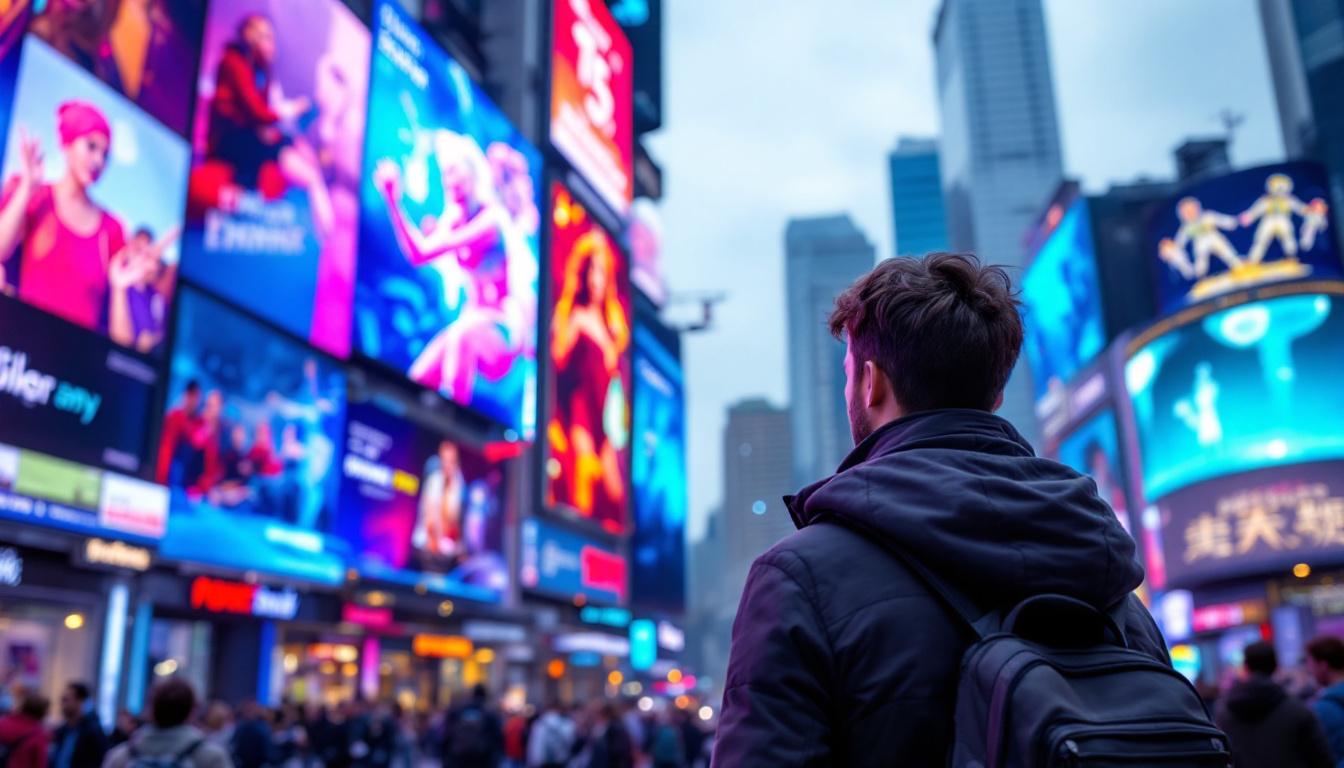
Outdoor LED screens are transforming how businesses and organizations communicate with audiences. Their advantages extend beyond mere visibility.
Advertising and Marketing
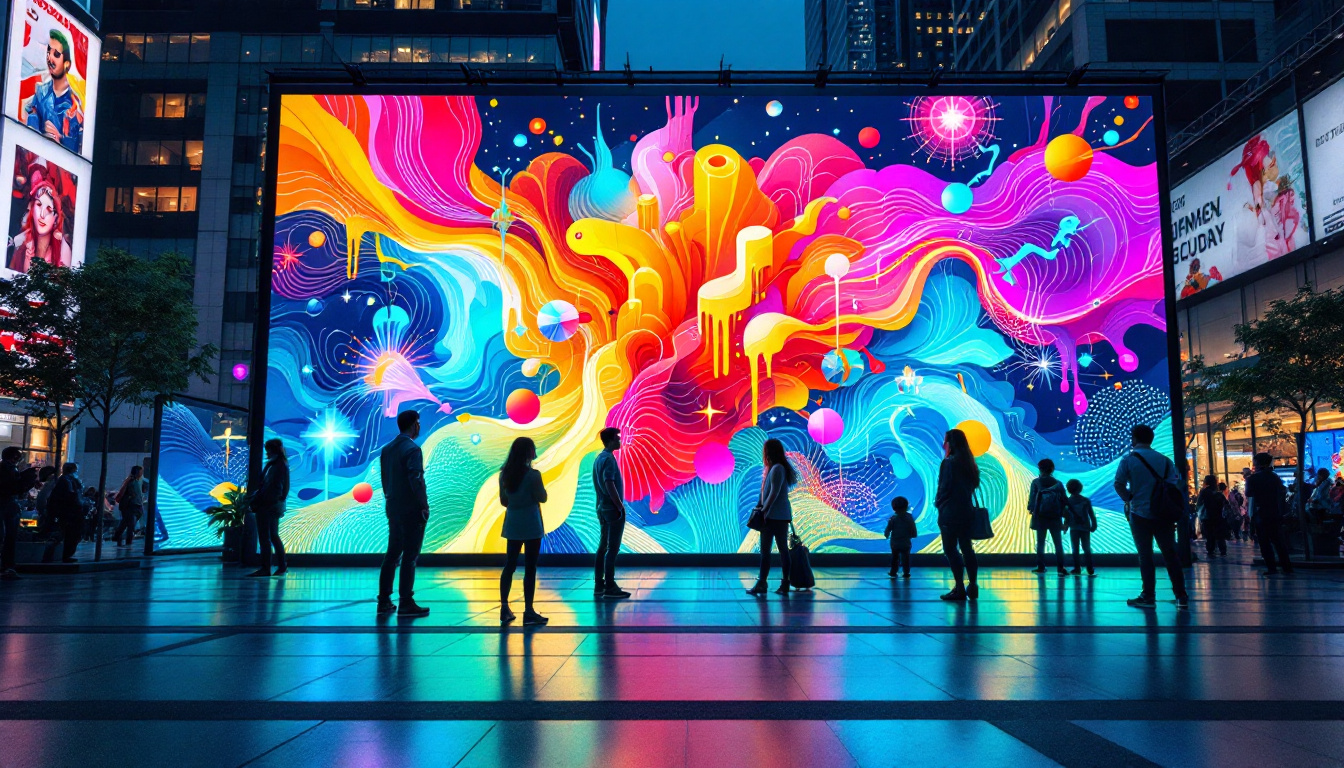
Dynamic outdoor LED displays enable advertisers to deliver vibrant, eye-catching content that can be updated in real-time. This flexibility allows for targeted campaigns, time-sensitive promotions, and interactive experiences that traditional billboards cannot match.
Public Information and Safety
Cities and municipalities use outdoor LED screens to broadcast emergency alerts, traffic updates, and community announcements. The high visibility and reliability of these screens make them essential tools for public safety communication.
Entertainment and Events
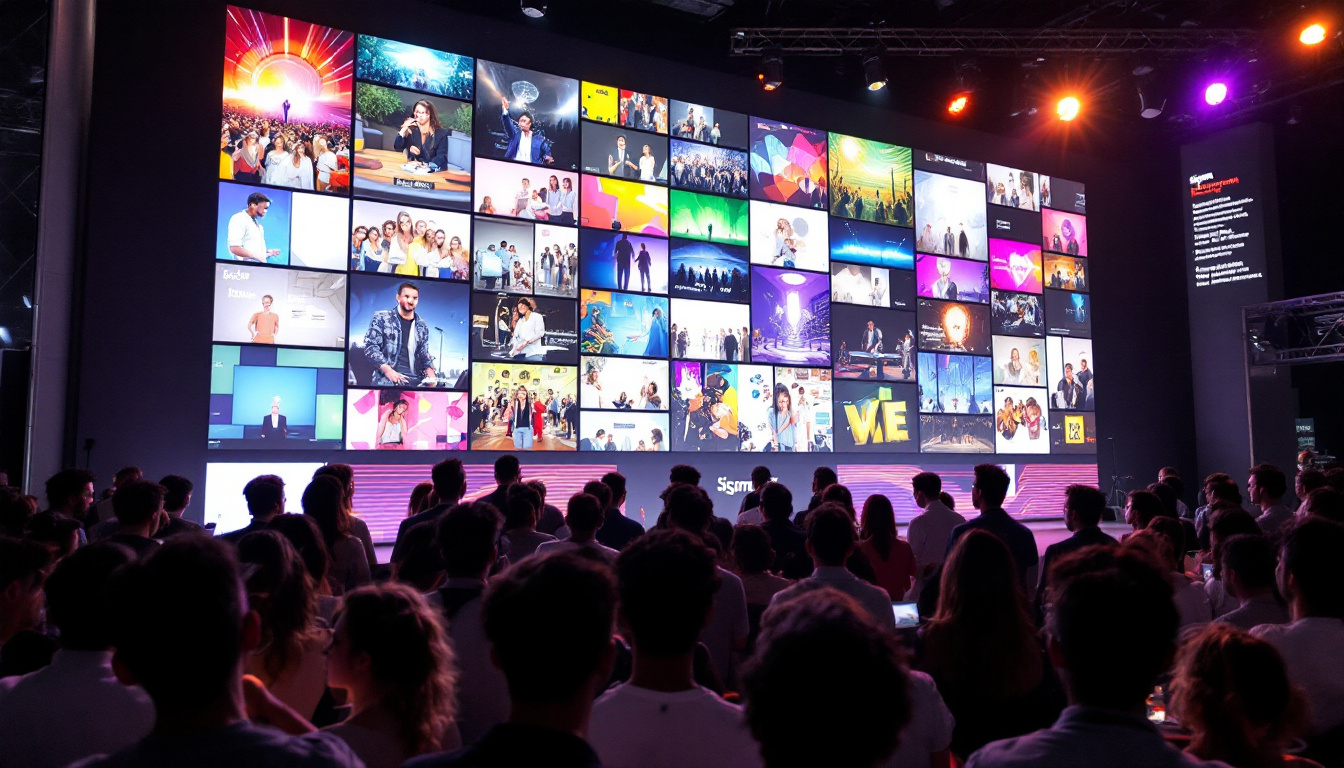
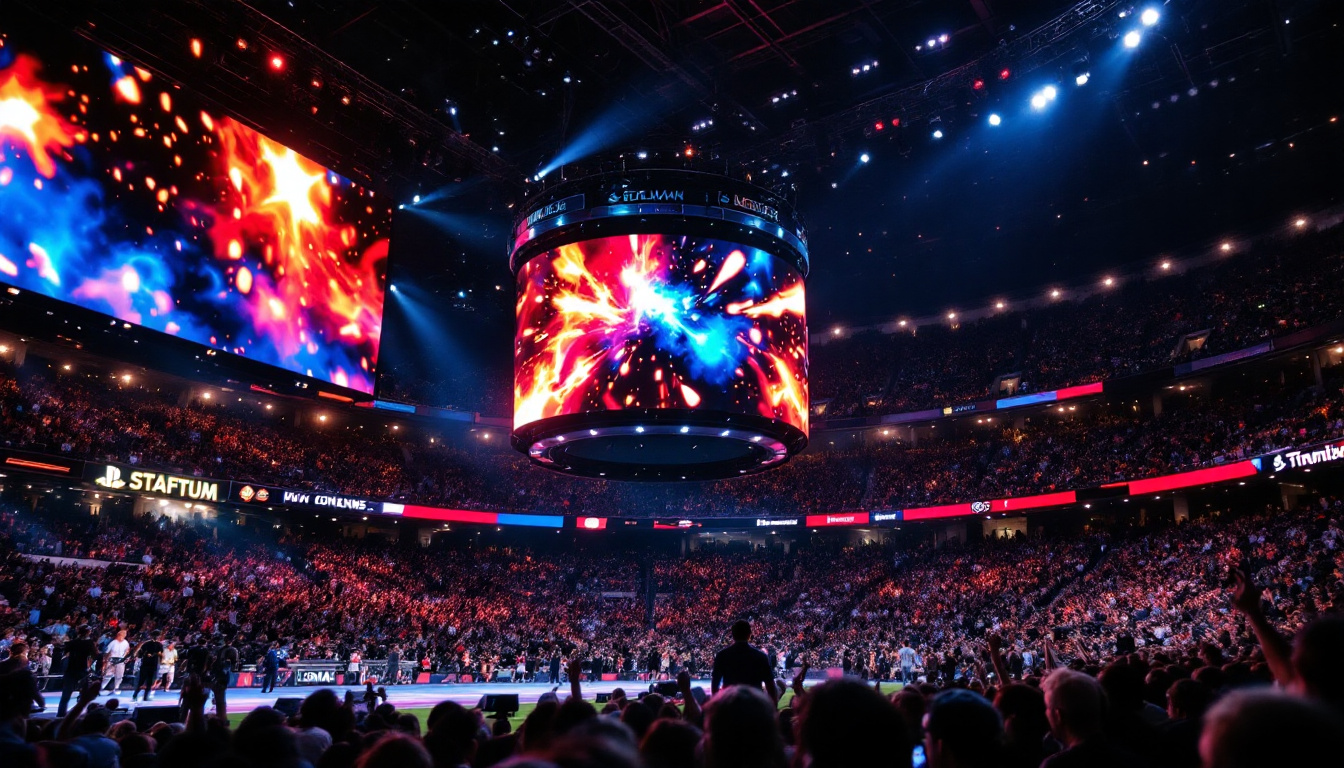
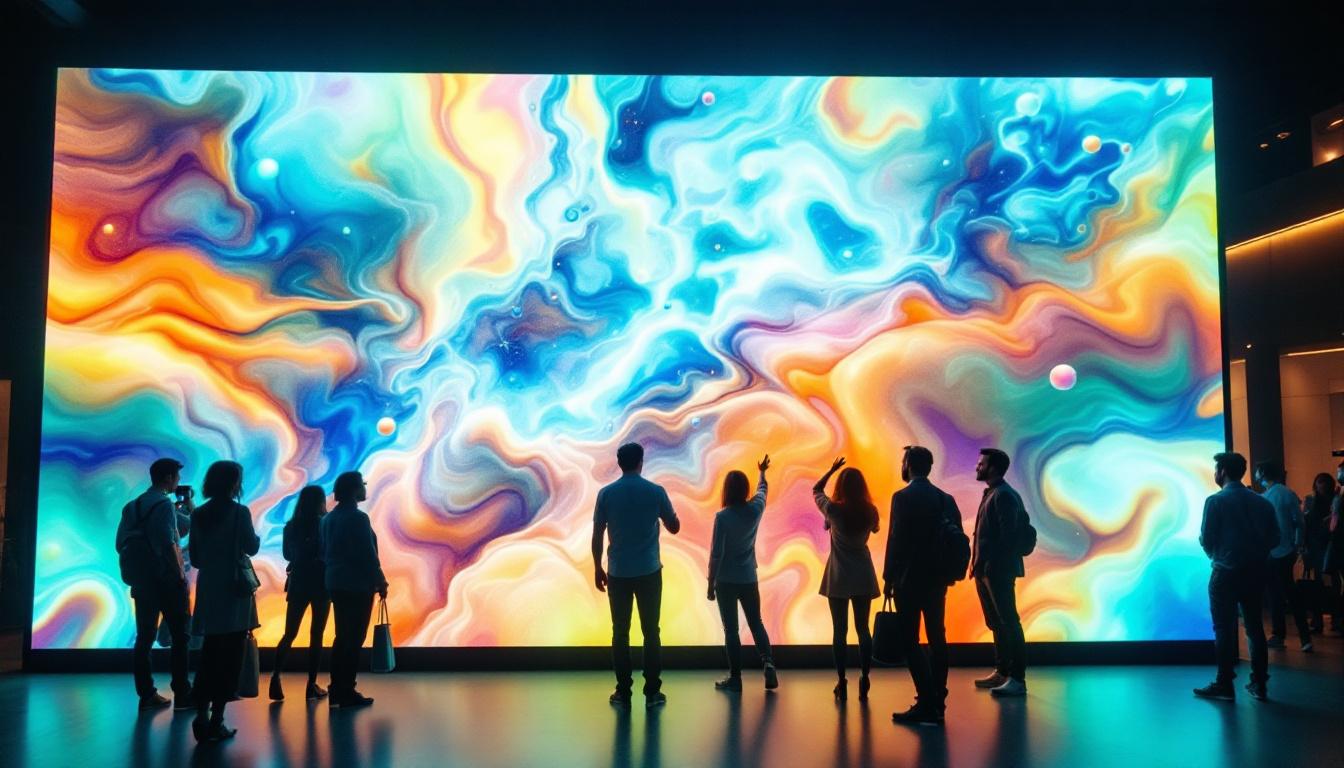
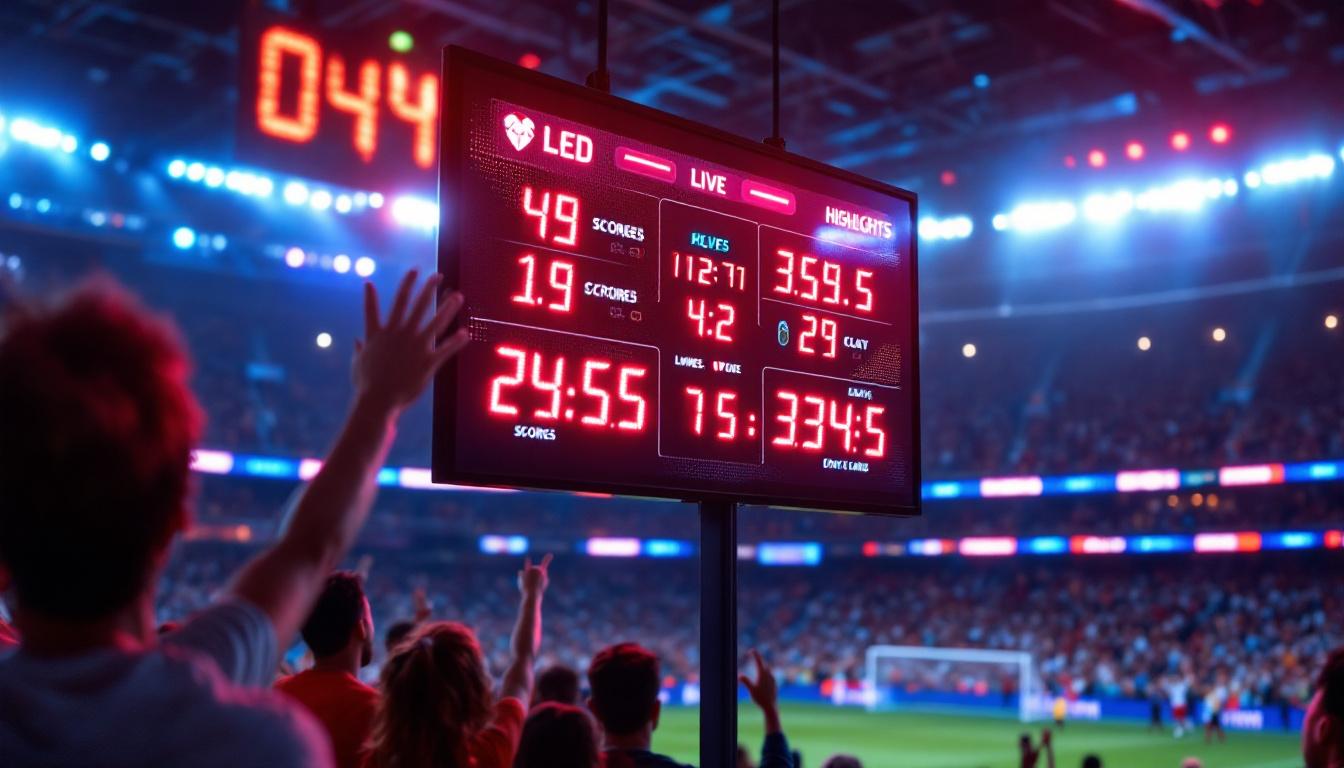
From live sports broadcasts to concerts and festivals, outdoor LED screens enhance the spectator experience by providing clear, large-scale visuals. Their portability and modularity make them suitable for temporary or permanent installations.
Residential and Commercial Use
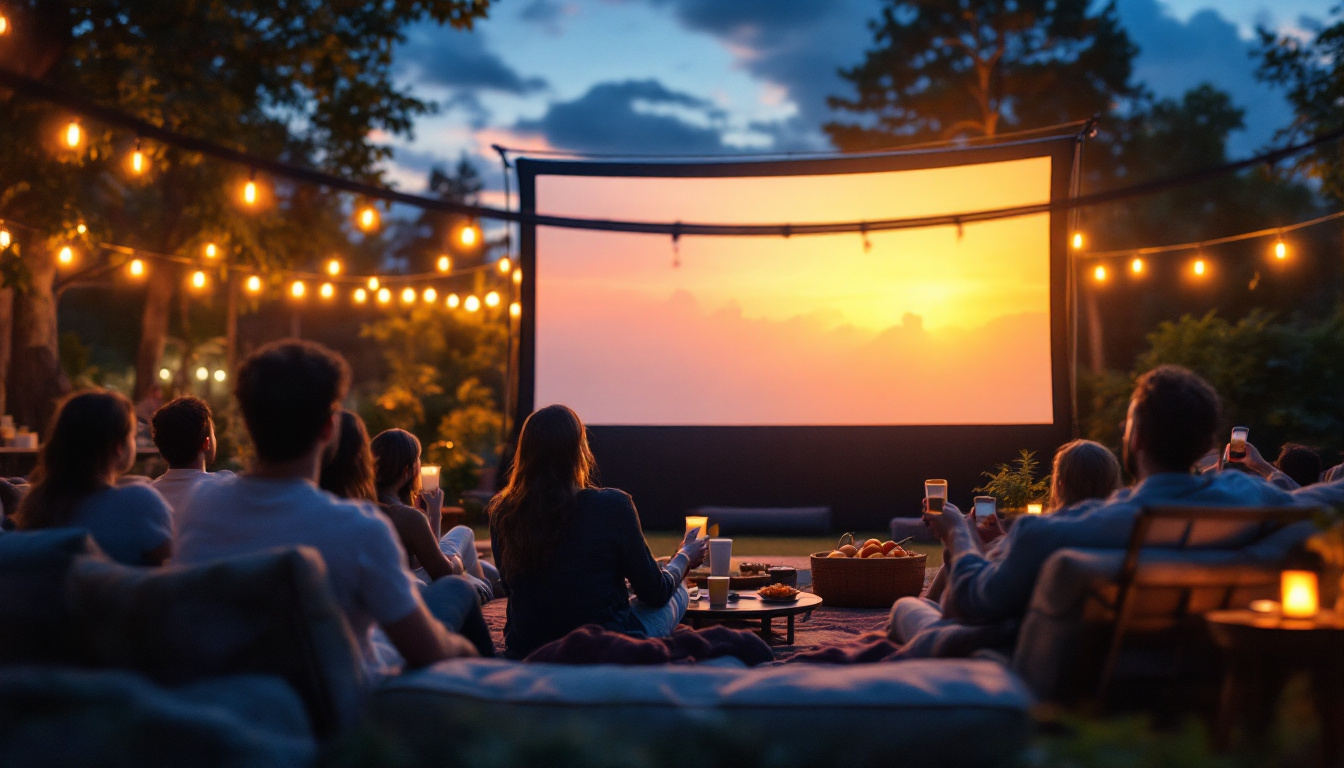
Homeowners and businesses are increasingly adopting outdoor LED TV screens for patios, gardens, and storefronts. These screens offer durable, weather-resistant entertainment solutions that extend the living and advertising space outdoors.
How to Choose the Right Outdoor LED TV Screen
Selecting the ideal outdoor LED screen requires balancing performance, budget, and specific use-case requirements.
Assess Viewing Distance and Environment
Determine the typical distance from which viewers will watch the screen. Closer viewing distances require finer pixel pitches for sharp images, while distant viewing allows for larger pixel pitches and lower costs.
Consider environmental factors such as sunlight exposure, weather conditions, and ambient noise that might affect installation and operation.
Define Content and Usage Patterns
Identify the type of content you plan to display—video, static images, text, or interactive media—and the frequency of updates. High-motion video or frequent content changes may necessitate higher refresh rates and more advanced control systems.
Budget and Total Cost of Ownership
Beyond the initial purchase price, factor in installation, maintenance, energy consumption, and potential upgrades. Investing in higher-quality components and weatherproofing can reduce long-term costs and downtime.
Vendor Reputation and Support
Choose suppliers with proven experience in outdoor LED installations and strong customer support. Reliable warranties, technical assistance, and training can significantly impact the success of your project.
Conclusion
Outdoor LED TV screens represent a powerful medium for communication, entertainment, and advertising in open-air environments. Their prices vary widely based on pixel pitch, size, brightness, durability, and additional features. Understanding these factors and the underlying technology enables buyers to select the most suitable display for their needs while optimizing investment value.
As LED technology continues to advance, outdoor displays are becoming more affordable, energy-efficient, and versatile, opening new possibilities for creative and impactful visual experiences. Whether for commercial, public, or residential use, investing in a high-quality outdoor LED screen can deliver lasting benefits and impressive visual impact.
Discover LumenMatrix’s Advanced LED Solutions
Ready to elevate your outdoor space with a high-quality LED display? Look no further than LumenMatrix, a pioneer in LED display technology. Our extensive range of products, from vibrant Outdoor LED Wall Displays to dynamic Sports and Custom LED Displays, is designed to meet your unique needs and exceed expectations. Embrace the future of visual communication with LumenMatrix and create experiences that resonate with your audience. Check out LumenMatrix LED Display Solutions today and transform your message into a captivating visual journey.