In the rapidly evolving world of television technology, touch screen TVs with LED displays have emerged as a fascinating blend of innovation and convenience. These devices combine the vibrant visual quality of LED screens with interactive touch capabilities, offering users a more immersive and intuitive viewing experience. This article delves into the intricacies of TV touch screens with LED displays, explaining how they work, their benefits, and what to consider when choosing one.
Understanding LED Display Technology in TVs
LED, or Light Emitting Diode, technology has become the cornerstone of modern television displays. Unlike traditional LCD screens that rely on cold cathode fluorescent lamps (CCFL) for backlighting, LED TVs use tiny light-emitting diodes to illuminate the display. This shift has brought about significant improvements in picture quality, energy efficiency, and design flexibility.
LED displays can be categorized mainly into two types: edge-lit and full-array. Edge-lit LED TVs position the diodes along the edges of the screen, shining light across the display through light guides. This design allows for thinner panels but can sometimes lead to uneven brightness. Full-array LED TVs, on the other hand, place LEDs directly behind the screen in a grid pattern, enabling more precise control of brightness and contrast through local dimming zones.
Advantages of LED Displays Over Other Technologies
Compared to older LCDs and plasma screens, LED TVs offer several advantages. They typically provide higher brightness levels, which is particularly beneficial for viewing in well-lit rooms. The contrast ratios are improved, especially in full-array models with local dimming, delivering deeper blacks and more vivid colors. Additionally, LED TVs consume less power and have longer lifespans, making them both cost-effective and environmentally friendly over time.
Recent advancements have also led to the development of OLED and QLED technologies, which enhance color accuracy and viewing angles further. However, traditional LED TVs remain popular due to their affordability and solid performance. The market has also seen a surge in smart LED TVs, which integrate streaming services and internet connectivity, allowing users to access a variety of content without the need for additional devices. This integration has transformed the viewing experience, making it more interactive and personalized, as viewers can easily switch between live TV, streaming platforms, and even gaming consoles with just a few clicks.
Moreover, the evolution of LED technology has paved the way for innovations such as HDR (High Dynamic Range), which enhances the visual experience by providing a broader range of colors and improved contrast. This technology allows for a more lifelike representation of images, making scenes appear more realistic and immersive. As manufacturers continue to refine LED technology, we can expect to see even more enhancements in color depth and brightness, further blurring the lines between reality and what we see on screen.
The Integration of Touch Screen Technology in TVs
Touch screen technology, once limited to smartphones and tablets, has gradually made its way into larger displays, including televisions. The integration of touch screens in TVs transforms the way users interact with their devices, moving beyond passive viewing to active engagement. This shift not only enhances user experience but also opens up new avenues for content interaction, allowing viewers to navigate menus, select programs, and even engage with applications in a more intuitive manner.
There are several methods used to implement touch functionality in TVs, including resistive, capacitive, infrared, and optical touch technologies. Each method has its strengths and weaknesses, influencing factors such as responsiveness, accuracy, and durability. As manufacturers continue to innovate, the competition among these technologies drives advancements that make touch-enabled TVs more accessible and user-friendly, catering to a wider audience.
Capacitive Touch Screens: The Most Common Choice
Capacitive touch screens are widely used in consumer electronics due to their high sensitivity and multi-touch capabilities. They work by detecting changes in the electrical field when a finger or conductive stylus touches the screen. This technology supports gestures like pinch-to-zoom and swiping, enhancing user interaction. As a result, viewers can easily browse through streaming services or navigate smart TV interfaces with a simple swipe or tap, making the experience feel more like using a tablet or smartphone.
In the context of TVs, capacitive touch screens are often laminated directly onto the LED panel, maintaining image clarity and brightness. However, integrating capacitive touch into large TV screens poses challenges, including increased manufacturing costs and the need for precise calibration to ensure responsiveness across the entire display. Additionally, the durability of the screen surface becomes a concern, as it must withstand frequent touches without compromising the visual quality or functionality over time.
Infrared and Optical Touch Technologies
Infrared touch technology uses a grid of invisible light beams across the screen surface. When an object interrupts these beams, the system detects the touch location. This method is less sensitive to surface contaminants and can work with any input device, including gloved hands or styluses. As a result, infrared touch screens are particularly useful in environments where users may not have direct skin contact with the screen, such as in public spaces or during presentations.
Optical touch systems employ cameras and infrared light to detect touch points. They are scalable to large screen sizes, making them suitable for interactive TVs and digital signage. However, they may be more susceptible to ambient lighting conditions and require careful installation. The flexibility of optical systems allows for creative applications, such as interactive gaming or educational tools, where users can engage with content in a dynamic way. As these technologies evolve, we may see even more innovative uses for touch-enabled displays in various sectors, from entertainment to education and beyond.
Benefits of Touch Screen LED TVs
The fusion of touch screen capabilities with LED display technology offers unique advantages that appeal to both consumers and commercial users. These benefits extend beyond traditional television viewing to include interactive applications, gaming, education, and professional environments.
Enhanced User Interaction and Accessibility
Touch screen TVs allow users to navigate menus, control settings, and launch applications directly on the screen without the need for remote controls. This intuitive interaction can be particularly beneficial for users who find traditional remotes cumbersome or confusing.
Moreover, touch-enabled TVs can support accessibility features, such as customizable interfaces and voice commands, making technology more inclusive for individuals with disabilities.
Interactive Entertainment and Gaming
For gaming enthusiasts, touch screen TVs provide an additional layer of interactivity. Games designed for touch input can be played directly on the TV, eliminating the need for external controllers. This capability also opens doors for family-friendly and educational games that encourage group participation.
Streaming platforms and smart TV apps increasingly incorporate touch-friendly interfaces, enhancing content discovery and personalization.
Applications in Education and Business
In educational settings, touch screen LED TVs serve as dynamic whiteboards, enabling teachers to annotate, highlight, and interact with digital content in real time. This interactivity fosters engagement and collaboration among students.
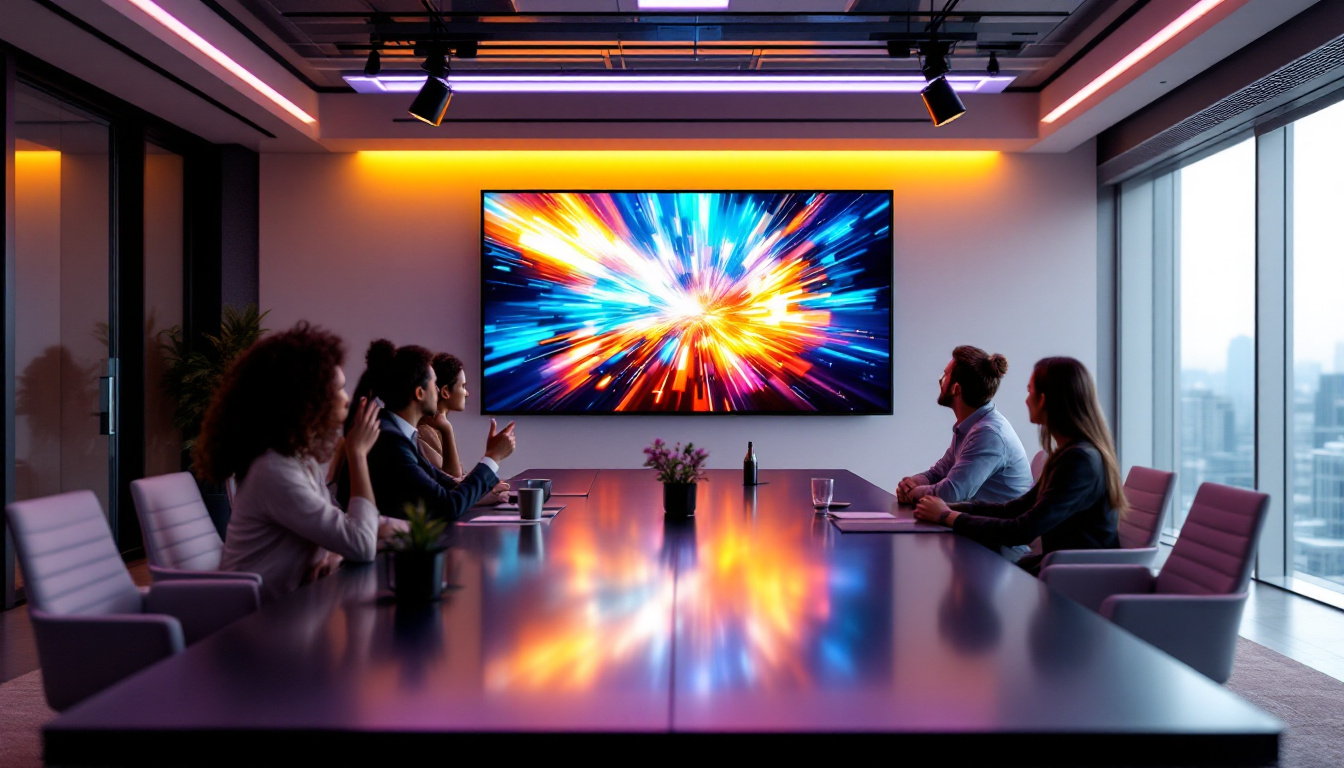
Similarly, in business environments, these TVs are used for presentations, video conferencing, and collaborative brainstorming sessions. Their large, responsive screens facilitate group interaction and improve communication efficiency.
Key Considerations When Choosing a Touch Screen LED TV
While the benefits are compelling, selecting the right touch screen LED TV requires careful consideration of several factors to ensure it meets specific needs and expectations.
Screen Size and Resolution
Screen size is a critical factor, especially for touch interaction. Larger screens provide more space for multiple touch points and detailed content, but they also require more precise touch calibration. Resolution impacts image clarity; 4K UHD is becoming the standard for high-end TVs, delivering sharp and vibrant visuals that complement the touch experience.
Touch Technology and Responsiveness
Understanding the type of touch technology used is essential. Capacitive screens offer smooth and accurate touch but may be more expensive. Infrared and optical systems provide versatility but can be affected by environmental factors. Responsiveness and latency should be tested where possible to ensure seamless interaction.
Smart Features and Connectivity
Modern touch screen LED TVs often come equipped with smart operating systems, allowing access to streaming services, apps, and voice assistants. Connectivity options such as HDMI, USB, Bluetooth, and Wi-Fi are important for integrating the TV with other devices and peripherals.
Durability and Maintenance
Touch screens are more prone to fingerprints, smudges, and potential damage from repeated use. Choosing a TV with a durable, scratch-resistant screen and easy-to-clean surface is advisable. Warranty and customer support services should also be considered.
The Future of Touch Screen LED TVs
As technology advances, touch screen LED TVs are expected to become more affordable, feature-rich, and seamlessly integrated into everyday life. Emerging trends include flexible displays, improved haptic feedback, and AI-driven user interfaces that anticipate user needs.
Moreover, the convergence of augmented reality (AR) and virtual reality (VR) with touch screen TVs could redefine entertainment and professional workflows, creating immersive environments that respond to touch and gesture inputs.
Manufacturers are also exploring eco-friendly materials and energy-efficient designs to meet growing sustainability demands, ensuring that future models are not only innovative but also environmentally responsible.
Conclusion
Touch screen LED TVs represent a significant step forward in television technology, combining high-quality visual displays with interactive capabilities that enhance user experience across various applications. Understanding the underlying technologies, benefits, and considerations can help consumers and businesses make informed decisions when investing in these devices.
As the market continues to evolve, staying informed about the latest developments will ensure that users can fully leverage the potential of touch screen LED TVs, whether for entertainment, education, or professional use.
Discover Interactive LED Display Solutions with LumenMatrix
Ready to elevate your viewing experience with the latest in touch screen LED technology? LumenMatrix is at the forefront of LED display innovation, offering a wide array of solutions tailored to your needs. From captivating Indoor LED Walls to dynamic Outdoor LED Displays, and from versatile Vehicle LED Displays to interactive Floor LED Displays, our products are designed to transform your visual communication and engagement. Embrace the future of touch screen LED TVs and discover how LumenMatrix can enhance your brand visibility and audience interaction. Check out LumenMatrix LED Display Solutions today and step into a world of unparalleled clarity and interactivity.