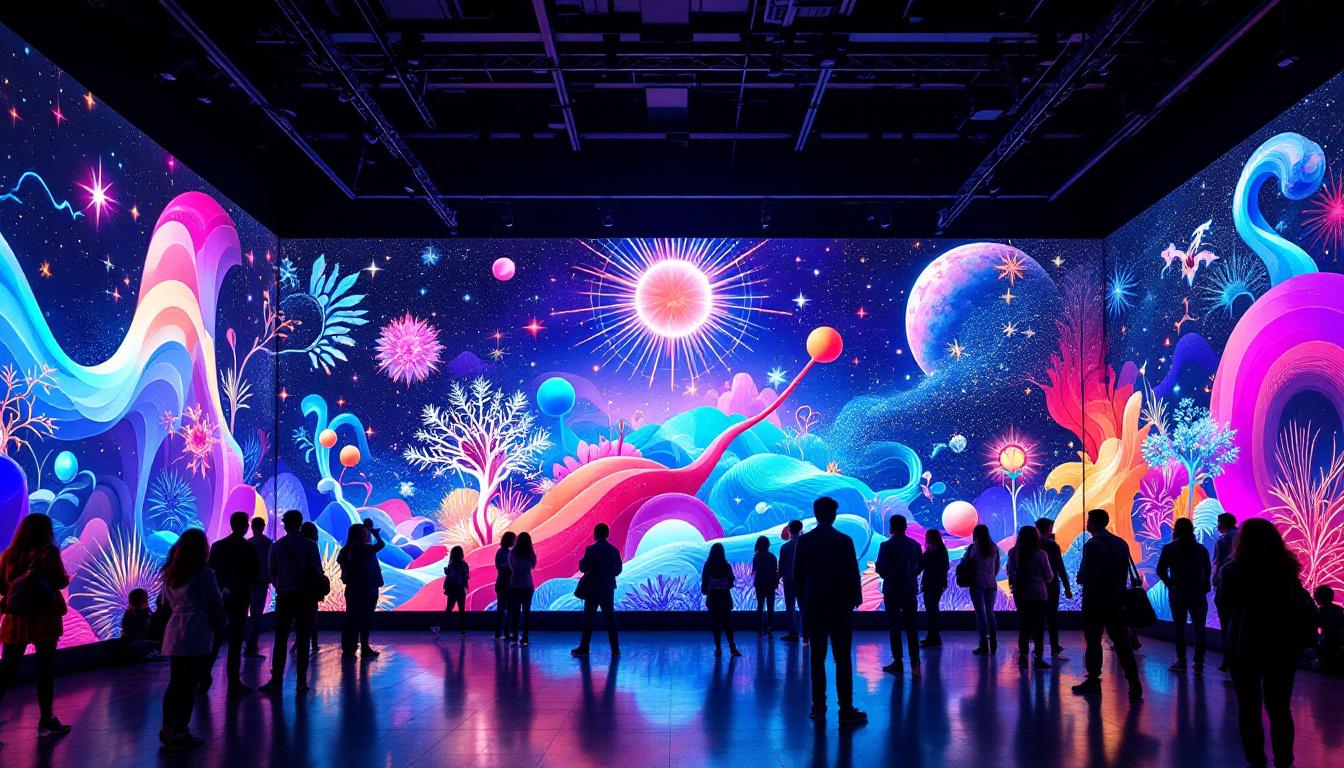
In recent years, video wall art has transformed the way businesses, artists, and event organizers present visual content. At the heart of this revolution lies LED display technology, which offers unparalleled brightness, color accuracy, and scalability. Whether used in retail environments, corporate lobbies, museums, or public spaces, LED video walls create immersive experiences that captivate audiences and elevate messaging. This article explores the fundamentals of LED video wall art, its technological components, applications, and key considerations for selecting and maintaining these dynamic displays.
Understanding LED Video Wall Technology
What Is an LED Video Wall?
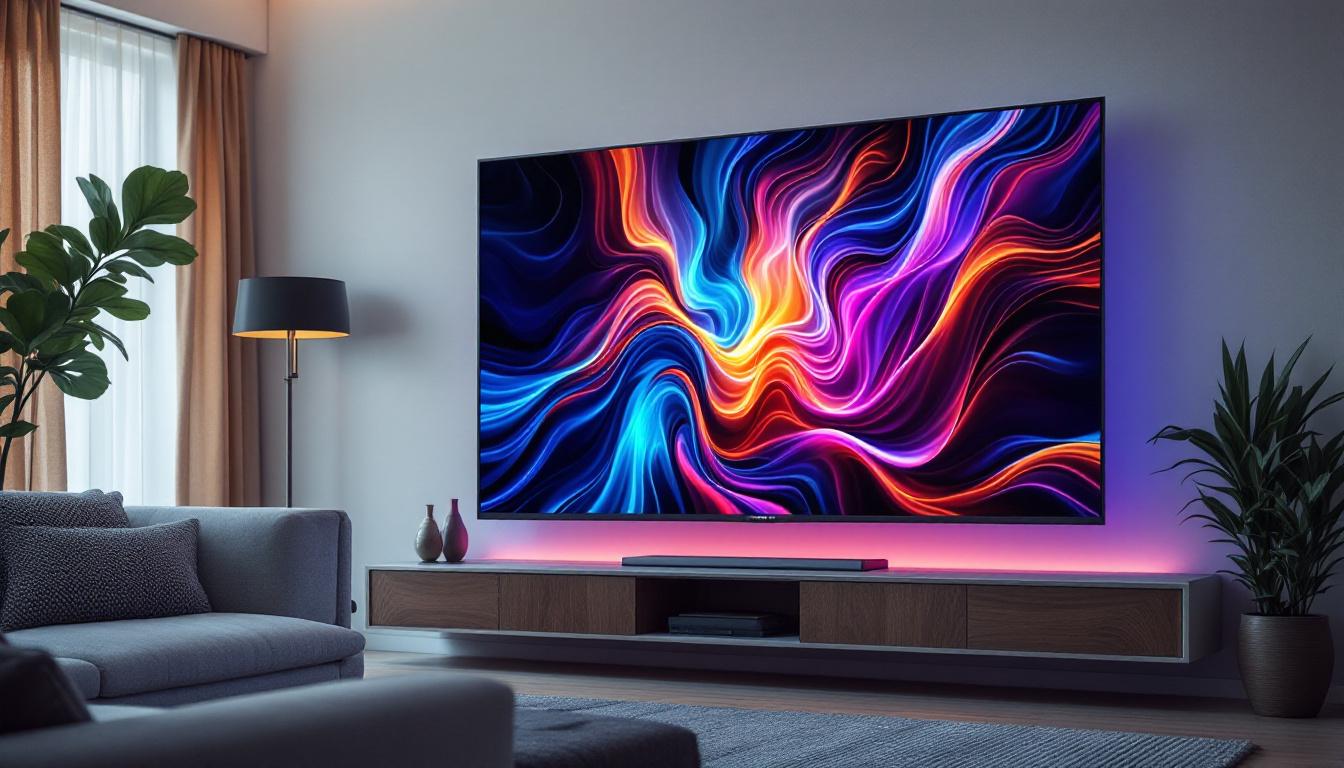
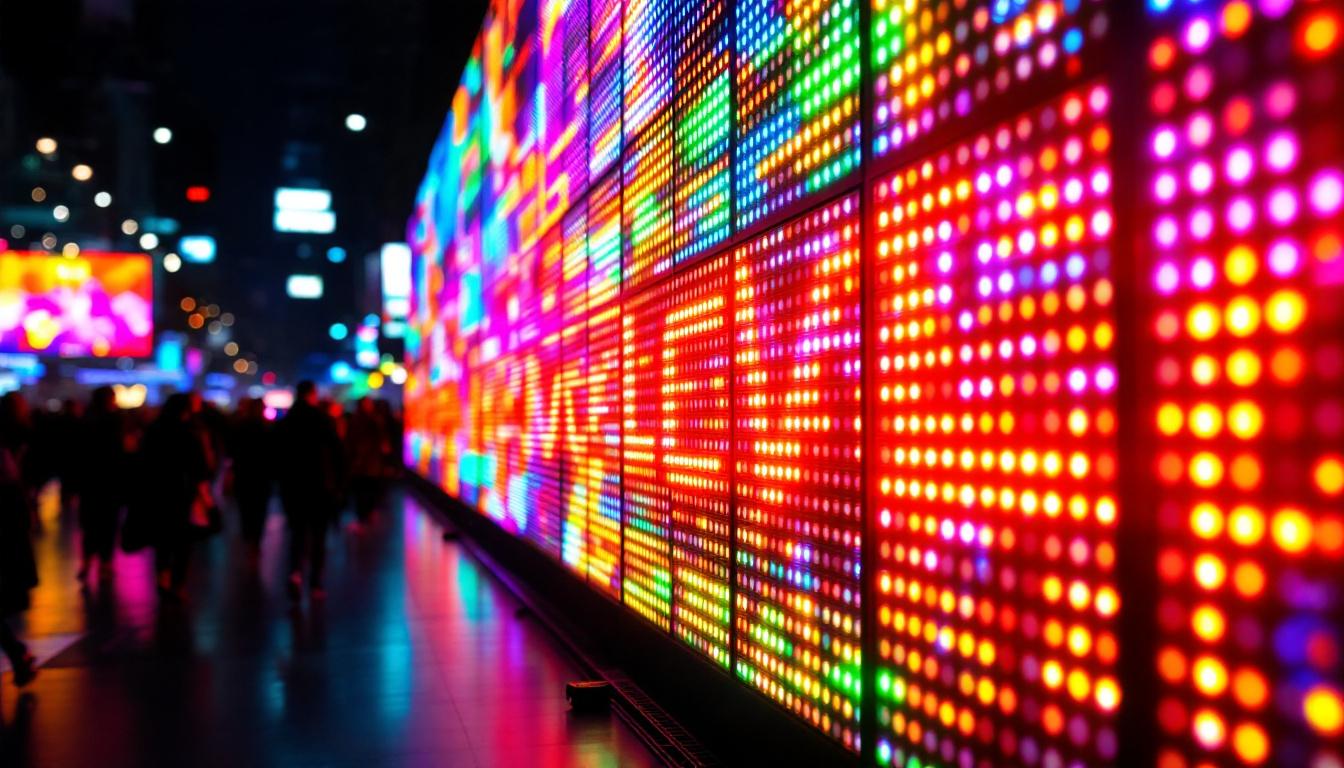
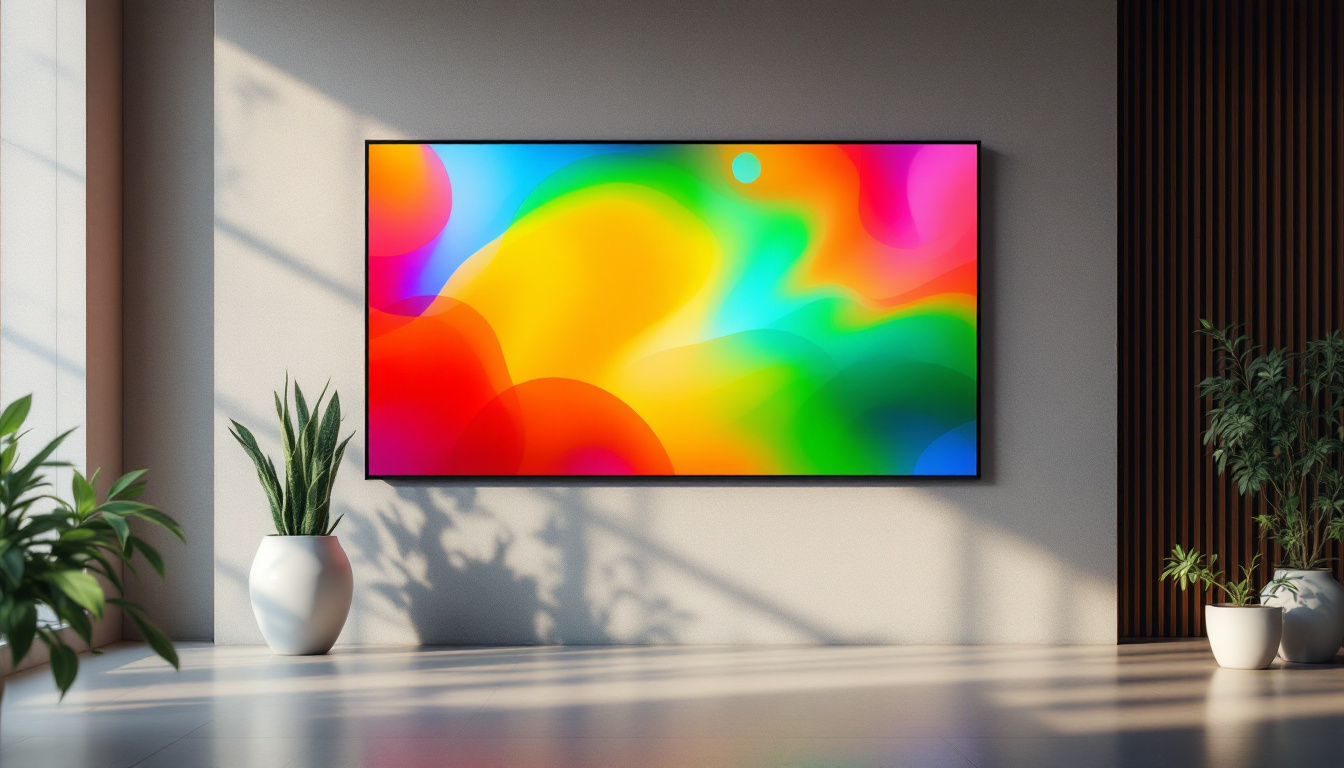
An LED video wall is a large-scale digital display composed of multiple LED panels seamlessly tiled together to form one continuous screen. Unlike traditional LCD or projection-based displays, LED video walls use light-emitting diodes (LEDs) as their light source, producing vivid images with exceptional brightness and contrast. This technology enables video walls to be visible even in brightly lit environments, making them ideal for both indoor and outdoor use.
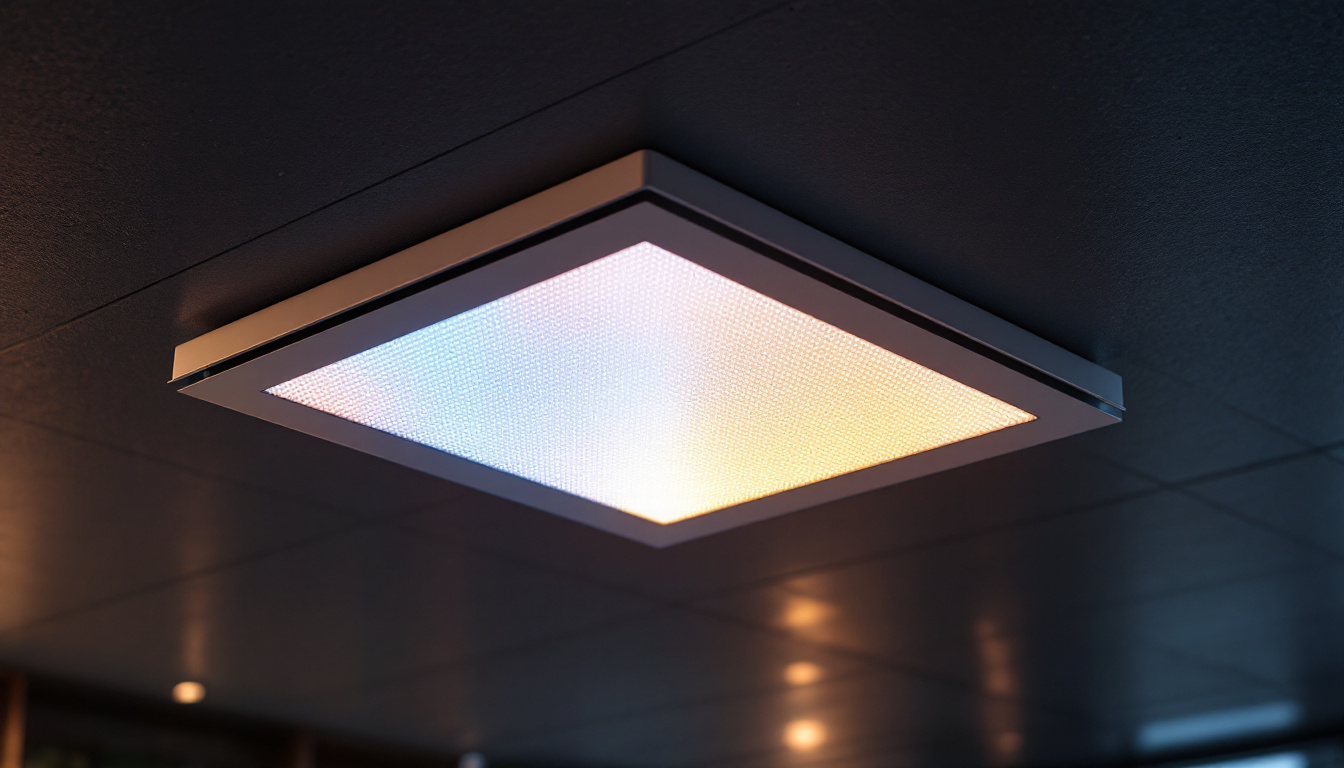
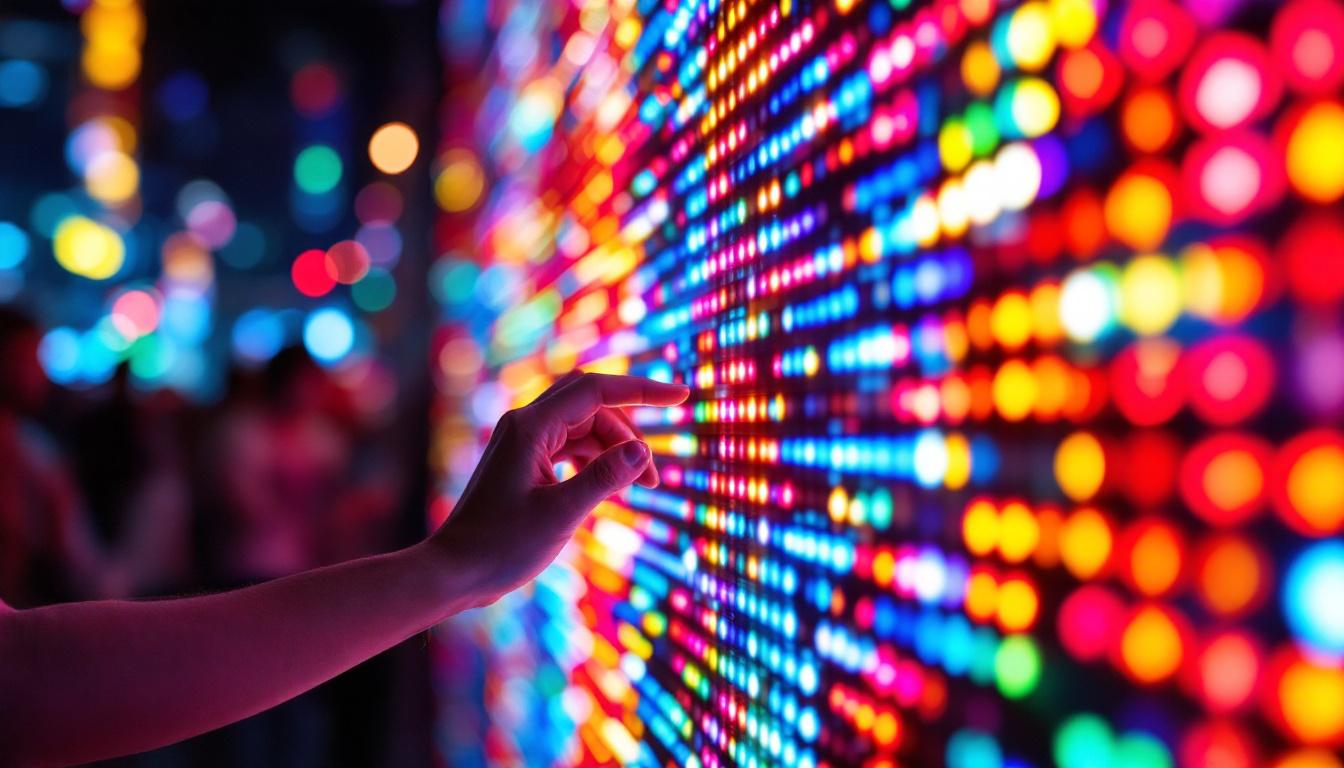
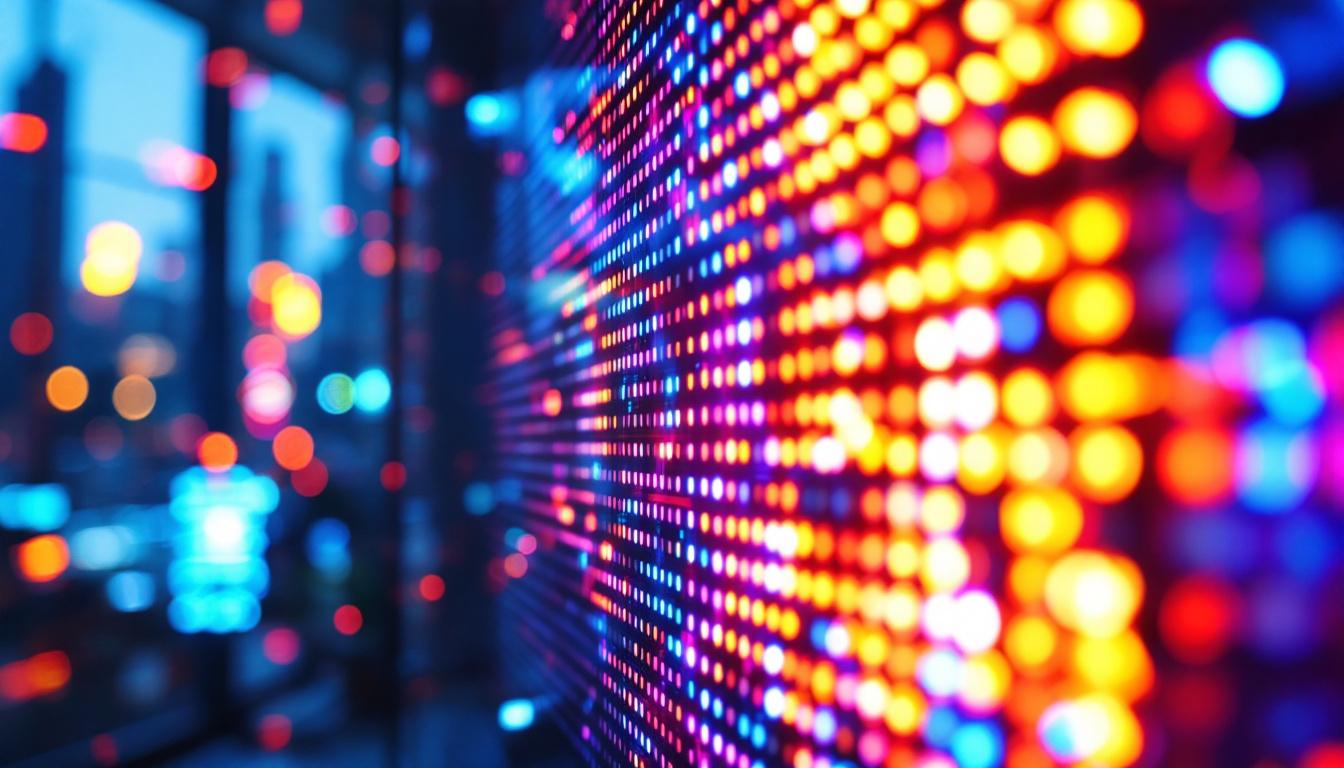
Each LED panel consists of thousands of tiny LEDs arranged in a grid, with each LED acting as a single pixel or subpixel. By controlling the intensity and color of each LED, the video wall can render high-resolution images and videos with remarkable clarity. The modular nature of LED panels allows for flexible configurations, from small art installations to massive advertising billboards. The versatility of LED video walls has led to their adoption in various sectors, including entertainment, retail, and corporate environments, where dynamic visual content can enhance engagement and communication.
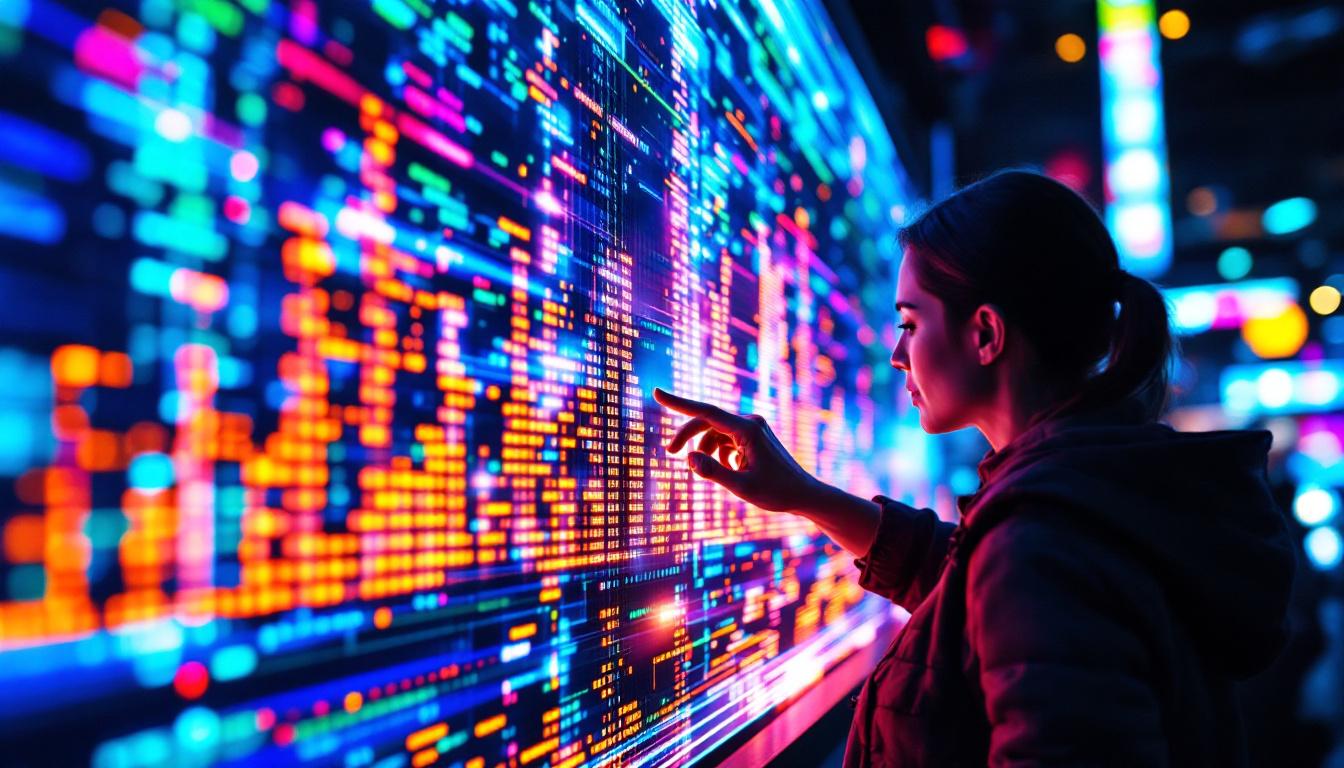
Moreover, LED video walls can be integrated with advanced technologies such as content management systems and interactive software, allowing for real-time updates and audience interaction. This capability is particularly beneficial for events and exhibitions, where timely information delivery can significantly impact viewer experience and participation. As technology continues to evolve, the potential applications for LED video walls are expanding, paving the way for innovative uses in areas like virtual reality and immersive environments.
Types of LED Displays Used in Video Walls
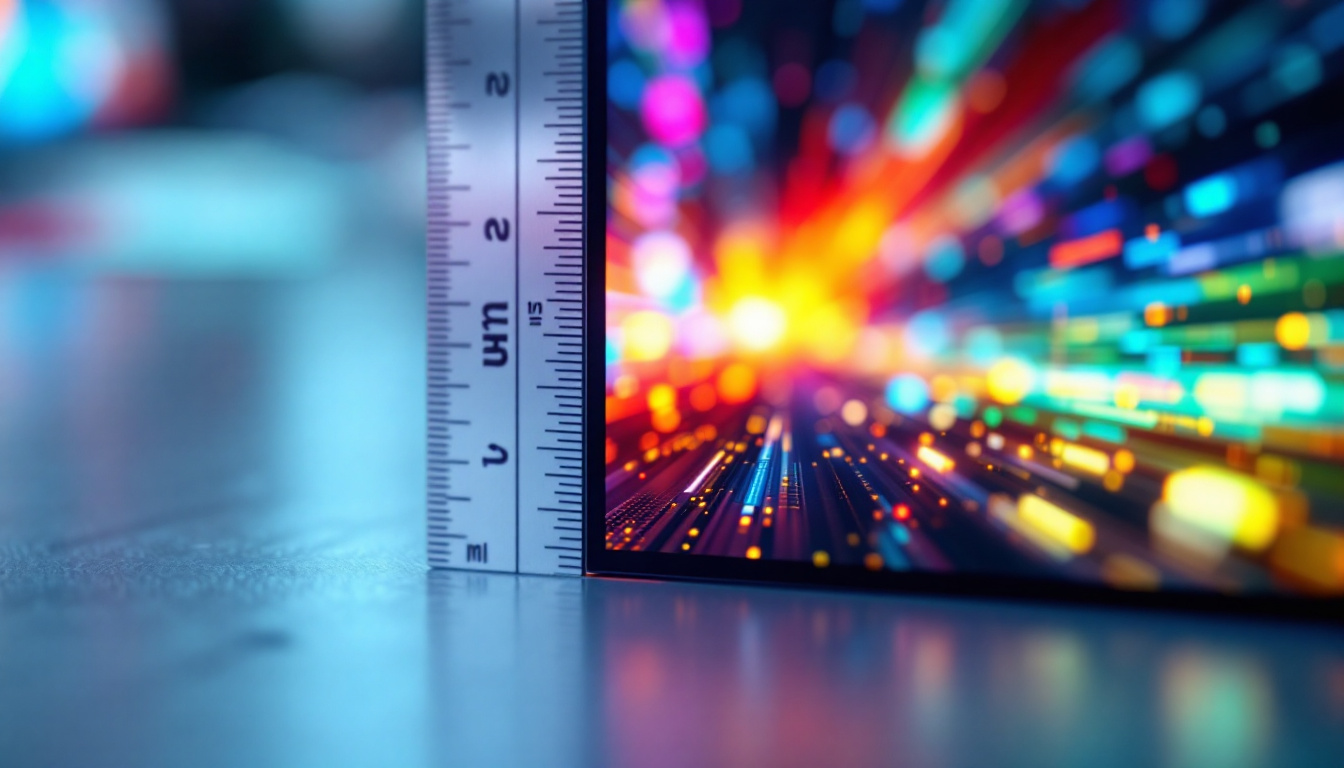
LED video walls come in various types, primarily differentiated by pixel pitch—the distance between the centers of two adjacent LEDs. Pixel pitch directly affects resolution and viewing distance:
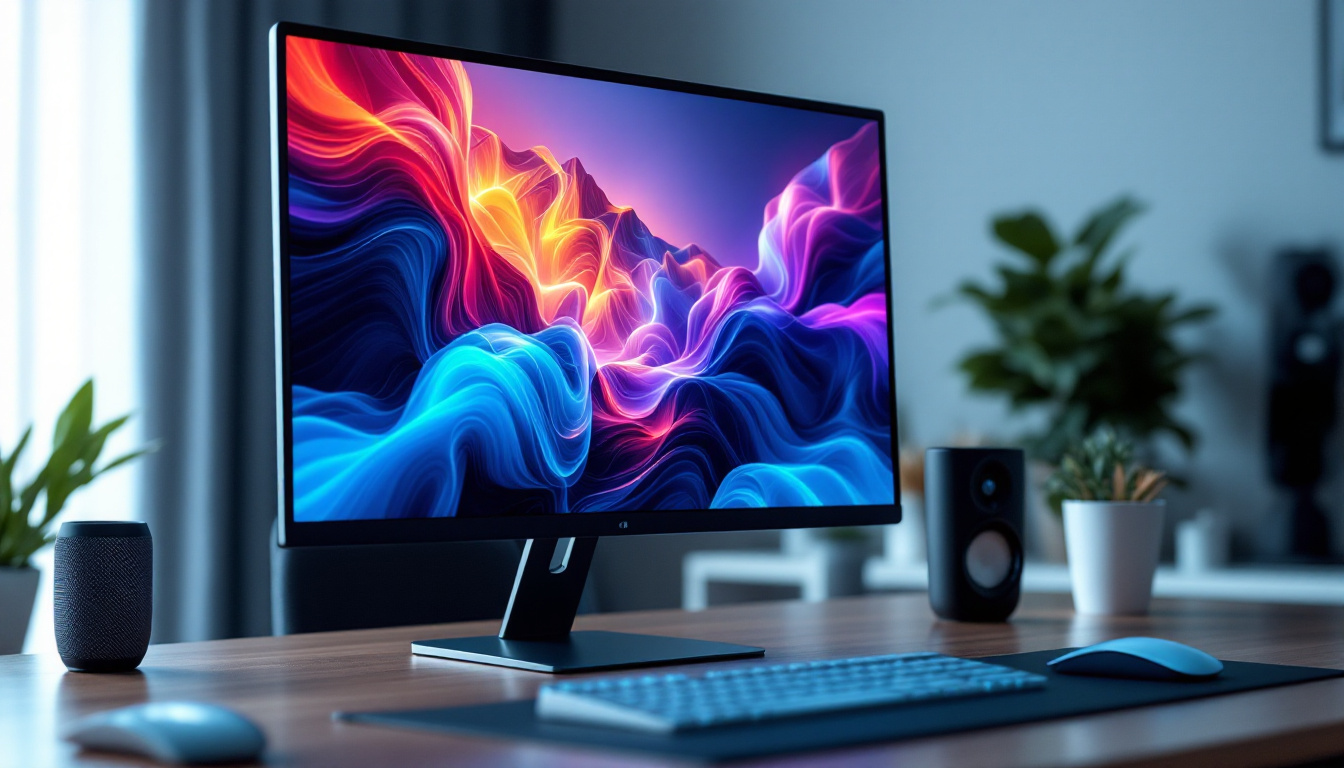
- Fine Pitch LED Displays: With pixel pitches as small as 0.9mm to 2.5mm, these displays offer ultra-high resolution suitable for close viewing distances. They are commonly used in indoor environments such as conference rooms, museums, and retail stores. Their ability to deliver crisp images makes them perfect for presentations and interactive displays, where detail is paramount.
- Standard Pitch LED Displays: Pixel pitches ranging from 3mm to 6mm are ideal for medium viewing distances, such as corporate lobbies and event venues. These displays strike a balance between image quality and cost, making them a popular choice for businesses looking to enhance their visual communication without breaking the bank.
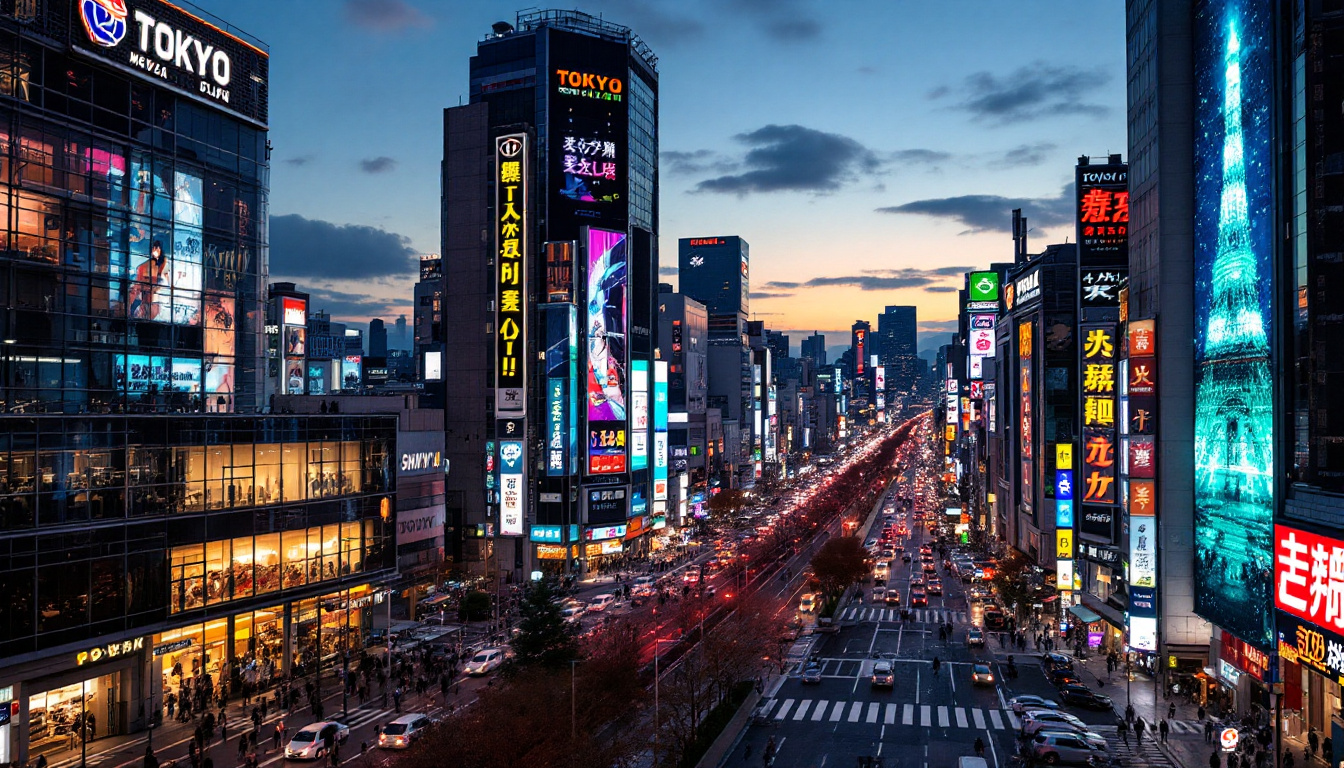
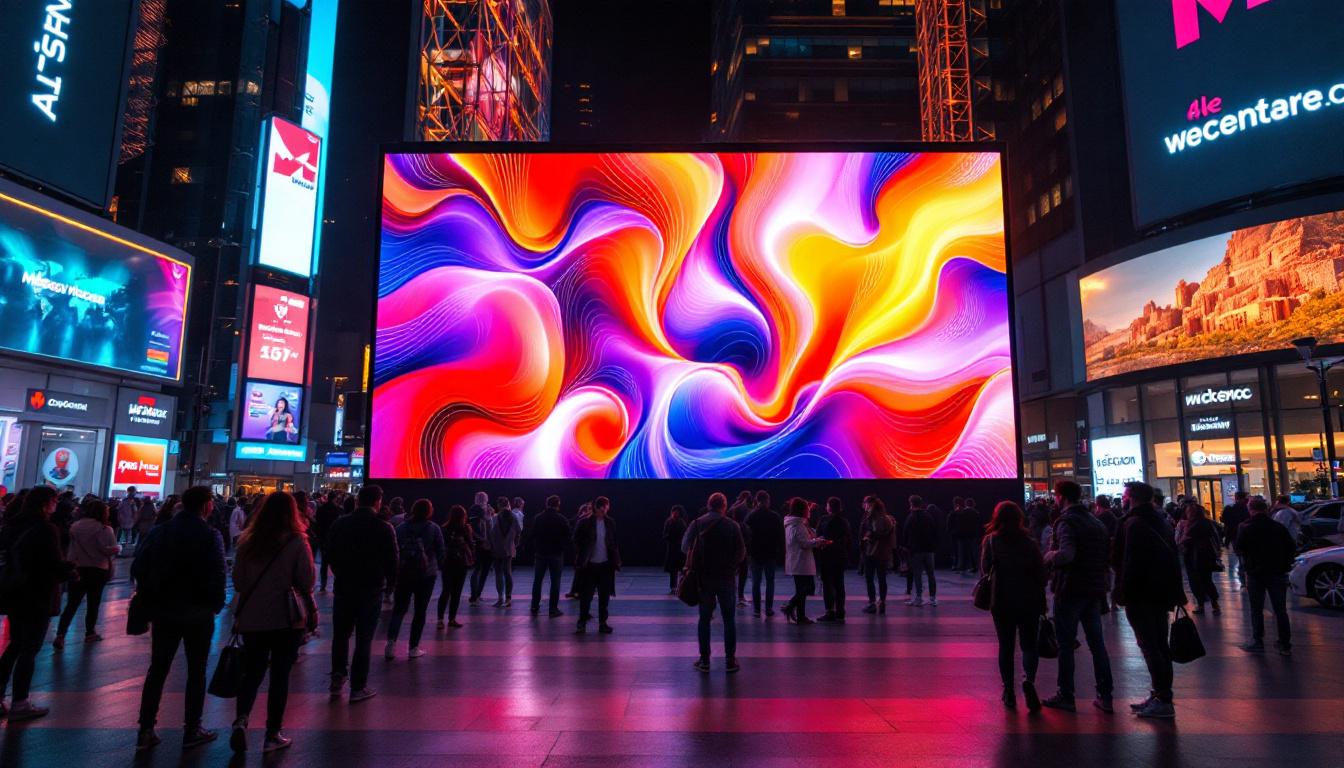
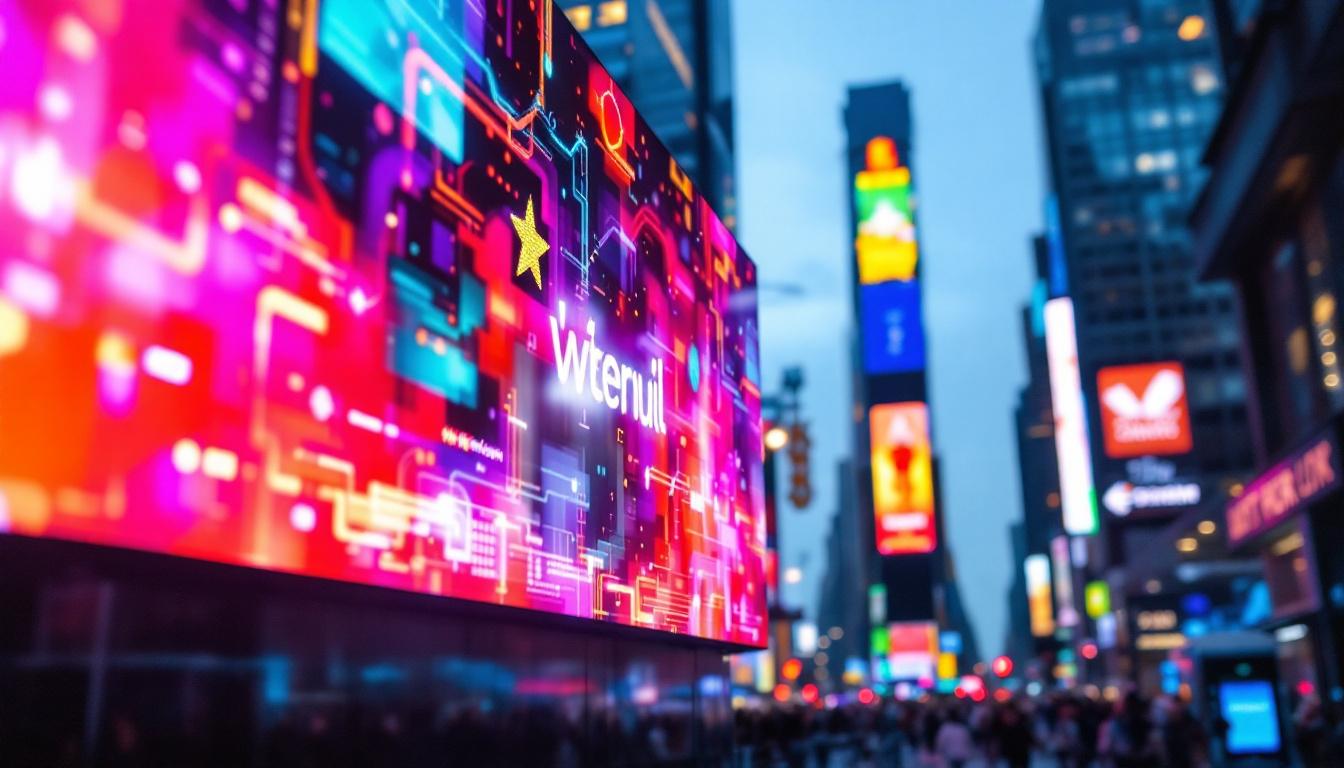
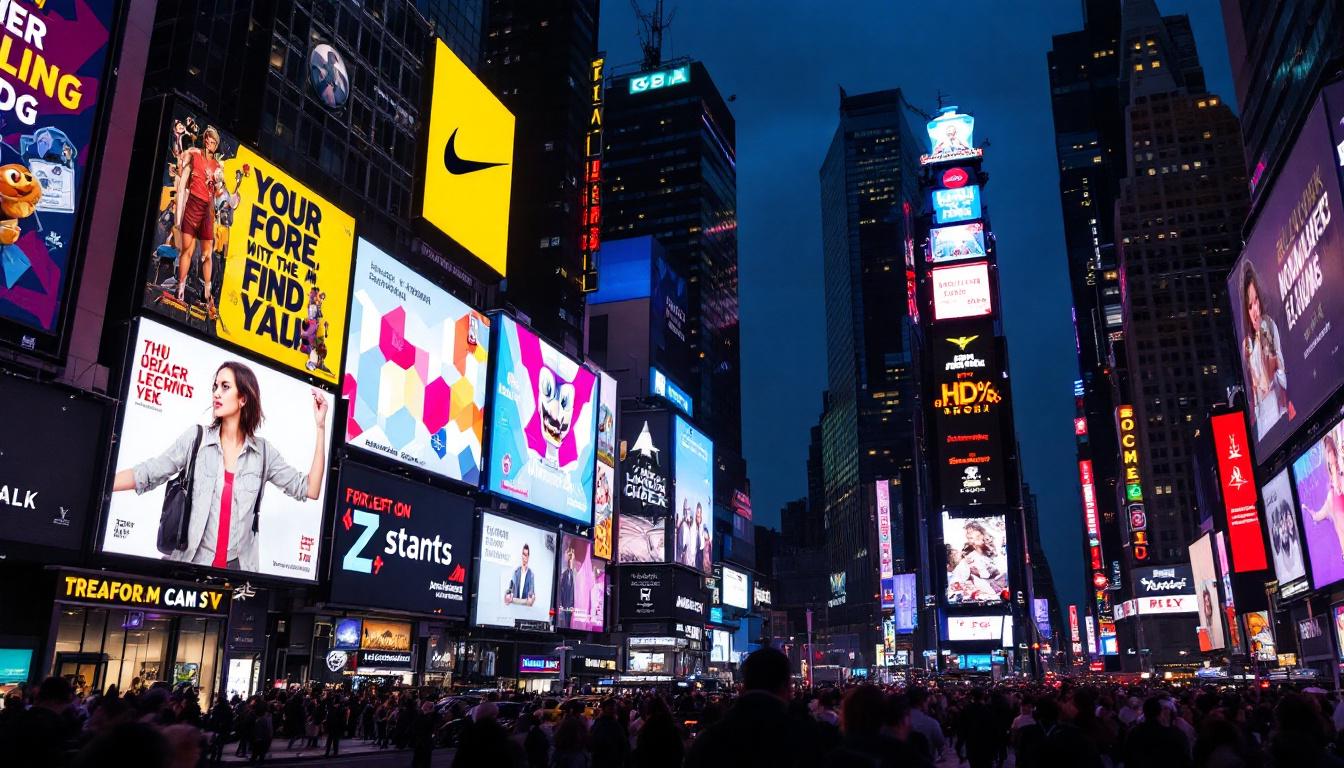
- Coarse Pitch LED Displays: With pixel pitches of 10mm or more, these displays are designed for outdoor use where viewers are typically farther away, such as stadiums, billboards, and public squares. Their robust construction and high brightness levels ensure that content remains visible in direct sunlight, making them essential for outdoor advertising and public information systems.
Choosing the right pixel pitch is critical to ensure optimal image quality and cost efficiency. Smaller pixel pitches provide sharper images but come at a higher price point, while larger pitches are more economical but less detailed. Additionally, the choice of pixel pitch can influence the overall design and aesthetic of the installation, as well as the viewer’s experience. As such, careful consideration of the intended application and audience is essential when selecting the appropriate LED display for a video wall.
Applications of LED Video Wall Art
Commercial and Retail Environments
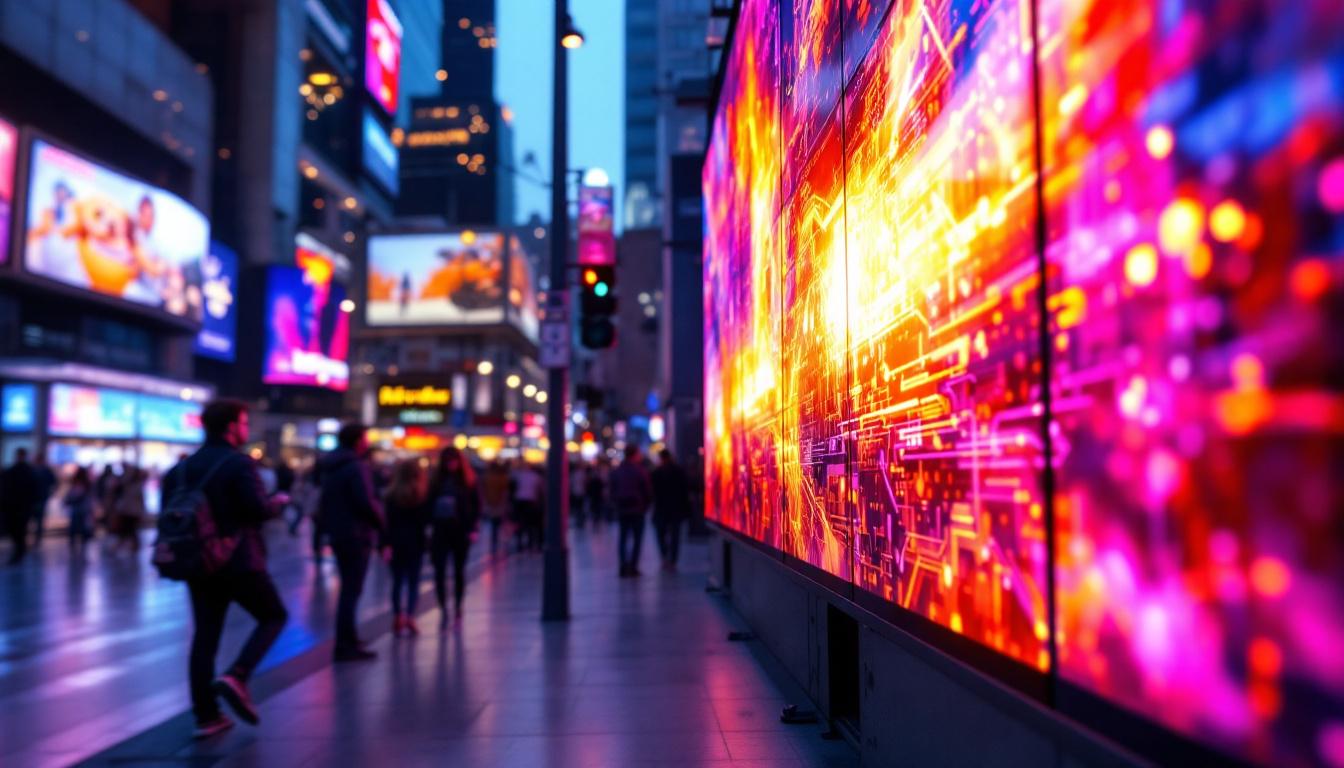
Retailers leverage LED video walls to create dynamic storefronts and in-store displays that engage customers and drive sales. Bright, colorful visuals can showcase products, promotions, and brand stories in real time, adapting quickly to marketing needs. For example, global brands like Nike and Samsung have installed massive LED video walls in flagship stores to create immersive brand experiences that blend art, advertising, and entertainment.
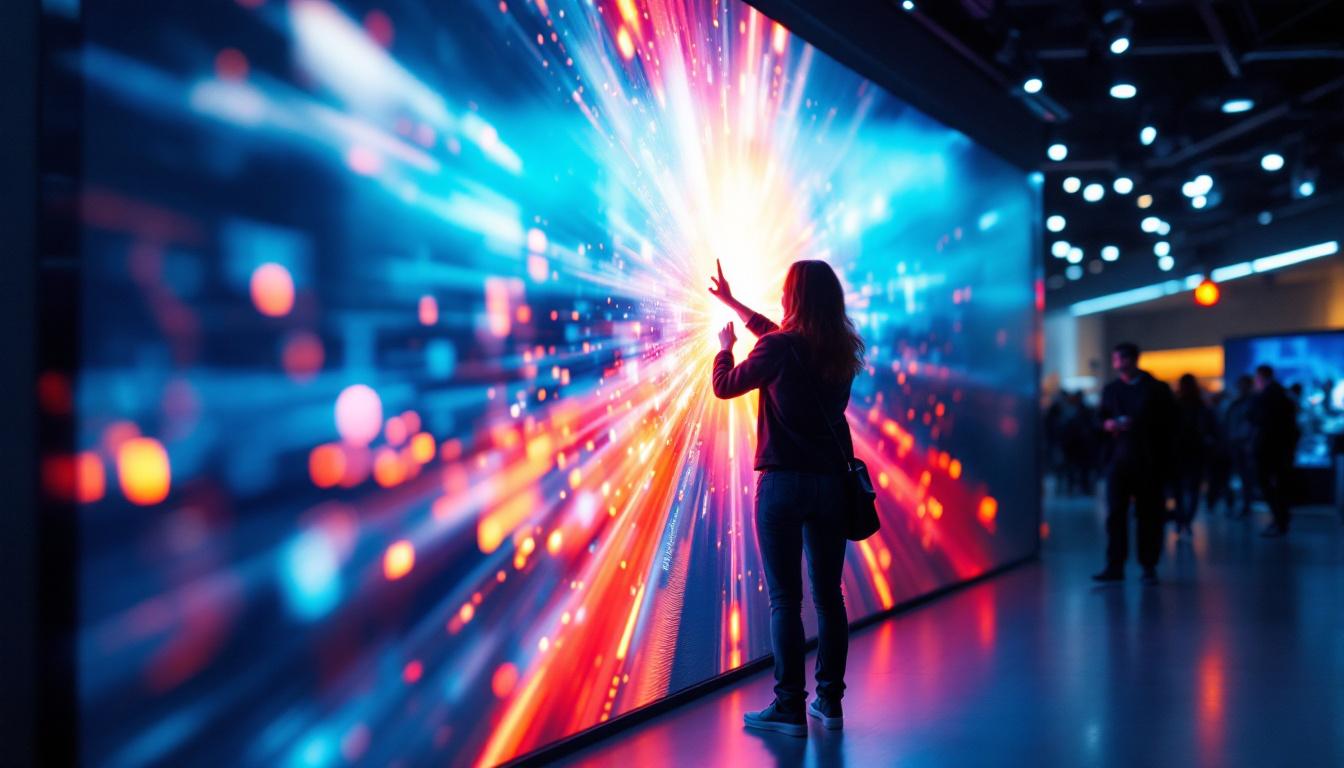
In addition to attracting foot traffic, video walls can be interactive, allowing customers to engage with content through touch or motion sensors. This interactivity enhances the shopping experience and provides valuable data on consumer behavior.
Corporate and Public Spaces
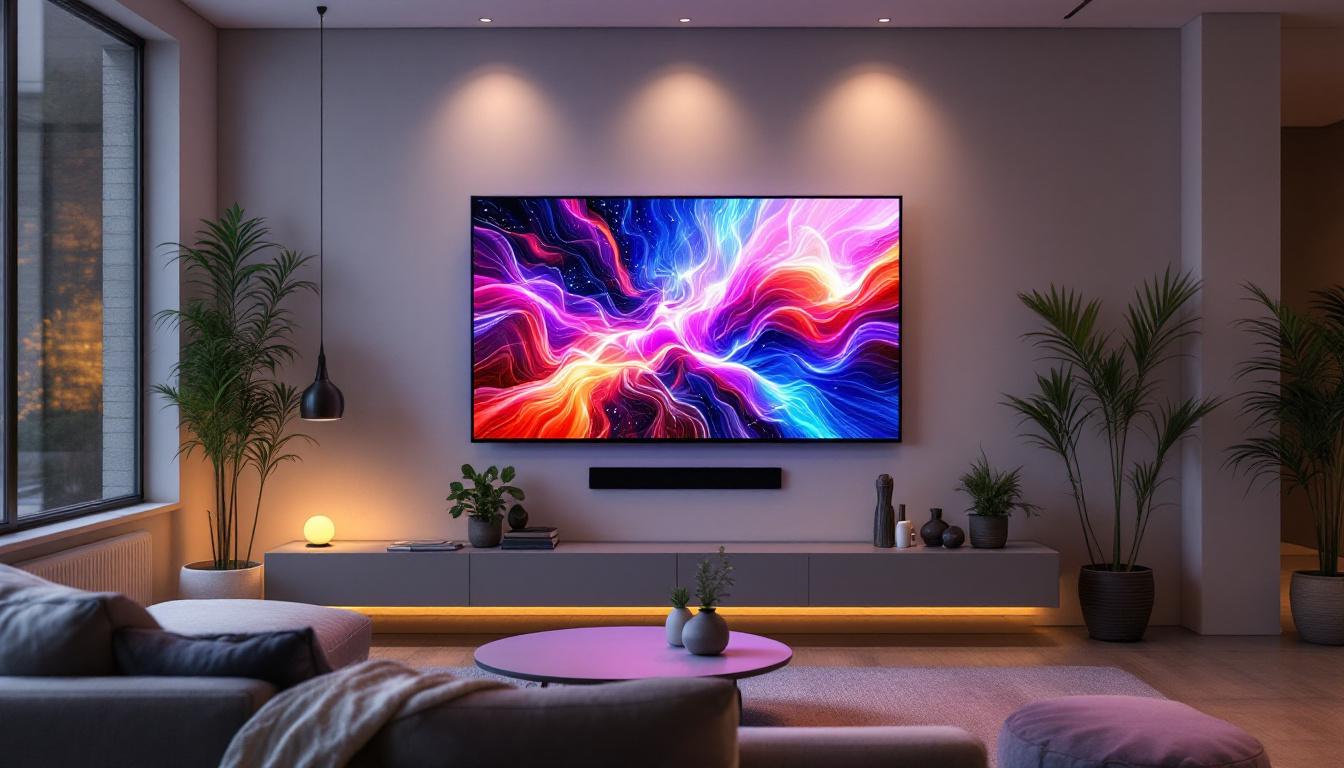
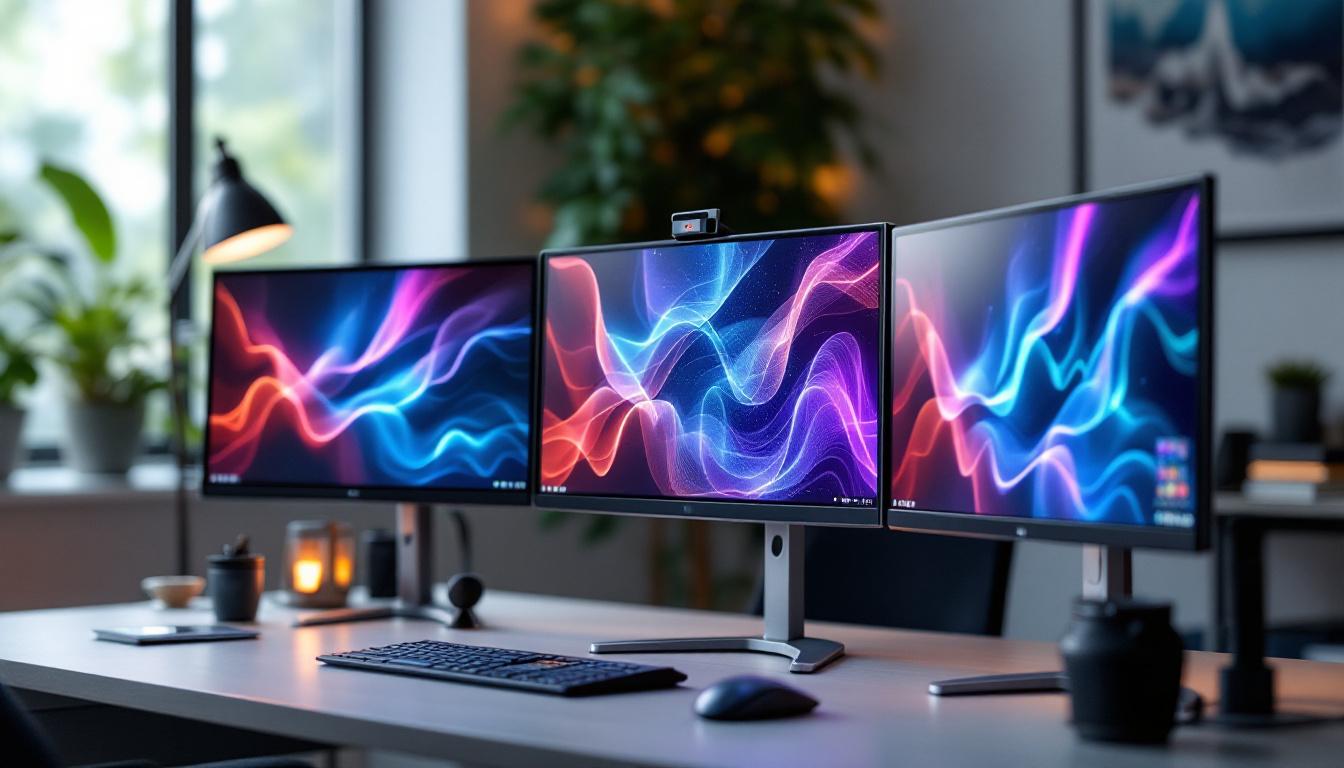
Corporate lobbies, conference centers, and public venues increasingly utilize LED video walls to display digital art, company messaging, and live event coverage. These installations serve as focal points, reinforcing brand identity and creating memorable first impressions.
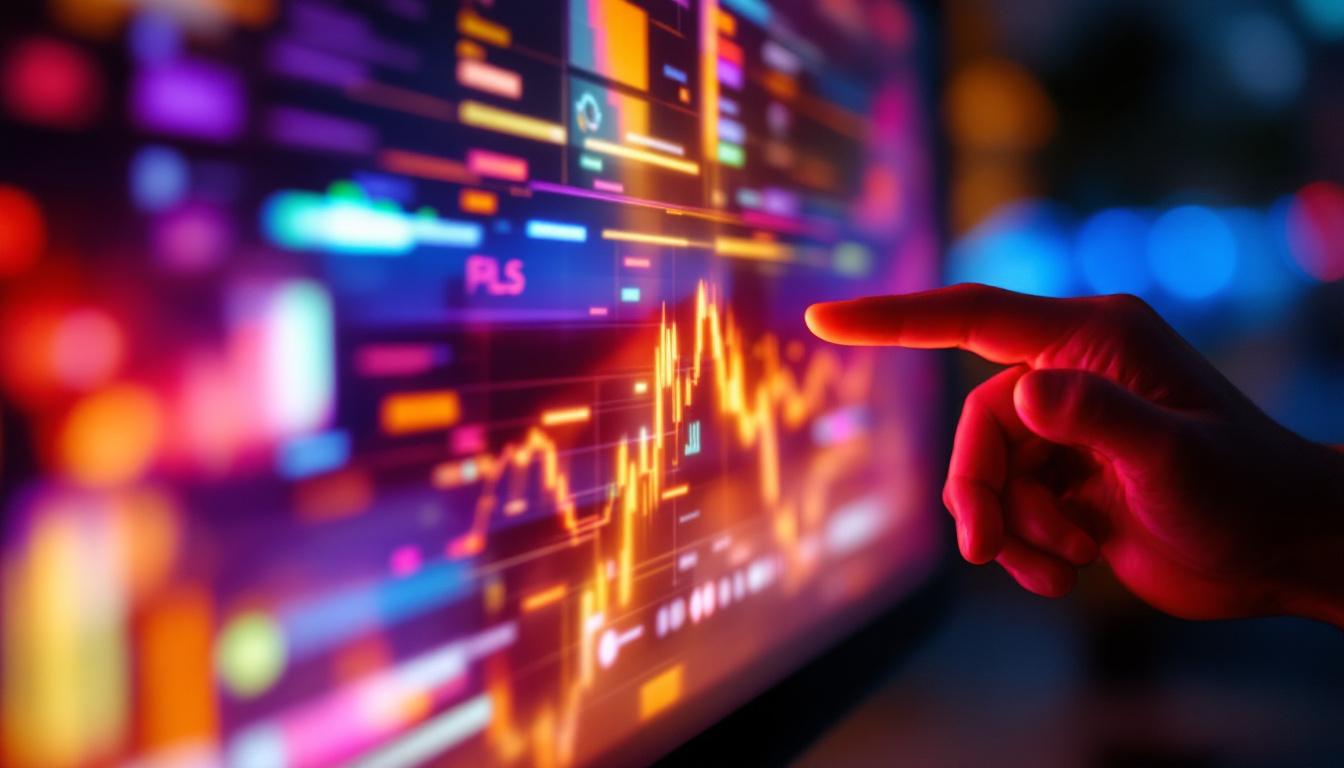
For instance, financial institutions often use video walls to display real-time market data alongside artistic visuals, blending functionality with aesthetics. Museums and galleries also employ LED video walls to showcase digital art exhibitions, enabling artists to experiment with scale, motion, and interactivity.
Entertainment and Events
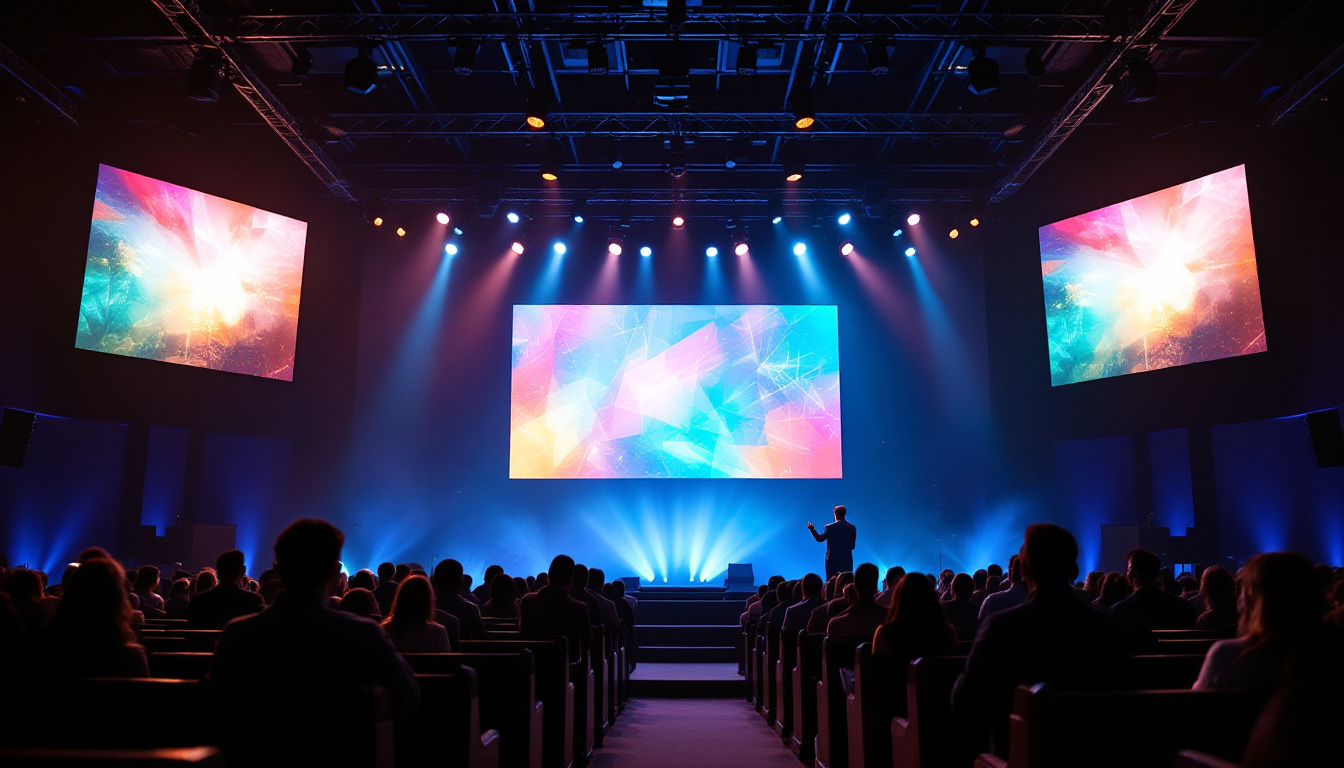
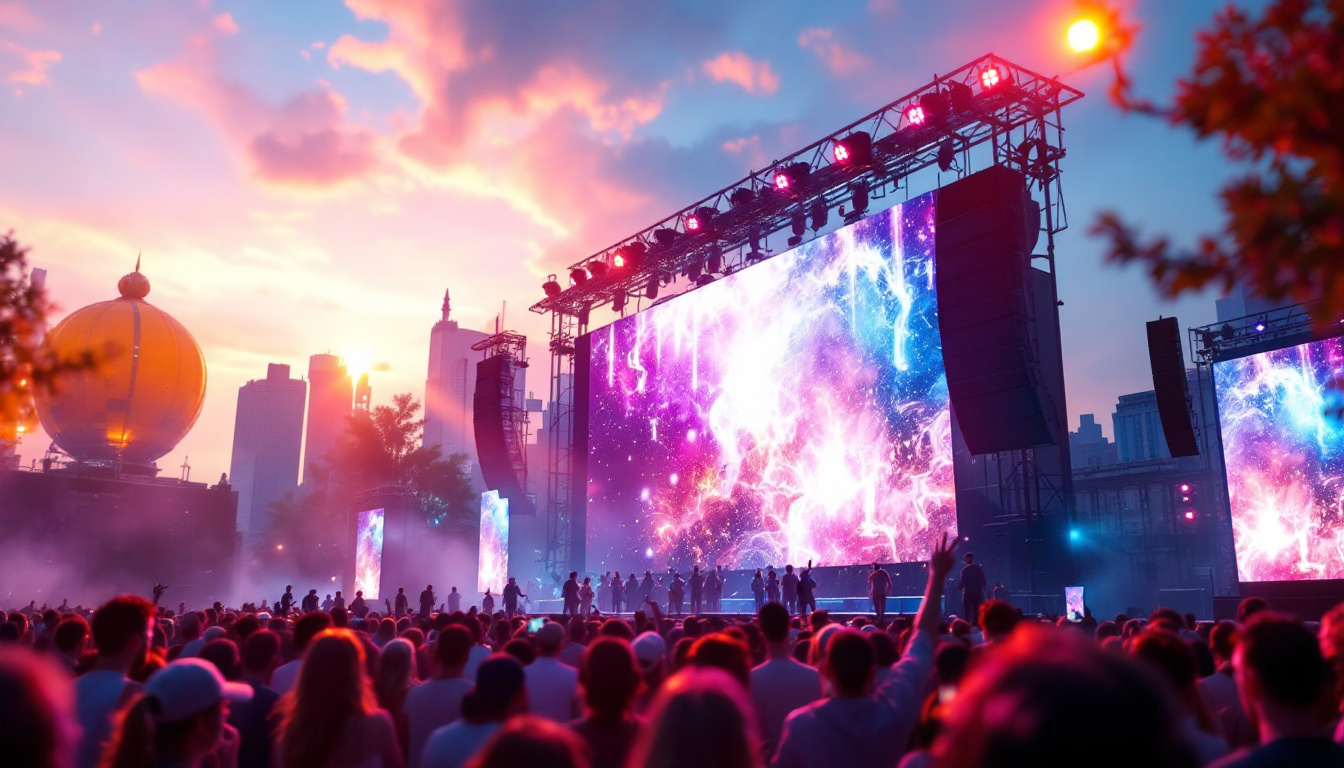
Concerts, festivals, and live events benefit immensely from LED video walls, which provide vibrant backdrops and dynamic stage visuals. The scalability of LED panels allows for custom shapes and sizes, adapting to various stage designs and audience sizes. High refresh rates and brightness levels ensure smooth video playback and visibility even under intense stage lighting.
Sports arenas use large LED video walls for scoreboards, instant replays, and fan engagement, enhancing the overall spectator experience. The ability to display multiple content streams simultaneously makes LED video walls invaluable in fast-paced environments.
Key Technical Considerations for LED Video Walls
Brightness and Contrast
One of the standout features of LED video walls is their superior brightness, often exceeding 1,000 nits for indoor models and reaching 5,000 nits or more for outdoor displays. High brightness ensures visibility in various lighting conditions, from dimly lit rooms to direct sunlight. Contrast ratio—the difference between the darkest black and brightest white—is equally important for image depth and realism. LED technology generally offers excellent contrast, especially when combined with advanced dimming controls.
Color Accuracy and Calibration
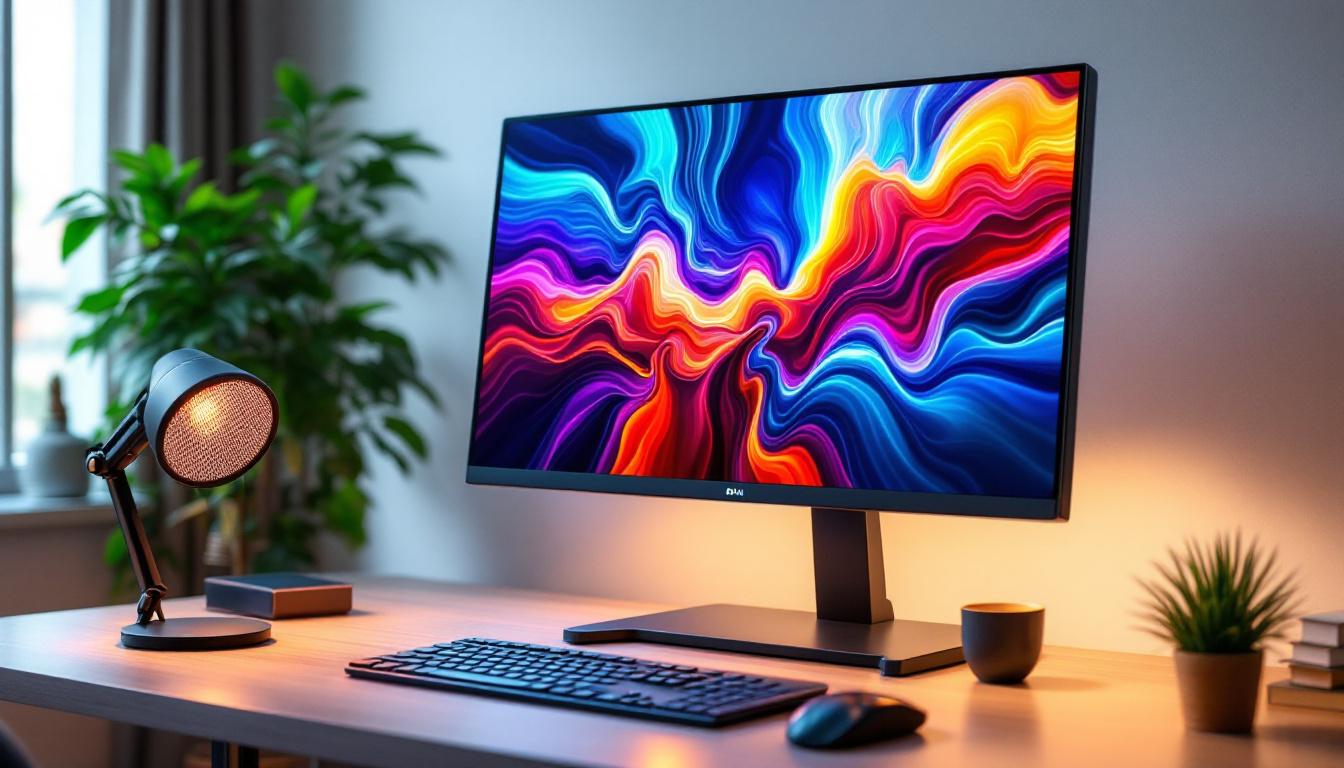
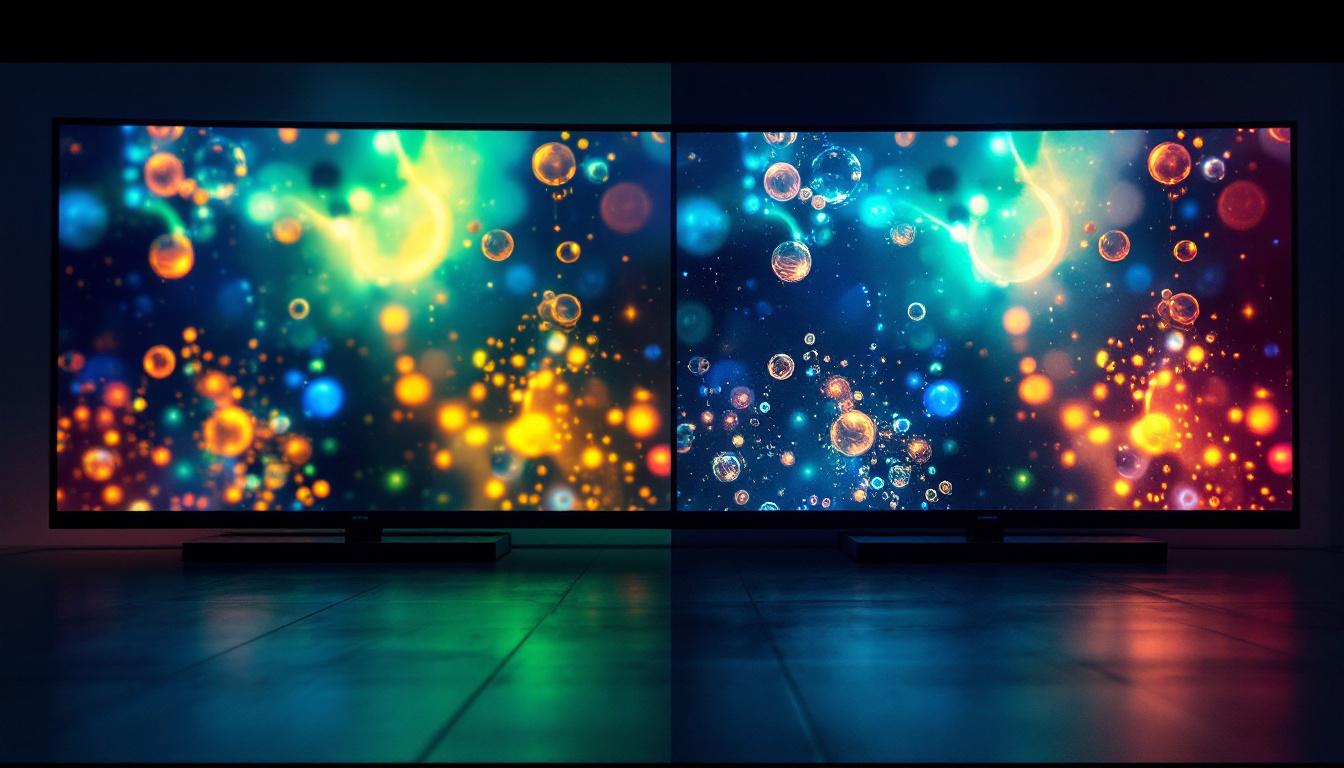
Accurate color reproduction is essential for video wall art, particularly in applications involving branding or fine art. Modern LED video walls support wide color gamuts, including standards like Rec. 709 and DCI-P3, enabling rich and vibrant visuals. Calibration tools and software help maintain color consistency across panels, compensating for variations caused by manufacturing tolerances or environmental factors.
Viewing Angle and Distance
LED video walls are designed to provide wide viewing angles, often up to 160 degrees horizontally and vertically. This ensures that images remain clear and colors consistent even when viewed from the side. However, optimal viewing distance depends on pixel pitch; closer viewing distances require finer pixel pitches to avoid visible pixelation.
Installation and Maintenance
Installing an LED video wall requires precise alignment of panels to create a seamless image. Many manufacturers offer “near-seamless” designs with minimal bezels, enhancing the immersive effect. Maintenance involves regular cleaning to remove dust and debris, as well as periodic software updates and hardware checks. Modular panels simplify repairs by allowing individual sections to be replaced without dismantling the entire wall.
Choosing the Right LED Video Wall for Your Needs
Assessing Your Environment
Before selecting an LED video wall, it is important to evaluate the installation environment. Factors such as ambient lighting, viewing distance, space constraints, and intended use will influence the choice of pixel pitch, brightness, and panel size. For example, a video wall in a brightly lit airport terminal will require higher brightness levels than one in a dimly lit gallery.
Budget Considerations
LED video walls represent a significant investment, with costs influenced by resolution, size, brightness, and additional features like interactivity or weatherproofing. While fine pitch displays offer stunning image quality, they may not be necessary for all applications. Balancing performance requirements with budget constraints is key to maximizing return on investment.
Content and Software Compatibility
The effectiveness of a video wall also depends on the content management system (CMS) used to control it. A robust CMS enables scheduling, real-time updates, and multi-source content integration. Compatibility with popular media formats and ease of use are important considerations, especially for organizations without dedicated technical staff.
Future Trends in LED Video Wall Art
MicroLED and MiniLED Technologies
Emerging technologies like MicroLED and MiniLED promise even higher resolution, improved energy efficiency, and longer lifespans compared to traditional LEDs. MicroLED, in particular, offers pixel-level control with self-emissive properties, potentially rivaling OLED displays in image quality while maintaining the durability and brightness advantages of LEDs.
Interactive and Immersive Experiences
Advancements in sensors, artificial intelligence, and augmented reality are enabling more interactive and immersive video wall installations. Future video walls may respond dynamically to audience movement, gestures, or biometric data, creating personalized and engaging experiences that blur the line between art and technology.
Sustainability and Energy Efficiency
As environmental concerns grow, manufacturers are focusing on reducing the energy consumption and carbon footprint of LED video walls. Innovations in power management, recyclable materials, and modular designs aim to make video walls more sustainable without compromising performance.
Conclusion
LED video wall art represents a powerful fusion of technology and creativity, offering vibrant, scalable, and versatile solutions for a wide range of applications. Understanding the technical fundamentals, practical considerations, and future trends helps organizations make informed decisions when investing in this dynamic medium. Whether enhancing brand visibility, enriching cultural experiences, or energizing live events, LED video walls continue to redefine the possibilities of visual storytelling in the digital age.
Illuminate Your Space with LumenMatrix
Ready to elevate your visual storytelling with the vibrant, scalable, and versatile power of LED video walls? LumenMatrix, a leader in LED display technology, invites you to discover our innovative solutions. From Indoor and Outdoor LED Wall Displays to specialized options like Vehicle, Sports, and Floor LED Displays, we have the cutting-edge technology to bring your vision to life. Experience the future of visual communication with our Custom, All-in-One, and Transparent LED Displays. Check out LumenMatrix LED Display Solutions today and transform your brand visibility and audience engagement.