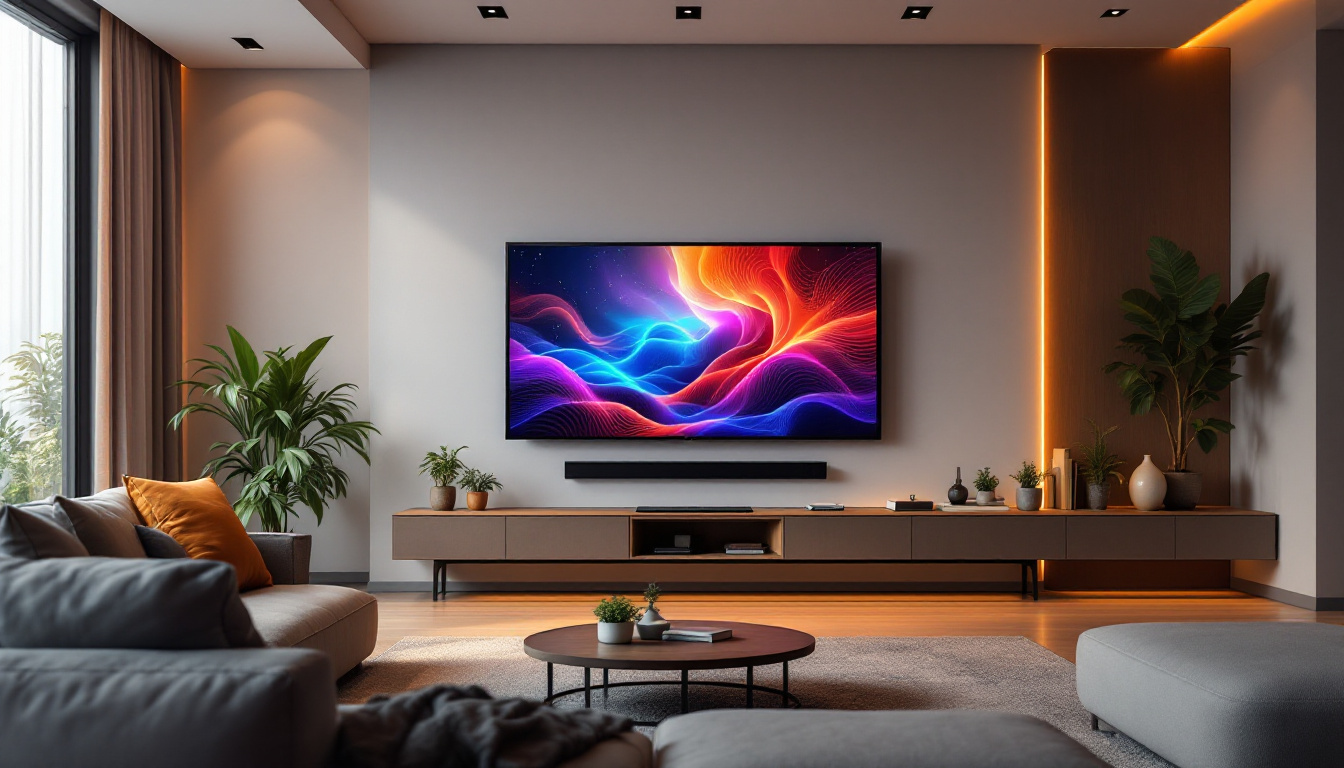
In the rapidly evolving world of digital signage and display technology, LED displays have become a cornerstone for businesses, events, and public information systems. Among the technologies that power these displays, Power over Ethernet (PoE) is gaining traction as a game-changer. This article delves into the intersection of PoE and LED displays, explaining how they work together, their benefits, and what this means for industries relying on vibrant, reliable digital visuals.
Understanding LED Displays: The Basics
LED displays, or Light Emitting Diode displays, are composed of numerous tiny LEDs that emit light when an electric current passes through them. These diodes are arranged in a matrix to form images, videos, and text with vivid colors and high brightness. Unlike traditional LCD or plasma screens, LED displays use direct light emission, which results in better contrast, energy efficiency, and durability. This direct emission allows for deeper blacks and more vibrant colors, enhancing the overall viewing experience and making LED displays the preferred choice for many applications.
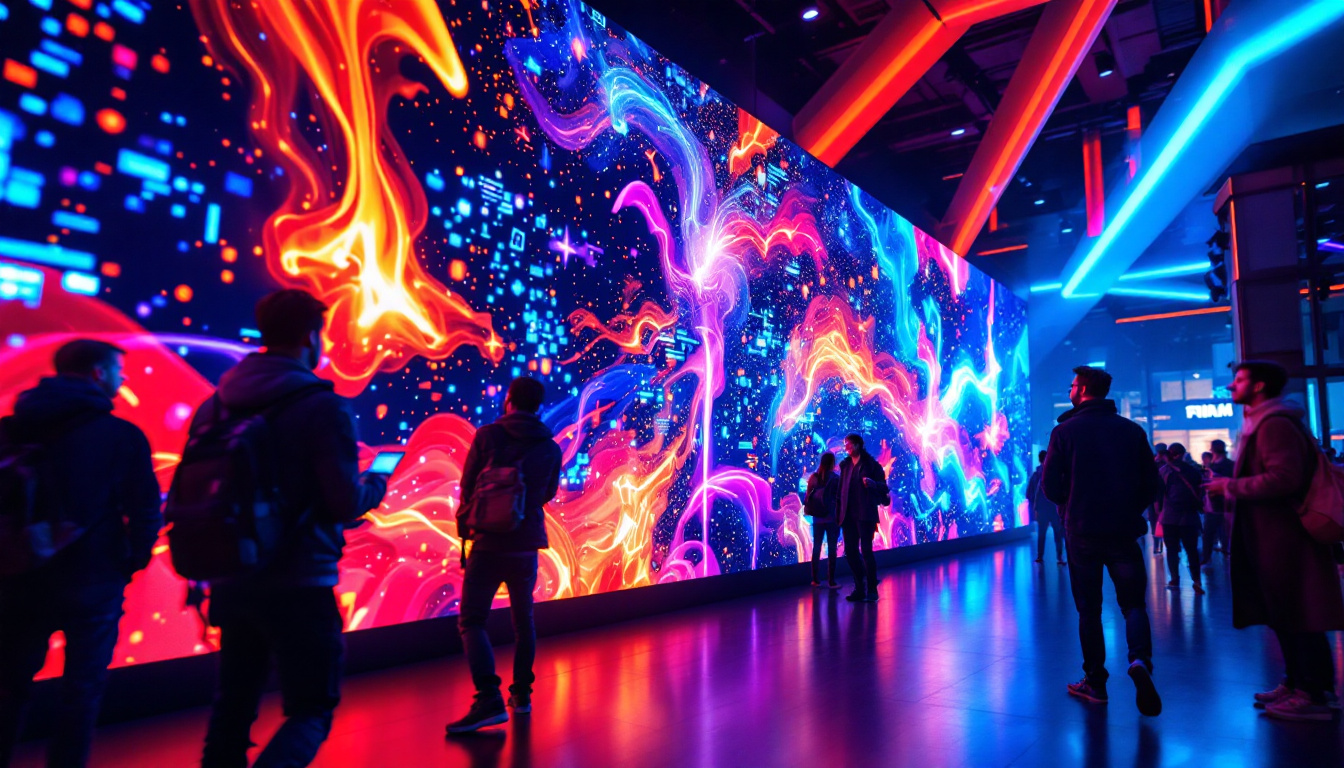
Modern LED displays come in various forms, including indoor and outdoor screens, flexible panels, and transparent displays. Their applications range from advertising billboards and stadium screens to retail signage and corporate communication boards. The versatility and scalability of LED technology make it an essential tool for visual communication. For instance, outdoor LED displays are designed to withstand harsh weather conditions, featuring protective coatings and robust structures, while indoor displays focus on high-resolution imagery to captivate audiences in retail environments. Additionally, the emergence of flexible LED panels has opened new avenues for creative installations, allowing designers to create unique shapes and forms that were previously impossible with traditional display technologies.
Key Features of LED Displays
Some of the defining characteristics of LED displays include:
- Brightness: LEDs can achieve brightness levels exceeding 5,000 nits, making them visible even under direct sunlight.
- Color Accuracy: Advanced LEDs offer a wide color gamut and precise color rendering, essential for brand consistency.
- Longevity: LEDs typically have a lifespan of 50,000 to 100,000 hours, reducing maintenance costs.
- Energy Efficiency: Compared to other display technologies, LEDs consume less power, which is critical for large installations.
Moreover, LED displays are highly customizable, allowing users to tailor their configurations to meet specific needs. For example, pixel pitch—the distance between the centers of adjacent pixels—can be adjusted to achieve the desired resolution, whether for close-up viewing in a retail space or for large-scale outdoor advertising. This adaptability is complemented by advancements in control systems, which enable seamless integration with content management software, allowing for dynamic updates and real-time content changes. As technology continues to evolve, the integration of smart features, such as IoT connectivity and AI-driven content optimization, is set to further enhance the functionality and appeal of LED displays, making them a cornerstone of modern visual communication strategies.
What is Power over Ethernet (PoE)?
Power over Ethernet (PoE) is a technology that allows network cables to carry electrical power alongside data. This means a single Ethernet cable can provide both connectivity and power to devices such as IP cameras, wireless access points, and increasingly, LED displays. The integration of power and data transmission into one cable not only streamlines the installation process but also enhances the overall efficiency of network setups.
PoE simplifies installation by reducing the need for separate power supplies and outlets, which can be especially advantageous in locations where electrical wiring is difficult or costly to install. The IEEE 802.3af and 802.3at standards define the power delivery capabilities of PoE, with newer standards like IEEE 802.3bt supporting even higher power levels. This evolution in standards has opened the door for a wider range of devices to utilize PoE, including more power-hungry applications such as video conferencing systems and advanced security solutions.
How PoE Works
PoE-enabled network switches or PoE injectors supply power through the Ethernet cable to compatible devices. The device negotiates the amount of power it requires, ensuring safe and efficient energy transfer. This plug-and-play approach makes PoE a flexible and scalable solution for powering networked devices. Additionally, PoE technology supports various power classes, allowing devices to draw only the power they need, which not only conserves energy but also reduces the risk of overheating and equipment damage.
Furthermore, the implementation of PoE can significantly enhance the reliability of networked devices. In scenarios where power outages might disrupt operations, PoE can be combined with uninterruptible power supplies (UPS) to maintain power to critical devices. This is particularly important in security applications, where continuous operation of cameras and alarms is essential. As PoE technology continues to advance, it is also being integrated with smart building systems, enabling centralized control and monitoring of energy consumption, thereby promoting sustainability and operational efficiency.
The Synergy Between PoE and LED Displays
Integrating PoE with LED displays offers a compelling combination of power efficiency, ease of installation, and enhanced functionality. Traditionally, LED displays require separate power sources and complex wiring, which can increase costs and complicate deployment. PoE addresses these challenges by delivering both power and data over a single cable.
This integration is particularly beneficial in settings such as retail environments, corporate offices, transportation hubs, and smart cities, where displays need to be installed in diverse locations with minimal infrastructure changes. The ability to install displays in unconventional areas, such as ceilings or outdoor locations, without the need for extensive electrical work allows for a more dynamic and visually appealing environment. Furthermore, the streamlined installation process can significantly reduce downtime during deployment, allowing businesses to quickly adapt to changing needs or promotional events.
Advantages of PoE-Powered LED Displays
- Reduced Installation Complexity: Eliminating separate power cables simplifies the setup process, reducing labor and material costs.
- Enhanced Flexibility: Displays can be placed in locations without nearby power outlets, expanding placement options.
- Centralized Power Management: Power can be controlled remotely, allowing for scheduling, monitoring, and energy optimization.
- Improved Safety: Low-voltage power delivery reduces electrical hazards and complies with strict building codes.
Technical Considerations
While PoE offers many benefits, it is essential to consider the power requirements of LED displays. Standard PoE (IEEE 802.3af) delivers up to 15.4 watts per port, while PoE+ (802.3at) provides up to 30 watts. The latest PoE++ (802.3bt) can supply up to 90-100 watts, which is sufficient for many medium-sized LED panels.
For larger or high-brightness LED displays, power demands may exceed PoE capabilities, necessitating hybrid solutions or supplementary power sources. Additionally, cable length and quality can impact power delivery and data transmission, so proper planning and infrastructure design are crucial. Understanding the specific requirements of each installation, including the environmental conditions and intended use of the displays, can help in selecting the right PoE solution. Moreover, advancements in technology continue to evolve, with emerging standards that promise even greater power efficiency and data handling capabilities, paving the way for more innovative applications of PoE in the digital signage landscape.
Real-World Applications of PoE in LED Displays
Several industries have begun leveraging PoE-powered LED displays to enhance operational efficiency and customer engagement. Below are some notable examples:
Retail and Hospitality
Retailers use LED displays to create dynamic in-store experiences, promote products, and provide wayfinding assistance. PoE enables flexible placement of digital signage without the constraints of electrical outlets, allowing for pop-up displays and seasonal promotions that can be quickly deployed and relocated.
Hotels and restaurants also benefit from PoE-powered displays for digital menus, event information, and ambient visuals, improving guest experience while simplifying maintenance.
Smart Cities and Public Spaces
Municipalities are adopting LED displays for public information boards, transit schedules, and emergency alerts. PoE facilitates the deployment of these displays in urban environments where electrical infrastructure may be limited or costly to upgrade.
Moreover, centralized control of PoE-powered displays allows for real-time updates and energy management, contributing to sustainability goals.
Corporate Environments
In offices and corporate campuses, LED displays powered by PoE serve as communication hubs, displaying announcements, meeting schedules, and performance dashboards. The ease of installation supports frequent layout changes and the integration of displays into conference rooms and common areas without rewiring.
Future Trends and Innovations
The combination of PoE and LED display technology is poised to evolve further as both fields advance. Emerging trends include:
Higher Power PoE Standards
With the adoption of IEEE 802.3bt and beyond, PoE will support even larger and brighter LED displays, enabling more ambitious installations without traditional power sources.
Integration with IoT and Smart Building Systems
PoE-powered LED displays can become integral components of smart buildings, interacting with sensors, lighting systems, and environmental controls to deliver context-aware content and optimize energy use.
Wireless PoE and Hybrid Solutions
Research into wireless power delivery over Ethernet or hybrid PoE and battery-powered systems could further enhance the flexibility of LED display deployments, particularly in temporary or hard-to-wire locations.
Conclusion
The integration of Power over Ethernet with LED display technology represents a significant advancement in digital signage and visual communication. By simplifying installation, reducing costs, and enabling smarter power management, PoE-powered LED displays offer a versatile solution for a wide range of applications.
As power delivery standards improve and the demand for dynamic, high-quality digital content grows, the synergy between PoE and LED displays will likely become a standard approach in the industry. Organizations looking to deploy or upgrade their digital signage should consider PoE as a strategic component to future-proof their installations and maximize operational efficiency.
Explore Cutting-Edge PoE LED Solutions with LumenMatrix
Ready to elevate your digital signage experience? Discover the innovative world of LumenMatrix’s LED display technology. From vibrant Indoor and Outdoor LED Wall Displays to dynamic Vehicle and Sports LED Displays, LumenMatrix offers a comprehensive range of solutions tailored to your needs. Embrace the future of visual communication with our Custom, All-in-One, and Transparent LED Displays, designed to captivate your audience and amplify your message. Check out LumenMatrix LED Display Solutions today and transform your space with unparalleled clarity and impact.