In recent years, the film and television industries have witnessed a revolutionary shift in how visual content is created. The rise of virtual production studios, powered by cutting-edge LED display technology, has transformed traditional filmmaking methods. This innovation enables creators to blend physical and digital environments seamlessly, offering unprecedented creative freedom and efficiency.
This article delves into the core of virtual production studios, focusing on the role of LED displays. It explores the technology behind these displays, their advantages over traditional green screens, and their impact on the future of content creation.
Understanding Virtual Production Studios
Virtual production is a filmmaking technique that combines live-action footage and computer-generated imagery (CGI) in real time. Unlike conventional post-production processes where CGI is added after filming, virtual production integrates digital environments during the shoot, allowing directors and actors to interact with the virtual set live on set.
This method leverages technologies such as game engines, motion capture, and LED displays to create immersive environments. Virtual production studios have gained significant traction, especially after high-profile projects like “The Mandalorian,” which showcased the potential of LED volume stages. The ability to create expansive worlds without the limitations of physical sets has revolutionized the way filmmakers approach storytelling, enabling them to push creative boundaries and explore new narrative possibilities.
Moreover, the use of virtual production can significantly streamline the filmmaking process. By reducing the need for extensive location shoots and minimizing the reliance on green screens, productions can save both time and resources. This efficiency is particularly beneficial for independent filmmakers and smaller studios, who may have limited budgets but still wish to deliver high-quality visual experiences. As the technology continues to evolve, we can expect to see even more innovative applications of virtual production across various genres, from animated features to live-action adaptations of beloved video games.
The Role of LED Displays in Virtual Production
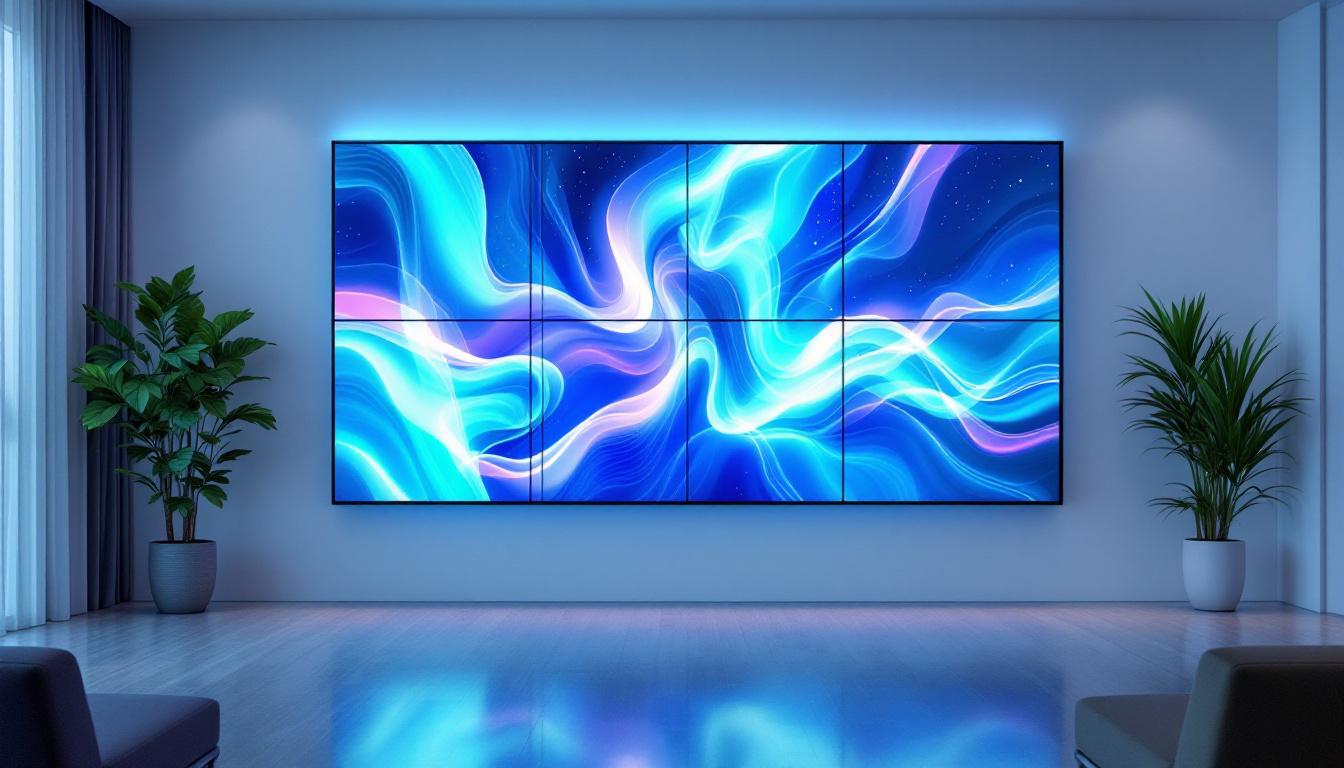
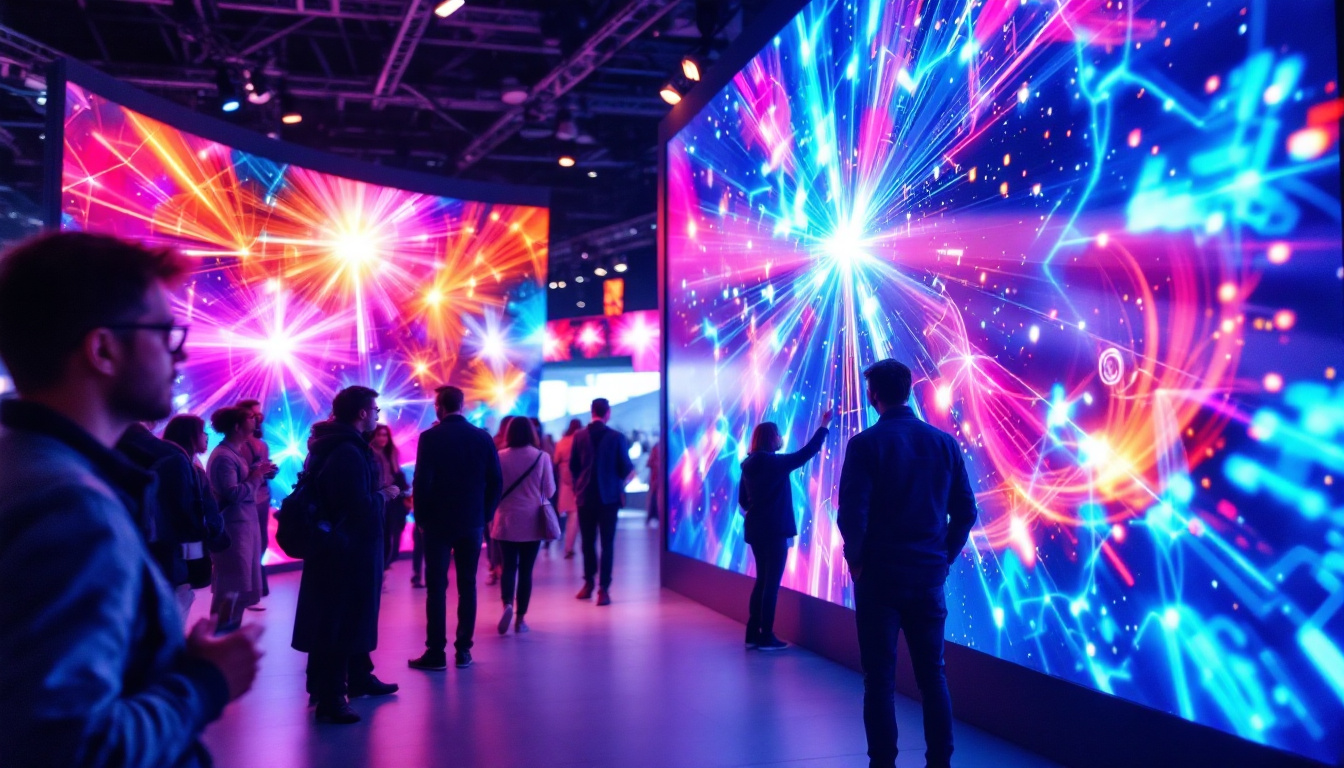
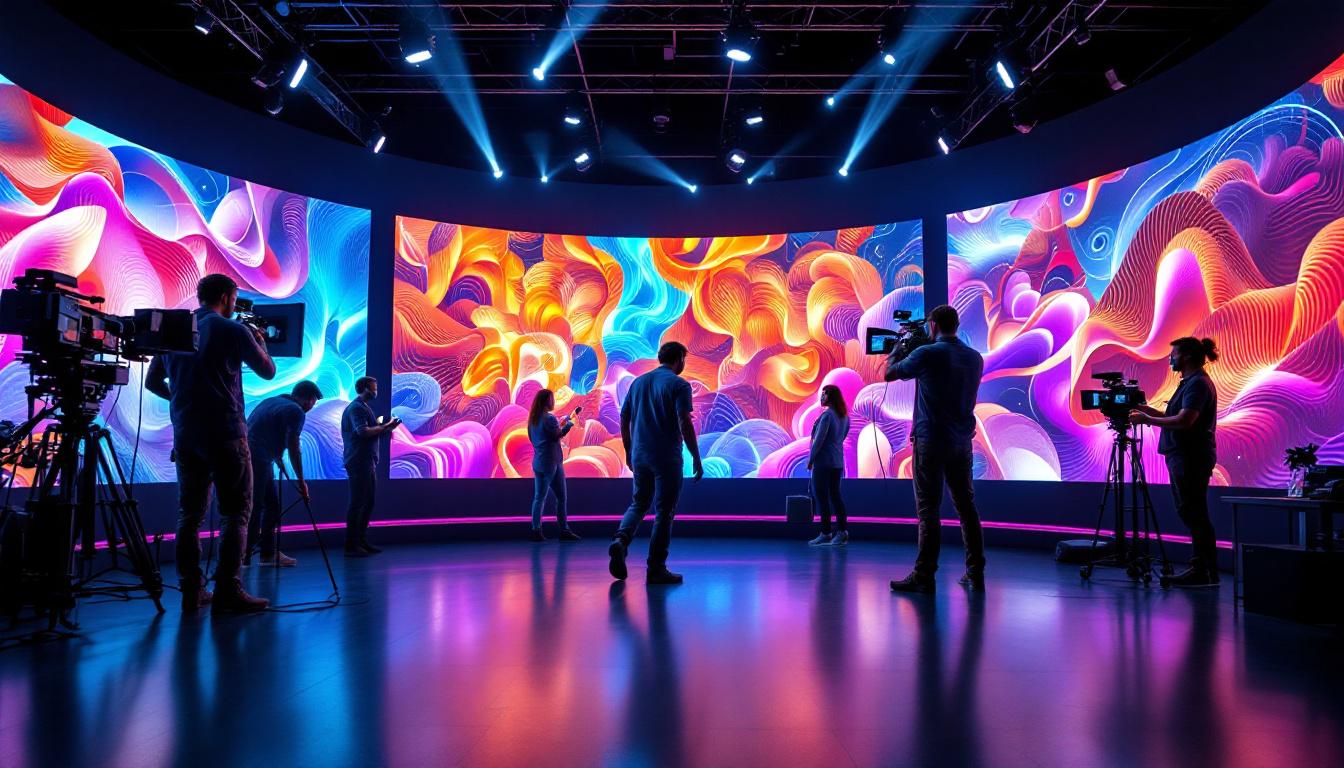
At the heart of many virtual production studios lies the LED display wall, often referred to as an LED volume. These large, high-resolution screens serve as dynamic backgrounds that project photorealistic environments. Unlike green screens, which require extensive post-production to replace backgrounds, LED displays provide real-time visuals that react naturally to camera movements and lighting.
The LED volume creates a parallax effect, where the background shifts perspective based on the camera’s position, enhancing realism. This immersive setup allows actors to perform within the context of the scene, improving performances and reducing guesswork. The integration of these displays also allows for more nuanced lighting effects, as the ambient light from the LED screens can interact with the actors and props, creating a cohesive visual experience that is difficult to achieve with traditional methods.
Additionally, the versatility of LED displays enables filmmakers to easily switch between different environments at the touch of a button. This capability allows for rapid changes in scenery, which can be particularly advantageous during complex shoots that require multiple locations. As filmmakers experiment with this technology, we are likely to see an increase in hybrid storytelling techniques that blend live-action and animation in ways that were previously unimaginable, opening up a new frontier in cinematic expression.
Technical Aspects of LED Displays in Virtual Production
LED Display Specifications
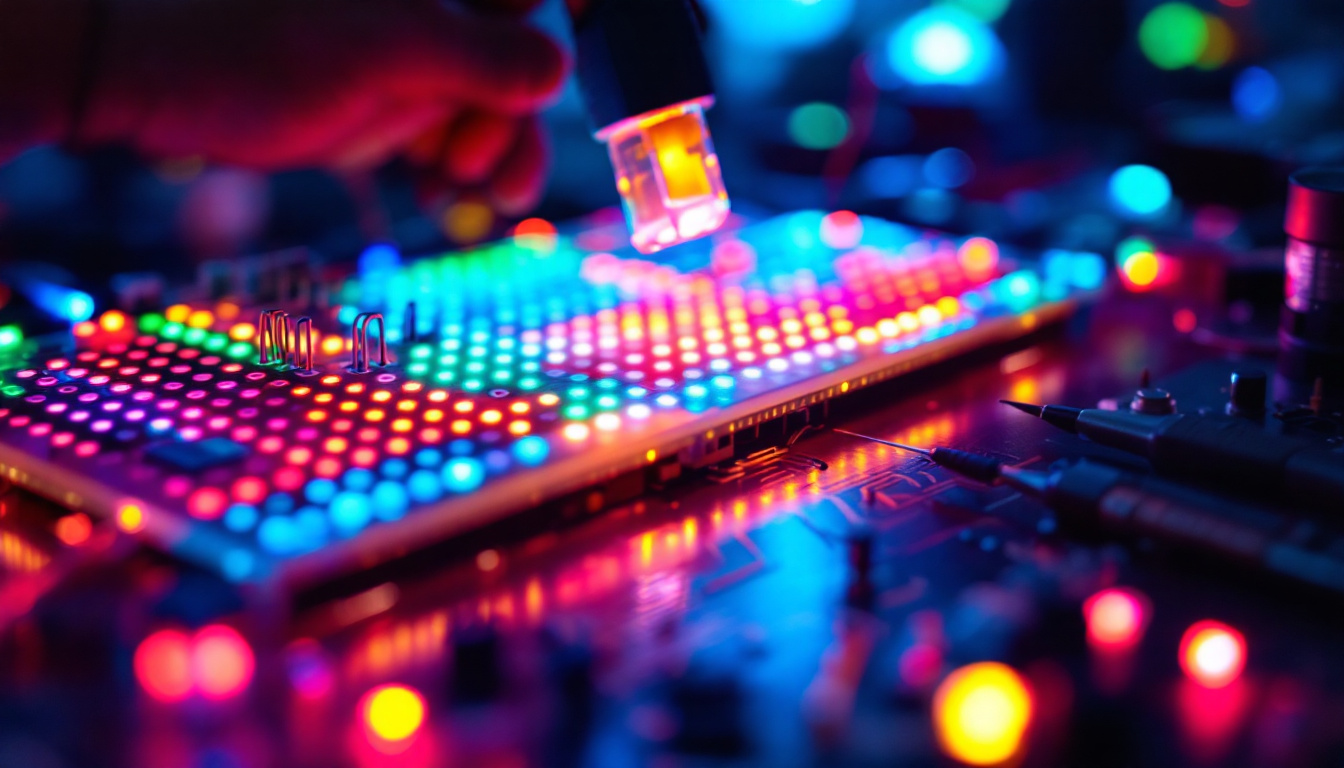
LED displays used in virtual production are specialized panels designed for high brightness, color accuracy, and refresh rates. Typical specifications include:
- Pixel Pitch: The distance between the centers of two adjacent pixels, often ranging from 1.2mm to 2.5mm for close viewing distances.
- Resolution: High resolution is crucial for detailed backgrounds, with many volumes featuring 4K or higher resolutions across the entire display wall.
- Brightness: LED panels can reach brightness levels exceeding 1,000 nits, ensuring vivid visuals even under strong studio lighting.
- Refresh Rate: A high refresh rate (120Hz or more) minimizes flicker and sync issues with camera shutter speeds.
These technical features ensure the LED display produces crisp, vibrant images that integrate seamlessly with live-action footage.
Integration with Real-Time Rendering Engines
LED displays in virtual production are driven by real-time rendering engines such as Unreal Engine or Unity. These platforms render 3D environments dynamically, adjusting perspectives and lighting in response to camera movements.
Real-time rendering enables directors to visualize complex scenes immediately, facilitating creative decisions on the fly. This integration also allows for interactive elements, such as changing weather conditions or time of day, enhancing storytelling possibilities.
Camera Tracking and Synchronization
To maintain the illusion of depth and realism, the LED display content must shift precisely with the camera’s position and orientation. This is achieved through advanced camera tracking systems that relay data to the rendering engine, which updates the displayed imagery accordingly.
Synchronization between the LED refresh rate and camera shutter is critical to avoid flickering or moiré patterns. Modern virtual production setups employ genlock and timecode synchronization to ensure flawless integration.
Advantages of LED Displays Over Traditional Green Screens
Enhanced Realism and Performance
One of the most significant benefits of LED displays is the ability to provide actors with a tangible environment. Unlike green screens, where performers must imagine their surroundings, LED volumes immerse them in the scene, leading to more authentic reactions and interactions.
Additionally, the natural lighting emitted from the LED walls interacts with actors and physical props, producing realistic reflections and shadows that are difficult to replicate with green screen compositing.
Reduced Post-Production Time and Costs
Green screen workflows often require extensive post-production efforts to key out backgrounds and composite CGI elements. LED displays eliminate much of this work by capturing the final background in-camera.
This approach shortens production timelines and reduces costs associated with visual effects, making it an attractive option for studios aiming to optimize budgets without compromising quality.
Creative Flexibility and On-Set Adjustments
With LED volumes, directors can modify virtual environments instantly during filming. Adjustments to lighting, background elements, or camera angles can be made in real time, fostering a more iterative and collaborative creative process.
This flexibility contrasts with green screen productions, where changes often necessitate reshoots or extensive post-production revisions.
Applications of LED Displays in Various Industries
Film and Television Production
The entertainment industry has been the primary driver behind the adoption of LED displays in virtual production. Blockbusters and TV series alike benefit from the technology’s ability to create diverse and expansive environments without location constraints.
For example, “The Mandalorian” employed an LED volume stage to simulate alien landscapes and starships, achieving cinematic visuals while maintaining tight production schedules during the COVID-19 pandemic.
Advertising and Commercials
LED displays are increasingly used in advertising to produce high-impact visuals that captivate audiences. Virtual production enables brands to showcase products in imaginative settings that would be costly or impossible to film traditionally.
Commercial shoots benefit from the rapid turnaround and creative control offered by LED volumes, allowing for multiple scene variations within a single day.
Live Events and Broadcasts
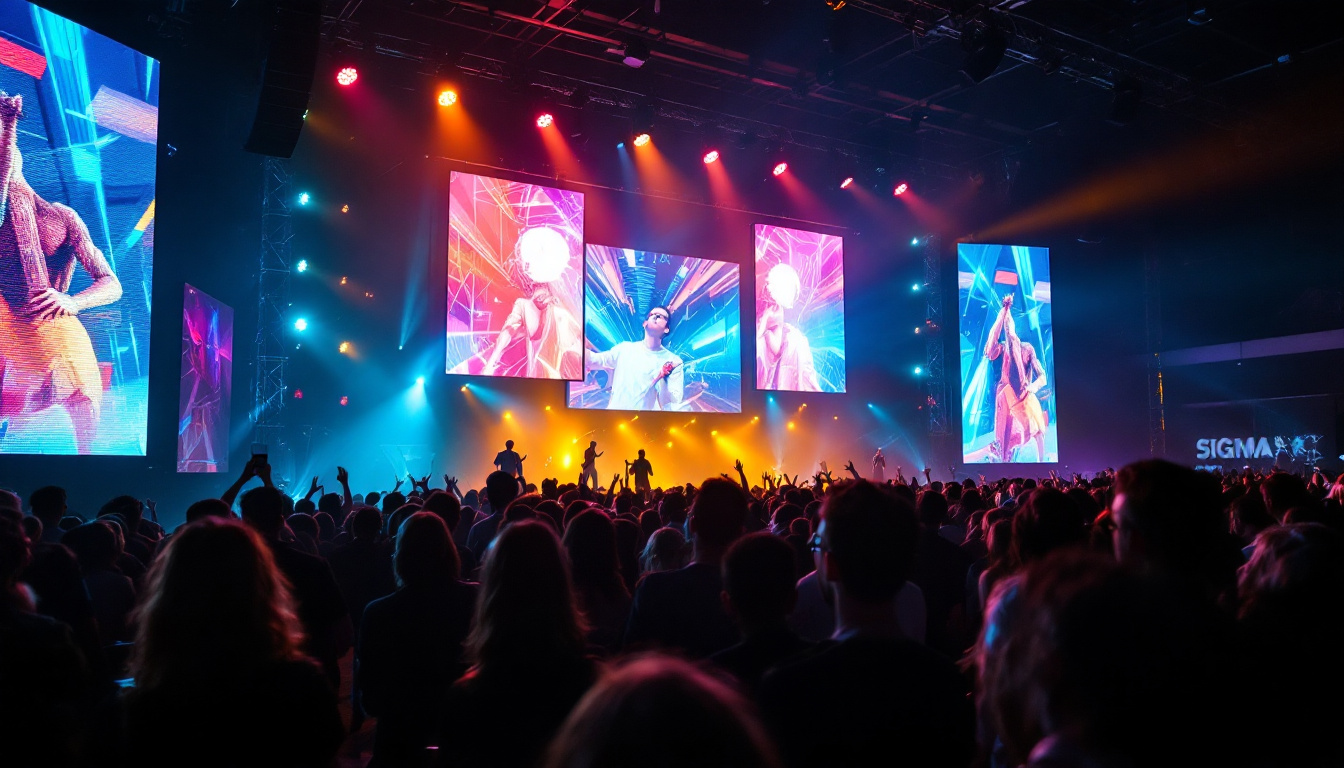
Live event productions and broadcasts utilize LED displays to create dynamic backdrops that enhance viewer engagement. Virtual sets can be altered instantly to suit different segments or themes, providing versatility for live programming.
Sports broadcasts, award shows, and concerts have integrated LED virtual production elements to elevate the visual experience.
Challenges and Considerations in Using LED Displays
Initial Investment and Setup Complexity
While LED display technology offers numerous benefits, the initial cost of building an LED volume can be substantial. High-quality LED panels, real-time rendering hardware, and camera tracking systems require significant capital investment.
Moreover, setting up and calibrating the system demands technical expertise and time, which can be a barrier for smaller productions.
Technical Limitations and Maintenance
Despite advances, LED displays have limitations such as pixel visibility at close distances and potential color calibration drift over time. Maintaining consistent color accuracy and brightness across large panels requires ongoing attention.
Additionally, the sheer size and weight of LED volumes necessitate specialized infrastructure and can limit portability.
Learning Curve and Workflow Adaptation
Transitioning from traditional green screen or location shooting to virtual production with LED displays involves a learning curve. Crews must adapt to new workflows, software tools, and collaborative processes.
Training and experience are essential to fully leverage the technology’s potential and avoid common pitfalls.
The Future of Virtual Production and LED Display Technology
As LED display technology continues to evolve, virtual production studios are poised to become even more sophisticated and accessible. Emerging trends include:
- Higher Resolution and Pixel Density: Advances in microLED and miniLED technology promise even sharper and more seamless visuals.
- Improved Portability: Modular LED panels and streamlined setups will enable greater flexibility for on-location virtual production.
- AI-Driven Content Generation: Artificial intelligence may assist in generating and adjusting virtual environments dynamically, reducing manual workload.
- Expanded Industry Adoption: Beyond entertainment, sectors such as education, healthcare, and architecture are exploring virtual production for immersive simulations and presentations.
These developments suggest that LED display-based virtual production will play a central role in shaping the future of visual storytelling.
Conclusion
LED displays have fundamentally transformed virtual production studios by enabling real-time, immersive environments that enhance creativity, efficiency, and realism. Their integration with advanced rendering engines and tracking systems offers filmmakers and content creators unparalleled control over the visual narrative.
While challenges remain in terms of cost and technical complexity, the benefits of LED volumes—richer performances, reduced post-production, and creative flexibility—make them an invaluable tool in modern production workflows. As technology advances, LED display-driven virtual production is set to become an industry standard, opening new horizons for storytelling across multiple domains.
Discover LumenMatrix LED Display Solutions
Ready to take your production to the next level with the latest in LED display technology? LumenMatrix is at the forefront of creating immersive visual experiences that captivate and engage. From Indoor and Outdoor LED Wall Displays to innovative solutions like Vehicle LED Displays, LED Posters, and even Custom LED Displays, we have everything you need to revolutionize your visual storytelling. Elevate your content creation with our cutting-edge LED display modules. Check out LumenMatrix LED Display Solutions today and see your vision come to life with unparalleled clarity and impact.