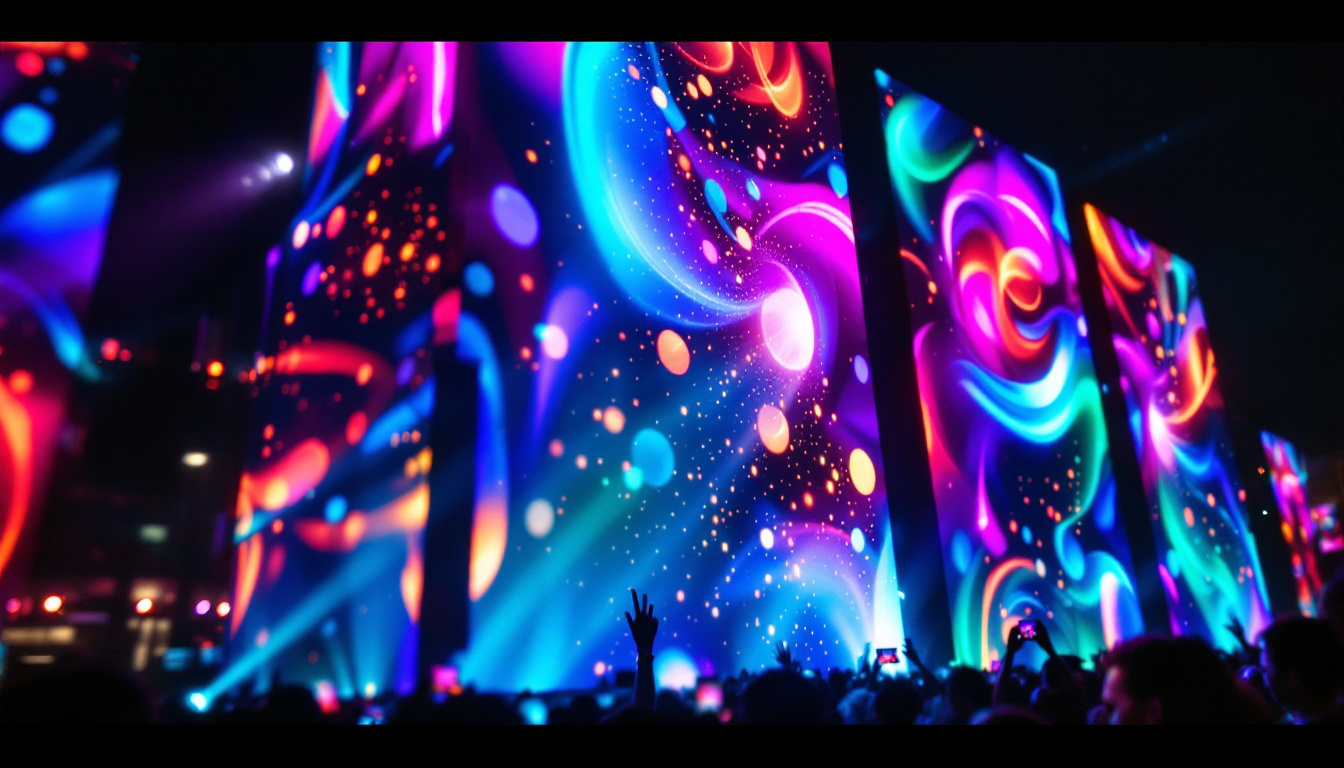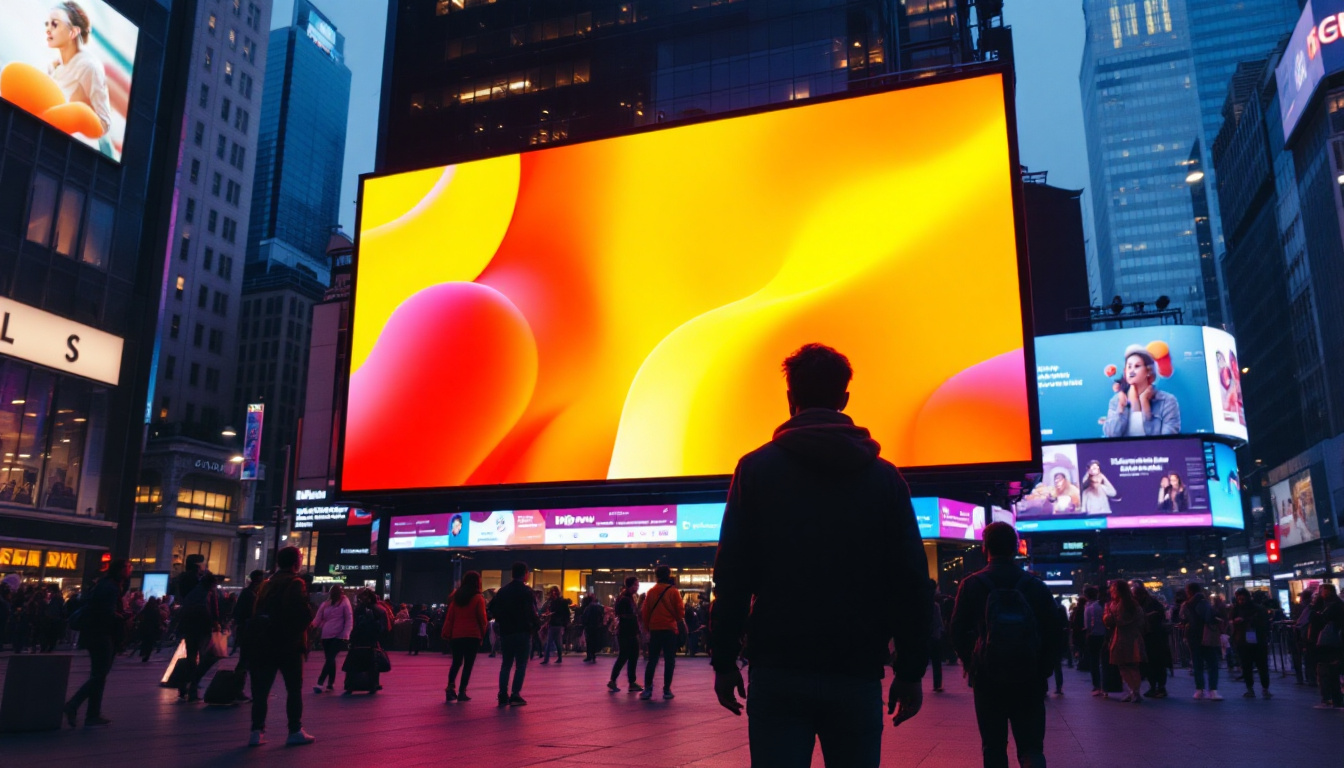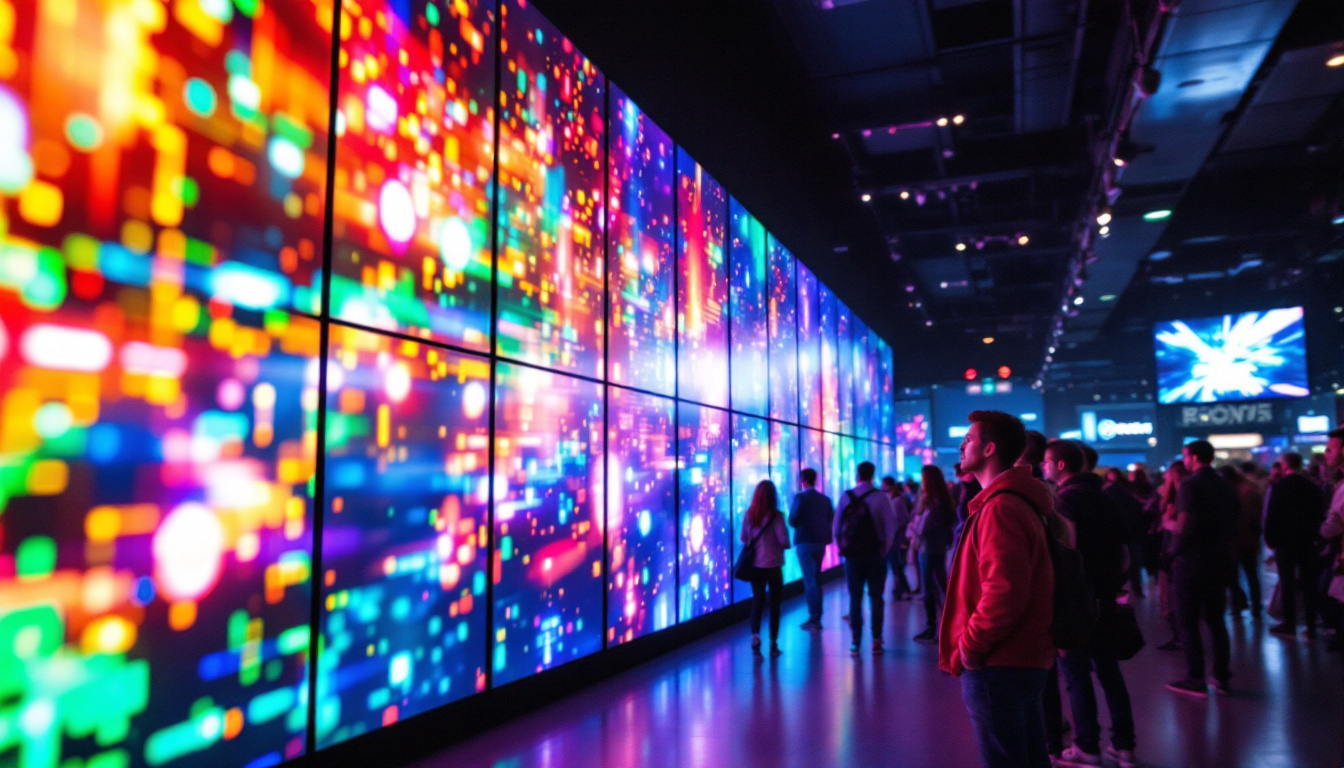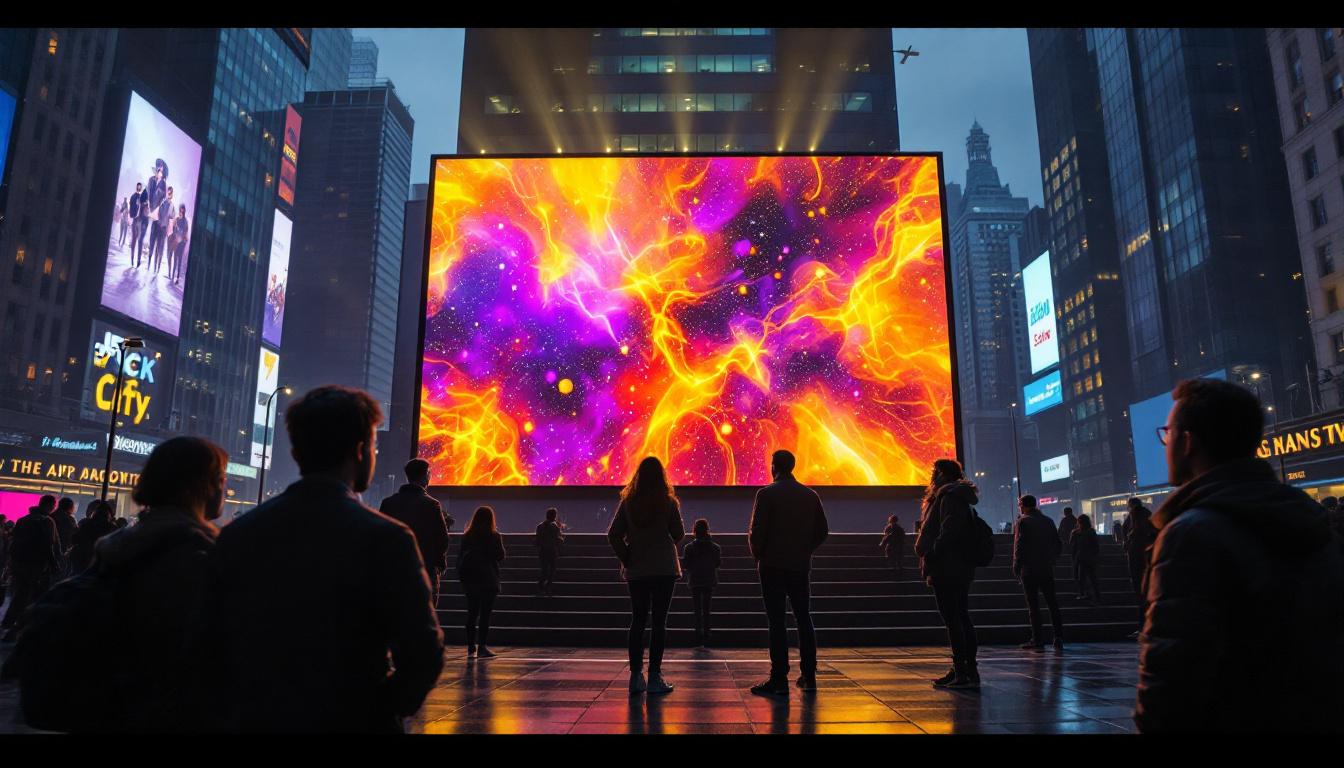
In today’s digital era, LED displays have become ubiquitous—from vibrant billboards lighting up cityscapes to dynamic screens in sports arenas and retail stores. The pixels market, driven by rapid technological advancements and increasing demand for high-quality visual experiences, is evolving at an unprecedented pace. This article delves into the world of LED displays, explaining their technology, applications, and market trends, providing a comprehensive understanding for businesses, marketers, and tech enthusiasts alike.
Understanding LED Display Technology
What is an LED Display?
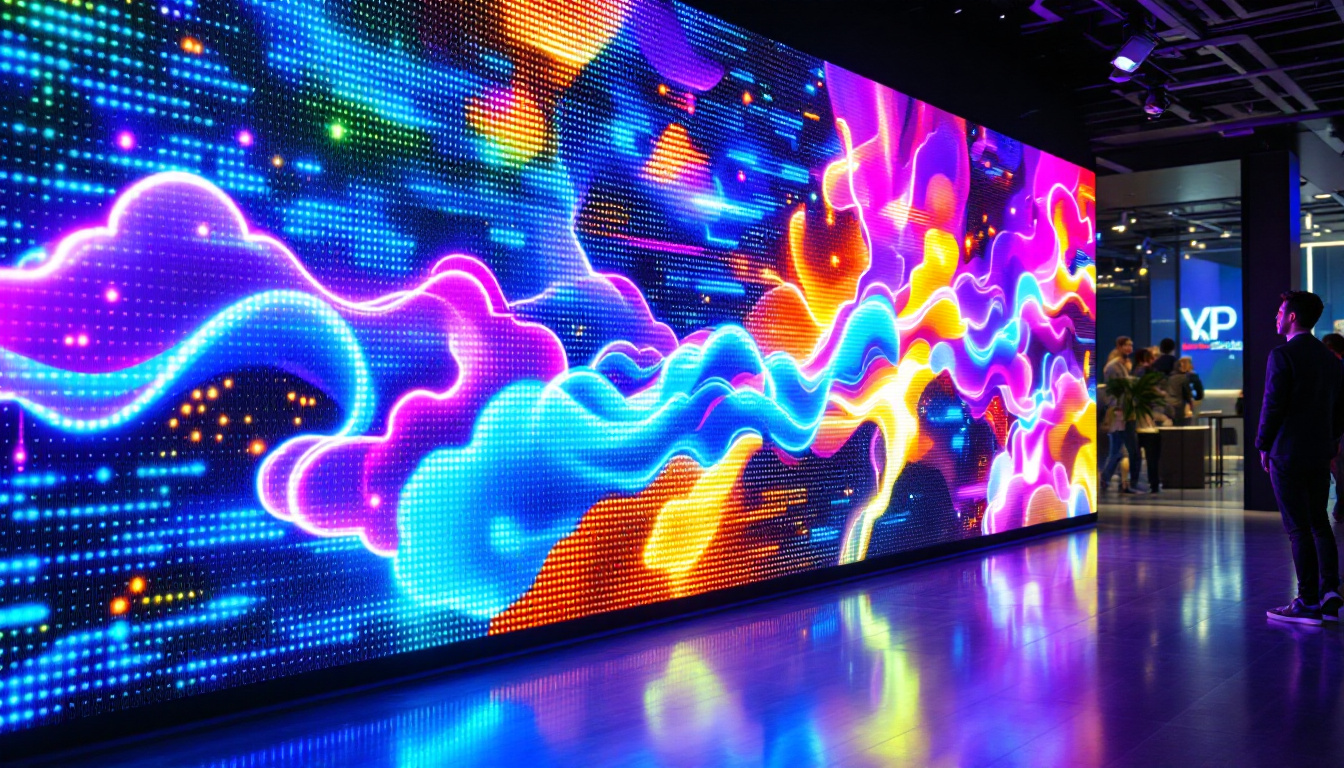
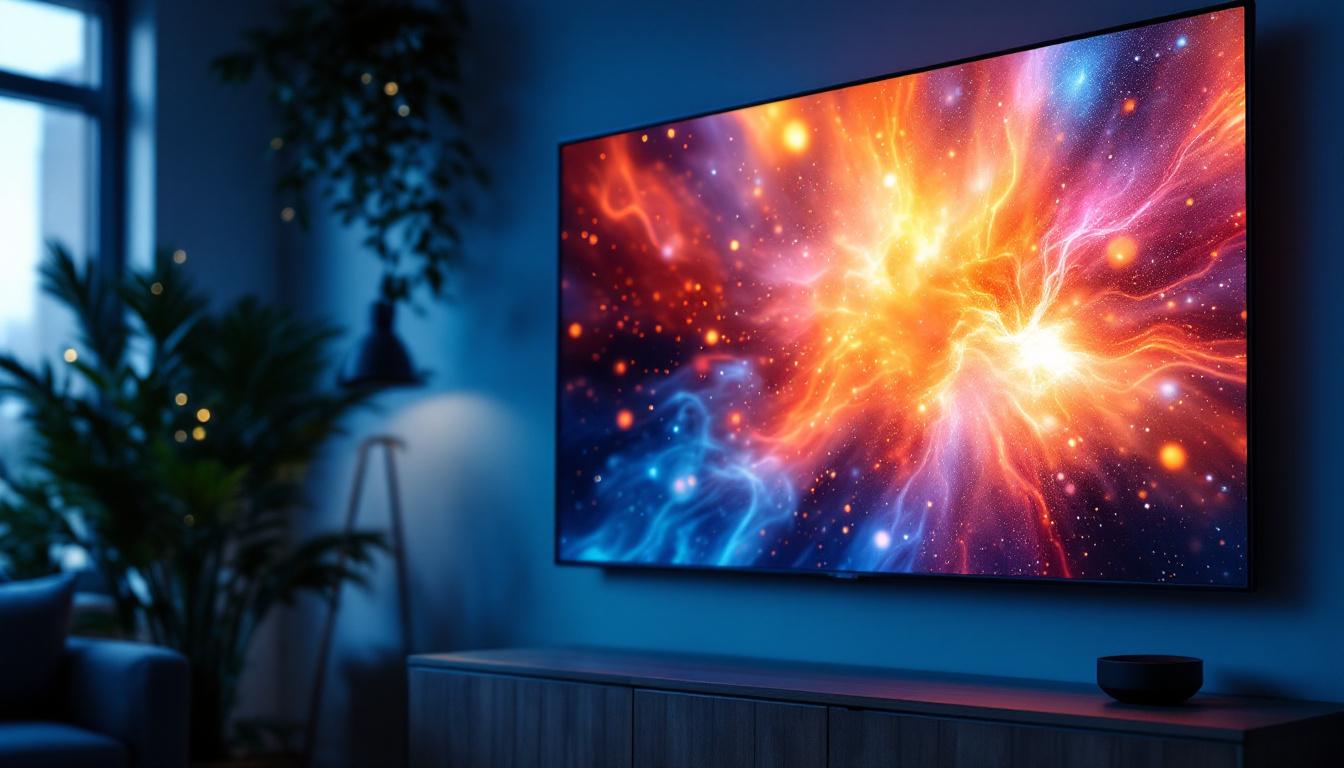
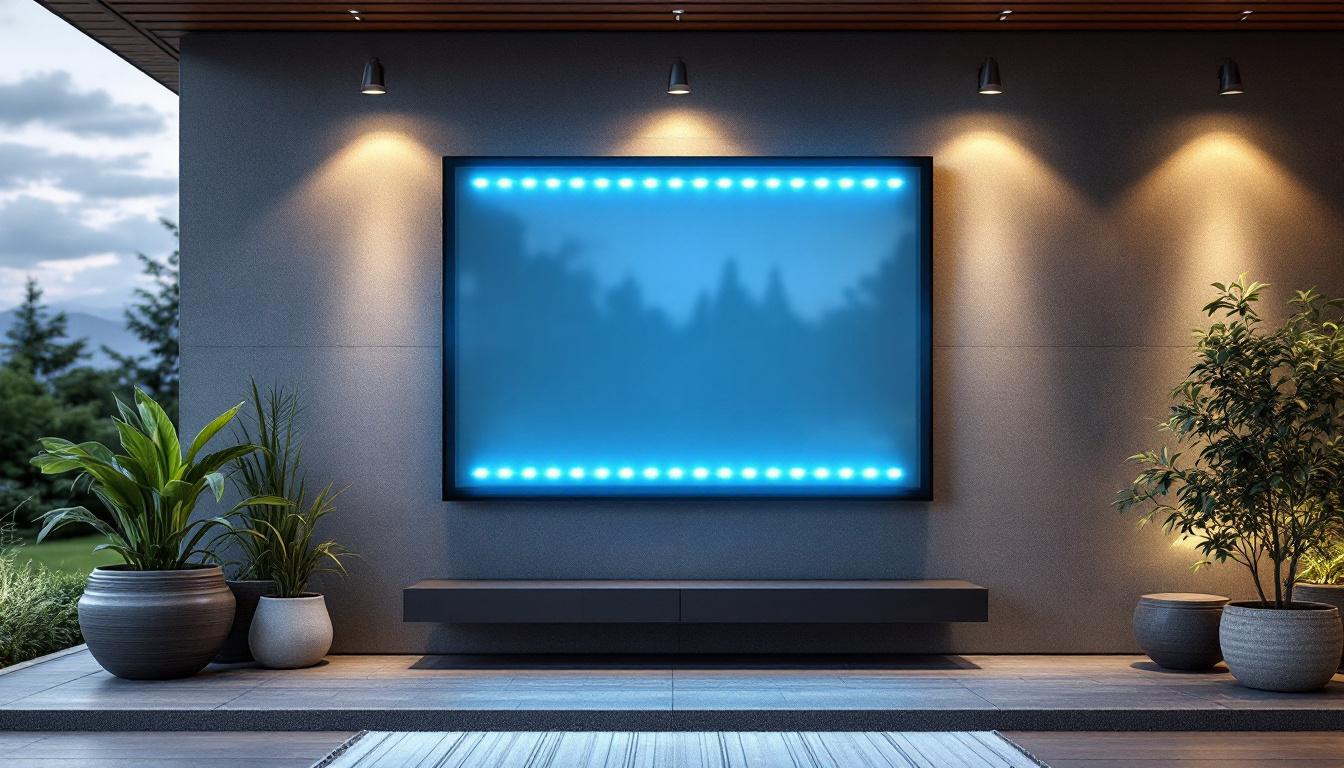
LED stands for Light Emitting Diode, a semiconductor device that emits light when an electric current passes through it. An LED display is a flat panel display that uses an array of LEDs as pixels to create images, videos, or text. Unlike traditional LCDs that rely on backlighting, LED displays produce their own light, resulting in brighter and more vibrant visuals.
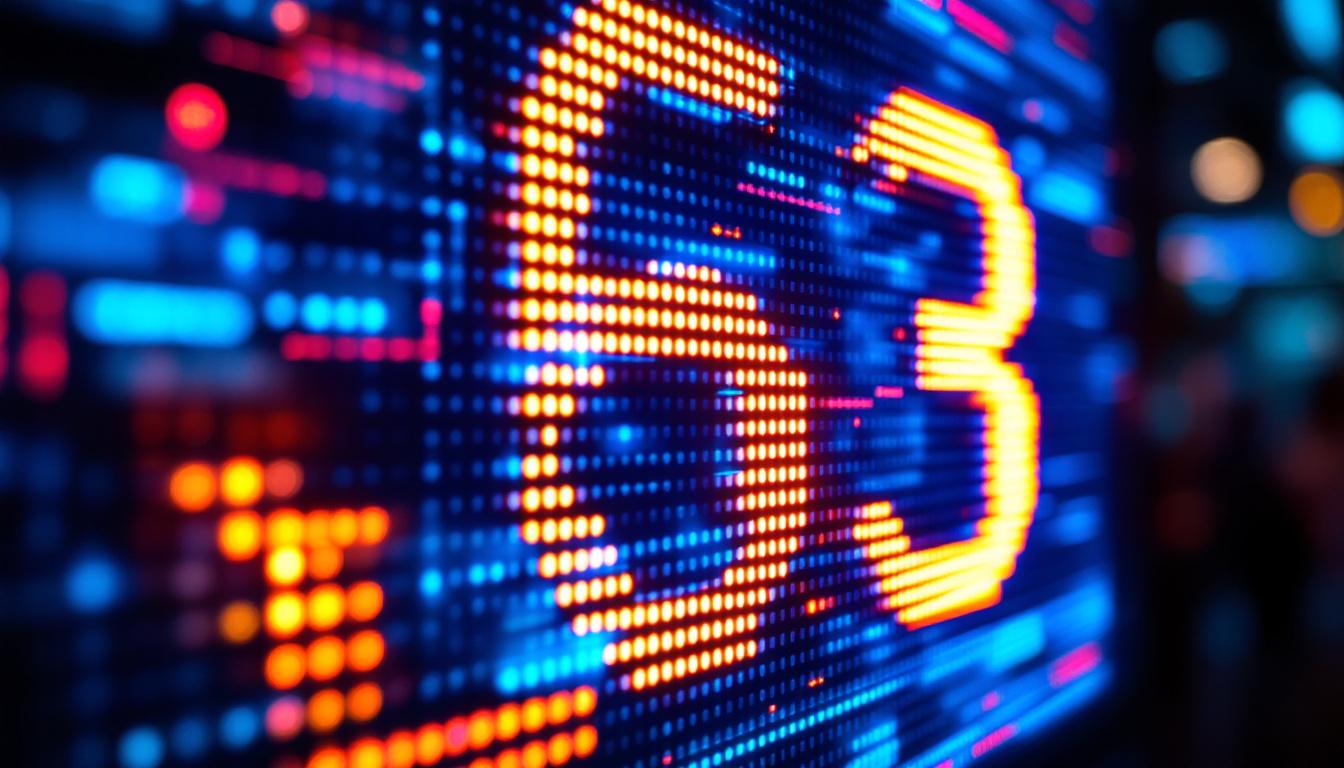
LED displays are composed of thousands to millions of tiny light-emitting diodes arranged in a grid, each acting as a pixel. By controlling the intensity and color of each LED, the display can render detailed and dynamic images. This technology is highly scalable, allowing for screens ranging from small indoor panels to massive outdoor billboards. The energy efficiency of LED technology also plays a significant role in its popularity, as it consumes less power compared to other display technologies, making it an environmentally friendly option.
Furthermore, the longevity of LED displays is another key advantage. With a lifespan that can exceed 100,000 hours, these displays offer a cost-effective solution for businesses and organizations looking to invest in long-term visual communication tools. The low maintenance requirements and resilience to temperature fluctuations further enhance their appeal, making them suitable for a variety of settings, from retail environments to large-scale events.
Types of LED Displays
LED displays come in various forms, primarily categorized into:
- Indoor LED Displays: Designed for close viewing distances and controlled lighting environments, these displays have a high pixel density (small pixel pitch) to ensure sharp images and clear text. They are commonly used in venues such as theaters, conference rooms, and retail spaces where clarity and detail are paramount.
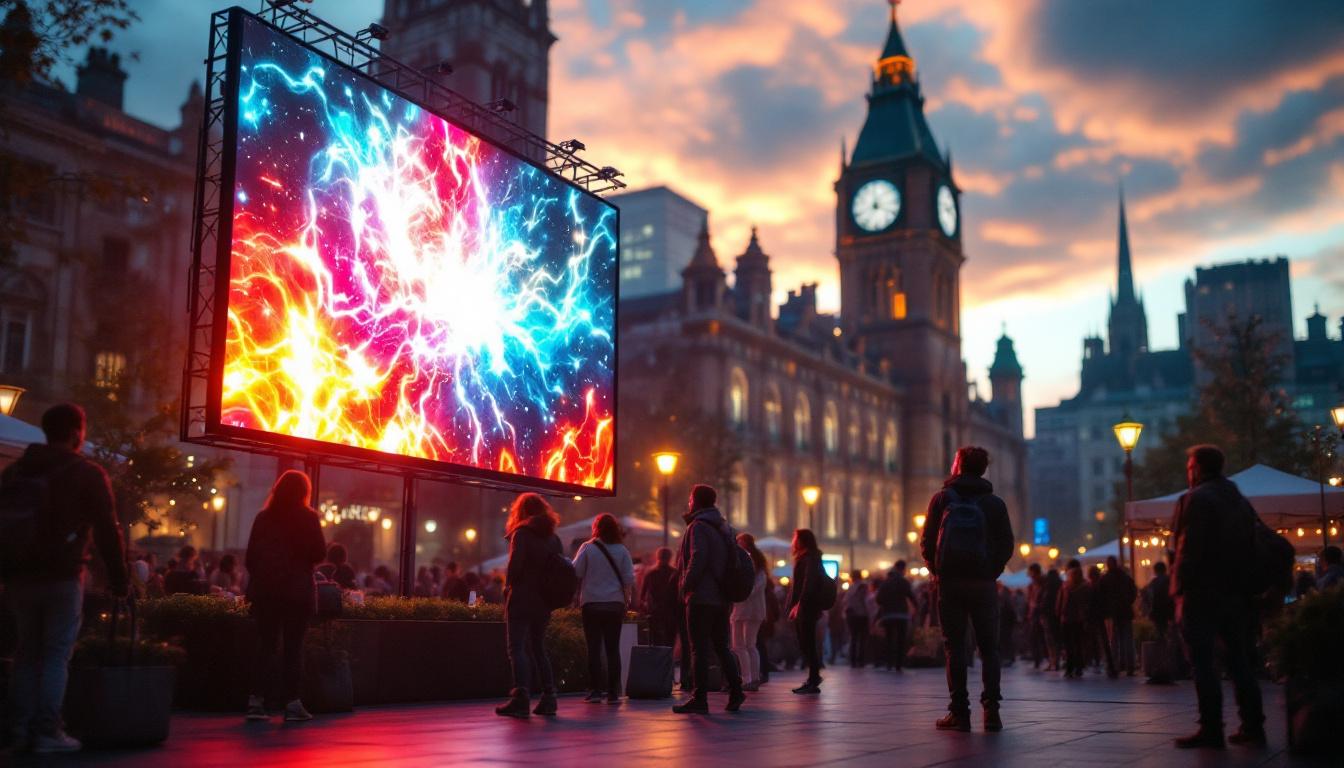
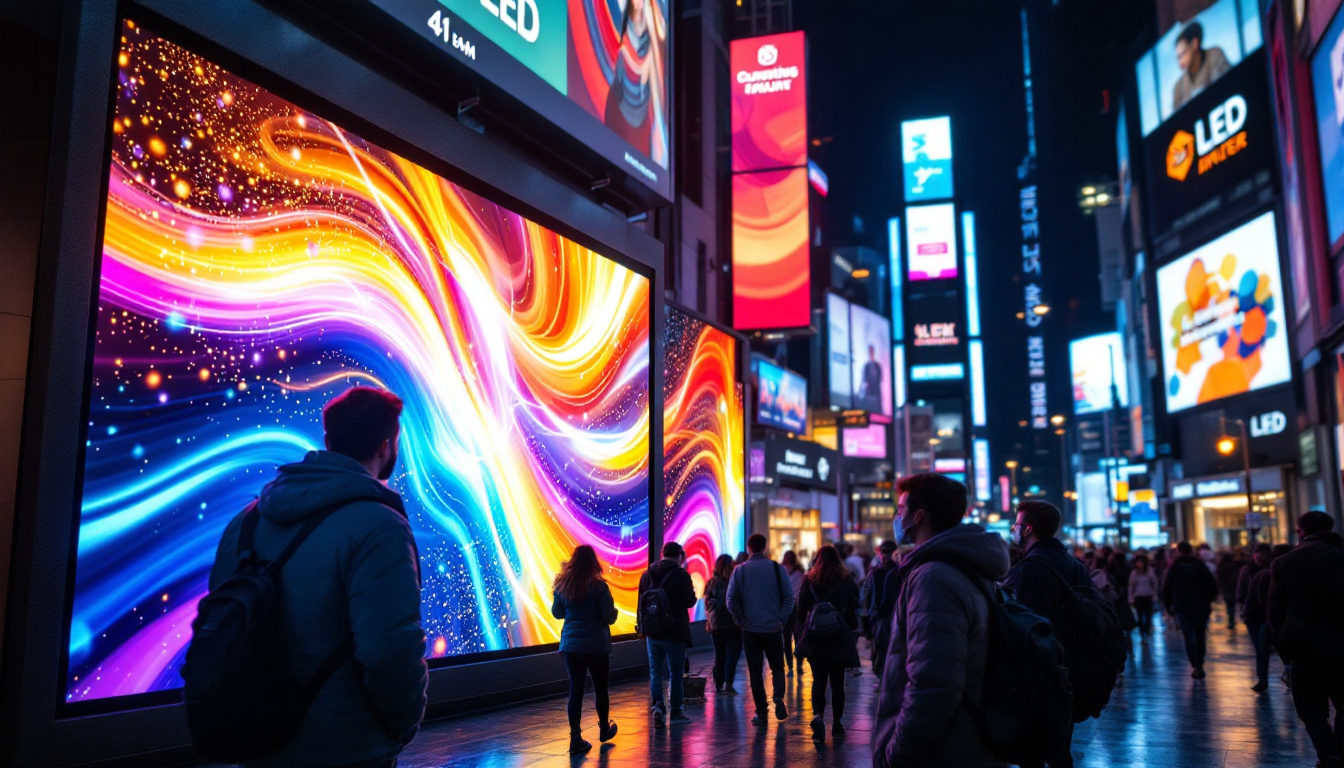
- Outdoor LED Displays: Built to withstand harsh weather conditions and bright sunlight, these displays have larger pixel pitches but higher brightness levels, often exceeding 5,000 nits. They are frequently utilized for advertising billboards, sports arenas, and public information displays, where visibility from a distance is crucial.
- Flexible and Transparent LED Displays: Innovative designs that allow the screen to bend or remain see-through, enabling creative installations in architecture and retail. These displays open up new possibilities for immersive experiences, allowing brands to engage customers in unique ways, such as through interactive storefronts or dynamic art installations.
Each type serves different purposes and requires specific technical considerations, such as brightness, resolution, and durability. Additionally, advancements in LED technology have led to the development of high dynamic range (HDR) capabilities, enhancing color accuracy and contrast, which is particularly beneficial for applications in broadcasting and high-end cinema. As the demand for high-quality visual displays continues to grow, the versatility and adaptability of LED technology position it as a leading choice in the evolving landscape of digital signage and display solutions.
How LED Displays Work: Pixels and Color Reproduction
The Role of Pixels in LED Displays
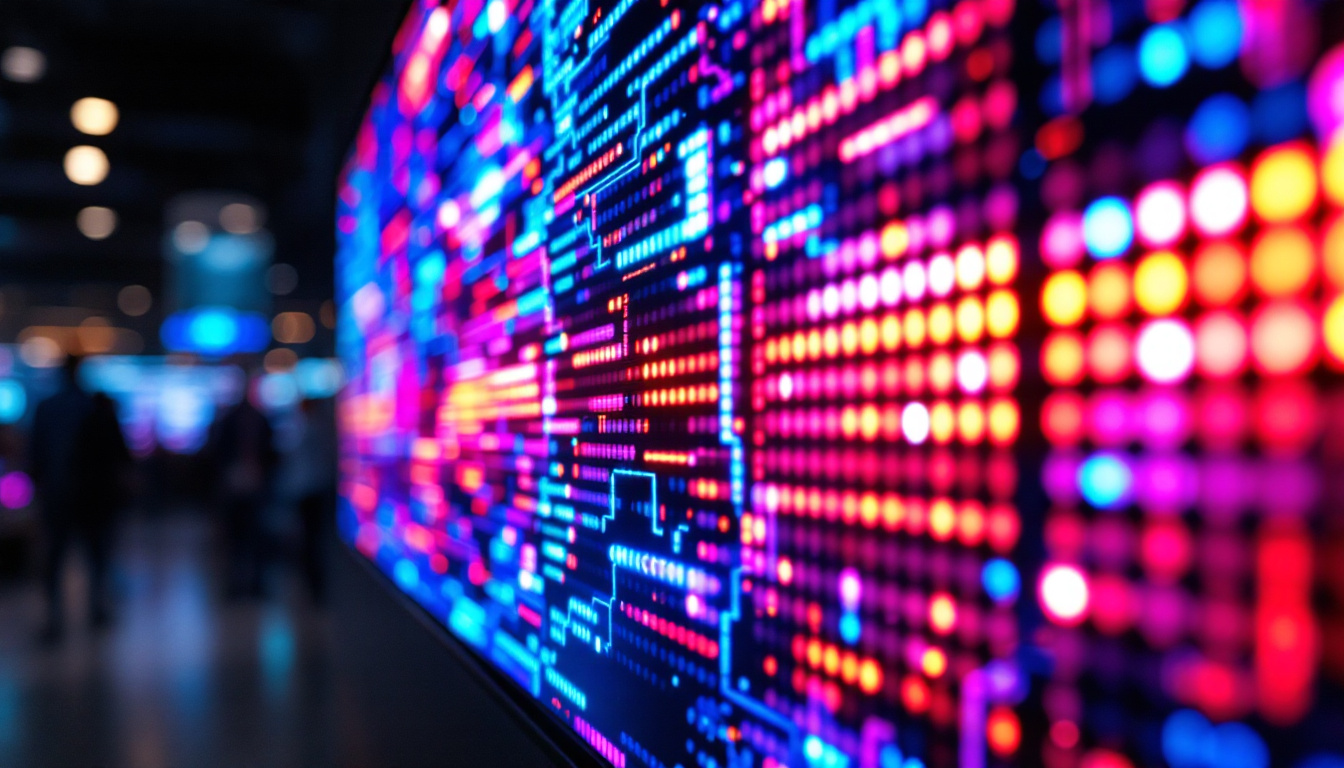
Pixels are the fundamental building blocks of any digital display. In LED screens, each pixel typically consists of three sub-pixels: red, green, and blue (RGB). By varying the intensity of these sub-pixels, the display can reproduce a wide spectrum of colors. This RGB model is the foundation of color reproduction in digital screens.
The pixel pitch, which is the distance between the centers of two adjacent pixels, directly affects image clarity. A smaller pixel pitch means more pixels per square meter, resulting in higher resolution and sharper images. For example, an indoor LED display might have a pixel pitch as small as 1.2 mm, while an outdoor display might range from 4 mm to 20 mm or more.
Brightness and Contrast
Brightness is a critical factor for LED displays, especially for outdoor applications where sunlight can wash out images. LED displays typically offer brightness levels from 800 nits for indoor use to over 10,000 nits for outdoor screens. High brightness ensures visibility in direct sunlight and enhances the vibrancy of colors.
Contrast ratio, the difference between the darkest black and the brightest white, is another important metric. LED displays generally provide excellent contrast due to their ability to turn off individual LEDs completely, producing true blacks and vivid colors.
Applications of LED Displays Across Industries
Advertising and Digital Signage
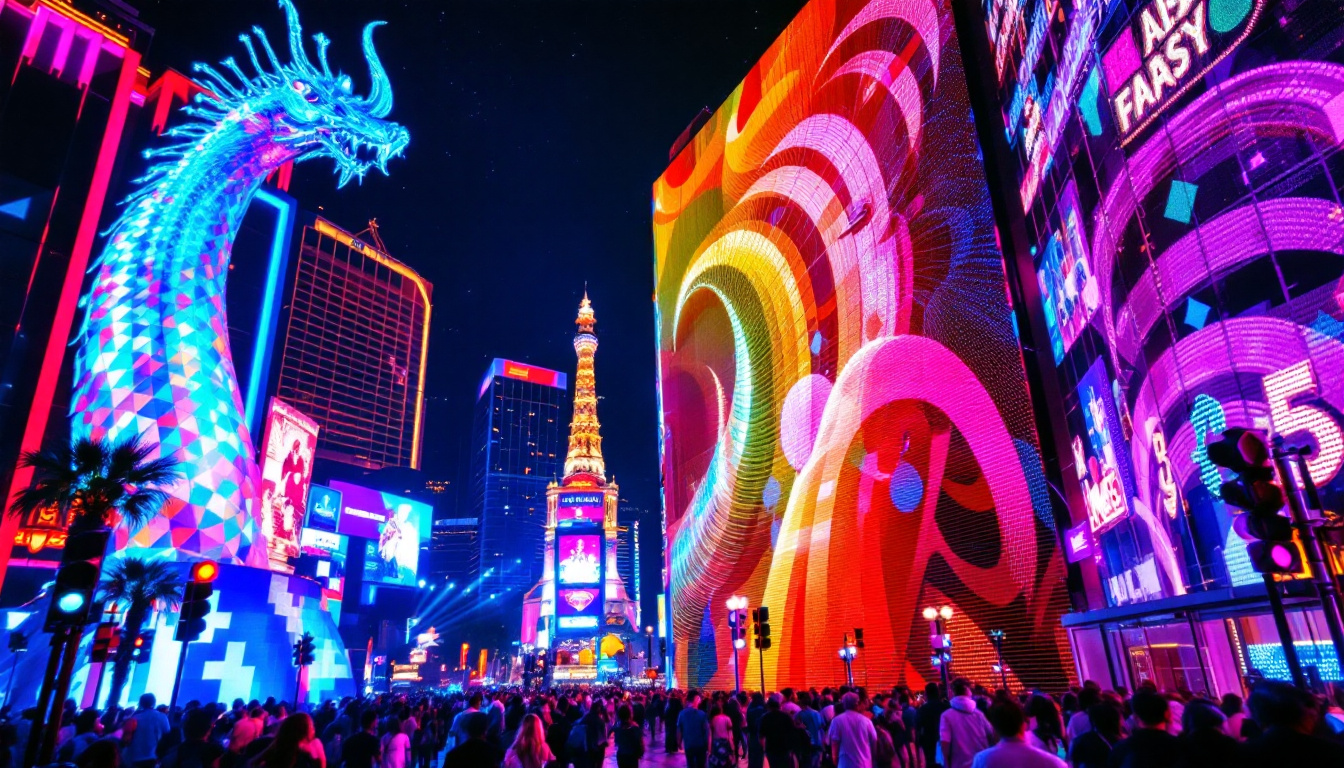
One of the most prominent uses of LED displays is in advertising. Digital billboards and signage offer dynamic, eye-catching content that can be updated remotely and frequently. According to a report by Grand View Research, the global digital signage market is expected to reach $31.71 billion by 2028, growing at a CAGR of 8.4%. LED technology is a key driver of this growth due to its brightness, durability, and energy efficiency.
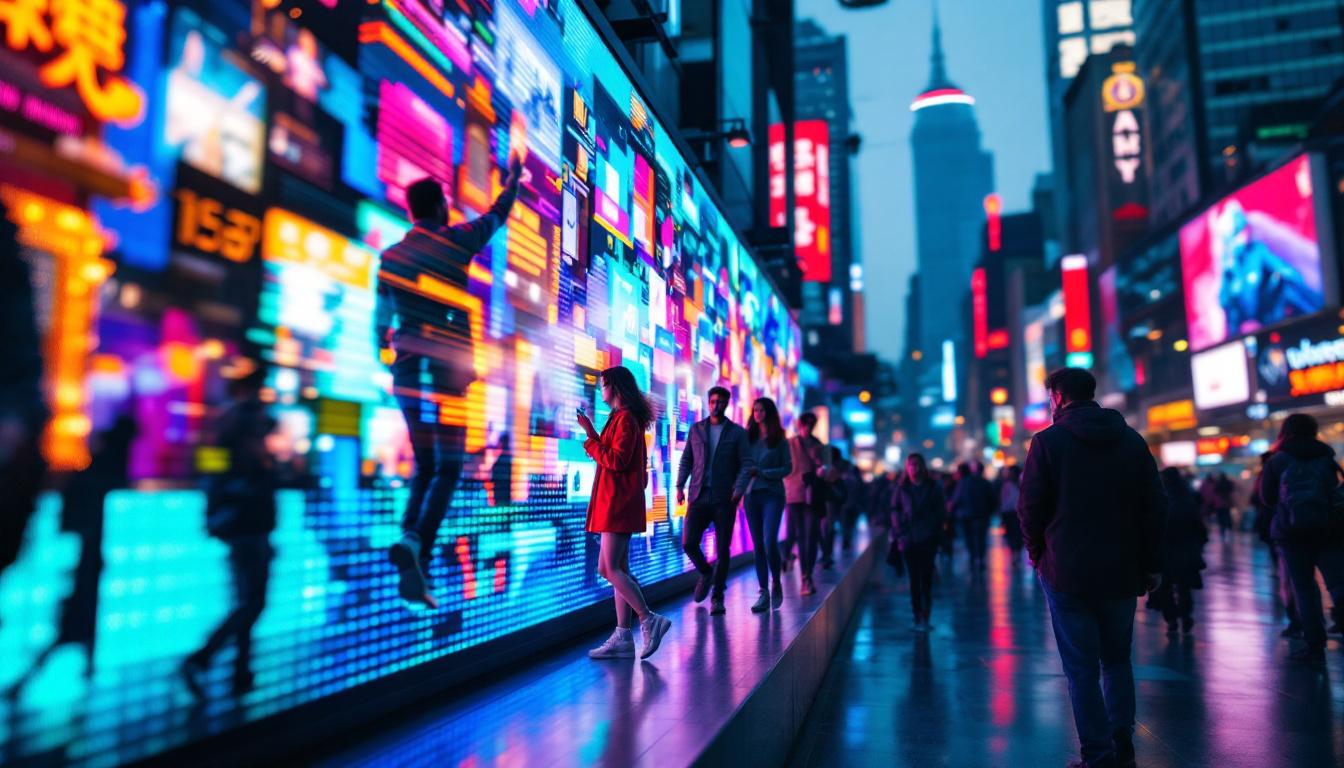
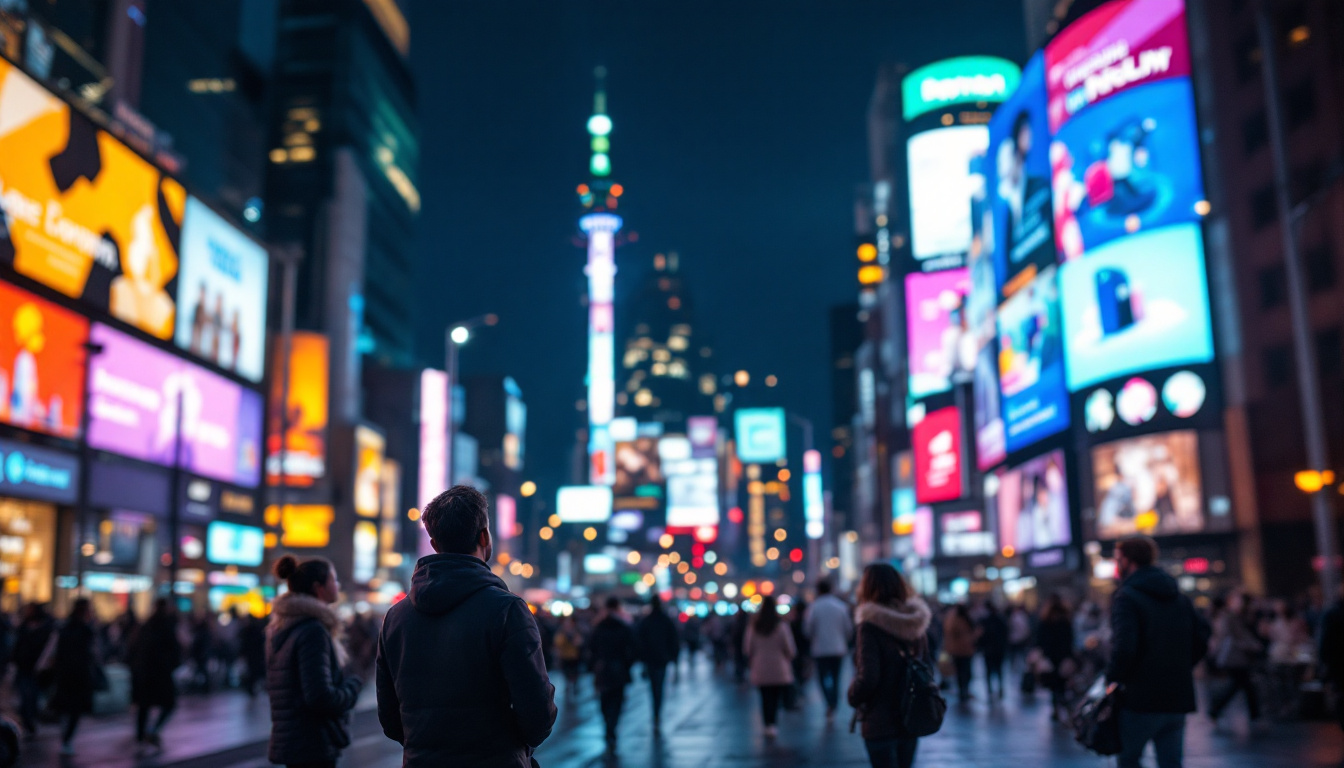
Retailers leverage LED displays to create immersive shopping experiences, promote products, and enhance brand visibility. For example, Times Square in New York City is famous for its massive LED billboards that attract millions of viewers daily.
Sports and Entertainment Venues
Stadiums and arenas utilize large-scale LED displays to engage audiences with live scores, replays, and advertisements. The ability to display high-resolution content on giant screens enhances the spectator experience. The 2022 FIFA World Cup, for instance, featured cutting-edge LED displays that provided clear visuals to tens of thousands of fans in the stadium and millions watching worldwide.
Transportation and Public Information
LED displays are widely used in airports, train stations, and bus terminals to provide real-time information such as arrivals, departures, and safety messages. Their high visibility and reliability make them ideal for public spaces where timely communication is essential.
Corporate and Educational Environments
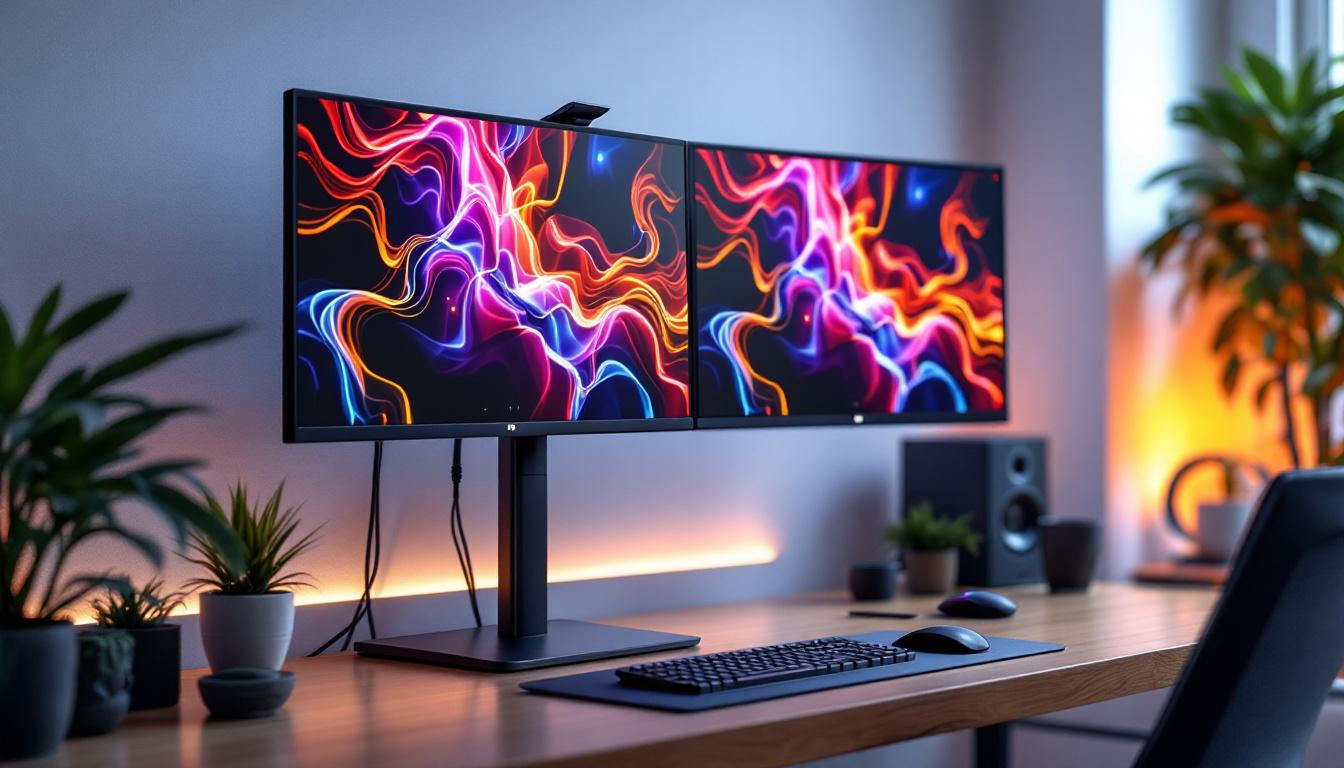
In corporate settings, LED displays are used for presentations, video conferencing, and digital dashboards. Educational institutions employ LED screens for interactive learning, digital notice boards, and event broadcasting, enhancing engagement and information dissemination.
Market Trends and Innovations in the LED Display Industry
Mini-LED and Micro-LED Technologies
Recent advancements in LED technology have introduced mini-LED and micro-LED displays, which use smaller LEDs to achieve even higher resolutions and better color accuracy. Mini-LEDs, with sizes around 100-200 micrometers, enable improved local dimming and contrast, making them popular in high-end TVs and monitors.
Micro-LEDs, even smaller at about 10 micrometers, promise superior brightness, energy efficiency, and lifespan compared to OLED and traditional LED displays. Although still emerging, micro-LED technology is poised to revolutionize the market in the coming years.
Energy Efficiency and Sustainability
With growing environmental concerns, the LED display industry is focusing on energy-efficient designs and sustainable manufacturing processes. LEDs inherently consume less power than other display technologies, but innovations such as adaptive brightness control and recyclable materials are further reducing the environmental footprint.
Integration with IoT and AI
Smart LED displays integrated with Internet of Things (IoT) devices and Artificial Intelligence (AI) are enabling personalized content delivery and interactive experiences. For example, AI-powered analytics can adjust advertising content based on audience demographics and behavior in real-time, enhancing marketing effectiveness.
Choosing the Right LED Display: Key Considerations
Resolution and Pixel Pitch
When selecting an LED display, understanding the viewing distance and desired image quality is crucial. Indoor displays require higher resolution and smaller pixel pitch for close viewing, while outdoor displays prioritize brightness and durability over ultra-high resolution.
Brightness and Environmental Conditions
Assessing the ambient lighting conditions where the display will be installed helps determine the necessary brightness. Outdoor displays must handle direct sunlight and weather exposure, necessitating higher brightness and robust enclosures.
Installation and Maintenance
Considerations such as ease of installation, modularity, and maintenance access impact long-term operational costs. Many modern LED displays feature modular panels that simplify repairs and upgrades.
Budget and Total Cost of Ownership
While initial costs vary widely based on size and technology, total cost of ownership includes energy consumption, maintenance, and potential downtime. Investing in quality LED displays with efficient components can yield significant savings over time.
Future Outlook for the Pixels Market
The pixels market for LED displays is expected to continue its robust growth, driven by expanding applications in retail, entertainment, transportation, and smart cities. According to MarketsandMarkets, the LED display market is projected to reach $30 billion by 2027, fueled by innovations in micro-LED technology and increasing demand for high-definition digital signage.
Emerging trends such as augmented reality (AR) integration, interactive touch capabilities, and flexible display formats will open new avenues for creative and functional uses of LED screens. As technology advances, LED displays will become more immersive, energy-efficient, and adaptable, solidifying their role as a cornerstone of modern visual communication.
Conclusion
LED displays have transformed the way information and advertising are presented in public and private spaces. Understanding the technology behind LED pixels, their applications, and market dynamics is essential for businesses and professionals aiming to leverage this powerful medium. From vibrant digital billboards to interactive corporate displays, LED technology offers unmatched brightness, durability, and versatility.
As the pixels market evolves with innovations like mini-LED and micro-LED, energy-efficient designs, and AI integration, the future of LED displays promises even more dynamic and engaging visual experiences. Staying informed about these developments enables stakeholders to make strategic decisions and harness the full potential of LED display technology.
Illuminate Your Space with LumenMatrix
Ready to elevate your visual communication with cutting-edge LED technology? Discover LumenMatrix’s comprehensive range of LED display solutions, from the vibrant Indoor LED Wall Display to the robust Outdoor LED Wall Display, and beyond. Whether you’re looking to captivate passersby with a Vehicle LED Display, engage sports fans with a dynamic LED Sports Display, or create a unique environment with a Custom LED Display, LumenMatrix has the innovative products to bring your vision to life. Check out LumenMatrix LED Display Solutions today and transform your space into a beacon of engagement and clarity.