In today’s rapidly evolving digital landscape, LED displays have become an integral part of advertising, information dissemination, and entertainment. However, when it comes to outdoor or harsh environment applications, the durability and weather resistance of these displays become paramount. This is where waterproof LED boards come into play. Understanding what makes an LED display waterproof, how it functions, and its practical applications can help businesses and individuals make informed decisions about their digital signage needs.
What Are Waterproof LED Boards?
Waterproof LED boards are specialized electronic display panels designed to operate reliably in wet or humid conditions without damage or performance degradation. Unlike standard LED displays, these boards are engineered with protective features that prevent water ingress, dust accumulation, and corrosion, ensuring longevity and consistent visual output.
The core technology behind waterproof LED boards involves sealing the LED modules and electronic components within enclosures that meet specific international protection standards, such as the IP (Ingress Protection) rating system. Typically, waterproof LED boards used outdoors have an IP65 rating or higher, indicating complete protection against dust and water jets from any direction. These boards are not only designed for functionality but also for versatility, making them suitable for various applications, including advertising, event displays, and even architectural lighting.
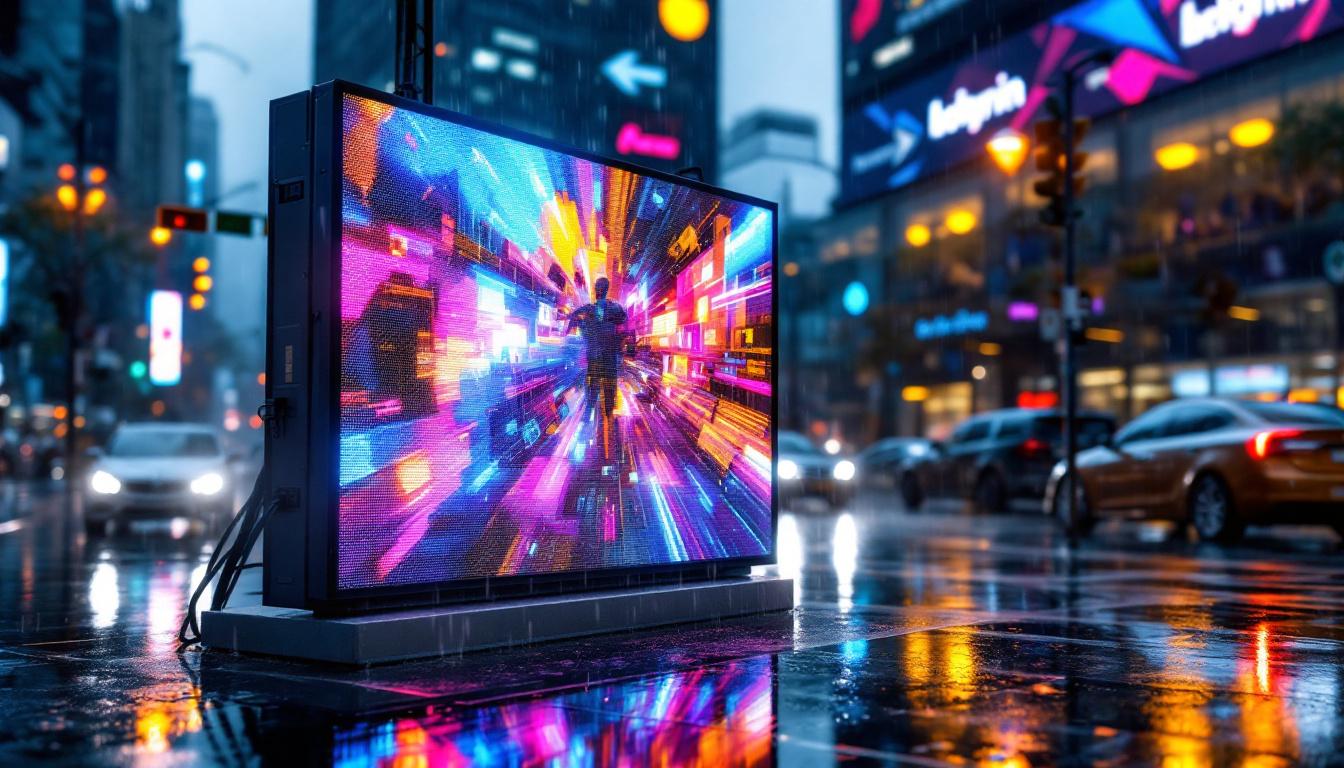
One of the key advantages of waterproof LED boards is their ability to maintain brightness and clarity in challenging weather conditions. Whether it’s heavy rain, snow, or extreme humidity, these displays ensure that the content remains visible and vibrant. This reliability makes them an ideal choice for outdoor advertising, where visibility is crucial for capturing the attention of potential customers. Moreover, the durability of these boards often translates to lower maintenance costs, as they are less likely to suffer damage from environmental factors compared to their non-waterproof counterparts.
Understanding IP Ratings and Their Importance
The IP rating is a critical factor when selecting a waterproof LED display. It consists of two digits: the first refers to protection against solid particles like dust, and the second indicates protection against liquids. For example, an IP65 rating means the device is dust-tight and can withstand water projected from a nozzle.
For outdoor LED displays, IP65 to IP68 ratings are common. IP68-rated boards can endure continuous immersion in water, making them suitable for extreme environments such as underwater installations or areas prone to flooding. Choosing the right IP rating ensures that the LED display will function optimally regardless of weather conditions. Additionally, understanding the specific requirements of your installation site can help in selecting the most appropriate board; for instance, locations near saltwater may necessitate extra corrosion-resistant features to combat the harsh marine environment.
Furthermore, the importance of IP ratings extends beyond mere waterproofing. They also play a crucial role in determining the overall lifespan and reliability of the LED boards. Displays with higher IP ratings are often built with more robust materials and advanced sealing techniques, which contribute to their resilience against not just water, but also extreme temperatures and UV exposure. This makes them a wise investment for businesses looking to maximize their advertising potential while minimizing downtime due to repairs or replacements.
Key Components That Make LED Boards Waterproof
Waterproofing an LED display is not simply about covering it with a protective layer. It involves a combination of design features and materials that work together to prevent water damage while maintaining display quality.
Sealed LED Modules
The LED modules themselves are encapsulated using waterproof materials such as silicone or epoxy resins. This sealing process protects the delicate diodes and circuitry from moisture and contaminants. Additionally, the modules are often designed with drainage channels to prevent water accumulation.
Water-Resistant Enclosures
The outer casing of waterproof LED boards is typically made from corrosion-resistant materials like aluminum alloy or stainless steel, which can withstand exposure to rain, saltwater, and UV rays. These enclosures are tightly sealed with rubber gaskets and specialized adhesives to prevent water from entering the internal components.
Protective Coatings and Conformal Coating
Many waterproof LED boards feature conformal coatings applied to circuit boards. These thin polymeric films protect electronic components from moisture, dust, and chemical exposure without interfering with electrical performance. This additional layer of protection is essential for boards used in environments with high humidity or salt spray.
Applications of Waterproof LED Displays
Waterproof LED boards are widely used across various industries due to their robustness and versatility. Their ability to maintain performance in challenging environments makes them ideal for both commercial and public sector applications.
Outdoor Advertising and Digital Billboards
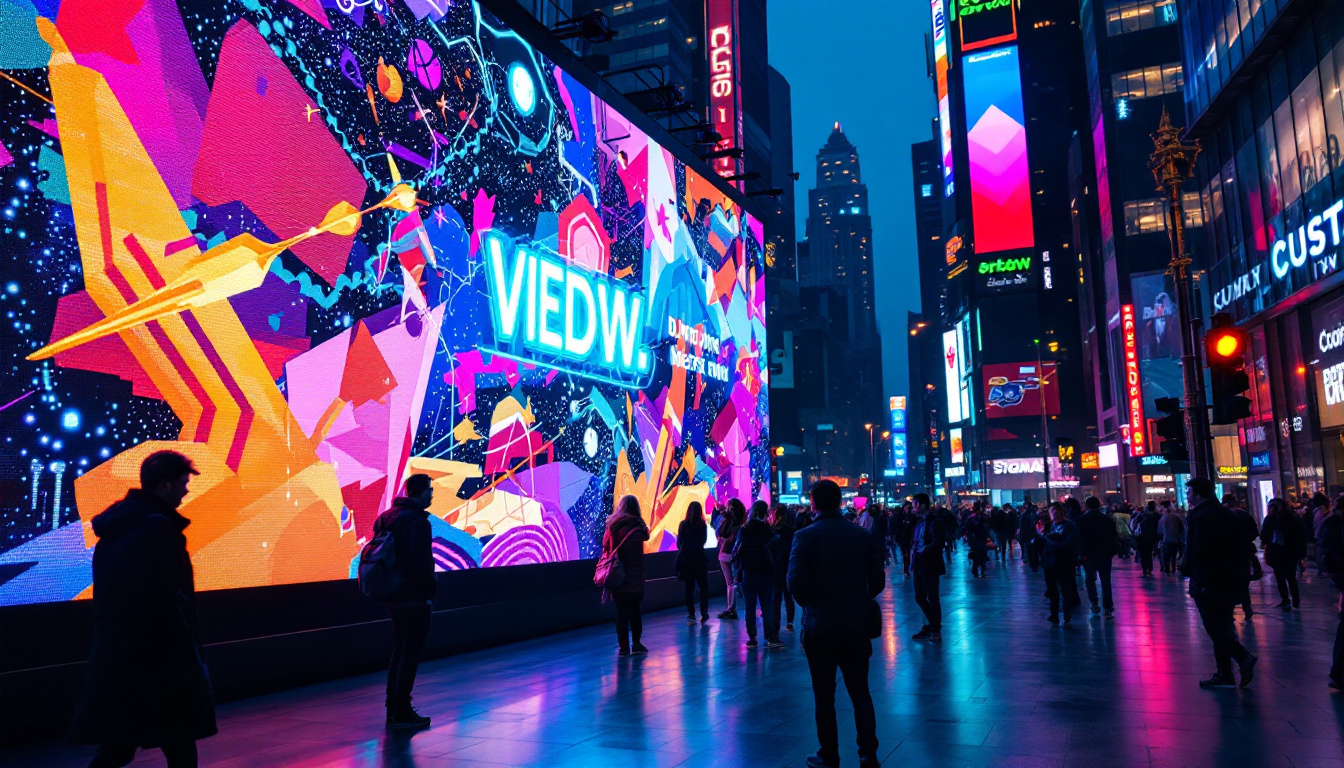
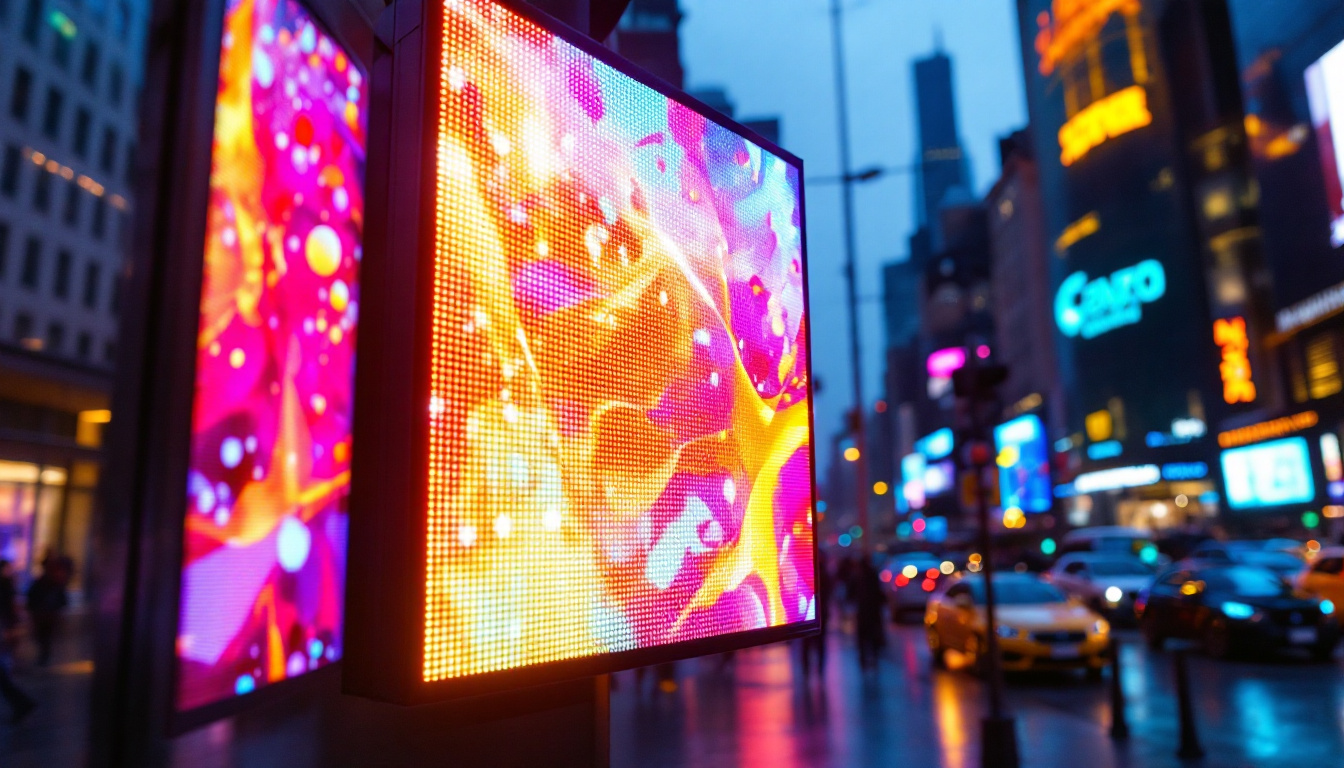
One of the most common uses of waterproof LED displays is in outdoor advertising. Digital billboards installed along highways, in city centers, or at sports venues must endure rain, snow, and extreme temperatures. Waterproof LED boards ensure that advertisements remain vibrant and visible regardless of weather, maximizing advertising impact and return on investment.
Transportation and Public Information Systems
Waterproof LED displays are essential for transportation hubs such as bus stops, train stations, and airports. These displays provide real-time information on schedules, delays, and safety announcements. Their durability ensures continuous operation, even in outdoor or semi-exposed locations.
Sports Arenas and Event Venues
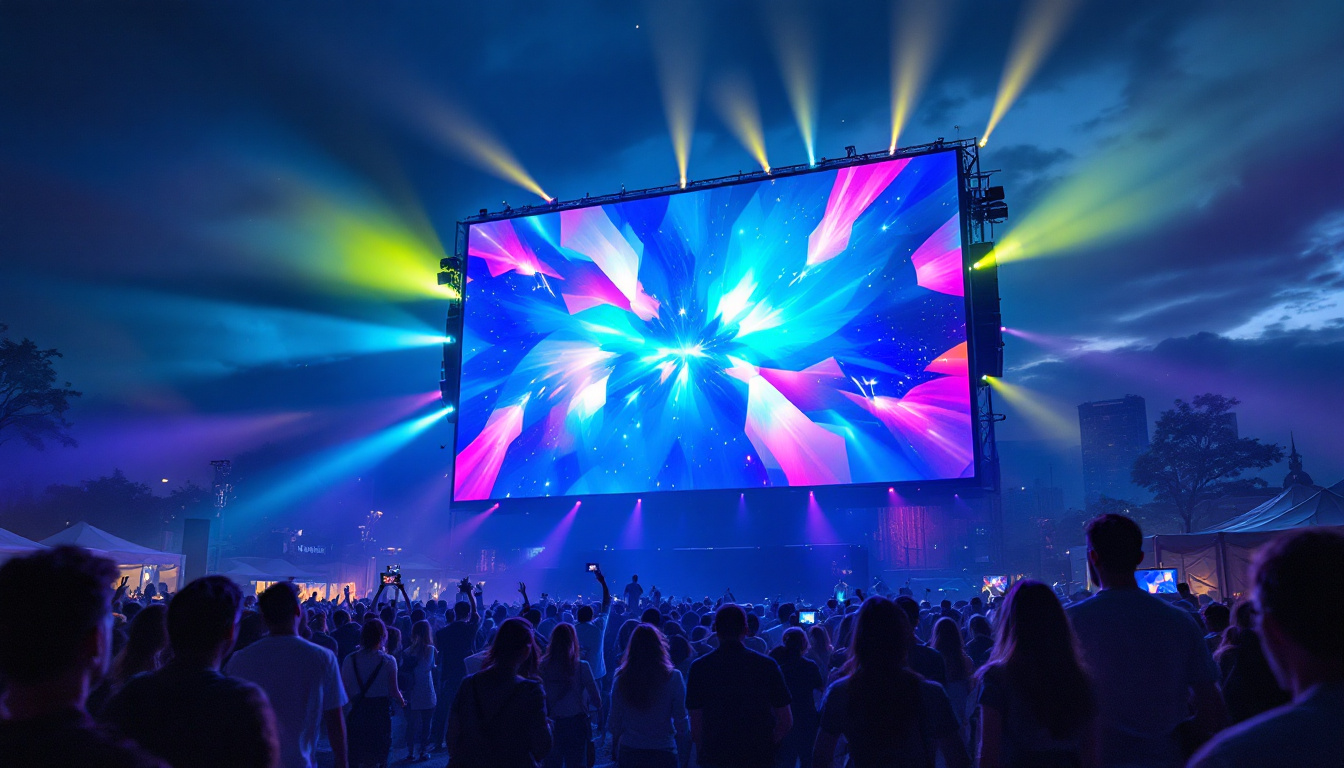
In stadiums and outdoor event venues, waterproof LED boards are used for scoreboards, live video feeds, and advertising. Their ability to withstand rain or sprinkler systems guarantees uninterrupted service during important events, enhancing the spectator experience.
Marine and Industrial Environments
Waterproof LED displays are also utilized in marine settings, such as on ships or docks, where exposure to saltwater and moisture is constant. Similarly, industrial facilities with wet processes or outdoor operations rely on waterproof LED boards for safety signage and operational data displays.
Advantages of Using Waterproof LED Boards
Investing in waterproof LED displays offers several benefits that extend beyond mere weather resistance. These advantages contribute to better performance, cost savings, and enhanced user experience.
Durability and Longevity
Waterproof LED boards are built to last. Their protective features guard against corrosion, short circuits, and physical damage caused by environmental factors. This durability reduces maintenance costs and extends the lifespan of the display, providing better value over time.
Consistent Visual Performance
Water and dust can impair the brightness and clarity of standard LED displays. Waterproof boards maintain consistent luminosity and color accuracy even in adverse conditions, ensuring messages are clearly communicated to the audience.
Energy Efficiency and Brightness
Modern waterproof LED boards incorporate energy-efficient LEDs that deliver high brightness levels suitable for daylight visibility. This ensures that outdoor displays remain eye-catching without excessive power consumption, which is critical for sustainability and operational cost management.
Flexibility in Installation
Because waterproof LED boards can withstand harsh environments, they offer greater flexibility in placement. Businesses can install displays in locations previously considered unsuitable due to weather exposure, opening new opportunities for advertising and communication.
Challenges and Considerations When Choosing Waterproof LED Displays
While waterproof LED boards offer many benefits, there are important factors to consider to ensure the chosen solution meets specific needs and budget constraints.
Cost Implications
Waterproof LED displays generally cost more than their indoor counterparts due to the additional materials and engineering required. However, the higher upfront investment is often offset by reduced maintenance and replacement expenses.
Maintenance Requirements
Despite their robust design, waterproof LED boards still require regular maintenance to clean surfaces, check seals, and ensure optimal performance. Neglecting maintenance can lead to reduced lifespan and unexpected failures.
Brightness and Viewing Angles
Outdoor LED displays need higher brightness levels to combat sunlight glare, which can impact energy consumption. Additionally, viewing angles must be considered to ensure visibility from various perspectives, especially in public spaces.
Environmental Factors Beyond Water
Waterproofing addresses moisture ingress, but other environmental factors like extreme temperatures, dust storms, and vandalism also affect LED displays. Selecting displays with appropriate certifications and protective features for these conditions is crucial.
Future Trends in Waterproof LED Display Technology
The LED display industry continues to innovate, with waterproof boards evolving to meet emerging demands for higher resolution, smarter connectivity, and sustainability.
Integration with IoT and Smart Controls
Modern waterproof LED displays are increasingly integrated with Internet of Things (IoT) technologies, allowing remote monitoring and control. This enables real-time diagnostics, automated brightness adjustments based on ambient light, and predictive maintenance alerts, enhancing reliability and reducing downtime.
Advancements in Materials and Coatings
Research into nanotechnology and advanced polymers is leading to more effective waterproof coatings that are thinner, more transparent, and longer-lasting. These innovations improve display clarity and reduce weight, making installations easier and more aesthetically pleasing.
Energy Harvesting and Sustainable Solutions
Future waterproof LED boards may incorporate solar panels or other energy-harvesting technologies to reduce reliance on external power sources. Coupled with energy-efficient LEDs, this trend supports greener, more sustainable digital signage solutions.
Conclusion
Waterproof LED boards represent a vital advancement in digital display technology, enabling vibrant, reliable, and durable signage in challenging environments. Their design intricacies, from IP-rated enclosures to sealed modules, ensure that these displays can withstand water, dust, and other environmental hazards without compromising performance.
For businesses and organizations looking to enhance outdoor advertising, public information systems, or industrial communications, understanding the features and benefits of waterproof LED displays is essential. While initial costs may be higher, the long-term advantages in durability, visibility, and flexibility make them a worthwhile investment.
As technology progresses, waterproof LED boards will continue to become smarter, more efficient, and environmentally friendly, solidifying their role as a cornerstone of modern digital communication infrastructure.
Explore Cutting-Edge Waterproof LED Displays with LumenMatrix
Ready to elevate your visual communication with robust and vibrant displays? LumenMatrix offers an extensive range of LED display solutions tailored to meet the demands of any environment. From captivating Indoor LED Wall Displays to dynamic Outdoor LED Wall Displays, and specialized options like Vehicle LED Displays and LED Sports Displays, our products are designed to make your message shine, even in the most challenging conditions. Discover how LumenMatrix can transform your space and captivate your audience. Check out LumenMatrix LED Display Solutions today and step into the future of digital signage.