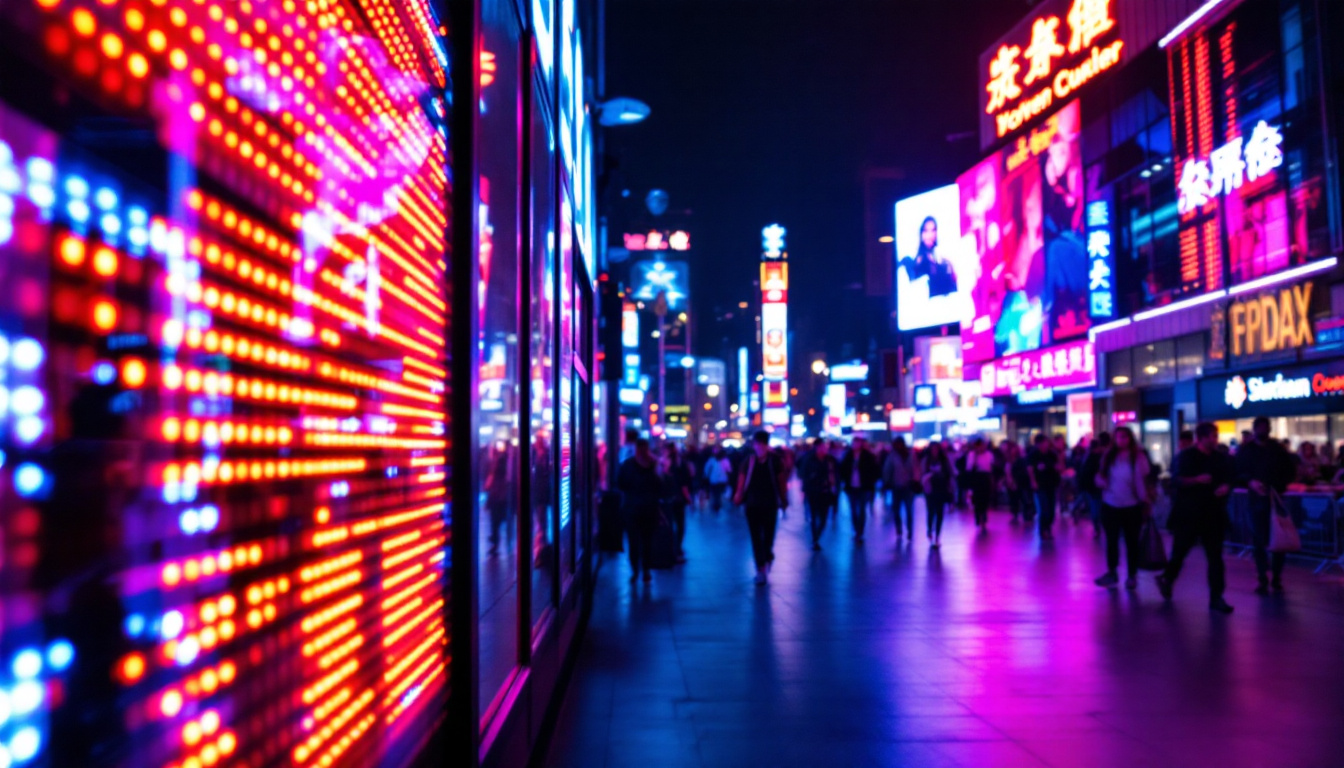
In today’s fast-paced digital world, LED displays have become an integral part of how information is communicated in public spaces, retail environments, corporate settings, and entertainment venues. Among the many types of LED displays, modular LED displays stand out for their versatility, scalability, and superior image quality. This article delves into the concept of modular LED displays, explaining their design, benefits, applications, and the technology behind them. Whether you are a business owner considering a digital signage solution or a technology enthusiast, understanding modular LED displays will equip you with the knowledge to make informed decisions.
What is a Modular LED Display?
A modular LED display is a type of digital screen composed of multiple smaller LED panels or modules that are seamlessly connected to form a larger display surface. Unlike traditional single-panel screens, modular displays are built from these individual units, which can be assembled in various configurations to create displays of different sizes and shapes.
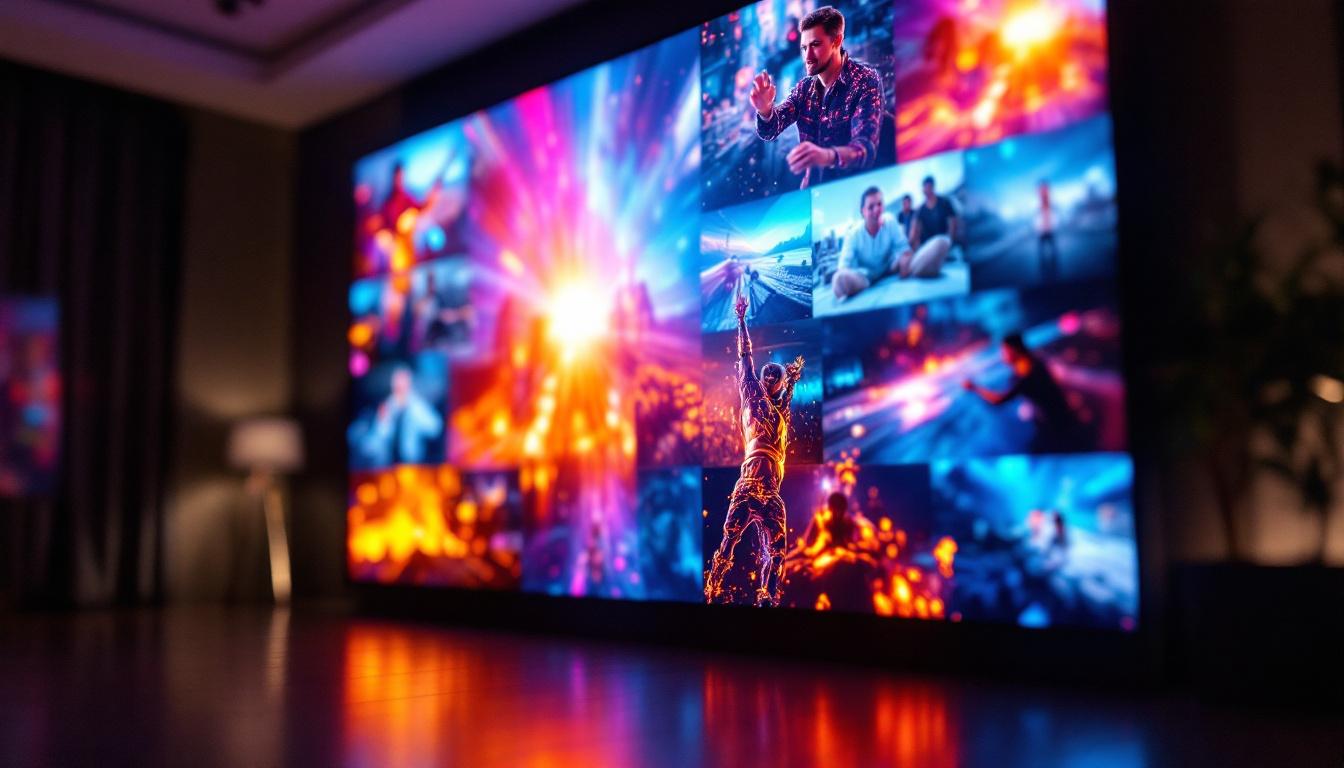
The modular design allows for easy installation, maintenance, and scalability. Each module contains an array of light-emitting diodes (LEDs) arranged in a grid, which work together to produce vibrant images and videos. The modules are designed to fit perfectly with one another, ensuring minimal gaps and a uniform viewing experience. This adaptability makes them ideal for a wide range of applications, from large outdoor billboards to indoor advertising screens in retail spaces, as well as dynamic stage backdrops for events and concerts.
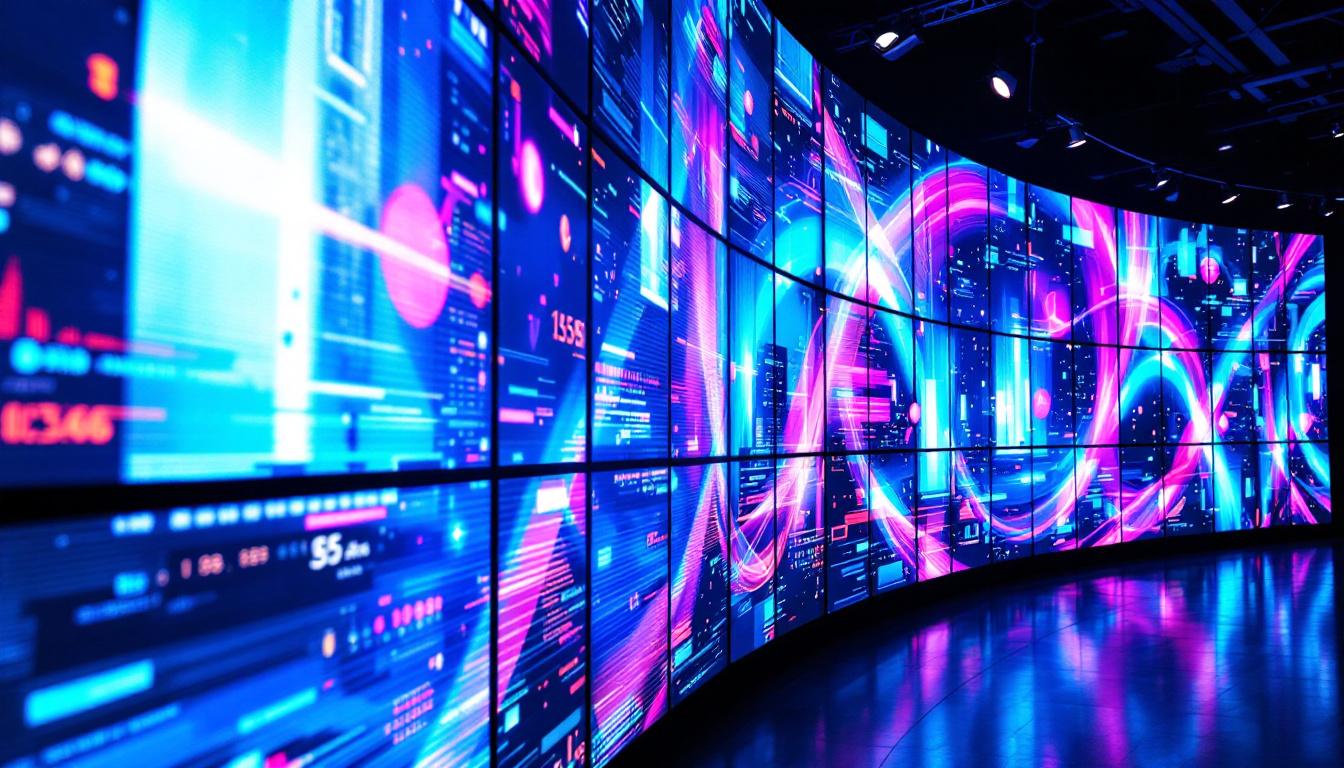
Moreover, the flexibility of modular LED displays extends beyond mere size adjustments. They can also be configured to create unique shapes and designs, enabling creative installations that can enhance the aesthetic appeal of any environment. For instance, curved or irregularly shaped displays can be constructed, allowing for innovative visual storytelling that captures the attention of audiences in ways that traditional displays cannot.
Key Components of a Modular LED Display
Understanding the anatomy of a modular LED display helps clarify why it is so effective. The main components include:
- LED Modules: These are the building blocks of the display, each containing numerous LEDs arranged in pixels.
- Cabinet Frame: The structure that holds multiple modules together, providing mechanical support and alignment.
- Control System: Hardware and software that manage image processing, synchronization, and display control.
- Power Supply: Ensures consistent power delivery to all modules for stable operation.
- Connectivity Interfaces: Allow communication between modules and external devices such as media players or computers.
In addition to these core components, advanced modular LED displays often incorporate features such as built-in cooling systems to prevent overheating during prolonged use, as well as smart technology for remote monitoring and diagnostics. This capability allows operators to troubleshoot issues quickly and efficiently, minimizing downtime and ensuring that the display remains operational. Furthermore, many modern modular displays are designed with energy efficiency in mind, utilizing innovative LED technology that reduces power consumption while maintaining high brightness levels and color accuracy.
The versatility of modular LED displays also opens up opportunities for integration with other technologies, such as augmented reality (AR) and interactive touch interfaces. This synergy can create immersive experiences that engage viewers in new and exciting ways, transforming passive observation into active participation. As technology continues to evolve, the potential applications for modular LED displays are virtually limitless, making them a compelling choice for businesses and organizations looking to make a lasting impact in their communications and marketing efforts.
Advantages of Modular LED Displays
Modular LED displays offer numerous benefits over traditional display technologies such as LCD or projection screens. Their unique design and technology provide distinct advantages that make them a preferred choice for many applications.
Scalability and Flexibility
One of the primary advantages of modular LED displays is their scalability. Because the display is composed of individual modules, it can be expanded or reduced in size by simply adding or removing modules. This flexibility allows businesses to customize the display size to fit specific spaces or requirements without the need to purchase an entirely new screen.
Additionally, modular displays can be configured into various shapes—rectangular, curved, or even irregular—making them ideal for creative installations and architectural integration.
High Brightness and Visibility
LED technology is known for its high brightness levels, which makes modular LED displays visible even in direct sunlight. This attribute is crucial for outdoor advertising, sports arenas, and public information boards where ambient light conditions vary significantly.
Typical brightness levels for outdoor modular LED displays range from 5,000 to 10,000 nits, ensuring clear visibility day and night. Indoor displays usually operate at lower brightness levels (around 800 to 1,500 nits) to prevent eye strain while maintaining vivid image quality.
Durability and Maintenance
Modular LED displays are designed for durability, often featuring weatherproof and dust-resistant enclosures, making them suitable for both indoor and outdoor use. The modular design also simplifies maintenance; if one module malfunctions, it can be replaced individually without dismantling the entire display.
This reduces downtime and maintenance costs, which is particularly important for large-scale installations where continuous operation is critical.
Superior Image Quality
Thanks to advances in LED technology, modular displays offer excellent color accuracy, contrast ratios, and refresh rates. The pixel pitch—the distance between individual LEDs—can be selected based on viewing distance and application, allowing for crisp, detailed images even on very large screens.
For example, a fine pixel pitch of 1.2mm to 2.5mm is ideal for close-up viewing in control rooms or retail environments, while larger pitches of 4mm to 10mm are suitable for outdoor billboards and stadium screens.
How Modular LED Displays Work
To appreciate the capabilities of modular LED displays, it is important to understand the underlying technology and operational principles.
LED Technology Basics
LED stands for Light Emitting Diode, a semiconductor device that emits light when an electric current passes through it. LEDs are highly efficient, long-lasting, and capable of producing a wide spectrum of colors by combining red, green, and blue (RGB) diodes at varying intensities.
In a modular LED display, each pixel consists of three tiny LEDs (one red, one green, and one blue) that blend to create the desired color. By controlling the brightness of each LED, the display can render millions of colors and smooth gradients.
Modular Assembly and Signal Processing
Each LED module receives video data and power through the control system. The control system processes incoming signals, divides the image into sections corresponding to each module, and synchronizes the display to ensure seamless image reproduction.
Modules are connected via data cables and synchronized using protocols such as HDMI, DVI, or specialized LED control interfaces. The control system can be managed remotely via software, allowing operators to adjust brightness, color calibration, and content scheduling.
Pixel Pitch and Resolution
The pixel pitch is a critical specification that determines the display’s resolution and viewing distance. It is measured in millimeters and represents the distance between the centers of two adjacent pixels.
A smaller pixel pitch means higher resolution and sharper images, suitable for close viewing distances. Conversely, larger pixel pitches are more cost-effective for large displays viewed from afar. Selecting the appropriate pixel pitch is essential to optimize image quality and cost efficiency.
Applications of Modular LED Displays
Modular LED displays have a wide range of applications across various industries due to their adaptability and performance. Below are some of the most common and impactful uses.
Advertising and Digital Signage
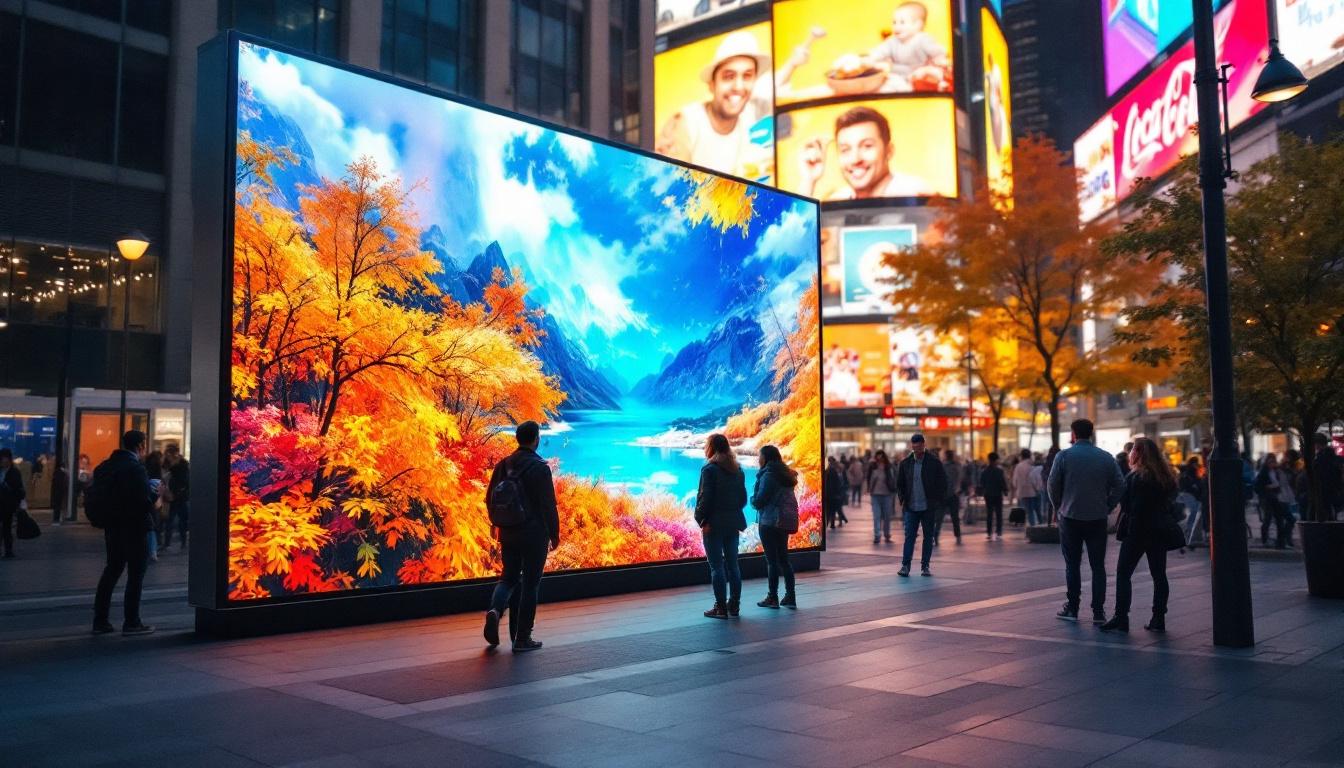
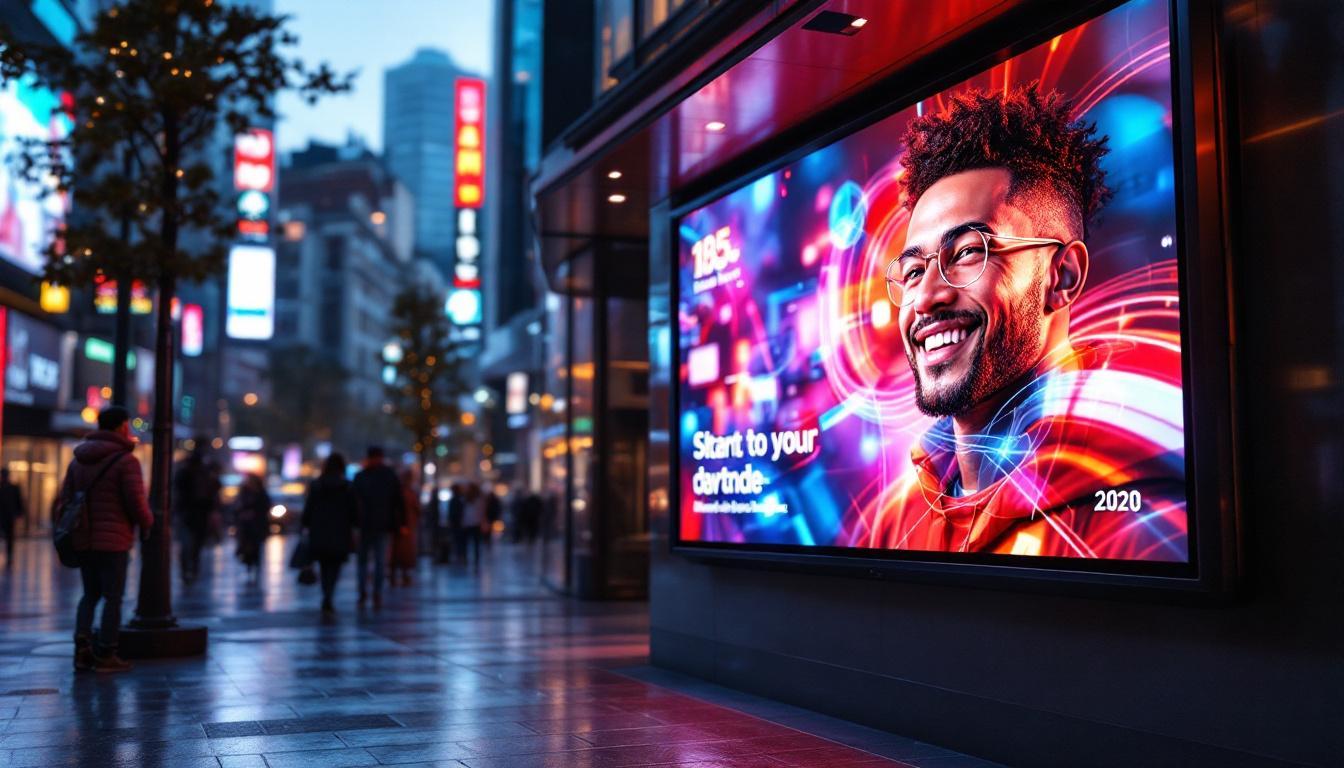
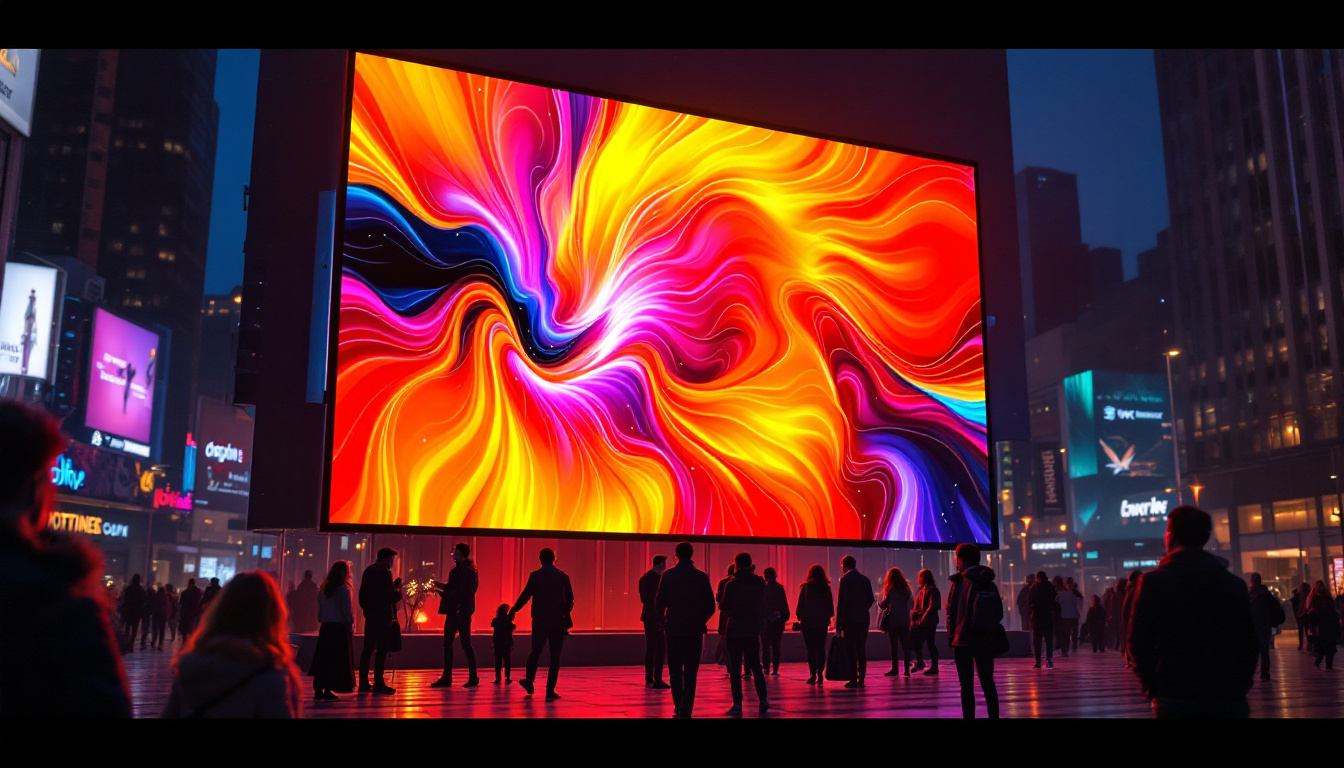
Outdoor billboards and indoor digital signage are among the most popular applications for modular LED displays. Their brightness and visibility make them ideal for attracting attention in busy urban environments.
Retailers use modular LED displays to showcase promotions, product launches, and interactive content. The ability to update content remotely and instantly is a major advantage over static signage.
Sports and Entertainment Venues
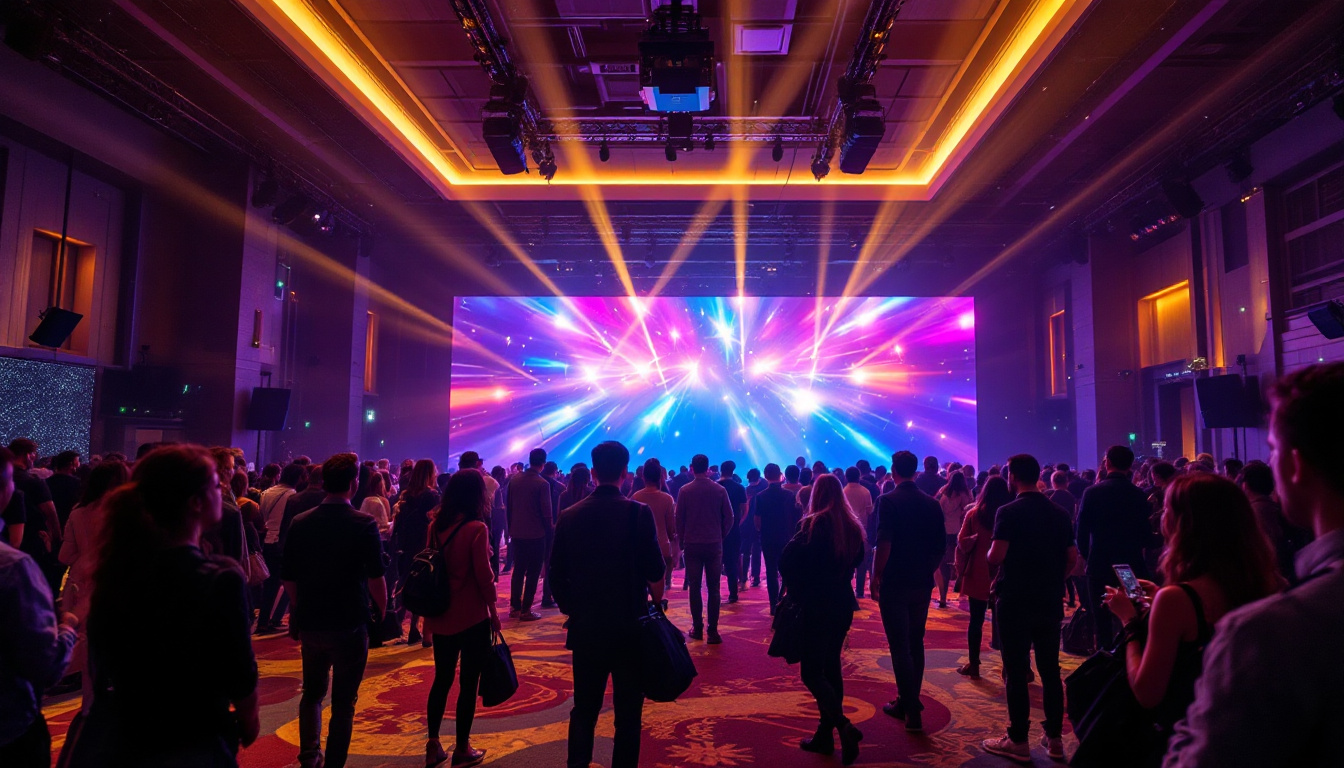
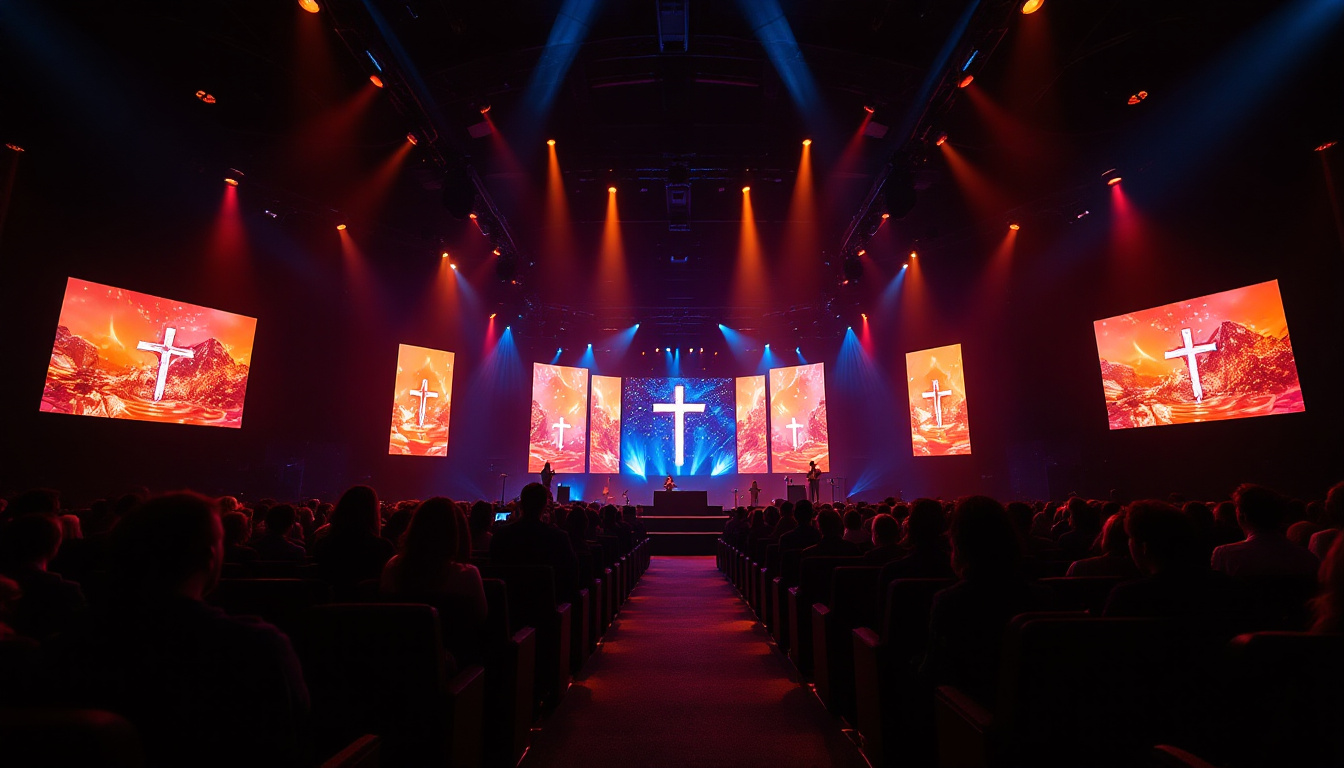
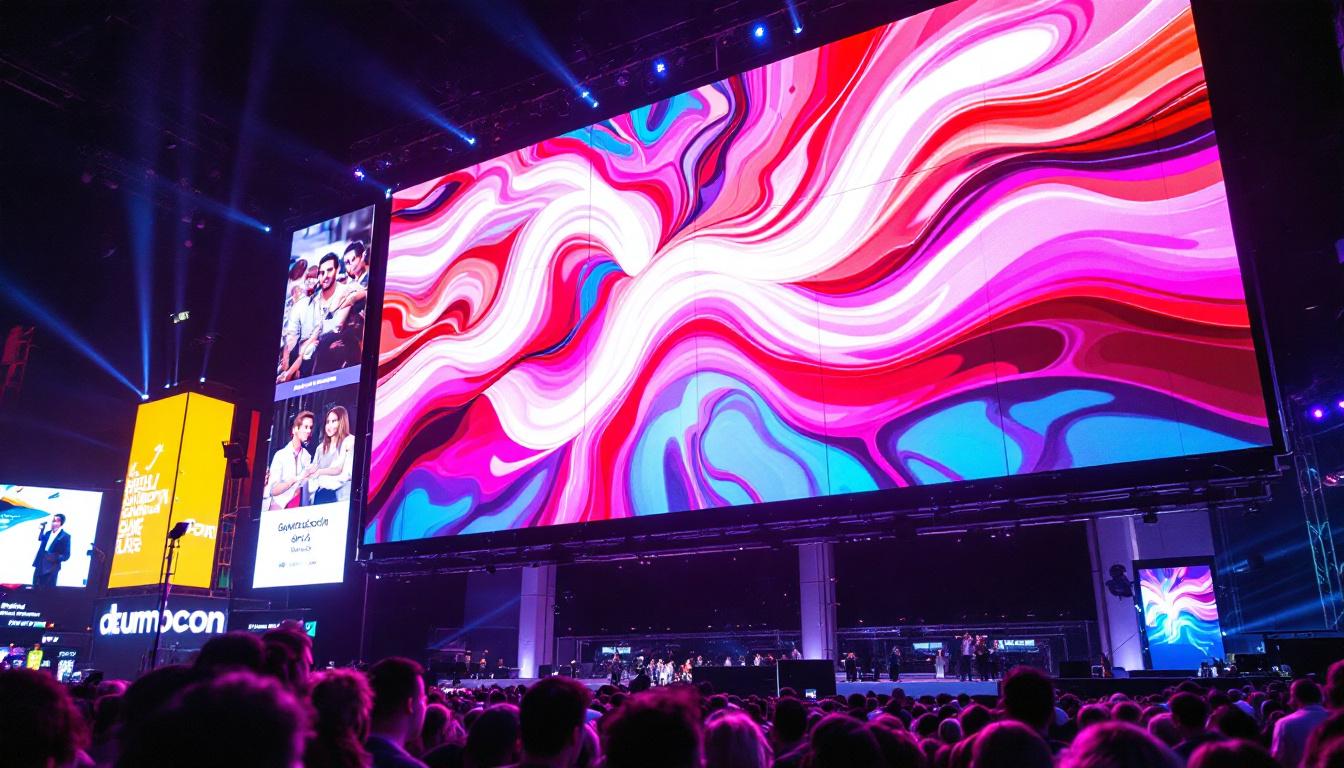
Stadiums, arenas, and concert venues rely on large modular LED screens to enhance the spectator experience. These displays provide live video feeds, replays, scores, and advertisements, ensuring that every seat has a clear view.
The modular nature allows for custom shapes and sizes, such as wraparound screens or curved displays that fit the venue’s architecture.
Corporate and Control Rooms
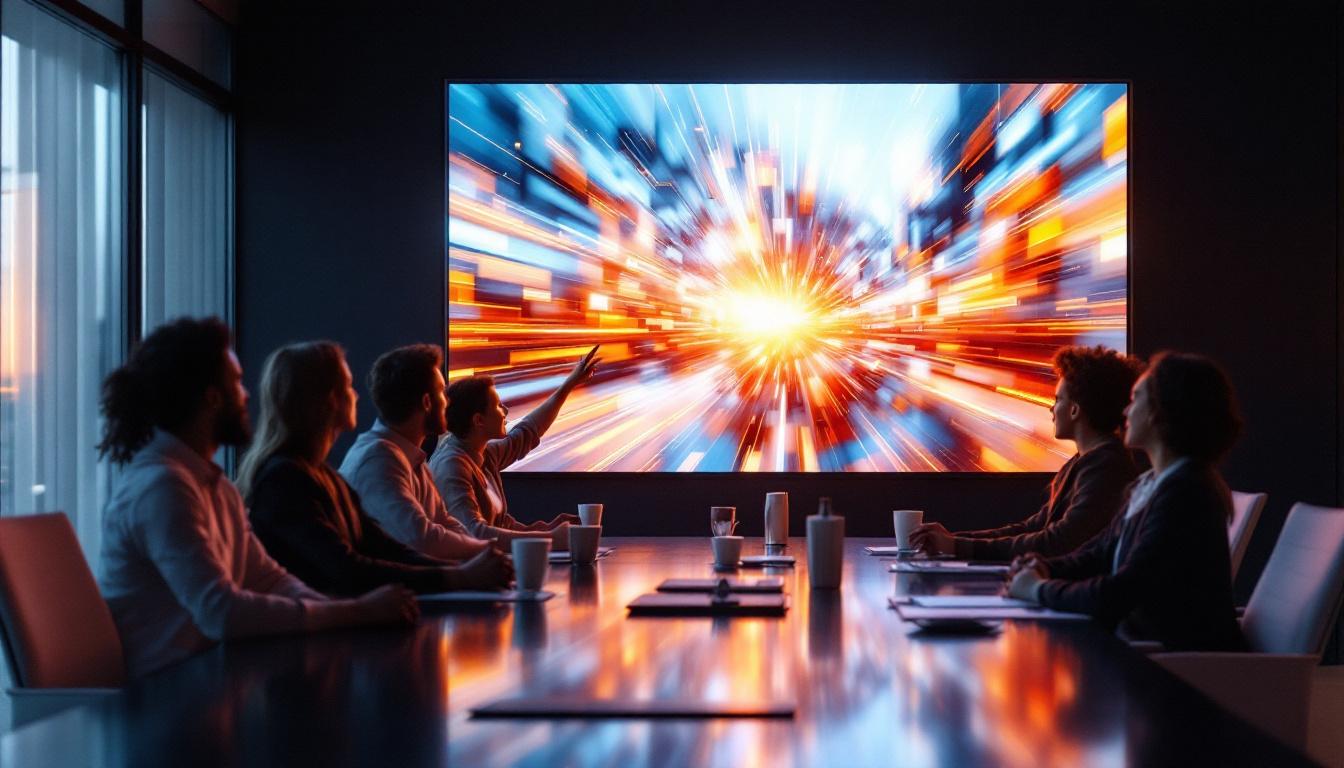
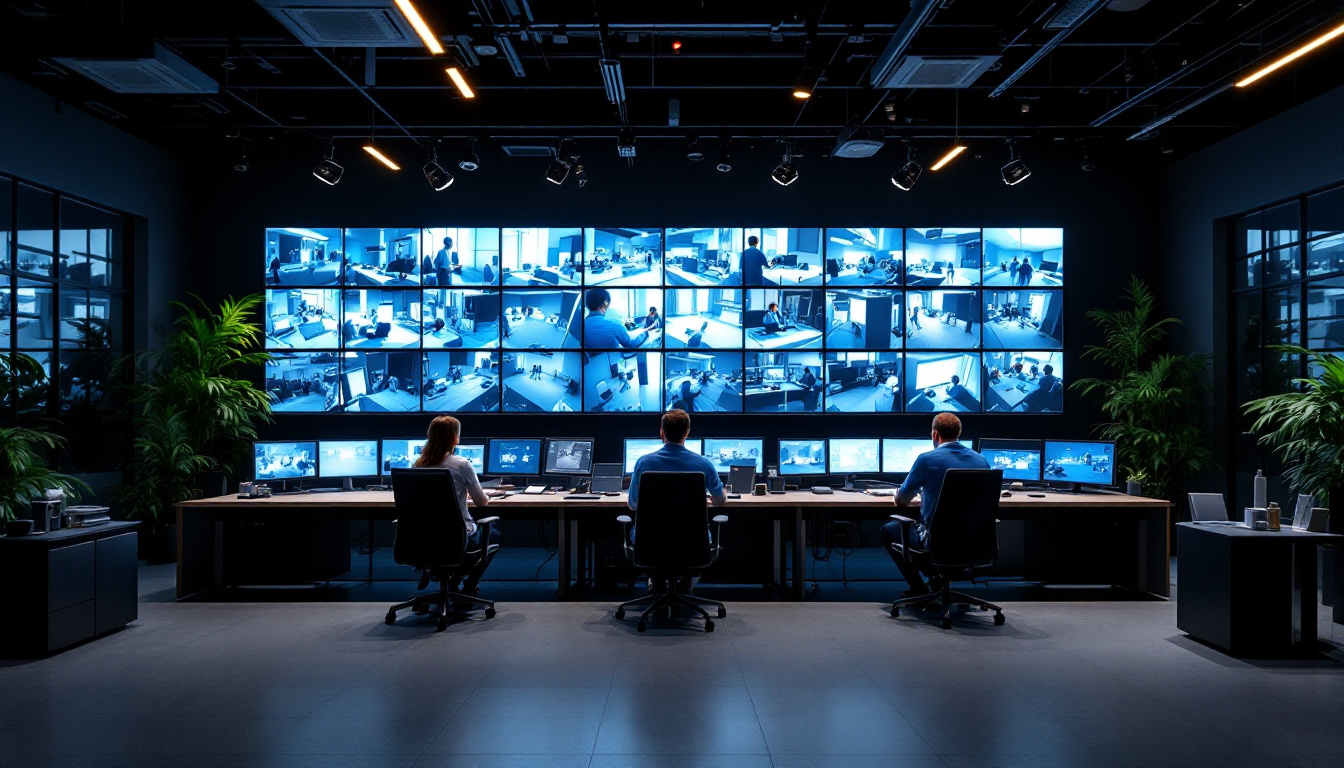
In corporate environments, modular LED displays are used for presentations, video conferencing, and data visualization. Control rooms benefit from high-resolution displays that provide real-time monitoring of critical systems, enhancing decision-making and operational efficiency.
Transportation Hubs and Public Spaces
Airports, train stations, and bus terminals use modular LED displays for schedule updates, wayfinding, and emergency notifications. Their reliability and visibility ensure that travelers receive timely and accurate information.
Choosing the Right Modular LED Display
Selecting the ideal modular LED display involves considering several factors to ensure the solution meets specific needs and budget constraints.
Assessing Viewing Distance and Environment
Determine the typical viewing distance to select an appropriate pixel pitch. For example, a display intended for close-up viewing in a retail store will require a finer pixel pitch than a billboard viewed from a highway.
Consider environmental conditions such as exposure to sunlight, weather, and temperature extremes. Outdoor displays need higher brightness and weatherproofing, while indoor displays prioritize color accuracy and lower brightness.
Resolution and Content Requirements
Analyze the type of content to be displayed. High-definition video and detailed graphics require higher resolution displays. If the content is primarily text or simple images, a lower resolution may suffice.
Budget and Maintenance Considerations
Modular LED displays vary widely in cost depending on size, resolution, and features. Factor in installation, maintenance, and potential future expansion costs. The modular design helps reduce long-term maintenance expenses by enabling easy module replacement.
Future Trends in Modular LED Displays
The LED display industry continues to evolve rapidly, driven by advancements in technology and changing market demands. Some emerging trends include:
MicroLED and MiniLED Technologies
MicroLED and MiniLED represent the next generation of LED technology, offering even higher brightness, improved color accuracy, and enhanced energy efficiency. These technologies enable thinner and lighter displays with better performance.
Flexible and Transparent Displays
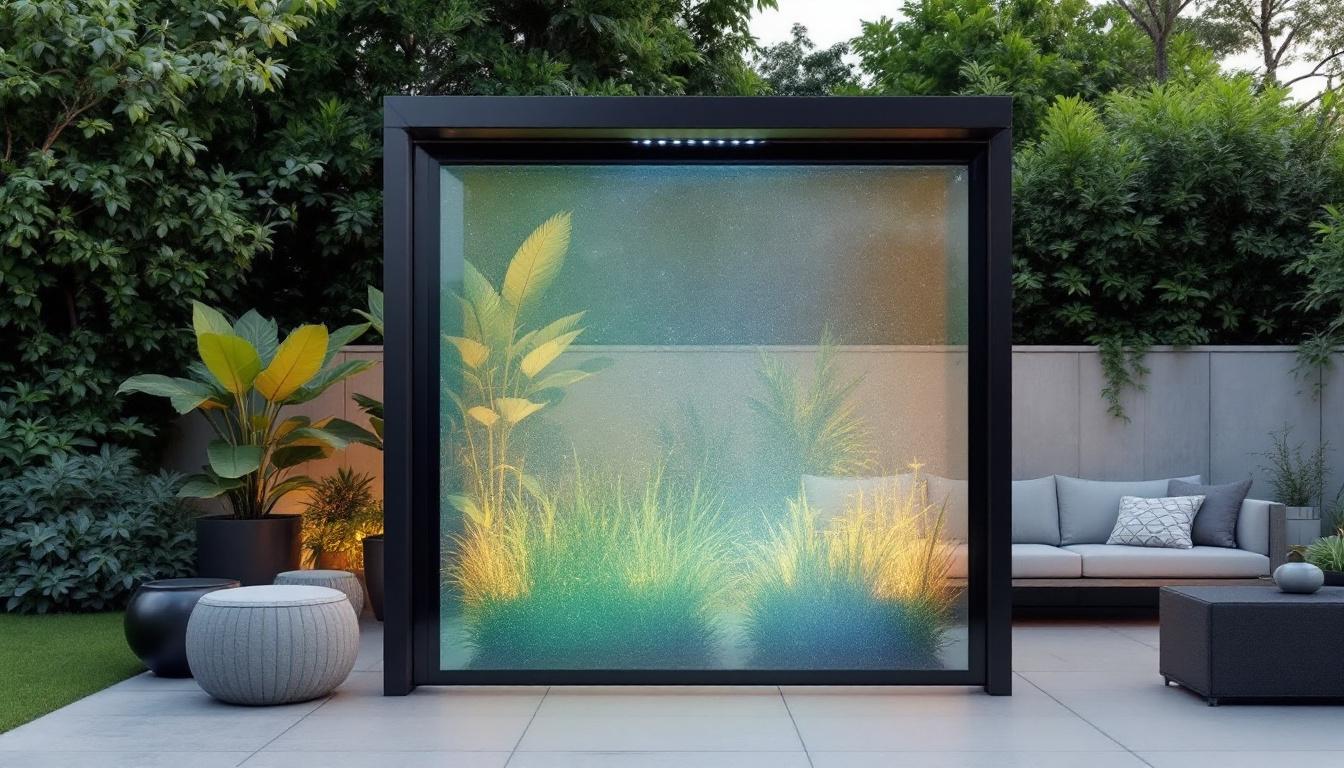
Innovations in flexible and transparent LED modules allow for new form factors, including curved, bendable, and see-through displays. This opens up creative possibilities in architecture, retail, and automotive applications.
Integration with IoT and AI
Smart modular LED displays integrated with Internet of Things (IoT) devices and artificial intelligence (AI) enable dynamic content adaptation based on audience demographics, weather, or time of day. This enhances engagement and advertising effectiveness.
Conclusion
Modular LED displays represent a powerful and versatile solution for a wide range of visual communication needs. Their scalability, high brightness, durability, and superior image quality make them indispensable in advertising, entertainment, corporate, and public environments.
Understanding the technology and benefits of modular LED displays enables businesses and organizations to choose the right solution tailored to their specific requirements. As LED technology continues to advance, modular displays will become even more integral to the future of digital signage and visual media.
Discover LumenMatrix’s Innovative LED Solutions
Ready to elevate your visual communication with cutting-edge LED technology? LumenMatrix offers a diverse range of LED display solutions tailored to meet your unique needs. From vibrant Indoor LED Walls to dynamic Outdoor LED Displays, and from sleek LED Posters to immersive Floor LED Displays, our products are designed to captivate and engage your audience. Embrace the future of digital signage with LumenMatrix and transform your space into a visual spectacle. Check out LumenMatrix LED Display Solutions today and see the difference innovation can make.