In today’s fast-paced digital world, visual communication plays a pivotal role in capturing attention and conveying messages effectively. Among the most dynamic and impactful display technologies available, video wall LED screens stand out as a versatile solution for a wide range of applications—from advertising and entertainment to corporate presentations and public information systems. This article delves into the fundamentals of LED video walls, exploring their technology, benefits, and practical uses to provide a comprehensive understanding of why they have become a cornerstone in modern visual display solutions.
Understanding LED Video Wall Technology
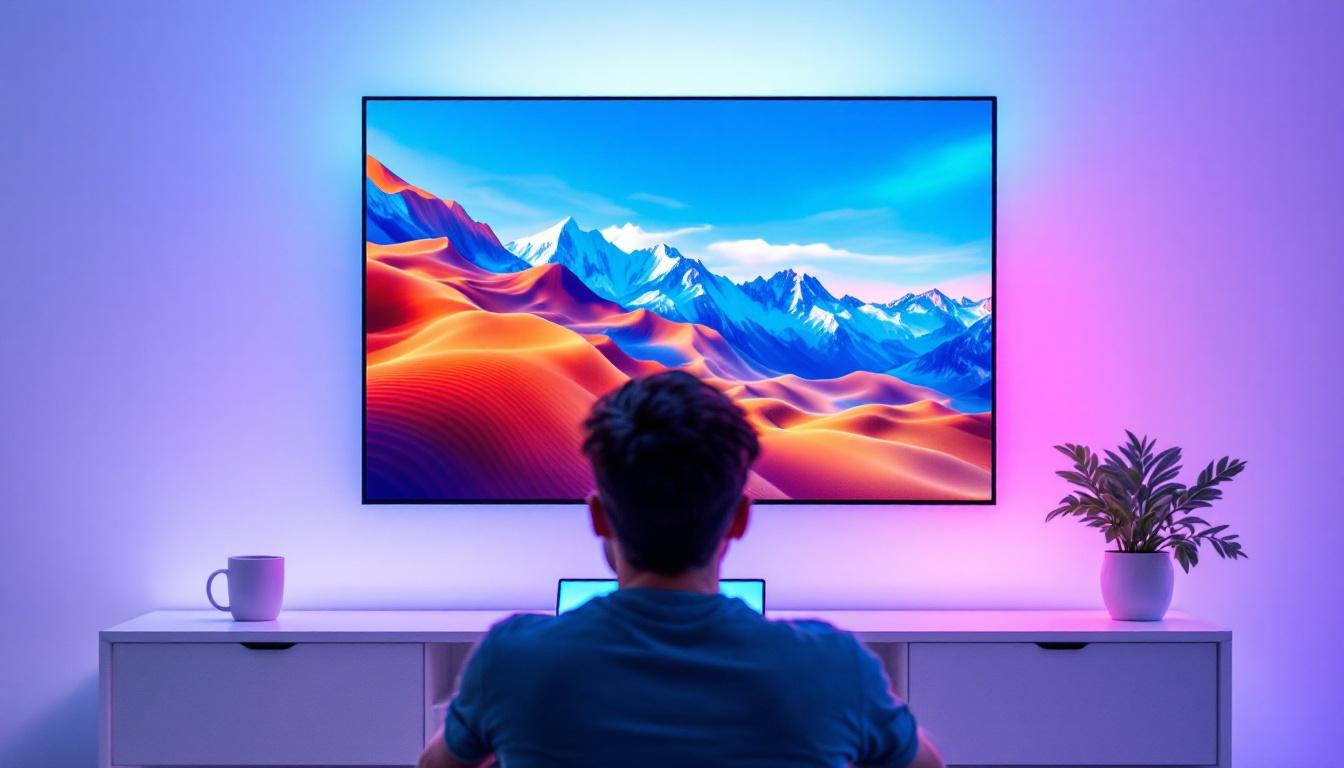
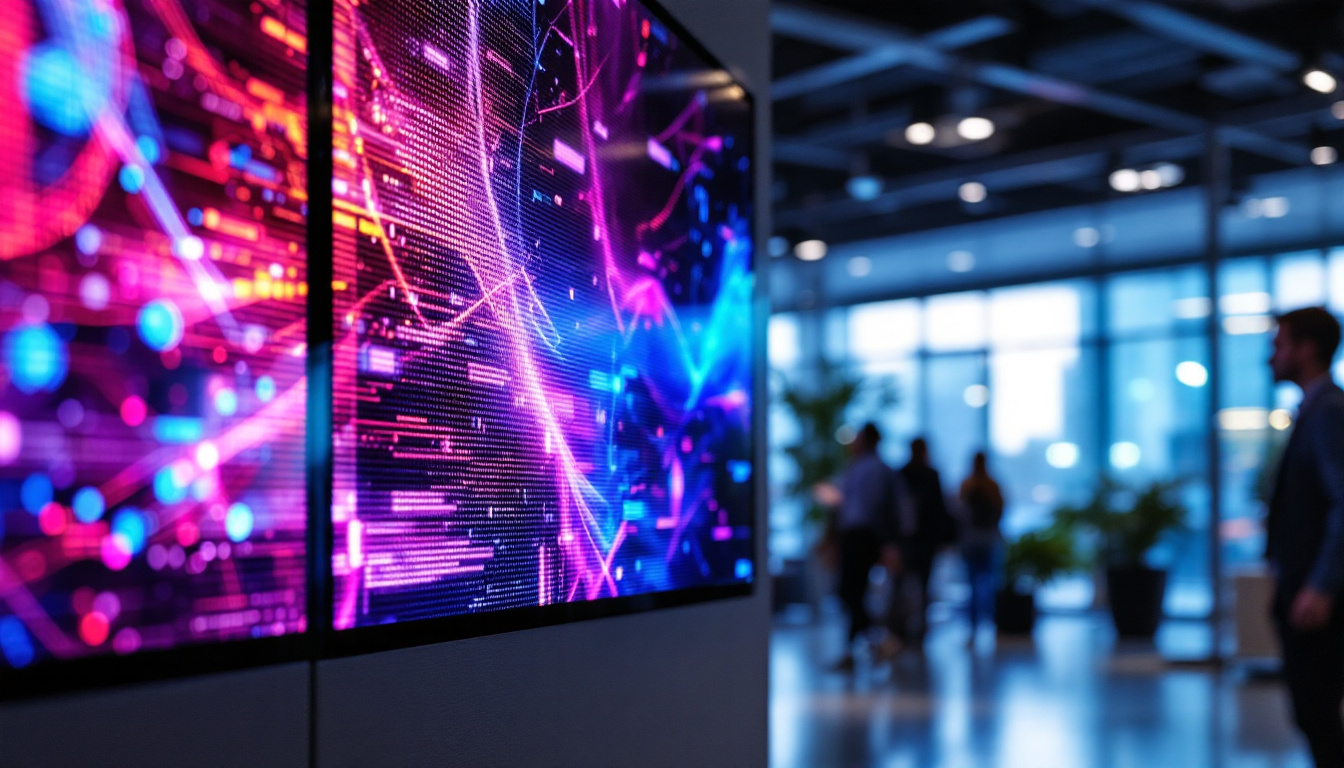
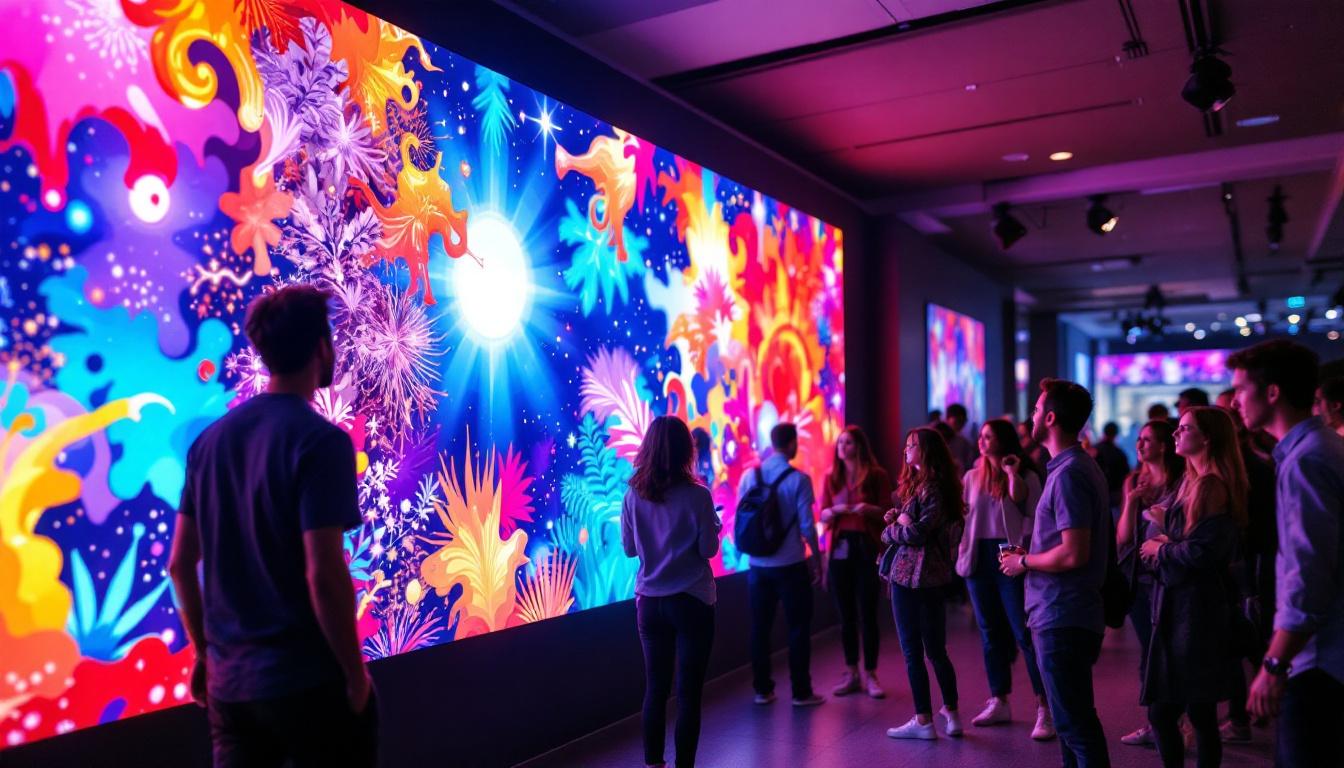
At its core, a video wall LED screen is a large display system composed of multiple LED panels seamlessly tiled together to form one expansive screen. Unlike traditional single-screen displays, video walls offer the flexibility to create massive, high-resolution visuals that can be customized in size and shape to suit specific environments and purposes.
What is an LED Display?
LED stands for Light Emitting Diode, a semiconductor device that emits light when an electric current passes through it. In the context of displays, LEDs are used as individual pixels or groups of pixels that collectively produce images and video. LED displays are known for their brightness, color accuracy, and energy efficiency, making them ideal for both indoor and outdoor use.
Each LED pixel typically consists of red, green, and blue diodes that combine to produce a wide spectrum of colors. By controlling the intensity of each diode, the display can render vivid and detailed images. This technology contrasts with LCD or OLED displays, which rely on different mechanisms for image production. The ability of LED displays to reach higher brightness levels also makes them particularly effective in environments with strong ambient light, such as stadiums or large public spaces, where visibility is paramount.
How Video Walls are Constructed
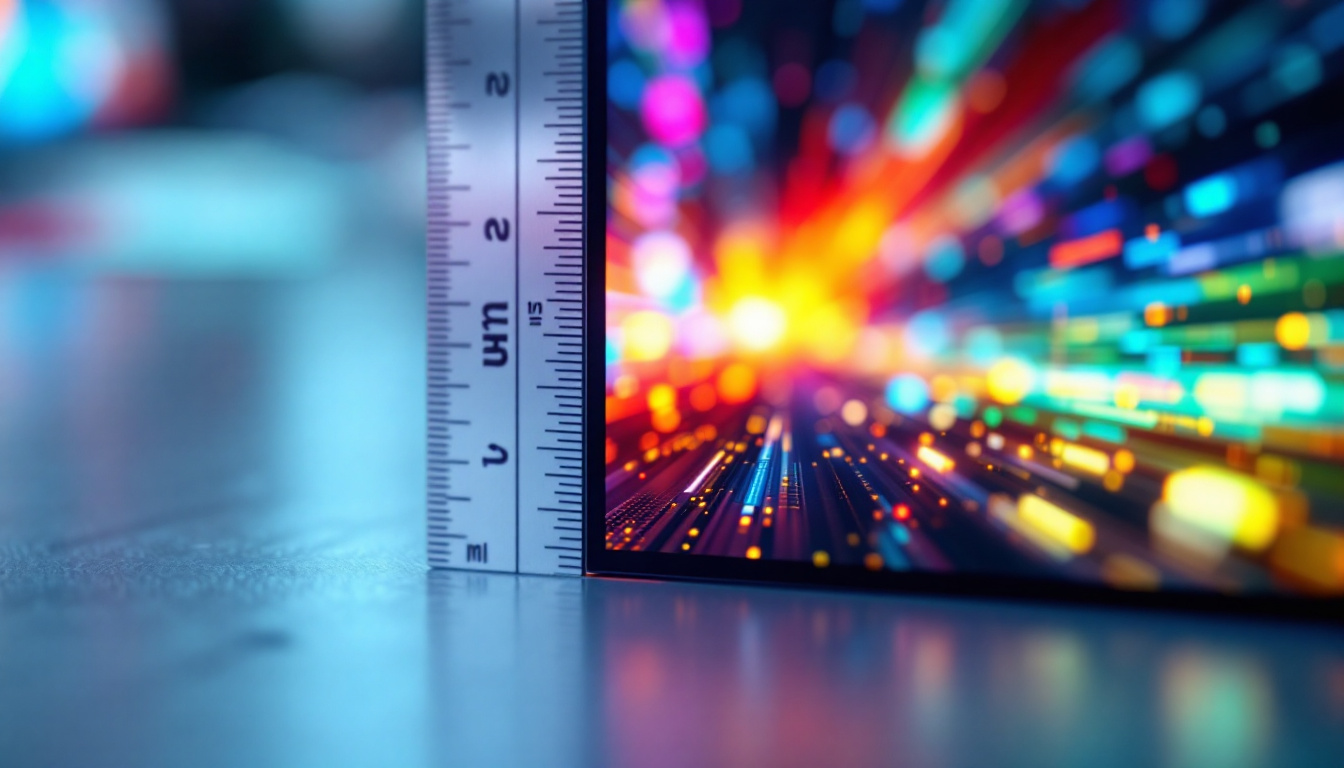
A video wall is created by arranging multiple LED panels side by side. Each panel contains thousands of LEDs arranged in a grid, and when combined, these panels form a single large display surface. The panels are designed with ultra-thin bezels to minimize the visible gaps between them, creating a nearly seamless viewing experience.
Modern video walls use advanced processing hardware and software to ensure that the content displayed is perfectly synchronized across all panels. This synchronization is crucial for maintaining image integrity, especially when displaying high-resolution videos or complex graphics. Furthermore, the flexibility of video wall configurations allows for creative installations, such as curved or irregular shapes that can enhance the visual impact in unique ways. This adaptability makes video walls a popular choice for various applications, from retail environments showcasing dynamic advertisements to corporate settings where presentations can be made more engaging and interactive.
Key Advantages of LED Video Walls
Video wall LED screens offer several compelling benefits that make them a preferred choice for various industries and applications. Understanding these advantages helps explain their growing popularity and widespread adoption.
Exceptional Brightness and Visibility
One of the standout features of LED video walls is their exceptional brightness. Unlike projection screens or LCD displays, LED walls can achieve brightness levels exceeding 1,000 nits, with some outdoor models reaching up to 5,000 nits or more. This high brightness ensures that content remains clear and visible even in direct sunlight or brightly lit environments.
This characteristic is particularly important for outdoor advertising billboards, sports arenas, and transportation hubs where ambient light conditions can vary dramatically throughout the day.
Superior Color Accuracy and Contrast
LED technology provides vibrant colors and deep blacks, resulting in high contrast ratios that enhance image quality. The ability to produce rich, saturated colors makes LED video walls ideal for applications where visual impact is critical, such as retail displays, concerts, and broadcast studios.
Moreover, LED displays maintain consistent color performance over time, unlike some other display technologies that may suffer from color degradation.
Scalability and Flexibility
Video walls can be customized in terms of size and shape to fit virtually any space or design requirement. Whether it’s a massive rectangular billboard or a creative curved installation, LED panels can be arranged accordingly. This scalability allows businesses and event organizers to tailor their visual solutions to specific needs without being constrained by standard screen sizes.
Additionally, the modular nature of LED panels means damaged sections can be replaced individually, reducing maintenance costs and downtime.
Energy Efficiency and Longevity
Compared to older display technologies, LED video walls are more energy-efficient, consuming less power while delivering higher brightness. This efficiency translates into lower operating costs, which is a significant consideration for large-scale installations running continuously.
LED panels also have a long lifespan, often rated between 50,000 to 100,000 hours of operation, ensuring durability and reliability over many years.
Applications of Video Wall LED Screens
The versatility of LED video walls makes them suitable for a diverse range of uses. From commercial advertising to public safety, their ability to deliver compelling visuals in any environment is unmatched.
Advertising and Marketing
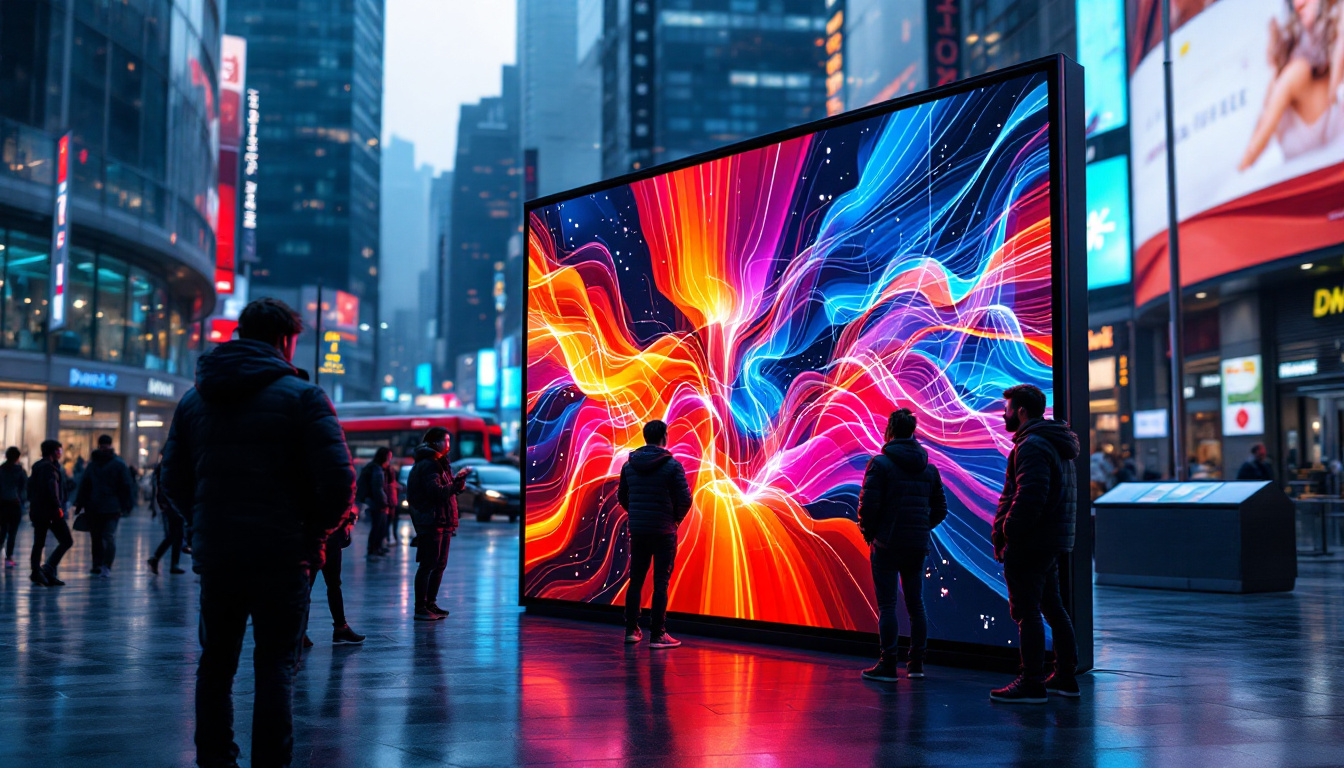
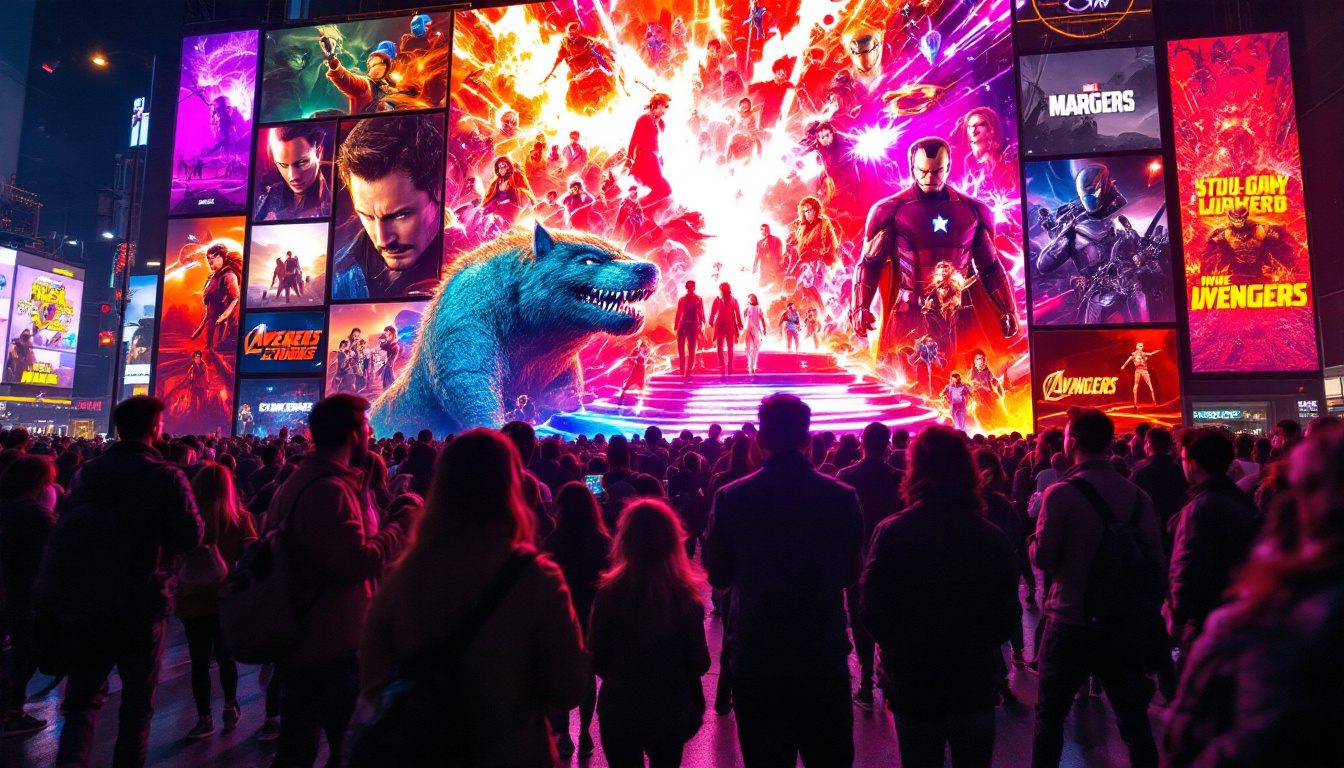
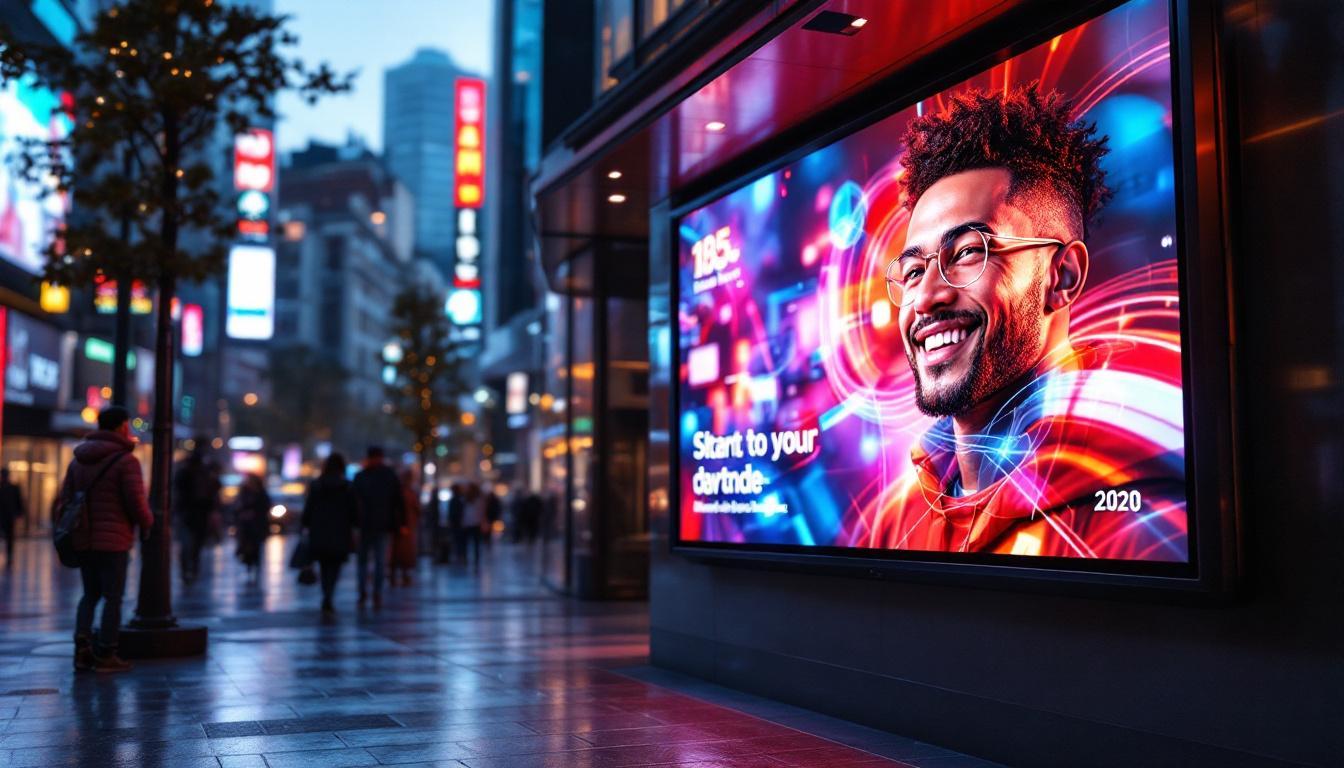
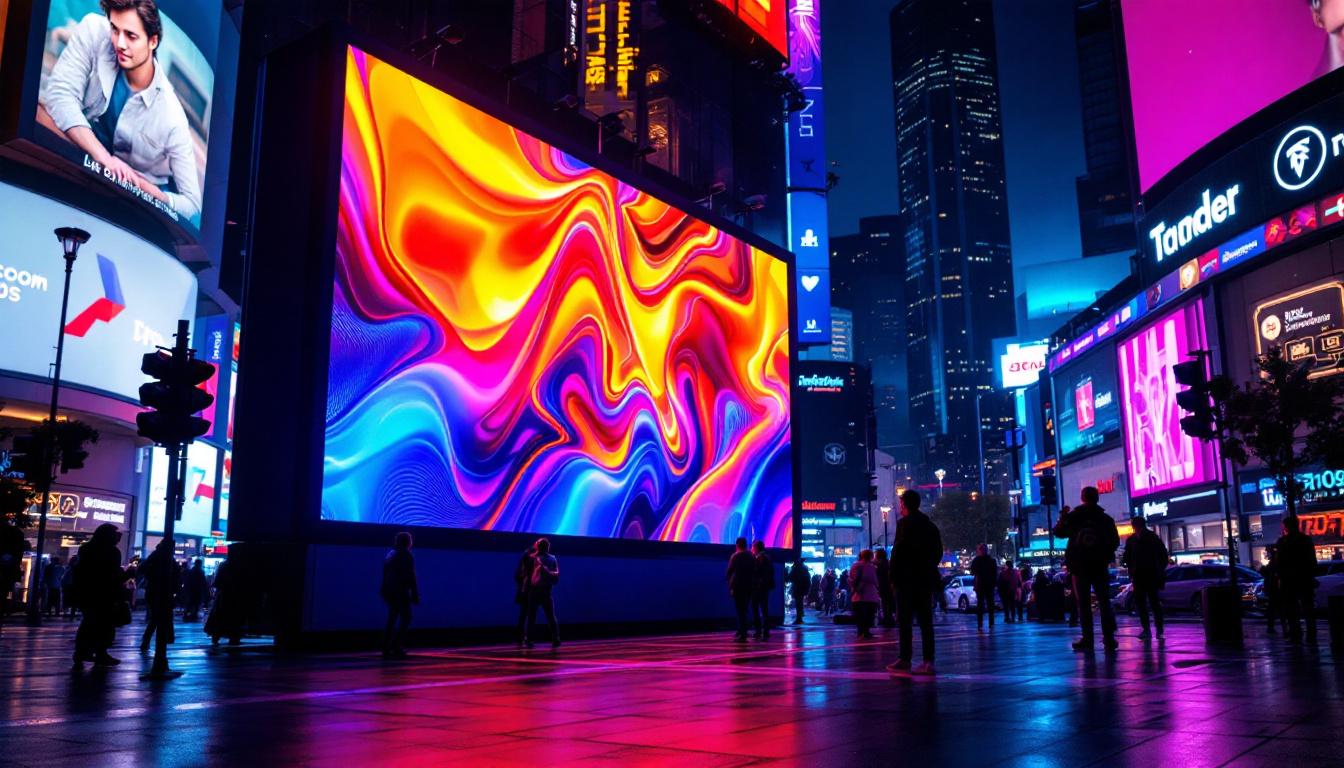
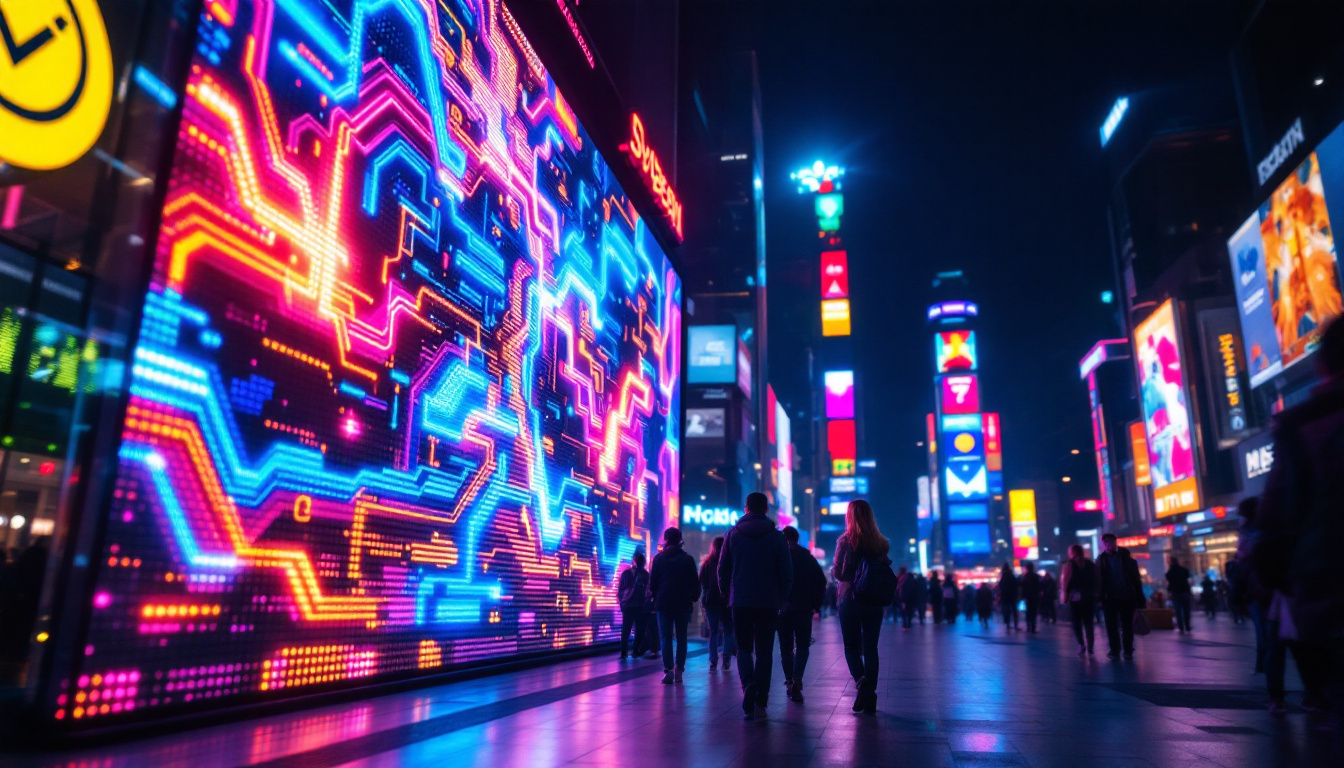
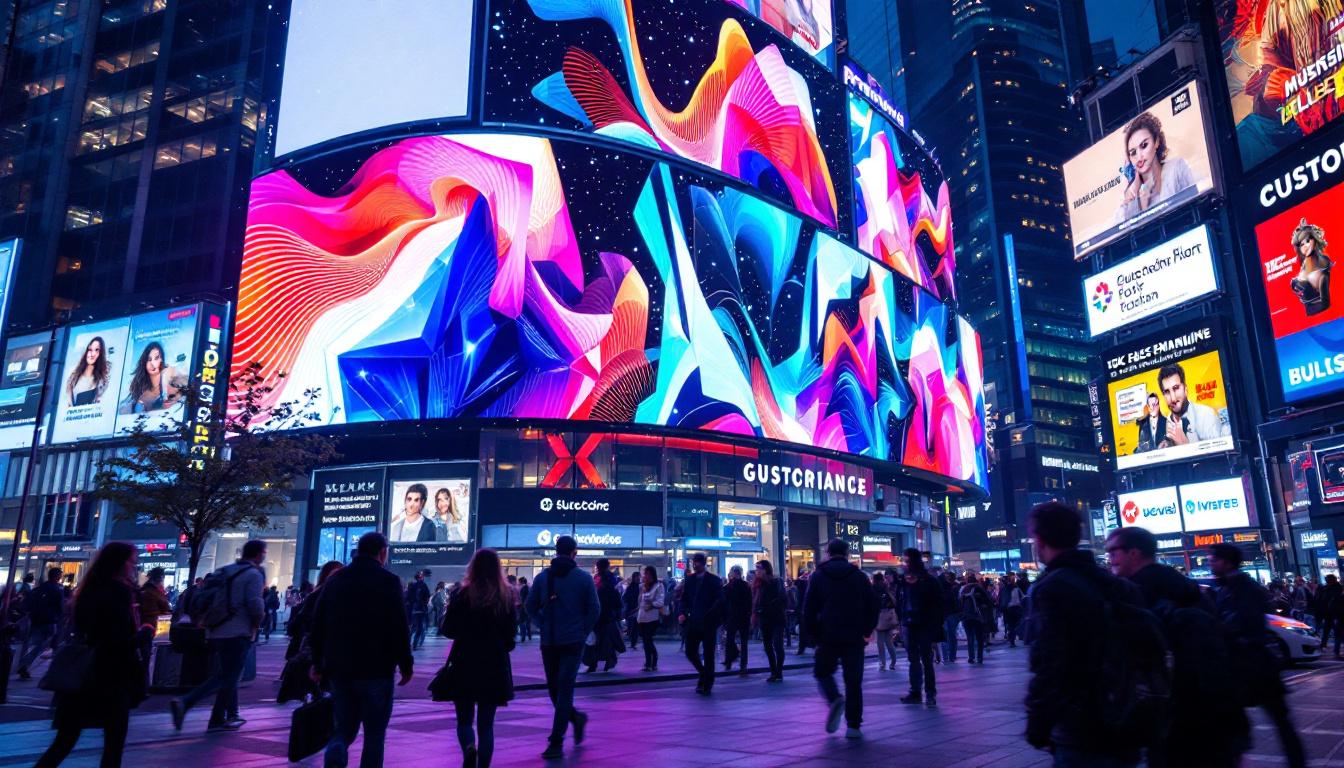
One of the most prevalent uses of LED video walls is in advertising. Digital billboards and storefront displays leverage the technology to capture consumer attention with dynamic, eye-catching content. For instance, Times Square in New York City is renowned for its massive LED billboards that showcase high-definition advertisements around the clock.
Retailers use video walls inside stores to promote products, highlight special offers, and create immersive brand experiences that drive sales.
Corporate and Event Spaces
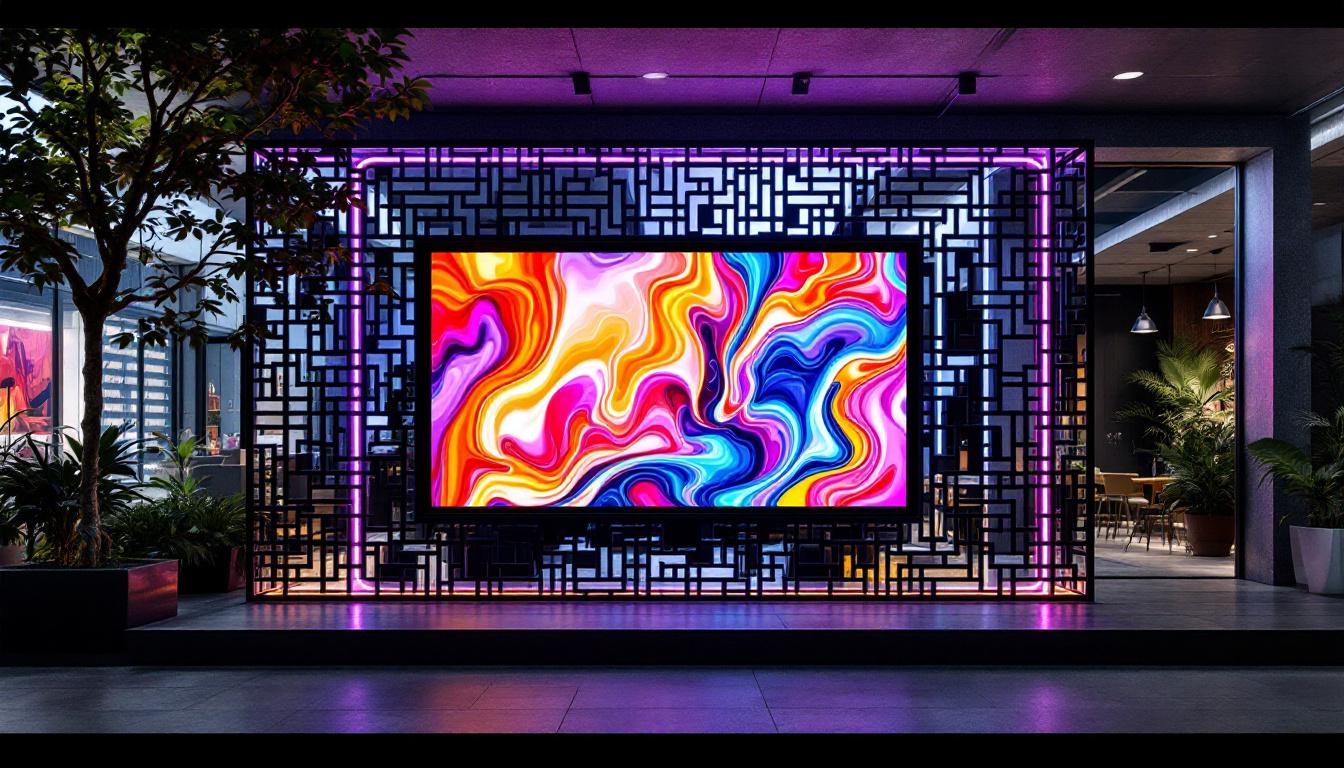
In corporate environments, LED video walls serve as powerful tools for presentations, video conferencing, and brand messaging. Conference rooms, auditoriums, and trade show booths often feature video walls to engage audiences with crisp visuals and interactive content.
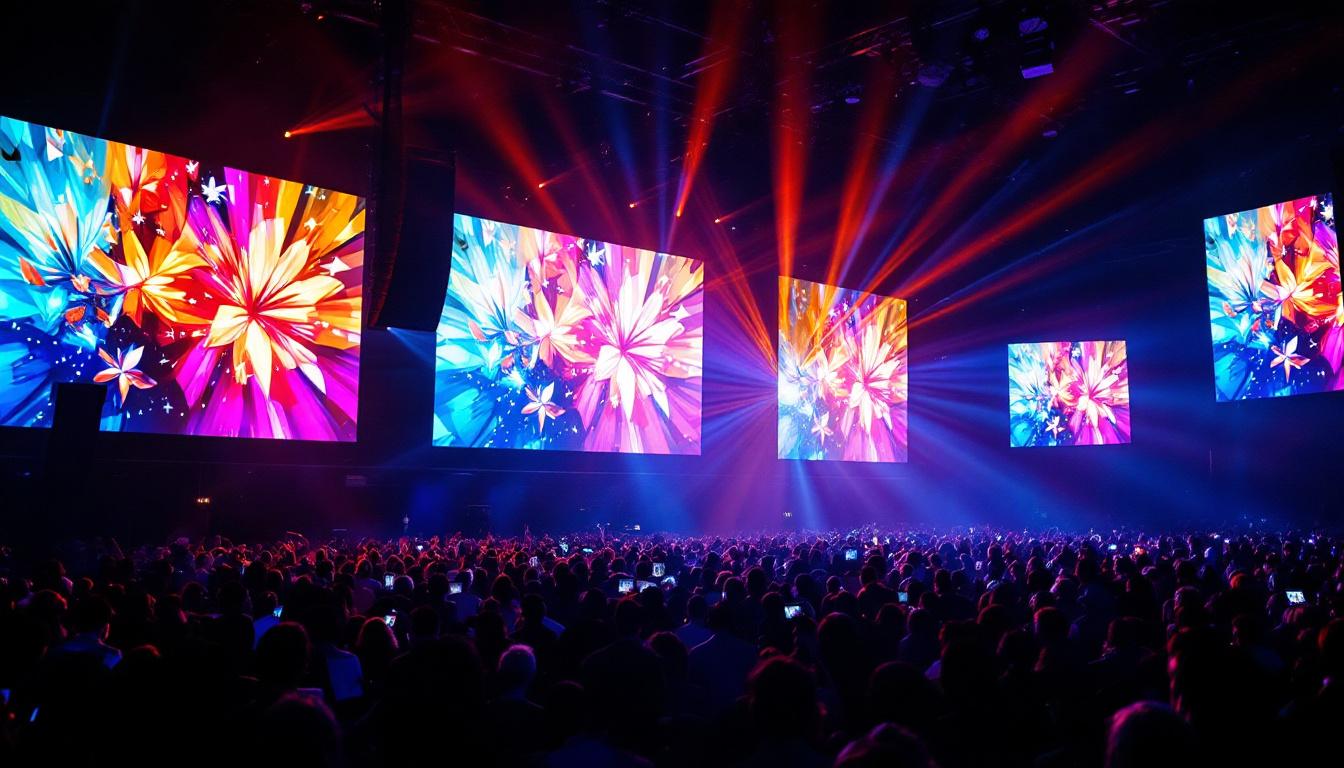
Event organizers use LED walls to enhance concerts, sports events, and exhibitions, providing large-scale backdrops and live feeds that improve audience experience.
Control Rooms and Public Information
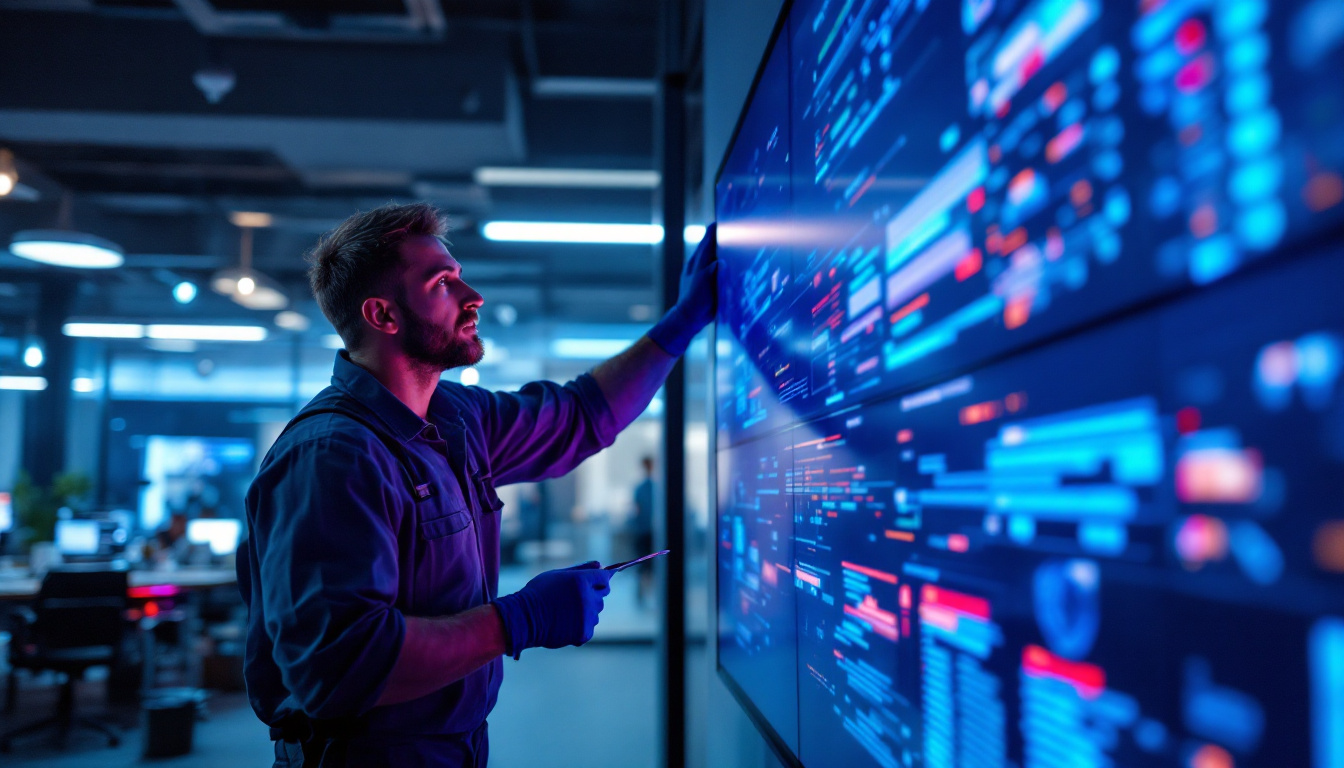
Control centers for transportation, utilities, and emergency services rely on LED video walls to monitor multiple data streams simultaneously. The high resolution and large size enable operators to visualize complex information clearly and respond quickly to situations.
Similarly, airports, train stations, and city centers use LED walls to display real-time information such as schedules, alerts, and wayfinding instructions, improving public communication and safety.
Choosing the Right LED Video Wall
Selecting the appropriate LED video wall involves considering several factors to ensure the display meets the specific needs of the intended application.
Pixel Pitch and Resolution
Pixel pitch refers to the distance between the centers of two adjacent pixels and is measured in millimeters. A smaller pixel pitch means higher pixel density, resulting in sharper images and better resolution. For indoor installations where viewers are close to the screen, a pixel pitch between 1.2mm and 2.5mm is common. Outdoor displays, viewed from greater distances, typically use larger pixel pitches ranging from 4mm to 10mm.
Choosing the right pixel pitch is crucial for balancing image quality and cost, as finer pitches tend to be more expensive.
Brightness and Environmental Suitability
Consider the lighting conditions of the installation site. Outdoor video walls require higher brightness levels to remain visible in daylight, while indoor screens can operate effectively at lower brightness, which also reduces power consumption.
Additionally, outdoor LED panels must be weatherproof and resistant to dust, moisture, and temperature fluctuations. Look for IP ratings (Ingress Protection) to ensure durability under specific environmental conditions.
Installation and Maintenance
The physical space and mounting options will influence the choice of LED panels. Some installations demand lightweight, slim-profile panels that can be mounted on walls or suspended from ceilings. Others may require floor-standing configurations or curved designs.
Maintenance accessibility is another important consideration. Panels that can be serviced from the front simplify repairs and reduce downtime, especially in high-traffic areas.
Future Trends in LED Video Wall Technology
The LED display industry continues to evolve rapidly, driven by advances in materials, processing power, and design innovation. Several emerging trends are shaping the future of video wall technology.
MicroLED and MiniLED Innovations
MicroLED and MiniLED technologies represent the next generation of LED displays, offering even higher resolutions and improved energy efficiency. MicroLEDs are significantly smaller than traditional LEDs, allowing for ultra-fine pixel pitches and superior image quality. These advancements promise to blur the lines between LED video walls and other display technologies like OLED.
Interactive and Smart Displays
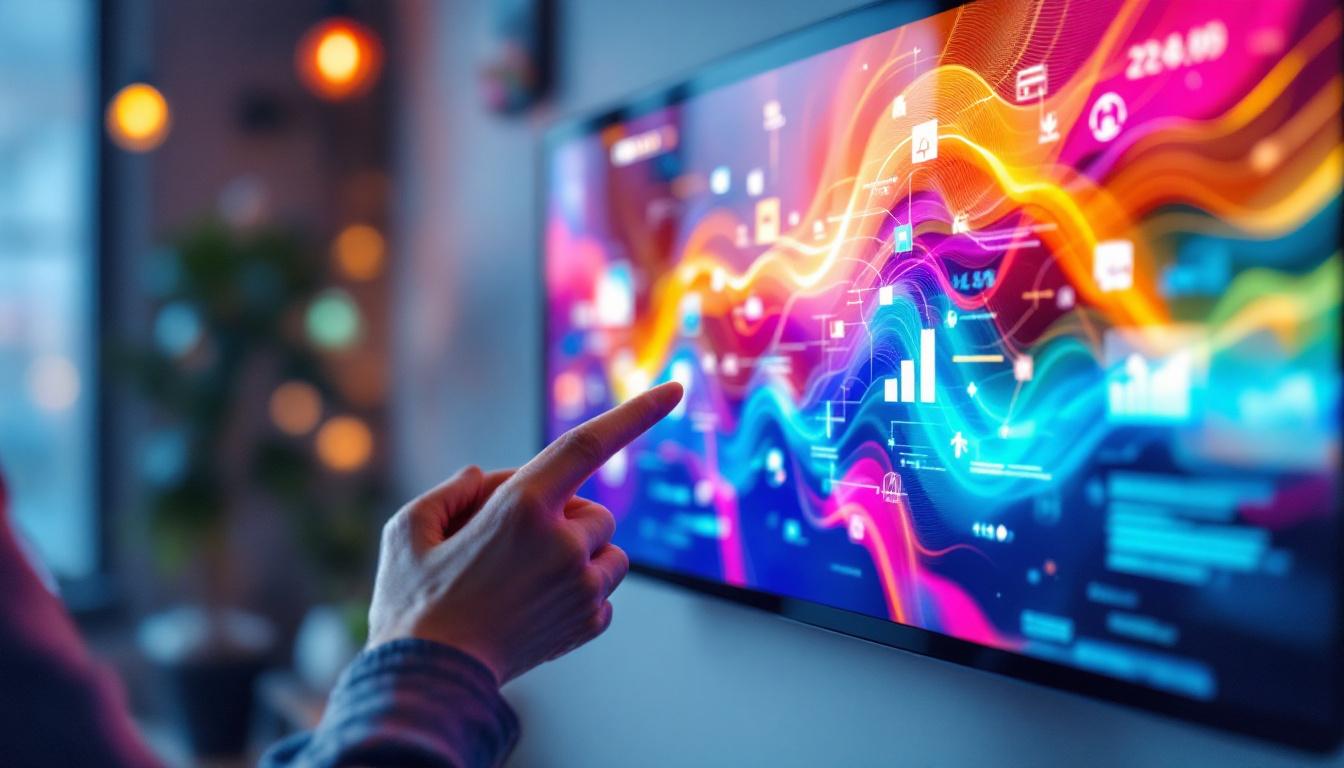
Integrating touch and gesture recognition capabilities into LED video walls is becoming increasingly popular. Interactive video walls enable users to engage directly with content, opening new possibilities for retail, education, and entertainment applications.
Moreover, smart displays equipped with AI-driven content management systems can dynamically adjust visuals based on audience demographics, time of day, or environmental factors, enhancing relevance and impact.
Energy Efficiency and Sustainability
As sustainability becomes a priority, manufacturers are focusing on reducing the environmental footprint of LED video walls. Innovations include the use of eco-friendly materials, improved power management systems, and recycling programs for end-of-life panels.
These efforts align with corporate social responsibility goals and regulatory requirements, making LED video walls a greener choice for businesses.
Conclusion
LED video wall screens represent a powerful and flexible medium for delivering high-impact visual content across a multitude of industries. Their combination of brightness, color fidelity, scalability, and durability makes them ideal for environments ranging from bustling city streets to sophisticated corporate boardrooms.
Understanding the technology behind LED displays, their advantages, and application scenarios helps organizations make informed decisions when investing in video wall solutions. As the technology continues to advance, LED video walls will undoubtedly play an even greater role in shaping the future of digital communication and visual storytelling.
Discover LumenMatrix’s Innovative LED Display Solutions
Ready to elevate your visual communication strategy with a state-of-the-art LED video wall? LumenMatrix, a pioneer in LED display technology, offers a comprehensive range of solutions tailored to meet your needs. From vibrant Indoor and Outdoor LED Wall Displays to dynamic Vehicle and Sports LED Displays, each product is designed to captivate your audience and amplify your brand’s presence. Experience the future of digital storytelling with LumenMatrix’s Custom, All-in-One, and Transparent LED Displays. Check out LumenMatrix LED Display Solutions today and transform your space into a mesmerizing visual experience.