In the rapidly evolving world of digital technology, LED displays have become a cornerstone of modern visual communication. From the vibrant billboards that light up cityscapes to the high-definition screens in smartphones and televisions, LED technology is everywhere. But what exactly is meant by “LED,” and how do LED displays work? This article delves into the fundamentals of LED technology, explores its applications, and explains why LED displays have become the preferred choice across various industries.
Understanding LED: The Basics
What Does LED Stand For?
LED stands for Light Emitting Diode. It is a semiconductor device that emits light when an electric current passes through it. Unlike traditional incandescent bulbs that produce light by heating a filament, LEDs generate light through electroluminescence, a process where electrons recombine with electron holes within the device, releasing energy in the form of photons.
This fundamental difference makes LEDs highly efficient, durable, and versatile. The first practical visible-spectrum LED was developed in the early 1960s, and since then, LED technology has undergone significant advancements, enabling its widespread adoption in displays and lighting. The efficiency of LEDs is remarkable; they convert a higher percentage of electrical energy into light compared to incandescent bulbs, which waste a lot of energy as heat. This efficiency not only reduces energy consumption but also leads to lower electricity bills and a smaller carbon footprint, making LEDs an environmentally friendly choice.
How Do LEDs Work?
At the core of an LED is a chip made from semiconductor materials, typically gallium arsenide or gallium phosphide. When voltage is applied, electrons move across the semiconductor junction and recombine with holes, releasing energy as light. The color of the light depends on the materials used and the energy gap of the semiconductor. Each color of LED is achieved by altering the composition of the semiconductor materials, which allows for a range of wavelengths to be emitted.
LEDs are available in various colors, including red, green, blue, and white. For display purposes, combinations of red, green, and blue LEDs are used to create a full spectrum of colors through additive color mixing, enabling vibrant and dynamic images. This capability has made LEDs the backbone of modern display technologies, from televisions to smartphones. Furthermore, the compact size of LEDs allows for innovative designs and applications, such as flexible lighting strips and intricate lighting arrangements that can be integrated into architecture and interior design. With the rise of smart technology, LEDs are also being incorporated into smart home systems, allowing users to control lighting remotely, set schedules, and even change colors to match their mood or decor. The future of LED technology promises even more exciting developments, including advancements in organic LEDs (OLEDs) and quantum dot LEDs (QLEDs), which could further enhance display quality and energy efficiency.
What Is an LED Display?
Definition and Core Components
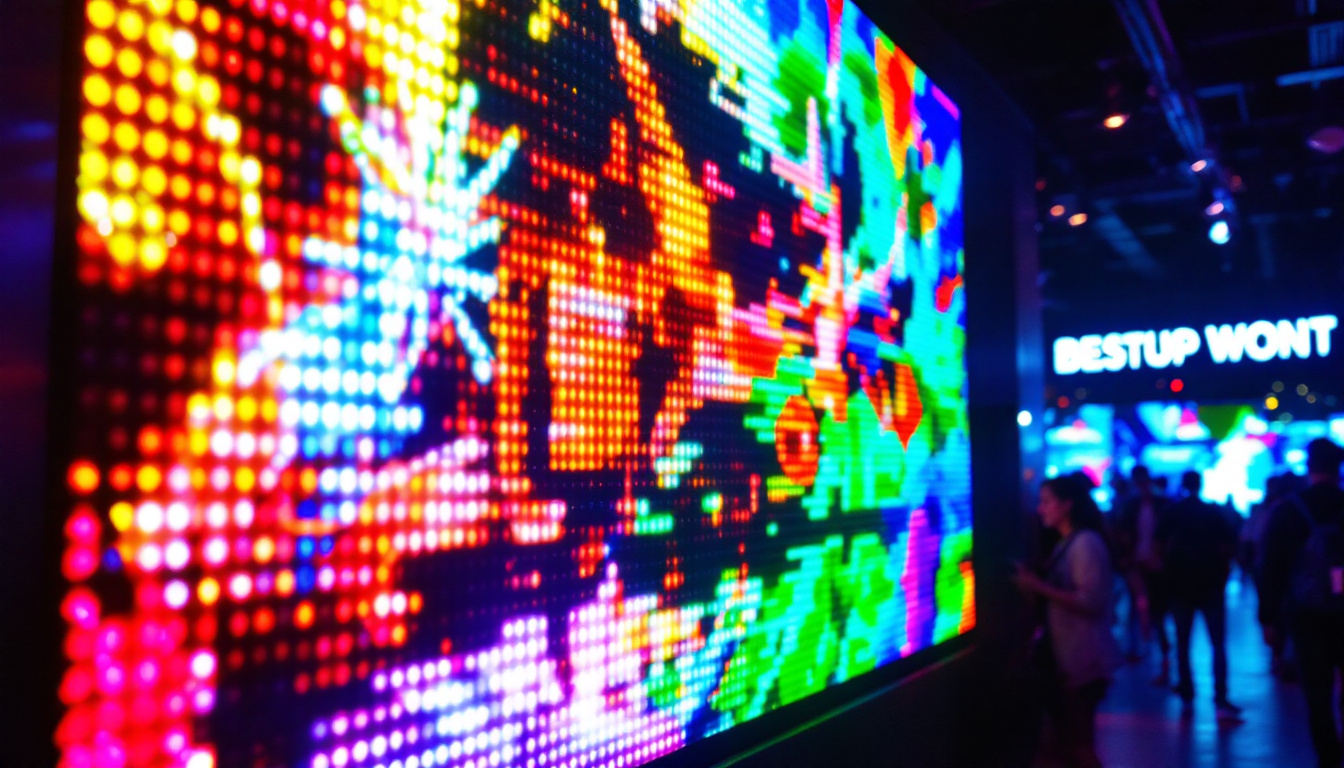
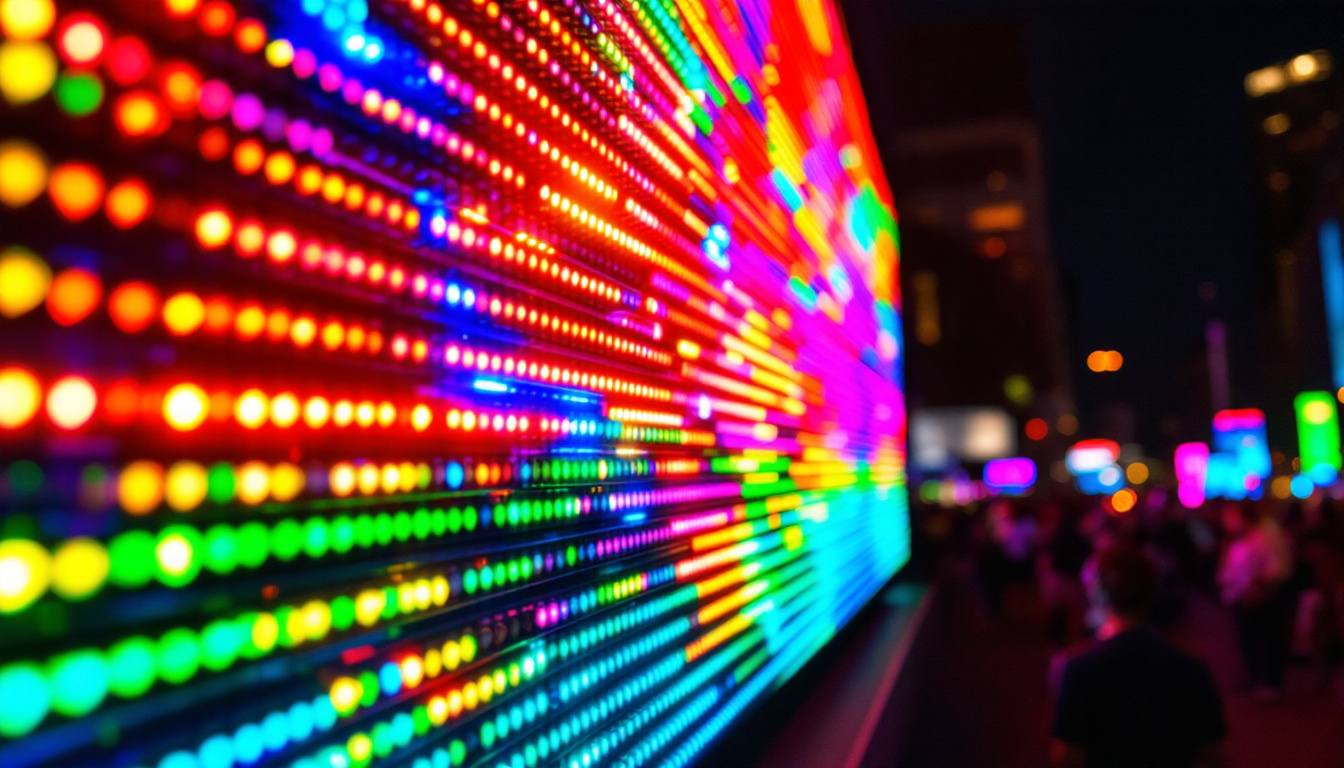
An LED display is a flat panel display that uses light-emitting diodes as pixels to present images, videos, or text. These displays are composed of numerous tiny LEDs arranged in a grid, each acting as a single pixel. By controlling the brightness and color of each LED, the display can render complex visuals with high clarity and brightness.
Core components of an LED display include:
- LED Pixels: The smallest units of the display that emit light.
- Driver Circuits: Electronic components that control the power supplied to each LED.
- Control System: Hardware and software that manage the image data and synchronize the LED pixels.
- Protective Enclosure: A casing that shields the LEDs and electronics from environmental factors.
Types of LED Displays
LED displays come in various forms, each suited for different applications:
- Direct View LED Displays: These displays use LEDs as the light source and pixel elements directly visible to the viewer. They are commonly used in large outdoor billboards, stadium screens, and digital signage.
- LED-Backlit LCD Displays: In these displays, LEDs serve as the backlight behind an LCD panel. This technology is prevalent in televisions, monitors, and smartphones, offering improved brightness and energy efficiency compared to traditional CCFL backlighting.
- MicroLED Displays: An emerging technology that uses microscopic LEDs as individual pixels, promising higher brightness, better contrast, and longer lifespan than OLEDs or traditional LEDs.
Advantages of LED Displays
Energy Efficiency and Longevity
One of the primary reasons LED displays have become so popular is their exceptional energy efficiency. LEDs consume significantly less power than traditional display technologies such as plasma or CCFL-backlit LCDs. For example, LED-backlit LCD TVs can use up to 40% less energy than their CCFL counterparts.
Additionally, LEDs have a longer operational lifespan, often exceeding 50,000 hours. This durability reduces maintenance costs and downtime, particularly important for large-scale outdoor displays that operate continuously.
Brightness and Visibility
LED displays are renowned for their high brightness levels, making them ideal for both indoor and outdoor environments. Outdoor LED billboards can reach brightness levels of over 5,000 nits, ensuring visibility even in direct sunlight. This capability is crucial for advertising, public information displays, and event screens.
Moreover, LED displays offer wide viewing angles and fast response times, enhancing the viewing experience by reducing motion blur and color distortion.
Design Flexibility and Scalability
LED technology allows for remarkable design flexibility. Displays can be constructed in virtually any size and shape, from small wearable devices to massive stadium screens. Modular LED panels can be combined seamlessly to create ultra-large displays without compromising image quality.
This scalability makes LED displays suitable for a broad spectrum of applications, from retail signage and transportation hubs to concerts and sports arenas.
Common Applications of LED Displays
Outdoor Advertising and Digital Billboards
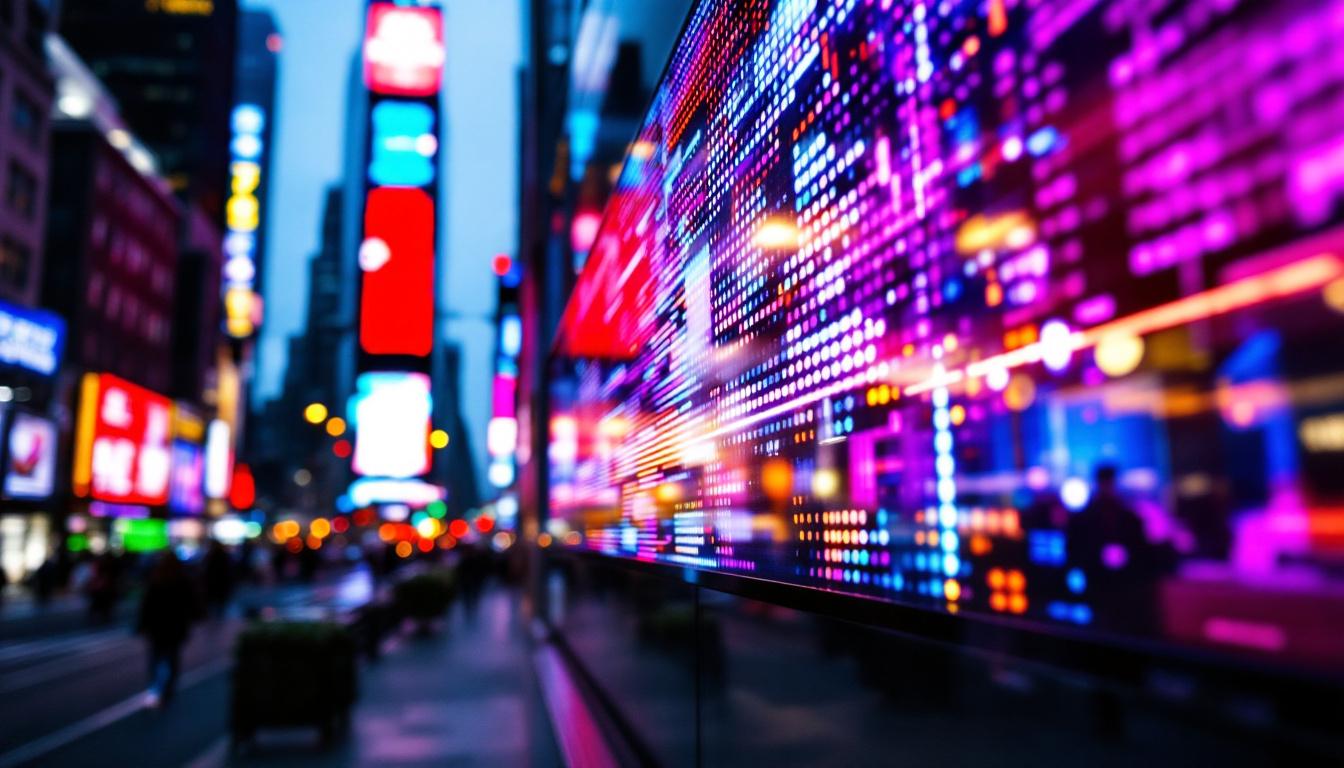
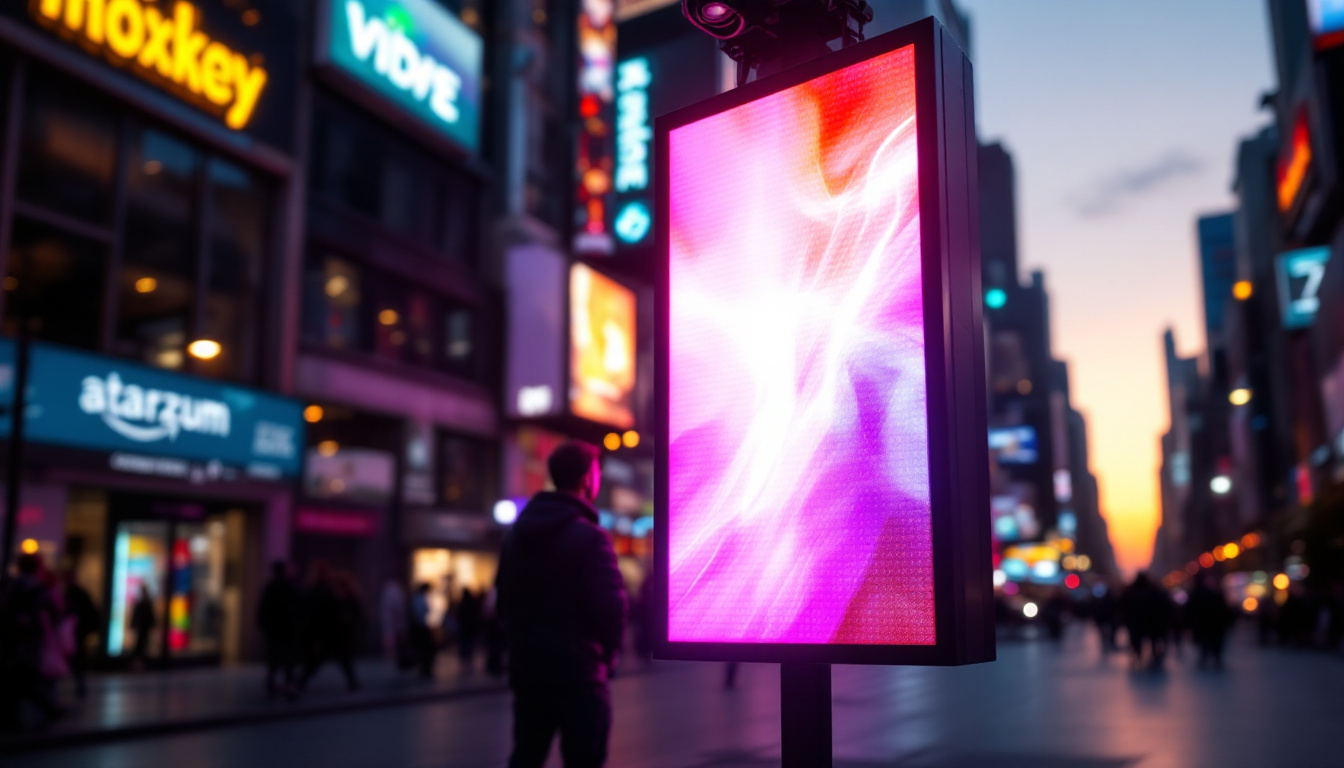
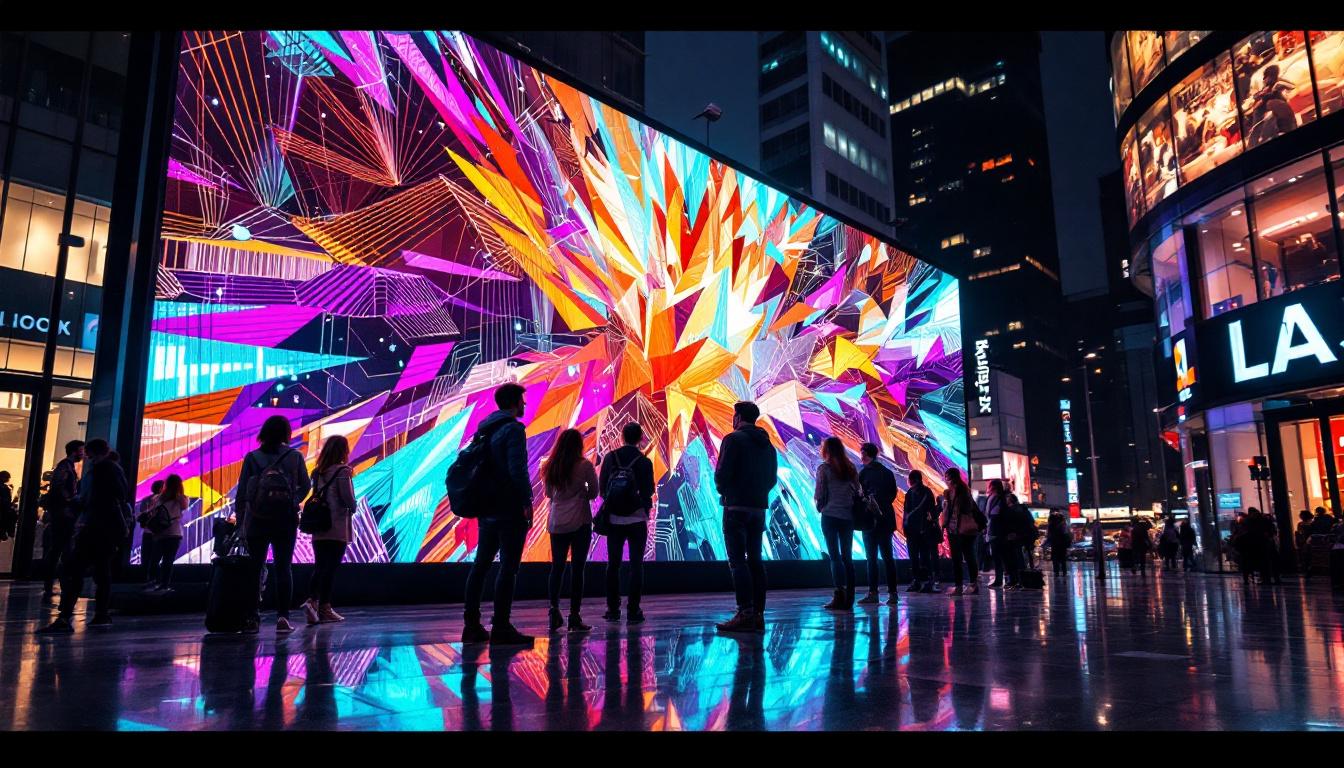
Digital billboards powered by LED technology have transformed the advertising industry. Their ability to display dynamic, colorful content attracts more attention compared to static billboards. According to the Outdoor Advertising Association of America, digital billboards can increase viewer engagement by up to 50%, making them a valuable tool for marketers.
LED billboards are also programmable, allowing advertisers to change content remotely and in real-time, providing flexibility to respond to market trends or events instantly.
Sports and Entertainment Venues
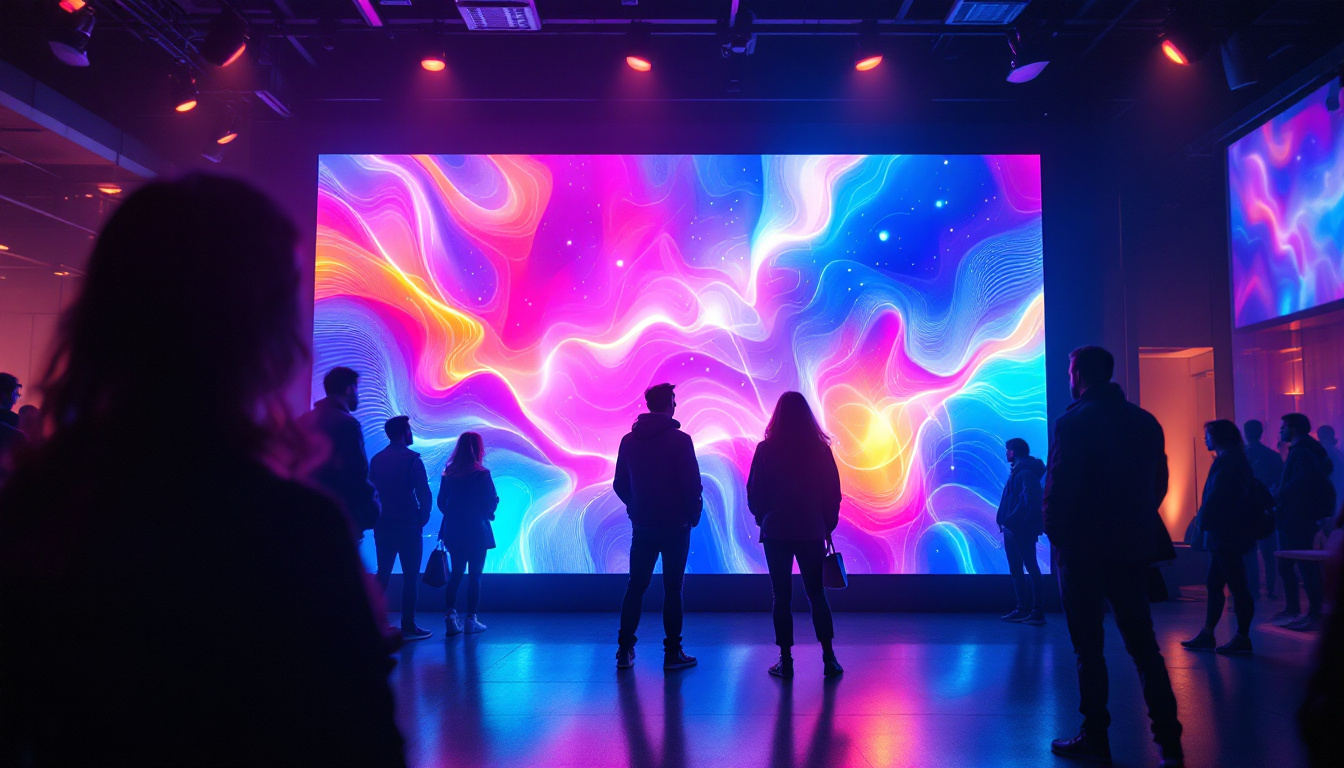
LED displays are ubiquitous in sports arenas and concert venues. Large LED screens provide spectators with live game footage, replays, and interactive content, enhancing the overall experience. The ability to produce vivid images and videos even under bright stadium lighting conditions makes LED displays indispensable in these settings.
Retail and Commercial Spaces
In retail environments, LED displays serve as digital signage to promote products, provide information, and create immersive brand experiences. Their brightness and color accuracy help capture customer attention, influencing purchasing decisions.
Furthermore, LED displays are used in corporate settings for presentations, video conferencing, and digital notice boards, improving communication and engagement.
Transportation and Public Information Systems
LED displays are extensively used in airports, train stations, and bus terminals for real-time information dissemination. Their clarity and reliability ensure that travelers receive timely updates on schedules, delays, and safety announcements.
Technical Considerations in LED Display Design
Pixel Pitch and Resolution
Pixel pitch refers to the distance between the centers of two adjacent LEDs and is a critical factor determining the display’s resolution and viewing distance. Smaller pixel pitches mean higher resolution and finer image detail, suitable for close-up viewing environments such as indoor displays.
Conversely, larger pixel pitches are used for outdoor displays where viewers are typically farther away. For example, a pixel pitch of 1.5 mm is common for indoor LED walls, while outdoor billboards may have pixel pitches ranging from 10 mm to 20 mm or more.
Color Calibration and Brightness Control
Accurate color reproduction is essential for delivering visually appealing content. LED displays use sophisticated calibration techniques to ensure consistent color across the entire screen. Brightness control is equally important to adapt to varying ambient light conditions and prevent glare or eye strain.
Heat Management and Durability
LEDs generate heat during operation, which can affect performance and lifespan. Effective heat dissipation mechanisms, such as heat sinks and cooling fans, are integral to LED display design. Additionally, outdoor LED displays require weatherproof enclosures to protect against moisture, dust, and temperature extremes.
The Future of LED Display Technology
MicroLED and Beyond
MicroLED technology represents the next frontier in LED displays. By using microscopic LEDs as individual pixels, MicroLED displays offer superior brightness, contrast ratios, and energy efficiency compared to current OLED and LCD technologies. They also promise longer lifespans and reduced burn-in issues.
While still in the early stages of commercialization, MicroLED displays are expected to revolutionize devices ranging from smartphones and TVs to augmented reality (AR) and virtual reality (VR) headsets.
Integration with Smart Technologies
LED displays are increasingly integrated with smart technologies and the Internet of Things (IoT). This integration enables real-time data-driven content, interactive features, and remote management, enhancing the functionality and user experience of LED-based systems.
Sustainability and Environmental Impact
As energy efficiency becomes a global priority, LED displays contribute to reducing carbon footprints in advertising, entertainment, and public information sectors. Advances in recyclable materials and manufacturing processes are further improving the environmental sustainability of LED technology.
Conclusion
LED, or Light Emitting Diode, technology has fundamentally transformed the way visual information is displayed and consumed across the globe. LED displays offer unmatched brightness, energy efficiency, and design flexibility, making them the preferred choice for a wide range of applications from outdoor advertising to high-end consumer electronics.
Understanding the principles behind LED displays, their advantages, and their diverse applications provides valuable insight into why this technology continues to dominate the display market. With ongoing innovations like MicroLED and smart integration, the future of LED displays promises even more exciting developments that will shape the visual landscape for years to come.
Discover the Future of Visual Display with LumenMatrix
As you’ve seen, LED technology is reshaping the future of digital displays with its unmatched efficiency and versatility. If you’re ready to elevate your visual communication and captivate your audience, look no further than LumenMatrix. Our extensive range of innovative LED display solutions, from Indoor and Outdoor LED Walls to Custom and All-in-One LED Displays, is designed to bring your brand to life. Experience the revolution in LED display technology and check out LumenMatrix LED Display Solutions today to create a truly immersive visual experience.